August 27, 2026
Home / All Tours / Africa / Tanzania / Tanzanian Islands /
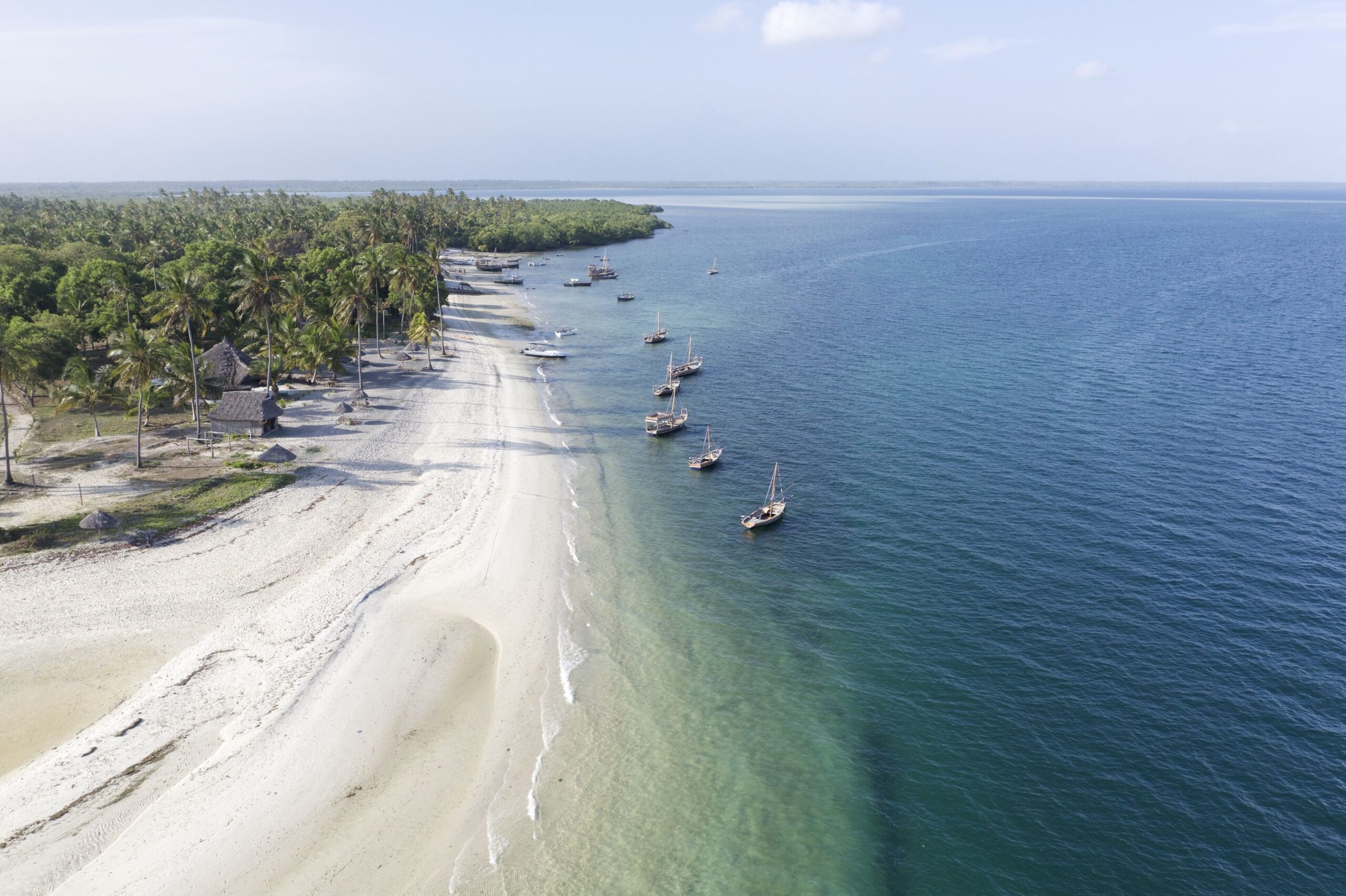
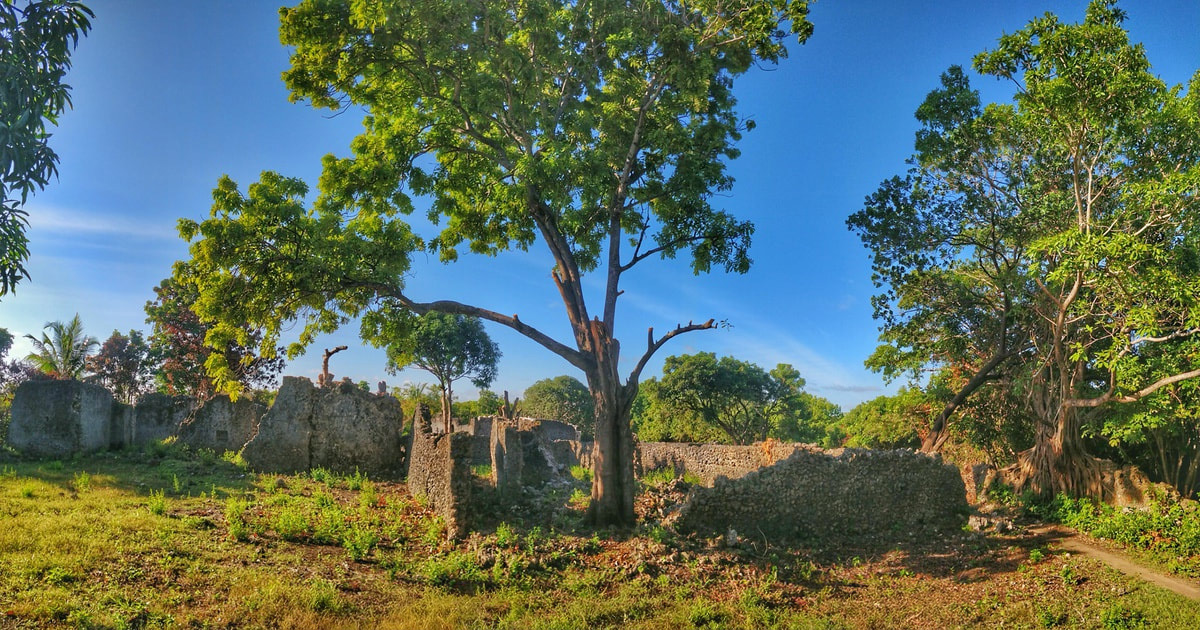
Mafia Island lies off Tanzania's southern coast, a quieter and less developed counterpart to Zanzibar with its own long history as a trading post. Iron Age communities settled the island as early as 400 to 800 AD, and by the twelfth century it had become part of a Shirazi trading network linking the East African coast with the wider Indian Ocean, a history still visible in the ruins scattered across the island and its neighbours.
Today, Mafia Island is best known for the Mafia Island Marine Park, its whale shark season and its slower pace of island life. Indigo Safaris arranges tailor-made stays on Mafia Island as a fly-in extension to a Tanzania safari or a stay elsewhere on the coast, combining diving, snorkelling and beach time with the option to explore neighbouring Juani and Chole islands.
Browse our tailor-made Mafia Island tour below, built around diving, snorkelling and beach time and easily paired with a mainland Tanzania safari or time on Zanzibar or Pemba.
Quiet, authentic and shaped by the sea.
Today Mafia is known as a beautiful Indian Ocean island that is famous for deep sea fishing and scuba diving. Aquatic life is abundant and the coral gardens are in good health due to the protection of the Mafia Island Marine Park. The park is located between the Rufiji River delta to the west and the open Indian Ocean to the east. The dual influences of the river and the sea have combined to create a rich and exceptional biodiversity with unique landscapes under the sea and on dry land.
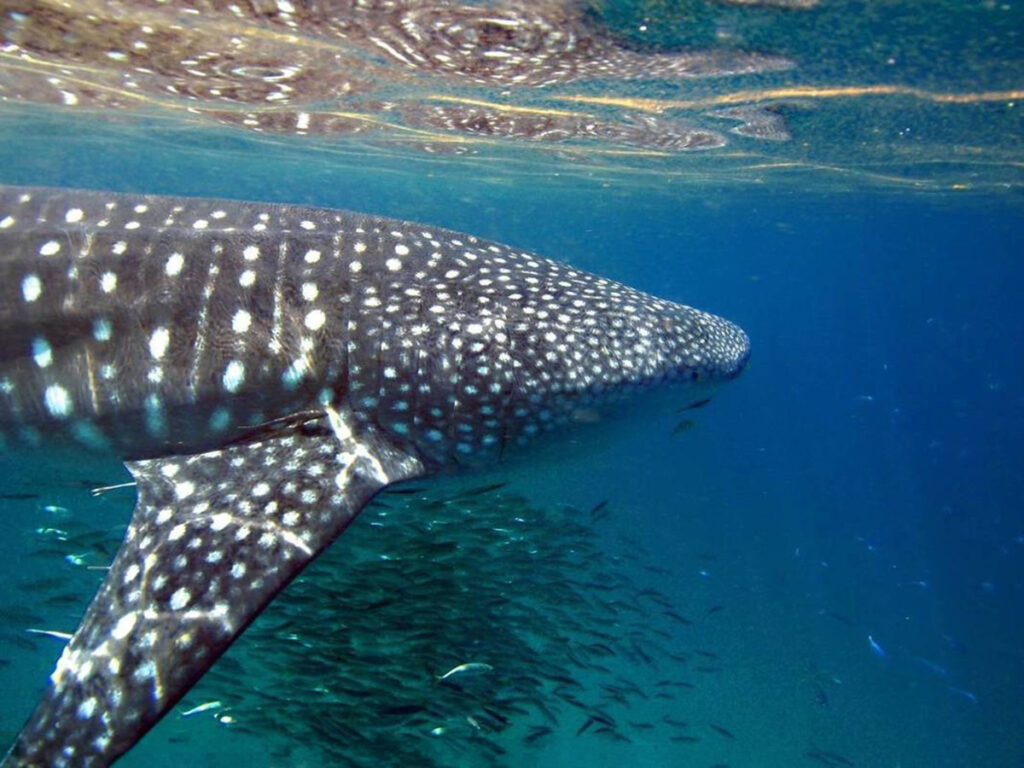
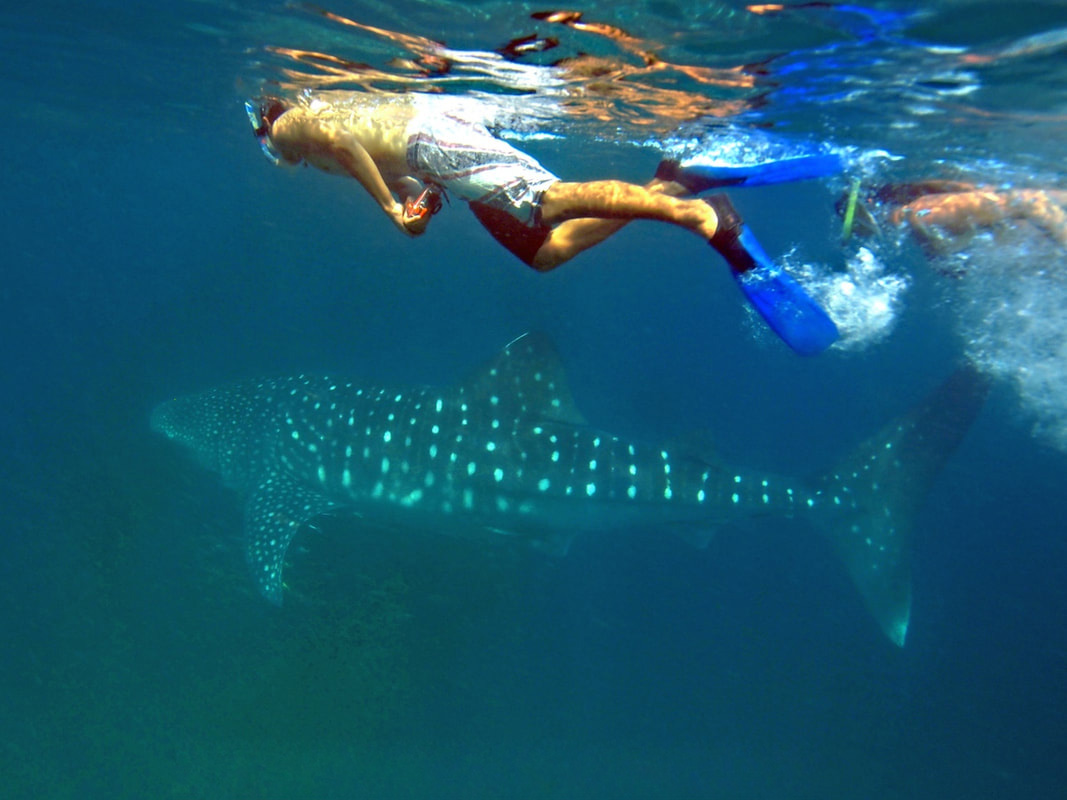
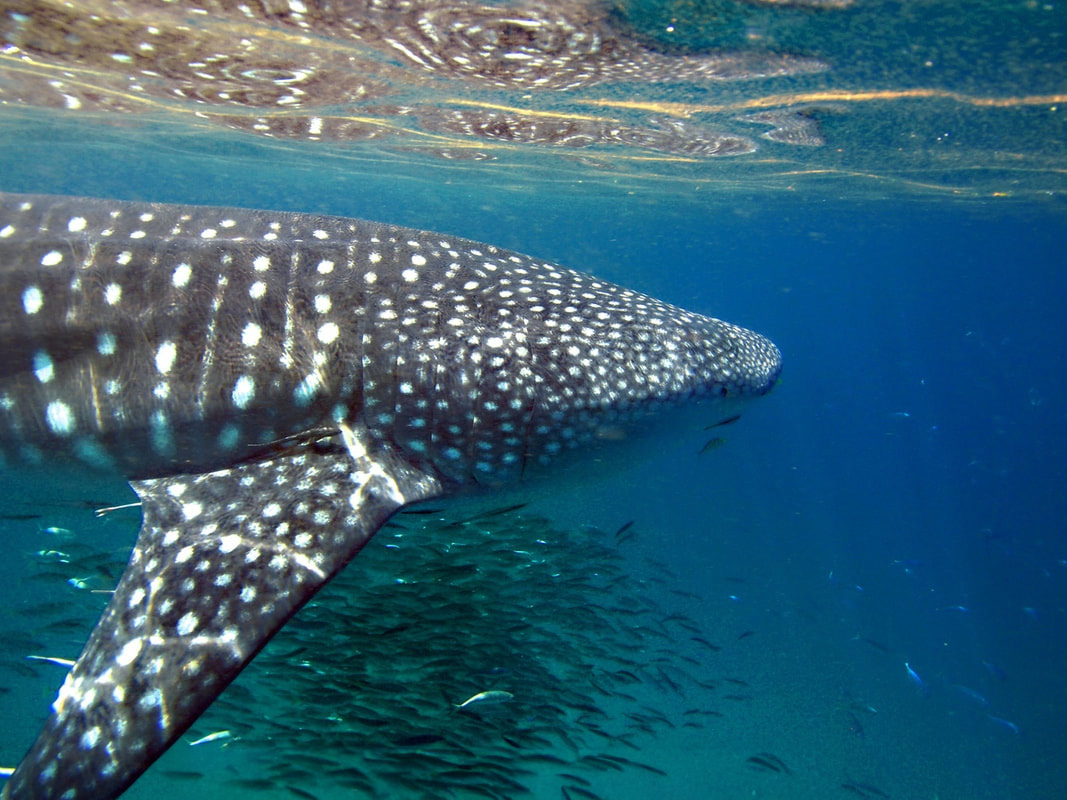
Whale sharks: snorkel alongside whale sharks in Kilindoni Bay, typically present from October to March, an activity open to snorkellers as well as certified divers.
Dive the coral gardens of the Mafia Island Marine Park, with visibility generally best between June and October.
Visit Iron Age and Shirazi-era ruins on Mafia and its neighbouring islands, alongside villages that reflect centuries of trading history.
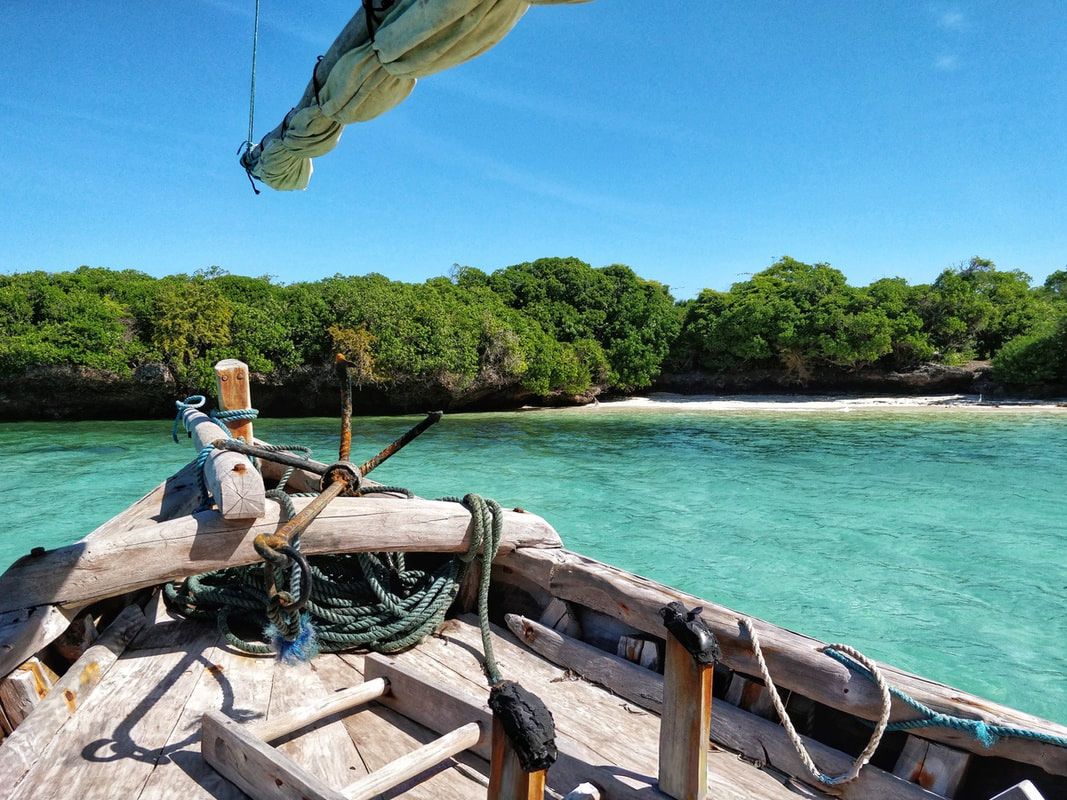
Spend unhurried days between the water and the beach, with far fewer visitors than Zanzibar.
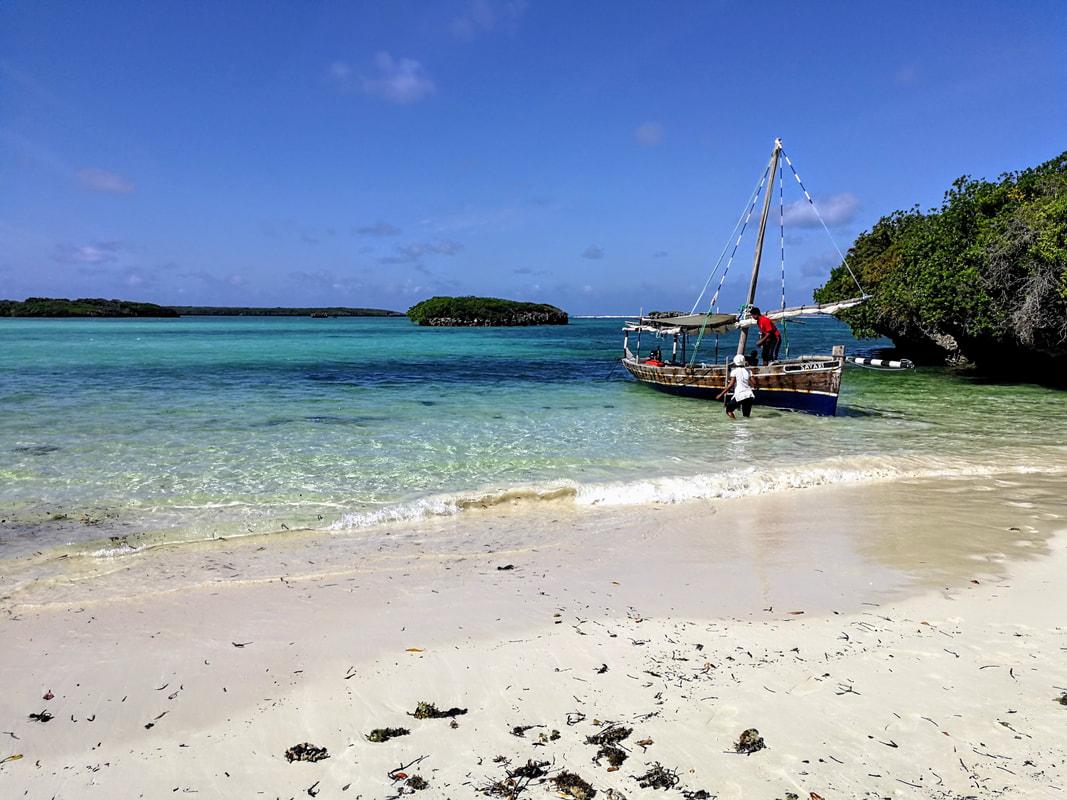
The island is rich with historical sites. Guests can make an excursion to any of the island villages, where the people are welcoming and friendly. We offer both road and boat with guides. The people of the villages of the islands of Chole, Juani and Jibondo are engaged in a variety of activities from boat building to animal husbandry. Small scale farming (rice, cassava, fruits) is practiced on fertile soils and fishing and fish drying contributes to their income.
Seasons of sea, sun and steady encounters.
Mafia Island can be visited throughout the year, though the best time depends on what you would most like to see.
Whale shark season, with the best chance of snorkelling alongside them in Kilindoni Bay.
The dry season, when visibility for diving and snorkelling is generally at its best.
Turtle hatching season on Juani Island's beaches, a good option for guests visiting outside whale shark season.
The short rains bring heavier weather and quieter beaches, with reduced tourism activity.
Small lodges, chosen for their island character.
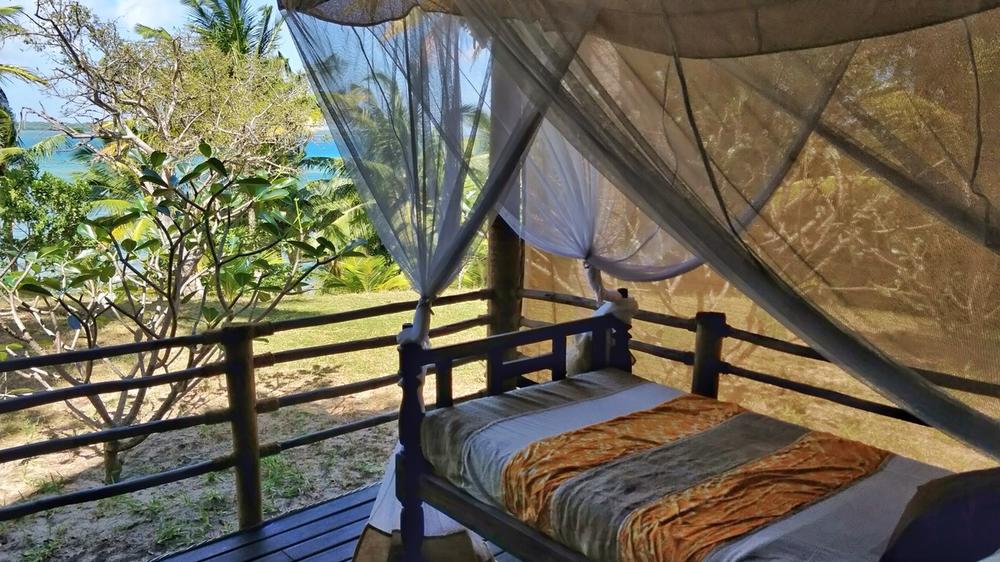
Indigo Safaris arranges stays at small, owner-run lodges on Mafia Island, in keeping with the island's low-key character. Our current Mafia Island tour is built around Pole Pole Lodge, and further options can be added for guests who want to combine the island with a longer mainland safari or a stay on Zanzibar or Pemba.
What to know before you travel.
A Mafia Island stay involves a few practical details worth knowing before you go, alongside the guidance that applies to a wider Tanzania trip.
Mafia Island is reached by light aircraft, most often as a fly-in extension from Dar es Salaam or combined directly with a mainland Tanzania safari.
Most nationalities can apply for a Tanzania e-visa in advance or purchase a visa on arrival, since Mafia Island falls under the same entry requirements as mainland Tanzania.
Malaria prophylaxis is recommended, and a yellow fever vaccination certificate is required if you are arriving from a country with a risk of yellow fever transmission. Speak to a travel health professional before departure.
Pack for warm, humid island weather alongside your safari kit; see our safari packing list for general guidance on what to bring
Whale sharks are typically seen snorkelling in Kilindoni Bay from around October to March, and no diving qualification is needed for this activity, only comfort snorkelling in open water.
Yes, Mafia Island combines diving and snorkelling in the Mafia Island Marine Park, generally best from June to October for visibility, with a quieter beach experience than Zanzibar for guests who want to split their time between the two.
Mafia Island is quieter and less developed than Zanzibar, with a stronger focus on diving, snorkelling and marine life, making it a good choice for travellers who want a slower island stay alongside their safari rather than Zanzibar’s busier resort scene.
Mafia Island was an important trading post under Shirazi influence between the twelfth and fifteenth centuries, with Iron Age settlements on the island dating back to between 400 and 800 AD.
Mafia Island is reached by light aircraft, typically as a fly-in extension combined with a Tanzania safari or a stay elsewhere on the Tanzanian coast.
Yes, turtle hatchings can be seen on the beaches of Juani Island between April and September, offering an alternative wildlife highlight for guests visiting outside whale shark season.
Yes, the Mafia Island Marine Park protects the coral gardens and reef systems around the island, which is part of why the diving and snorkelling here has stayed in good health.
Most stays run four to five days, enough time to combine several dives or snorkelling trips with boat excursions to Juani and Chole islands and simple beach time.
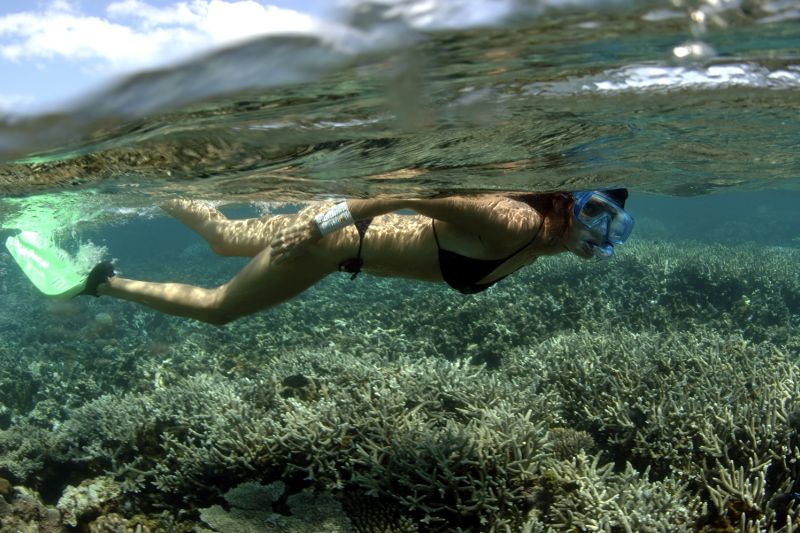
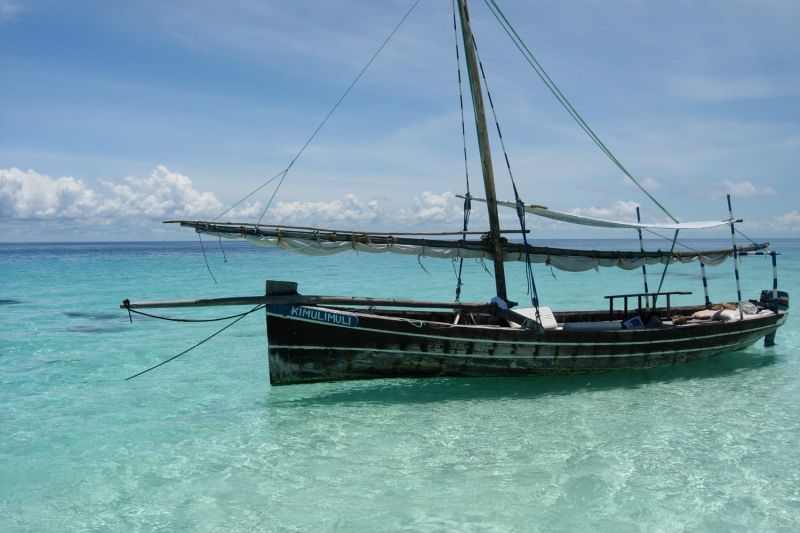
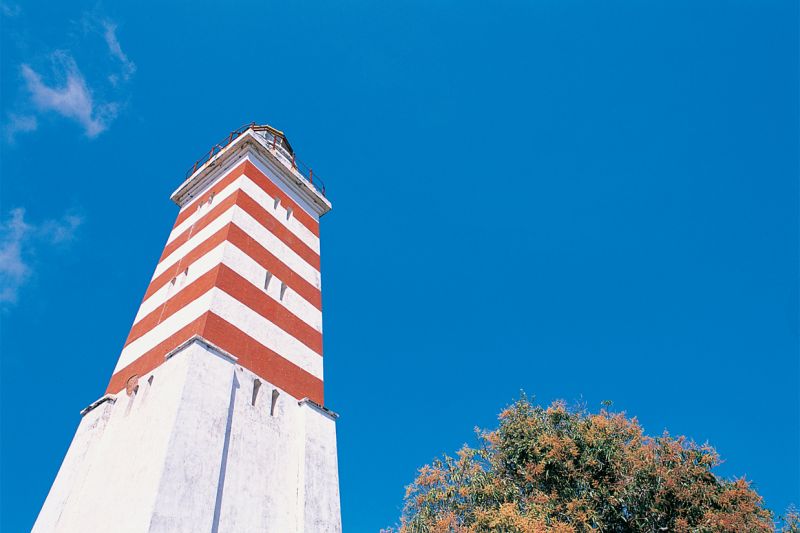
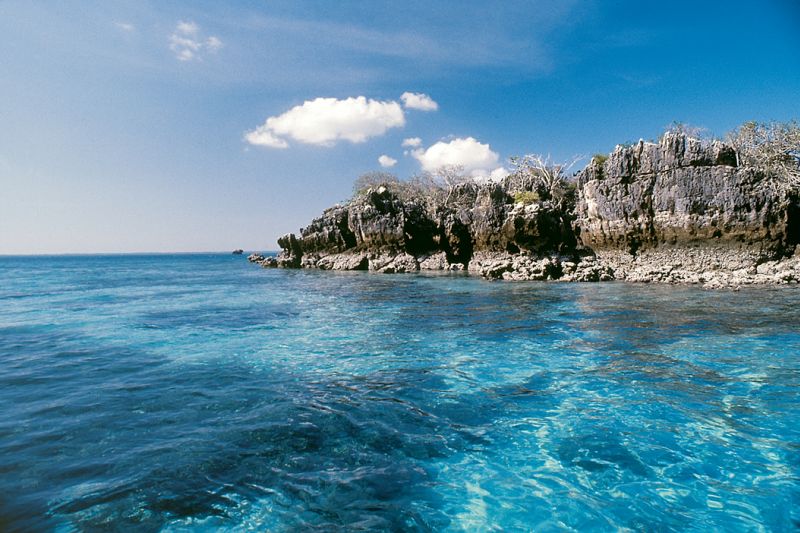
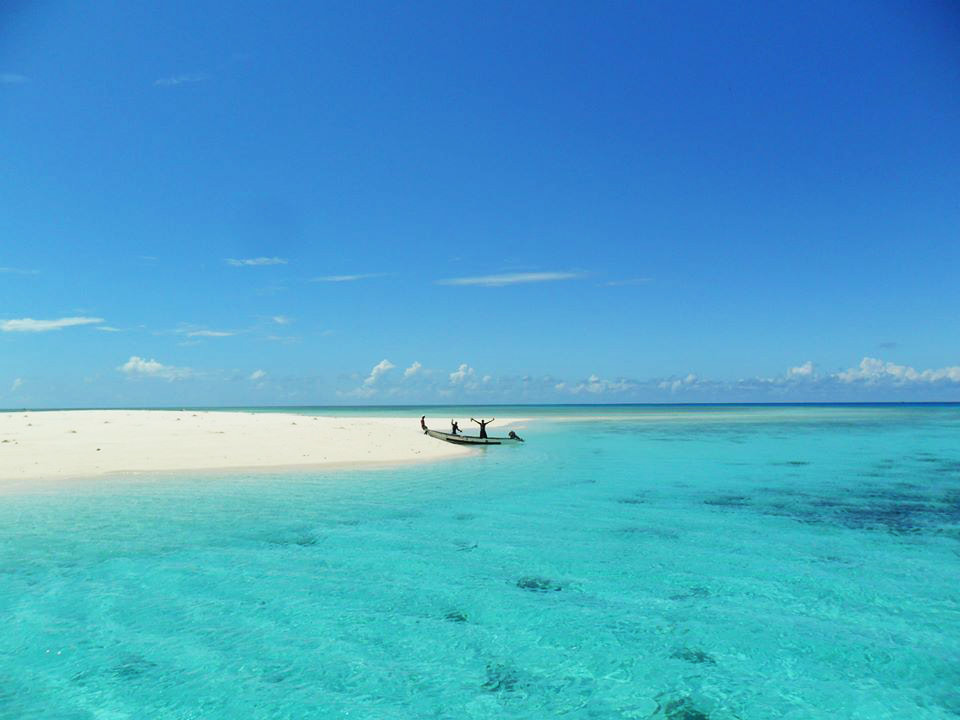
Experience Mafia Island with Indigo Safaris. From snorkelling with whale sharks to exploring pristine reefs and tranquil beaches, we’ll design a journey that captures the island’s pure, unspoiled beauty. Start planning your Mafia Island escape or speak to a travel expert today.
Discover stories that celebrate the harmony between ocean and soul—where coral gardens, gentle tides, and quiet island life create space for reflection and renewal. In this blog section, travellers share insights inspired by nature’s simplicity and the joy of slowing down. Each story embodies the essence of Indigo Safaris: authentic, immersive travel that connects deeply with the natural world.