January 11, 2026
Travelling through Madagascar reveals an ever-changing landscape, from lush eastern rainforests to limestone pinnacles, spiny forests, and idyllic coastlines. Its wildlife, culture, and scenery combine to create immersive journeys well suited to curious and adventurous travellers.
Madagascar is one of the world’s most extraordinary destinations, defined by its isolation and remarkable biodiversity. Separated from mainland Africa for millions of years, the island has evolved a wildlife experience entirely its own, with iconic lemurs, chameleons, baobabs, and diverse ecosystems ranging from rainforests to deserts and coral reefs
Expertly planned journeys focusing on wildlife, landscapes, and meaningful exploration
Indigo Safaris designs Madagascar itineraries that balance exploration with comfort, combining guided wildlife encounters, scenic travel routes, and carefully selected accommodation. Tours can be tailored to suit a range of interests, from wildlife enthusiasts to photographers, scuba divers, and nature-focused travellers.

A destination unlike any other, offering rare species and unforgettable scenery
A journey to Madagascar is unlike any other experience in Africa. Cut off from the mainland for over 80 million years, this vast island has evolved into a living laboratory of biodiversity, with landscapes and wildlife found nowhere else on Earth. From towering baobabs and lush rainforests to coral-fringed archipelagos, Madagascar promises a sensory adventure that is as rare as it is rewarding.
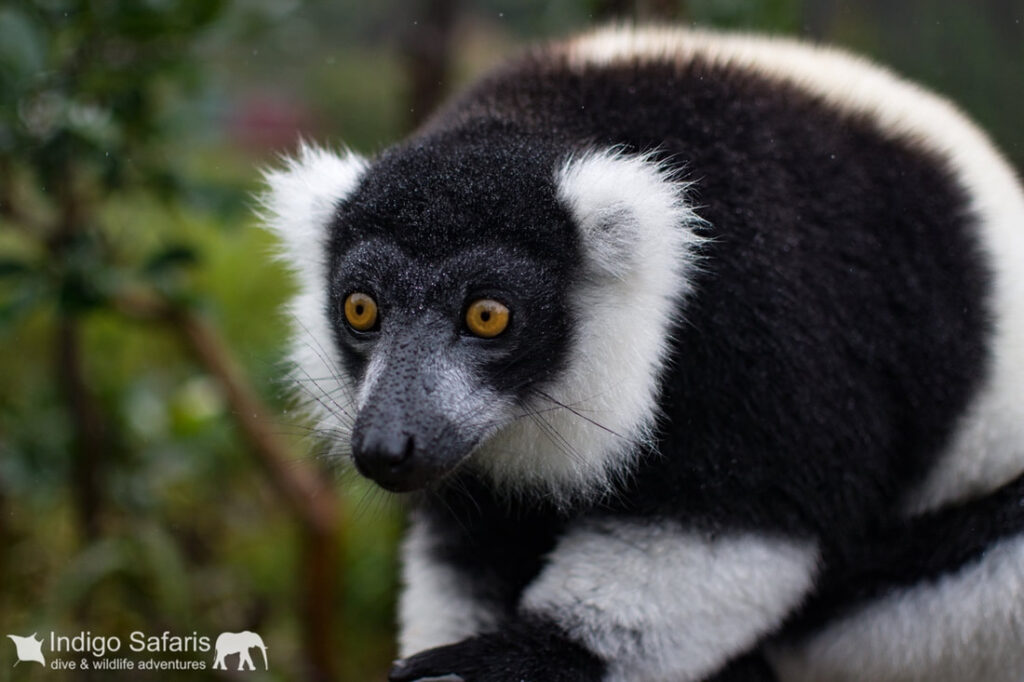
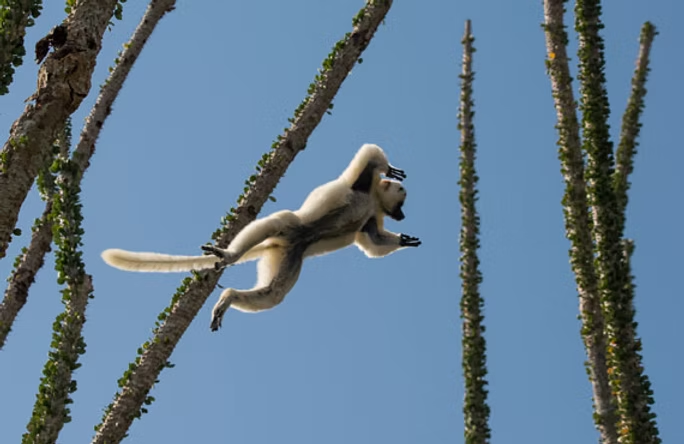
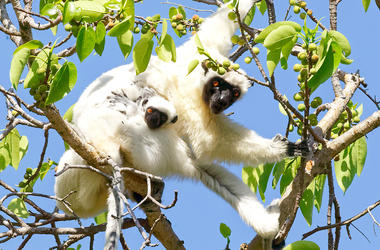
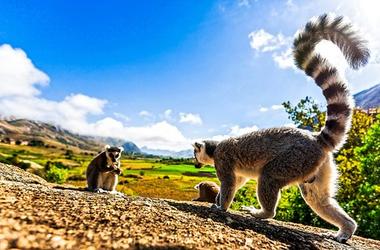
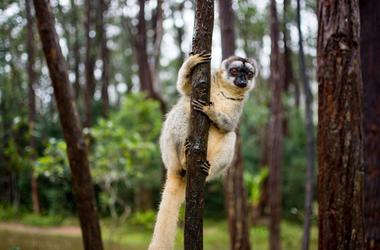
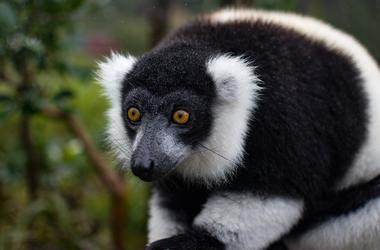
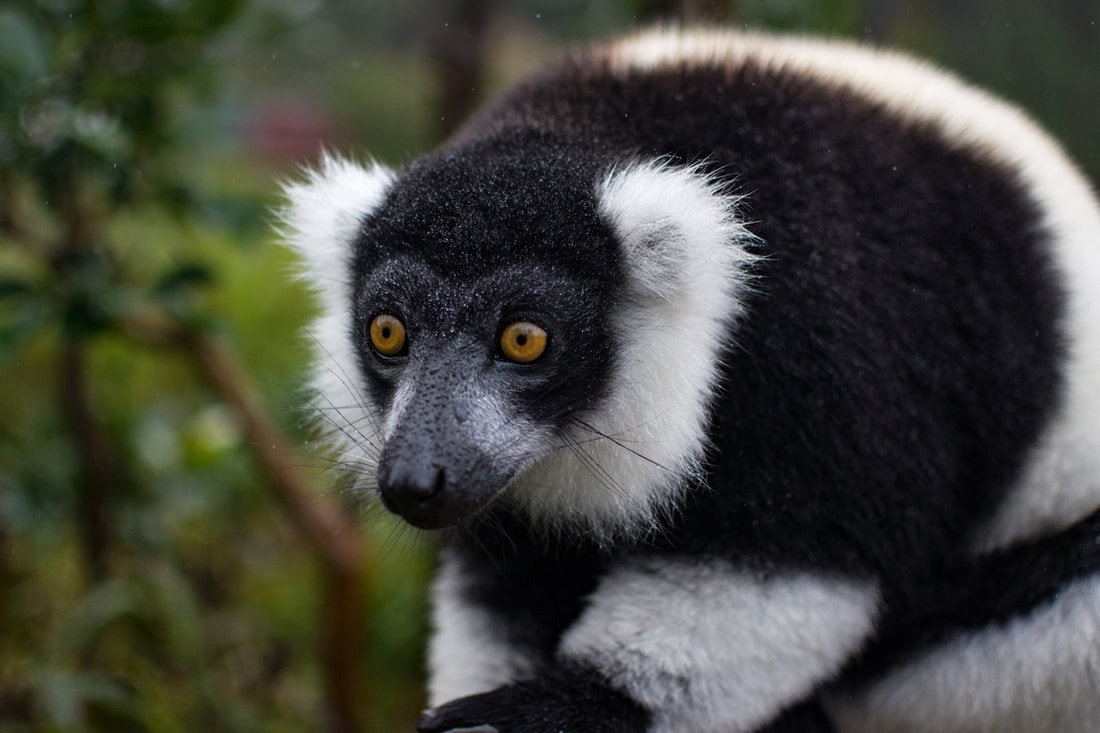
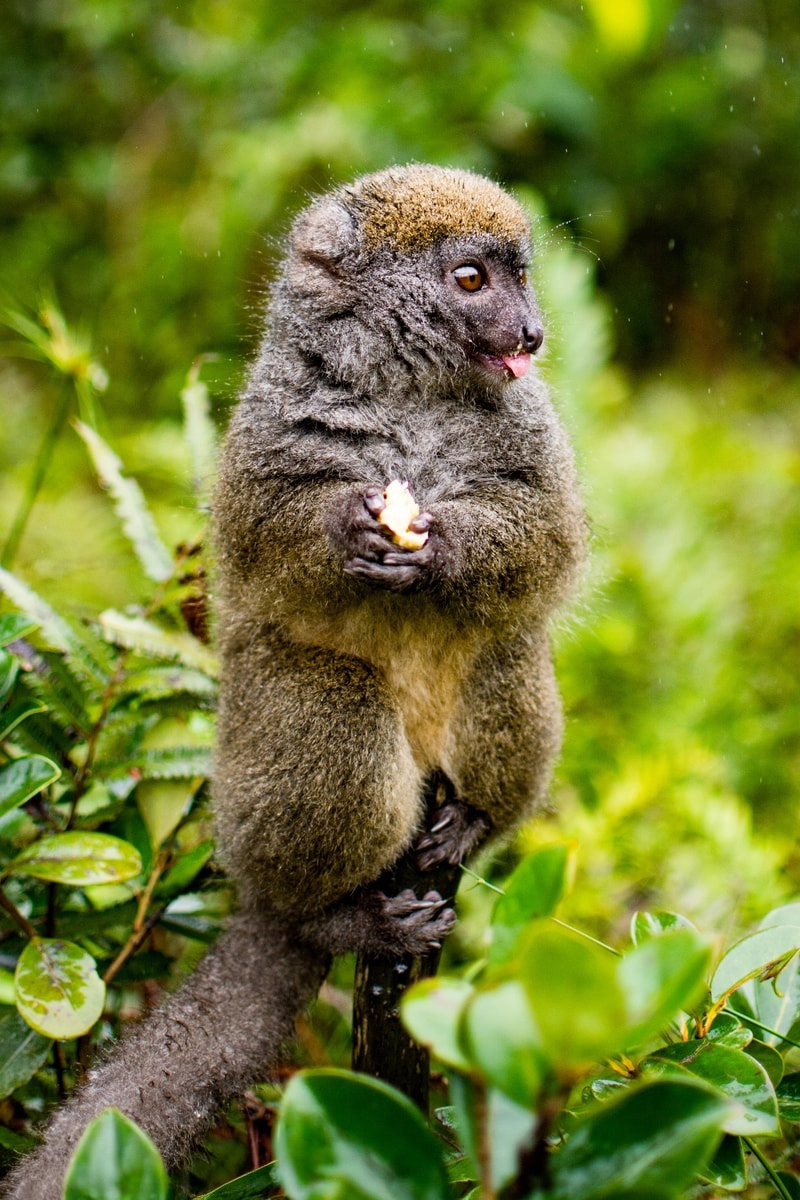
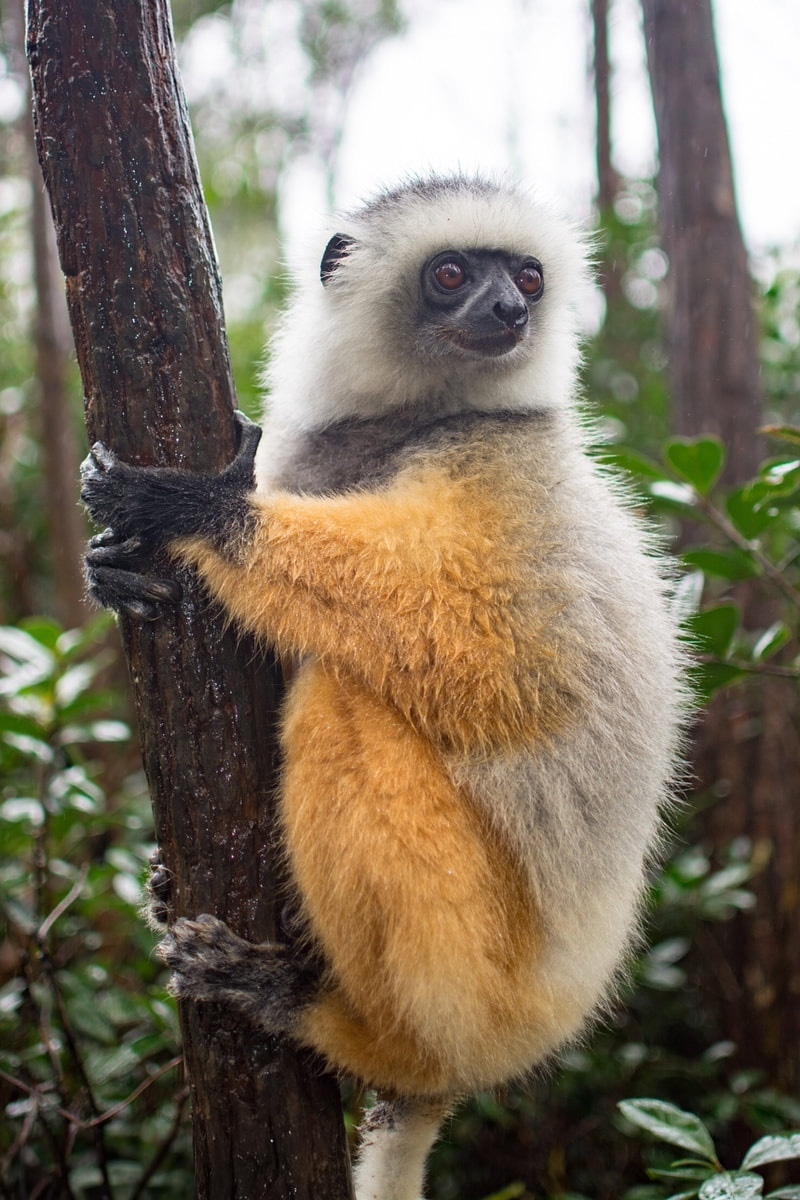
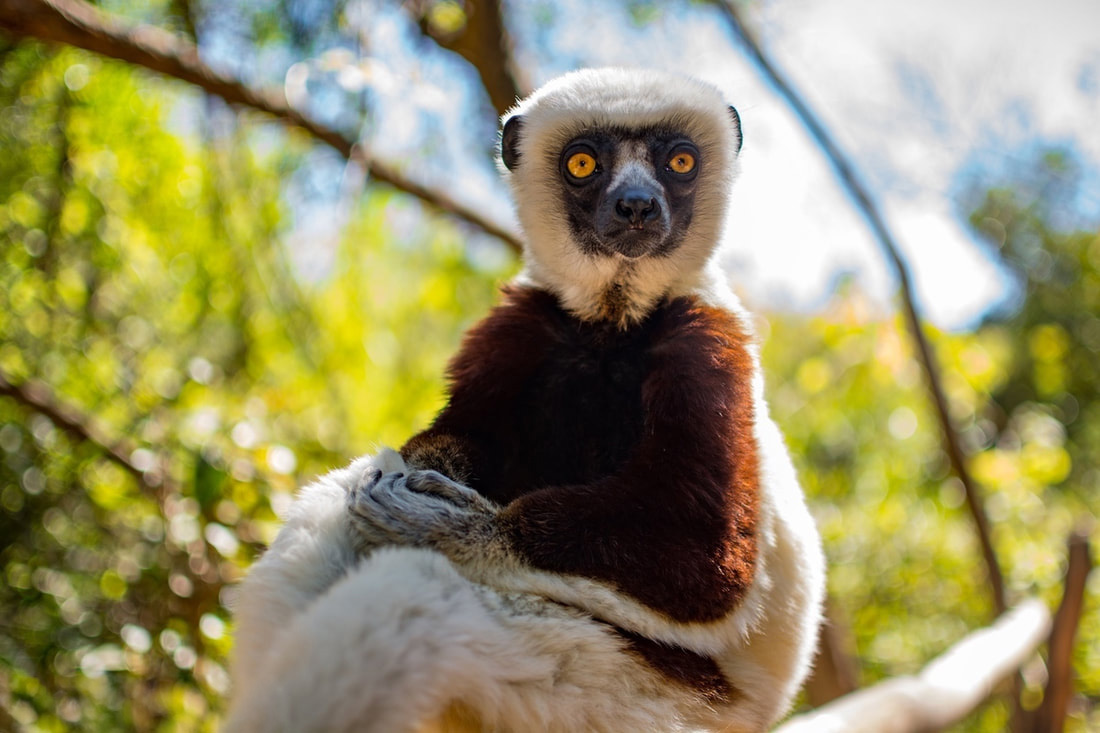
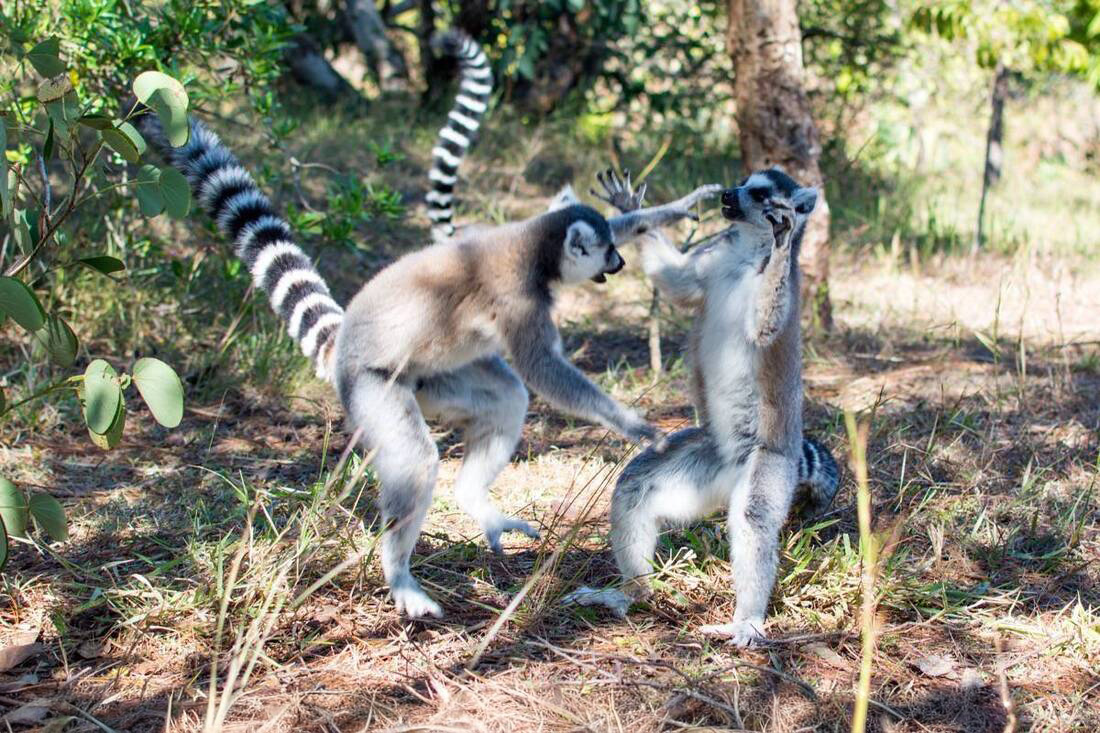
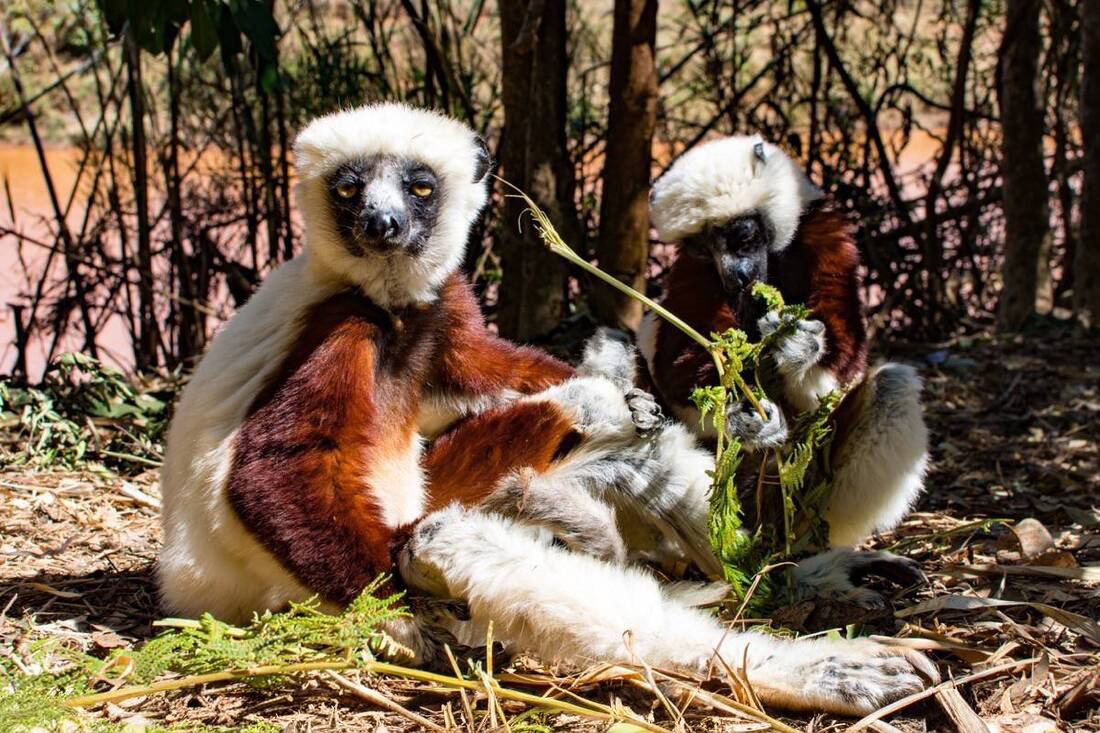
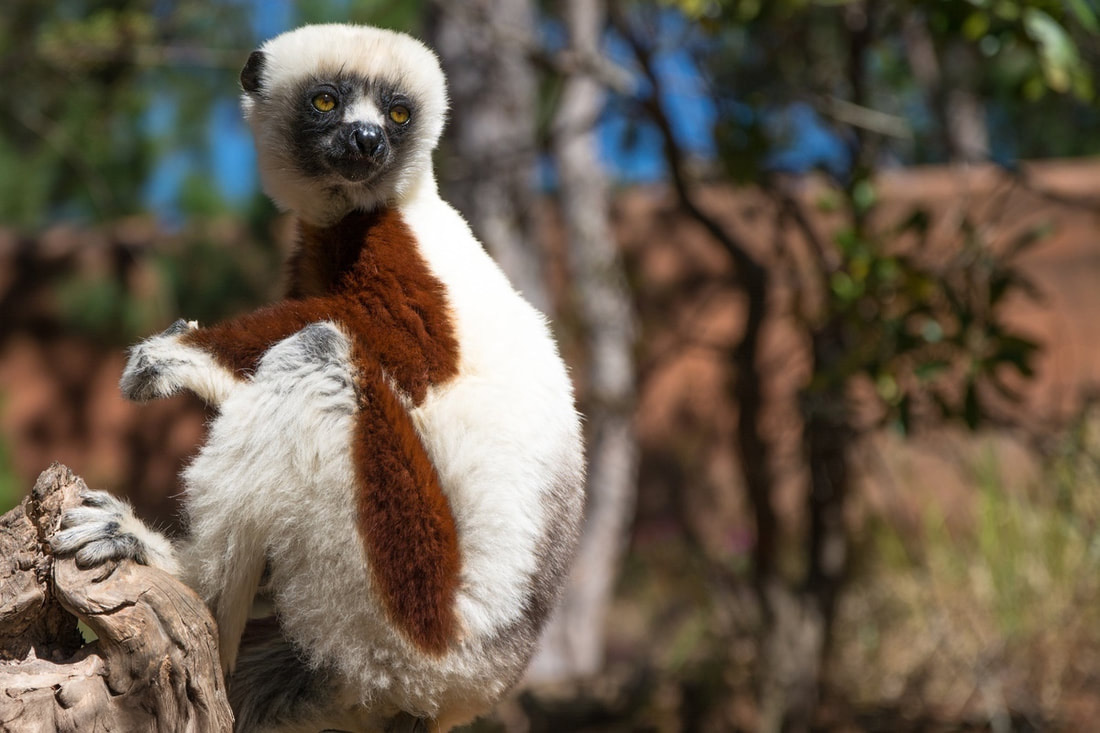
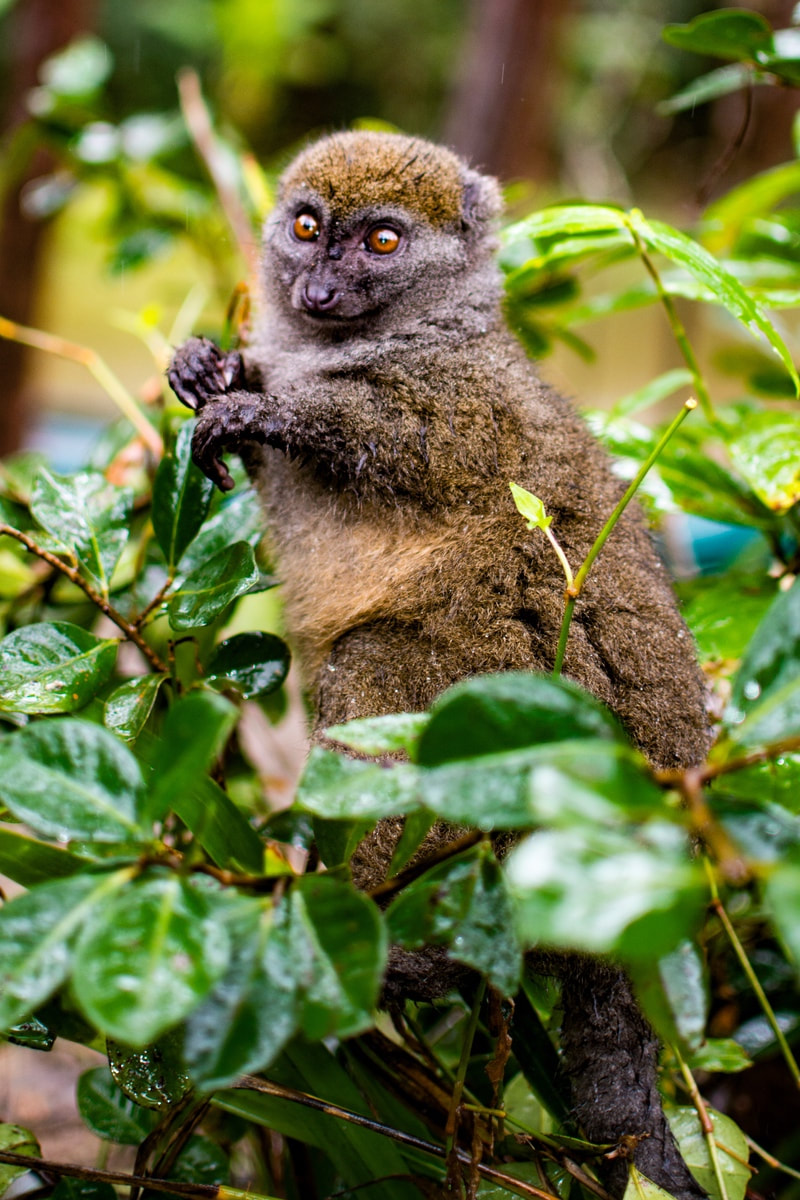
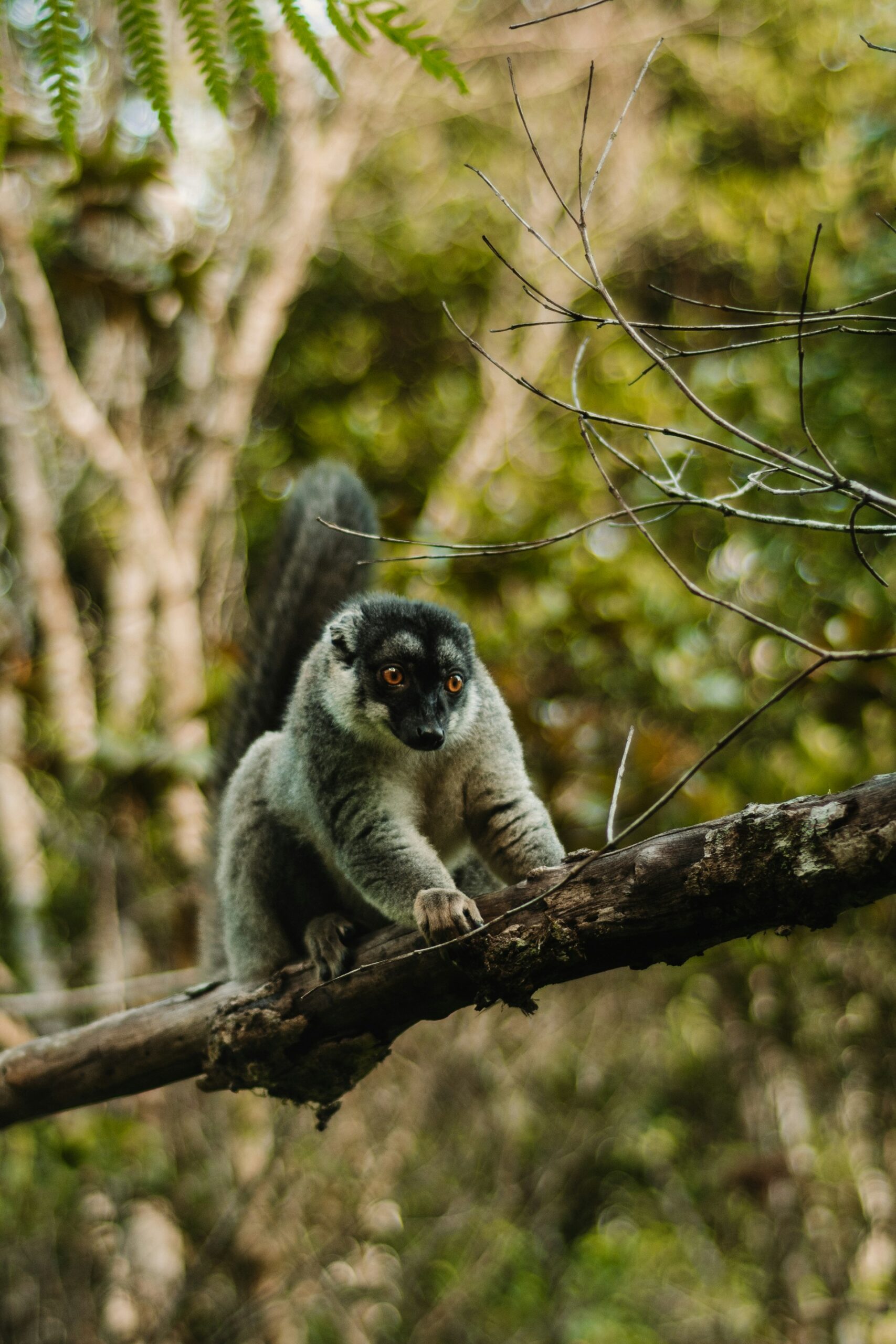
Over 80% of Madagascar’s species are found nowhere else on the planet. Lemurs swing through rainforest canopies, chameleons change colour in an instant, and tiny frogs sing from hidden pools. Whether tracking indri in Andasibe-Mantadia National Park or observing dancing sifakas in Berenty Reserve, each encounter reveals the island’s remarkable ecological story.
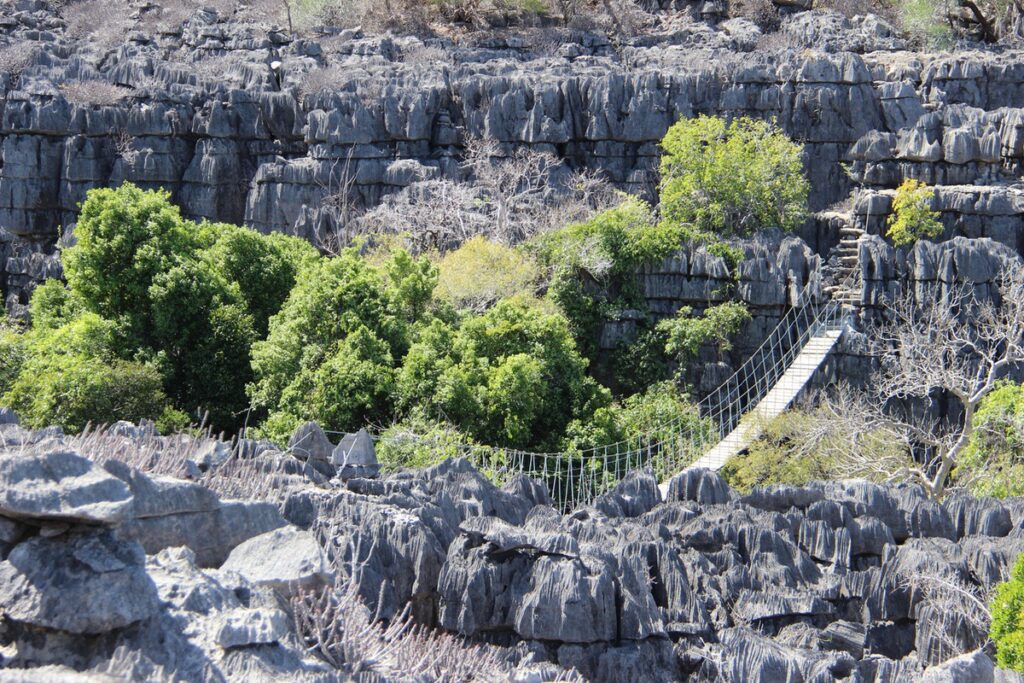
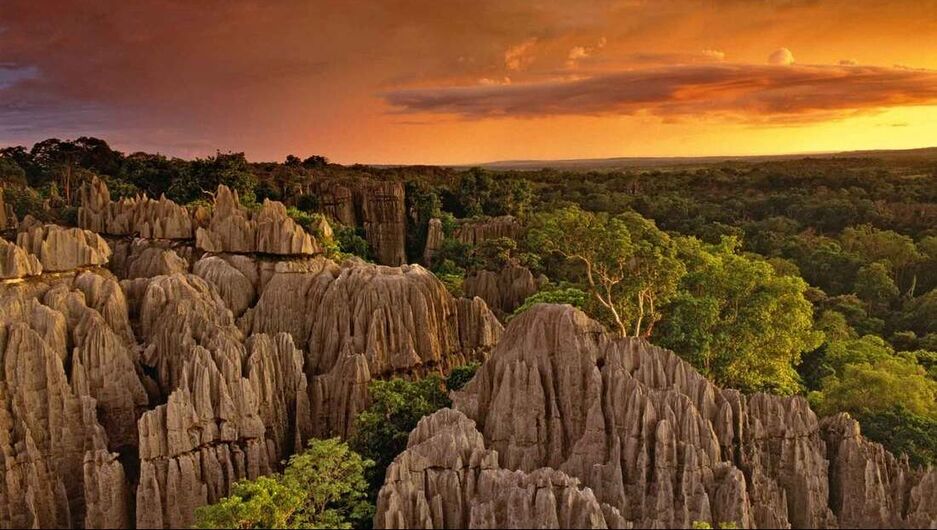
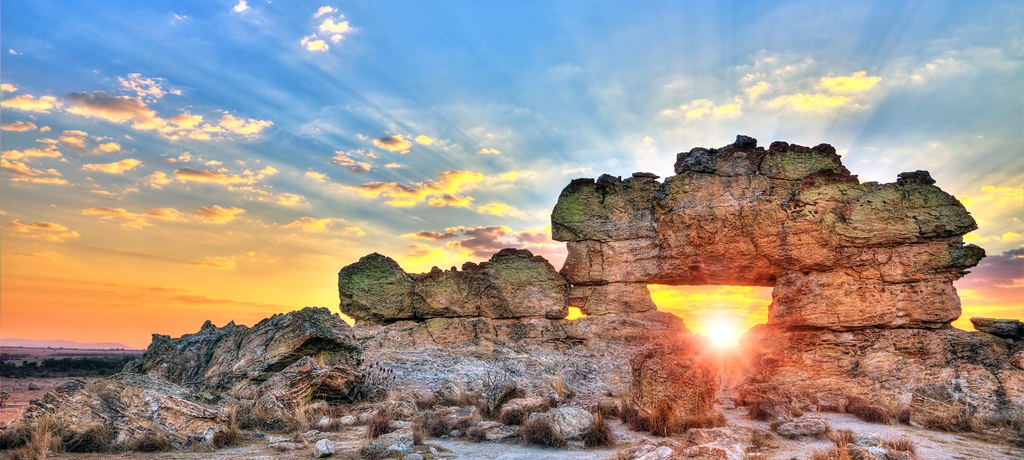
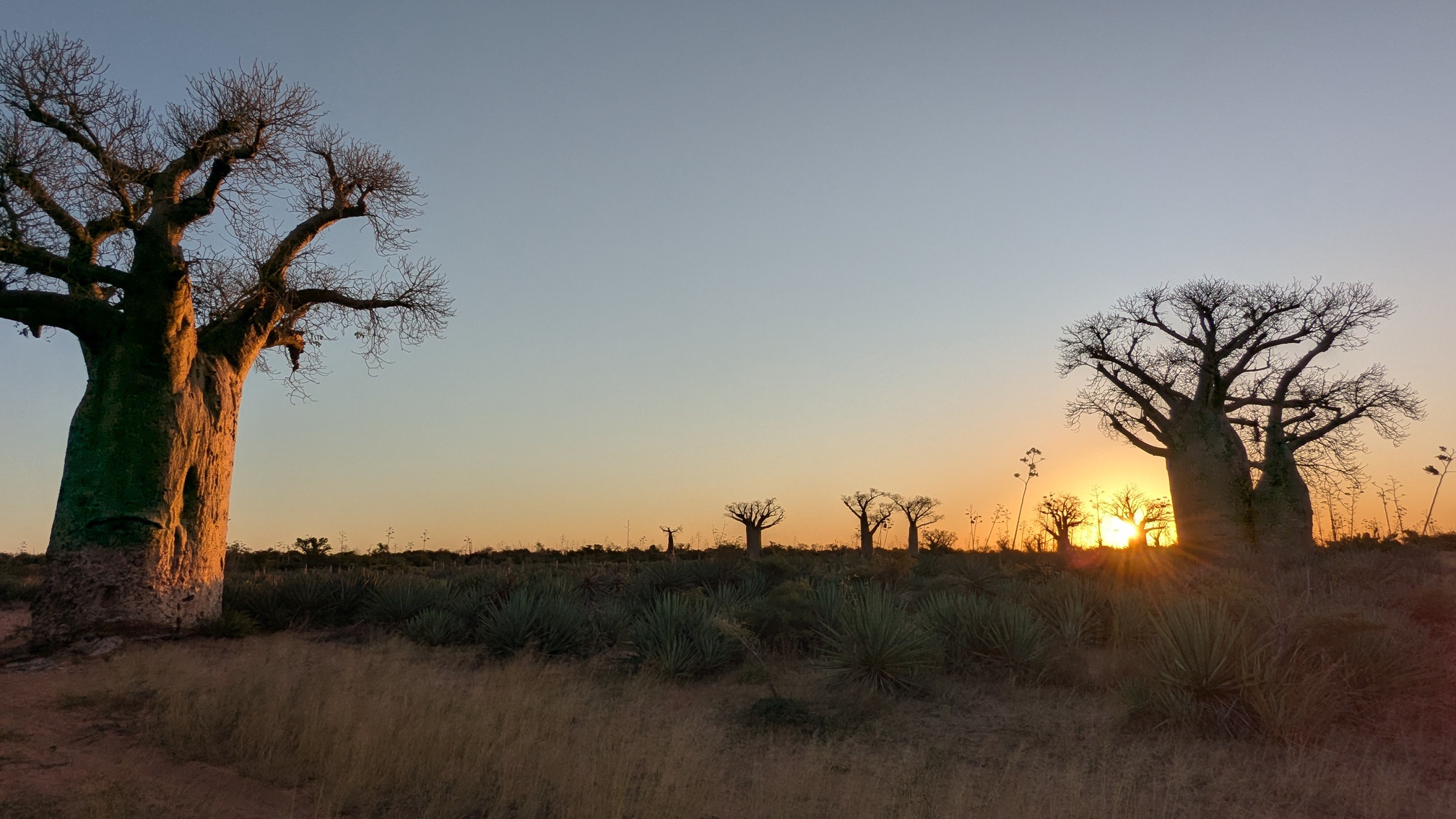
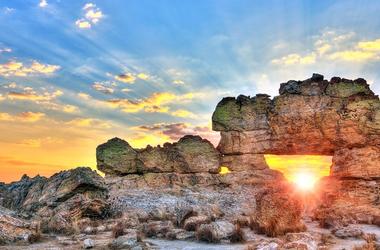
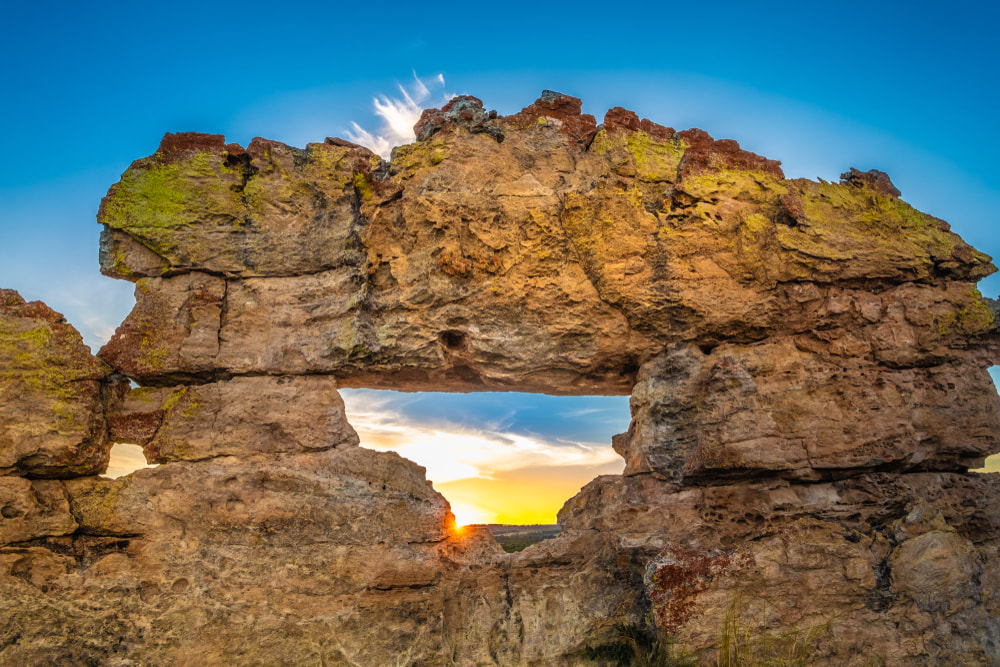
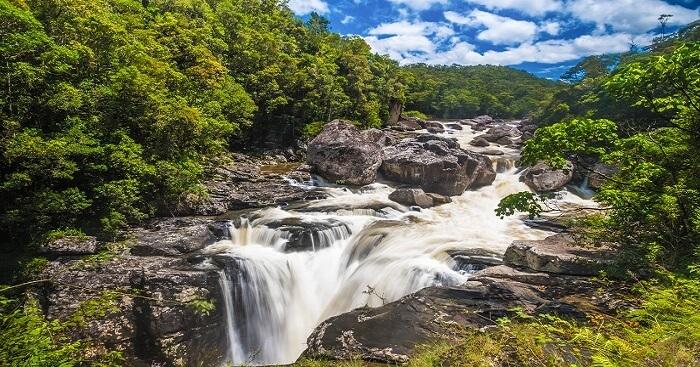
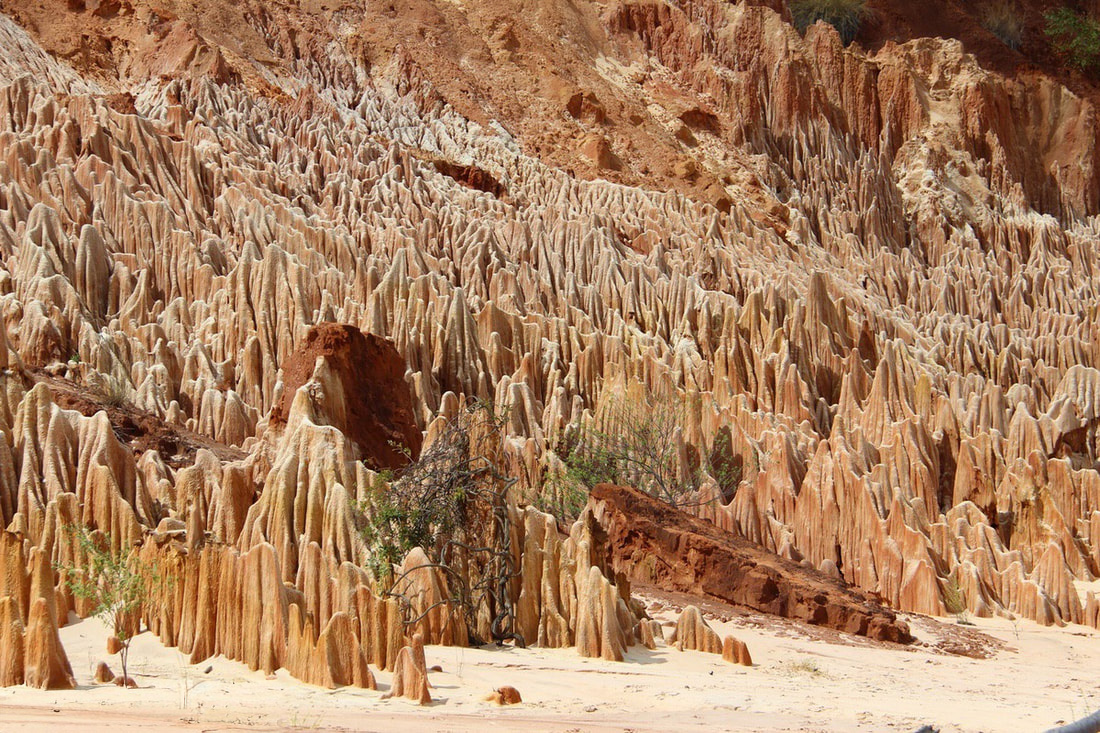
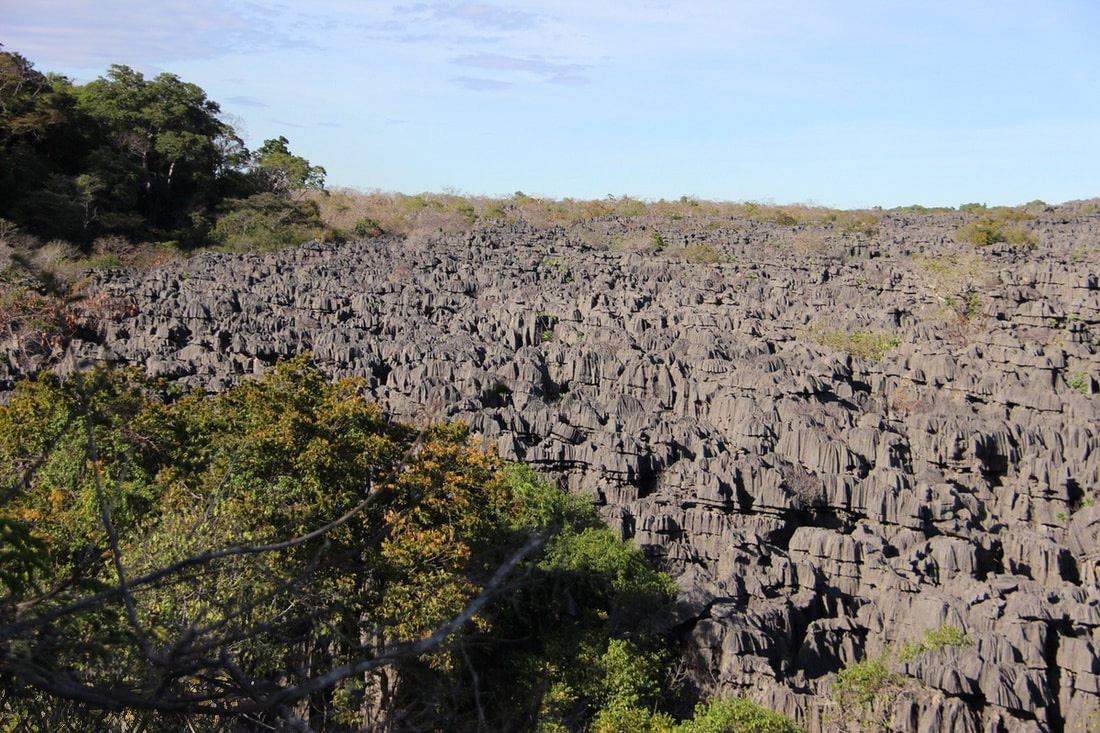
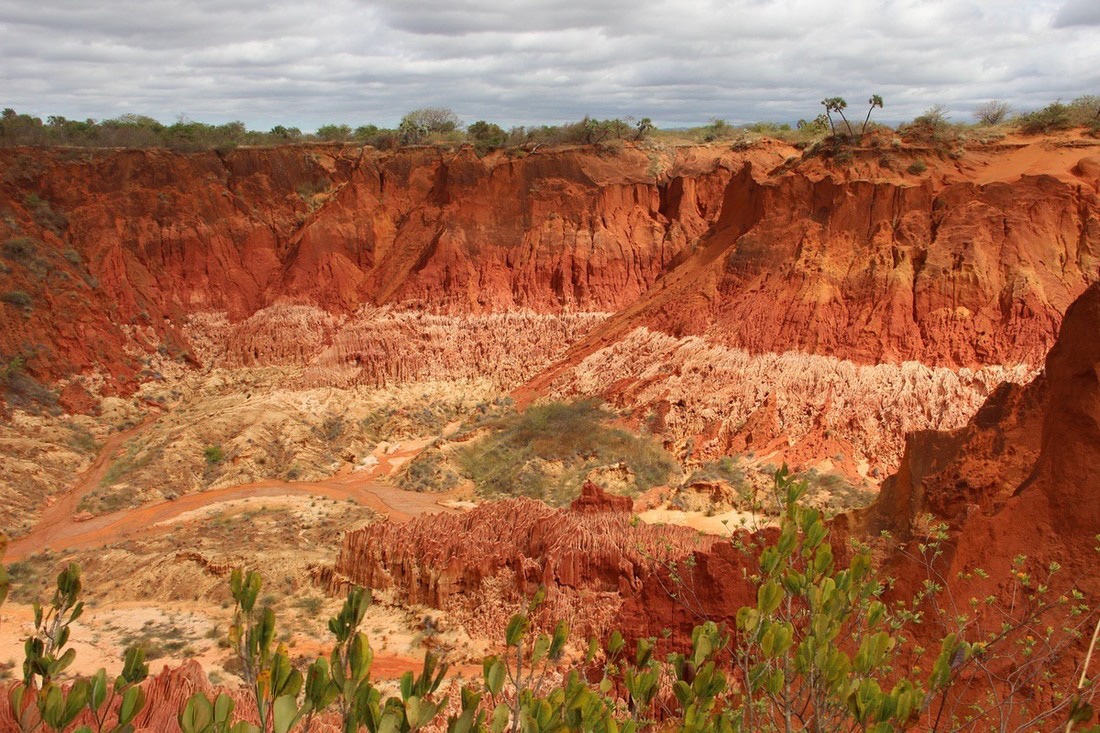
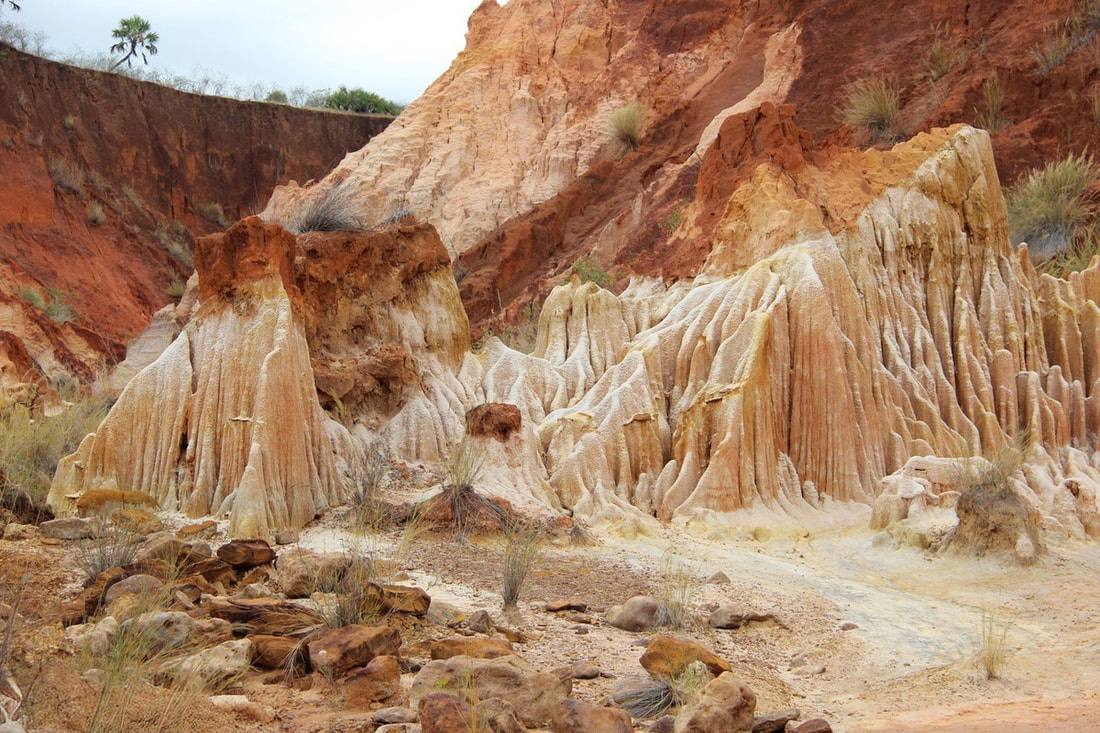
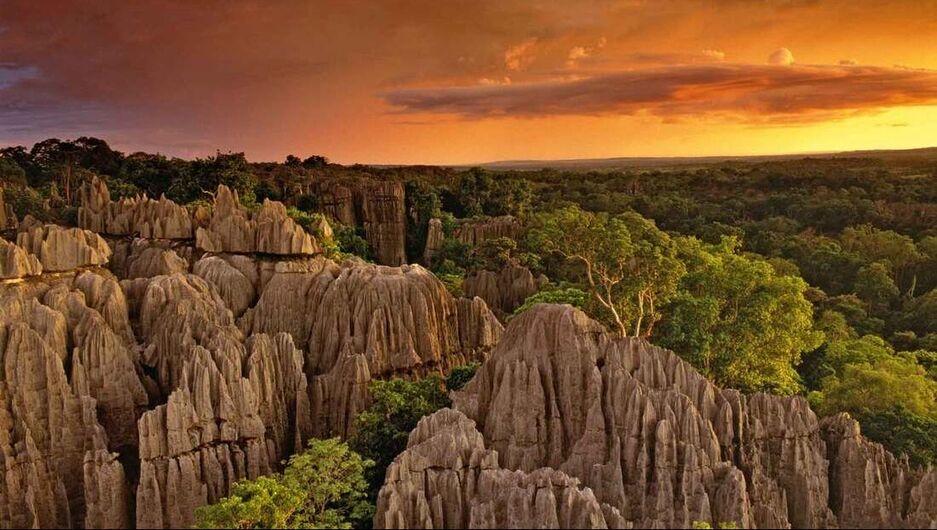
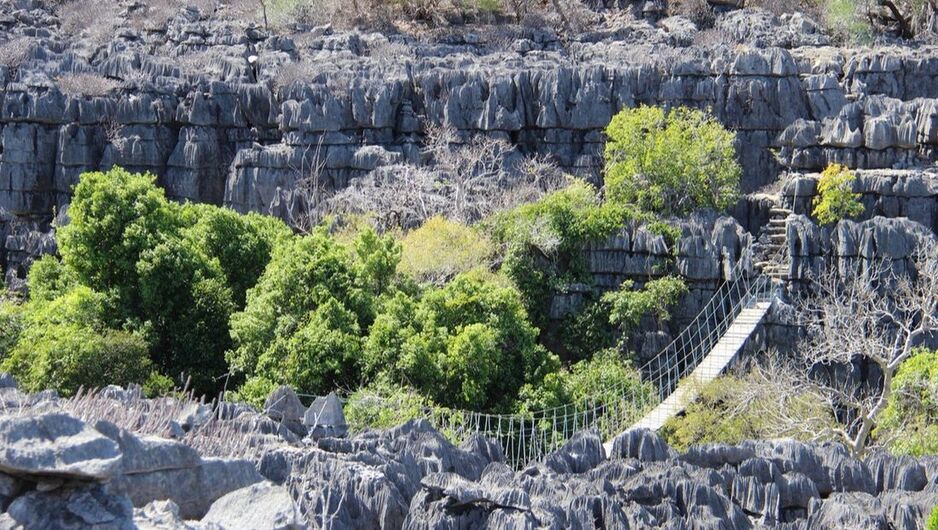
Madagascar’s scenery is as varied as its wildlife. Traverse ancient rainforests, explore the razor-sharp limestone formations of Tsingy de Bemaraha, or wander beneath the iconic Avenue of the Baobabs at sunset. From volcanic highlands to spiny deserts and idyllic coastlines, every region offers a strikingly different view of nature’s creativity.
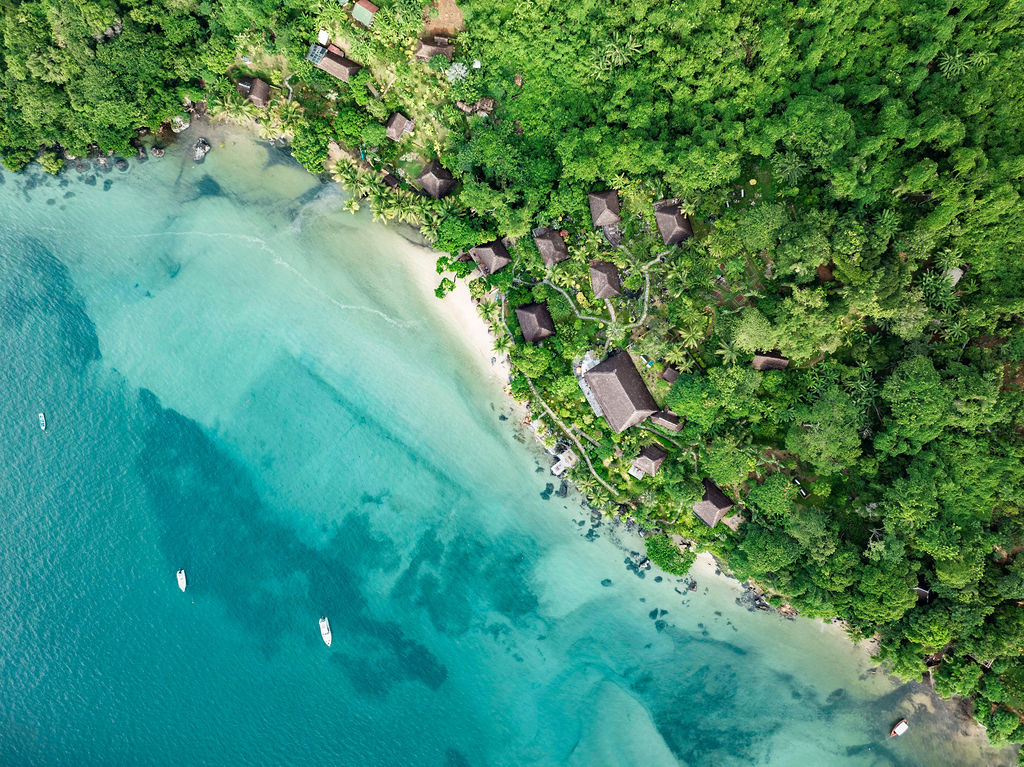
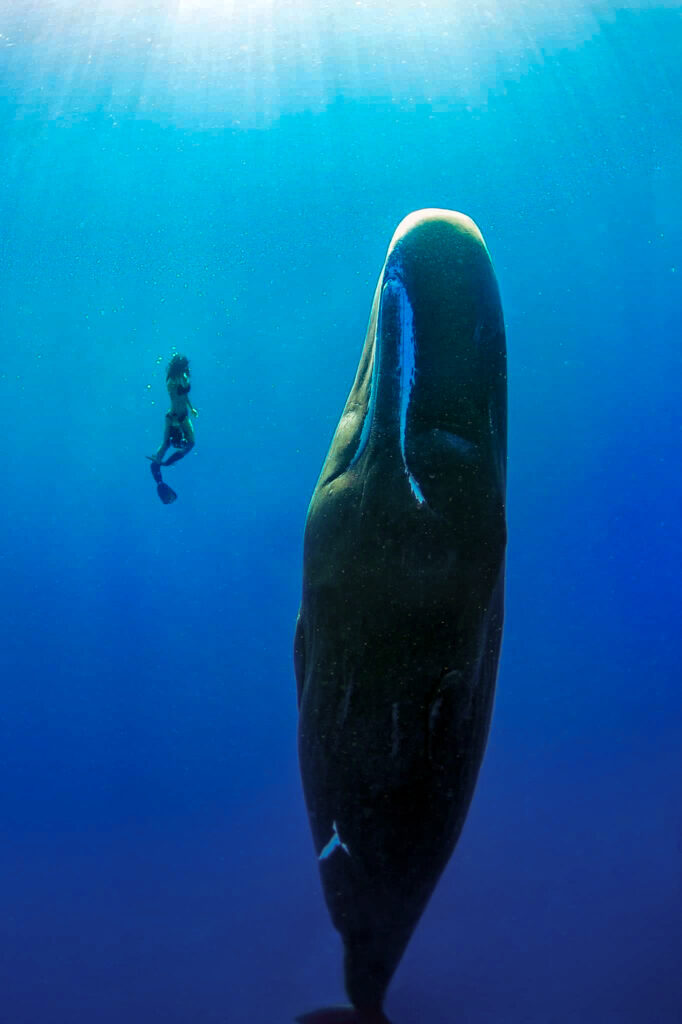
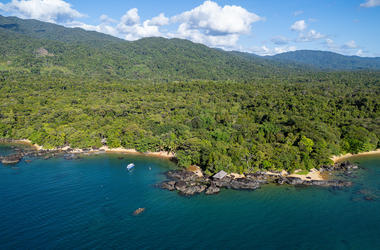
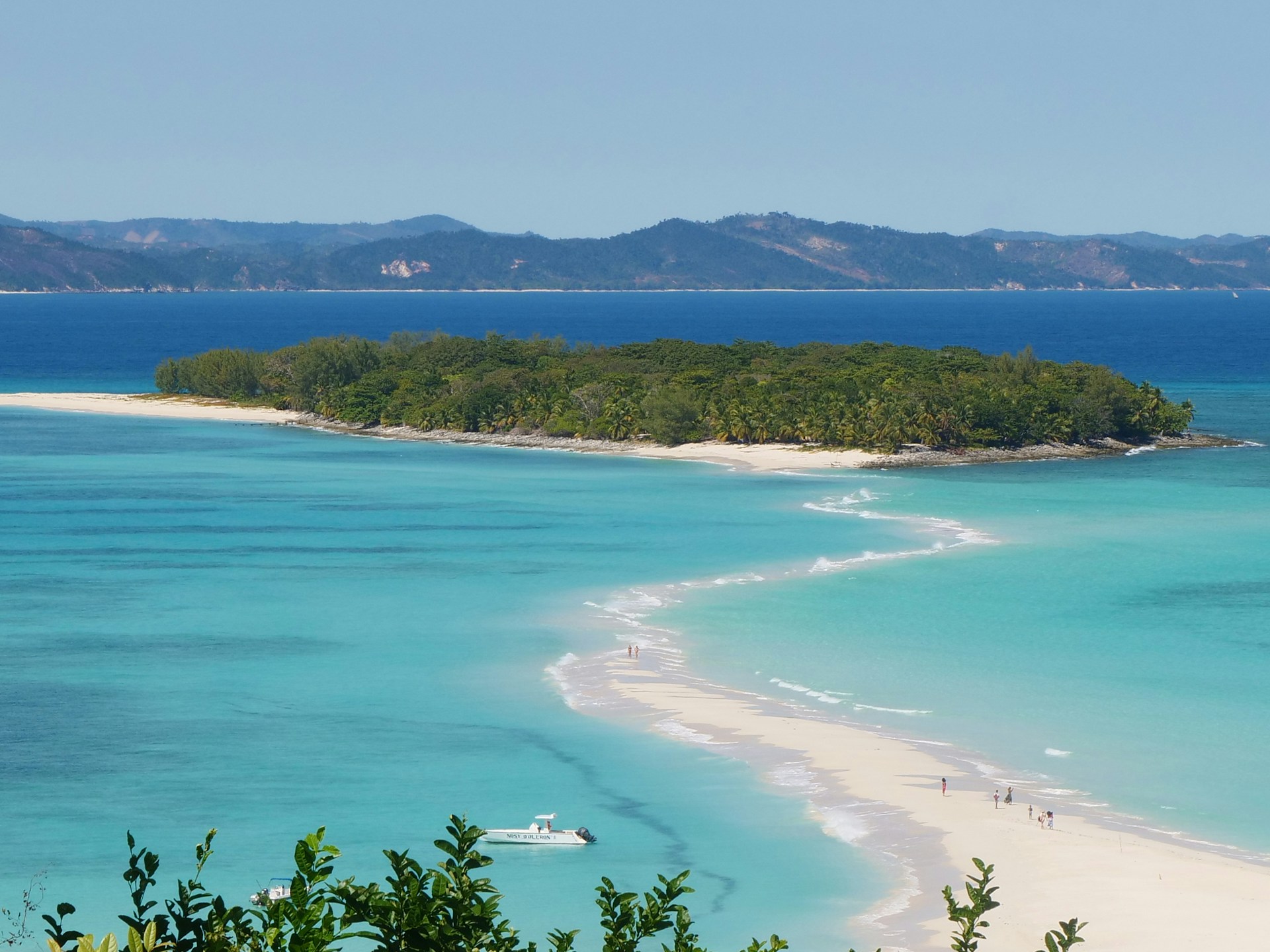
The island’s coastline is a haven for ocean lovers. Crystal-clear waters surrounding Nosy Be, Sainte Marie, and the Mitsio and Radama archipelagos invite world-class snorkelling, diving, and sailing. Between June and September, humpback whales migrate along the east coast, offering spectacular marine encounters in turquoise lagoons.
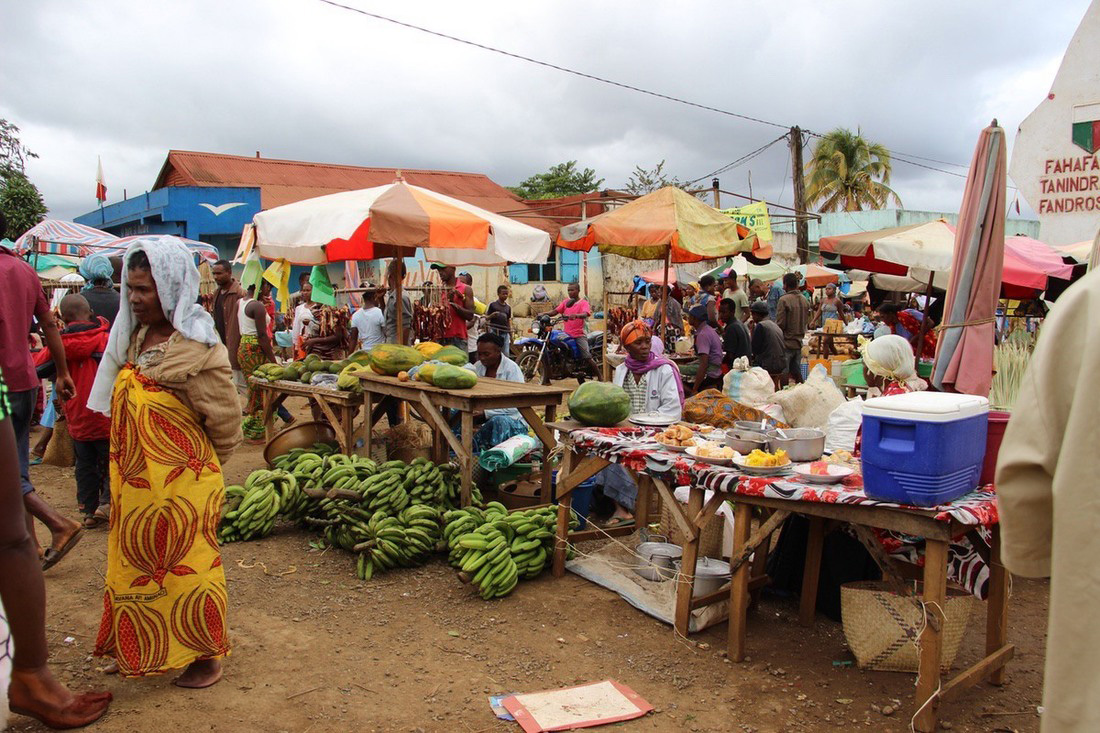
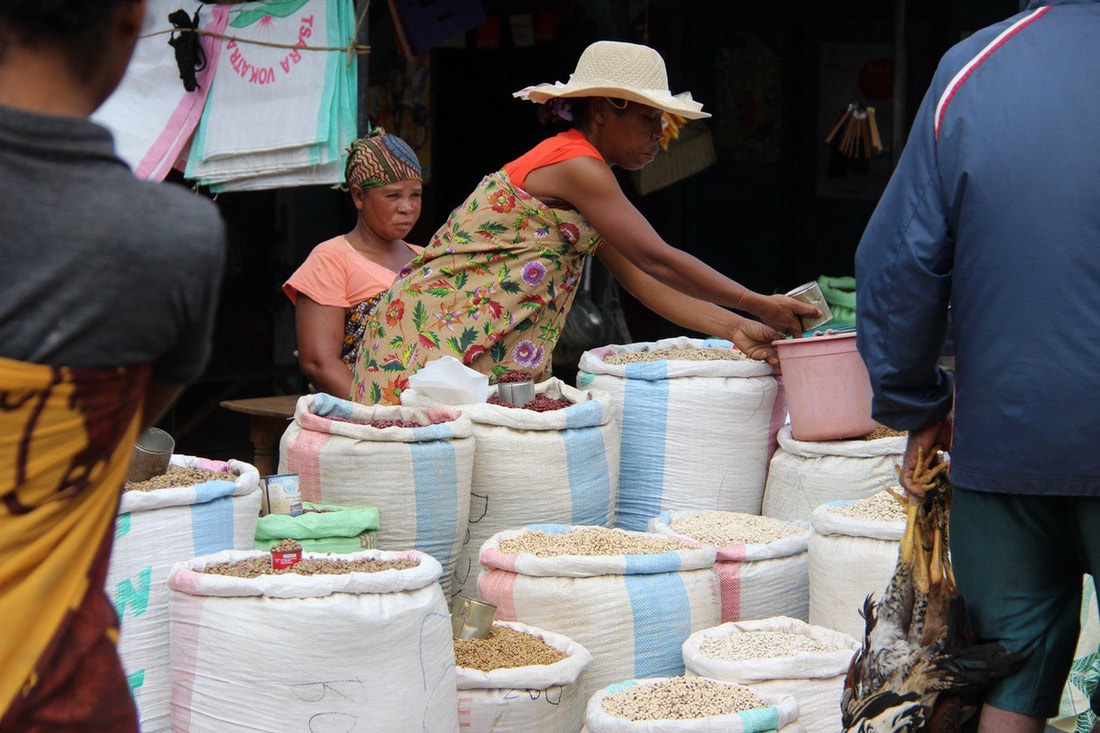
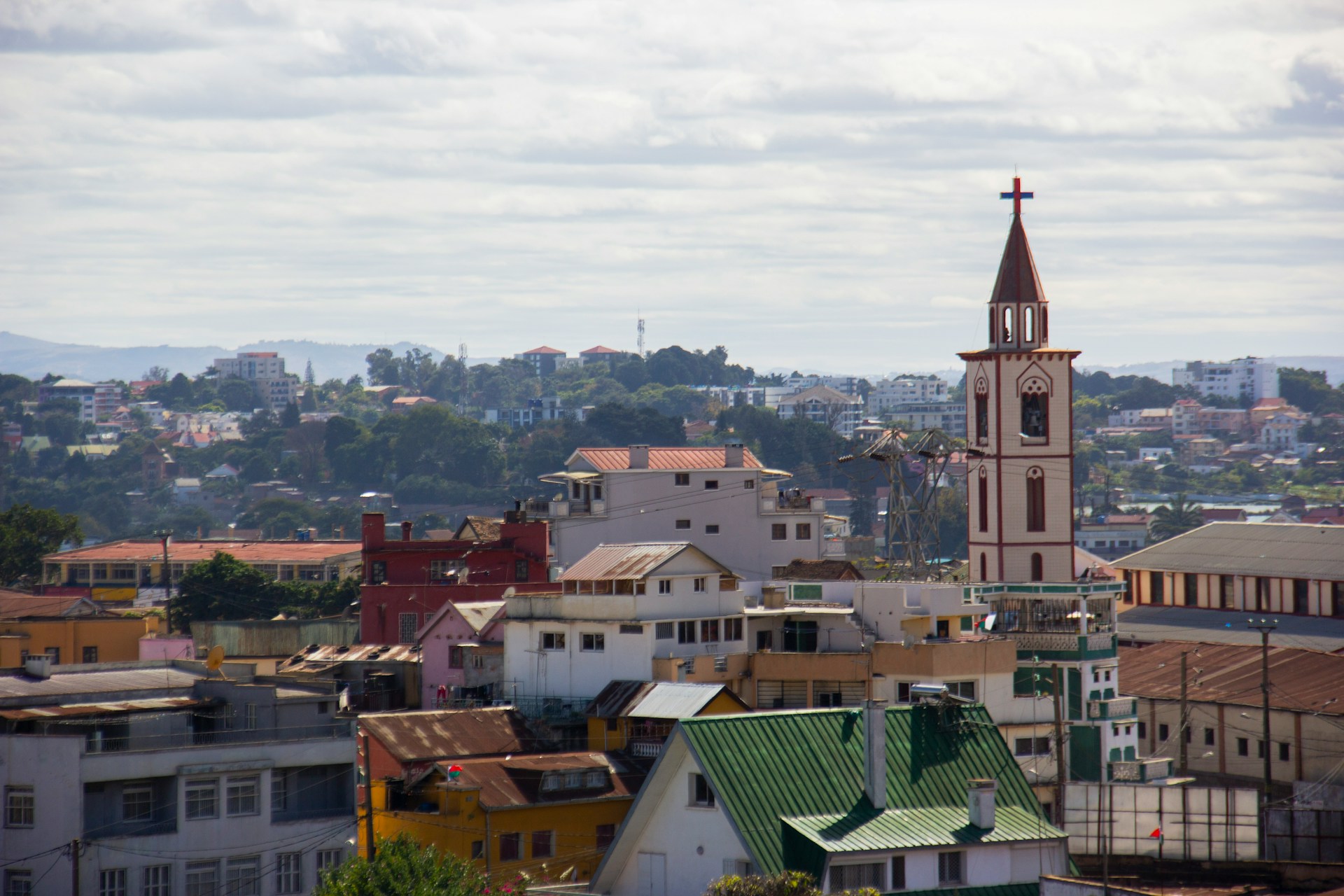
Madagascar’s people are as captivating as its landscapes. A melting pot of African, Asian, and Polynesian heritage, the Malagasy culture is expressed through vibrant music, colourful markets, and centuries-old traditions. Visitors are welcomed with genuine warmth, turning every journey into a heartfelt exchange of stories and smiles.
For travellers seeking something truly different, Madagascar delivers. Remote parks, rustic lodges, and untamed wildernesses create an atmosphere of true exploration. Whether hiking through rainforest trails, kayaking along mangrove estuaries, or driving through red-earth tracks to discover hidden villages, adventure here feels pure and personal.
Where the Mainland Meets the Sea.
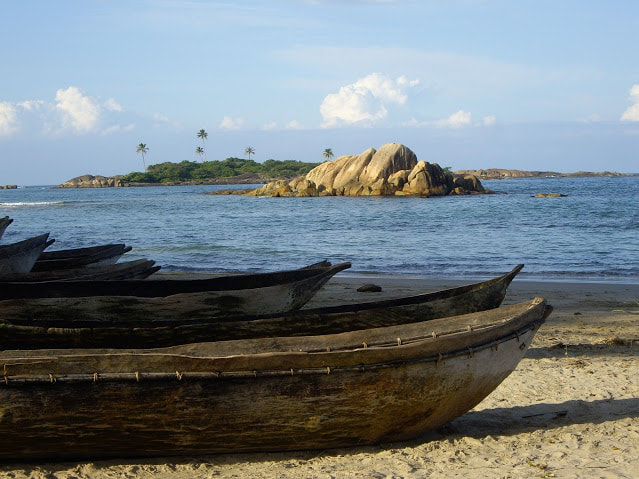
Off the coast of the Madagascar mainland lies a scatter of islands, each with its own character, ranging from the
well-established resorts of Nosy Be to private islands reached only by boat or light aircraft. These islands near Madagascar sit mainly off the north-western coast, within the Mitsio archipelago and around Nosy Be itself,
with Île Sainte-Marie lying further south on the east coast. Many travellers combine a few days on one of Madagascar’s islands with a mainland safari, using the coastal stretch to unwind after days spent tracking lemurs
and exploring the spiny forests and highlands.
🐾 Nosy Be
Nosy Be is the largest and most visited of Madagascar’s islands, lying around 8km off the north-west coast. Protected by a surrounding coral reef, its waters stay calm and warm throughout the year, and the island has the widest choice of hotels, restaurants and dive operators of any island off the coast of Madagascar. It also serves as the main gateway for exploring smaller islands nearby, including Nosy Komba and the Mitsio archipelago.
🐾 Nosy Komba
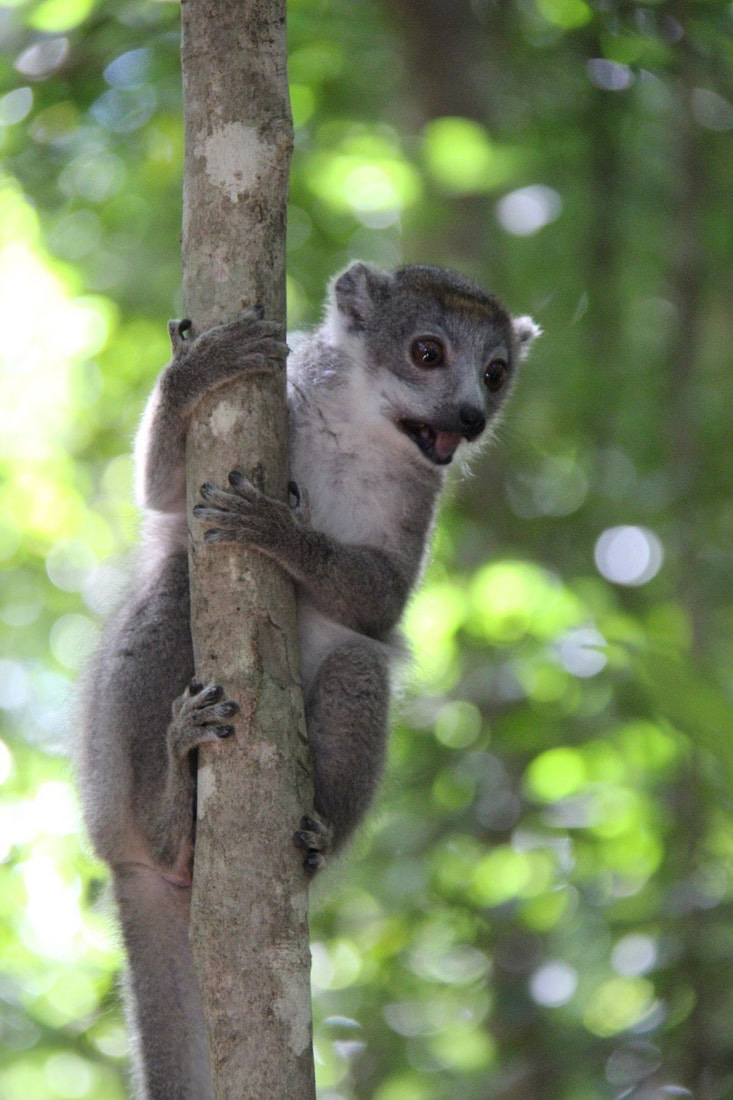
Known locally as the island of lemurs, Nosy Komba sits in the channel between Nosy Be and the Madagascar mainland. The island has no roads and no vehicles, and visitors explore its forest trails and fishing villages on foot. Black lemurs live throughout the island and are accustomed to people, which makes Nosy Komba a popular half-day or full-day excursion from Nosy Be.</p>
🐾 Tsarabanjina and the Mitsio Archipelago
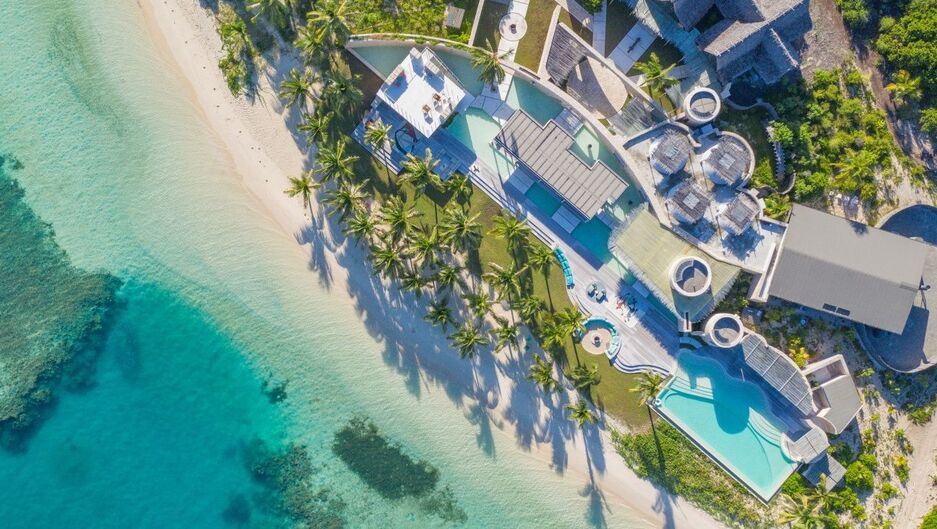
Around 70km north of Nosy Be, the volcanic Mitsio archipelago includes Tsarabanjina, a small private island fringed by four beaches and a coral reef rich in marine life. This is one of the more remote islands off the coast of Madagascar, reached by boat or light aircraft, and suits travellers looking for a secluded finish to their trip
rather than an island with a wide choice of activities and amenities.
🐾 Île Sainte-Marie
On Madagascar’s east coast, Île Sainte-Marie, also known as Nosy Boraha, is best known for humpback whale watching between June and September, when whales migrate from Antarctic waters to calve in the warm channel between the island and the mainland.
Each of these islands in Madagascar suits a different kind of traveller, from Nosy Be’s established resorts to
Tsarabanjina’s seclusion, so the table below sets out how they compare at a glance.
| Island | Location | Known For | Best Suited To |
|---|---|---|---|
| Nosy Be | 8km off the north-west coast | Established resorts, dive operators, calm reef-protected waters | First-time island visitors, families, travellers wanting a wide choice of activities |
| Nosy Komba | In the channel between Nosy Be and the mainland | Black lemur population, car-free walking trails | Day trips from Nosy Be, wildlife-focused travellers |
| Tsarabanjina (Mitsio Archipelago) | Around 70km north of Nosy Be | Private island, coral reef, seclusion | Couples and travellers wanting a remote, low-key finish |
| Île Sainte-Marie (Nosy Boraha) | East coast | Humpback whale watching, June to September | Whale watching, honeymooners, east coast itineraries |
Best Times to Visit Madagascar
The principal wet season is from late December through to the month of March often has cyclones, so it is probably best avoided then.
Lush scenery and fewer tourists, ideal for photography and wildlife.
Peak for lemur sightings, whale watching, and comfortable weather.
Excellent birdwatching with vibrant colours and active wildlife.
Yes. Madagascar is ideal for travellers interested in wildlife and nature, particularly those keen to encounter species found nowhere else.
Yes. Madagascar is considered a malaria area in many regions. Medical advice should be sought prior to travel, and precautions taken as recommended.
Tap water is not considered safe to drink. Bottled or treated water is provided at hotels and lodges and should be used at all times.
Madagascar is famous for lemurs, chameleons, geckos, endemic birds, and unique plant life, including baobab trees.
A moderate level of fitness is recommended, as some activities include guided walks and travel on uneven terrain.
Lemurs can be seen year-round, though September to November is particularly rewarding for activity and sightings.
Yes, particularly for families with older children who enjoy nature, wildlife, and adventure-style travel.
Travel is typically by a combination of road transfers, domestic flights, and guided excursions, depending on the itinerary.
From misty rainforests to turquoise seas, Madagascar promises a journey into a world apart. Let Indigo Safaris craft your tailor-made trip across this extraordinary island.
Journey through the stories of Madagascar, an island where nature writes its own rules. In this blog section, travellers share encounters with lemurs leaping through rainforests, chameleons blending into emerald canopies, and pristine beaches lapped by turquoise seas. Each tale reveals Madagascar’s extraordinary blend of wildlife, culture, and landscapes found nowhere else on Earth.