
Country
Duration
13 days
Style
Highlights
Nairobi
Enarau Conservancy
Masai Mara
+1 destinations
Rated 4.9/5
Kenya – Conservation and Safari 2027 – 13 days – Group Accommodated
From $4,280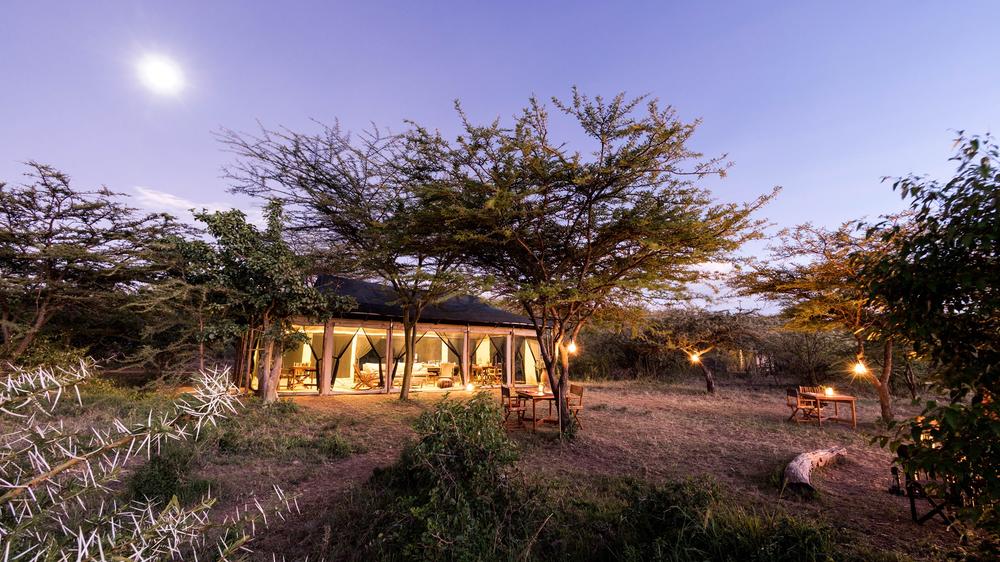
























Includes
Excludes
Itinerary
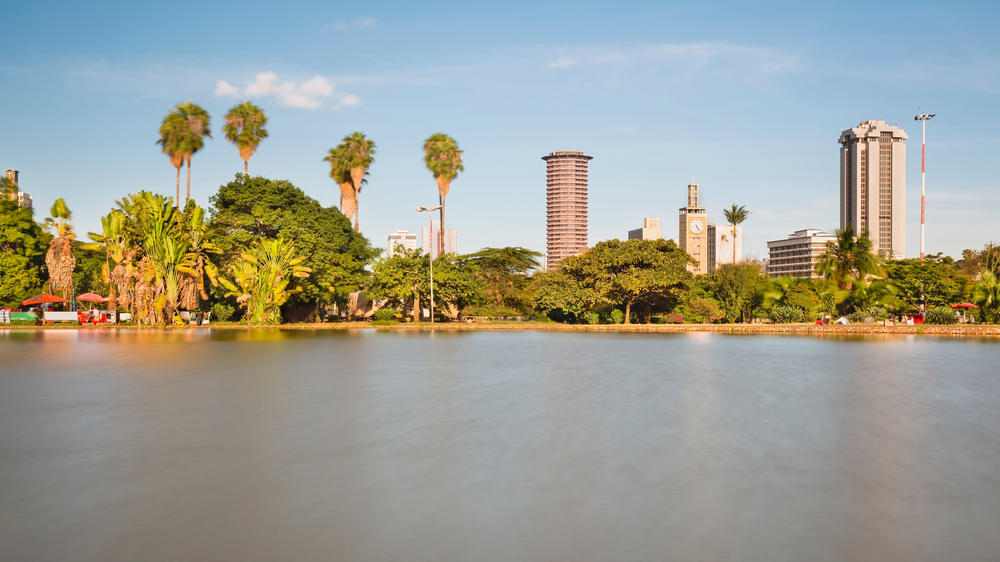
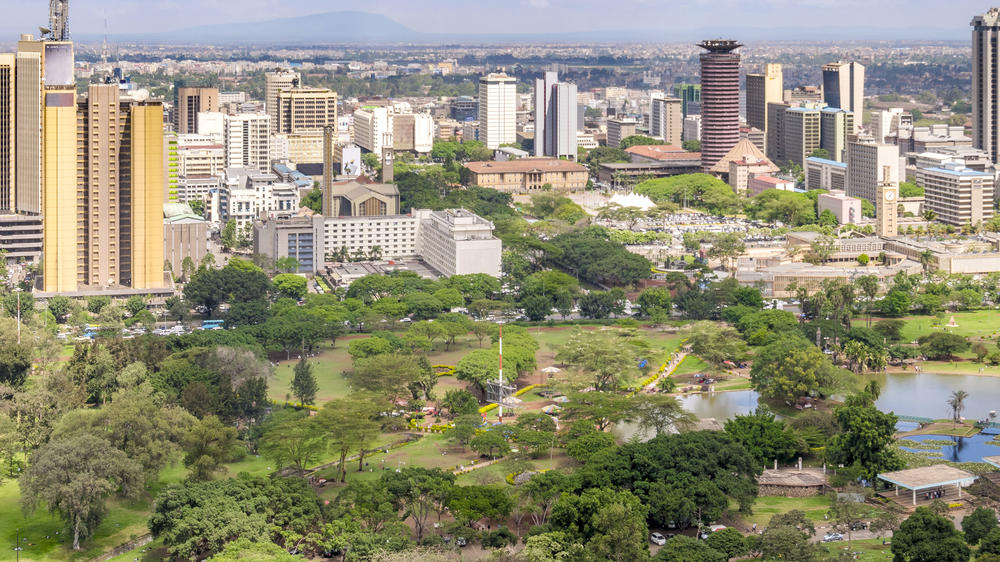
Nairobi, Kenya
-
Boma Inn Nairobi
Day 1 - 3
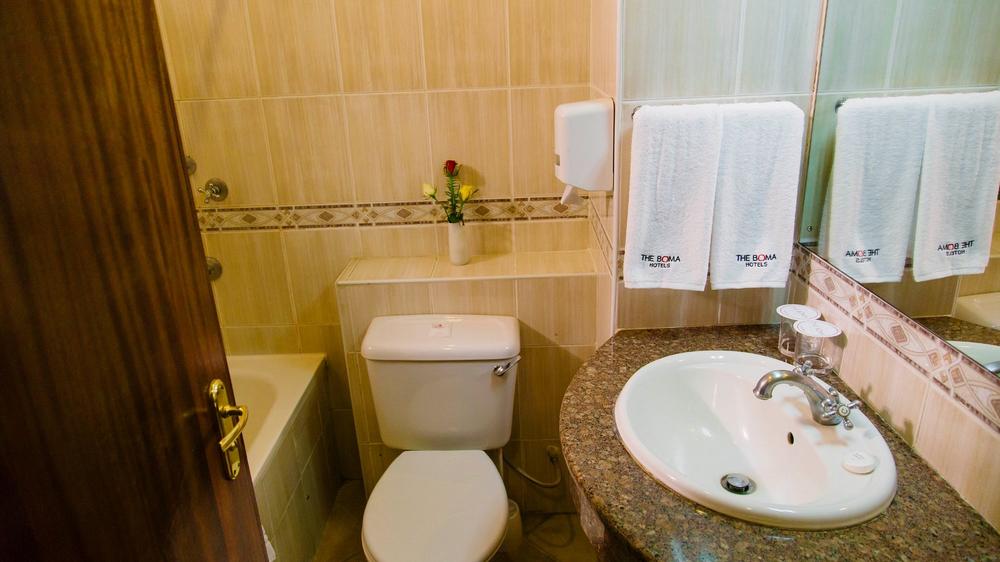
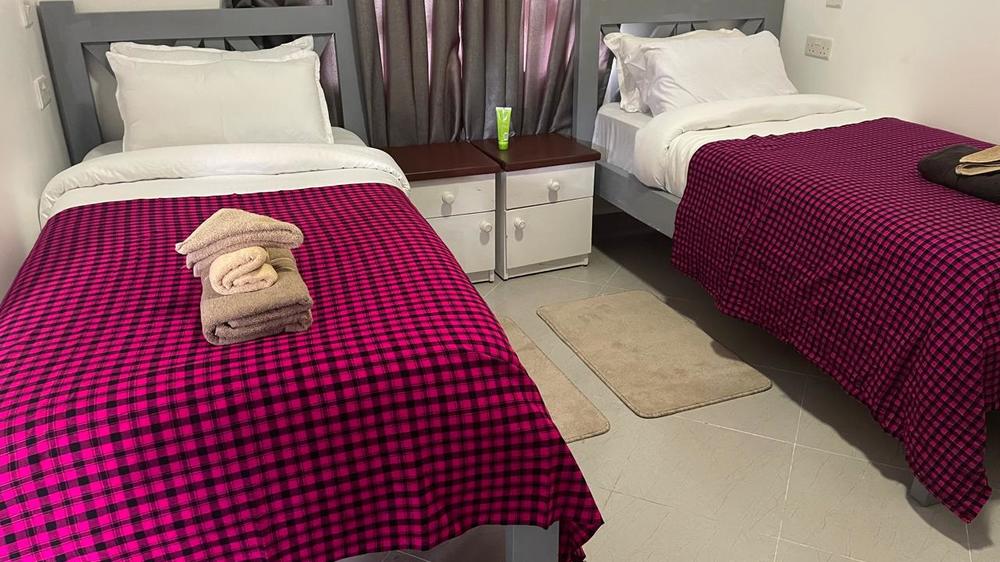
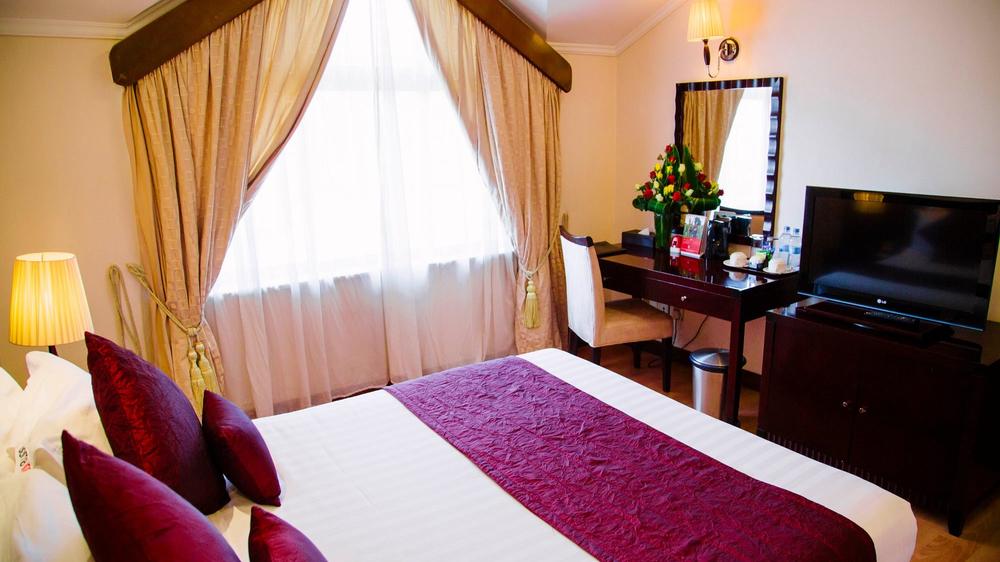
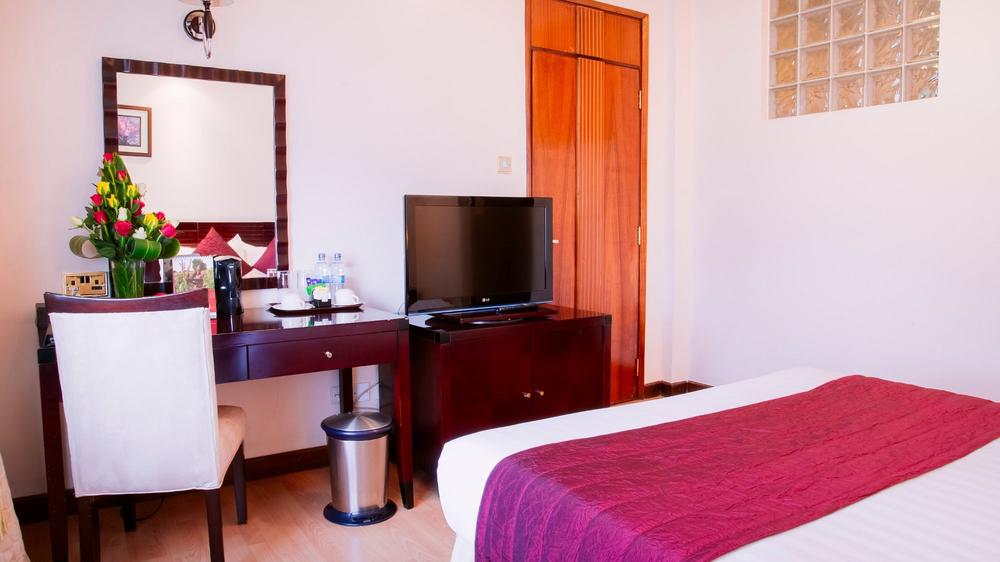
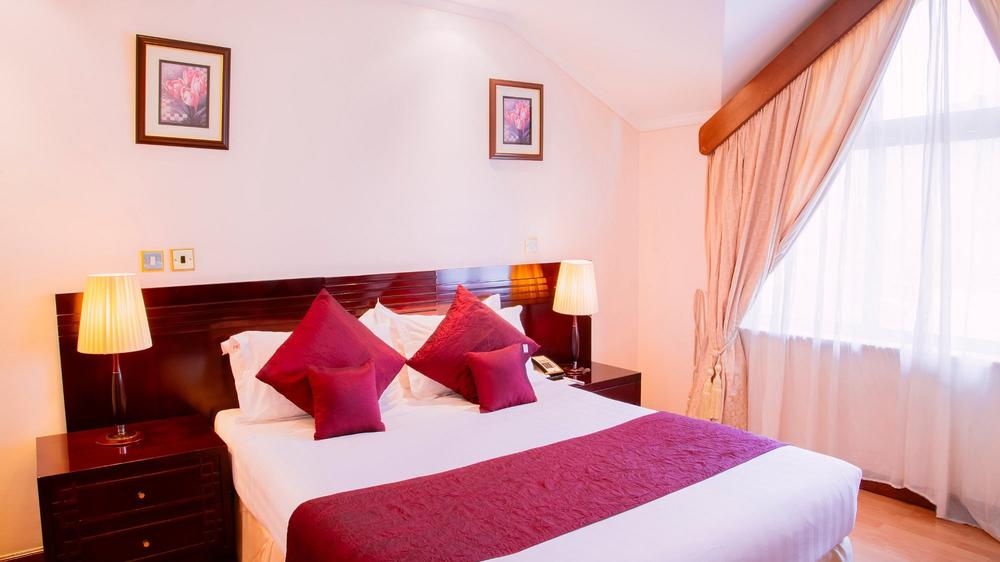
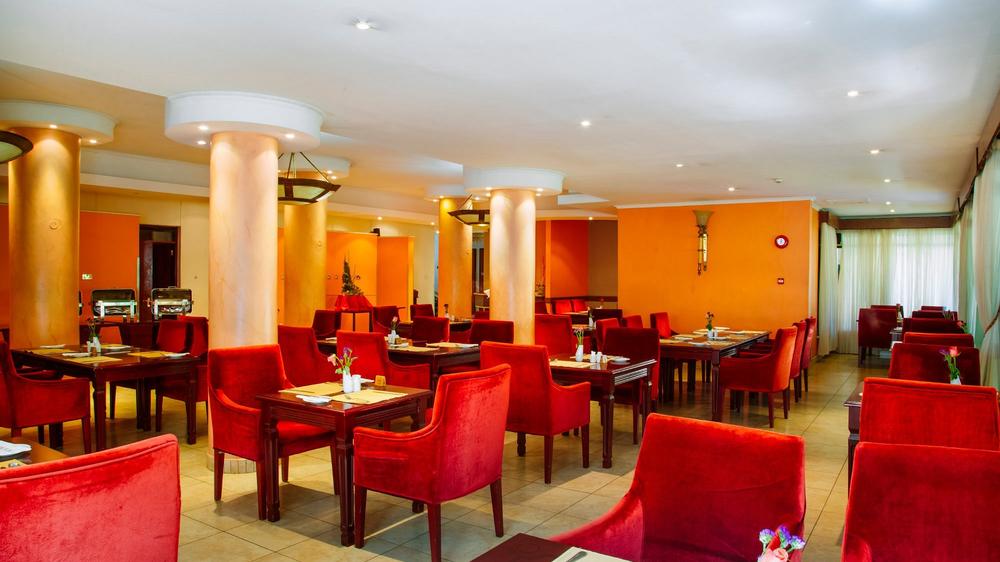
Boma Inn is ideally located in Nairobi, Kenya, a short distance from the Nairobi National Park, David Sheldrick Wildlife Trust, the Giraffe Centre, and the Jomo Kenyatta International Airport. Accommodation options consist of comfortably furnished rooms and suites with en-suite bathrooms, air conditioning, workspaces, minibars, and TVs. Guests can make use of the laundry services, room service, and Wi-Fi.
Day 1
Day Notes:
Your journey begins with your arrival at Jomo Kenyatta International Airport (NBO), where you will be met by your hotel shuttle and transferred to your accommodation.
After check-in, take time to settle in and unwind. The afternoon is yours to enjoy at leisure. You may choose to relax at the hotel, indulge in a spa treatment, or explore some of Nairobi’s cultural highlights:
- Karen Blixen Museum: the former home of the author of Out of Africa, offering insight into her life and work
- Bomas of Kenya: a vibrant introduction to traditional Kenyan music, dance, and architecture
- Nairobi National Museum: a comprehensive overview of Kenya’s history, art, and culture
- Nairobi Gallery: an intimate space showcasing African art and historical collections
- Nairobi Railway Museum: a fascinating look at the history of the Kenya–Uganda railway
In the early evening, at around 18:00, you will meet your fellow participants along with Caroline Leclerc, your Indigo Earth Foundation guide. She will provide a detailed overview of the journey ahead before you depart together for dinner.
-
Transfer from Boma Inn Nairobi to Boma Inn Nairobi
-
Check-in to Boma Inn Nairobi
-
Dinner at the Boma Inn
Day 2
Day Notes:
This day is dedicated to exploring some of Nairobi’s leading conservation organisations and gaining first-hand insight into their work.
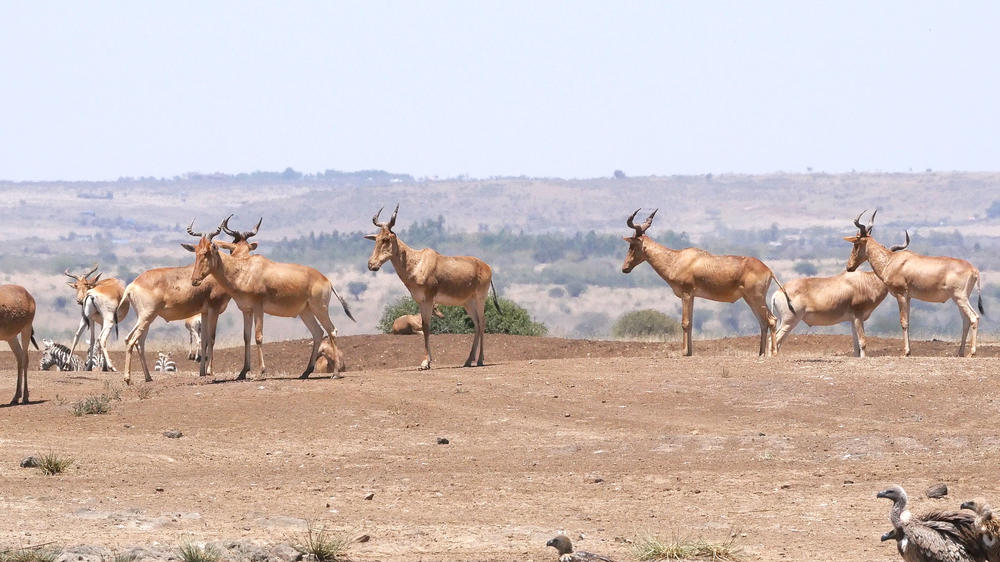
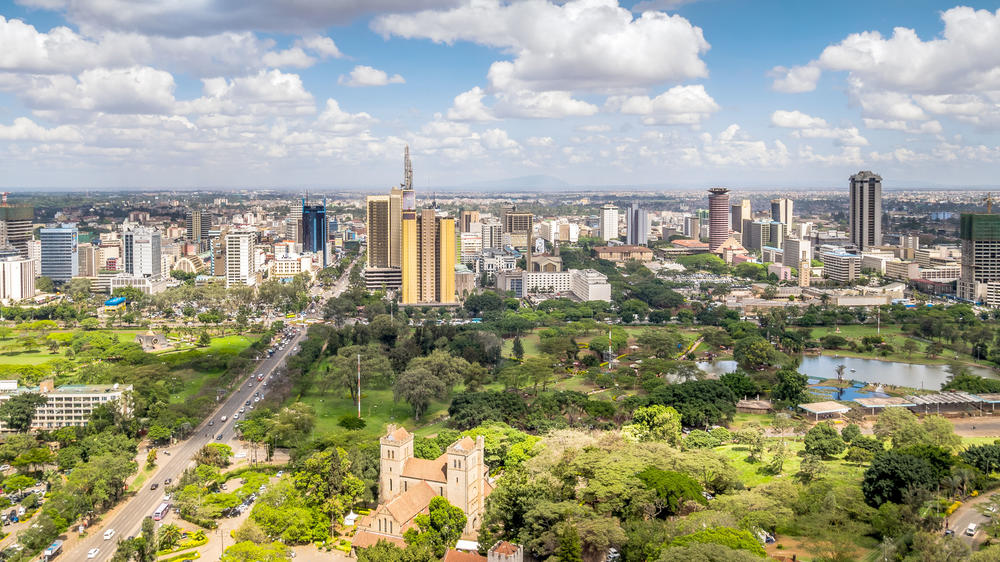
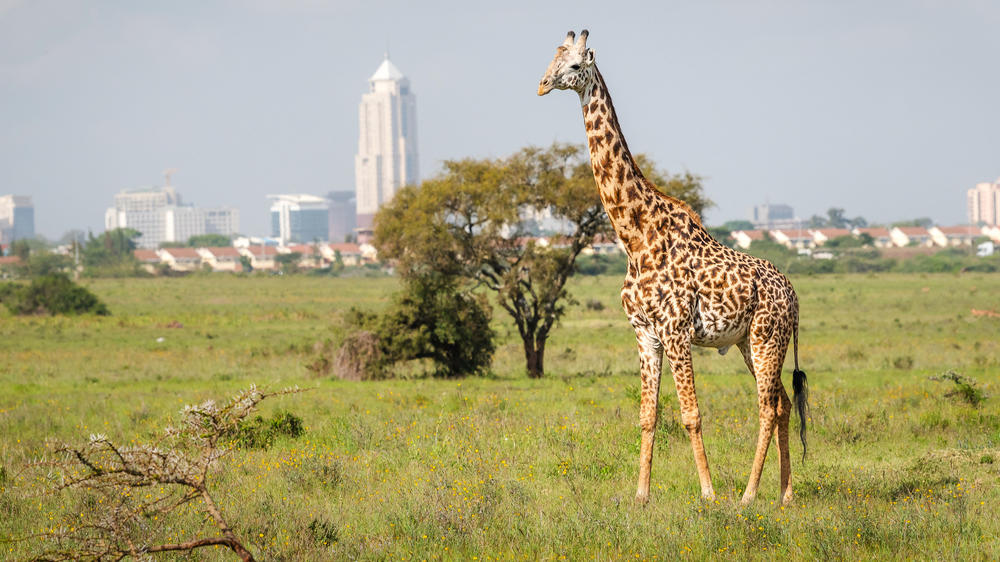
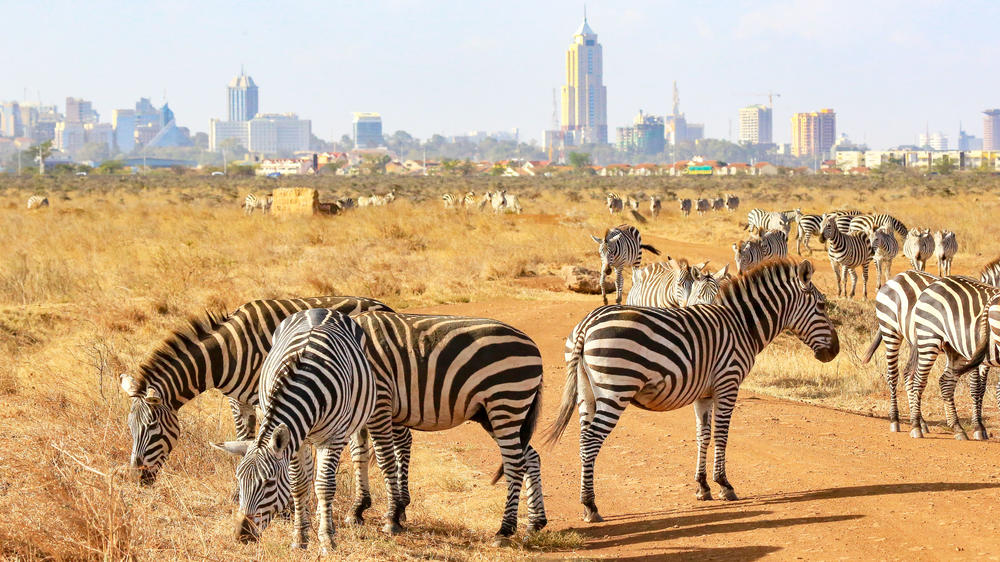
At first light, you will depart in a private game-viewer vehicle for Nairobi National Park. Your morning game drive begins at 06:00, offering the chance to encounter wildlife against the striking backdrop of the city skyline.
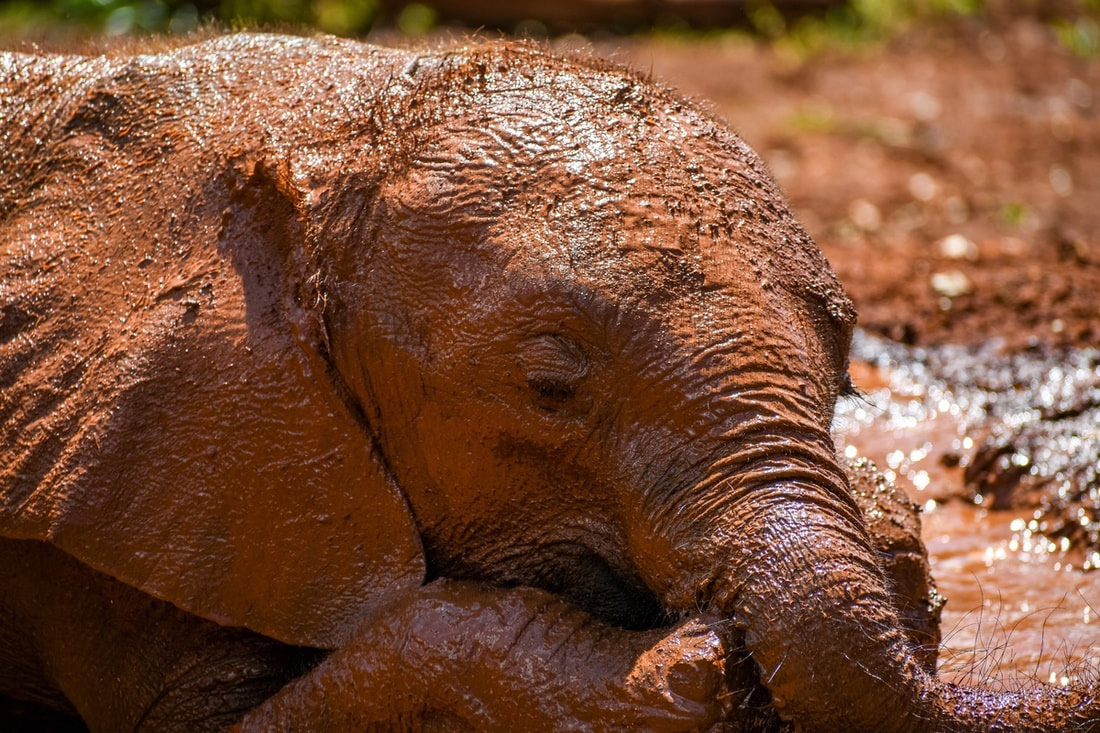
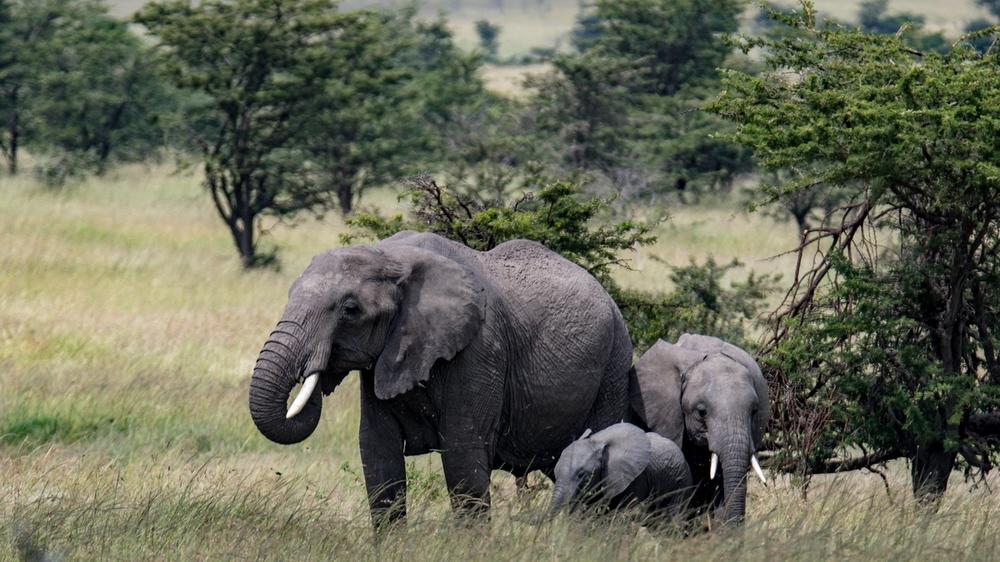
Following the drive, you will continue to the Sheldrick Wildlife Trust Nursery, an elephant orphanage renowned for its work rescuing and rehabilitating orphaned elephants.
Your visit is timed to coincide with the Nursery herd’s midday milk feed and mud bath. From designated viewing areas, you will watch the young elephants emerge from the forest in groups, eagerly gathering for their bottles of specialist milk formula. What follows is a lively and often playful scene: some elephants wallow in the mud, others engage in mock wrestling, and some enjoy a dust bath. No two visits are the same.
A senior Keeper will guide the experience, introducing each elephant, sharing their individual stories and personalities, and offering insight into the Trust’s wider conservation work across Kenya. Time is set aside at the end for questions.
After the visit, lunch will be enjoyed nearby at either Karen Blixen Coffee Garden or Utamaduni Craft Centre.
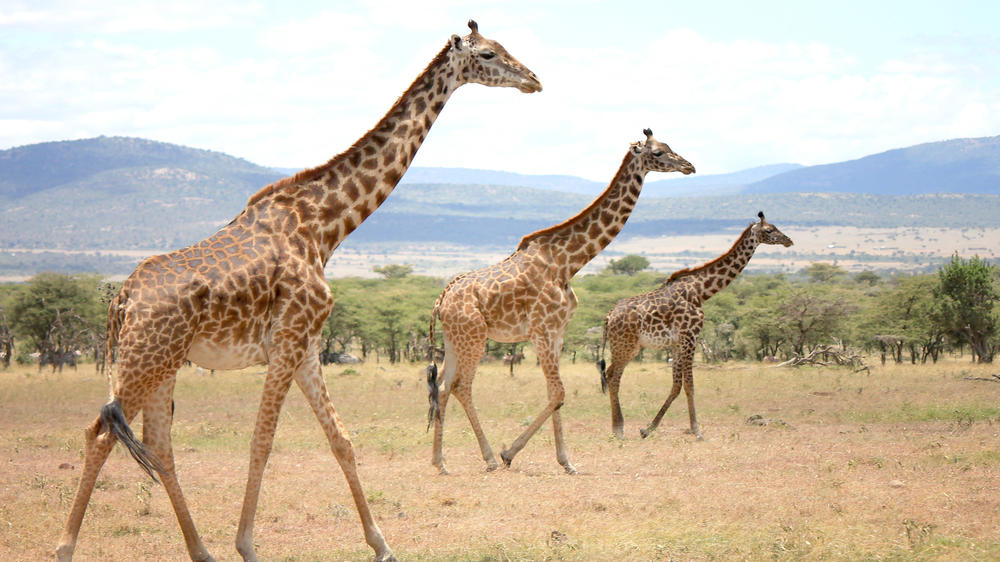
In the afternoon, you will visit the Giraffe Centre, dedicated to the conservation of the endangered Rothschild’s giraffe. This distinct subspecies is recognised by its pale coat and white lower legs. Once under significant threat due to habitat loss and human pressure, its population has steadily recovered through sustained conservation efforts.
During your visit, you will take part in a feeding session from an elevated platform, offering specially prepared pellets directly to the giraffes. The centre also features educational exhibits detailing giraffe biology, conservation challenges, and ongoing work to protect the species.
Set within a 95-acre sanctuary, the area is also home to over 180 bird species, along with wildlife such as bushbuck and warthog. A forest trail provides a peaceful 1.5 km walk, ideal for birdwatching and photography.
In the evening, you will head back to the Hotel for dinner.
-
Breakfast
-
Nairobi National Park
-
The Sheldrick Wildlife Trust
-
Lunch
-
Giraffe Centre
-
Dinner
Enarau Conservancy, Kenya
-
Enarau Conservancy Guest House
Day 3 - 8
Enarau Conservancy is a community-based wildlife conservation area located within the Northern Mara Conservancies of the Maasai Mara ecosystem. Established in 2022, it focuses on restoring degraded landscapes, supporting biodiversity, and working alongside local Maasai communities to promote sustainable land use and conservation practices.
Day 3
Day Notes:
Following breakfast at the hotel, you will depart early for your overland transfer to Enarau Conservancy.
The journey takes approximately six hours, offering a gradual transition from Nairobi’s urban landscape to the open plains and rural scenery of the Greater Mara region.
Upon arrival, you will check in and have time to settle into your surroundings.
At 18:00, you will gather for an introductory presentation outlining the conservancy’s work, the objectives of your stay, and the programme for the days ahead. This will be followed by a health and safety briefing.
Dinner will be served at around 19:30.
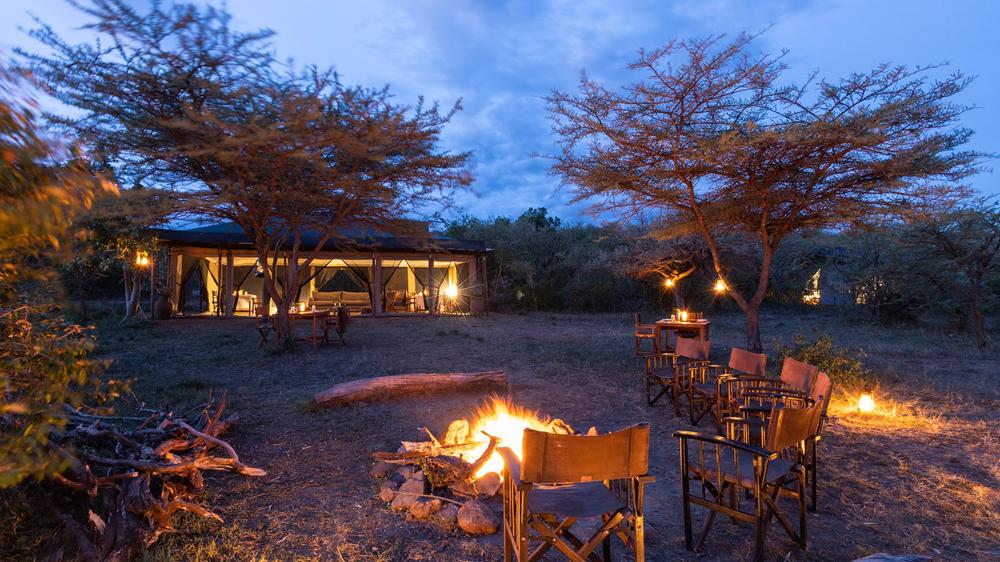
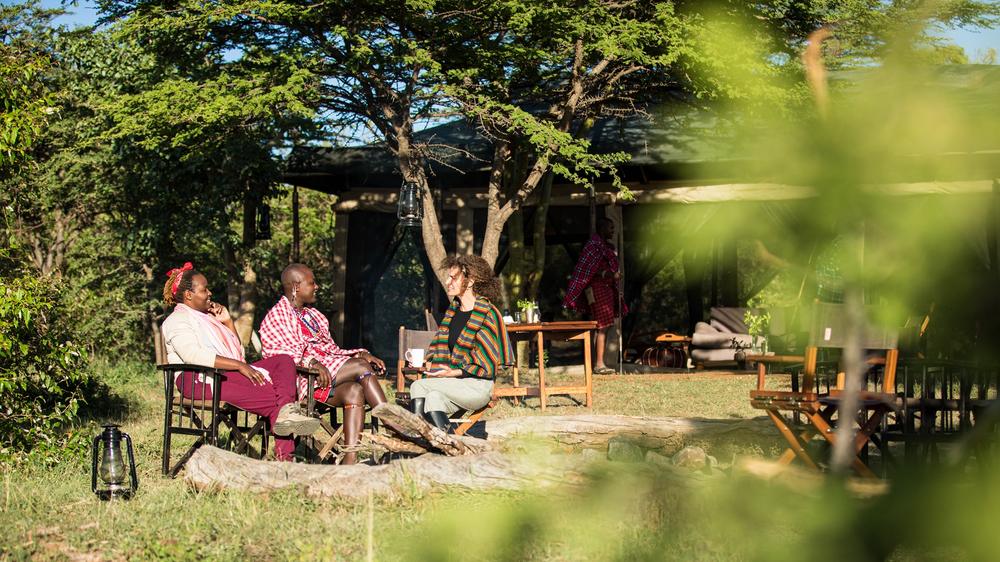
The evening concludes at a relaxed pace, with time spent around the bonfire, sharing conversations under the open sky, before retiring in preparation for an early start the following day.
-
Check-out from Boma Inn Nairobi
-
Transfer from Boma Inn Nairobi to Enarau Conservancy Guest House
-
Check-in to Enarau Conservancy Guest House
-
Programme and Project Presentation (including a health and safety briefing)
-
Dinner
-
Discussions around the fire
Day 4
Day Notes:
Volunteering Experience at Enarau Conservancy
Each volunteering day offers a distinct experience, providing exposure to different aspects of wildlife conservation and community development.
Located within the Northern Mara Conservancies and managed in partnership with the local Maasai community, Enarau Conservancy spans approximately 1,290 hectares. The landscape is a rich mosaic of grasslands, forests, and marshlands, centred around a permanent spring. This diversity of habitats supports a wide range of plant species and attracts birds, butterflies, amphibians, reptiles, and both small and large mammals. The conservancy also plays a vital role in maintaining a wildlife corridor connected to the nearby Mbokishi Conservation Area.
Until recently, the land served primarily as a livestock foraging area, with local communities relying on it for grazing, firewood collection, and indigenous plant harvesting. In response to the ecological pressures created by these activities, and with the aim of balancing conservation with community needs, several measures have been introduced:
- Implementation of a structured conservancy grazing plan
- Cessation of intensive farming practices
- Allocation of key areas for restoration, scientific research, and conservation
Today, Enarau Conservancy is emerging as a leading example of science-based conservation. Initiatives include the use of EarthRanger technology for wildlife and ranger monitoring, a carefully designed rotational grazing system, and one of the largest native seed nurseries in the Maasai Mara region. Seeds are collected through a community network involving local youth and women. The conservancy also works in partnership with the Centre for Ecosystem Restoration (CERK), supporting research aimed at restoring resilient ecosystems for Kenyan communities.
Day 1 – Field Activities and Research
Your first full day in the conservancy focuses on vegetation monitoring, mammal transects, and nursery work. The data you collect during this day feeds directly into ongoing restoration planning and long-term ecosystem monitoring. Throughout the day, activities are conducted alongside experienced field staff, including a nursery attendant and specialist researchers.
The day is structured as follows:
07:00 – 07:30 | Breakfast
08:00 – 09:00 | Introduction to field activities
Overview of vegetation monitoring, mammal transects, and nursery work, providing context for the day’s research and restoration efforts.
09:00 – 11:00 | Biomass and vegetation monitoring
Vegetation monitoring involves assessing plant types and density across different areas of the conservancy. The objective is to understand how the landscape is evolving and to inform restoration strategies. The data collected supports targeted initiatives run in partnership with the CERK, helping guide where restoration efforts should be prioritised.
11:00 – 12:00 | Nursery work
The nursery plays a central role in restoring native vegetation. Activities may include preparing growing medium, filling and arranging pots, watering and weeding seedlings, grading plants based on their development, and preparing seeds for propagation. This work ensures a continuous supply of healthy native species for restoration across the conservancy.
12:00 – 13:00 | Lunch
13:00 – 15:00 | Rest and downtime
15:00 – 16:00 | Data input and processing
Compilation and input of data collected during the morning fieldwork.
16:00 – 18:00 | Mammal transects
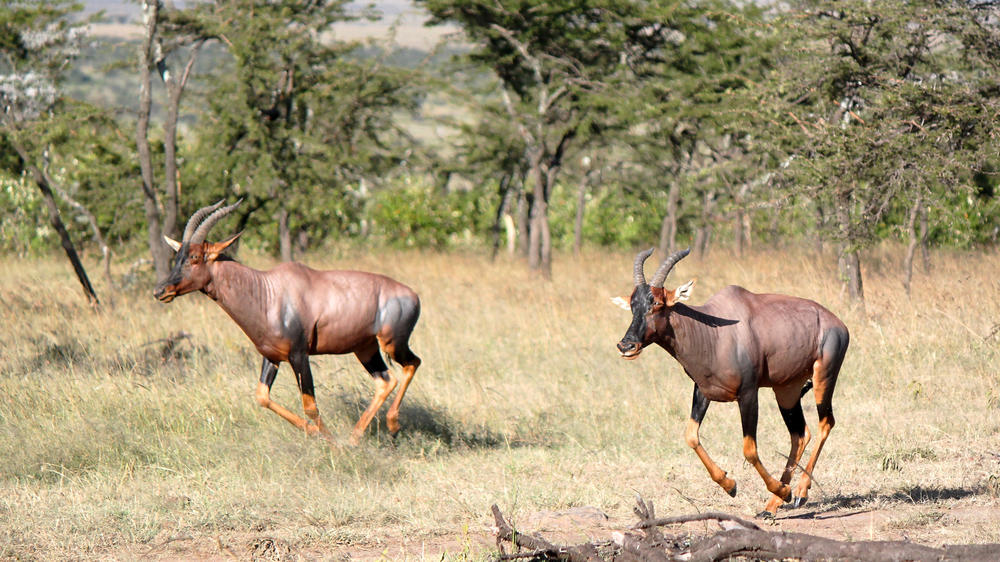
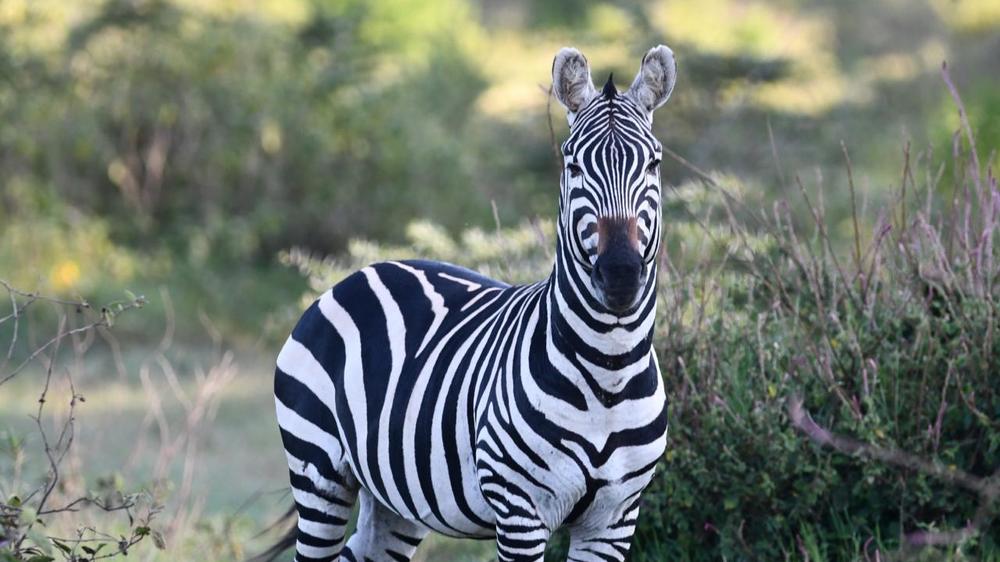
Conducted on foot, these transects involve covering a defined section of the conservancy while observing and recording wildlife. Over approximately two hours, you will identify and count animals encountered along the route, including species such as antelope and zebra. This data contributes to monitoring wildlife presence, distribution, and the impact of habitat restoration.
18:00 – 19:00 | Evening briefing
Introduction to bird transects and camera trapping in preparation for the following day.
19:30 – 20:30 | Dinner
The day concludes around the bonfire, with time to share reflections and conversation under the open sky.
-
Morning volunteering activities
-
Afternoon volunteering activities
Day 5
Day Notes:
Bird Monitoring and Landscape Analysis
This second day builds on your initial field experience, with a focus on bird monitoring, data collection, and landscape-level restoration analysis.
Throughout the day, activities are conducted alongside experienced field staff, including a nursery attendant and specialist researchers.
The day is structured as follows:
Early morning | Quick breakfast
A light breakfast of cereals, fruits, tea, and coffee is served before departure.
06:00 – 09:00 | Bird transects
Depart early to maximise wildlife activity and bird sightings. Conducted on foot, bird transects follow a defined route across the conservancy. You will observe and record bird species, contributing to ongoing monitoring of biodiversity and ecosystem health. These surveys provide important indicators of habitat quality and environmental change.
09:00 – 12:00 | Nursery work
Continue supporting the conservancy’s restoration efforts through nursery activities.
12:00 – 13:00 | Lunch
13:00 – 14:00 | Downtime
14:00 – 15:00 | Data input and processing
Compilation and input of data collected during previous mammal transects, contributing to ongoing wildlife monitoring.
15:00 – 16:00 | Camera trapping setup
Introduction to camera trap equipment and methodology, including positioning, settings, and deployment strategies used to monitor wildlife activity.
16:00 – 17:00 | LDSF presentation
Introduction to the Land Degradation Surveillance Framework (LDSF), a scientific approach used to assess land health and guide restoration efforts.
You will gain insight into how data on vegetation cover, soil condition, and ecosystem recovery is collected and analysed to inform long-term conservation strategies across the landscape.
17:00 – 18:00 | Camera trapping in the field
Participate in the deployment or retrieval of camera traps. This may include setting up equipment, checking existing cameras, and uploading images to a central database for species identification and monitoring.
18:00 – 19:00 | Data input and processing
Review and process data collected during camera trapping activities.
19:30 – 20:30 | Dinner
The evening concludes around the bonfire, with time to relax and share the day’s experiences.
-
Morning volunteering activities
-
Afternoon volunteering activities
Day 6
Day Notes:
Land Assessment and Restoration
This day focuses on understanding land restoration at a landscape level, combined with hands-on contribution to reforestation and preparation for community engagement. Activities are carried out alongside experienced field staff, including a researcher specialising in LDSF, a nursery attendant, and the tree-planting team.
The day is structured as follows:
Early morning | Quick breakfast
A light breakfast of cereals, fruits, tea, and coffee is served before departure.
06:00 – 09:00 | LDSF fieldwork
Work alongside a field researcher to carry out activities linked to the Land Degradation Surveillance Framework (LDSF). This includes assessing vegetation cover, observing land condition, and contributing to data collection that supports monitoring of ecosystem recovery and guides restoration planning.
09:00 – 12:00 | Nursery work
Continue supporting the conservancy’s restoration efforts alongside the nursery attendant.
12:00 – 13:00 | Lunch
13:00 – 15:00 | Downtime
15:00 – 16:00 | Data input and processing
Input and review data collected during the morning LDSF fieldwork, contributing to ongoing landscape monitoring.
16:00 – 18:00 | Tree planting
Join the restoration team in planting native species across designated areas of the conservancy. This activity contributes directly to habitat restoration and long-term ecosystem recovery.
18:30 – 19:30 | Preparation for community health activities
Introduction and preparation for the upcoming community health initiative, including context on local priorities and planned activities.
19:30 – 20:30 | Dinner
The evening concludes around the bonfire, with time to unwind and reflect on the day.
-
Morning volunteering activities
-
Afternoon volunteering activities
Day 7
Day Notes:
Community Engagement and Cultural Exchange
This day is dedicated to engaging with the local community, offering insight into daily life, education, and health initiatives led in partnership with Enarau Conservancy. Activities are facilitated by a local project coordinator, ensuring that all interactions are respectful, meaningful, and community-led.
The day is structured as follows:
07:00 – 07:30 | Breakfast
08:00 – 09:00 | Community health introduction
An introductory session led by the Enarau team, providing context on local health priorities and ongoing community initiatives.
09:00 – 10:00 | School visit
Visit a local school and meet with a school representative to gain insight into the education system and facilities. As the visit falls during the school holidays, the experience centres on the school’s operations and environment.
10:00 – 12:00 | Community health outreach
Take part in a community-led awareness session focused on health education, including family planning and access to essential information. These sessions are delivered by trained facilitators and aim to support informed decision-making within the community.
12:00 – 13:00 | Lunch
13:00 – 15:00 | Downtime
15:00 – 17:00 | Beadwork experience
Spend time with Maasai women and learn traditional beadwork techniques. You will have the opportunity to create your own piece, such as a bracelet or necklace, while gaining insight into the cultural significance of this craft and its role in supporting local livelihoods.
17:00 – 18:00 | Downtime
18:00 – 19:00 | Wrap-up session
A moment to reflect on the experience, share insights, and discuss the impact of the week’s activities.
19:30 – 20:30 | Dinner
The evening concludes around the bonfire, with time to relax and connect.
-
Morning volunteering activities
-
Afternoon volunteering activities
Masai Mara, Kenya
-
The Maa Guest House
Day 8 - 10
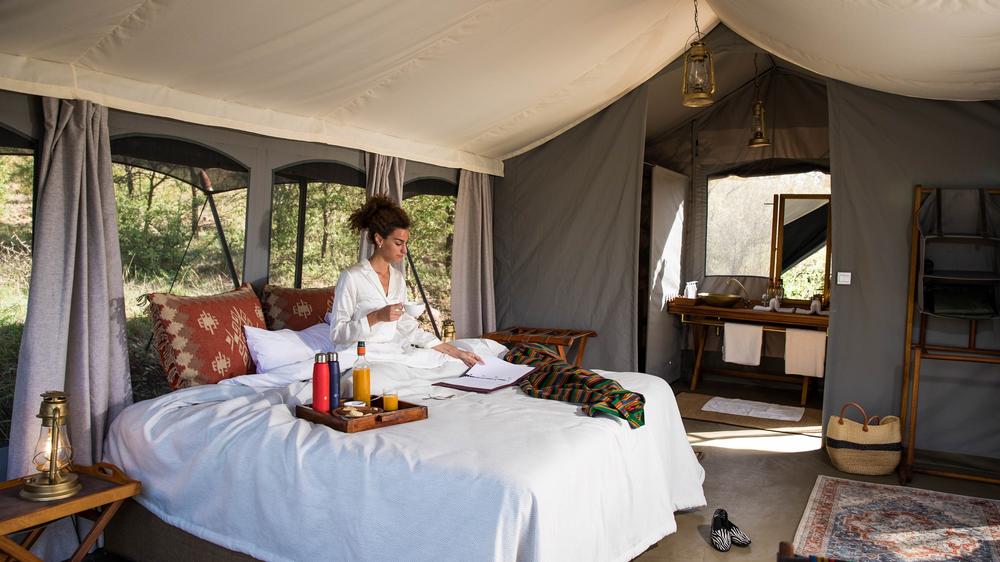
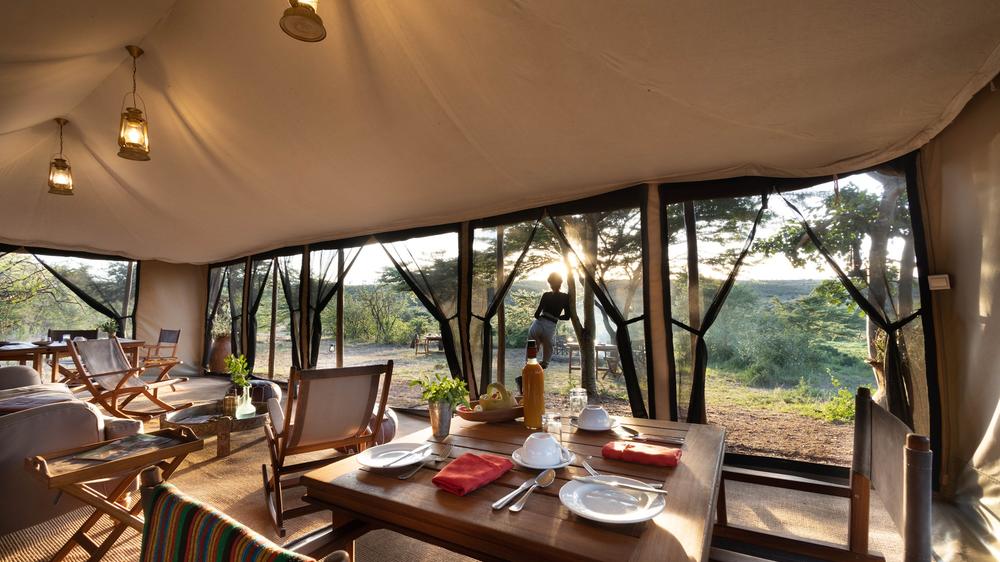
The Maa Guest House is ideally located between two well-known conservancies in the Maasai Mara, on a wildlife corridor in Kenya. Accommodation options feature four charming guest rooms with en-suite bathrooms and luxury toiletries. An additional accommodation option features a luxurious tent with a spacious bathroom, a living area, and a deck. Facilities and services include indoor and outdoor dining areas, home-cooked meals, a garden, a tea/coffee service, and Wi-Fi. Area activities include game drives, hot-air ballooning, and cultural experiences.
Day 8
Day Notes:
Transfer to the Maasai Mara, Rhino Sanctuary and Mara Elephant Project
This day marks your transition from Enarau Conservancy to your next accommodation on the edge of the Maasai Mara National Reserve.
After breakfast at 07:00, you will depart Enarau Conservancy at 08:00 and begin your journey across the Greater Mara landscape.
En route, you will visit the rhino sanctuary within the Olchoro-Oirouwa Conservancy. The sanctuary is home to two southern white rhinos, protected around the clock. These individuals have been habituated to human presence, allowing for a rare opportunity to observe them on foot in a controlled and respectful setting.
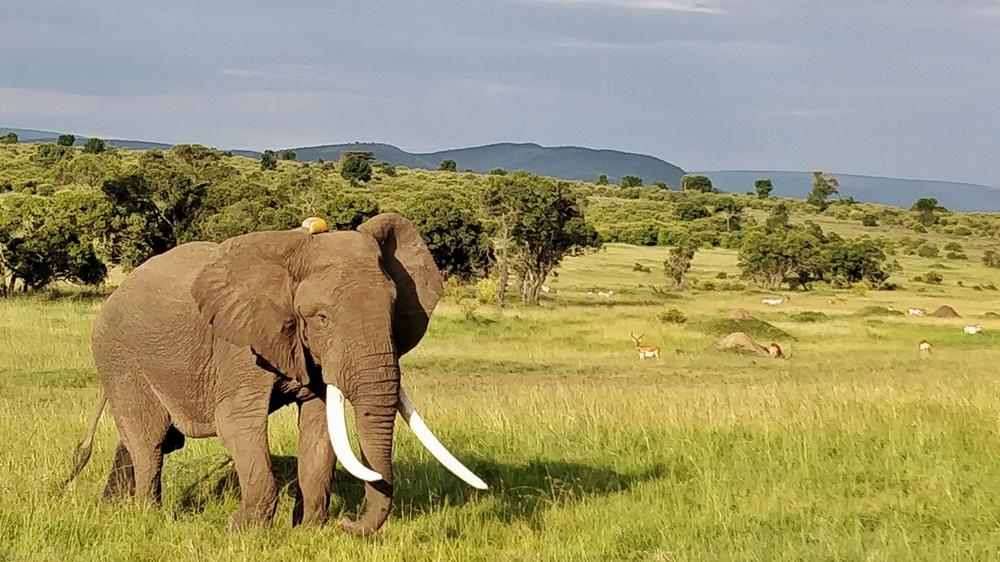
You will then continue to the headquarters of the Mara Elephant Project.
During your visit, you will receive a conservation briefing, gain insight into daily operations, and engage directly with ranger teams. This provides a clear understanding of how elephant movements are monitored and how conflict situations are managed in practice.
A packed lunch will be enjoyed during the journey.
You are expected to arrive at the guest house in the afternoon. The Maa Guest House lies on the edge of the Maasai Mara National Reserve, between the Olare Motorogi and Naboisho conservancies.
In the evening, weather permitting, enjoy a bush dinner under the open African sky, accompanied by Maasai singing and storytelling around the fire.
Who is the Mara Elephant Project?
Founded in 2011, the Mara Elephant Project protects elephants and their habitat across the Greater Mara Ecosystem, from the savannah conservancies to the Mau and Loita forests. Its ranger units carry out anti-poaching patrols and respond rapidly when elephants move into farmland, working in partnership with the Kenya Wildlife Service. Satellite collars fitted to selected elephants are monitored daily from the project's headquarters, with alerts raised when an animal stops moving or approaches a settled area. This movement data guides ranger deployment and allows teams to step in before conflict arises. Alongside the patrols, the project works with farming communities on practical deterrents such as chilli fences, helping people and elephants share the landscape safely.
-
Check-out from Enarau Conservancy Guest House
-
Transfer from Enarau Conservancy Guest House to The Maa Guest House
-
Olchoro Rhino Sanctuary
-
Mara Elephant Project Conservation Talk
-
Packed lunch
-
Check-in to The Maa Guest House
-
Bush Dinner with Maasai singing and story telling around the fire
Day 9
Day Notes:
The Maa Trust: Livelihoods and Community Impact
Today is spent with The Maa Trust, a non-profit organisation working alongside Maasai families living around the conservancies of the Greater Mara.
After breakfast, you will travel to The Maa Trust headquarters for a presentation on how the Trust connects conservation with the priorities set by local people, from income generation and education to health and access to water. The morning continues with Maa Beadwork, the Trust's flagship social enterprise, where you will spend time with the artisans and learn about Maasai beadwork. A visit to Maa Bees follows, showing how beekeeping offers women an additional source of income. Before leaving, you will have the opportunity to purchase products made by the artisans.
After lunch, the focus turns to the Trust's wider programmes. You will visit a rainwater harvesting project, where seasonal rainfall is captured and stored to supply water to nearby homes and livestock. Subject to availability, you will also visit Talek Clinic and gain insight into how health services are delivered in the area. Along the way, you will meet residents who benefit from these initiatives, and the day closes with an open discussion on their impact and what they mean for the families involved.
You will return to the guest house in the late afternoon.
Who is the Maa Trust?
The Maa Trust is a non-profit organisation based on the north-eastern boundary of the Maasai Mara National Reserve. It works alongside community-owned conservancies, including Olare Motorogi and Naboisho, so that the presence of wildlife brings tangible benefits to the Maasai families living beside it. Its motto, "tenkaraki ing'uesi", translates as "because of the wildlife". The Trust follows priorities defined by the communities themselves, supporting education, health, water access and income generation. Its social enterprises provide Maasai women with a regular income, and Maa Beadwork, established in 2013, now involves several hundred women from villages around the conservancies.
-
Conservation Activities (the MAA Trust)
-
Conservation Activities (the MAA Trust)
Mara Naboisho Conservancy, Kenya
-
Basecamp Wilderness
Day 10 - 13
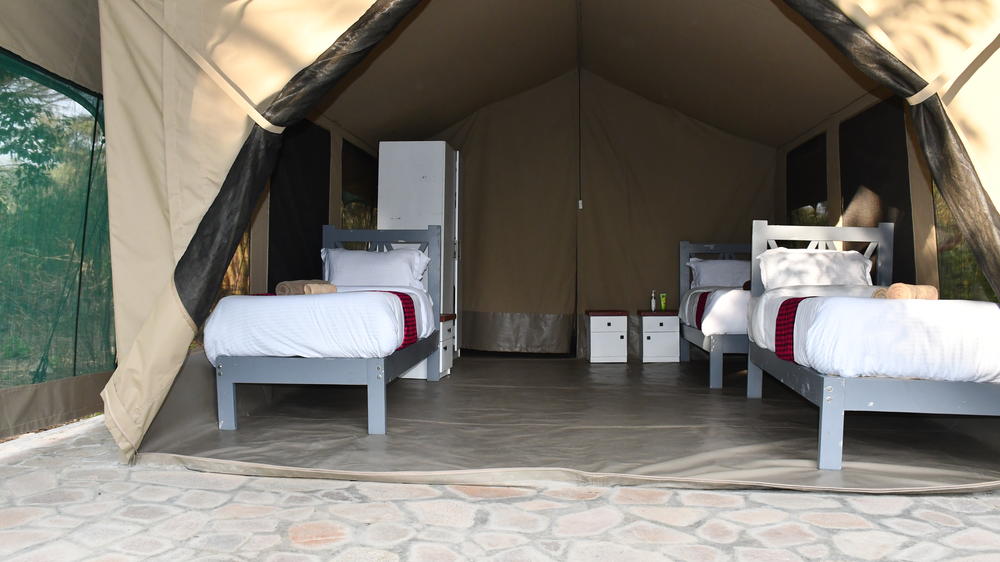
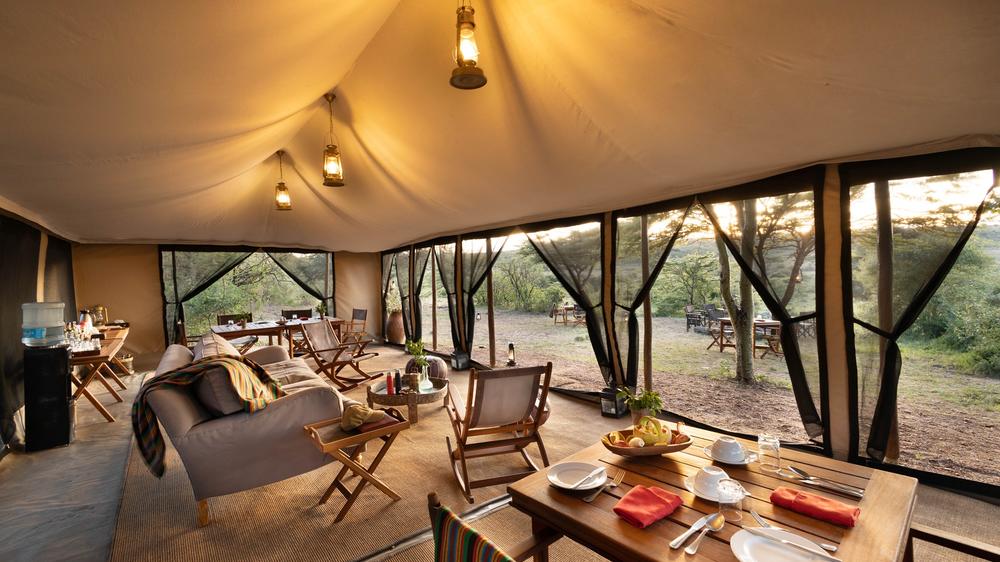
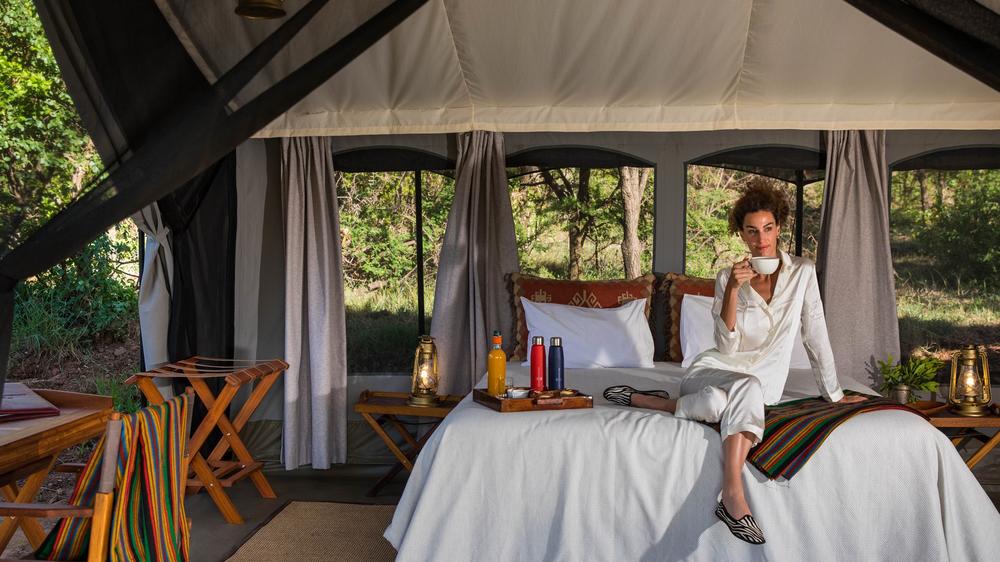
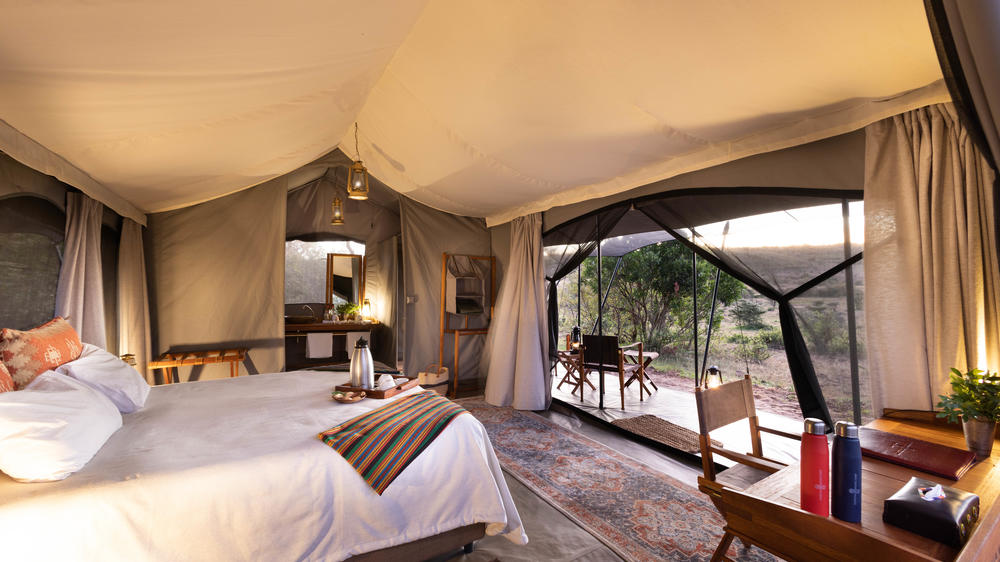
Basecamp Wilderness is safari as it was always meant to be. Tucked deep into the Saddle Valley in the heart of Naibosho Conservancy, eight tents; seven doubles and one family, sit in complete privacy with uninterrupted views of the savannah. No artificial luxury. No modern disturbance. Just you, the Maasai, the wildlife, and the stars.
Day 10
Day Notes:
Mara Predator Conservation Programme and Transfer to Naboisho
This morning is devoted to understanding how people, livestock and predators share the Mara landscape.
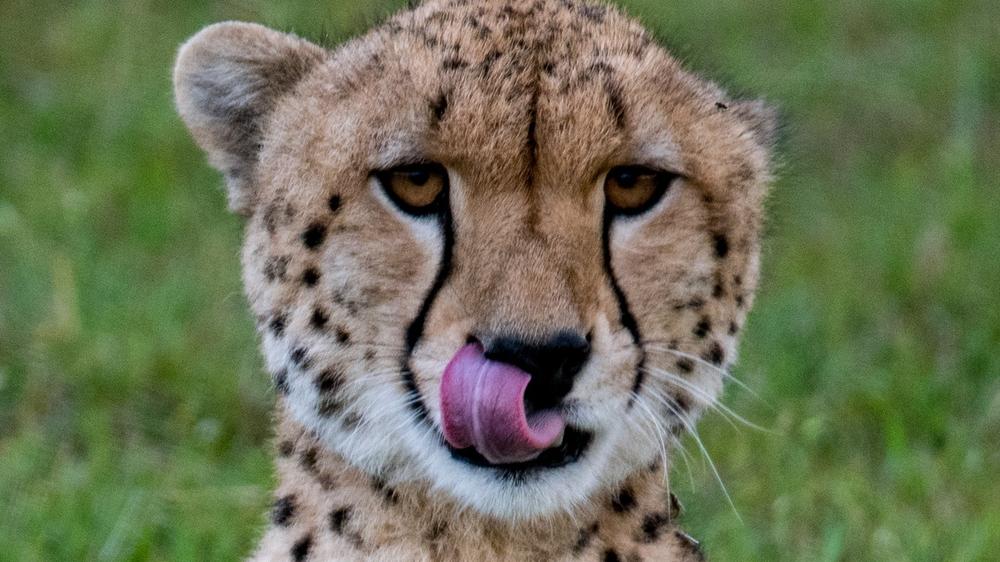
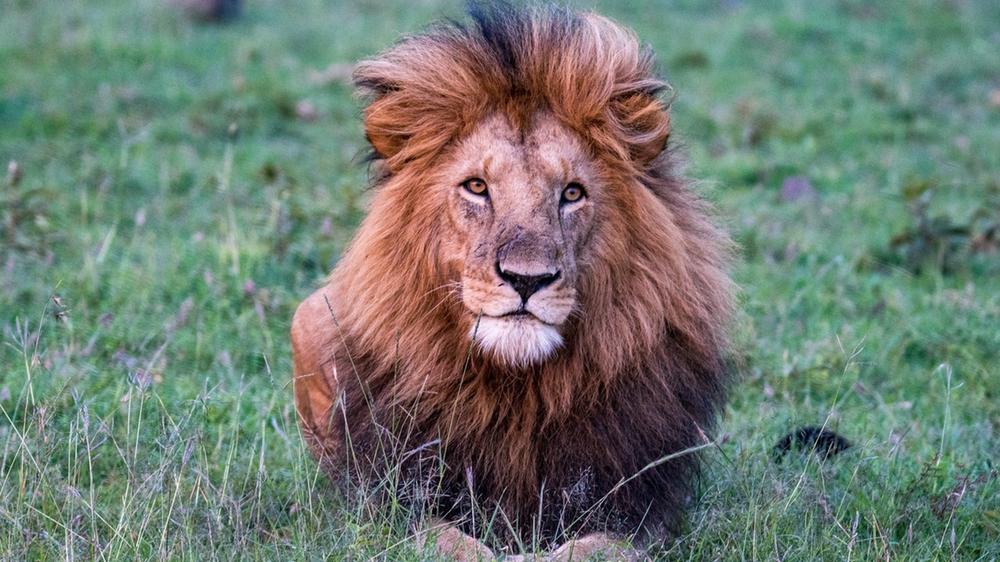
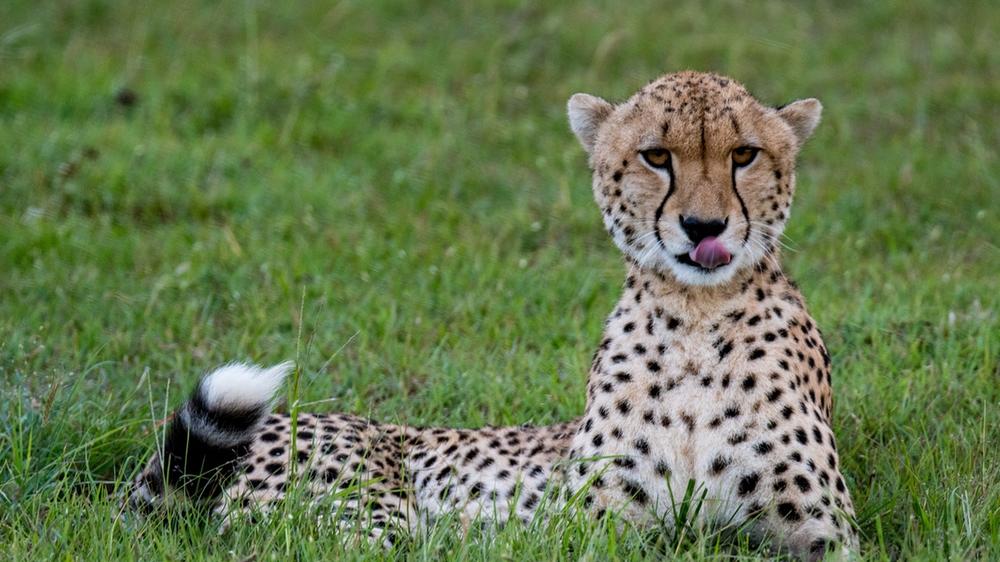
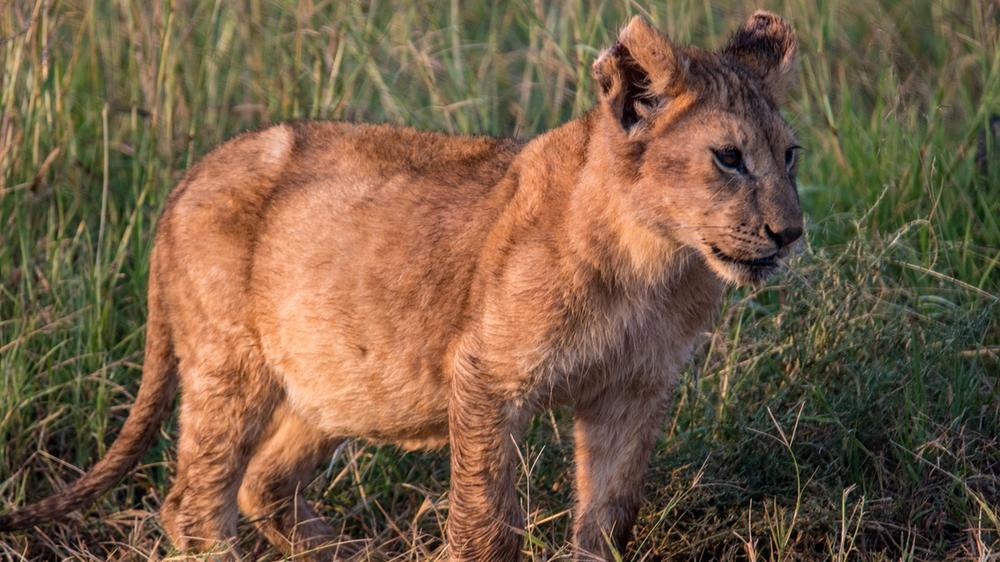
After an early breakfast, you will leave the guest house for the headquarters of the Mara Predator Conservation Programme, where the team will present its work on lions and cheetahs across the Greater Mara. The presentation explains how individual cats are identified and monitored over many years, and how GPS collars reveal their movements between the National Reserve and the surrounding conservancies. You will gain insight into how this research shapes conservation decisions on the ground.
You will then visit one of the predator-proof bomas the programme has helped to build, guided by one of its Predator Ambassadors. The ambassadors are members of the local community who work alongside herders to reduce livestock losses and the retaliatory killing of predators that can follow. Built with recycled plastic poles, these reinforced enclosures keep cattle, sheep and goats secure at night, and the visit offers a first-hand view of how practical measures allow Maasai families and wildlife to live alongside one another.
A packed lunch will be provided.
You will then depart for Saruni Basecamp Wilderness, travelling through the Mara ecosystem.
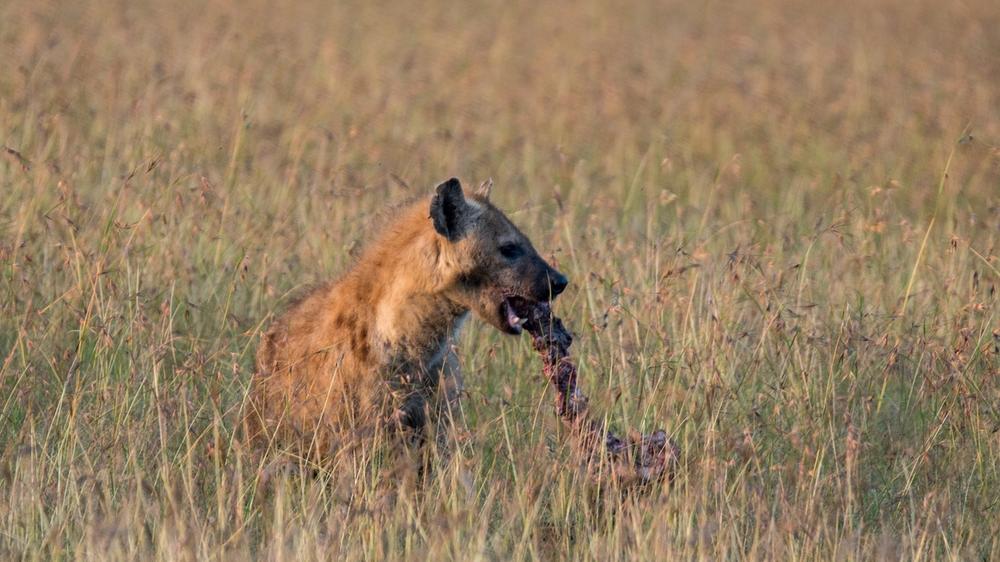
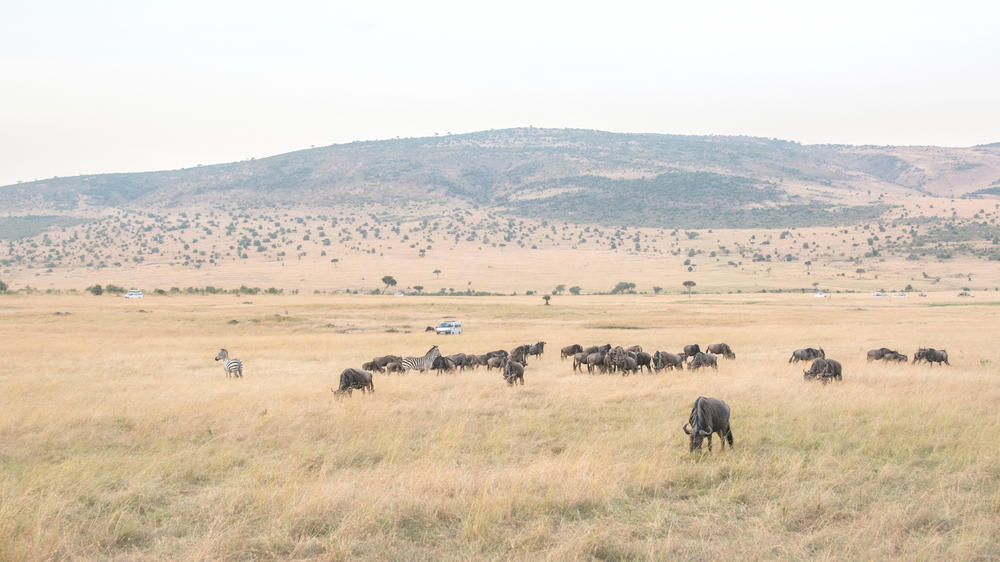
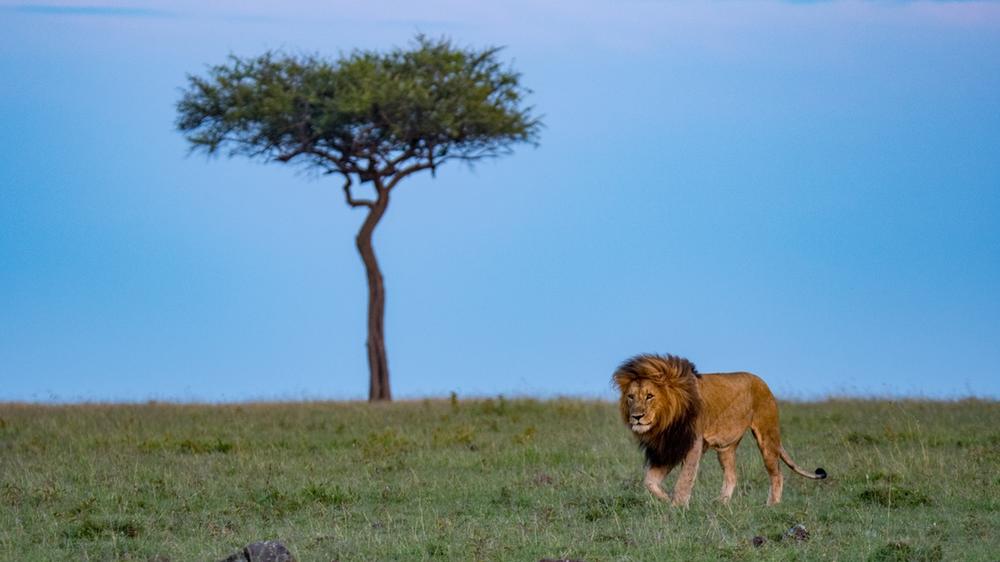
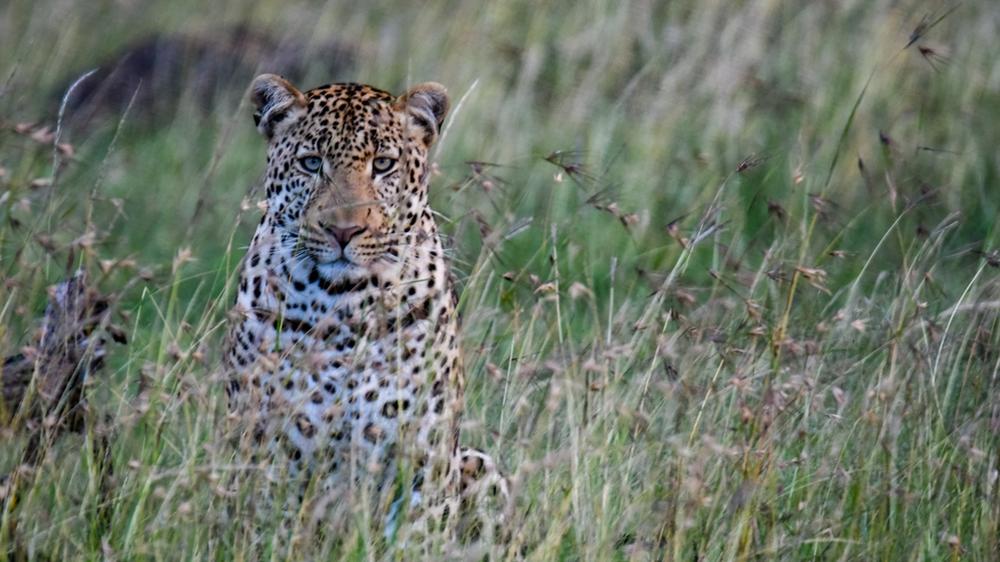
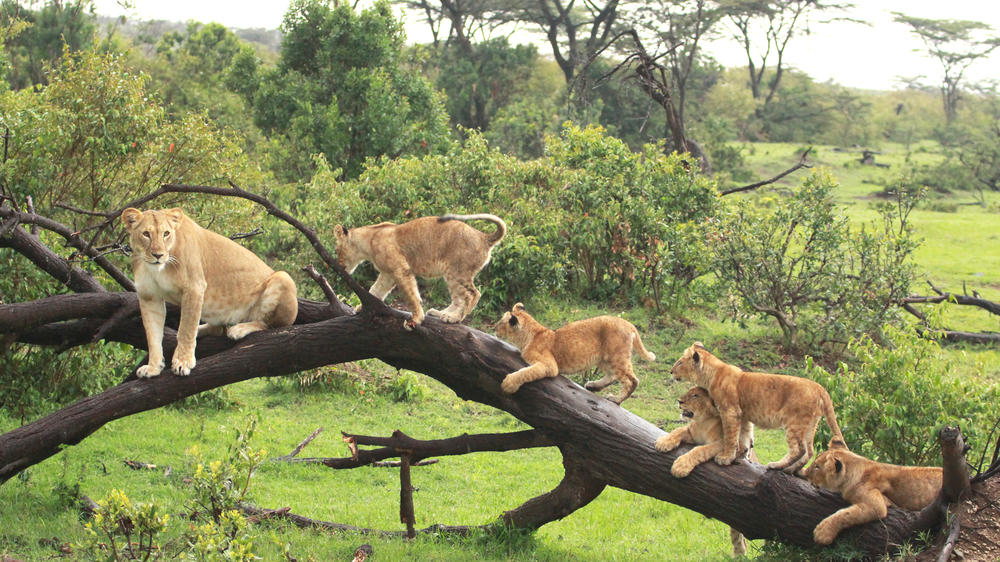
In the afternoon, you will head out for a first game drive within Naboisho Conservancy, known for its strong predator presence and low vehicle density, offering a more exclusive safari experience.
Who is the Mara Predator Conservation Programme?
The Mara Predator Conservation Programme is an initiative of the Kenya Wildlife Trust, formed in early 2018 when the Trust brought its two flagship lion and cheetah projects together into a single long-term commitment. Its research draws on identification catalogues of individual cats and collars that track predator movements across the Mara Ecosystem, and since 2013 its findings have informed lion and cheetah conservation in Kenya and elsewhere in Africa. Alongside the science, the programme engages closely with Maasai communities through wildlife clubs in nine schools across the Mara, community meetings known as barazas, an anti-poisoning campaign and the construction of bomas made from recycled plastic poles to protect livestock from predator attacks.
-
Check-out from The Maa Guest House
-
Mara Predator Conservation Programme activities
-
Transfer from The Maa Guest House to Basecamp Wilderness
-
Check-in to Basecamp Wilderness
-
Afternoon Activity (Game drive in the Conservancy)
Day 11 - 12
Day Notes:
Safari Experience in the Mara
Your final days are dedicated to experiencing the richness of the Mara through a flexible programme of game drives, guided walks, and immersive bush experiences.
Each day begins early, with breakfast taken at camp before sunrise, when wildlife is most active and the landscape is at its most atmospheric.
Morning activities
Set out on a game drive in search of the Mara’s iconic wildlife, including big cats and other predators. Alternatively, you may choose to explore the surrounding plains on a guided bush walk, accompanied by experienced Maasai guides who offer deeper insight into the landscape, tracking, and smaller ecosystems often missed from a vehicle.
Midday
Return to camp for lunch and time to rest, or enjoy a picnic in a scenic location, often near a waterhole where wildlife activity continues throughout the day.
Afternoon and evening
In the afternoon, head out again to explore new areas of the conservancy and its neighbouring regions. As the light softens, pause for sundowners in the bush before continuing your wildlife viewing into the early evening.
For those seeking a different perspective, an optional night drive offers the chance to encounter nocturnal species rarely seen during the day.
-
Morning Activity (Game drive or bush walk in the Conservancy)
-
Afternoon Activity (Game drive or bush walk in the Conservancy)
Day 13
-
Game drive in the Conservancy
-
Check-out from Basecamp Wilderness
-
Transfer from Basecamp Wilderness to Jomo Kenyatta International Airport [NBO]
End of Itinerary
Destinations
Nairobi
Enarau Conservancy
Masai Mara
Mara Naboisho Conservancy
Accommodations
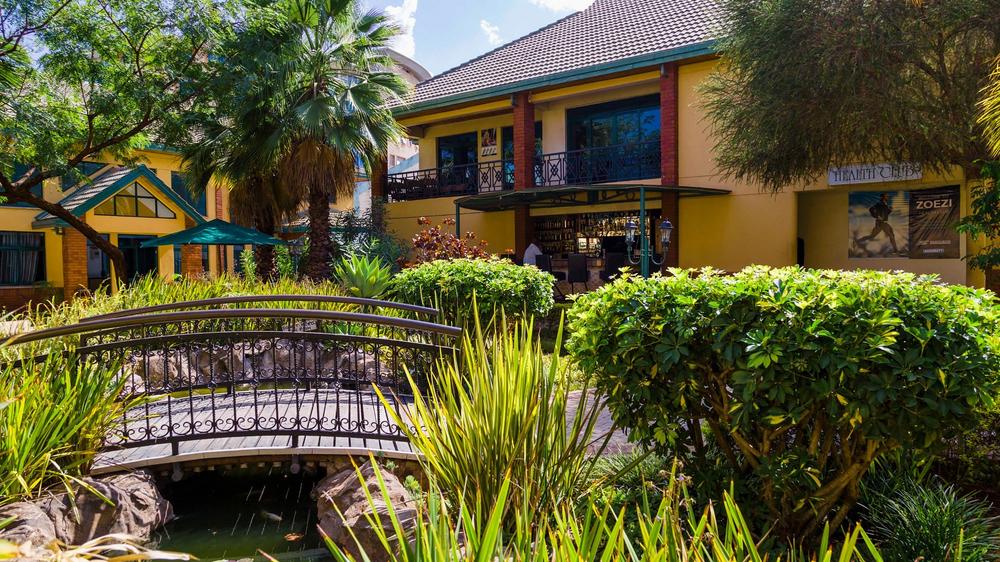
Boma Inn Nairobi
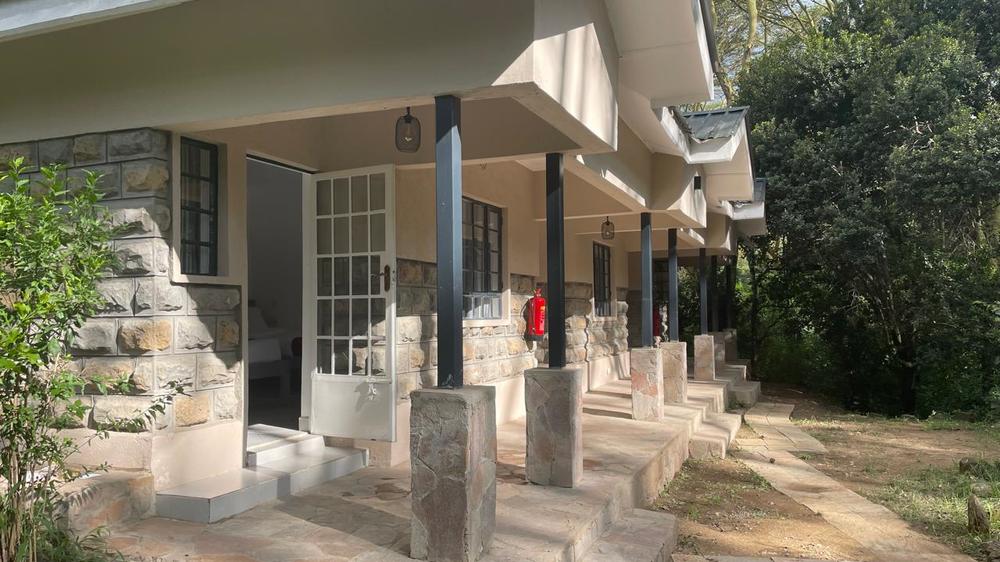
Enarau Conservancy Guest House

The Maa Guest House

Basecamp Wilderness
Dates: 7 –19 Nov 2027
Price per adult sharing: USD 4,280
The conservation and safari trip is subject to a minimum group size. For this trip to operate, we require a minimum of 6 participants with a maximum of 12 participants.
Book this safari or design your own
Enquire Now
Book this safari or design your own