June 18, 2026
Home / All Tours / Africa / Kenya / Maasai Mara Conservancies /
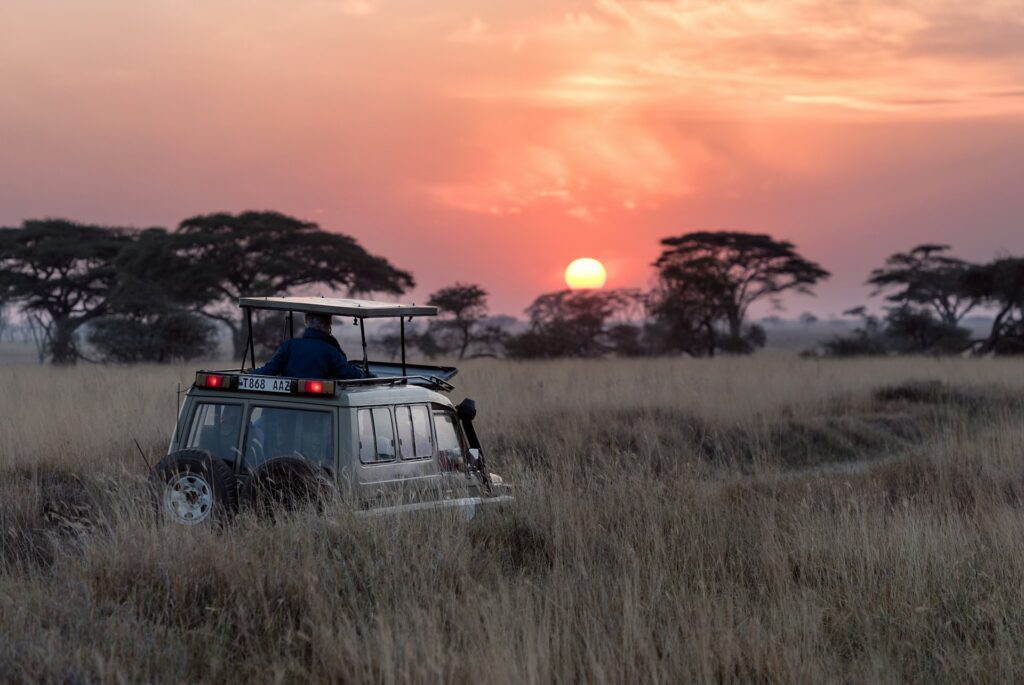
Mara North Conservancy is one of the conservancies bordering Kenya’s legendary Maasai Mara National Reserve, it offers a more intimate, flexible, and conservation-focused safari experience. These community-owned areas protect critical wildlife habitats while providing unforgettable game viewing and authentic cultural exchanges—making them the perfect choice for ethical, off-the-beaten-path travel.
Indigo Safaris’ Mara North itineraries focus on immersive stays that prioritise time on safari, flexible game viewing, and expert guiding. Mara North is often combined with other national parks and reserves, the coast, or the Zanzibar archipelago for a complete East African safari experience.

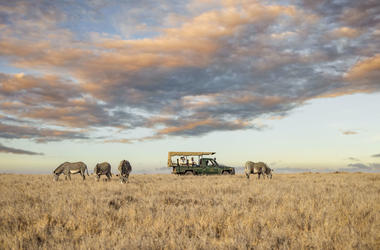
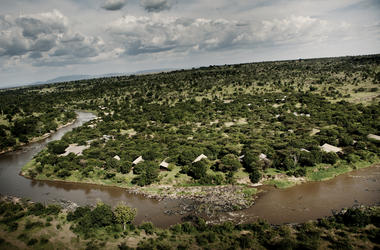

A premium safari experience built on conservation and exclusivity.
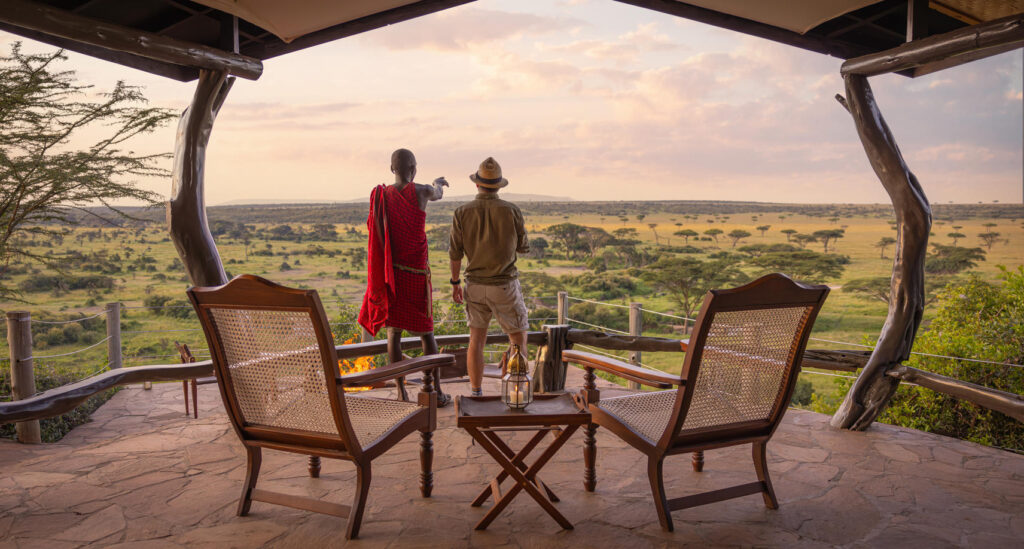
Mara North Conservancy offers a safari that balances indulgence with purpose. With carefully limited visitor numbers, you’ll enjoy close wildlife encounters, exceptional guiding, and the knowledge that your visit supports both conservation and local Maasai communities.
Limited lodge capacities and no vehicles from lodges and camps outside the conservancy, and no self-drivers result in uncrowded wildlife encounters.
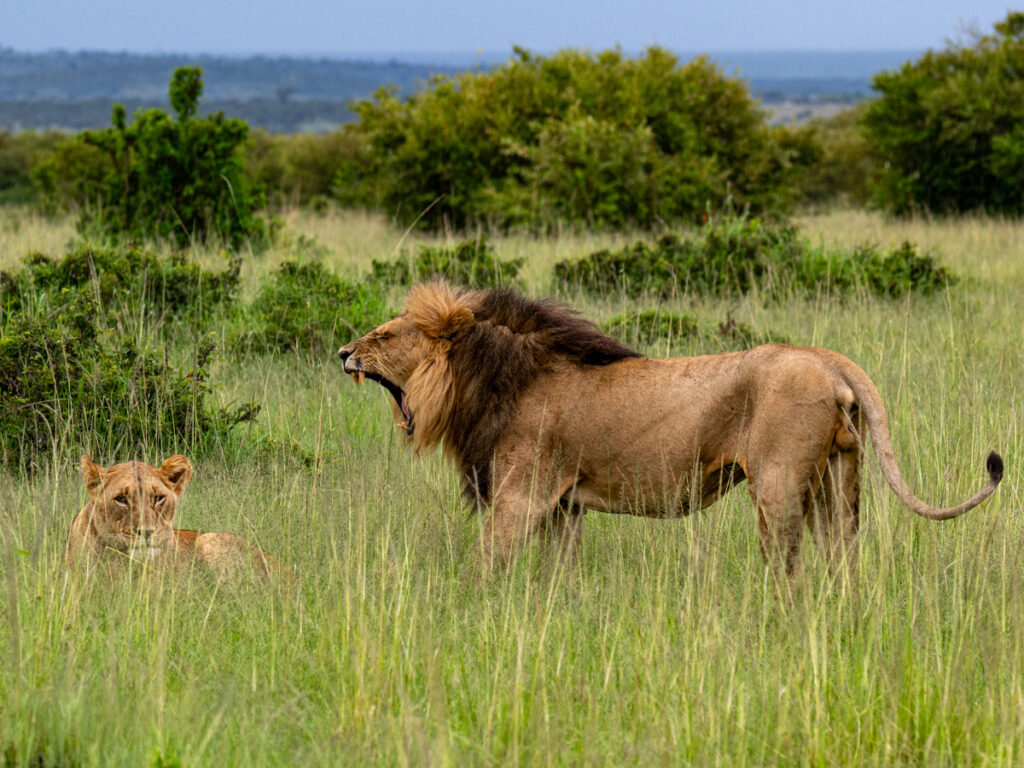
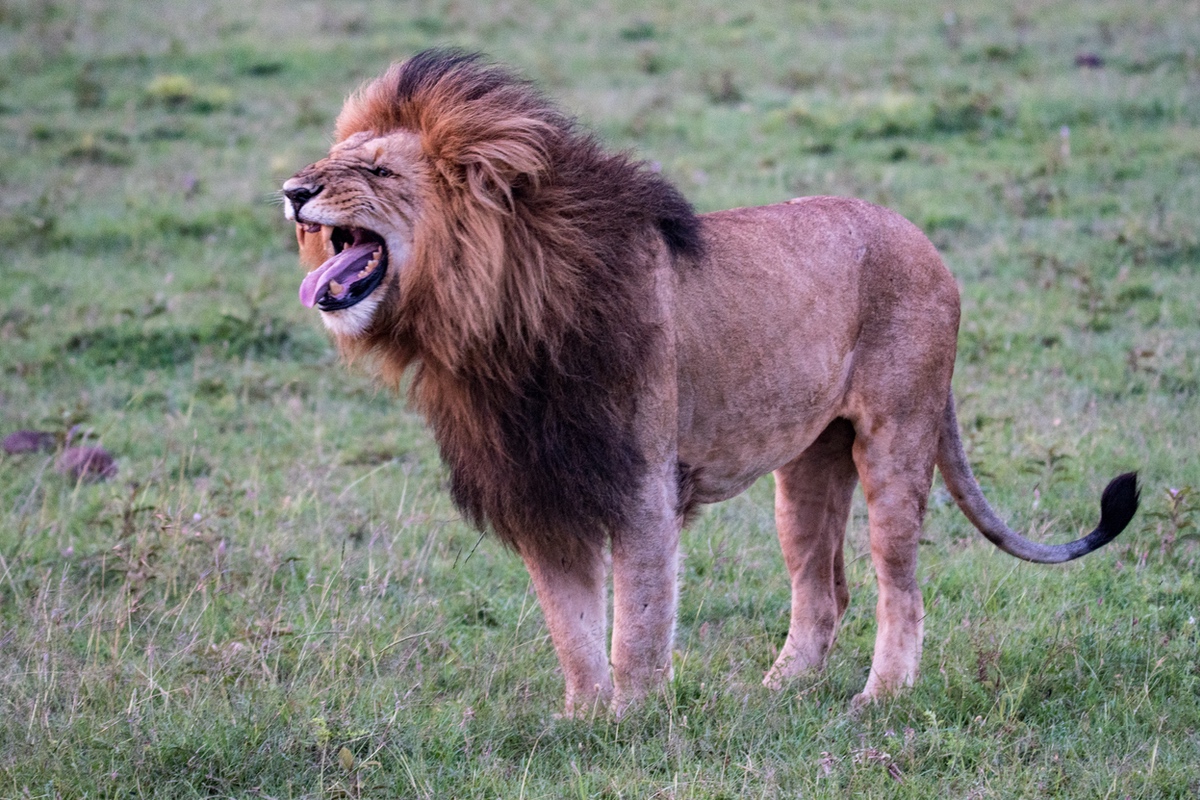
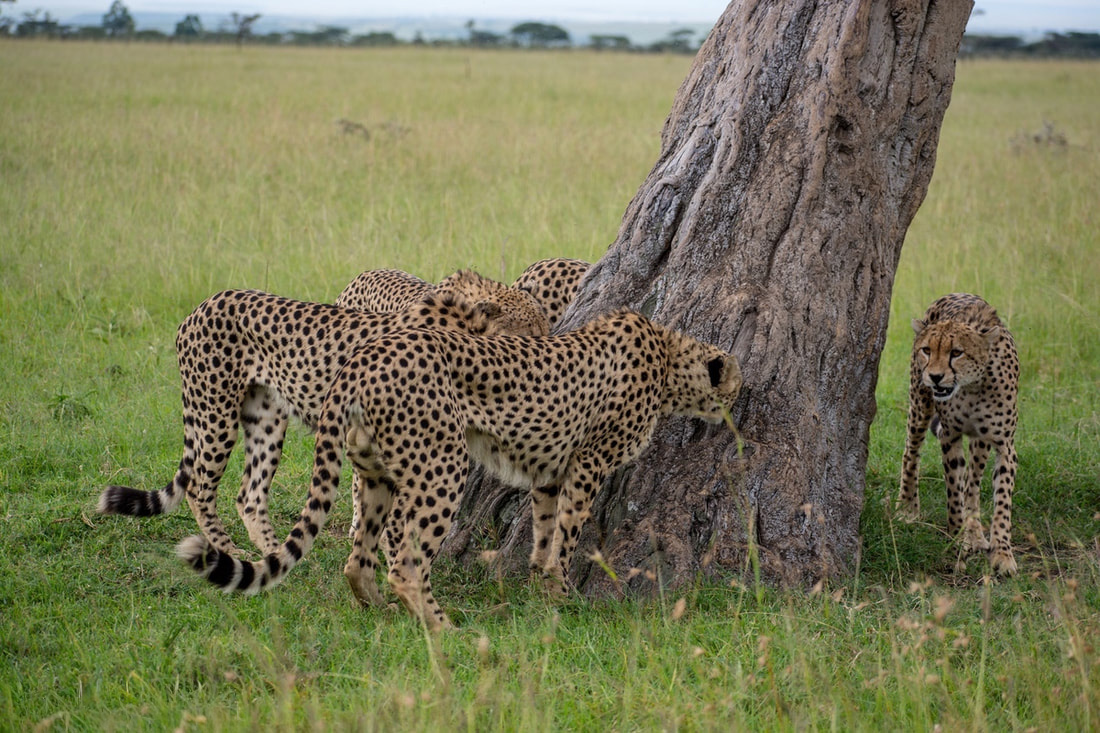
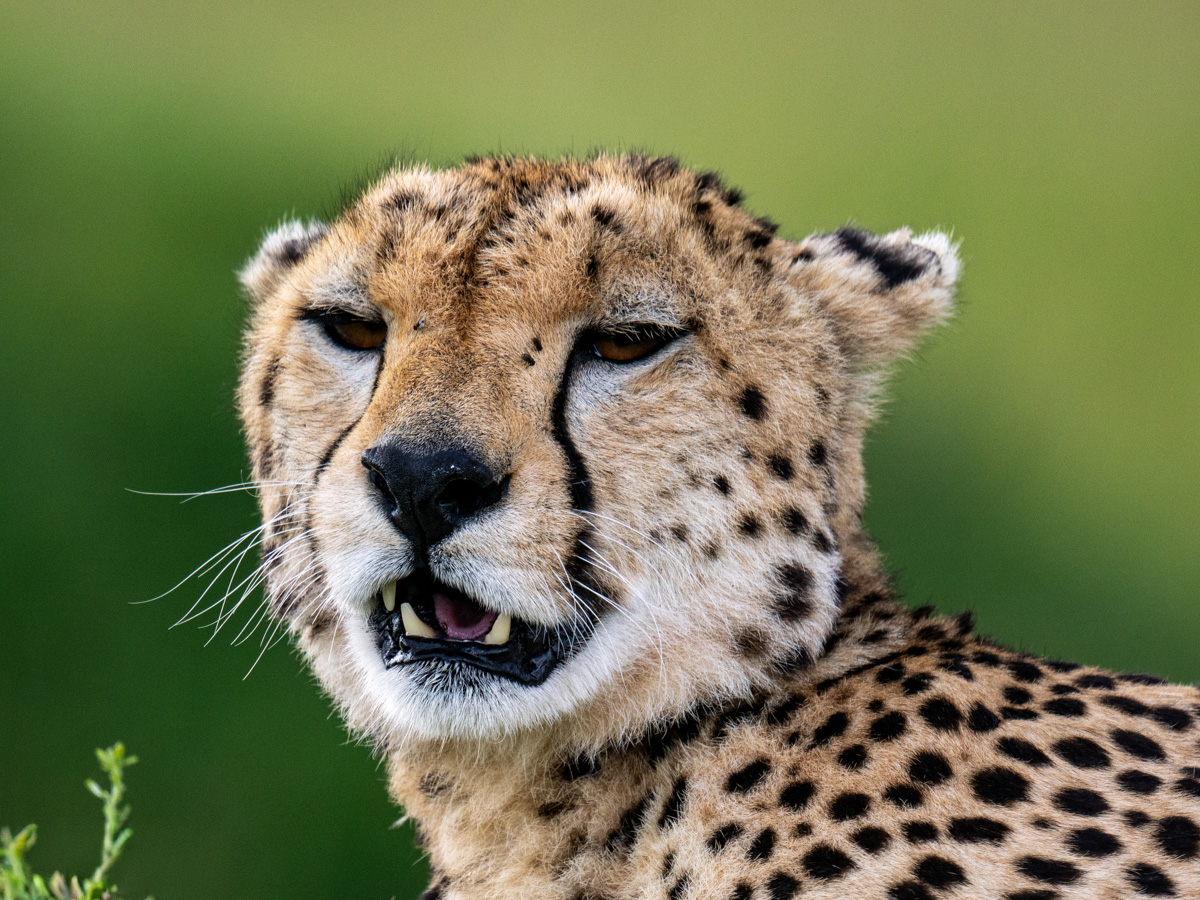
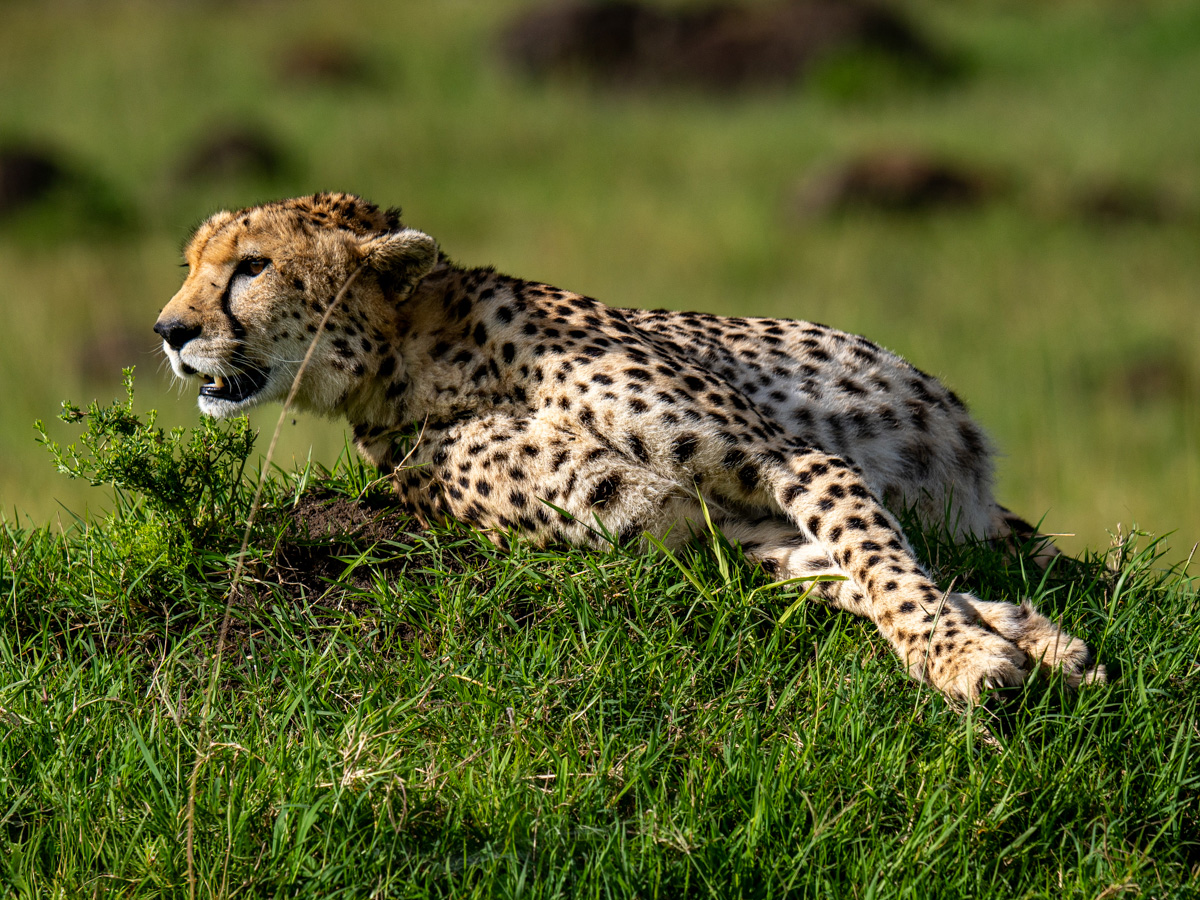
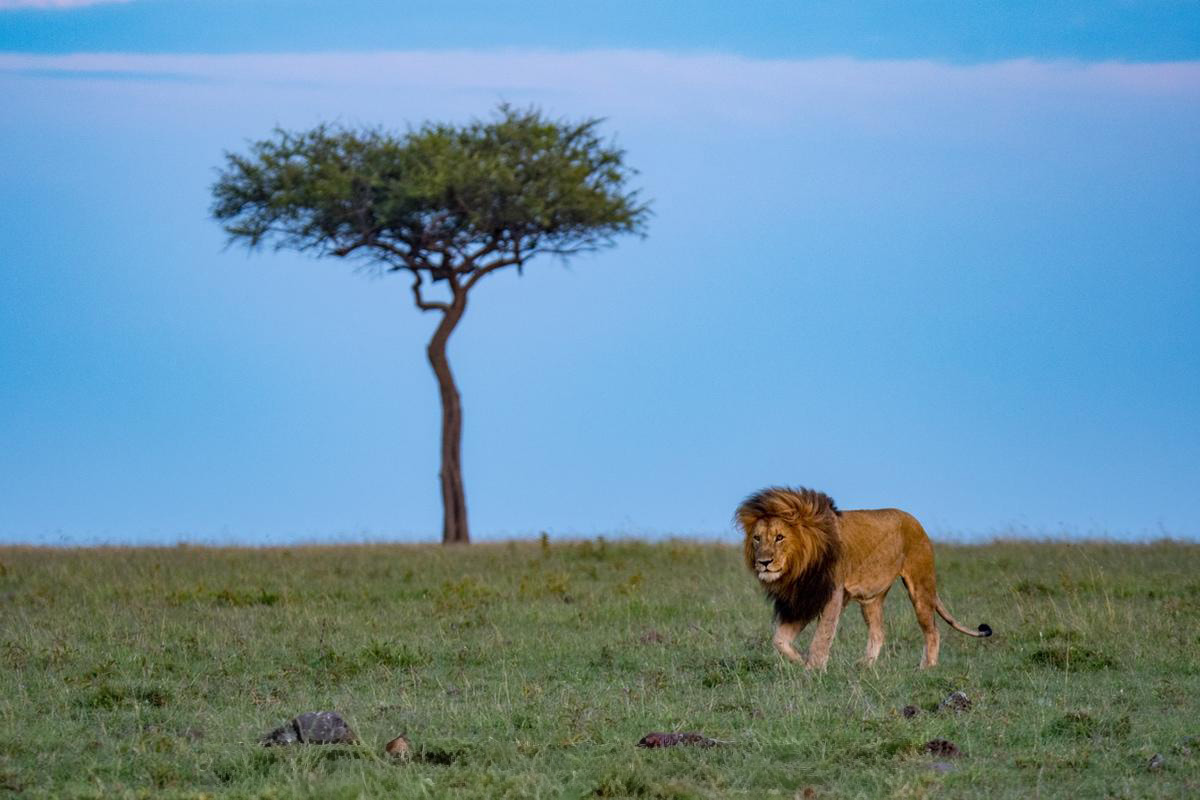
Lions, leopards, cheetahs, and hyena are seen year-round.
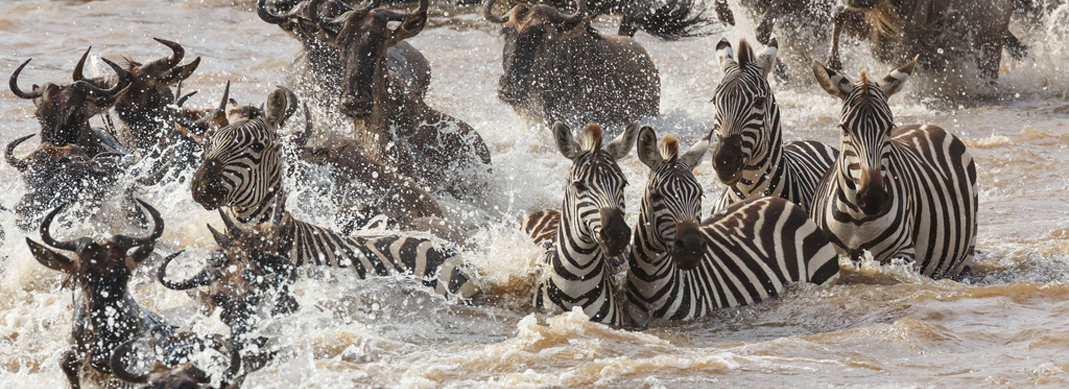
It is possible to visit seasonal river crossings on a full-day game drive.
Unlike the Mara National Reserve, the conservancies allow night game drives, walking safaris, and driving off-track.
Tourism directly supports local Maasai landowners.
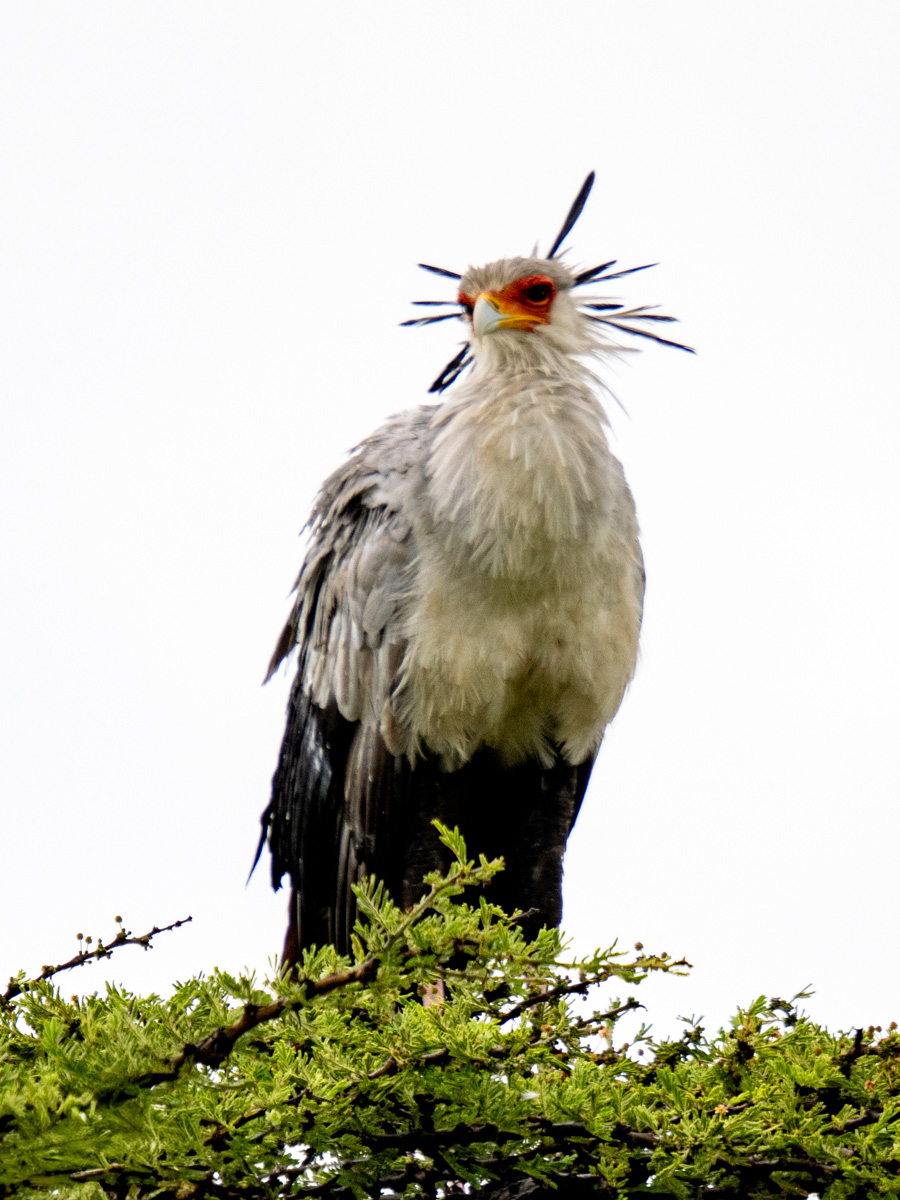
Exceptional Year-Round Game Viewing with Migration Highlights
Thanks to reliable wildlife densities and varied habitats, Mara North is a rewarding destination throughout the year. Each season brings its own magic—whether it’s the drama of the Great Migration or the serenity of green season birding.
June to October: The Great Migration Spectacle. This period is widely considered the best time to visit the Mara North Conservancy for wildlife enthusiasts. Predators, including lions, leopards, and cheetahs, are particularly active during this time, drawn by the abundance of prey. The weather during these months is typically sunny and dry, with warm days and cool nights, making for comfortable game-viewing conditions. The vegetation is shorter, improving visibility and making it easier to spot wildlife. The river crossing points are accessible on a full-day game drive.
January and February: The Short Dry Season. Following the short rains, January and February offer another excellent window for a safari in Mara North. The landscape is lush and green, and while the main migration herds have typically moved south into the Serengeti, resident wildlife populations thrive. This period is particularly good for observing newborn animals and enjoying a quieter safari experience with fewer crowds. The weather is generally warm and dry, with clear skies perfect for photography. Birdwatching is also exceptional during these months as migratory species are present.
November to December: The Short Rains. These months mark the period of short rains, characterised by occasional afternoon or evening showers. While the rain can sometimes disrupt game drives, it also brings a refreshing burst of life to the landscape. The vegetation becomes lush and green, and many animals give birth during this time. Wildlife viewing can still be excellent, and the lower tourist numbers often translate to more exclusive experiences. Birdlife is particularly abundant and vibrant during the short rains.
March to May: The Long Rains. The long rains are the most significant wet season in the Mara North Conservancy. Rainfall can be heavy and persistent, making some roads and tracks challenging to navigate. While wildlife is still present, game viewing can be less consistent due to thicker vegetation and animal dispersal. However, this period offers a different kind of beauty, with dramatic landscapes and fewer tourists. It’s also an excellent time for birdwatching as migratory species arrive. Many lodges and camps may offer lower rates during the long rains.
Yes. Mara North offers excellent wildlife viewing, comfortable camps, and fewer vehicles, making it ideal for first-time visitors.
Mara North has much lower tourist and vehicle numbers, the number of vehicles at a sighting is regulated, and allows more flexible activities, resulting in a quieter and more exclusive safari experience.
Yes. The Masai Mara region is considered a malaria area, although the risk is lower than in other parts of Kenya due to its higher elevation, which makes mosquitoes less common. While often rare, malaria does exist in the region, particularly during or after rainy seasons.
Drinking water provided by camps is treated and safe to consume. Bottled water is also supplied.
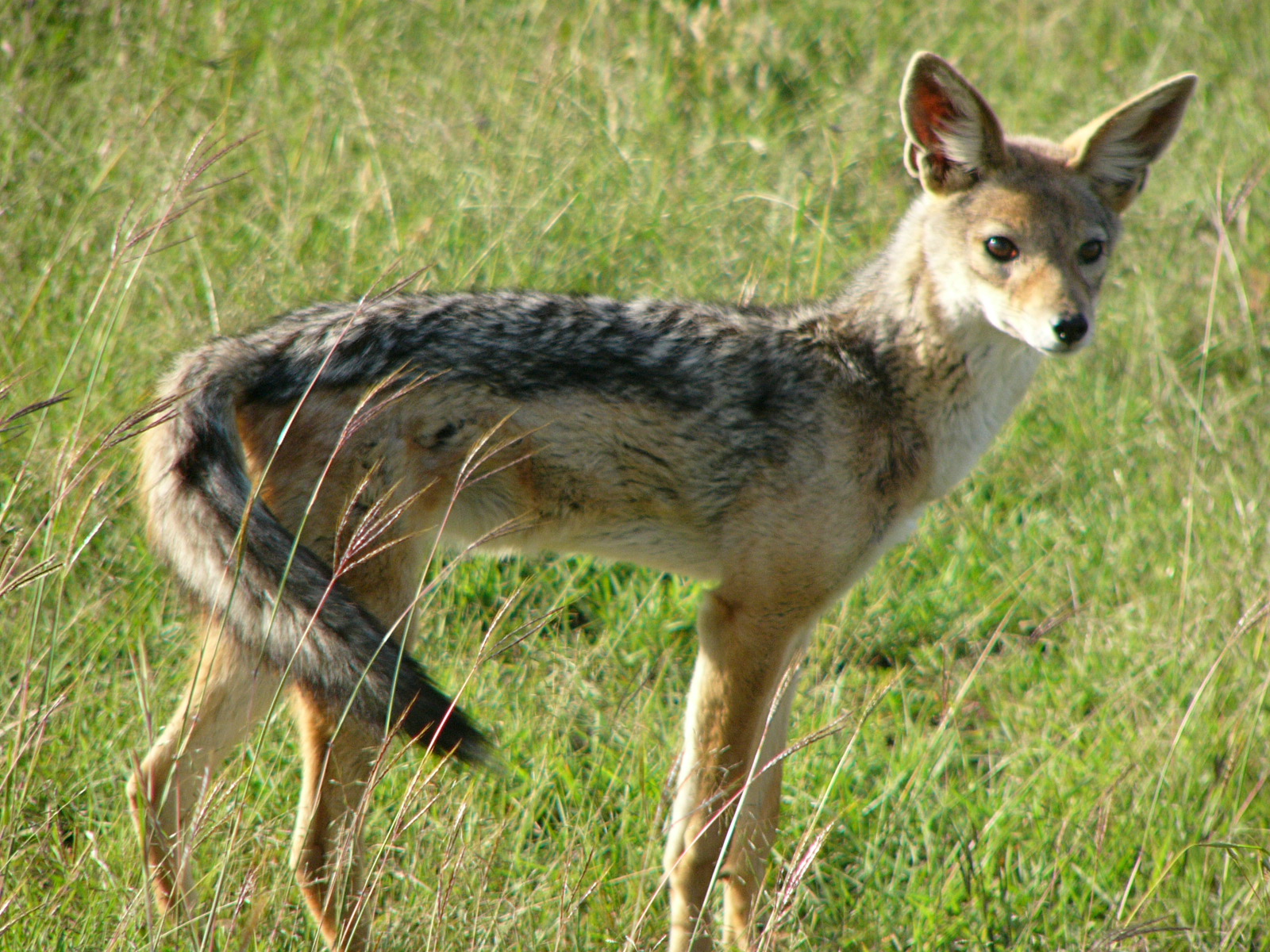
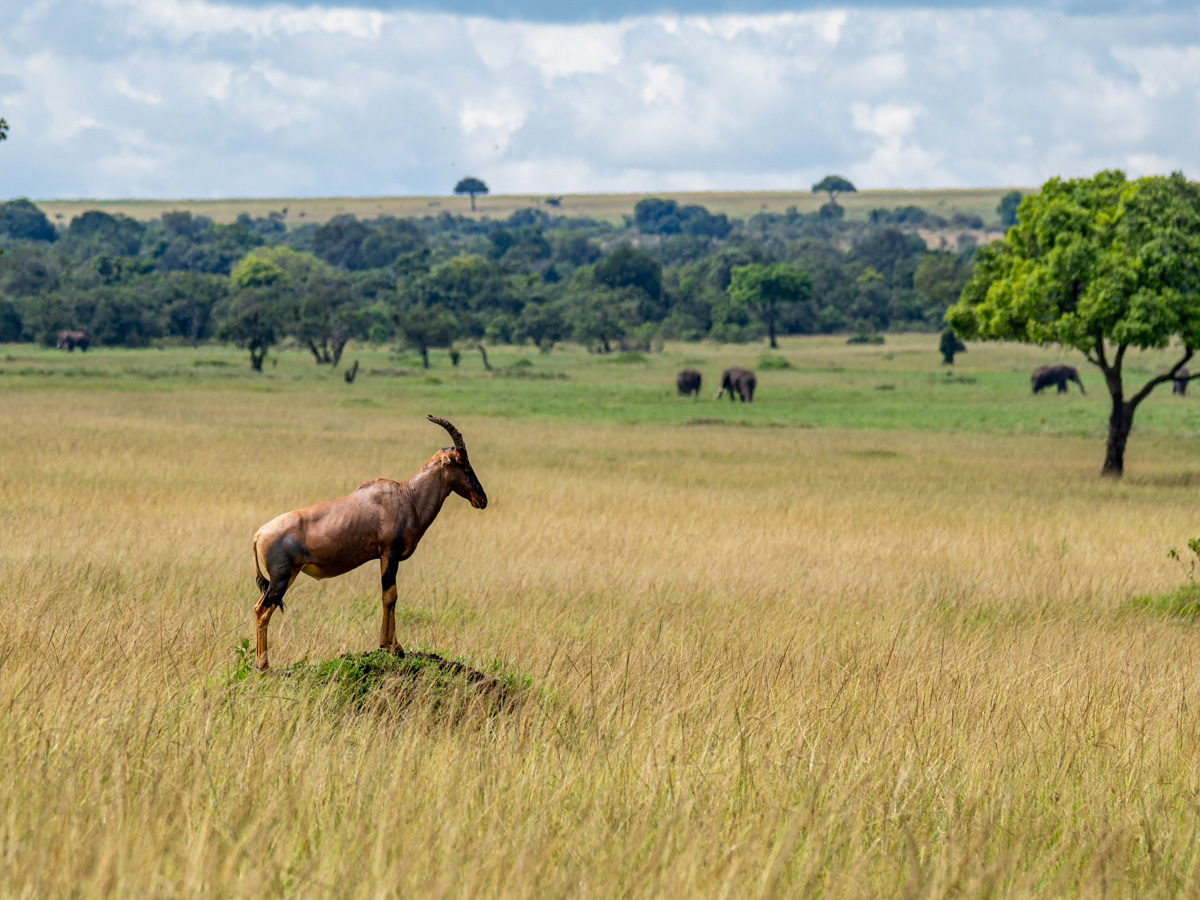
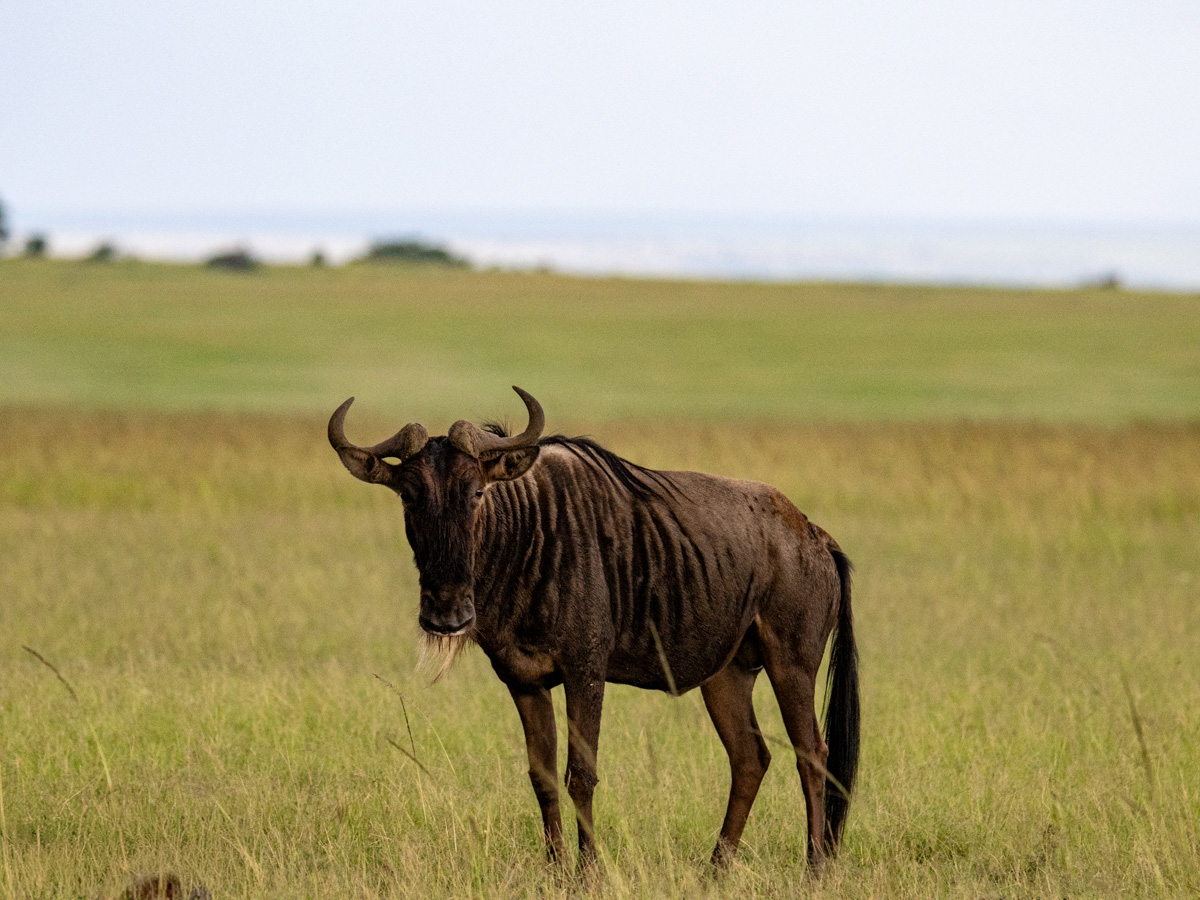
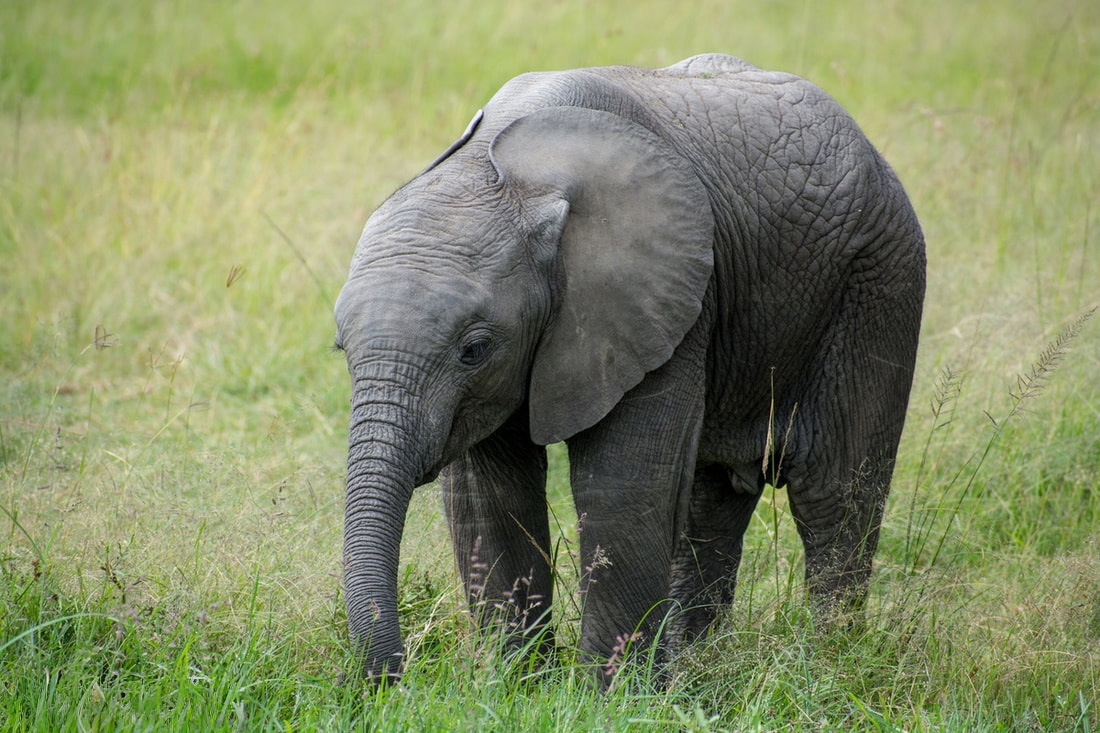
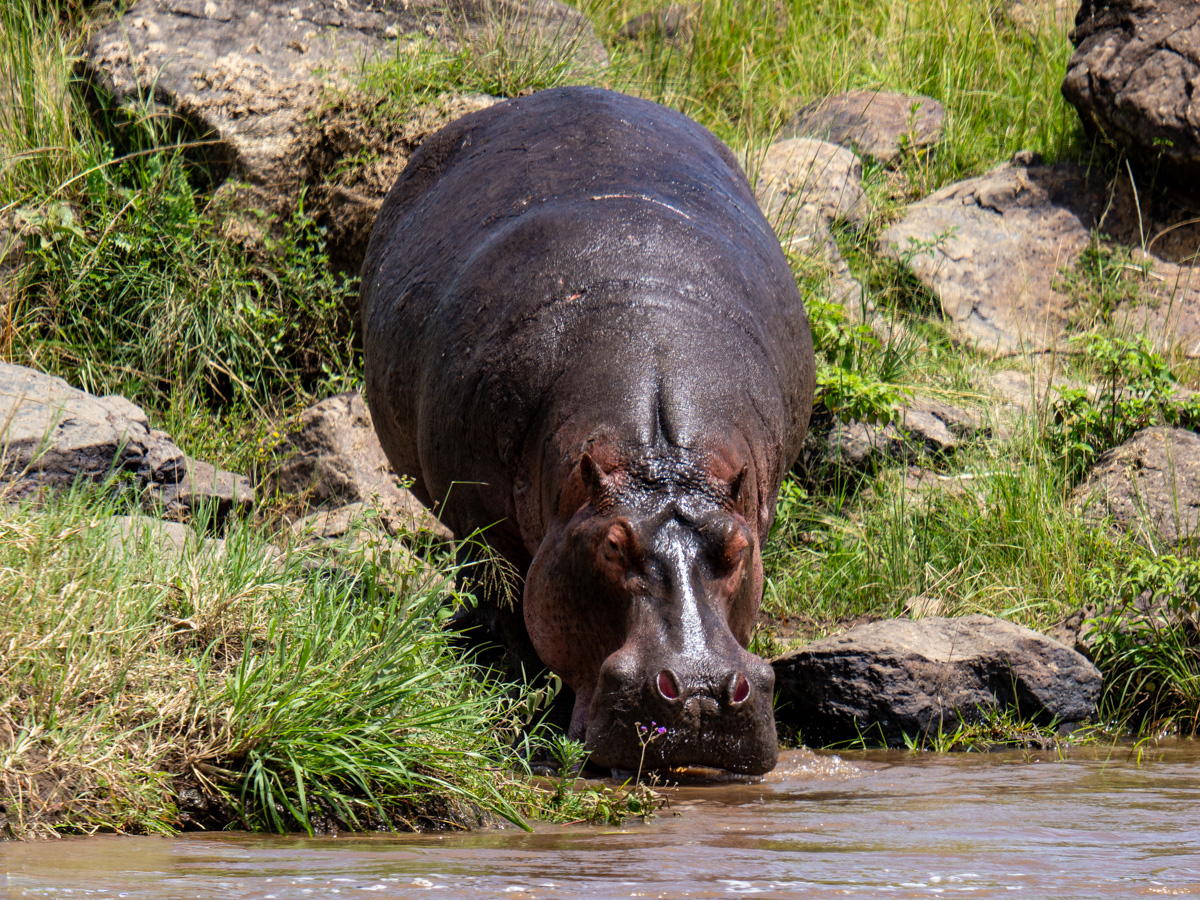
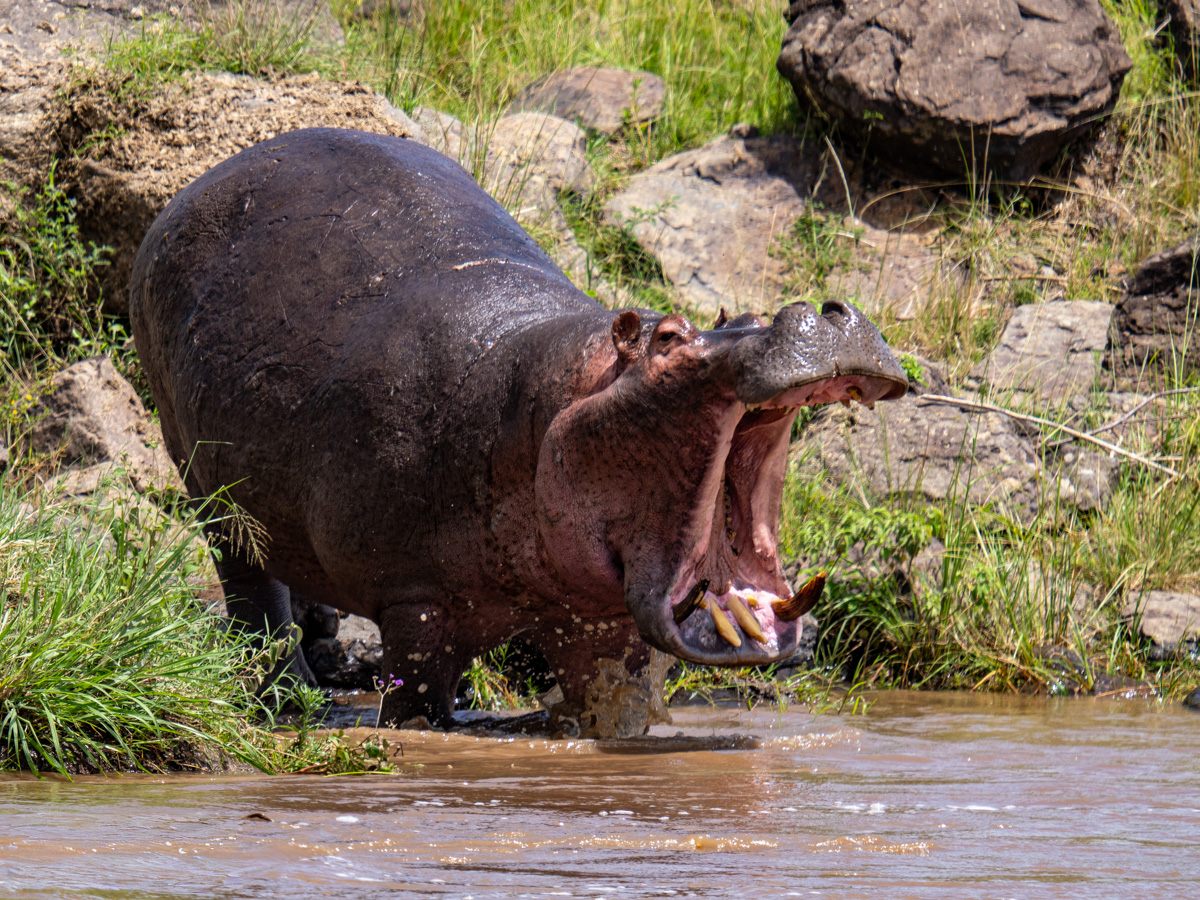
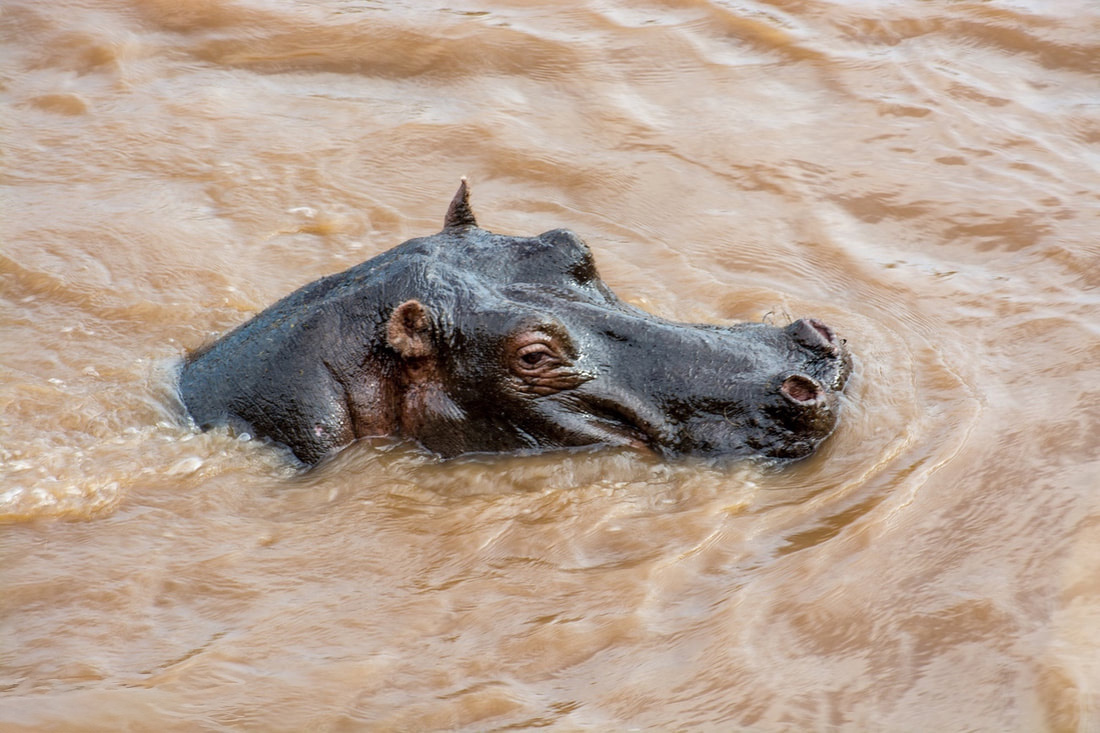
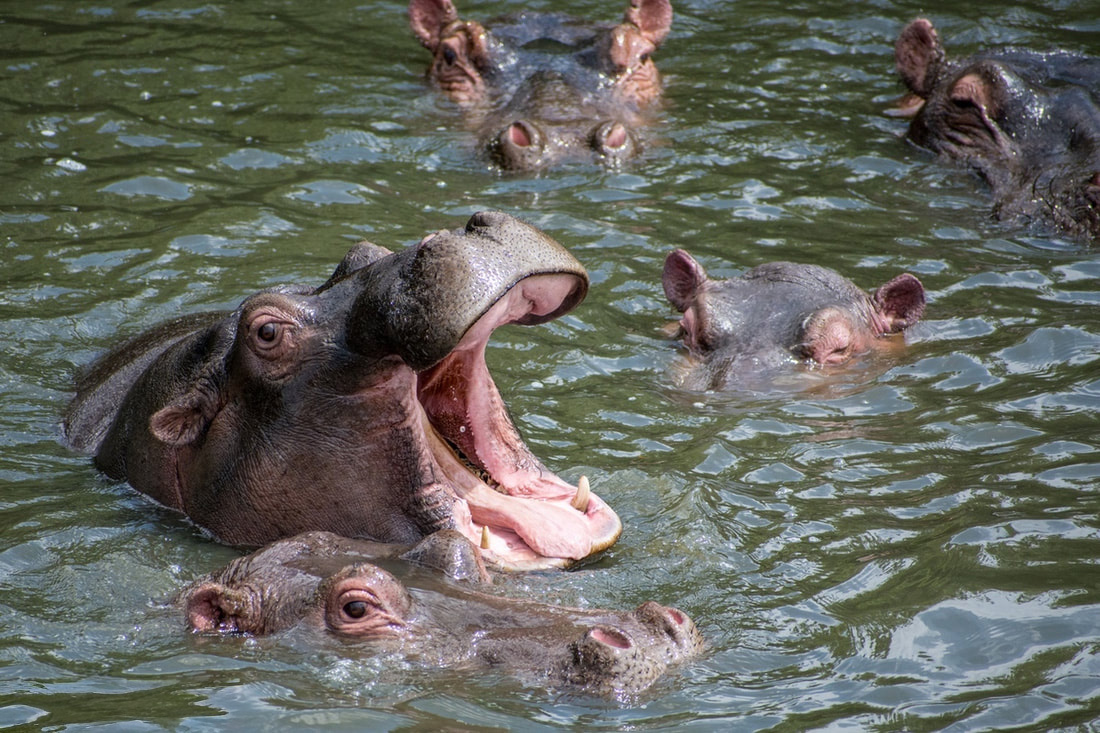
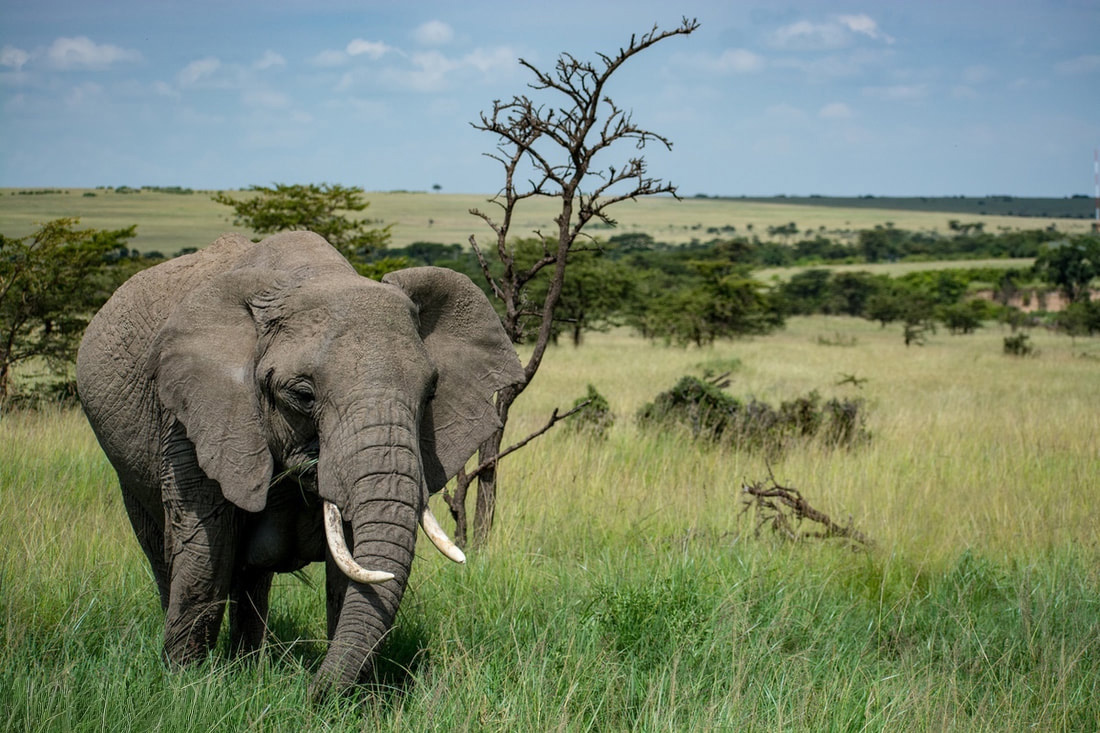
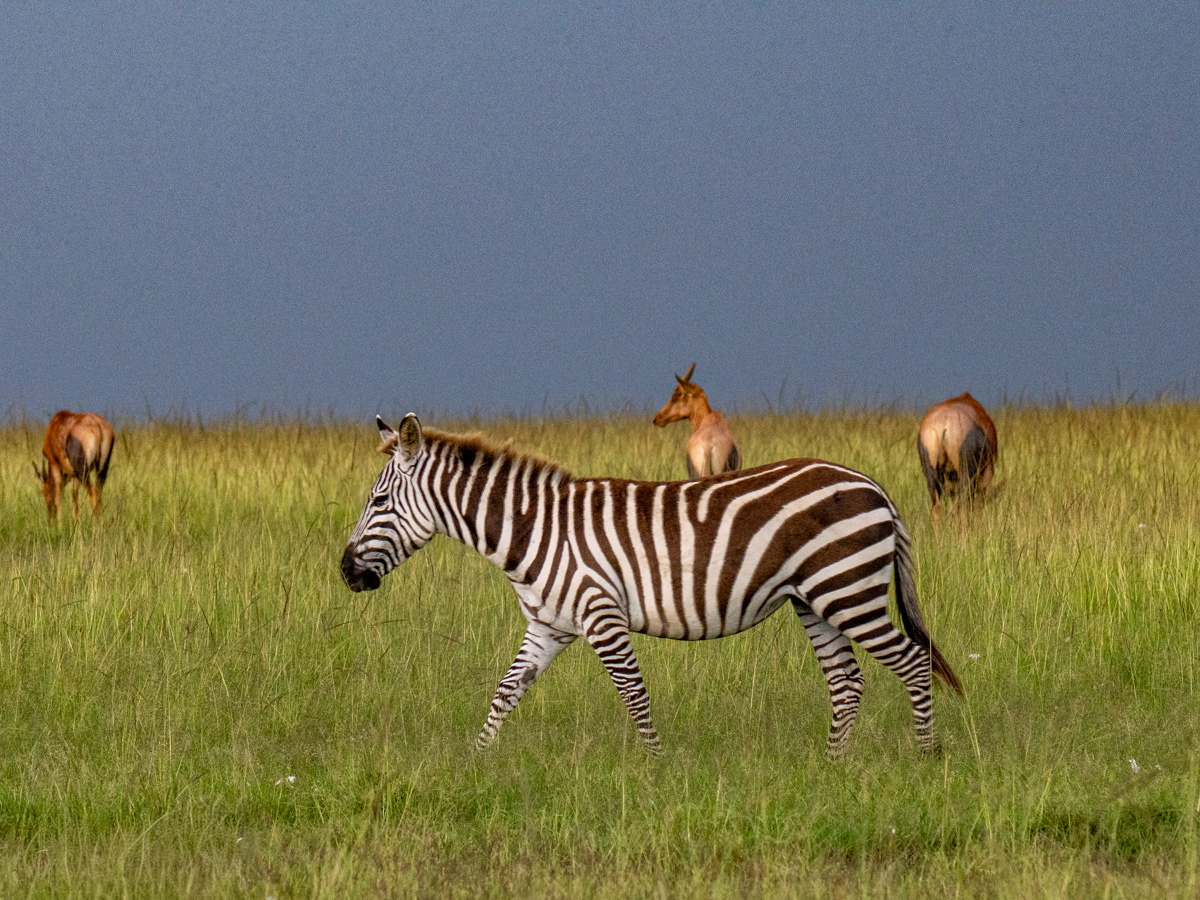
Wildlife includes the Big Five, large predator populations, plains game, and seasonal migration herds.
Yes. Unlike the national reserve, conservancies allow night drives, offering opportunities to see nocturnal species.
Yes. Many camps welcome families and offer flexible safari activities suitable for older children.
Yes. Mara North is commonly combined with other conservancies, the Masai Mara National Reserve, or destinations such as Laikipia and Amboseli.
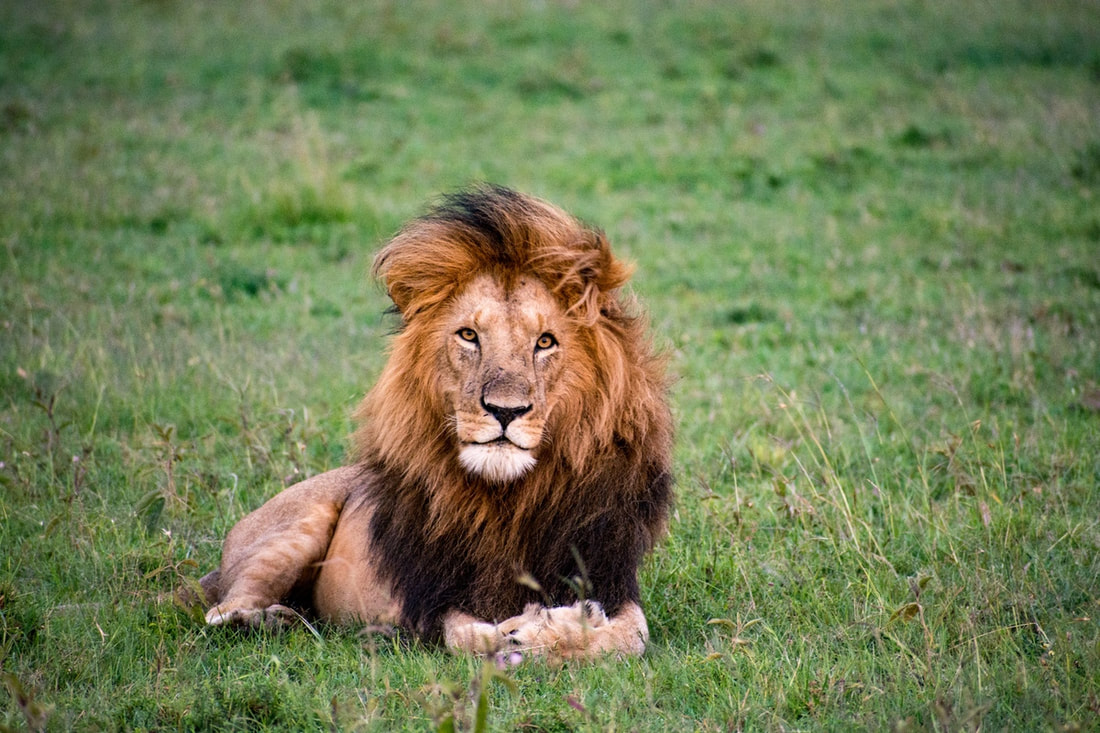
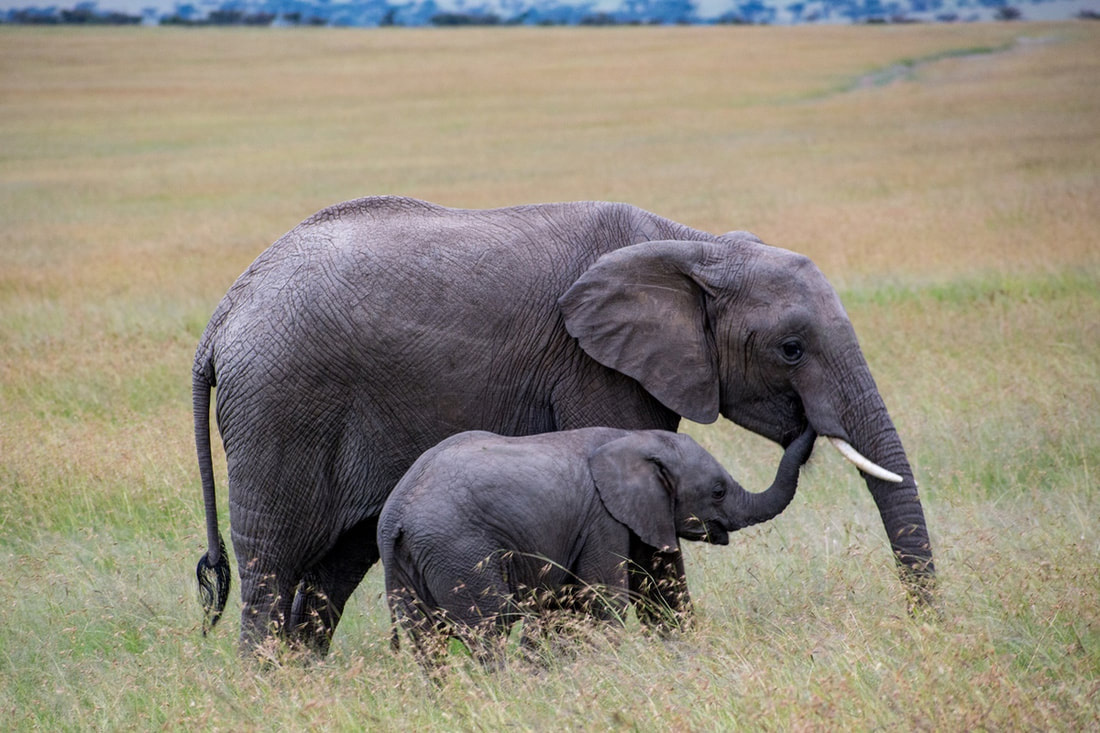
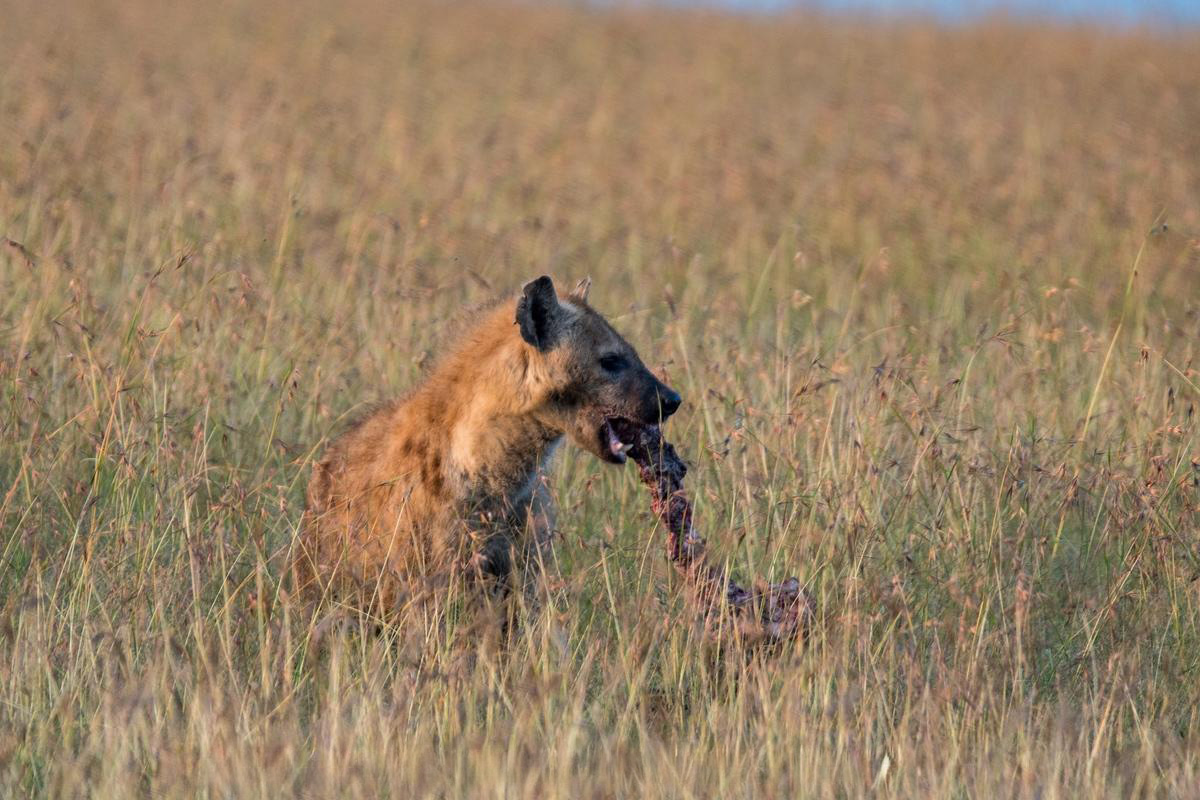
Let Indigo Safaris craft your dream safari to Mara North Conservancy—whether it’s for photography, wildlife immersion, or cultural connection.
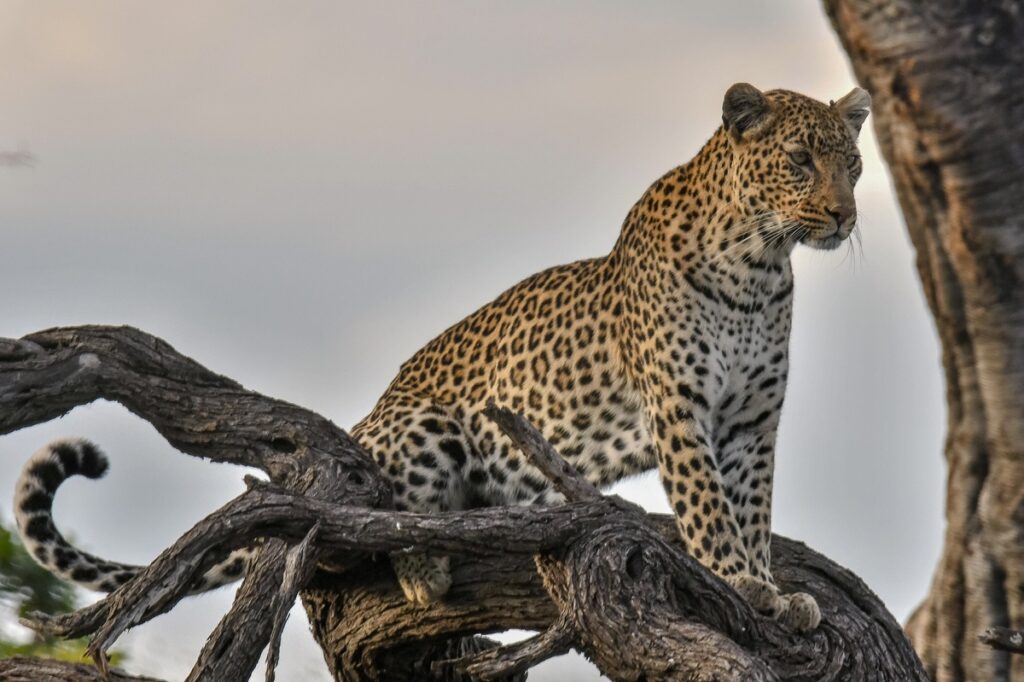
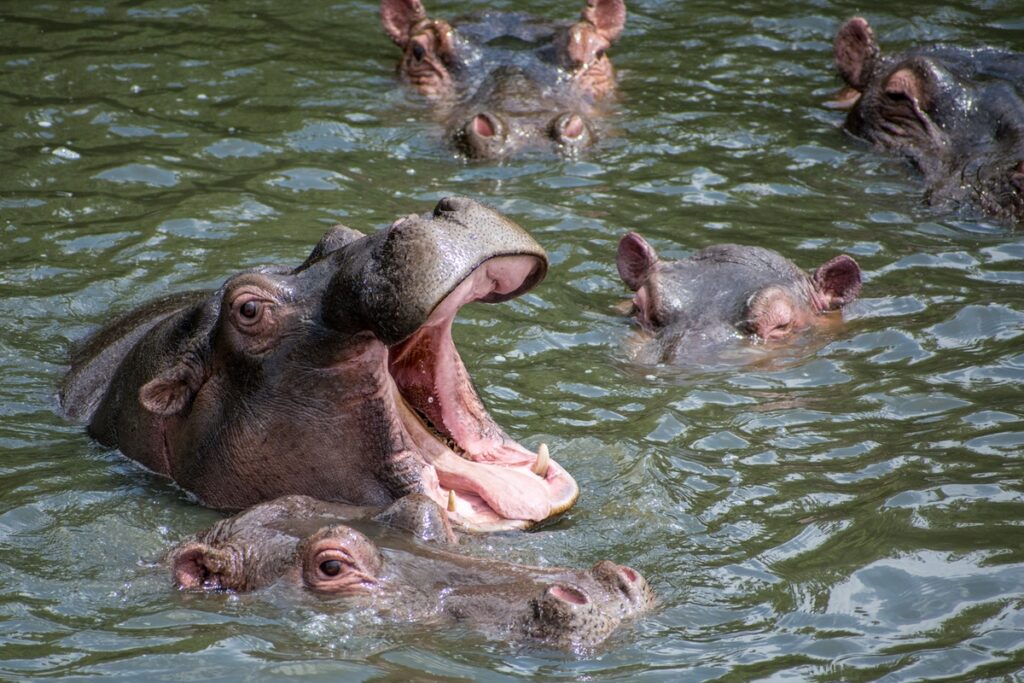
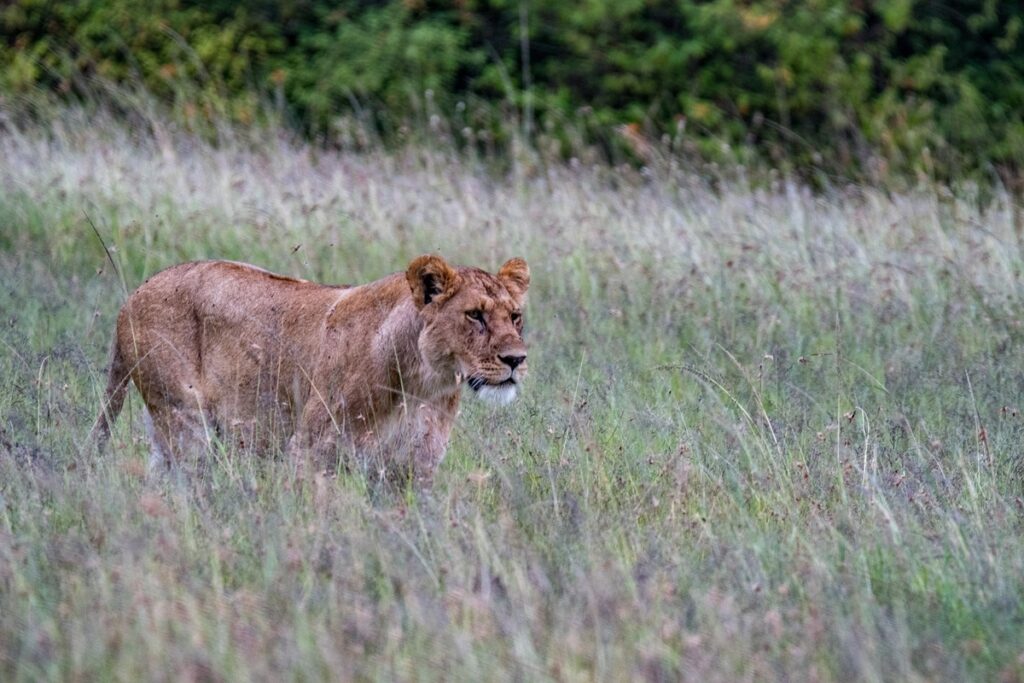
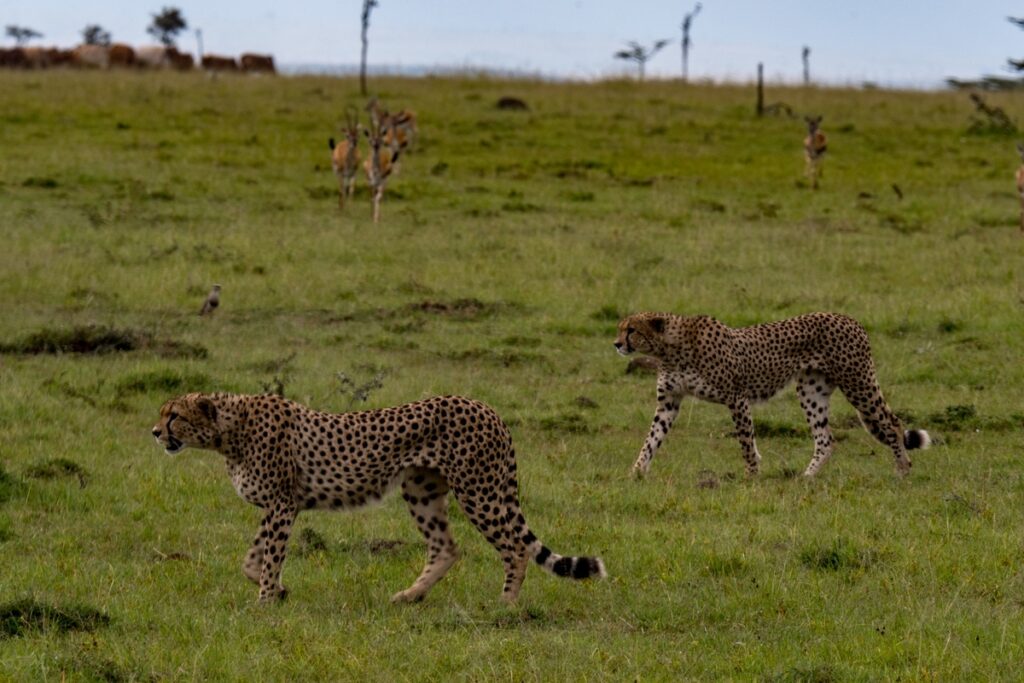
Enter the stories of Mara North Conservancy, where Kenya’s wilderness unfolds in pristine solitude. In this blog section, travellers share tales of big cat sightings, golden savannah sunsets, and deeply personal safari moments far from the crowds. Each story highlights the Conservancy’s dedication to protecting wildlife while supporting the Maasai communities who help keep this land wild.