

October 13, 2026
Home / All Tours / Africa / Tanzania / Northern Tanzania /
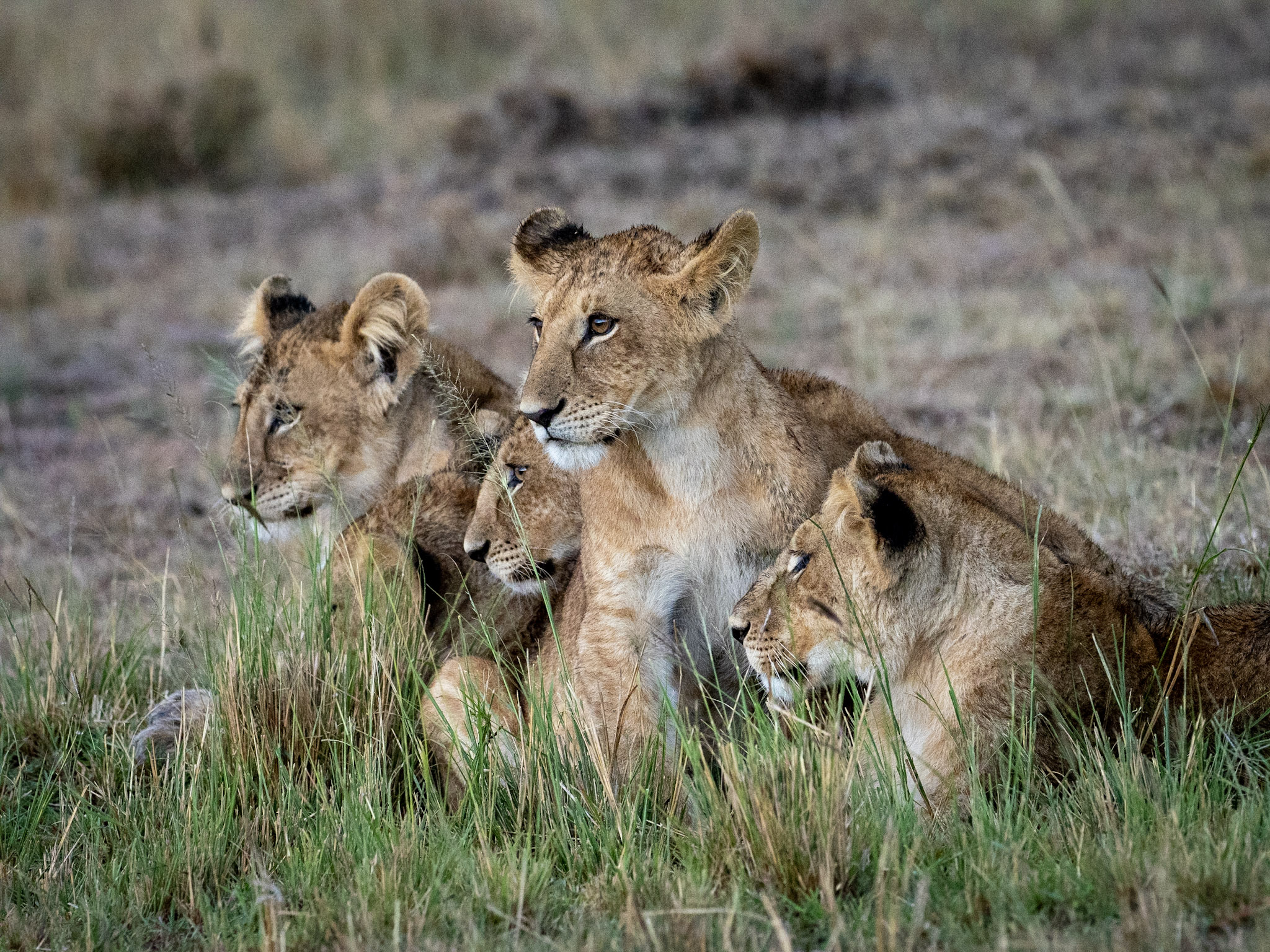
The Southern Serengeti, particularly the Ndutu area, is world-famous for the dramatic calving season of the Great Migration. Between January and March, hundreds of thousands of wildebeest give birth on the short-grass plains, attracting predators and creating some of the most dramatic wildlife spectacles in Africa.
Explore our customized tours, crafted to showcase the region's iconic wildlife and breathtaking landscape.
Why Visit Southern Serengeti?
The Southern Serengeti offers unparalleled opportunities to witness the raw drama of predator-prey interactions during calving season. It’s a must for wildlife enthusiasts, photographers, and anyone seeking a once-in-a-lifetime safari.
Watch thousands of wildebeest calves born each day while predators move in.
Wide, unobstructed landscapes perfect for photography and game viewing.
In the Ndutu area, flexible driving rules allow you to follow the action more closely.
Best Time to Visit Southern Serengeti
While wildlife is present year-round, the Southern Serengeti is at its most iconic during calving season.
January to March see the migration in the southern Serengeti and around Ndutu, where up to 8,000 young wildebeest and zebra are born every day, much to the delight of the predators, just lying in wait as hundreds of wildebeest run past them, seemingly oblivious to the danger. The predators in the Serengeti truly are spoilt for choice.
April and May see the herds moving around the central Seronera area, where some will stay most of the year, whilst the majority move on, looking for fresh pasture.
June is rutting season, when the noise is incredible, as males fight for the right to mate with the females. The wildebeest is not a good looking animal by any stretch of the imagination and seeing the males trying to convince the females that they are worthy mates is an amusing sight. At this time of year, herds cross the Grumeti River in the Western Corridor section of the Serengeti.
July to October is peak season as everyone comes to view the famous river crossings as the wildebeest move across the rivers in the northern and eastern Serengeti into Kenya's Maasai Mara, and then back again in November.
Want to witness the Great Migration calving season? Start planning your Southern Serengeti adventure with Indigo Safaris today.