
Country
Duration
9 days
Group Size
Min 1 Max 10
Style
Highlights
Otjiwarongo
Etosha South
Palmwag
+3 destinations
Namibia – 9-day Wildlife, Coast & Dunes Safari – Group camping
From $2,250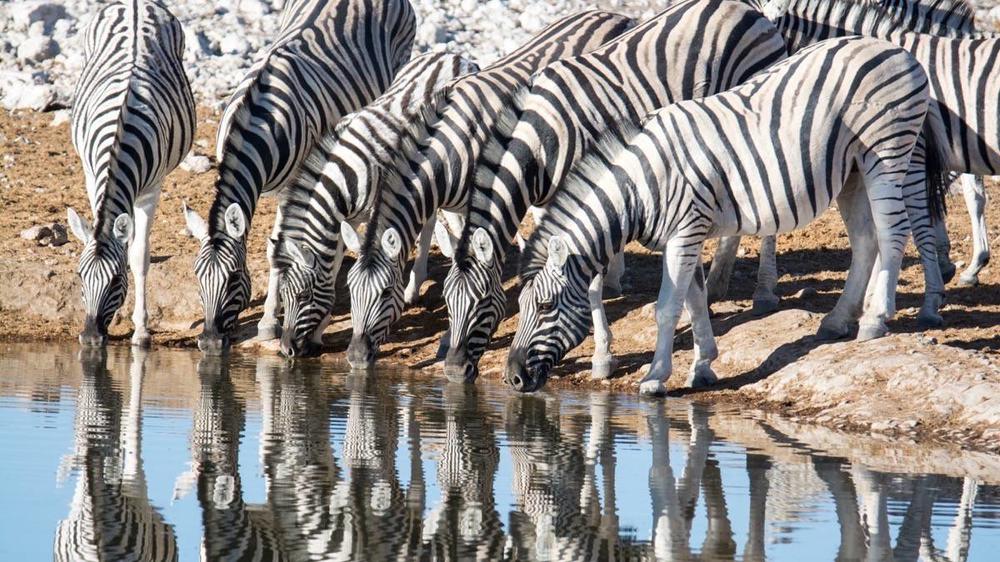
Includes
Excludes
Itinerary
Otjiwarongo, Namibia
-
Mount Etjo Safari Campsites
Day 1 - 2
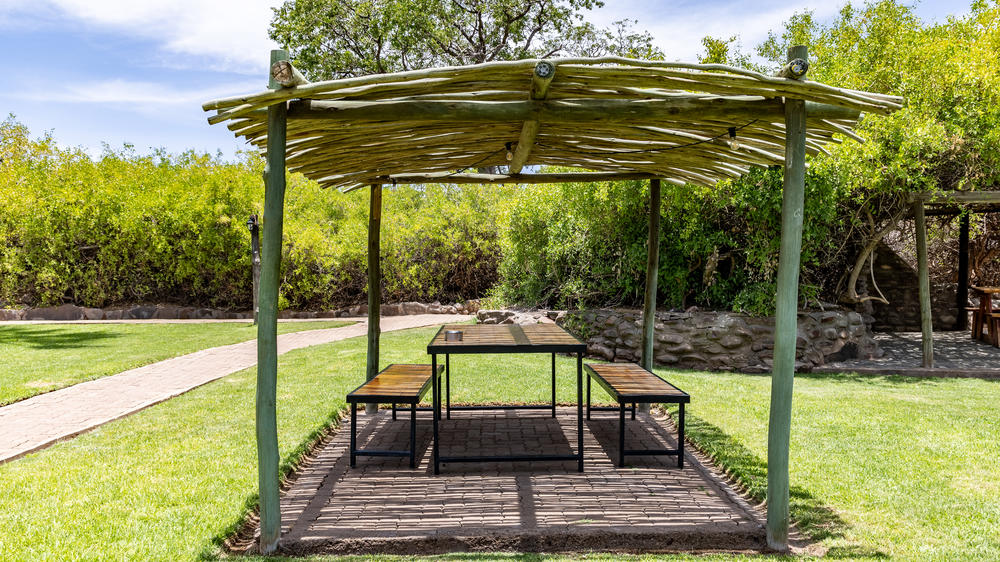
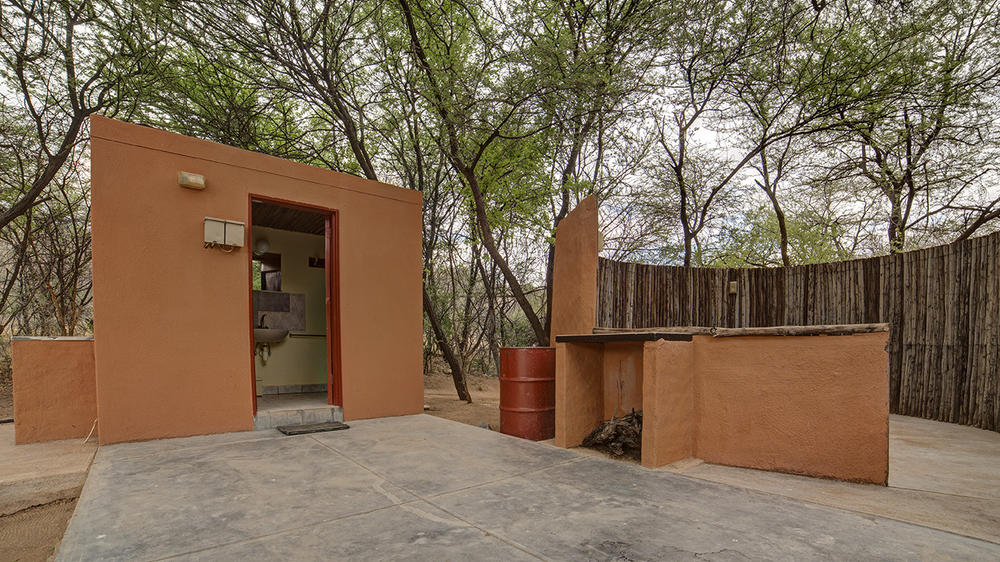
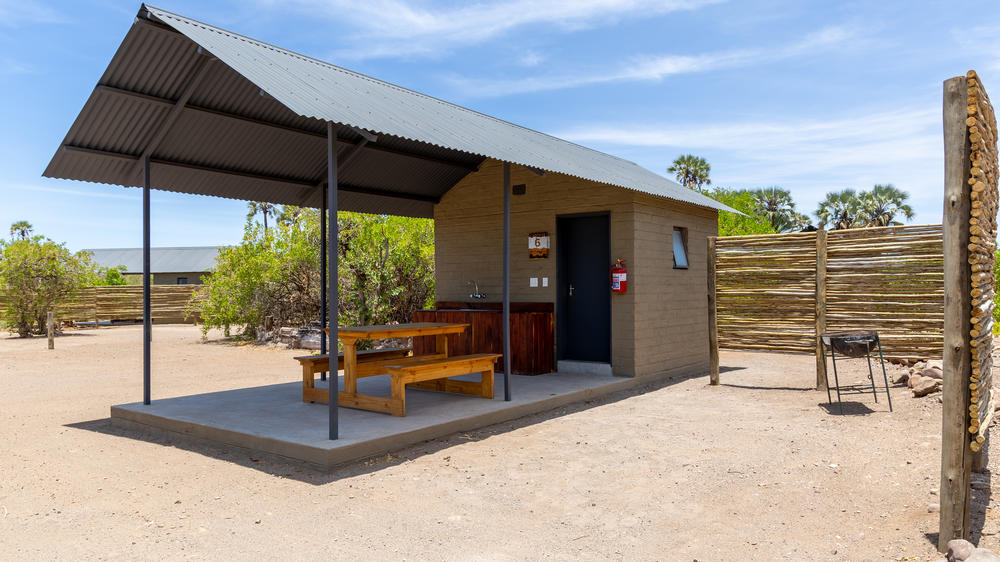
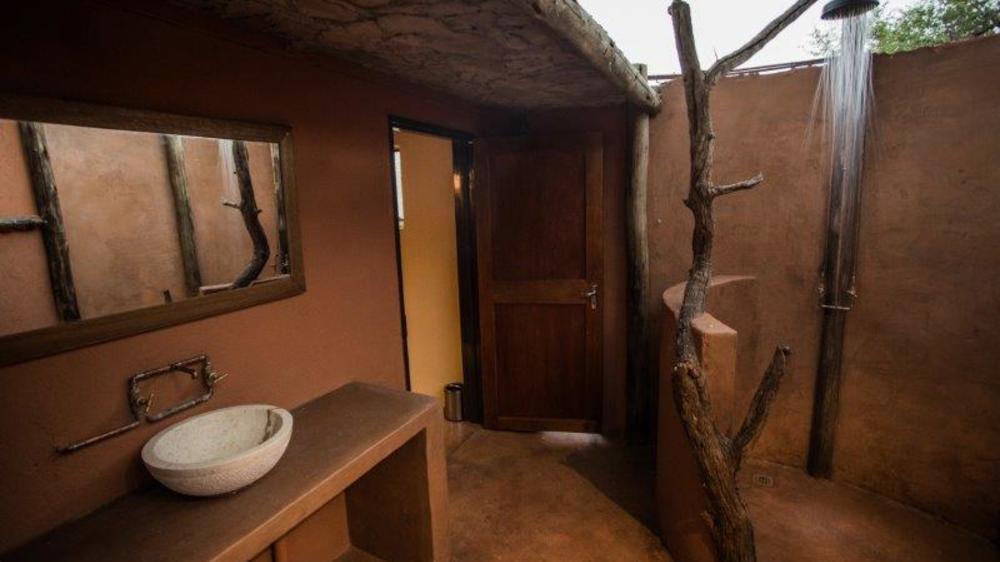
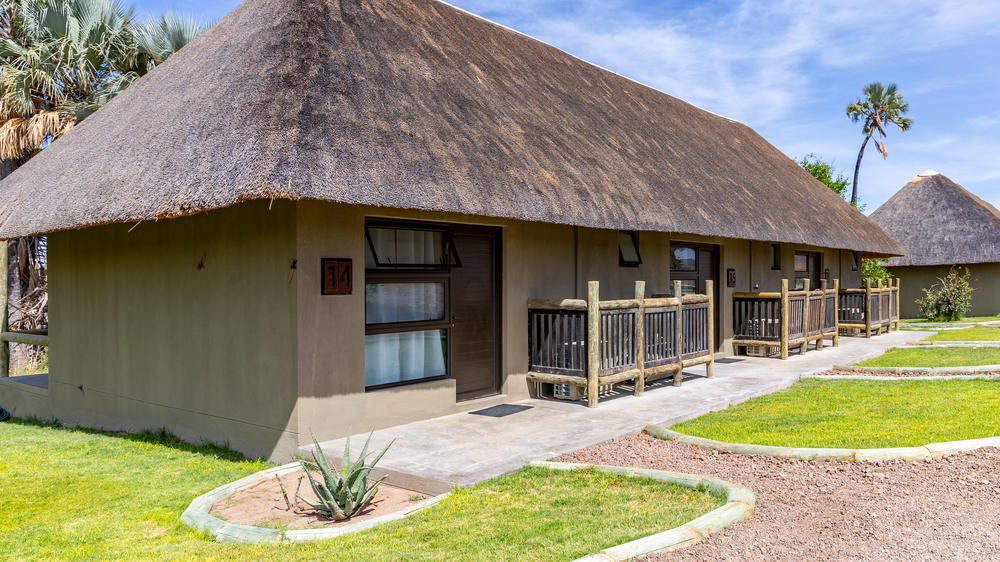
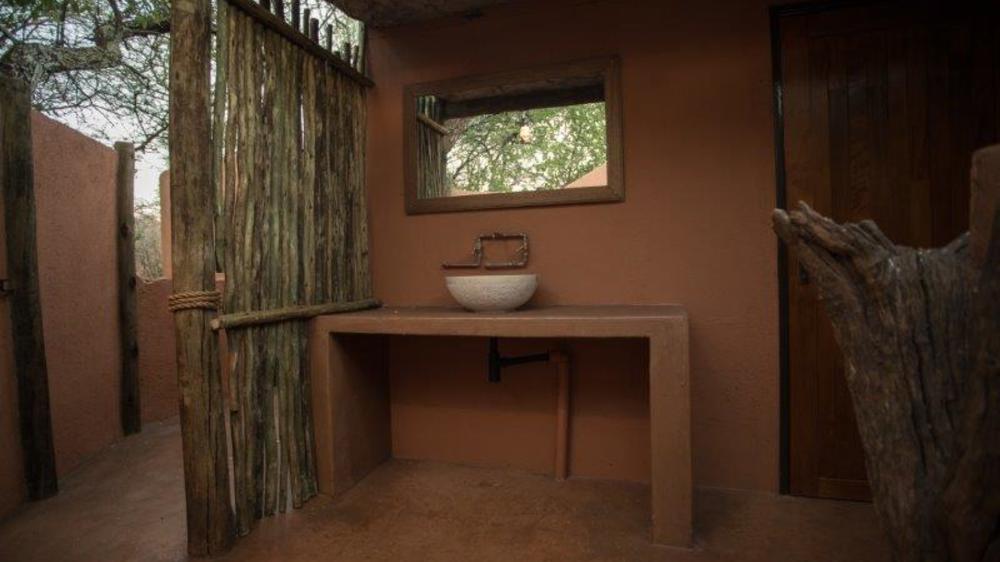
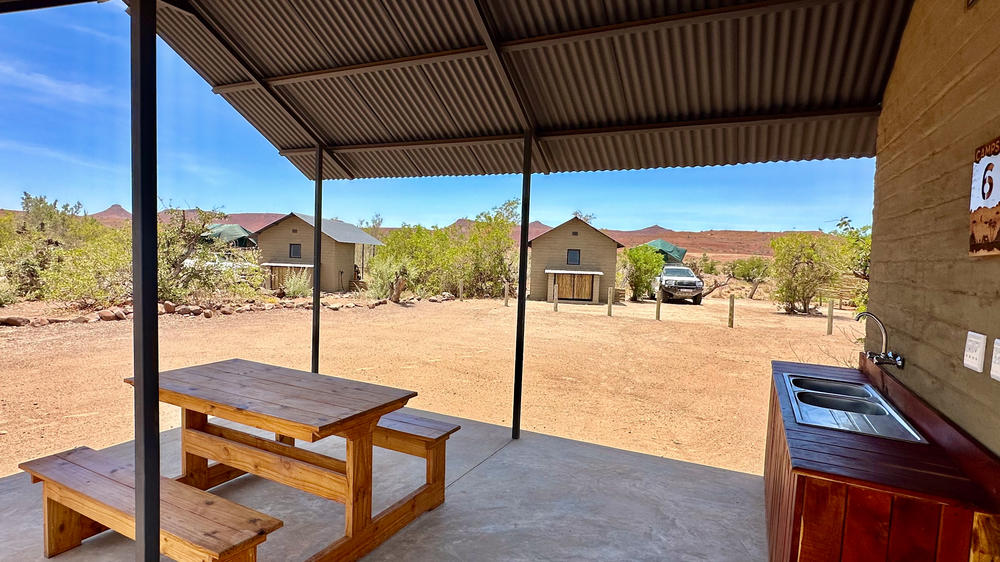
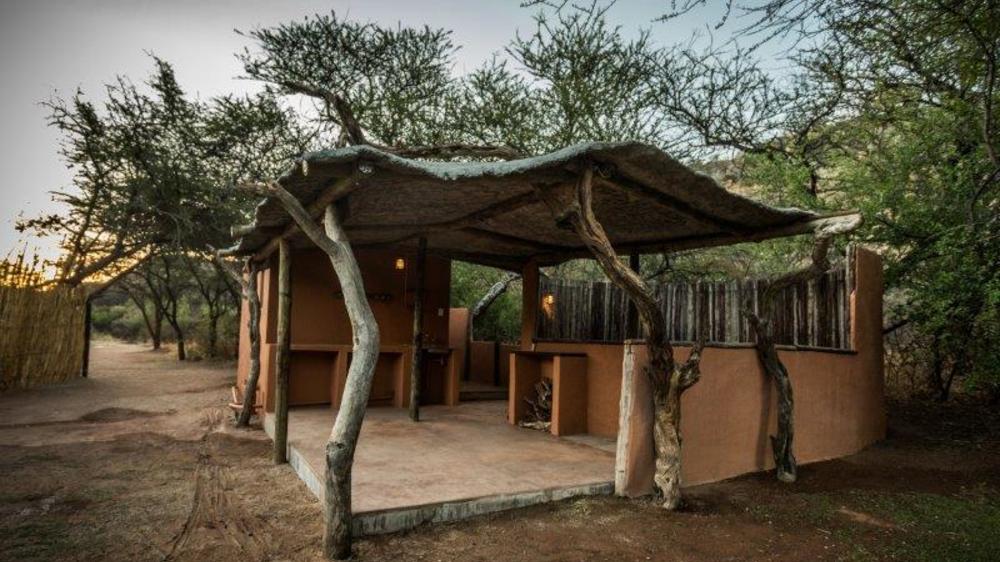
Located in the Waterberg Region in Namibia, Mount Etjo Safari Campsites offers guests a camping experience in tranquil surroundings. The establishment features lovely secluded campsites overlooking a waterhole. Each site comes equipped with a fireplace, electricity, dish-washing basin, a camping table, complimentary firewood, and a private toilet and shower. Guests can dine at the nearby lodge restaurant or cook meals using the barbecue facilities. Other facilities include a swimming pool and a bar. Activities include lion and cheetah feeding, game drives, rhino tracking, birdwatching, and more.
Day 1
Day Notes:
You will be collected from your accommodation within the Windhoek city limits or the airport by 07:15 and transferred to Chameleon Backpackers for a short pre-departure meeting.
Heading north we will make our first stop in the small town of Okahandja where we will find Namibia’s largest wood carving market. Onwards to our overnight destination at Mt. Etjo campsite which is located adjacent to the private Okonjati Game Reserve. After making camp and preparing lunch we will drive the three kilometres to the lodge where there will be time to explore the grounds and have a dip in the pool.
Around the lodge, and throughout the Okonjati reserve, rainwater dams have been built creating, after good rains, many large pools and small lakes. Around the main lodge area the lake is extensive and supports a small population of hippopotamus.
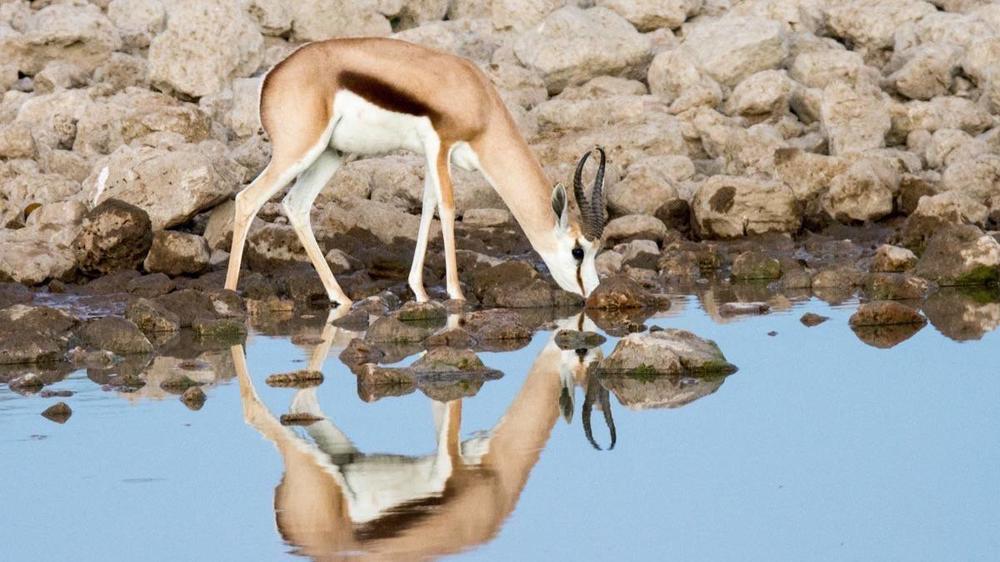
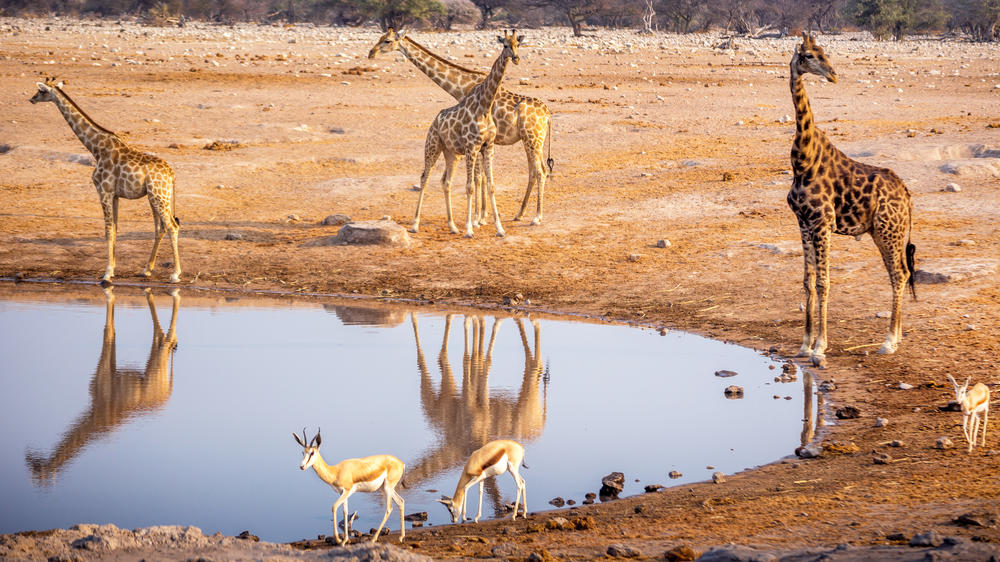
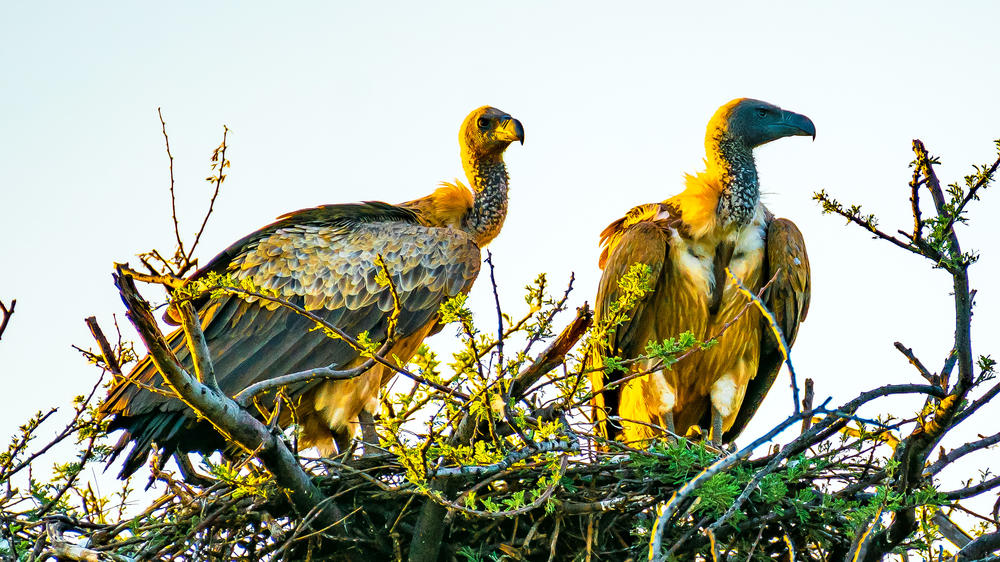
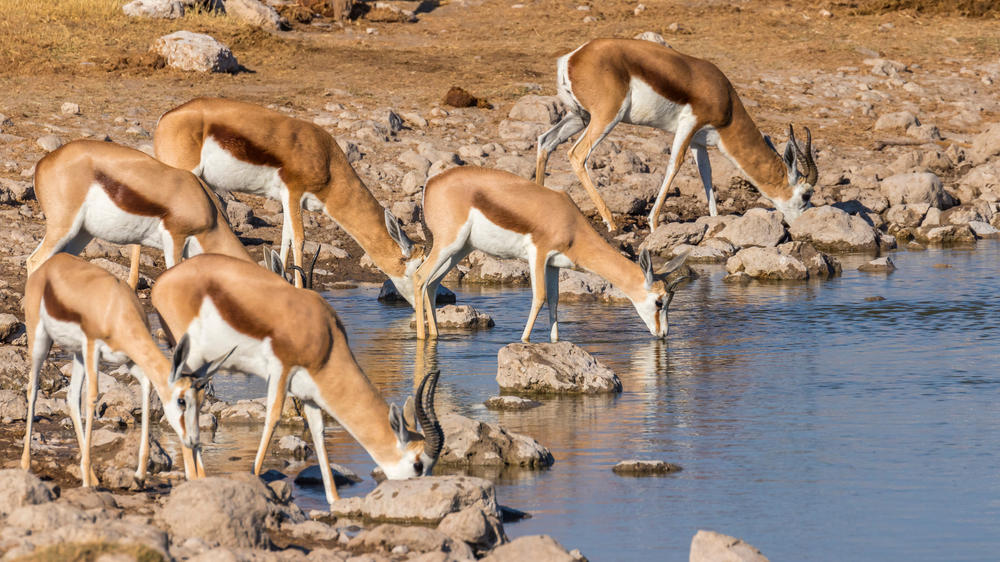
Time for our first game drive, we meet our local guide and climb aboard open game viewing vehicles for our, about three hour, excursion into the reserve. The reserve is big 36,000 hectares, (nearly 90,000 acres), and it is as abundant in magnificent scenery as it is in wildlife. We are hoping for Big Game, elephant and rhino in particular but we are also watching out for giraffe and other, smaller species as well. Springbok, wildebeest, impala and kudu are numerous, but also mammals like warthog, steenbok and Damara dick-dick are all waiting to be spotted by sharp eyes.
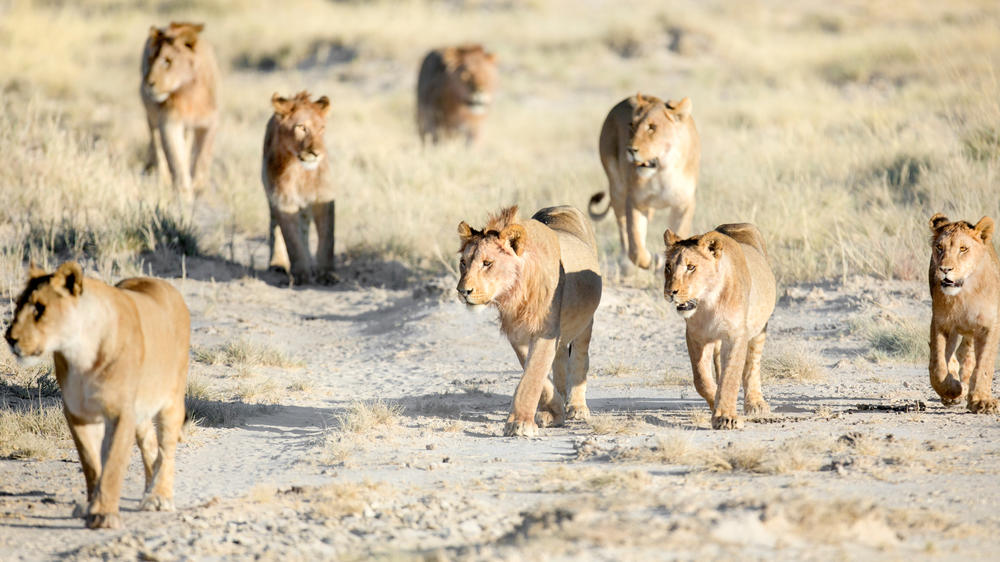
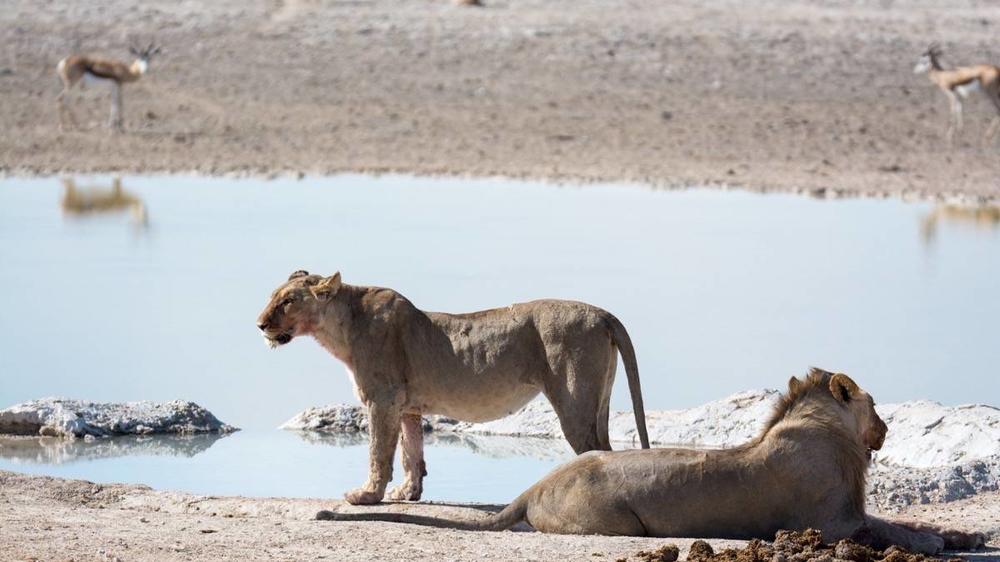
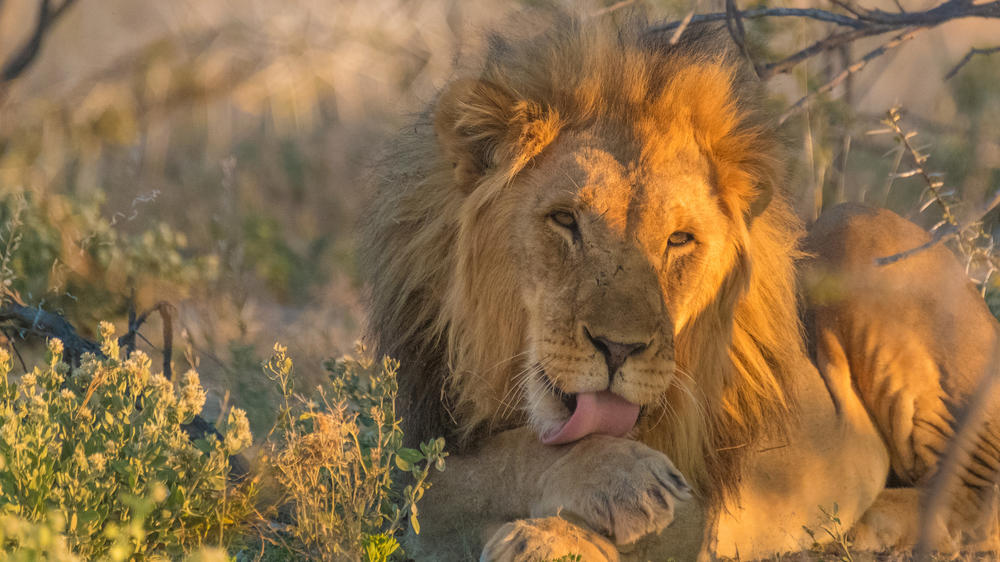
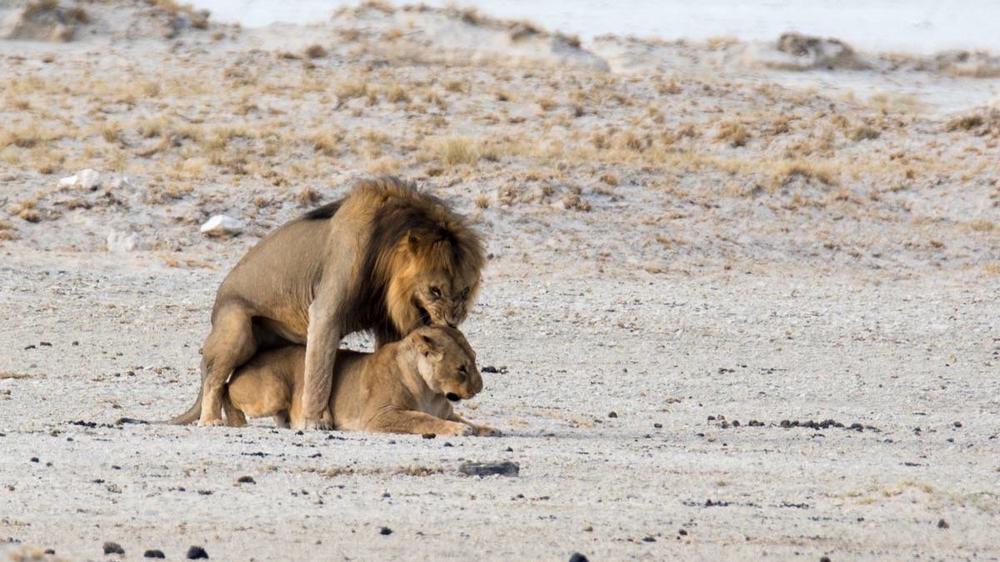
After dinner we head back to the lodge to watch some of the resident lion enjoy their evening meal. These Big Cats are permanent residents at Mt. Etjo and have their own large secure enclosure where they live and where they are able to hunt naturally.
-
Transfer from Chameleon Backpackers Guesthouse to Mount Etjo Safari Campsites
-
Okahandja craft market
-
Check-in to Mount Etjo Safari Campsites
-
Afternoon shared game drive
Etosha South, Namibia
-
Okaukuejo Camp
Day 2 - 4
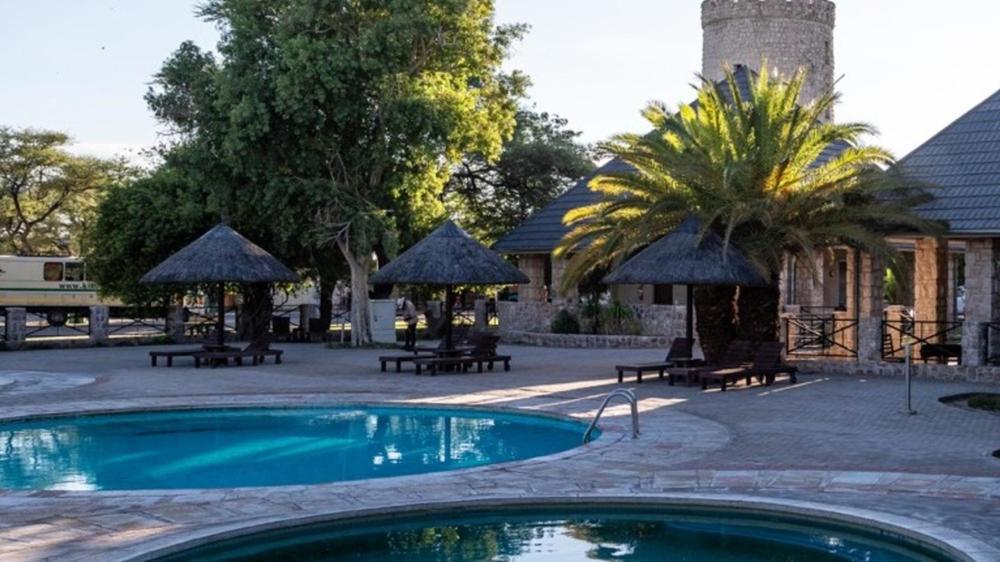
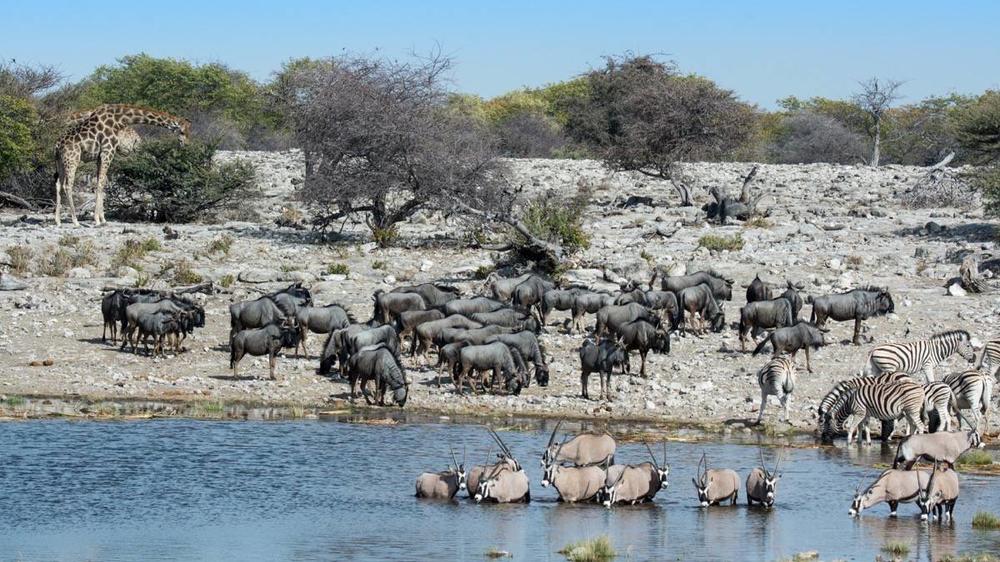
Okaukuejo Camp, located within Etosha National Park in Namibia, is the park’s oldest and most iconic tourist camp, just 17 km from Anderson Gate. The property features a variety of accommodation, including premier waterhole chalets, standard waterhole chalets, double rooms, bush chalets, family chalets, and camping sites, all equipped with amenities such as en-suite bathrooms, fridges, tea stations, and, in some cases, braai facilities. Guests benefit from excellent facilities, including two swimming pools, a restaurant, and a bar. Activities include guided morning, afternoon, and night game drives, as well as exceptional wildlife viewing at the floodlit waterhole, where elephants, lions, rhinos, and antelope gather throughout the day and night.
Day 2
Day Notes:
Departing after breakfast we head back to the main road to continue our journey north, en-route to Etosha National Park. We make a short stop for essential supplies in the small town of Otjwarongo before continuing on to Etosha’s main camp at Okaukuejo.
We are introduced to the park with a short game drive between the main entrance gate, and Okaukuejo Camp with a good chance to spot big game right from the very start. Etosha is huge, just over 22,000 sqkm and is home to 114 species of mammals.
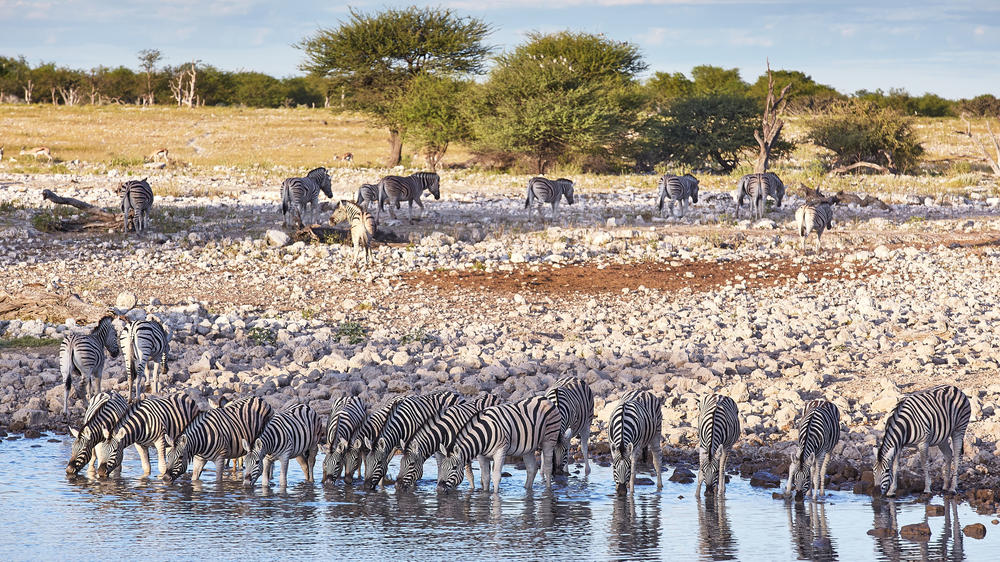
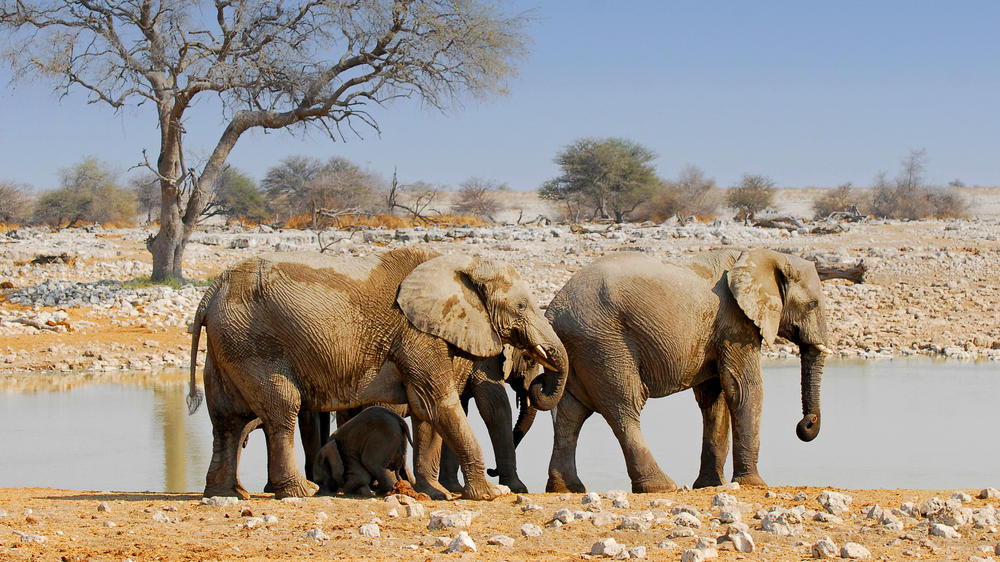
After setting up our campsite we will head out into Etosha in search of big game. Elephant, rhino, giraffe and the big cats are often seen in this area. We also look for the smaller species, several types of antelope and gazelle abound, zebra are common and the bird life can be spectacular.
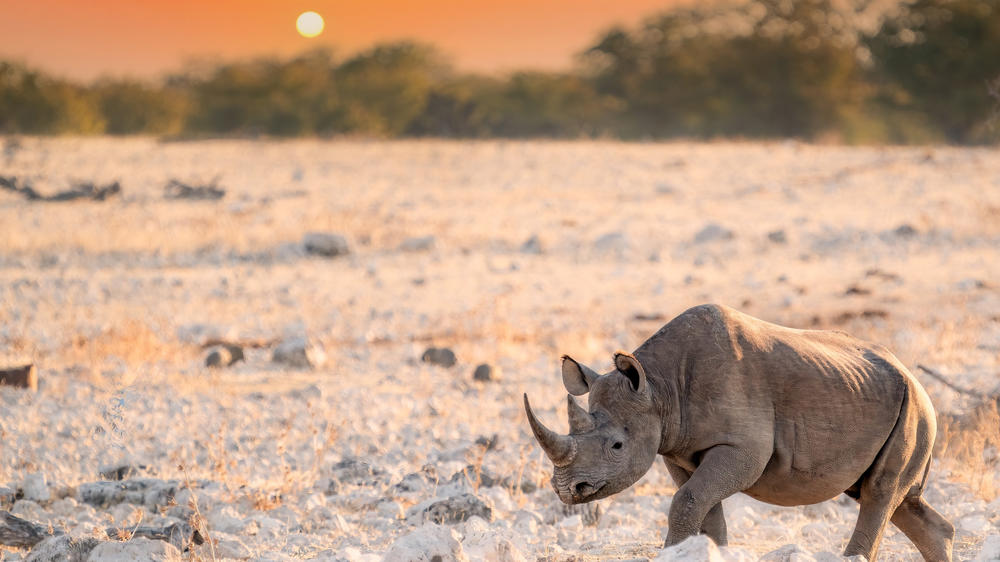
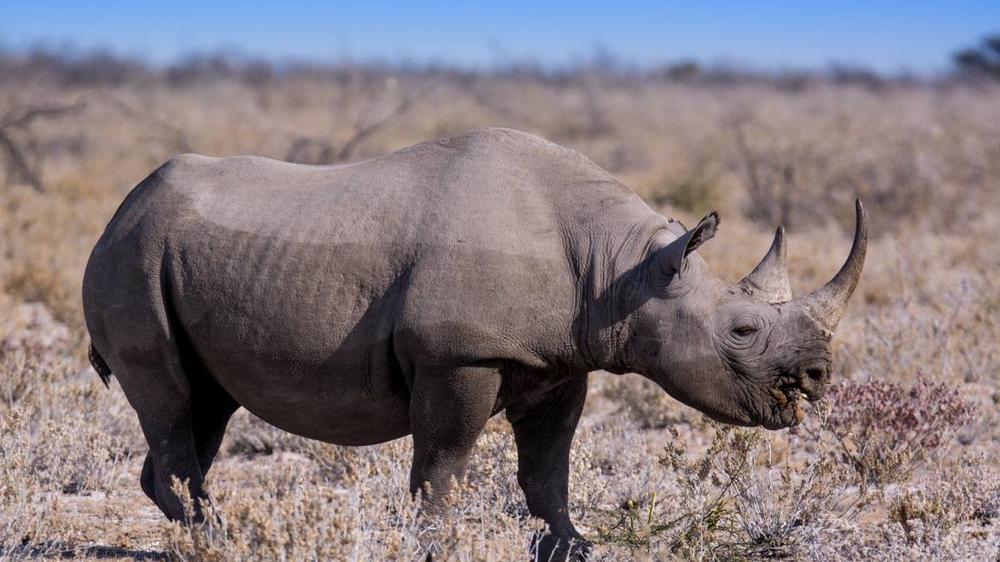
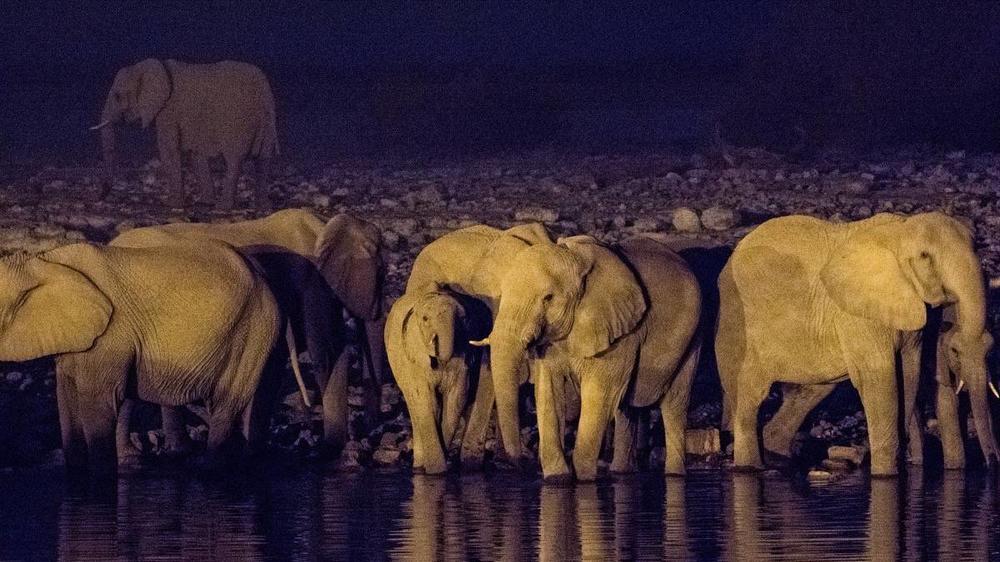
All visitors must be back in camp at sunset, but the ‘game show’ doesn’t stop when the sun goes down. Assessable on foot and only a short walk from our campsite, Okaukuejo is justly famous for its flood lit waterhole where we are afforded the chance to see all of Etosha’s treasures. Big cats, elephant and the whole spectrum of smaller game, but in particular, this is our best chance of getting up close to a black rhino. Namibia is the last stronghold of these critically endangered creatures but here, at Okaukuejo, they are regular visitors.
-
Check-out from Mount Etjo Safari Campsites
-
Transfer from Mount Etjo Safari Campsites to Okaukuejo Camp
-
Check-in to Okaukuejo Camp
-
Afternoon shared game drive
Day 3
Day Notes:
We have the whole day to explore Etosha, and we want to make the most of it. The park gates open at sunrise and after a quick cup of coffee and a snack we will aim to be on our way as the sun breaches the horizon. We head to the gate where we meet our local guide for today. We will explore Etosha with him and our guide on an open game viewer today. Early morning is usually a productive time for game viewing, and first thing in the morning is a good time to catch big cats returning from the hunt.
Etosha is a desert landscape and water is the most scarce natural resource. There are however numerous waterholes here, both natural and man-made, and our game-driving technique is to take in as many as of these as possible. Here we hope that the game will come to us as the animals attend for an early morning drink. Along the way, we will make a stop at a designated picnic area for a quick breakfast before continuing our game drive en-route to the camp at Halali. The name for Halali is taken from a bugle refrain that was originally used during sport hunting with horse and hounds in Europe. The bugler would sound the Halali to signify that the hunt was over. This was considered appropriate for Etosha, as inside the protection of the park, the hunting of animals is over forever.
We will have lunch at Halali. There is a small shop with basic merchandise and a few souvenirs and there will also be time for a swim in the pool. There is also time to visit the Halali camp waterhole before we head back out into the park for our afternoon game drive.
On our way back to Okaukuejo we will stop to have a closer look at the Etosha Pan. The name Etosha translates as ‘great white space’ but this name does not do justice to the immensity of the pan. Over 4,700 square km of dazzling white mineral pan, so big that it can be seen from space.
Keeping a sharp look out for game as we wind our way back to Okaukuejo, we aim to arrive back at our camp just before sunset and just in time for the best hour of the day at the Okaukuejo waterhole.
-
Full day shared game drive in Etosha
Palmwag, Namibia
-
Palmwag Campsite Gondwana Collection Namibia
Day 4 - 5
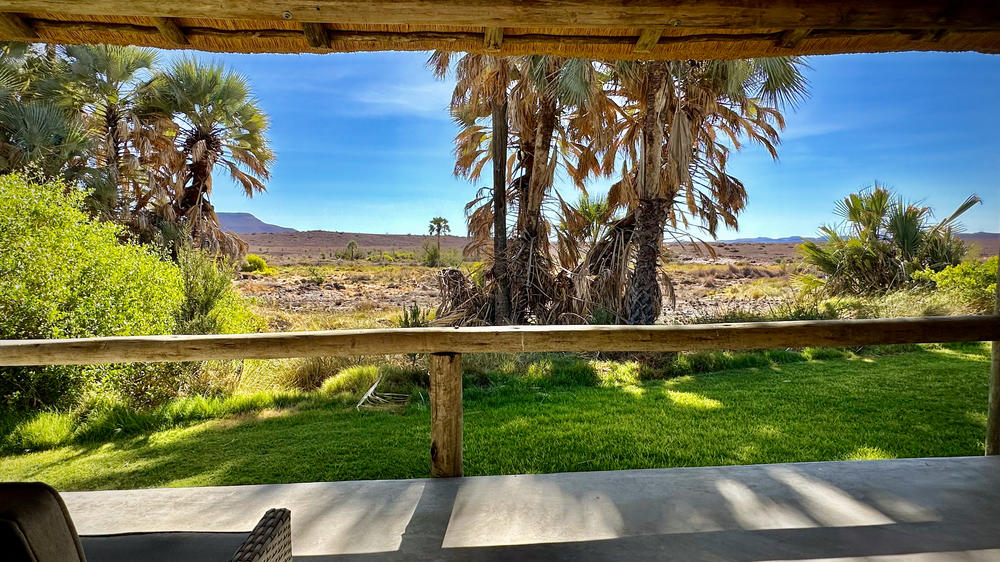
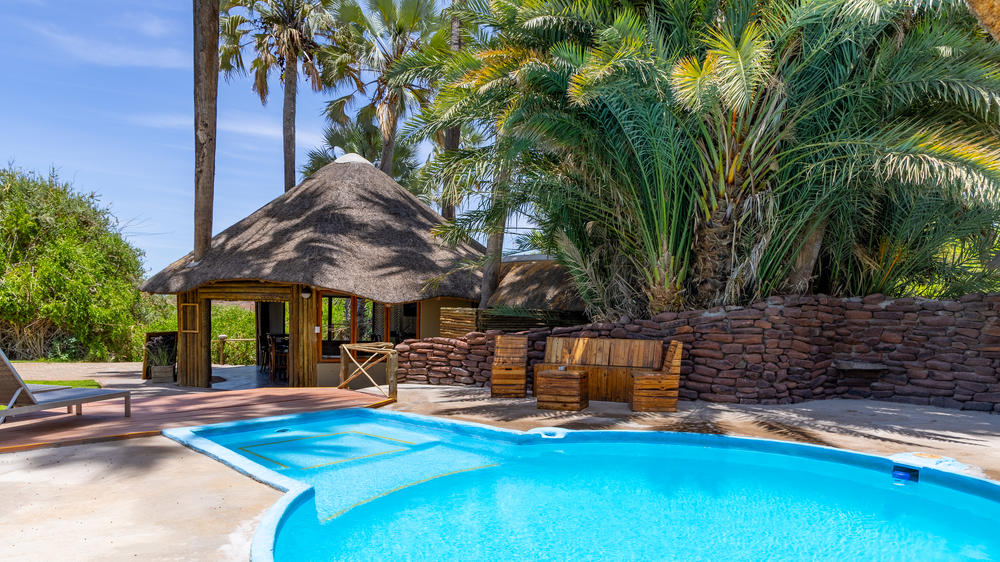
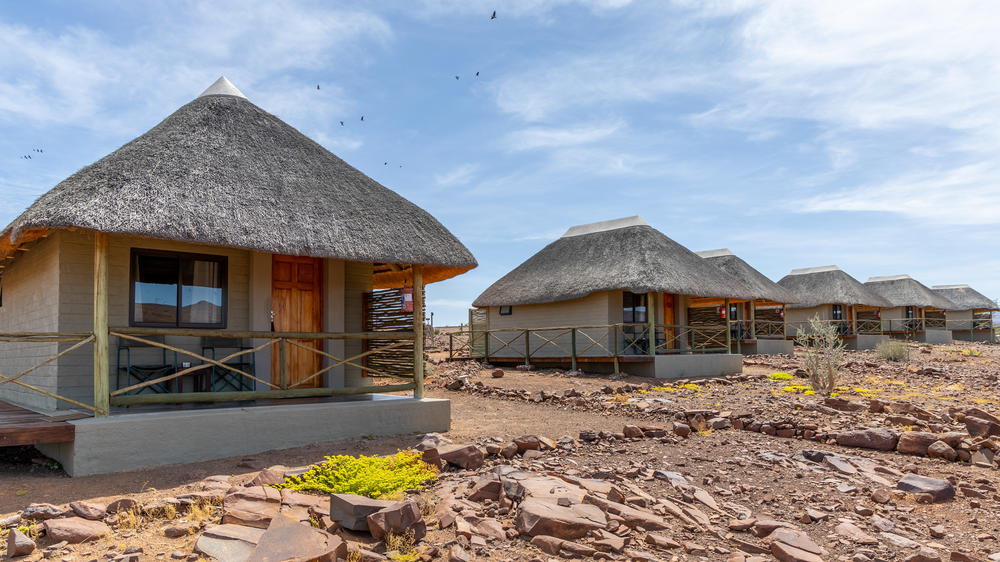
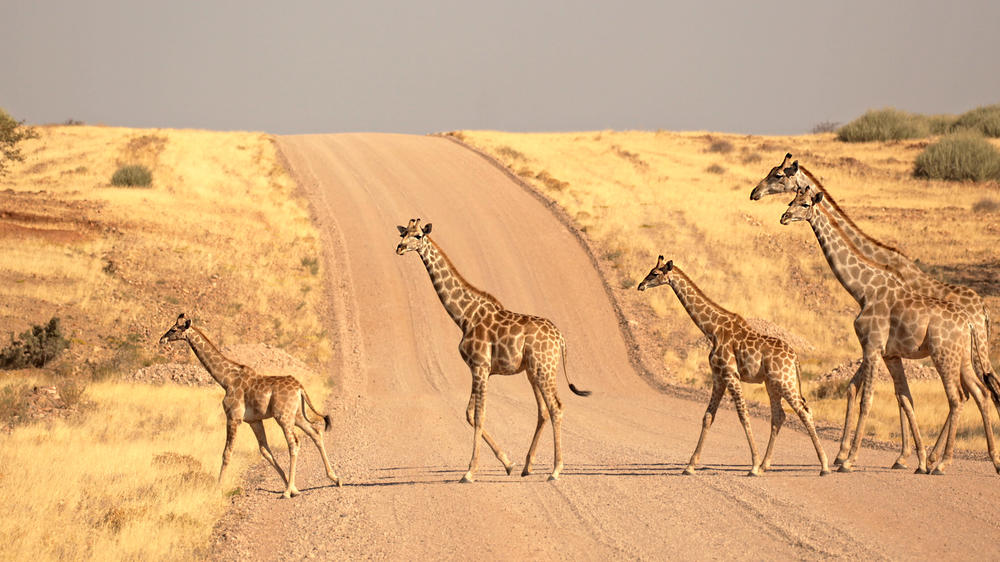
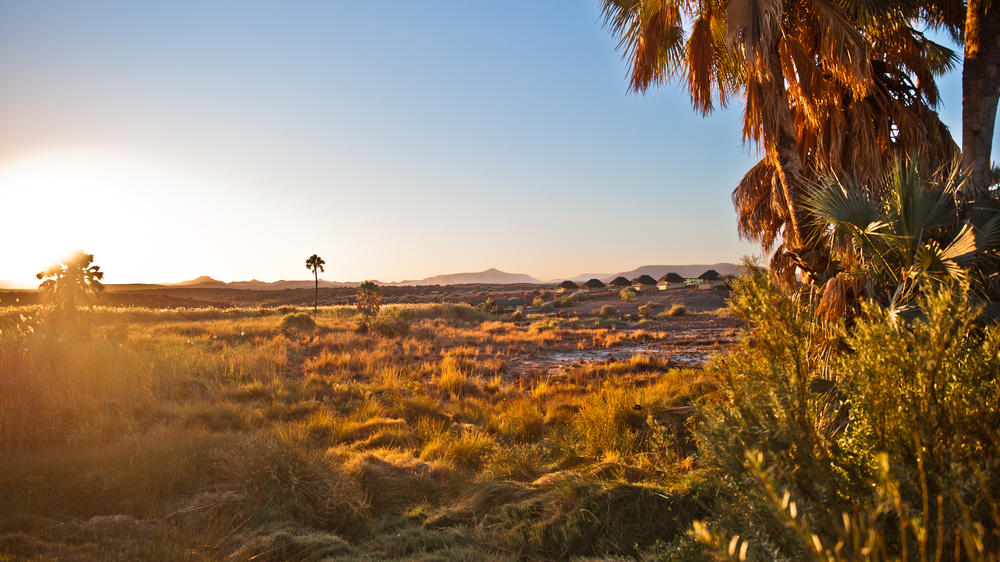
Home to whispering palms and the western desert wilderness, Palmwag Camp is a retreat with a difference. Here is where you will find the desert adapted elephants and the largest predator population outside of Etosha National Park.
Day 4
Day Notes:
Time to leave Etosha and concentrate on some of Namibia’s other highlights. We will have an early breakfast and game drive our way out of the park and back to the main road.
Our first stop of the day is a fascinating cultural visit the Otjikandero Himba Village located close to the small town of Kamanjab. The Himba people traditionally have their homeland in the very far north of Namibia in extremely remote yet beautiful areas.
Because their communities were so isolated, the influence of the modern world took a little longer to reach these people and they kept on living their traditional lifestyle much longer than did other ancient cultures.
With the advent of tourism and the natural flow of change many Himba have migrated further to the south but traditions die hard and amongst all the other ethnic groups in southern Africa many Himba tribes people retain and live their traditions to this day. The Otjikandero Himba Village is a living village, meaning that people live there on a permanent basis and largely adhere to their traditional cultures. It is not a time capsule, the 21st century has arrived here as well, but it is a good representation of traditional Himba life. We will be invited into the village, our visit will be guided and we will be encouraged to take photos and ask questions so there are no feelings of invading anyone’s privacy.
After our visit to Otjikandero we will have a short stop in Kamanjab before continuing on with our journey. The next leg of our journey today is truly spectacular, we turn to the west and head towards the mighty Etendeka Mountains and the Grootberg Pass.
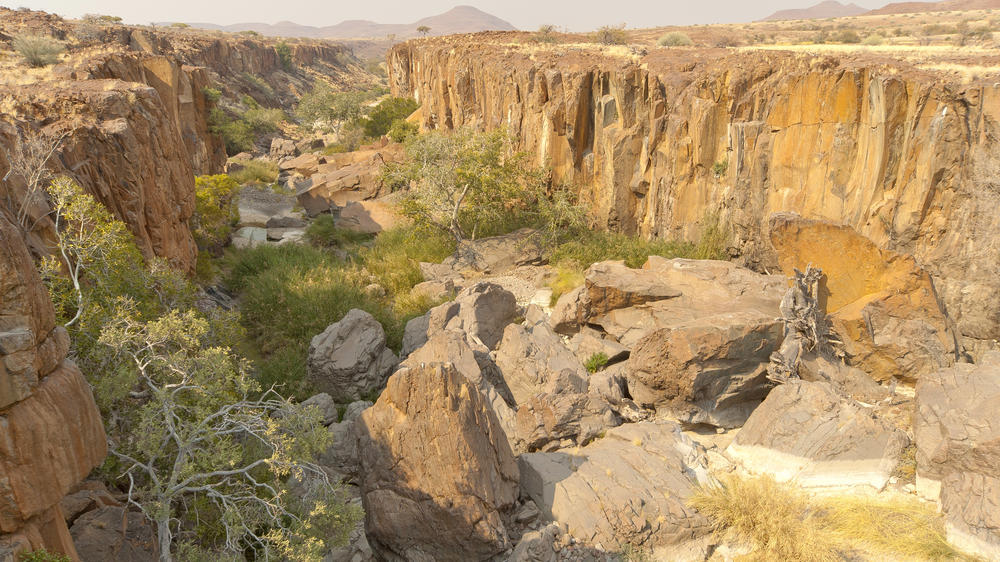
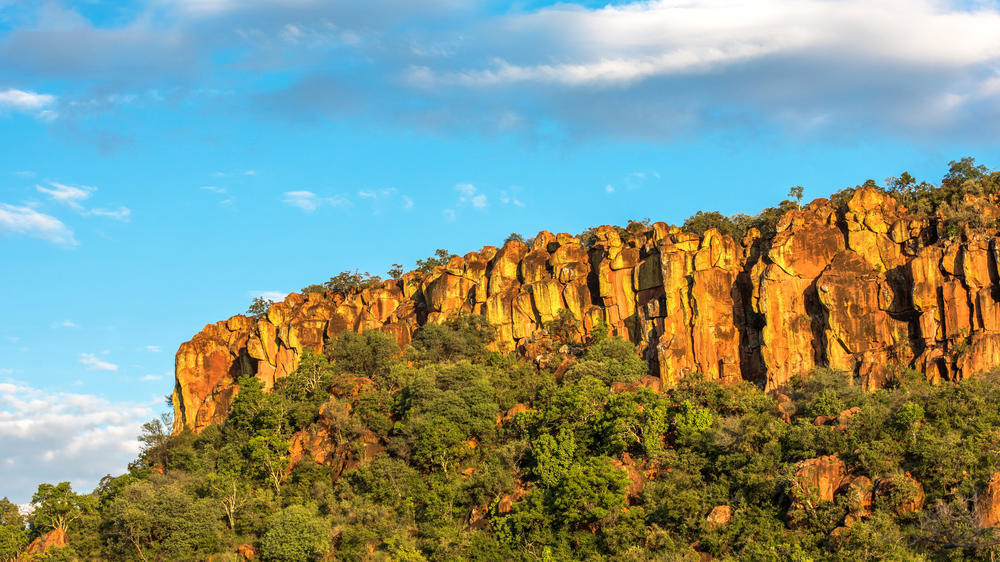
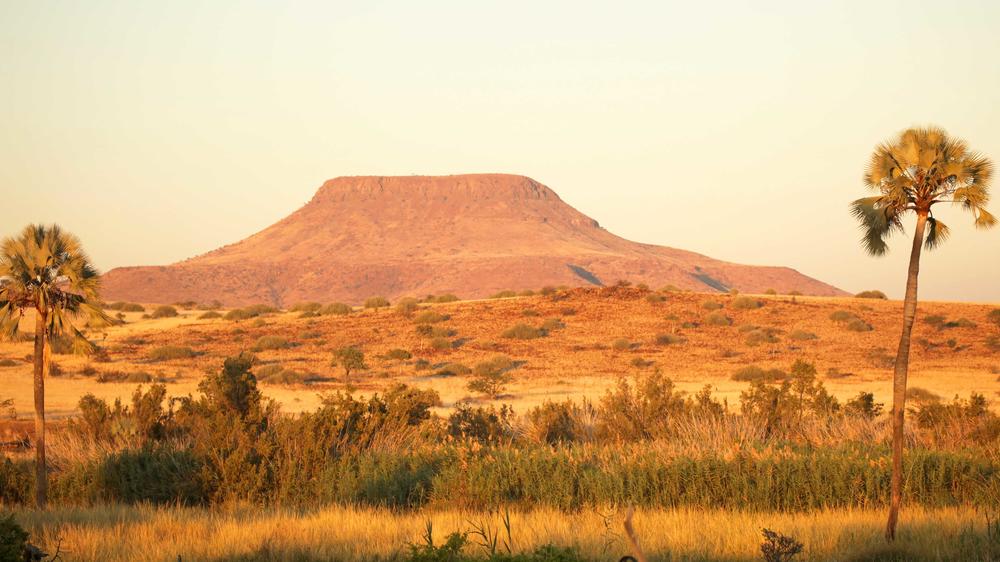
Etendeka translates as ‘flat top’ and indeed many of the surrounding mountains have flat tabletops. The terrain here is covered with small uniform boulders, a legacy of the break-up of Gondwanaland when, what is now Southern Africa broke away from what is now South America around 180 million years ago.
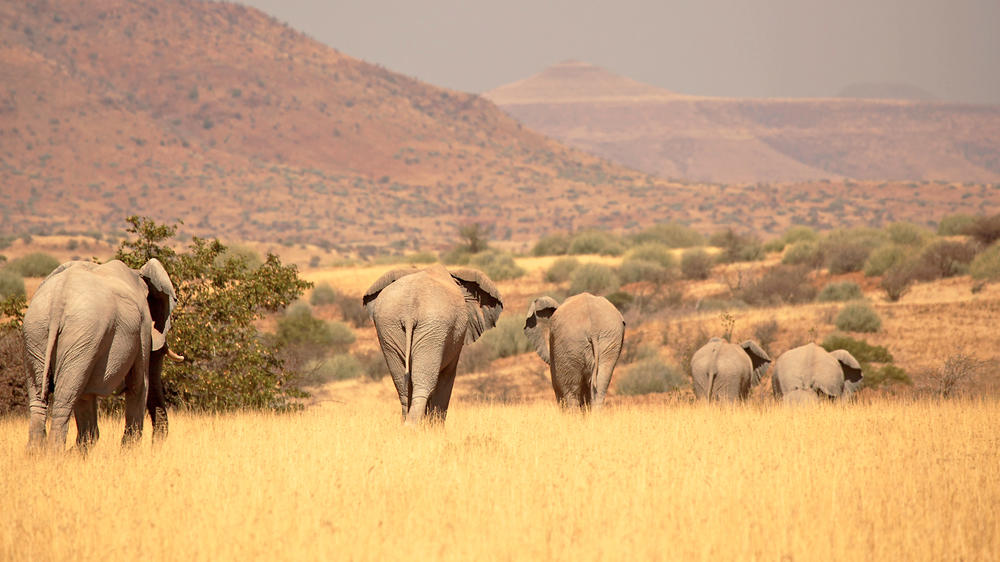
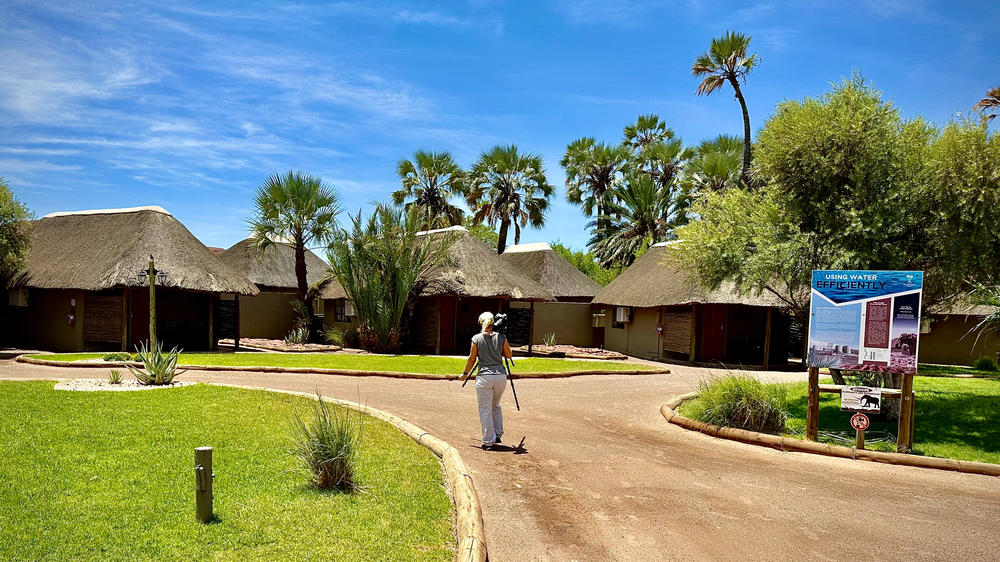
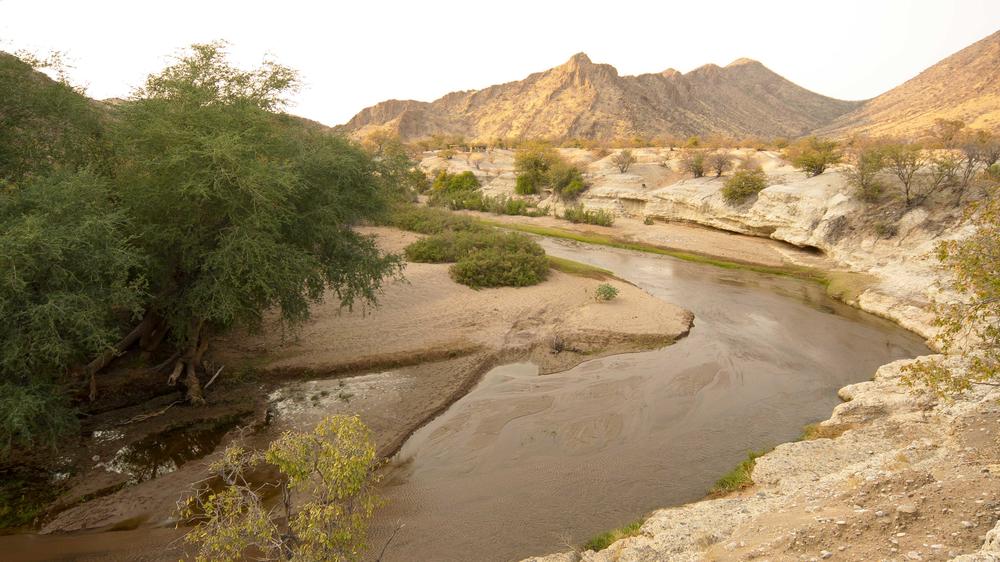
Palmwag is set out abreast of the Uniab River and under waving makalani palm trees which often provide a refuge for Namibia’s unique desert adapted elephants. Sometimes coming very close to our camp, and sometimes coming right in for a visit, the elephants have been known to drink water from the swimming pools. We arrive in the late afternoon and set up our camp in time to enjoy a sundowner and to hopefully see some of the resident elephant herds.
-
Game drive transfer out of the park
-
Check-out from Okaukuejo Camp
-
Transfer from Okaukuejo Camp to Palmwag Campsite Gondwana Collection Namibia
-
Otjikandero Himba Village
-
Scenic transfer to Damaraland
-
Check-in to Palmwag Campsite Gondwana Collection Namibia
Spitzkoppe, Namibia
-
Spitzkoppe Rest Camp
Day 5 - 6
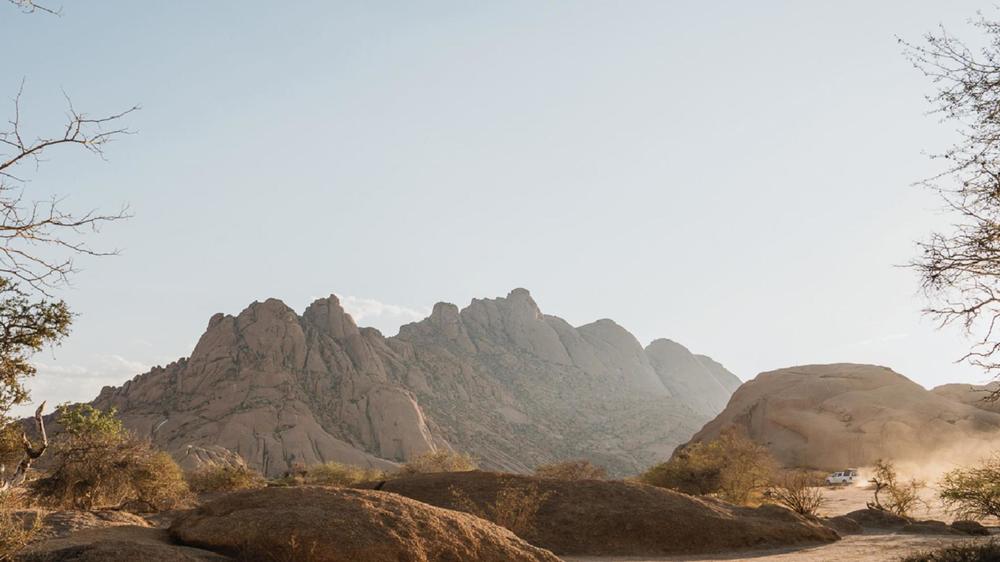
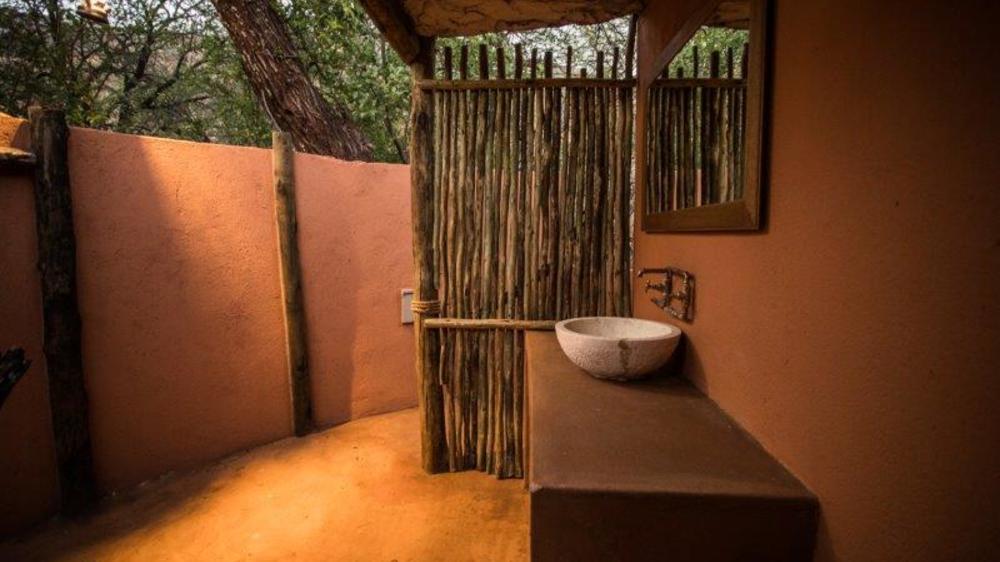
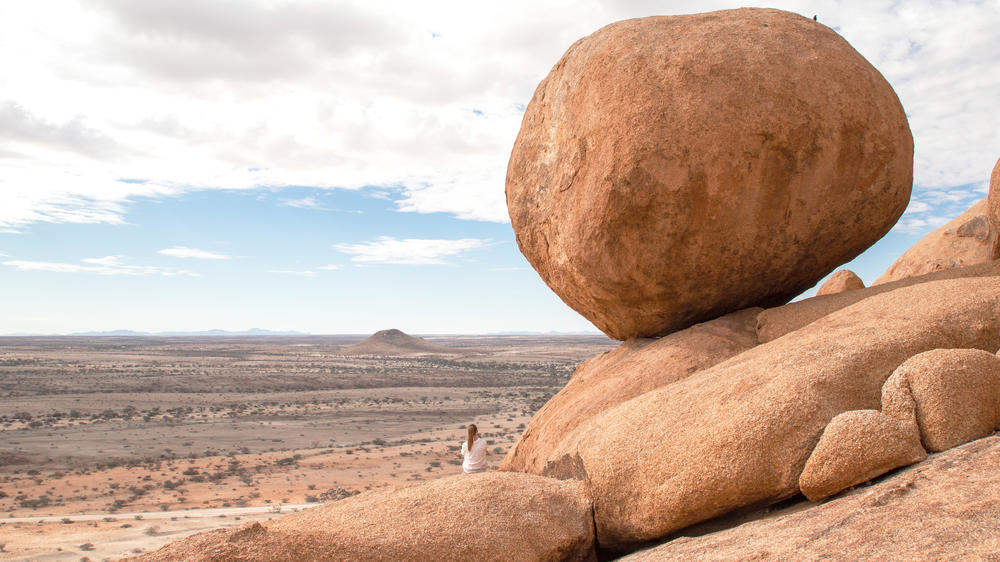
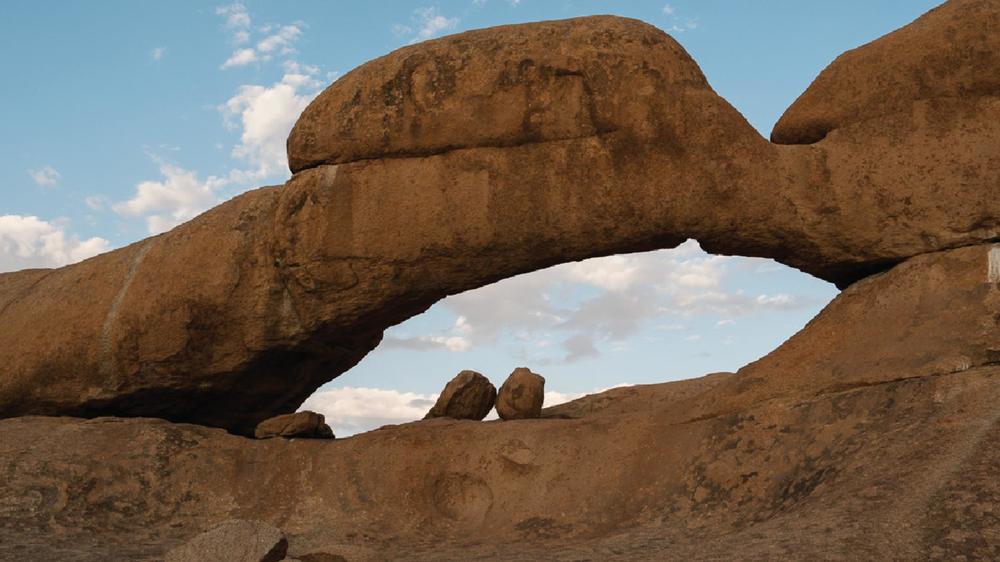
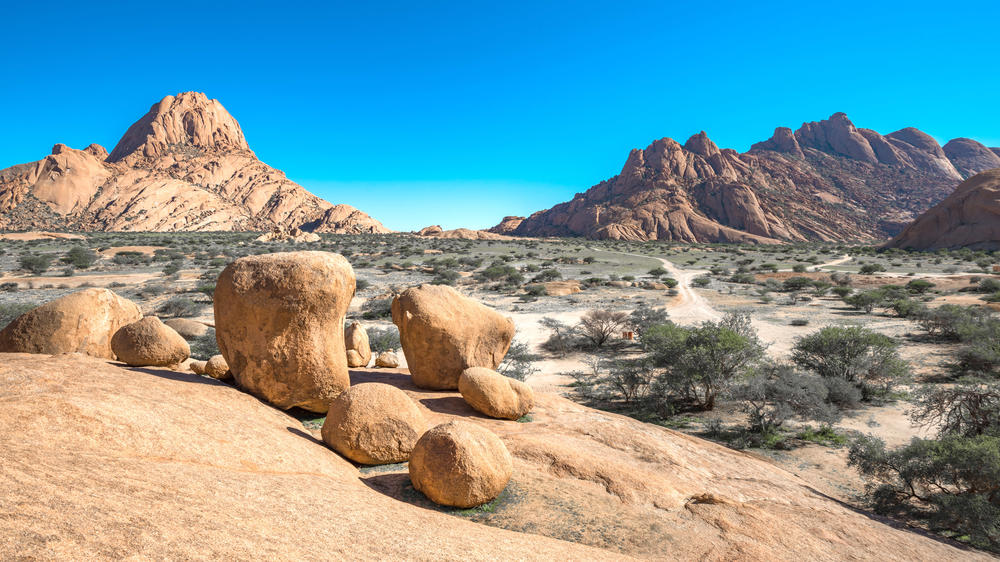
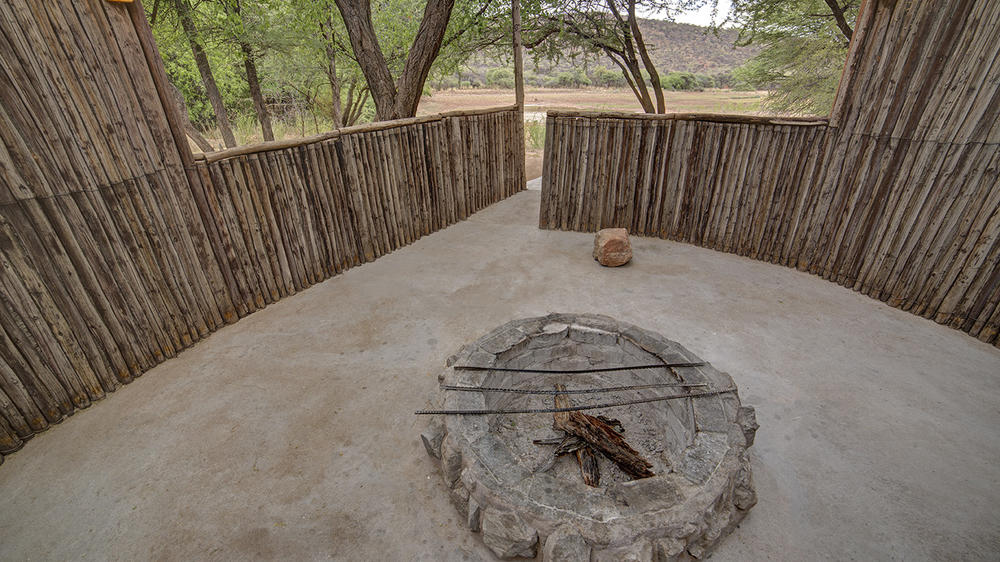
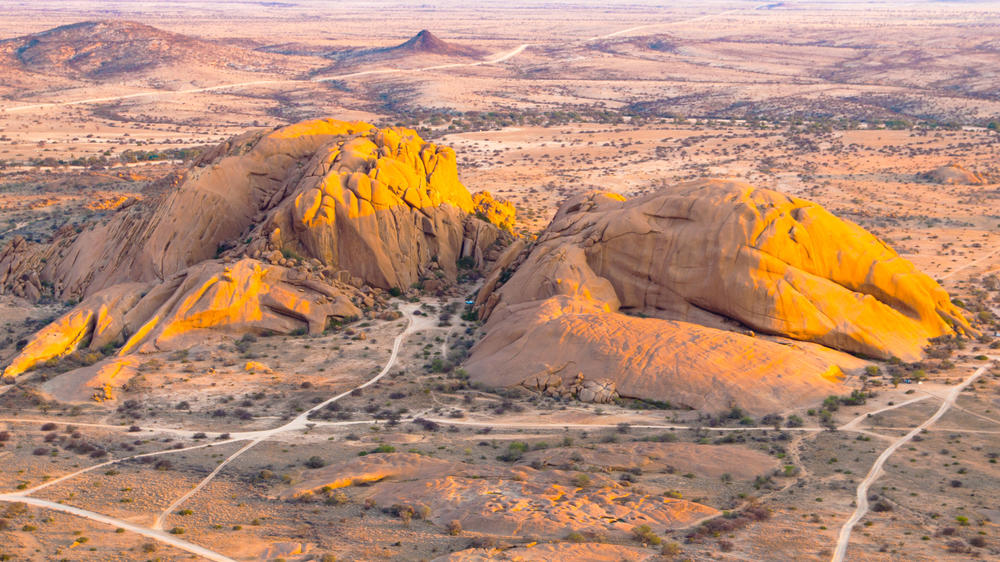
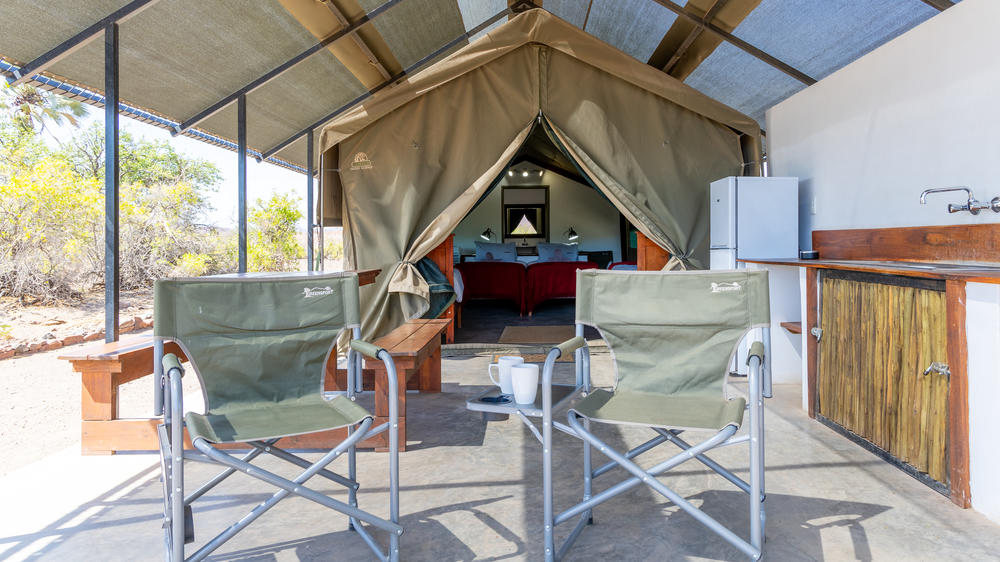
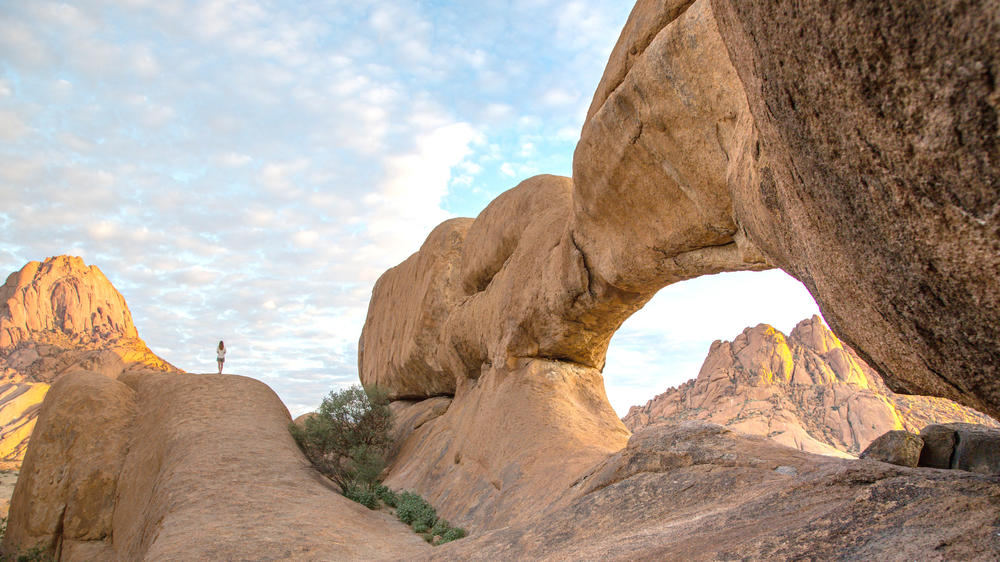
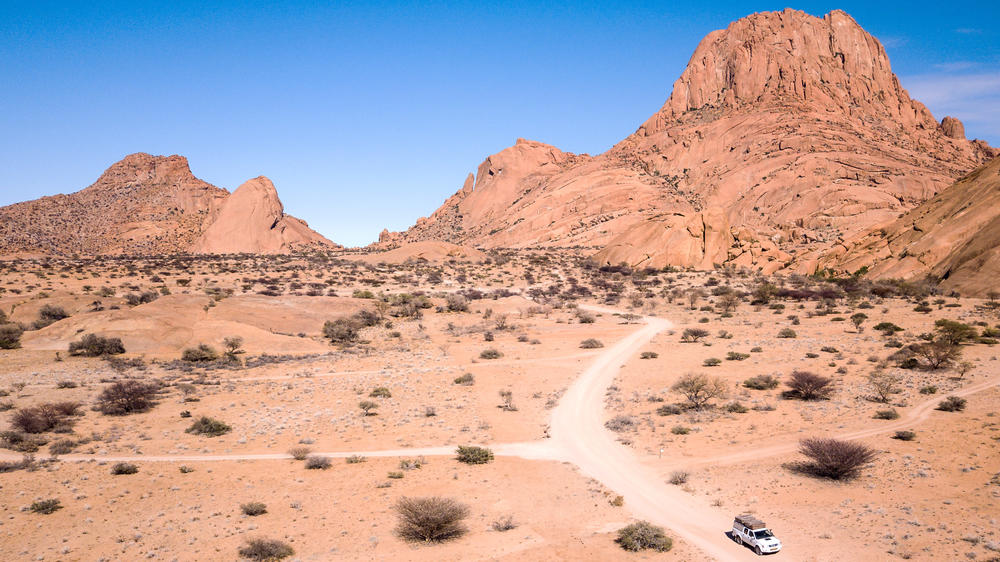
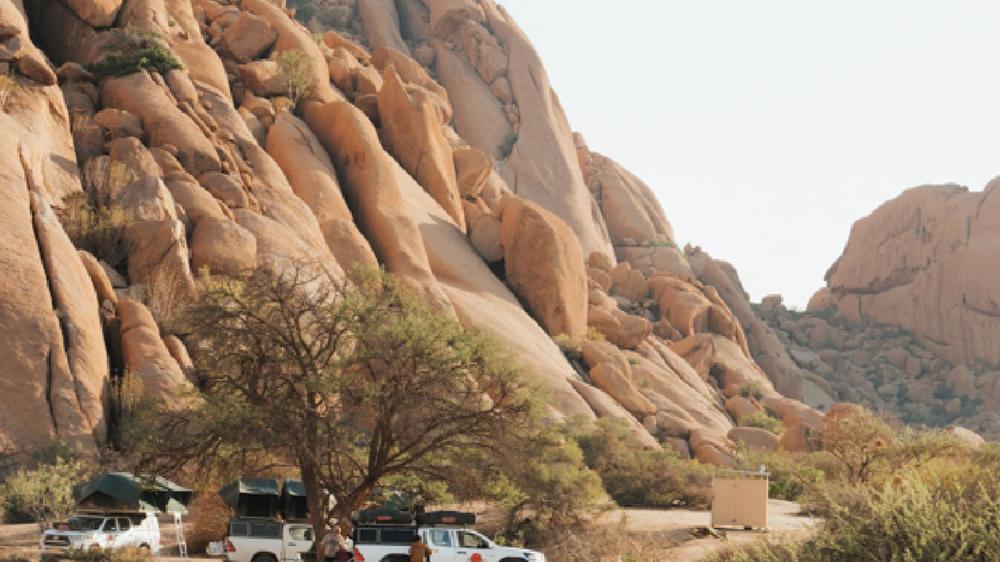
Spitzkoppe Rest Camp in Namibia offers an exclusive desert escape where dramatic granite peaks frame a camp designed for both adventure and comfort. Guests sleep in spacious tents equipped with proper beds, ensuite bathrooms, lighting, and simple yet tasteful furnishings. Leisure facilities include a welcoming dining tent, a relaxed lounge area, and a campfire boma perfect for evenings beneath the stars. Optional activities range from guided bush walks and cultural excursions to exhilarating rock climbing and stargazing in one of the world’s clearest night skies. This setting blends raw wilderness with refined hospitality, appealing to travellers who value privacy, nature, and discovery.
Day 5
Day Notes:
We have reached the limit of our northern adventure and today we first head west to the Atlantic Ocean and then directly south, following the coastline to Cape Cross.
We set off through more beautiful scenery and passing many weird and wonderful species of vegetation that this area is famous for. In particular we will see Namibia’s National plant the amazing and endemic Welwitschia Mirabilis. This species is in fact a dwarf tree and is found only in Namibia and southern Angola. The Welwitschia is a drought resistant superstar and almost as old as the landscape itself. Some specimens are known to be over 1,500 years old.
We enter the Skeleton Coast National Park through the northern Springbokwasser Gate and soon afterwards we meet the chilly Atlantic Ocean. It is easy to see why this barren seaboard is called the Skeleton Coast with its forbidding mountains and barren beaches. The wind, the waves and the huge fog banks all conspire to push ships onto the beach. The countless mariners that, in olden times, found themselves shipwrecked here faced the stark prospect of no fresh water, no food, no rescue and a slow death by exposure. Their Shipmates who went down with their ship were thought to be the lucky ones.
There are some remnants of human activity along our road today. In the early 1960’s two pioneering entrepreneurs, Jack Scott and Ben du Preez found themselves convinced that both oil and diamonds were to be discovered along the Skeleton Coast and that this was their chance at fame and fortune. At huge expense a massive drilling rig was set up and managed a bore of 1,700 meters before they could finally admit that there was no oil. Not daunted and encouraged by reports of huge diamonds at Cape Cross the same pair constructed a diamond mine and processing plant at Toscanini, close to where their abandoned oil rig was already rusting away. Some diamonds were ‘found’ but there was great suspicion that the diamond processor had been ‘seeded’ with diamonds from elsewhere. A ploy to keep the investors happy for a little bit longer. Both enterprises ended in failure but we will pass by Toscanini and we are able to stop and have a look at the now collapsed oil drilling machine.
Exiting the park at the Ugab River crossing with its Instagram worthy iconic gates, we continue onto one of the largest seal colonies in the world.
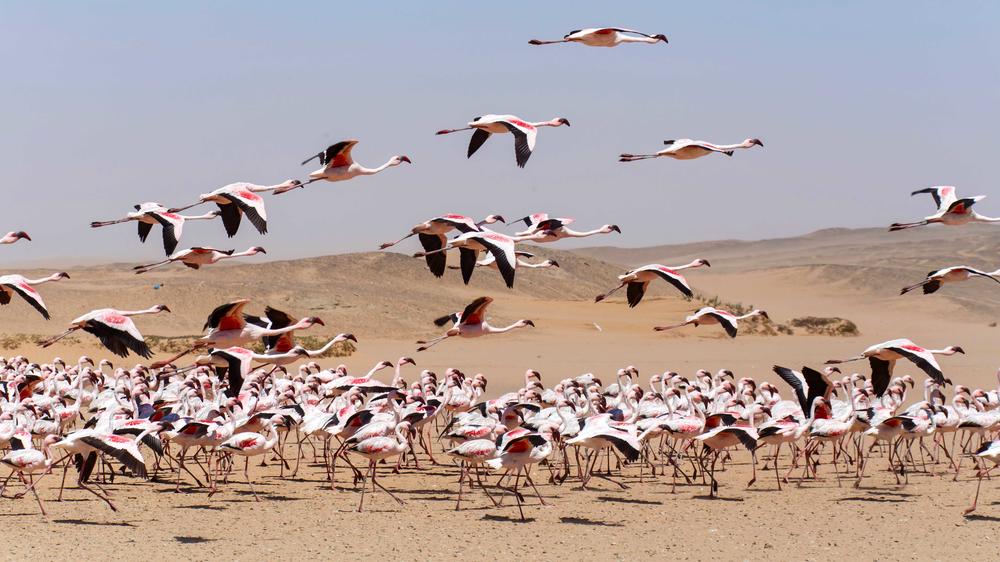
Nobody knows exactly why the seals chose Cape Cross as their home, but there must be a good reason as there are usually upwards of 100,000 seals basking on the rocks or swimming just off the beach. These Cape fur seals are found only in South Africa, Namibia and Angola and are near endemic to Namibia. Cape Cross is the largest Cape fur seal colony in the world. Cape Cross takes its name from the stone crosses that proudly sit close to the seal colony. The first cross to be erected here was done so on the orders of the Portuguese mariner Diego Cao in 1485.
After visiting the seal colony it is only a short drive to our overnight stop at Cape Cross. We aim to arrive in the late afternoon and there should be time for a sunset walk on the beach.
-
Check-out from Palmwag Campsite Gondwana Collection Namibia
-
Transfer from Palmwag Campsite Gondwana Collection Namibia to Spitzkoppe Rest Camp
-
Skeletton Coast ship wrecks
-
Cape Cross
-
Check-in to Spitzkoppe Rest Camp
Swakopmund, Namibia
-
Hotel Pension à la Mer
Day 6 - 7
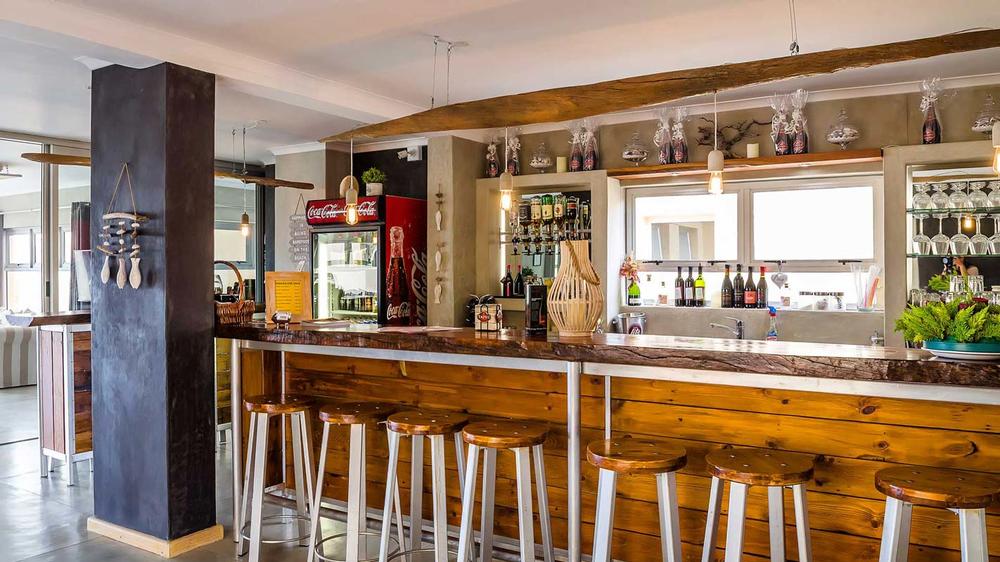
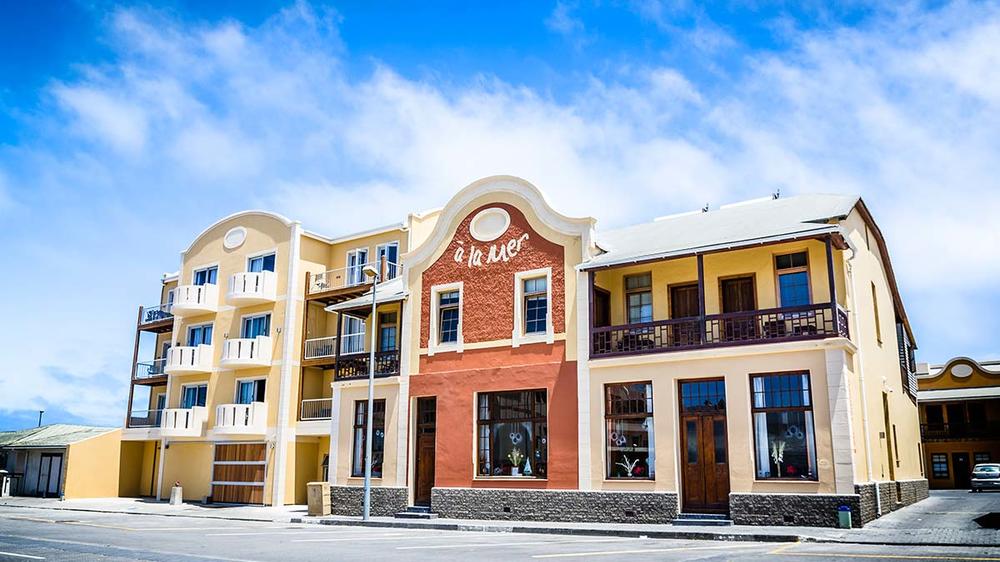
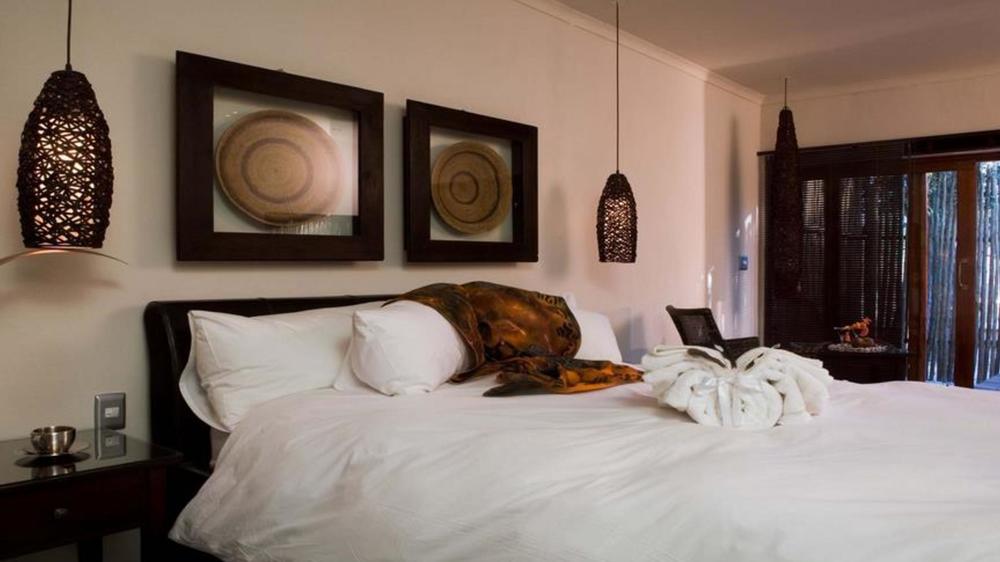
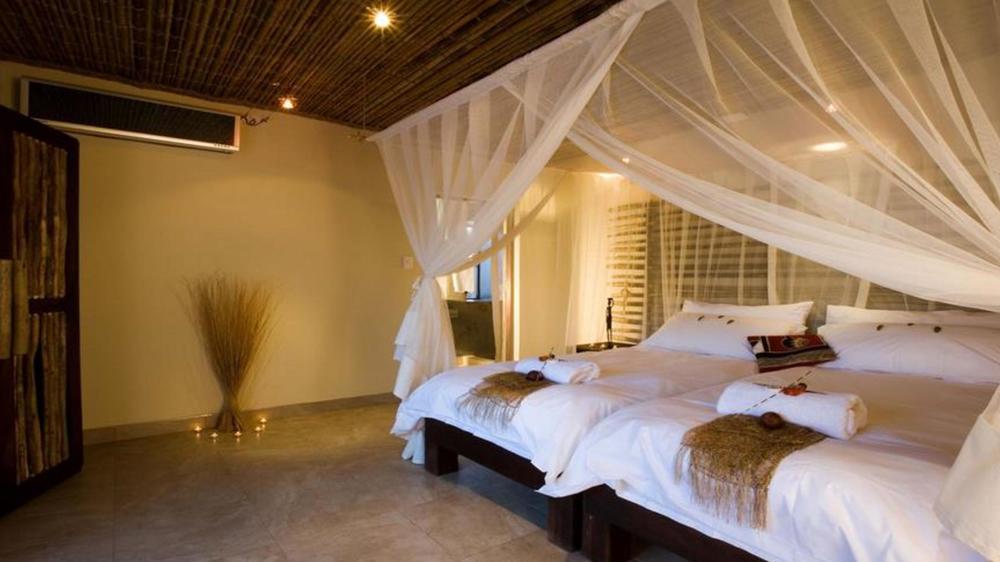
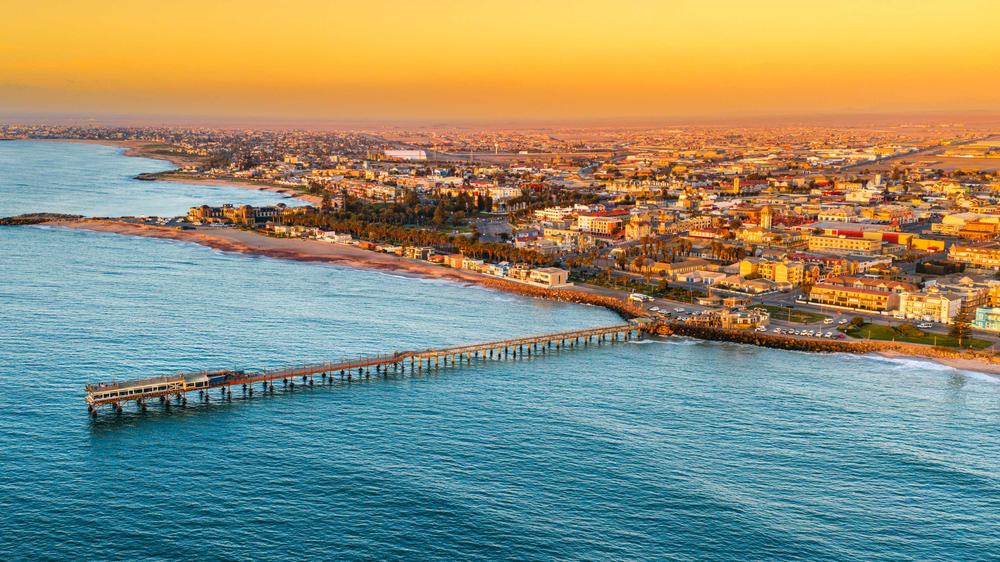
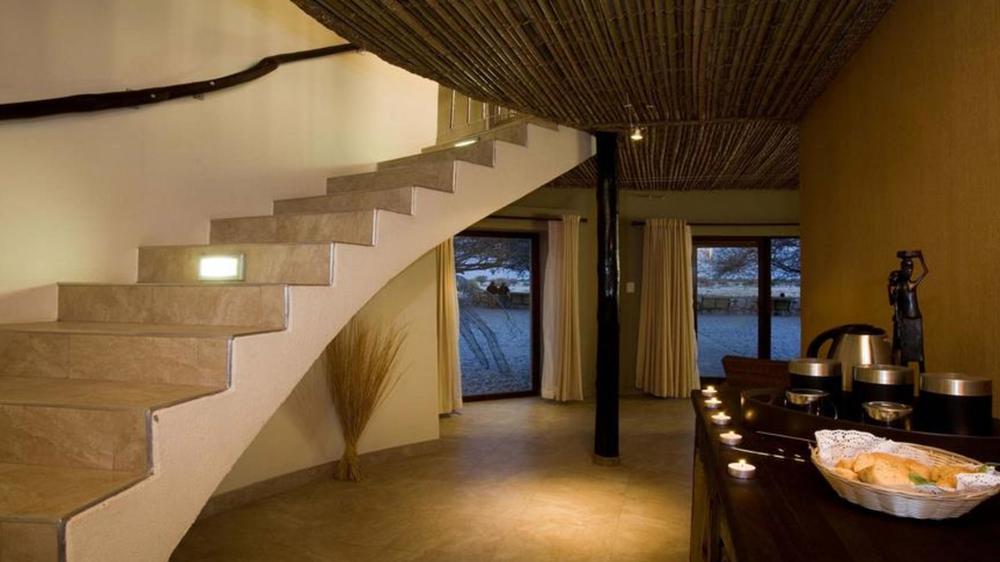
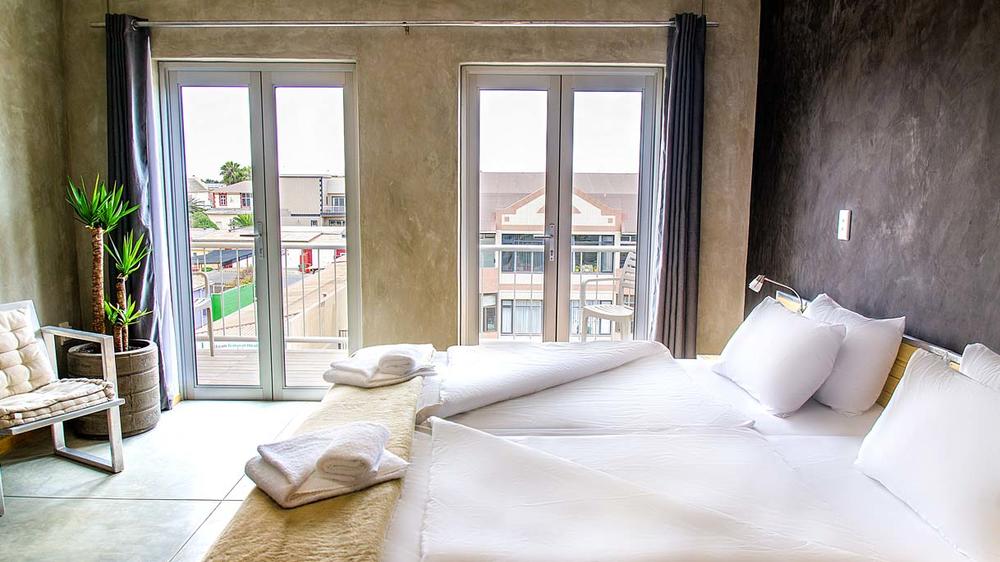
Hotel Pension à la Mer is located in the heart of Swakopmund, a stone’s throw from the beach and historical jetty. Accommodation options consist of 46 en-suite rooms featuring safety deposit boxes, seating areas, heating, private bathrooms, tea/coffee-making facilities, and workspaces. Guests can kickstart each day with a scrumptious breakfast on-site. Facilities and services include a bar, a sun terrace, a terrace area, outdoor seating, laundry facilities, a mini-market, a gift shop, and Wi-Fi.
Day 6
Day Notes:
We have a more leisurely start today and after a cooked breakfast we head south along the coast to the adventure capital of Namibia, Swakopmund.
Heading south on the coast road our first stop is a more recent shipwreck. 15 km south of the small town of Henties Bay a fishing trawler, The Zeila, was beached in 2008. She was an old vessel that had been sold for scrap and was under tow at the time. The cable snapped and, as so many vessels before her, she was caught in the swell and currents and ended up on the beach. She lays quite close to the shore and is well positioned for photos.
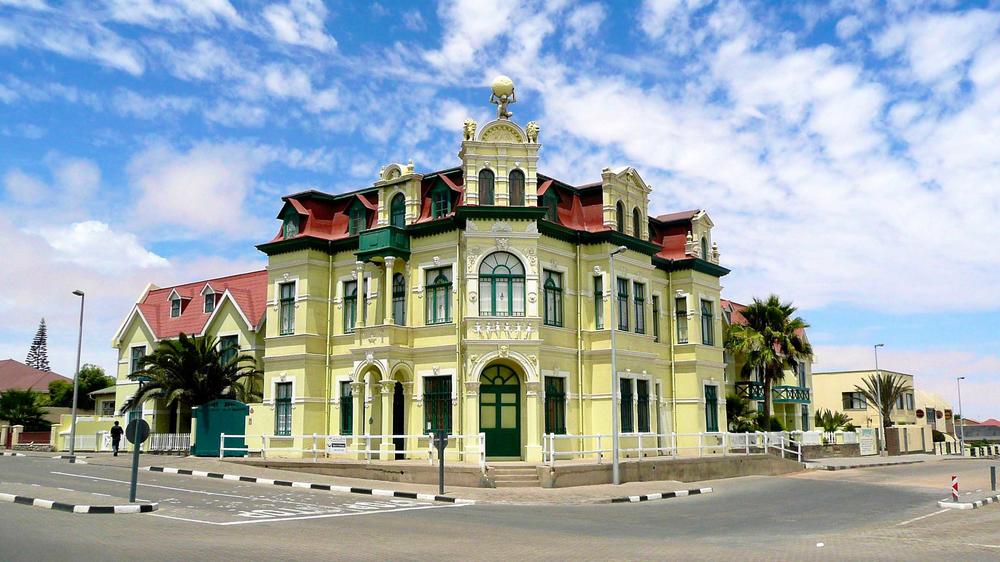
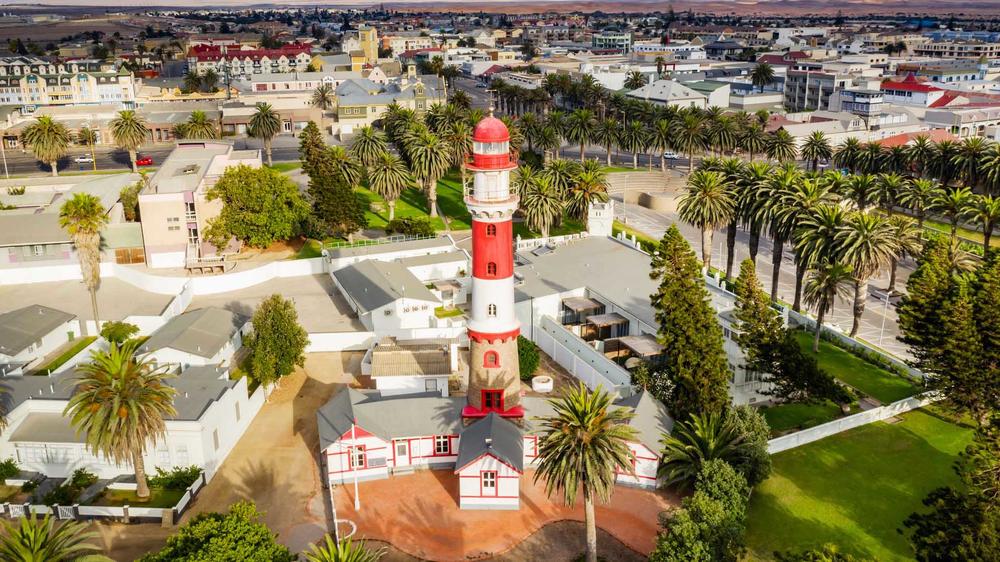
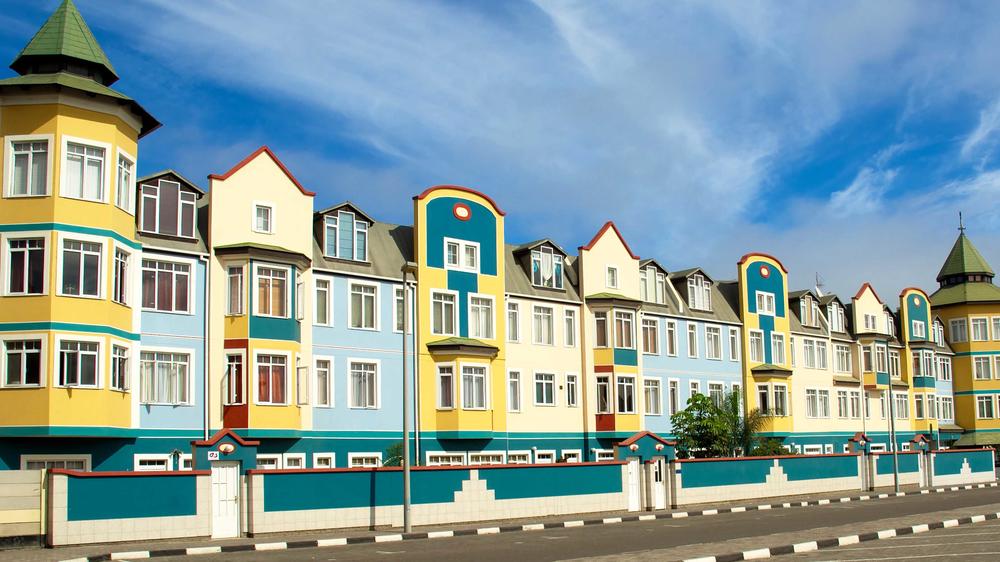
We complete the final leg of our journey into Swakopmund, an interesting place to say the least, bound to the north, the east and the south by the mighty sand dunes of the Namib Desert and to the west by the Atlantic Ocean. There are still many examples of colonial German architecture to be seen and the German language is still widely used. The town was founded by Captain Kurt von François of the imperial colonial army of the German empire in 1892. (He also founded Windhoek in 1890).
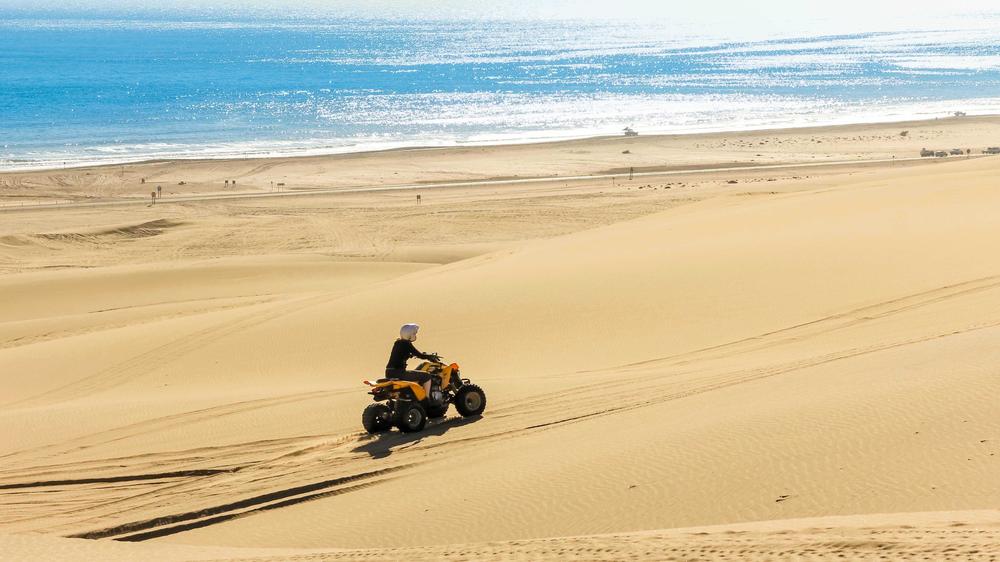
Swakopmund offers many opportunities to keep us busy during our time here. The town centre is small and easily explored on foot but there are also many extra, optional activities available. Scenic flights over the desert are very popular and for the more adventurous perhaps try sky diving or quad biking over and in the Namib dunes.
For the more leisurely minded there are bicycle tours and the very popular ‘living desert’ excursions. Here you will join a group in a vehicle with a specialist guide who will take you into the sand dunes sea and introduce you to some of the amazing creatures and plants that survive in one of the toughest environments in the world.
Our guide will discuss all the options with you in advance and will be able to facilitate any bookings that we would like to make.
Lunch and dinner tonight are for your own account, Swakopmund boasts some truly excellent restaurants and again our guide will be able to help you with recommendations and bookings.
-
Check-out from Spitzkoppe Rest Camp
-
Transfer from Spitzkoppe Rest Camp to Hotel Pension à la Mer
-
Zeila Shipwreck
-
Check-in to Hotel Pension à la Mer
Sesriem, Namibia
-
Desert Camp
Day 7 - 9
Self-catering at its Best amidst unparalleled Desert Beauty...
Day 7
Day Notes:
We have the option to have a more leisurely start this morning as we are only leaving Swakopmund in the middle morning. Your guide will let you know the exact time of departure.
If you choose not to have a lie in then Swakopmund offers many opportunities to keep us busy during our morning here. The town centre is small and easily explored on foot but there are also many extra, optional activities available.
For those with a love of adrenaline quad biking and sand boarding is also very popular if you fancy careering down the slip face of a sand dune at 60 km per hour. Our guide will discuss all the options with you in advance and will be able to facilitate any bookings that we would like to make.
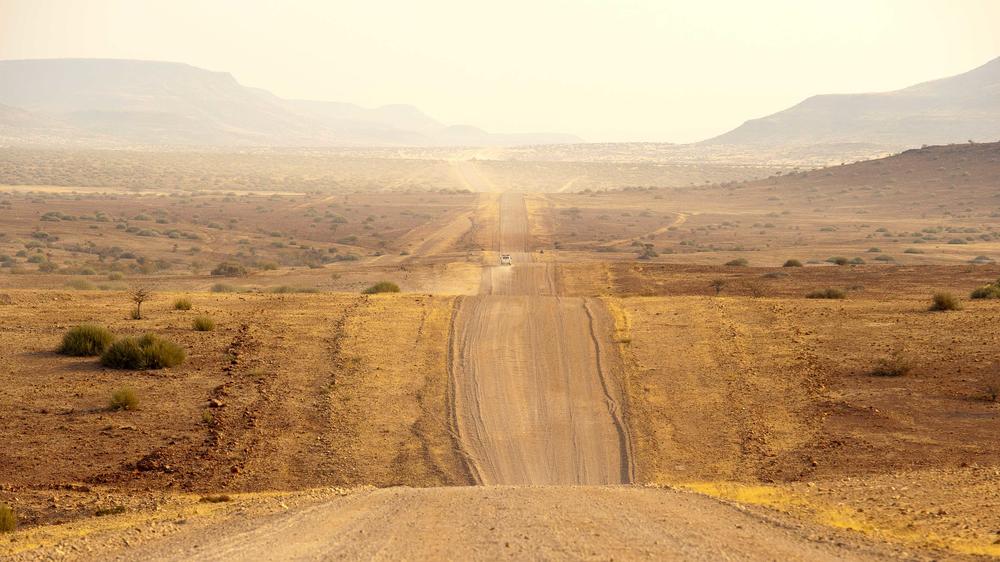
Departing Swakopmund 11h00 we head east into the desert. We first cross the Namib gravel plains, large areas of flat and seemingly barren terrain broken up by huge mountain inselbergs.
We have two mountain passes to traverse this afternoon, first is the mighty Kuiseb Pass and we follow the road from the top of the mountains, dropping steeply down into the canyon carved over eons by the Kuiseb River on its way to debouch into the ocean at the port town of Walvis Bay. We climb up from the banks of the river and over the pass, travelling through the mountain peaks and on to the second, smaller canyon of the Gaub River, a tributary of the Kuiseb. We emerge from the mountains onto a flat road and almost immediately we cross the Tropic of Capricorn at 23.5 south degrees. There is a signpost at this auspicious spot and we stop along the road for photos.
Onwards again to our destination for today, Desert Camp, located very close to the National Park entrance at Sesriem which is the gateway to the dunes at Sossusvlei.
-
Adventure activity
-
Check-out from Hotel Pension à la Mer
-
Transfer from Hotel Pension à la Mer to Desert Camp
-
Scenic drive to Sesriem
-
Check-in to Desert Camp
Day 8
Day Notes:
Sunrise in the dunes is the name of the game this morning and that means a pre-dawn start and a very early breakfast.
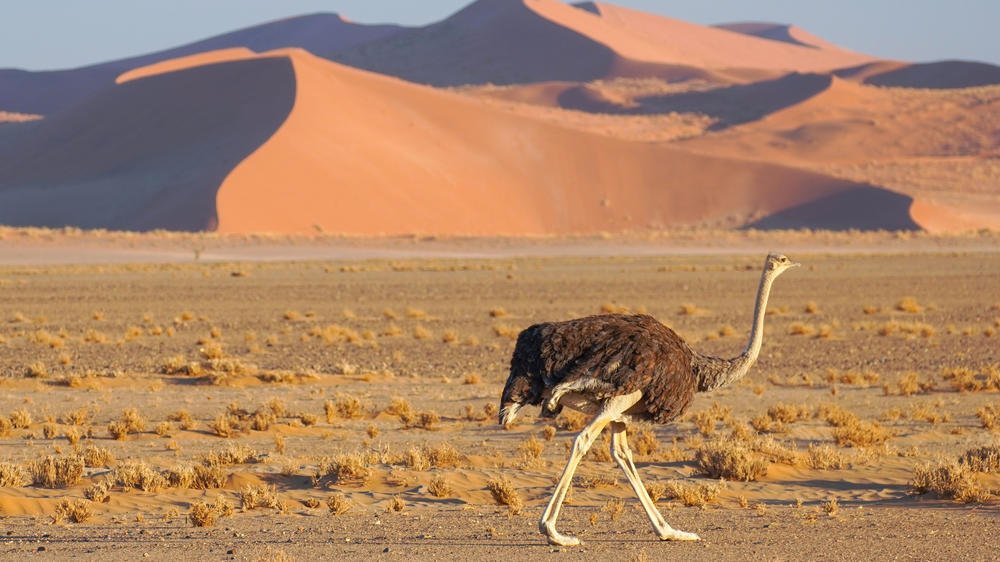
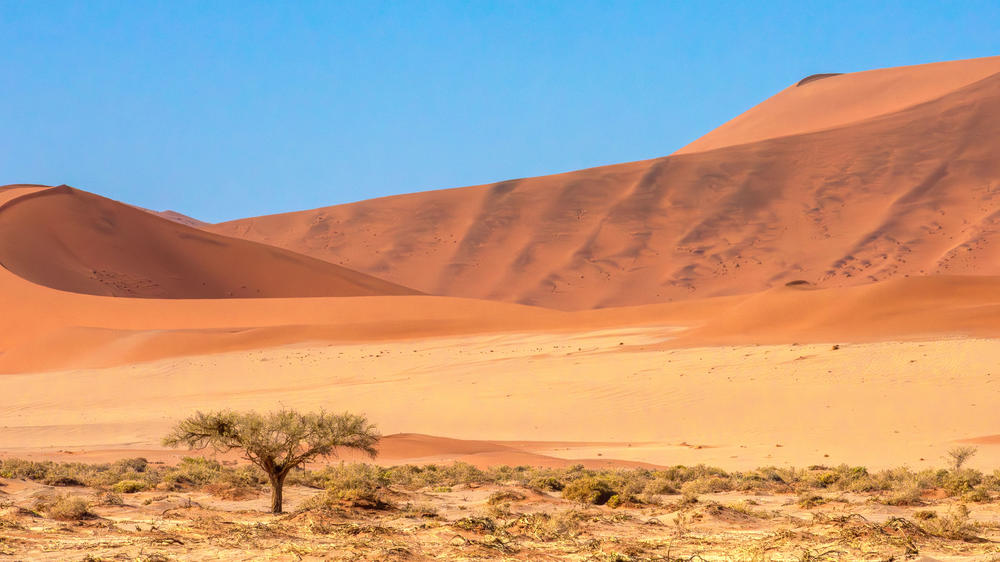
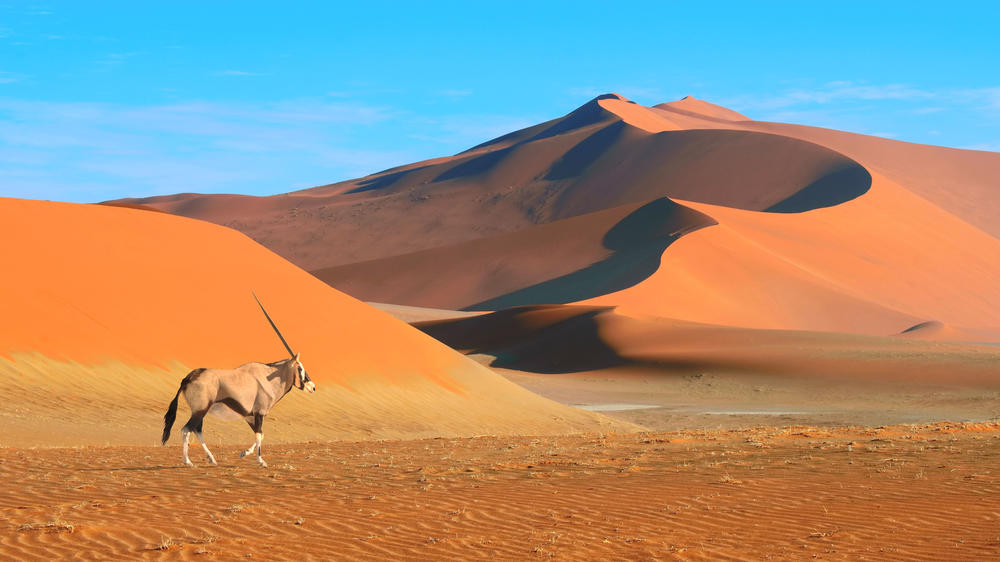
The best time to photograph the dunes is around sunrise and sunset. This is when you can see towering sand dunes illuminated a glowing orange, apricot red on one side and swathed in shadow on the other. The depth of field is amazing at this time of day.
From Sesriem we cover the 60 km into the dunes quickly and arrive at the 2x4 car park where all 2 wheel drive vehicles have to stop. From here we enter the ancient Tsauchab River-bed for the last 5km leg to Sossusvlei itself. Sossusvlei does still sometimes floods. After good rains in the Naukluft Mountains where the river rises Sossusvlei can become inundated, and the lake that this creates can last for many months, but no longer can the river find its original path to the Atlantic. There is a 4x4 shuttle service that will transport us through the sandy terrain of the riverbed. We will visit Dead Vlei, an ancient pan completely surrounded by dunes, that is strikingly populated with dead, skeletal camelthorn trees. These trees have been a feature on this landscape for over 1000 years. Sossusvlei is almost surrounded by dunes, just one narrow path kept open by the Tsauchab River.
We have time to explore the area on foot and to climb one of the highest dunes in the world, some towering 300 m above us, the views are breath taking and justly famous. We drive back the way we came, (there is only one road), stopping at the iconic Dune 45, (so named as it is 45 km from Sesriem. There is time to climb Dune 45 if you still have energy, or perhaps just a sit in the shade at the base of the dune will suffice.
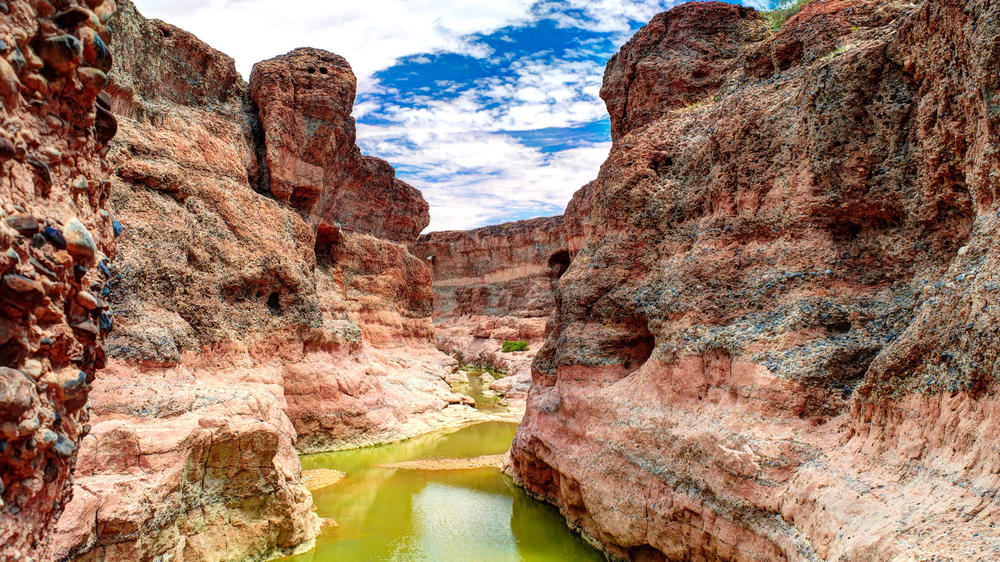
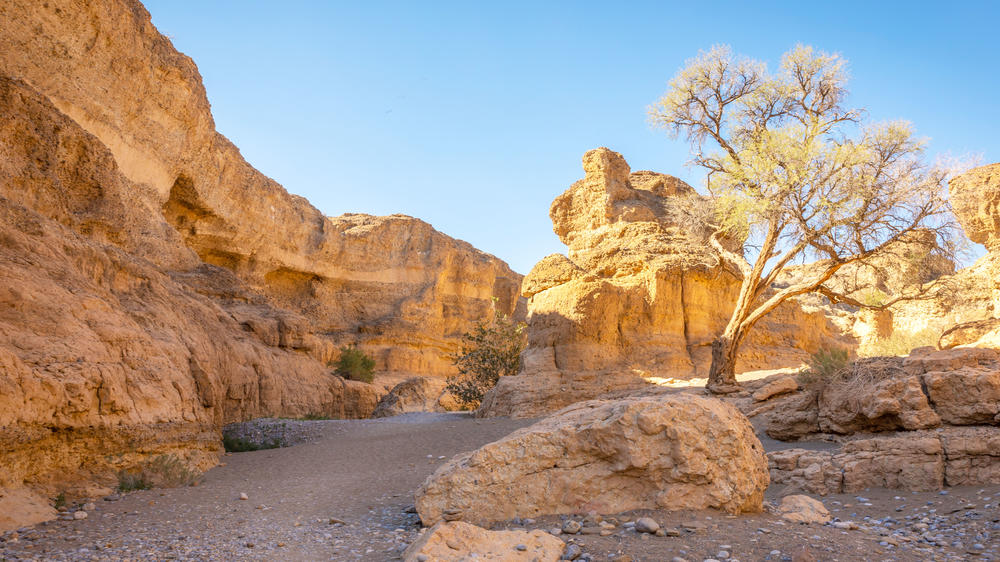
Driving back to Sesriem we take a short excursion to see the Sesriem Canyon. Only four km from Sesriem, this canyon has been carved out of the landscape by the Tsauchab River. Around two million years ago there was an ice age in Europe. This caused glaciers to form and resulted in a worldwide drop in sea level.
The knock on effect of this at Sesriem Canyon was that it increased the length and waterflow of the Tsauchab River. This greater force of water allowed the Tsauchab to begin cutting through the terrain resulting in the canyon we can see today. We can easily walk into the riverbed, it is usually much cooler in the canyon and we can follow the river for some way along its journey to Sossusvlei.
We head back to Desert Camp in the late afternoon.
-
Sossusvlei Exploration
Day 9
-
Check-out from Desert Camp
-
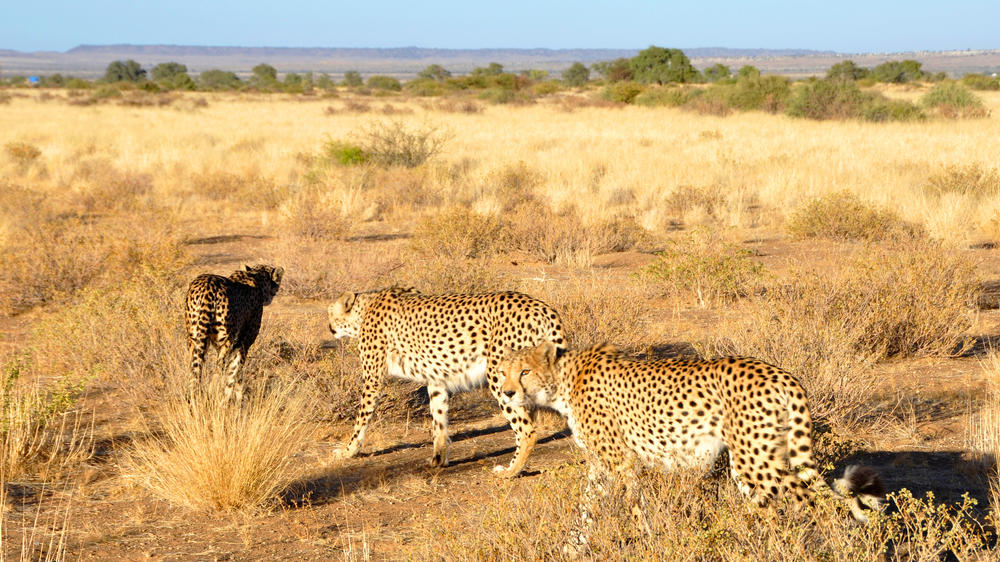
Solitaire cheetah conservation project
-
Transfer from Desert Camp to Chameleon Backpackers Guesthouse
End of Itinerary
Destinations
Otjiwarongo
Etosha South
Palmwag
Spitzkoppe
Swakopmund
Sesriem
Accommodations
Mount Etjo Safari Campsites
Okaukuejo Camp
Palmwag Campsite Gondwana Collection Namibia
Spitzkoppe Rest Camp
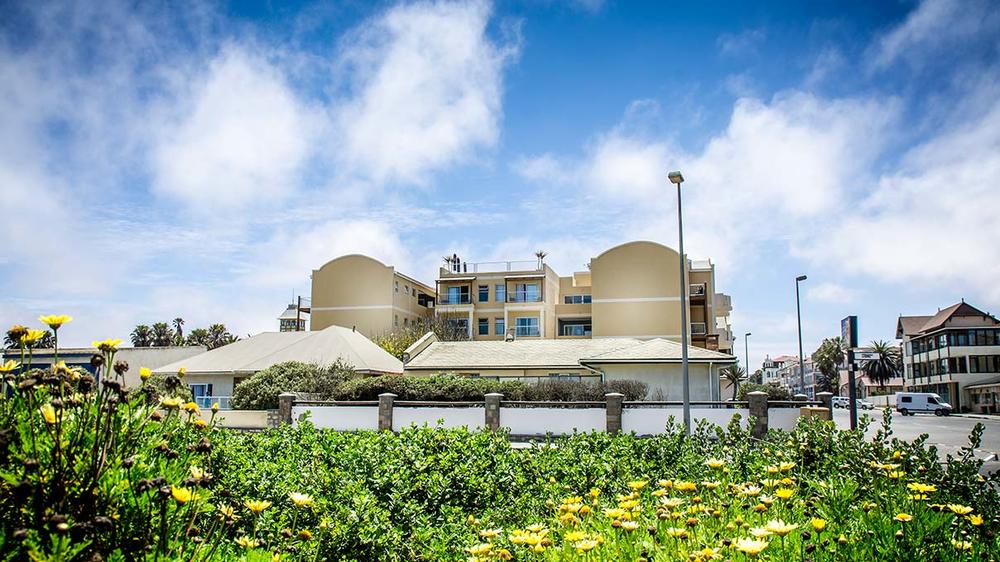
Hotel Pension à la Mer
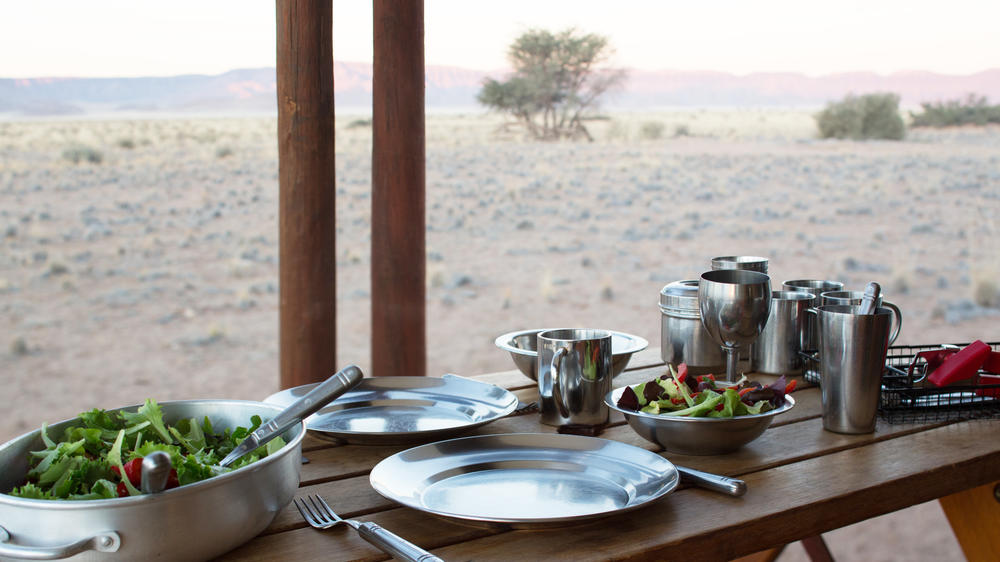
Desert Camp
THIS TOUR DEPARTS EVERY SECOND SATURDAY BETWEEN MARCH-OCTOBER ONLY
5 September, 19 September, 3 October, 17 October 2026 & 6 March, 20 March 2027
- Per person sharing: NAD 48,000
- Single Supplement: NAD 3,700*
- Per child 5 - 11 years, sharing with an adult: NAD 45,000
3 April, 17 April, 1 May, 15 May, 29 May, 12 June, 26 June, 10 July, 24 July, 7 August, 21 August, 4 September, 18 September, 2 October, 16 October 2027
- Per person sharing: NAD 54,000
- Single Supplement: NAD 3,700*
- Per child 5 - 11 years, sharing with an adult: NAD 51,000
*Not mandatory. Single travelers can be matched with another traveler of the same sex on a twin share basis
Sleeping bag and small pillow can be rented for NAD 40 per day
Cristiana Namibia
A fantastic organized tour in Namibia
We visited Namibia for 10 days on a tour that included a shuttle, lodges, and some excursions. Everything worked out perfectly. Comfortable shuttles with friendly and helpful drivers, always on time. Lodges with all the comforts, friendly staff, and beautiful excursions.
Excellent value for money. We really recommend it.
Namibia Mention
"Indigo Safaris is an extremely great company to work with. Matthew was super helpful from the beginning right up until the end of our visit to Namibia… He made sure all our requests were met."
Debbie Summers Namibia
Cannot recommend Indigo safaris enough !
After a lot of research we chose Indigo safaris with Michele as our operator. She was simply amazing. Her communication was so efficient. She always returned calls quickly. She was ready to help , change plans etc.
we have just returned from Namibia and I think our trip was good value.
Go with Indigo. You will not regret it !
Karen Head Namibia
High-quality service and excellent experience!
We used Indigo Safaris to book a self-drive safari in Namibia. Michelle was incredibly efficient and responded quickly finding accommodation and supporting with our agenda. Nothing was too much trouble and the organisation was excellent. Everything went smoothly and we had a great time. The value for money was excellent and it took the stress out of our holiday. I'd highly recommend!
Robert Paling Namibia
Delivering value for money, beyond expectations.
In an ocean full of expensive an very expensive options Indigo was very forthcoming presenting us a three day Sossusvlei trip which fitted in our budget and suited our family. The Gondwana Dessert Lodge was splendid, the tours excellent and entertaining. Would recommend Indigo to any other family!
Book this safari or design your own
Enquire Now
Book this safari or design your own