July 24, 2026
The Makgadikgadi Zebra Migration: Botswana’s Overlooked Migration
West of Gweta, the tar road to Maun passes through Makgadikgadi Pans National Park and Nxai Pan National Park, two key wildlife areas in Botswana. Established together in the early 1970s to protect wildlife migrations, the parks were expanded in 1992 to form one vast area of nearly 7,500 km², connecting Nxai Pan to the newly renamed Makgadikgadi Pans National Park.
The region offers three distinct places to watch wildlife: the Makgadikgadi Pans, the Boteti River in Makgadikgadi Pans National Park, and Nxai Pan National Park. Each is at its best at a different time of year, and together they follow the Makgadikgadi zebra migration, in which tens of thousands of zebra travel between the Chobe River and the pans, a movement often described as Africa’s second-largest land migration.
Explore our customized safari tours, crafted to showcase the region's iconic wildlife and breathtaking landscapes.
Wildlife, Culture, and Desert Wonder
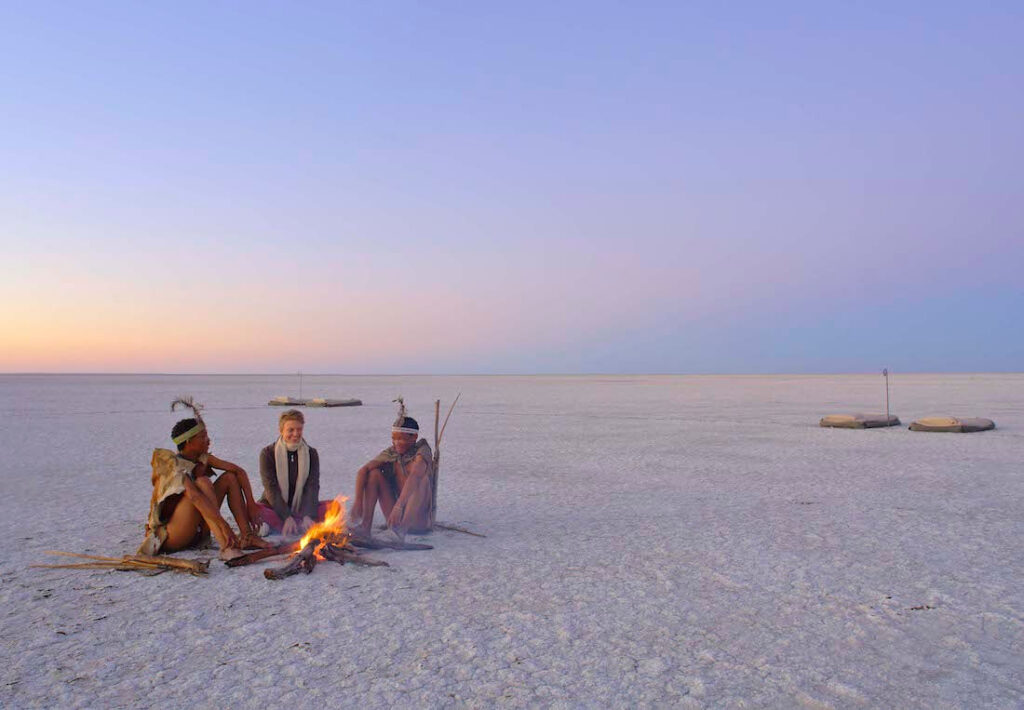
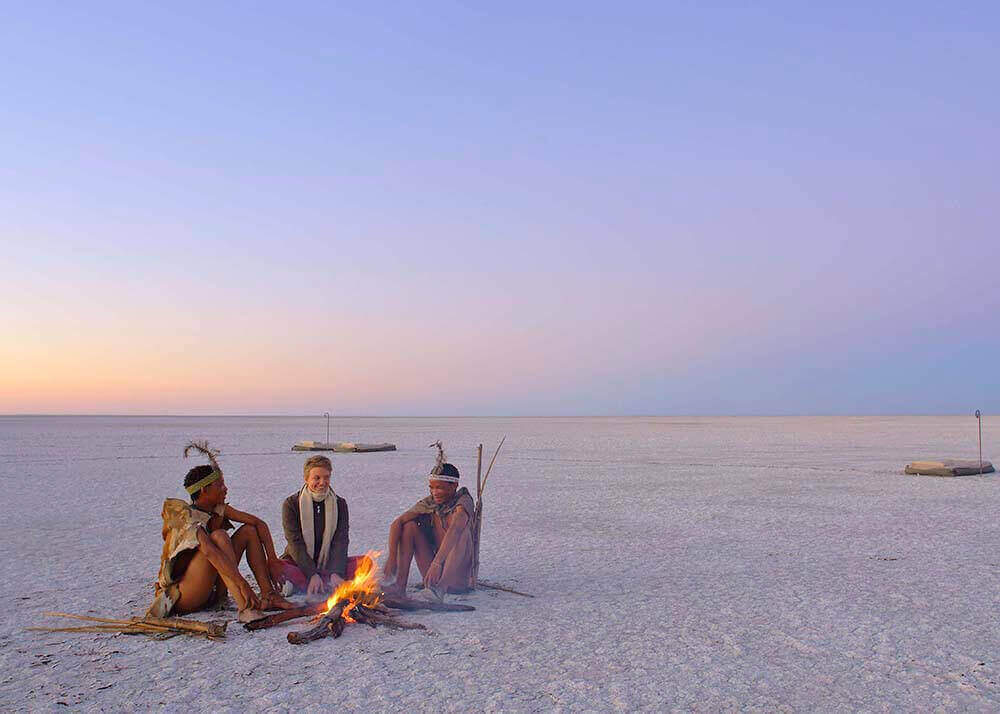
In the middle of the northern Kalahari, lies a complex of huge, flat salt pans. They are a collection of huge salt pans that make up the northern reaches of the Kalahari Desert. They are some of the largest salt pans on the planet and one of the last remaining homes of the San Bushmen. The most famous pans are the Makgadikgadi, consisting primarily of the vast Sua and Ntwetwe pans.
In the middle of the northern Kalahari, lies a complex of huge, flat salt pans. They are a collection of huge salt pans that make up the northern reaches of the Kalahari Desert. They are some of the largest salt pans on the planet and one of the last remaining homes of the San Bushmen. The most famous pans are the Makgadikgadi, consisting primarily of the vast Sua and Ntwetwe pans.
Makgadikgadi is a truly unique destination that can be visited at any time of year, with guests exploring the unique lunar landscape and spending time with the San Bushmen.
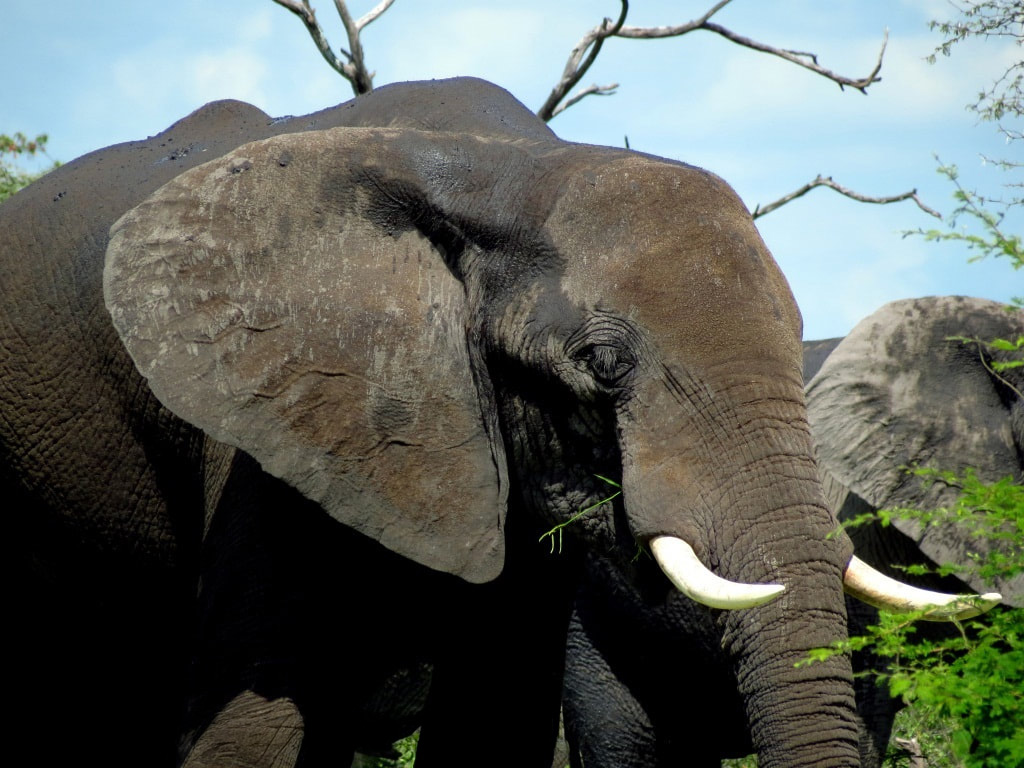
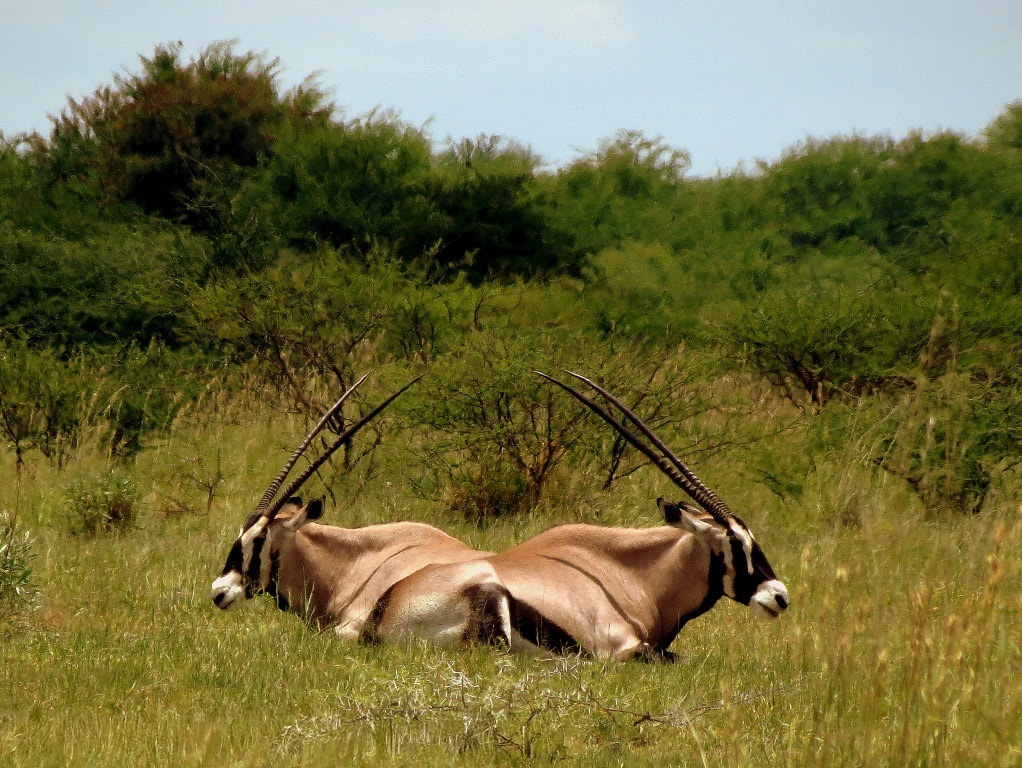
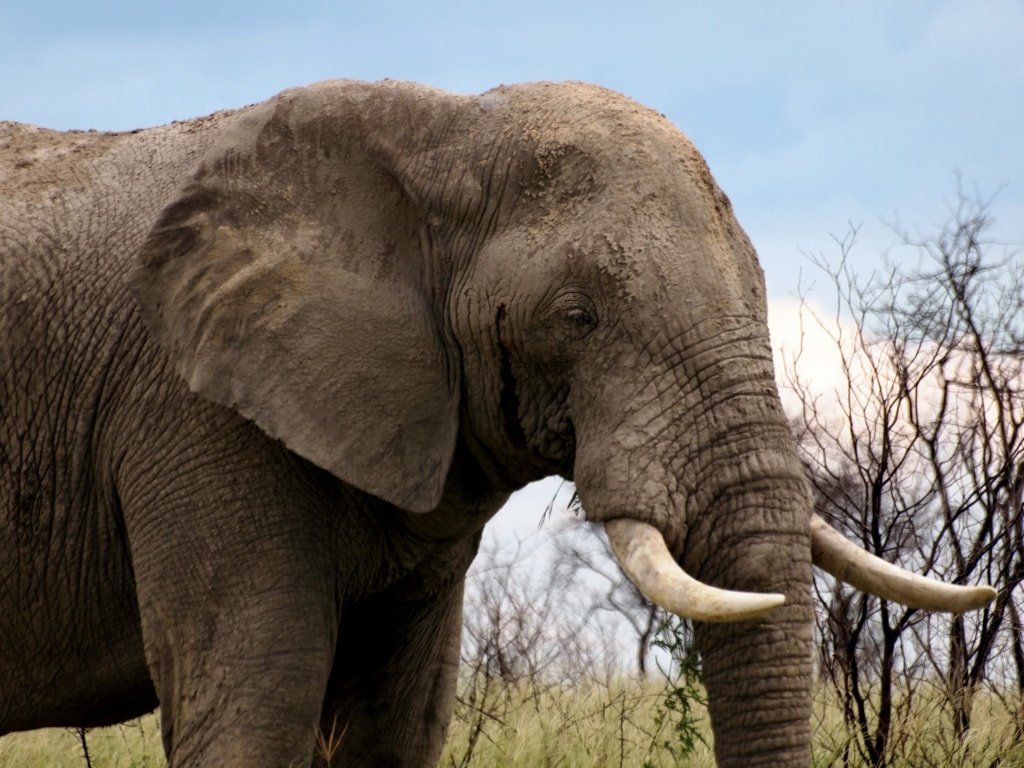
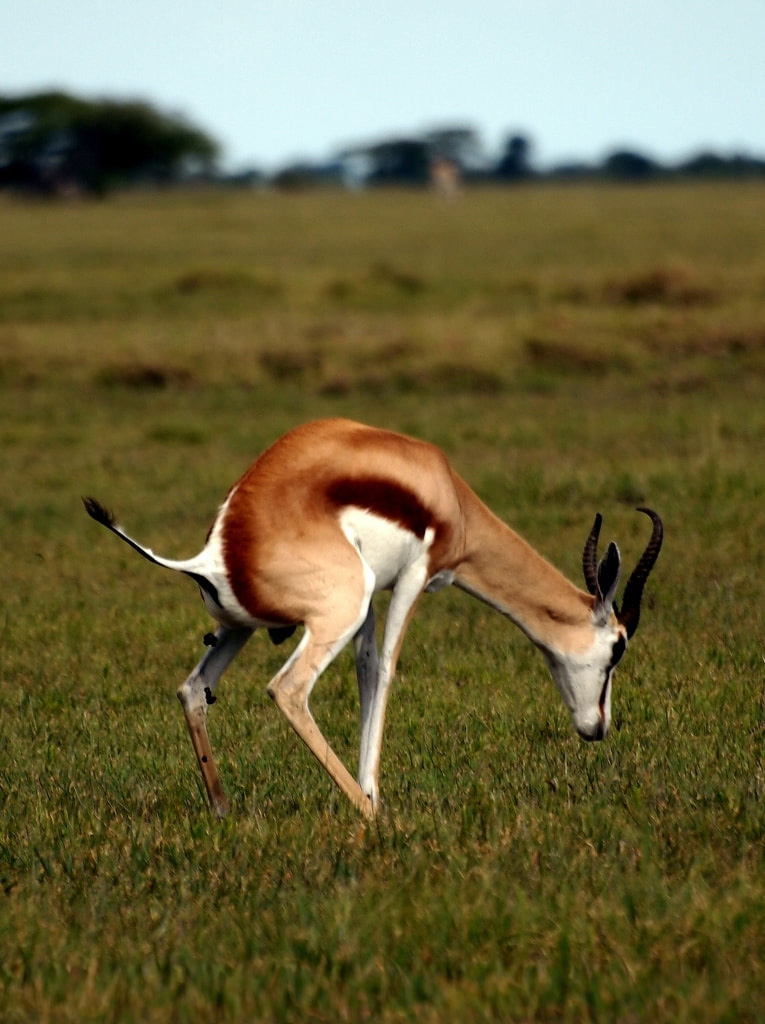
Once the rains have started, gemsbok, elephant and zebra migrate to the area from Chobe. At that time, zebra are present in thousands and drop their young at Nxai Pan, rivalling the spectacle of the multitude of young springbok, to further enhance game-viewing opportunities.
Sowa pan and the western Ntwetwe are important breeding sites for both greater and lesser flamingos who migrate here from Etosha in neighbouring Namibia and as far as East Africa. Brine shrimps, worms and tiny crustaceans provide food for greater while lesser flamingos feed on algae.
Walk with San Bushmen and learn ancient survival skills passed through generations
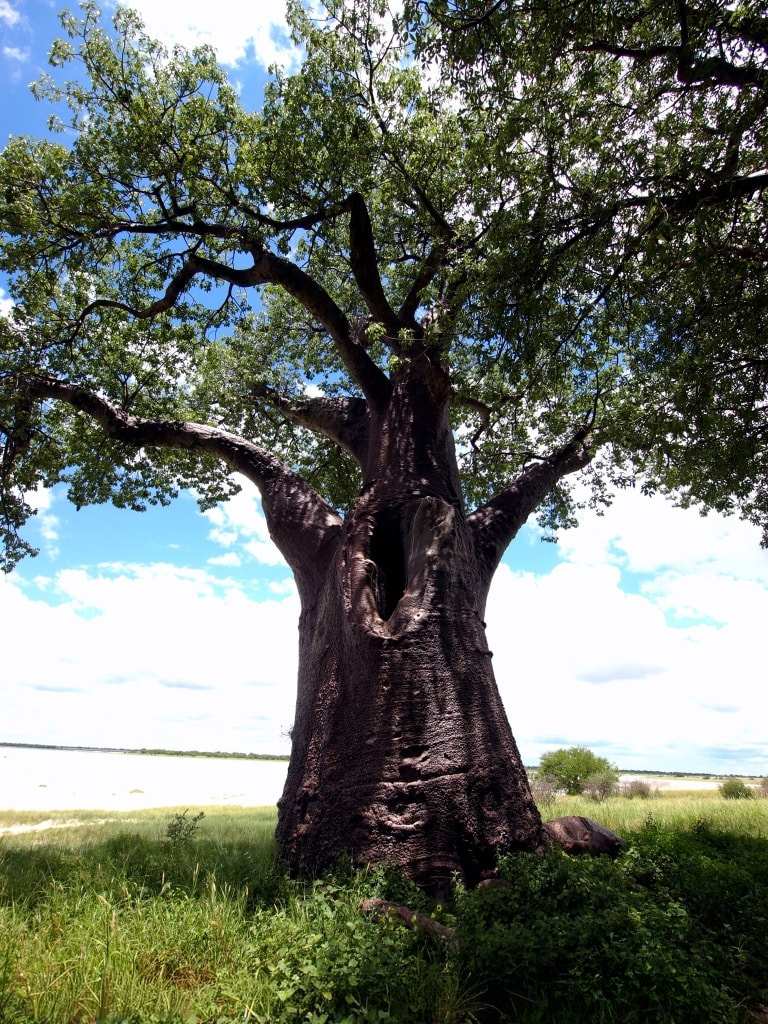
Visit Baines’ Baobabs, a timeless backdrop for stunning photography.
Once the rains have started, gemsbok, elephant and zebra migrate to the area from Chobe. At that time, zebra are present in thousands and drop their young at Nxai Pan, rivalling the spectacle of the multitude of young springbok, to further enhance game-viewing opportunities.
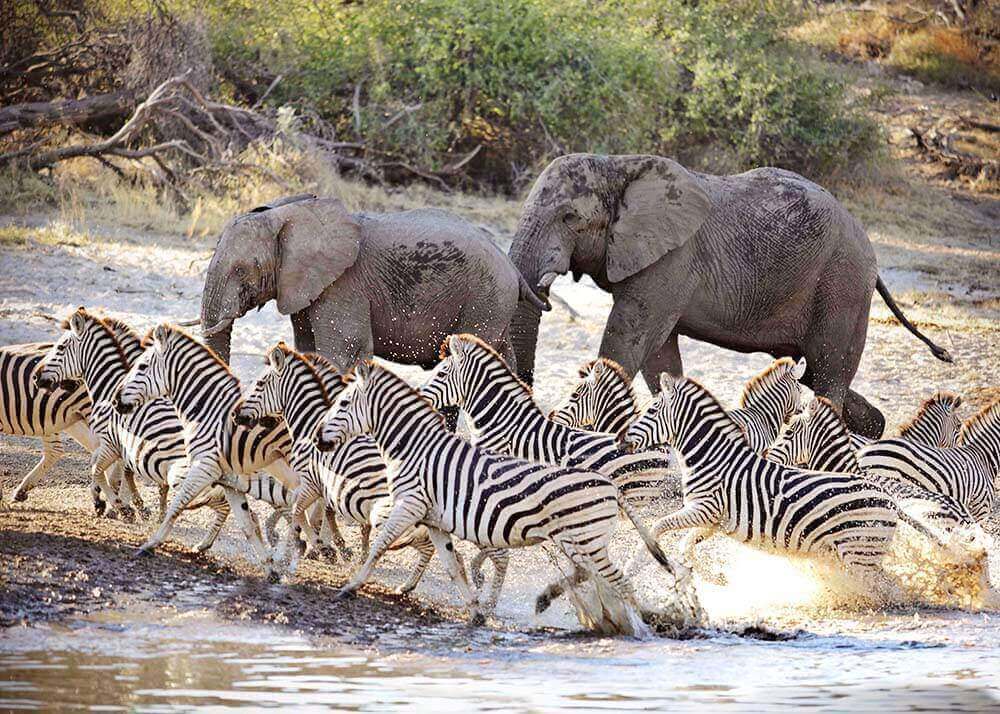
Zebra follow the rain, and a well-timed journey follows the zebra.
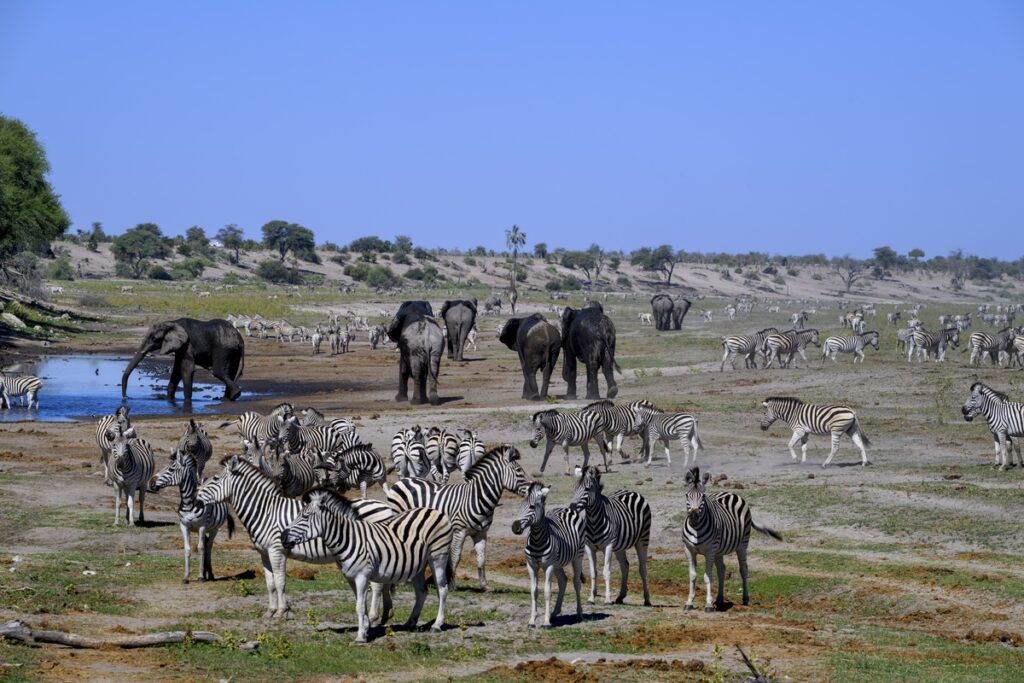
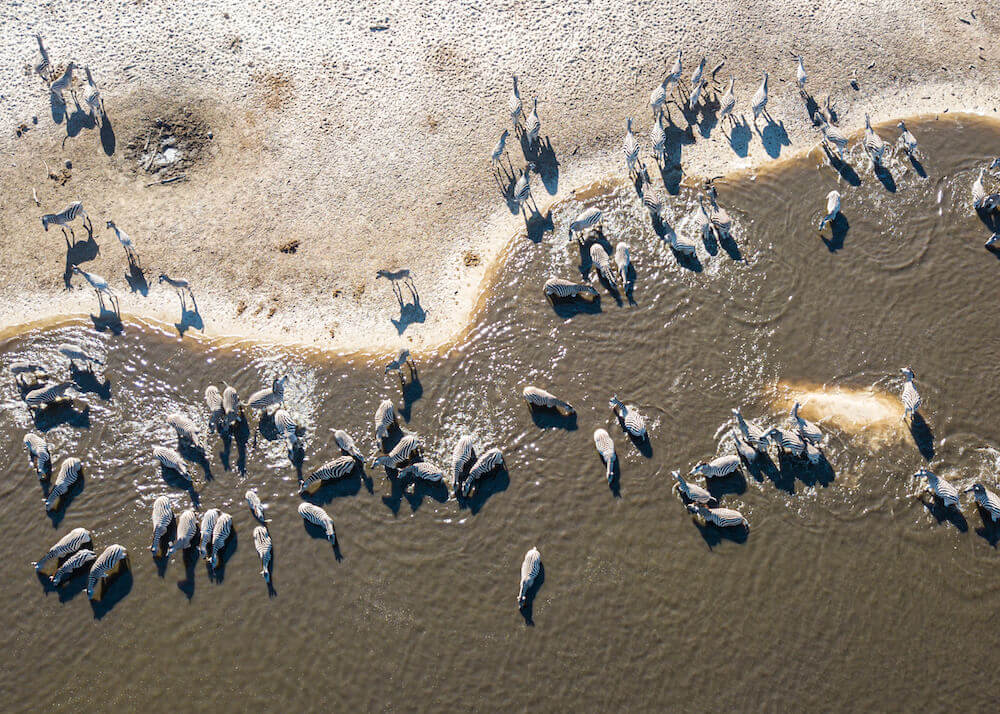
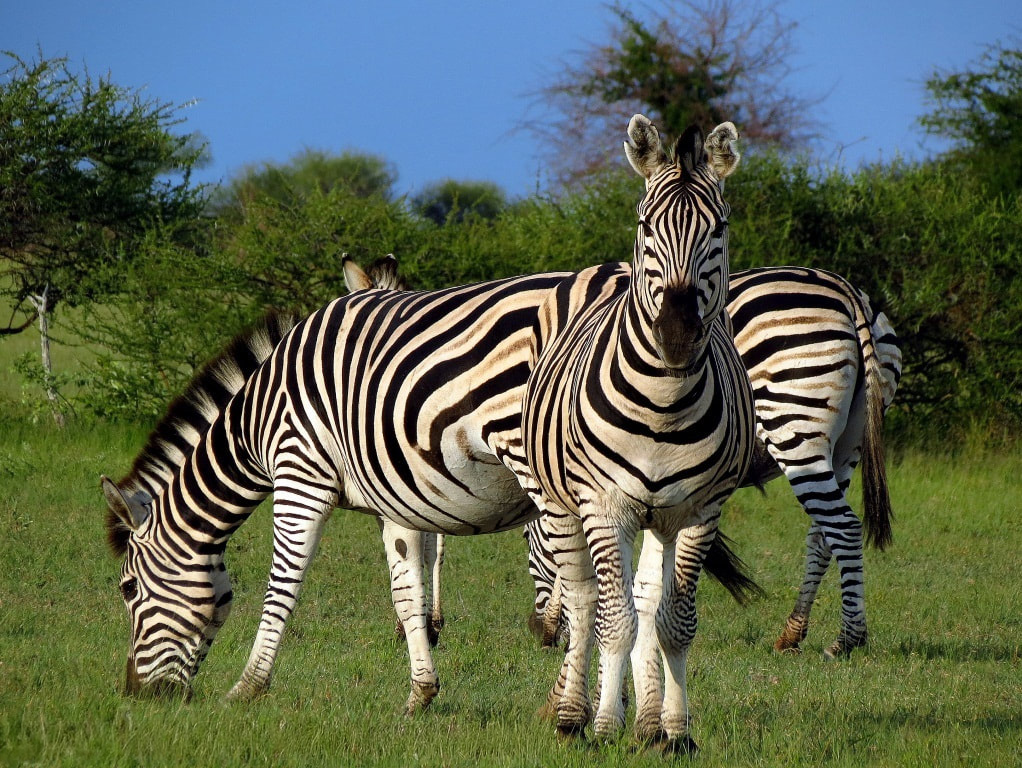
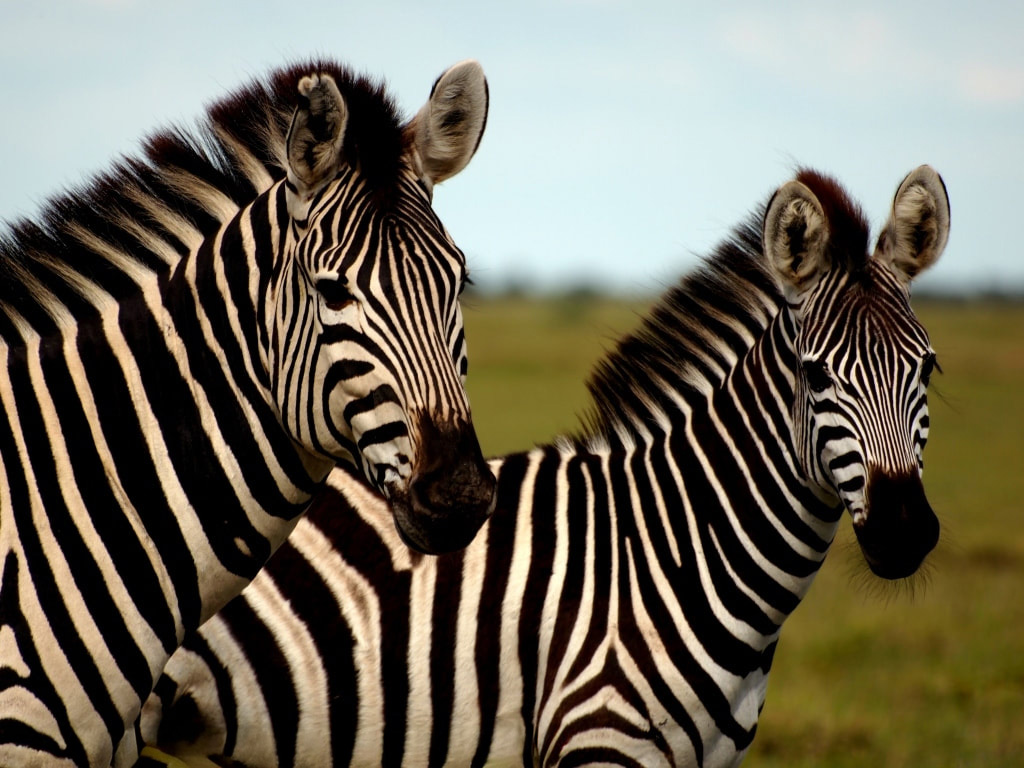
Each year, tens of thousands of zebra move between the Chobe River in the north and the Makgadikgadi and Nxai Pans in the south, covering up to 500 kilometres on the round trip. The movement is set by seasonal rain rather than a fixed calendar date, so the herds go wherever water and fresh grazing are found, and the timing shifts from year to year.
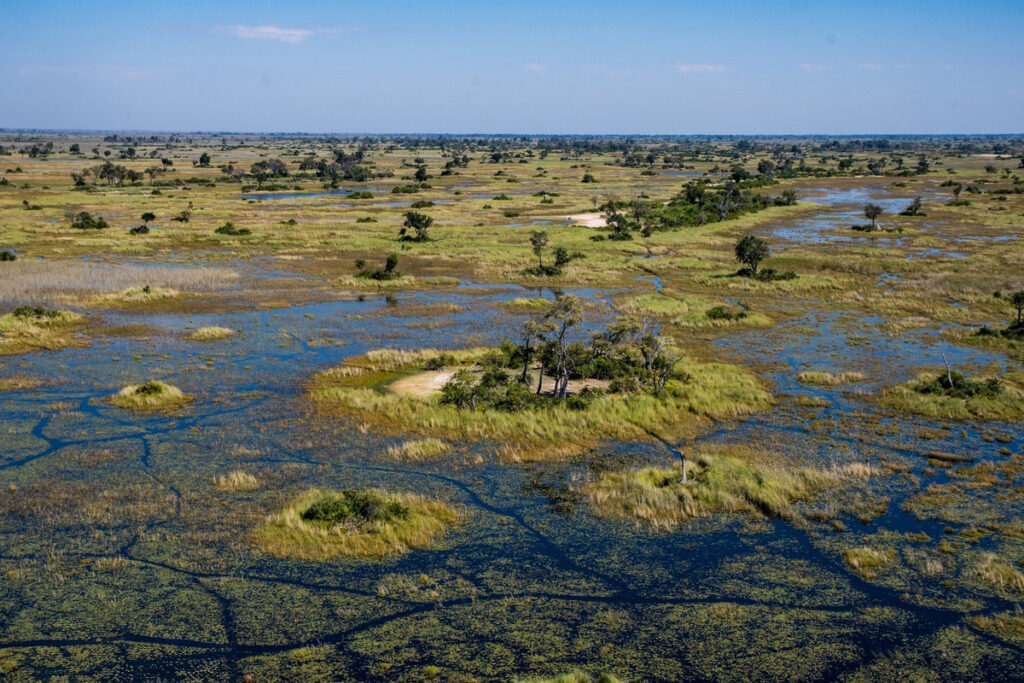
From November, the first rains turn the dry savannah into fresh grazing. Herds of zebra and wildebeest gather to feed on the new grass, followed closely by lions, cheetahs and hyenas. By April, as the grass is grazed down, the herds turn back towards the Okavango Delta, which is by then beginning to flood with water carried down from the Angolan highlands. Travellers who want to combine the pans with the delta can read more on our Okavango Delta page.
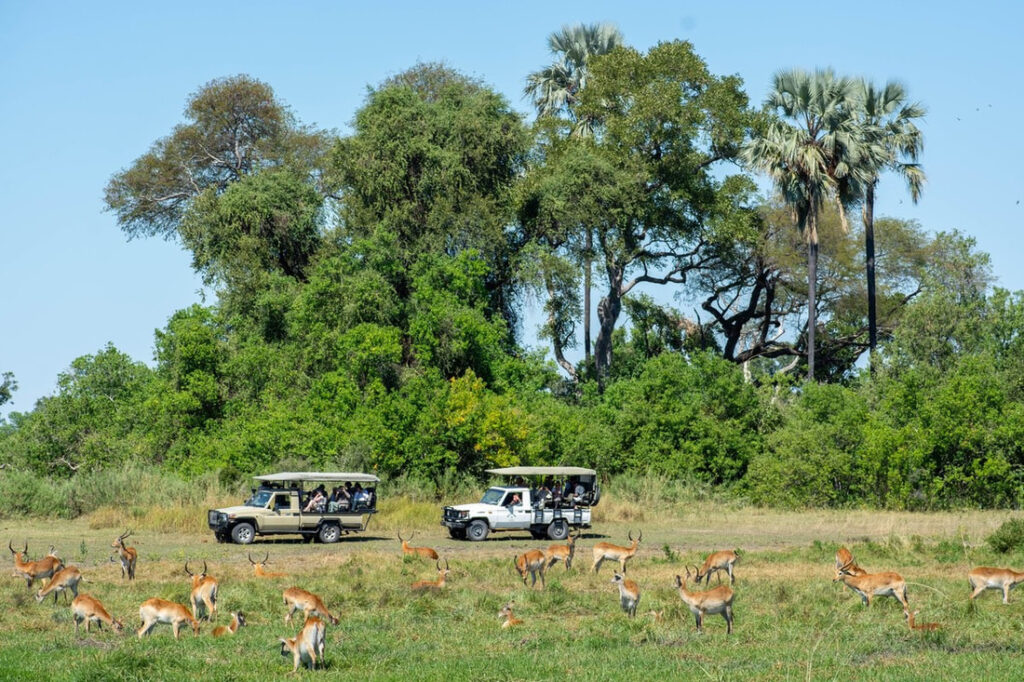
Makgadikgadi Pans National Park is where both zebra migrations can be seen: the wet season movement onto the pans and the dry season concentration of zebra along the Boteti River. The migration remains remote and lightly visited, so sightings often feel private, and predators attend the herds throughout, which gives regular opportunities to watch lions, cheetahs and hyenas at work. When conditions are right, flamingos also gather on the pans in large numbers.
Botswana’s zebra have followed these routes for centuries. Veterinary cordon fences erected during the twentieth century once blocked their path and caused significant losses, and for a time biologists assumed the long-distance migration had been lost. Research in the 2000s confirmed that the zebra were still attempting the journey, and a section of fencing was removed, which reopened the corridor and allowed the migration to recover.
One region, three settings, each at its best in a different season.
The region is made up of three areas, and a well-planned safari usually combines more than one so that the open pans, the river and the permanent water at Nxai Pan are all covered.
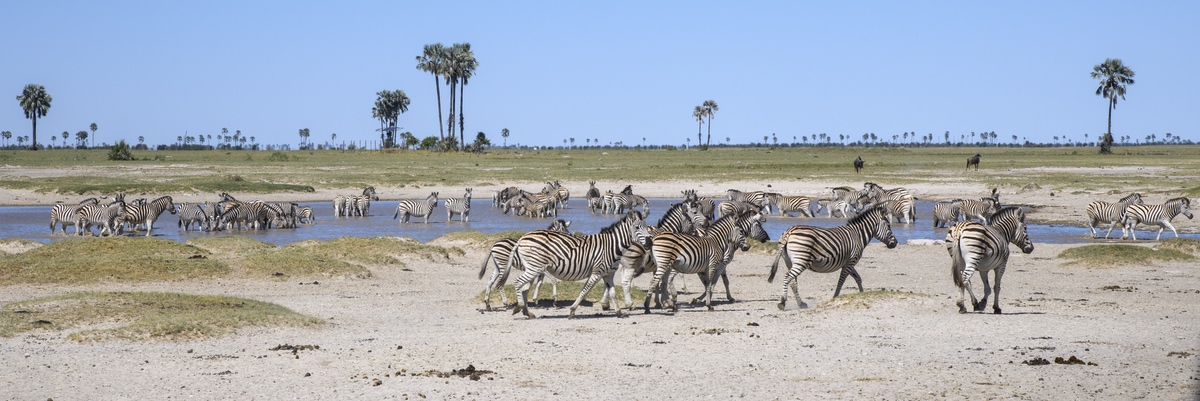
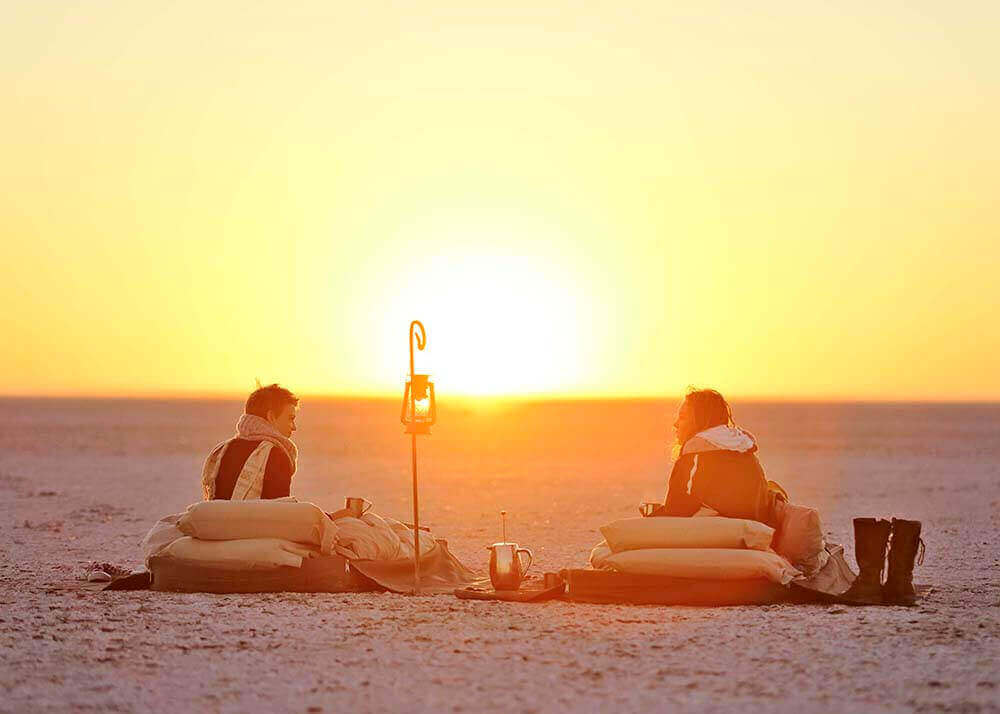
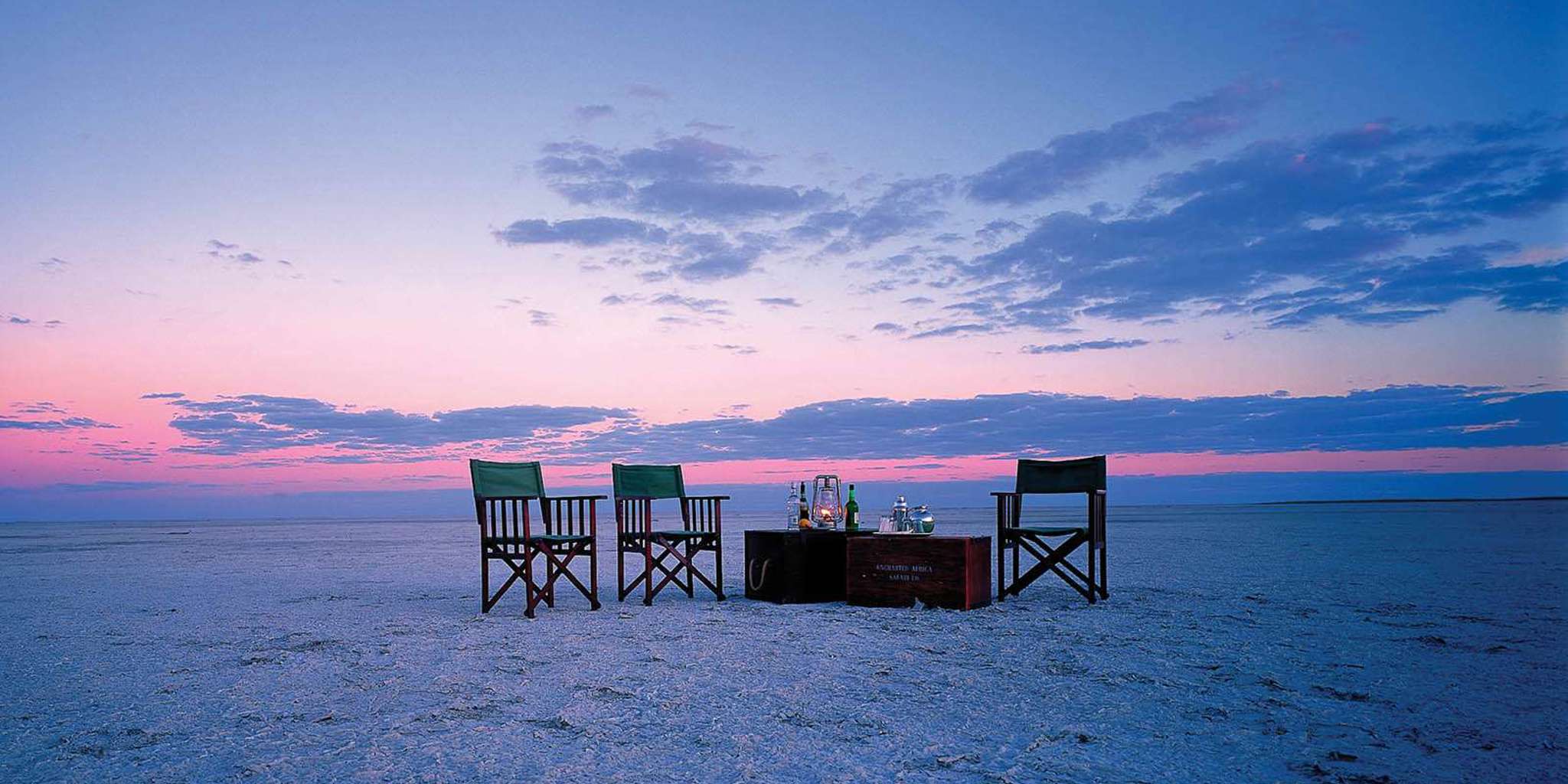
The Sua and Ntwetwe pans are the open horizons the region is known for. When the rains have been good, the pans flood between around January and March, the grasses come to life, flamingos arrive to nest, and zebra and wildebeest gather in their thousands. In the dry season, Makgadikgadi Pans National Park offers sleep outs, where guests spend the night under an open sky on the salt flats, which gives a sense of scale that is difficult to find elsewhere.
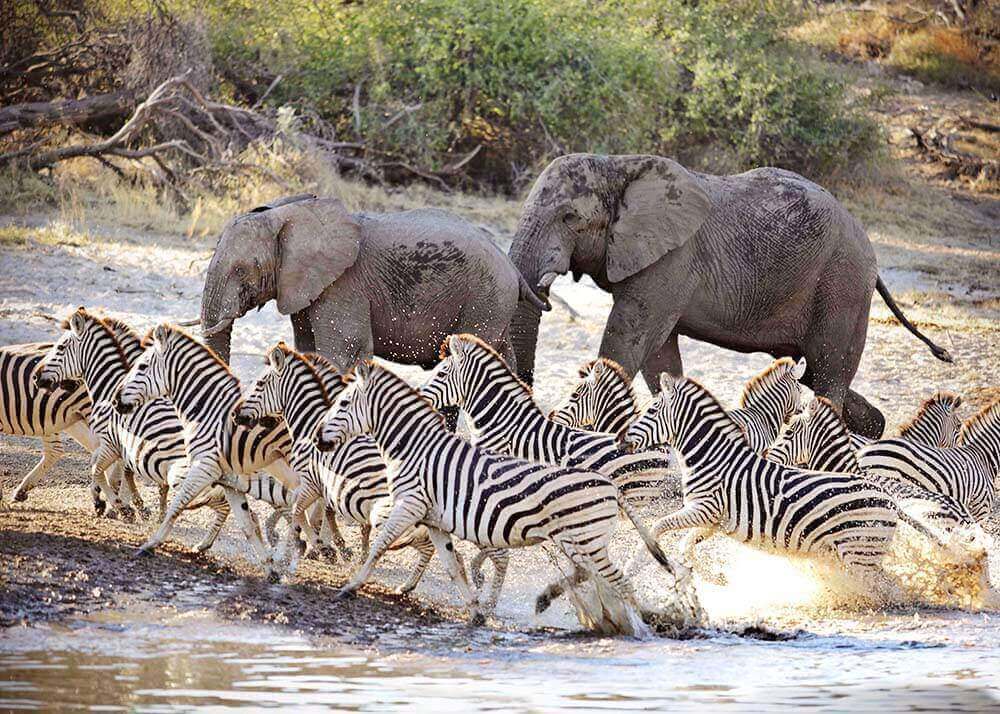
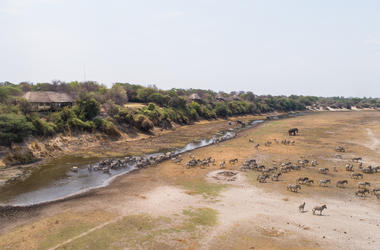
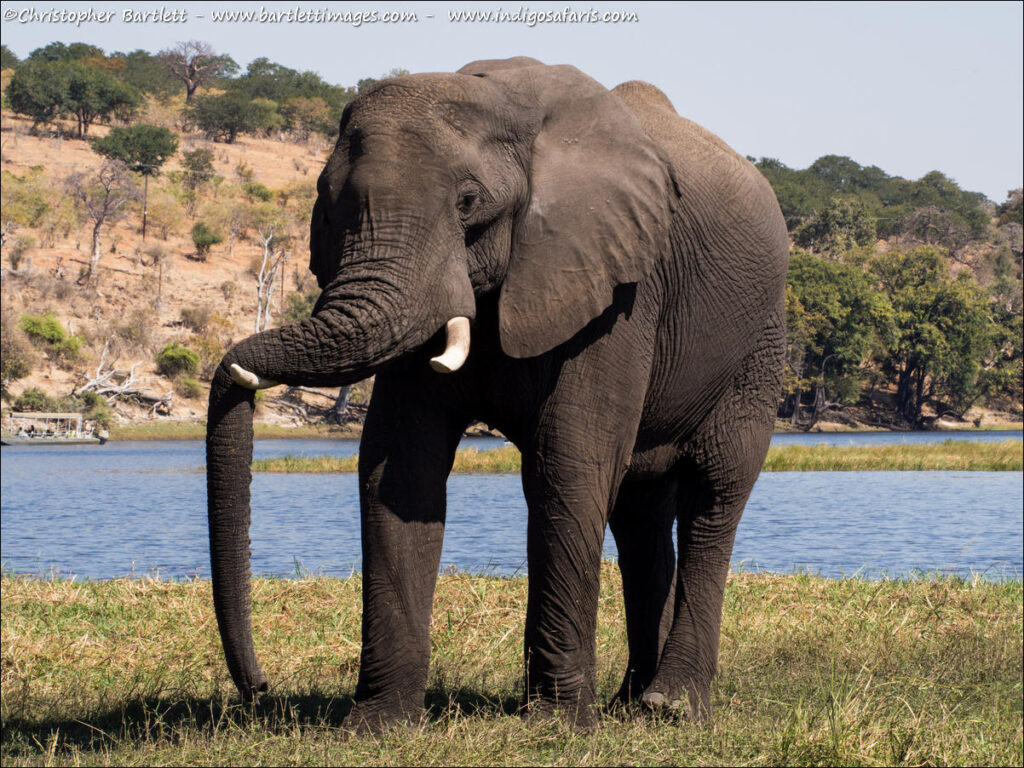
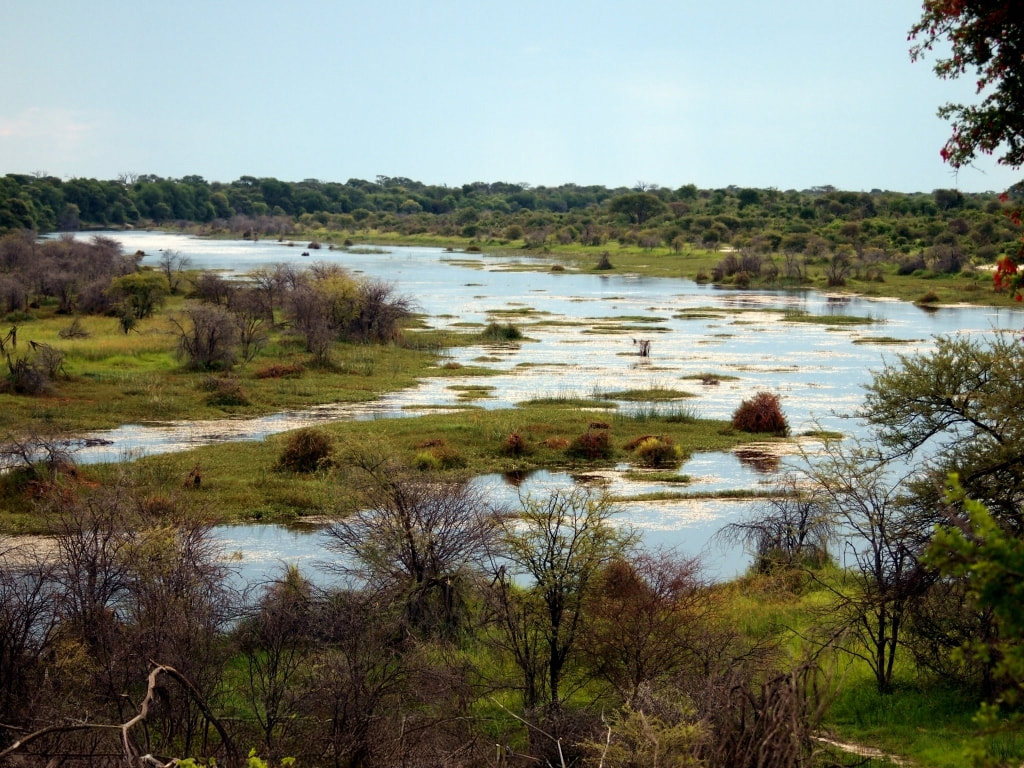
The Boteti River is reliable for game viewing even outside the peak migration months. When the river is in flood, the activities include boating, time in the waterside hide at Meno A Kwena, and riverside game drives. From around August to October the river becomes a lifeline, concentrating zebra, elephant and predators along its banks, which makes for excellent dry season viewing.
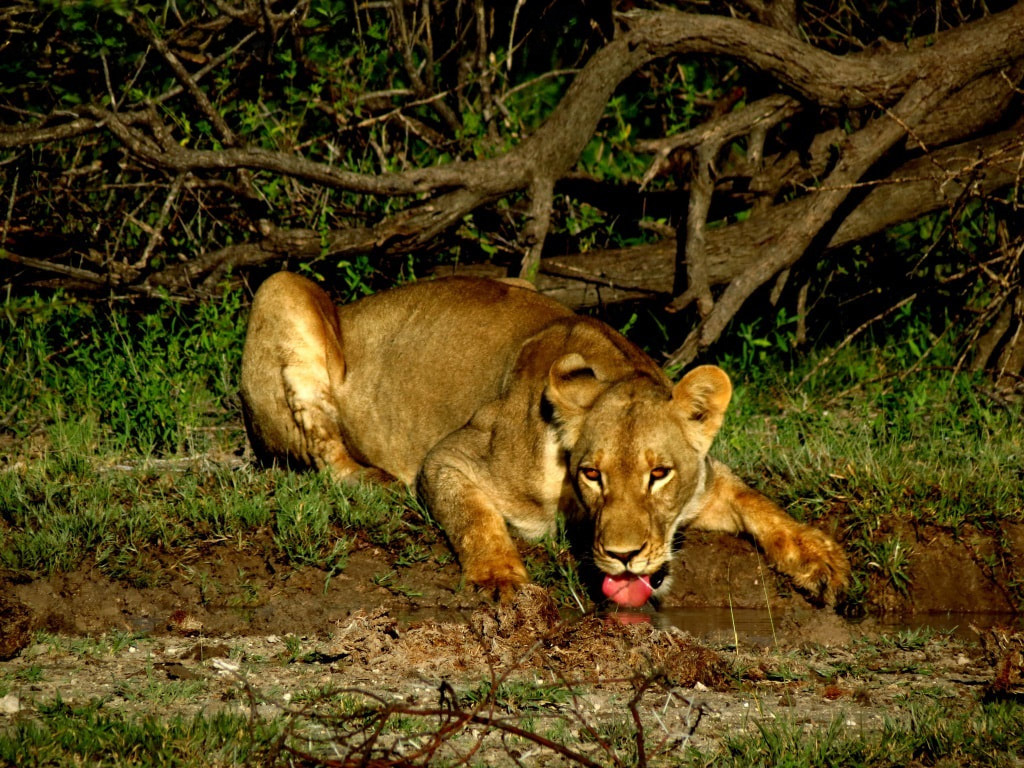
Nxai Pan has a permanent waterhole that draws a large amount of game in the dry season, and it is especially good for lions. In the wet season, Nxai Pan is a focus of the migration, and wildebeest and zebra calve and foal here from January to March, with lions following the herds. The pan itself is a wide, open grassland, and Baines’ Baobabs, a timeless backdrop for photography, stand within the area.
Best Times to Visit Makgadikgadi and Nxai Pans
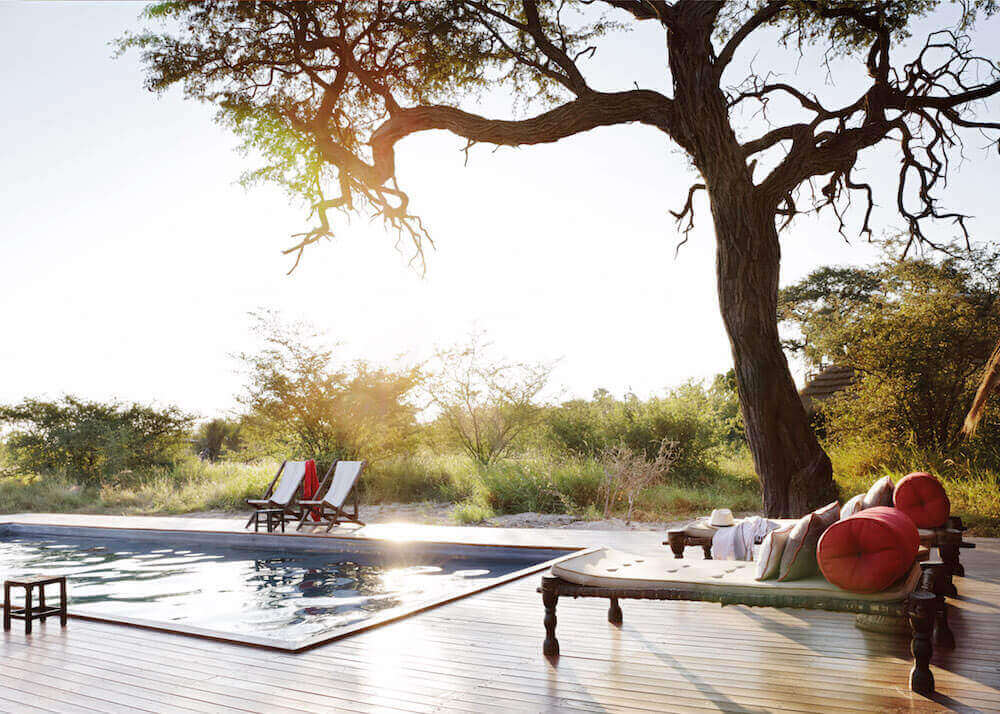
Around January to March, if the rains have been good, the pans flood. When this happens, grasses spring to life, flamingos arrive to nest, and a huge migration of zebra and wildebeest arrives from the Okavango Delta. This is one of Africa's great, unpredictable wildlife spectacles, with around 30,000 mammals making the journey. There are three luxury lodges located close to the pans, providing superb isolation, game-viewing in season, and wonderful experiences year-round.
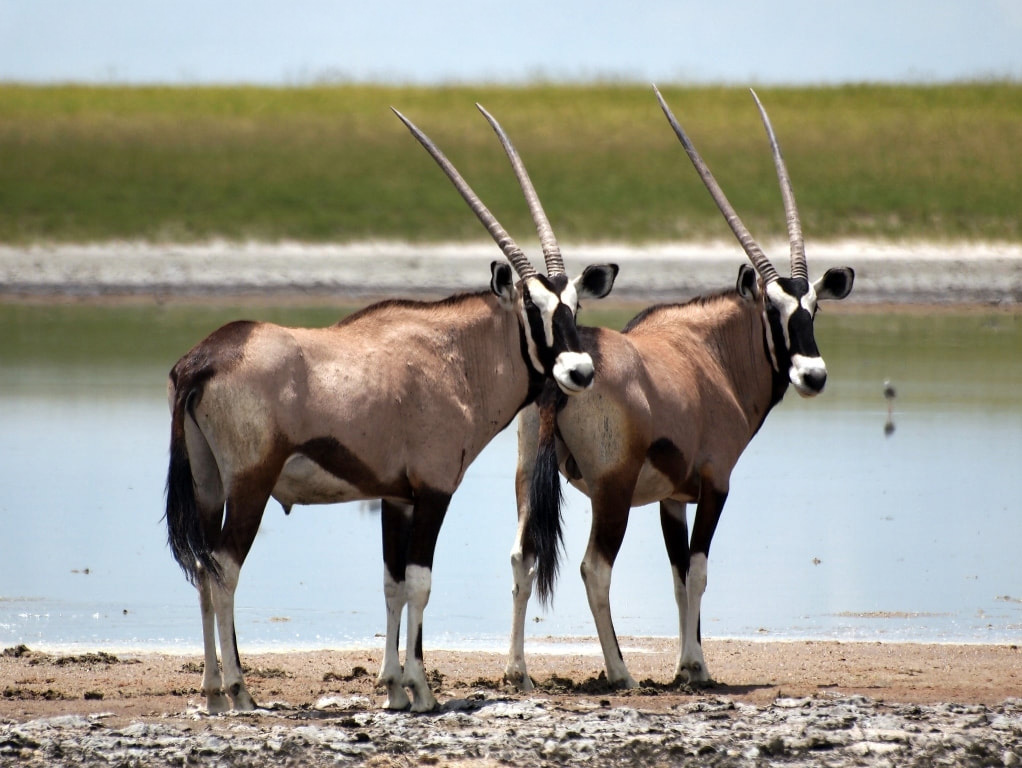
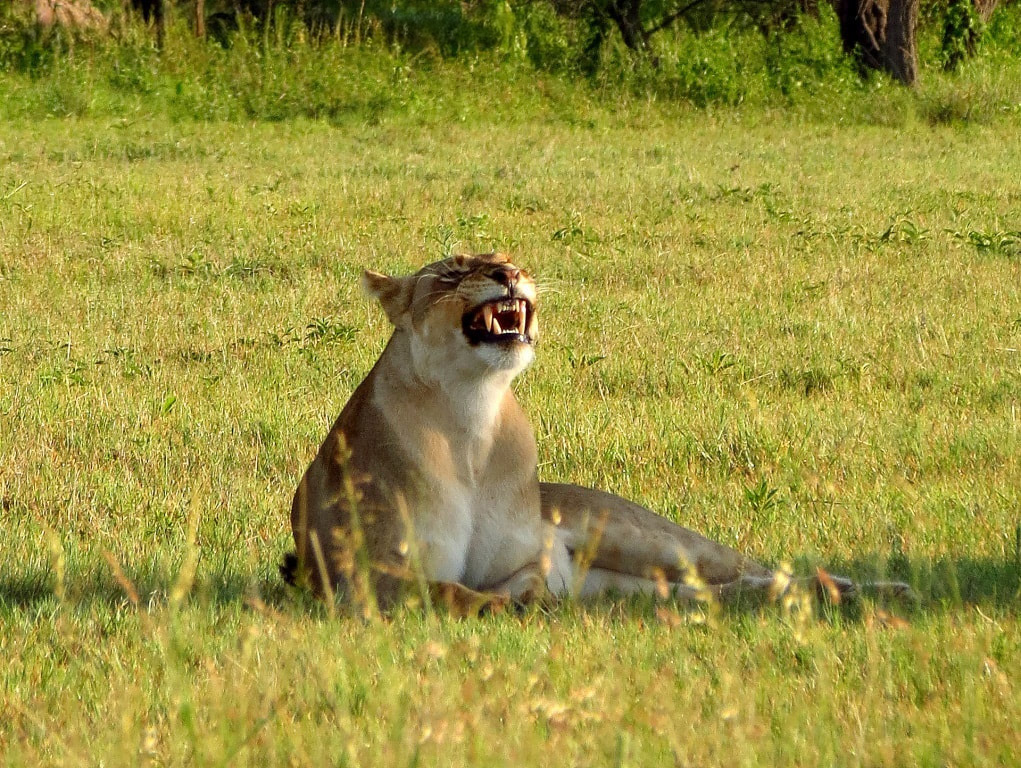
During the dry season there is a good population of springbok, giraffe and gemsbok, though this often increases between around December and April when the rains can turn the park into a veritable salad bowl for herbivores. You'll also find hartebeest here, along with lion, cheetah, and both brown and spotted hyena.
Once the rains have started, gemsbok, elephant and zebra migrate to the area from Chobe. At that time, zebra are present in thousands and drop their young at Nxai Pan, rivalling the spectacle of the multitude of young springbok, to further enhance game-viewing opportunities.
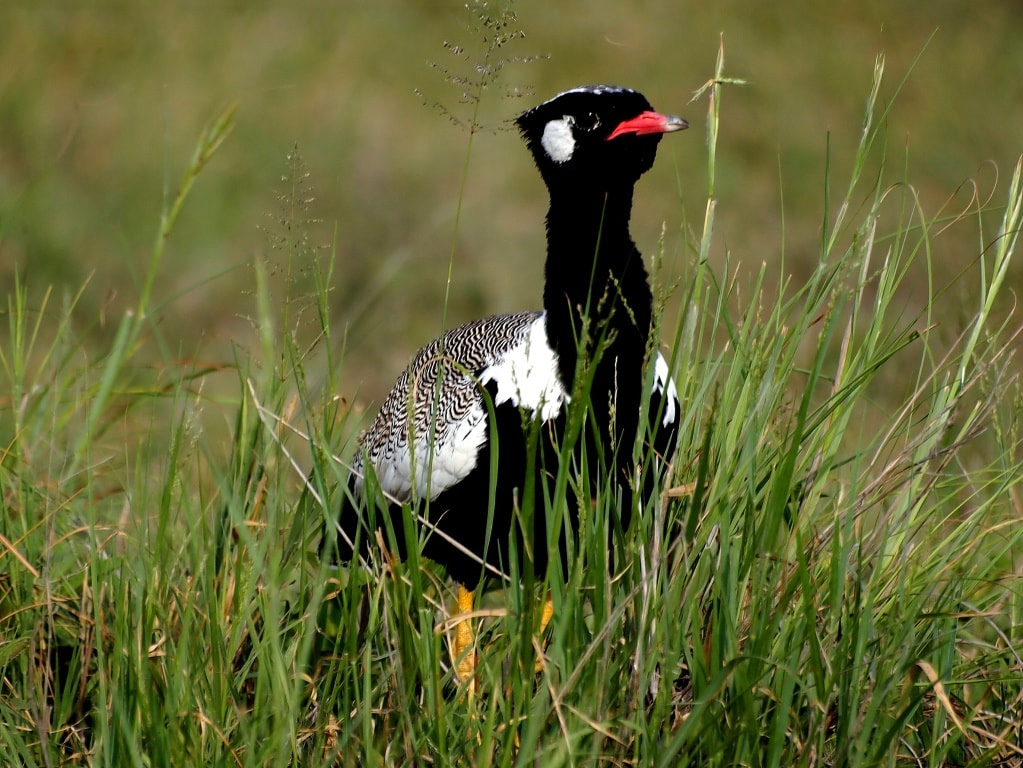
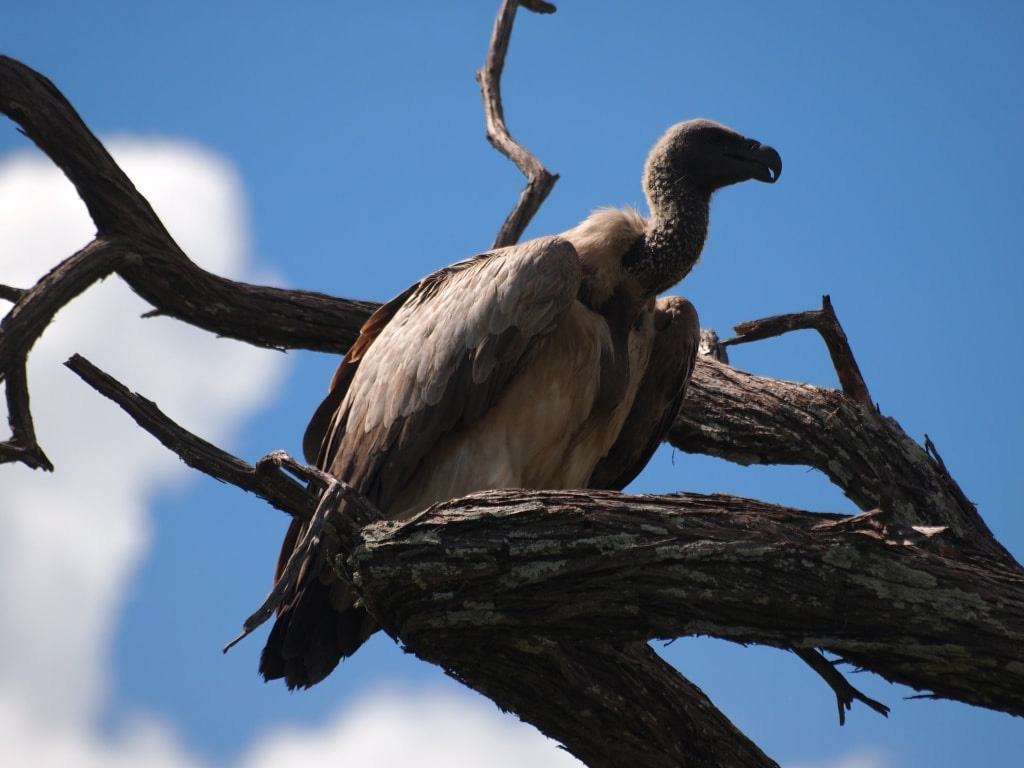
In the dry winter months bustards and korhaans can usually be found in the grass fringes of the pan accompanied by migratory birds including kites, eagles and bee-eaters.
Each year tens of thousands of zebra travel between the Chobe River and the Makgadikgadi and Nxai Pans, a round trip of up to 500 kilometres. It is often described as Africa’s second-largest land migration, and it follows seasonal rain rather than a fixed date.
December to March is the peak phase on the Makgadikgadi Pans. Herds begin the return journey towards the Okavango Delta and Moremi in April and May, and from August to October the Boteti River concentrates zebra, elephant and predators along its banks.
No. The herds respond to rainfall rather than a calendar, so the timing varies from year to year. Travelling within the broad seasonal windows gives the best odds, and an experienced Safari Specialist can adjust timing based on the most recent rainfall reports.
Nxai Pan has a permanent waterhole that draws a large amount of game in the dry season and is especially good for lions. In the wet season it is a focus of the migration, with wildebeest and zebra calving and foaling from January to March.
When the river is in flood, activities include boating, time in the waterside hide at Meno A Kwena, and riverside game drives. In the dry season the river draws zebra, elephant and predators to its banks.
Yes. Makgadikgadi Pans National Park offers sleep outs in the dry season, when guests spend the night under an open sky on the salt flats.
Most travellers find that three to four nights in the region gives a fair chance of good sightings, with a spare day or two in case the herds have moved further than expected. A common plan is two days camping on the fringes of the pans followed by two days on the Boteti River, with an extension to the Okavango Delta or Chobe National Park.
Yes, particularly when paired with a few nights in the Okavango Delta or Chobe National Park for more classic game viewing, since the Makgadikgadi adds contrast rather than replacing the core wildlife experience of a first safari.
Baines’ Baobabs are found at Nxai Pan and are a timeless backdrop for photography.
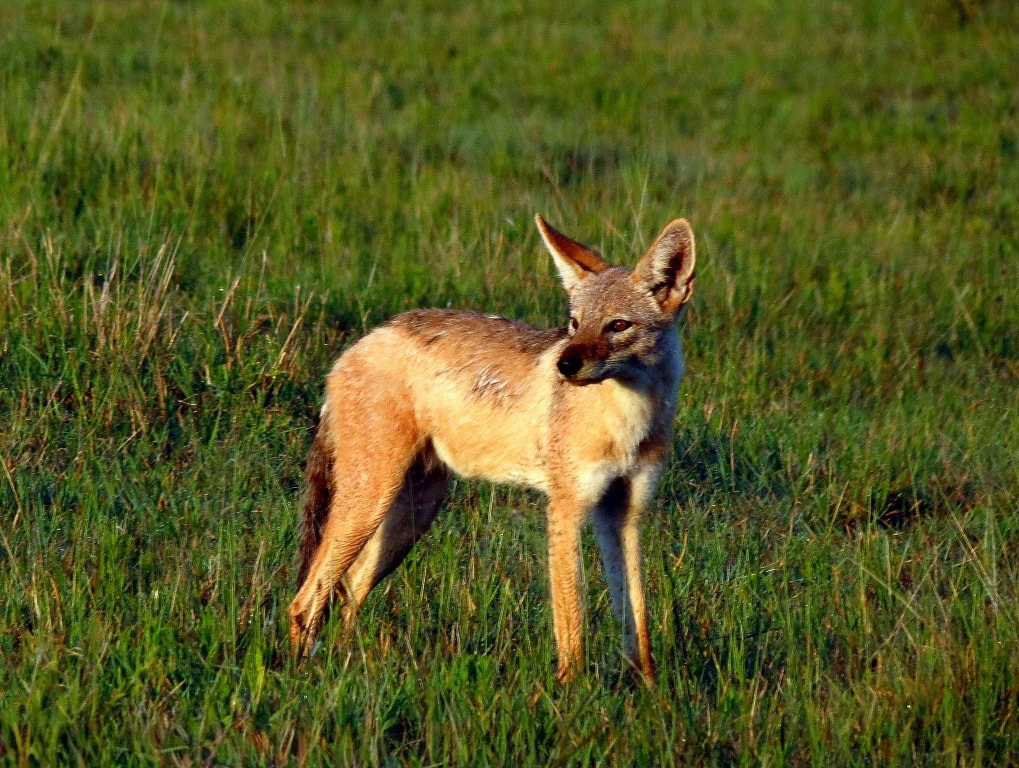
Wildebeest, gemsbok, springbok, giraffe, hartebeest, elephant, lion, cheetah, and both brown and spotted hyena, together with flamingos on the pans when conditions are right. Habituated meerkat colonies are also found in the region.
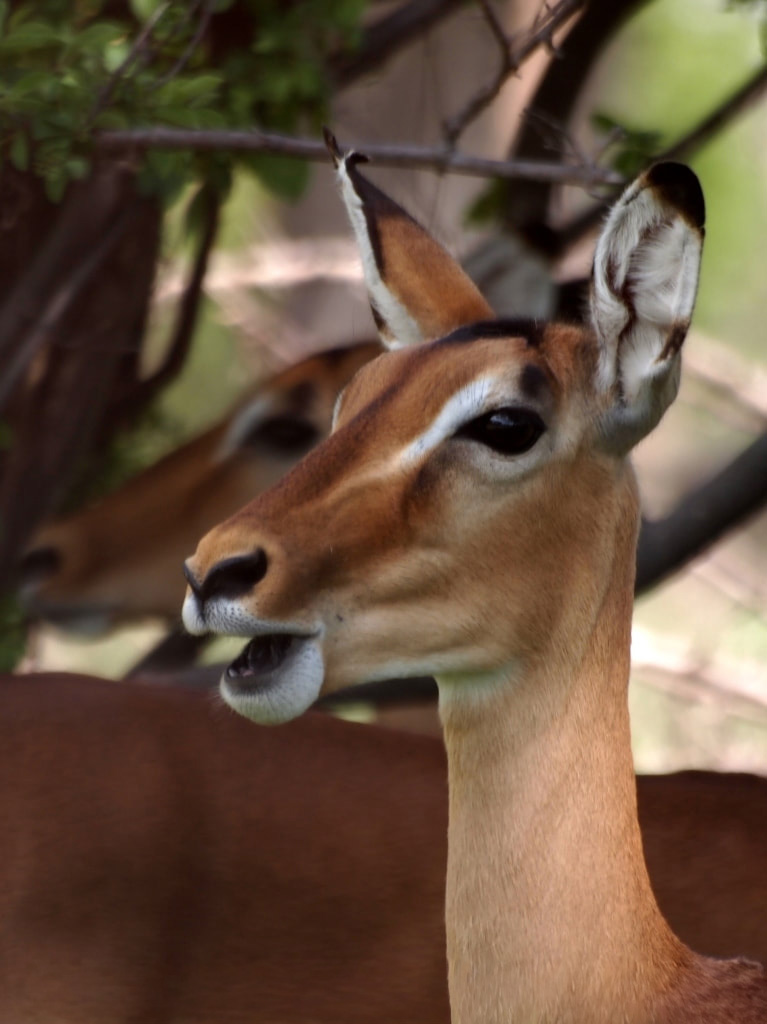
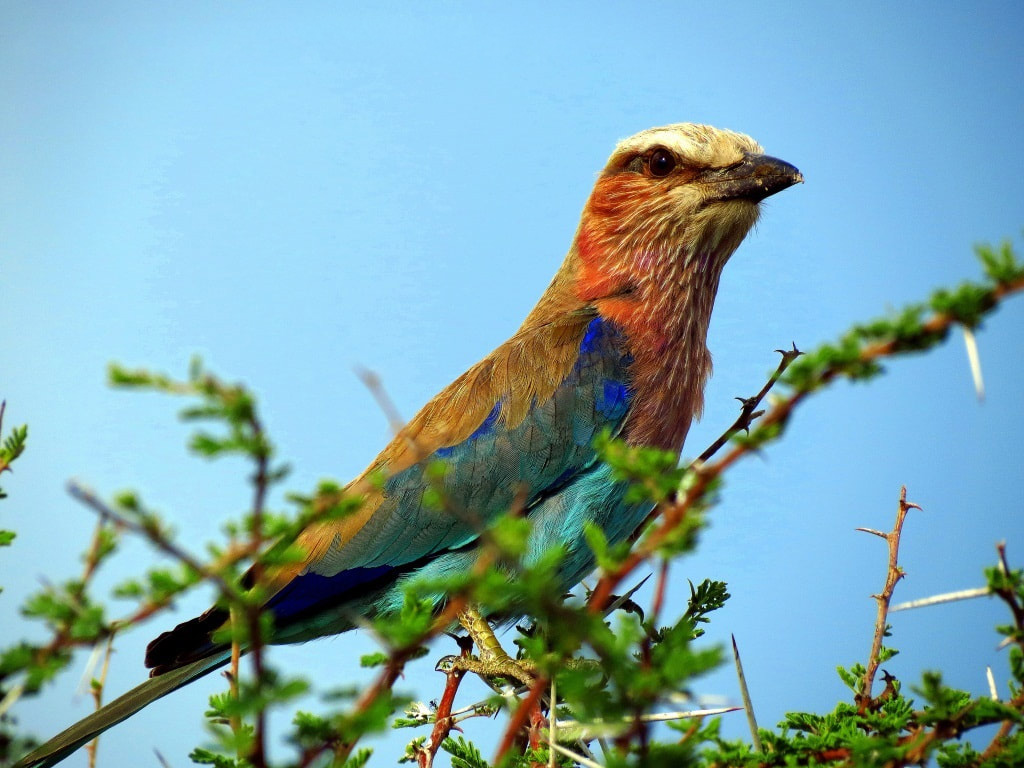
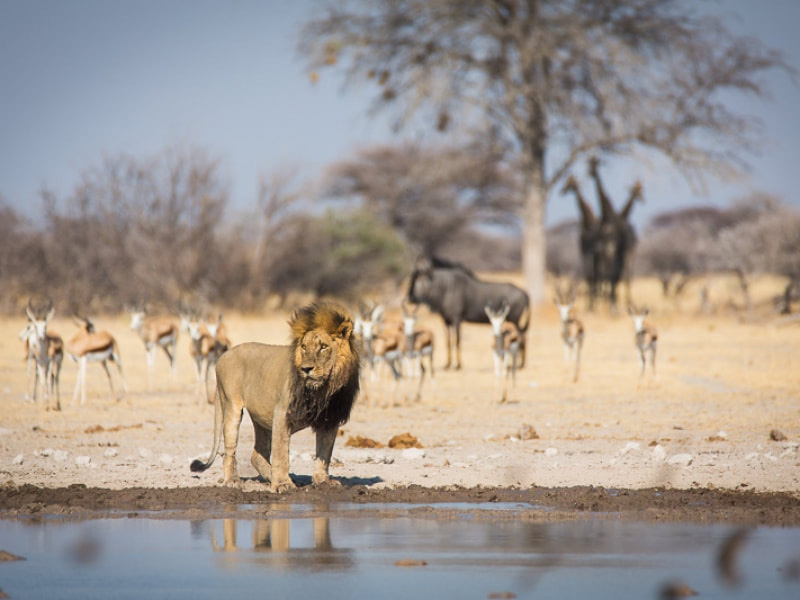
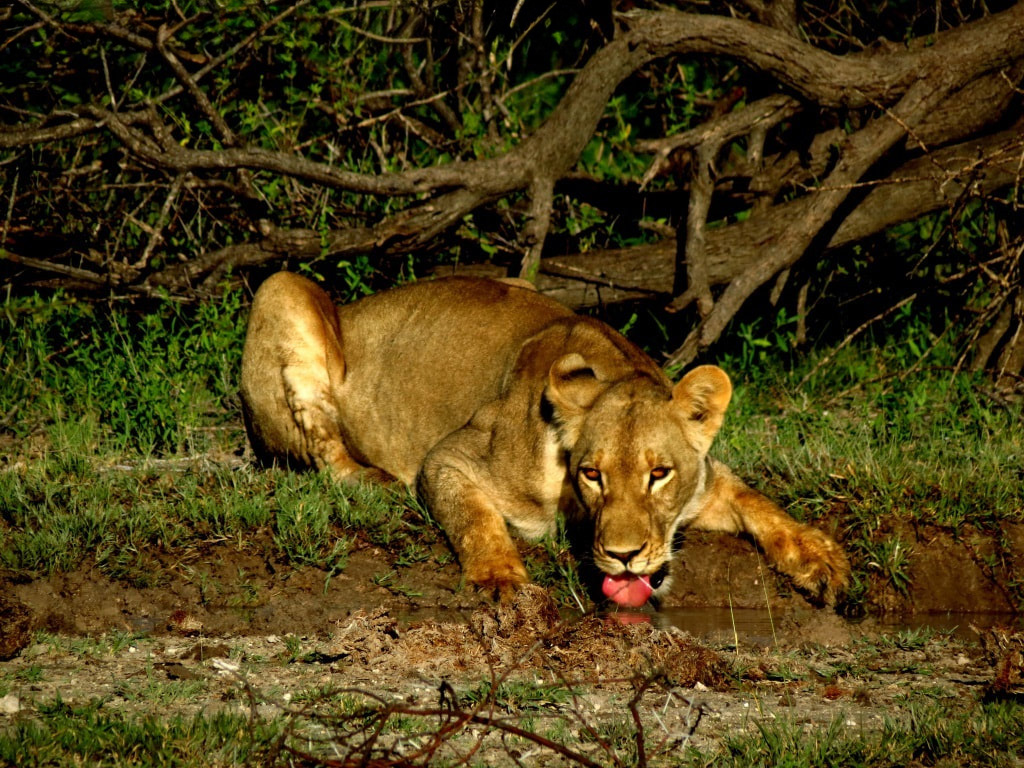
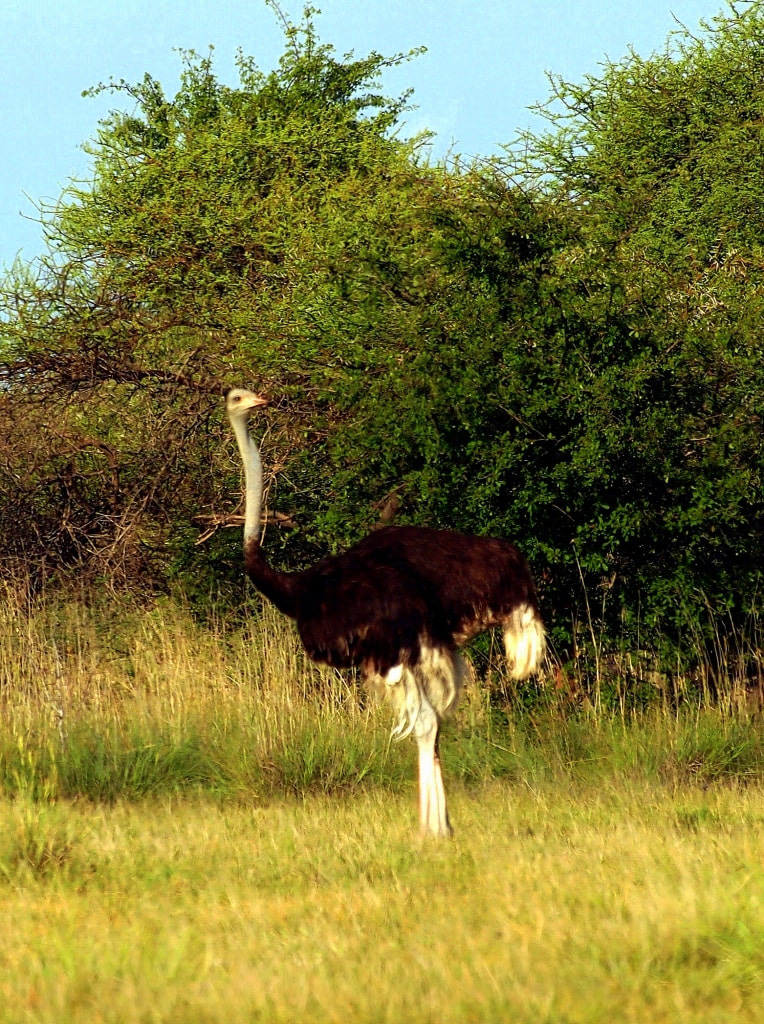
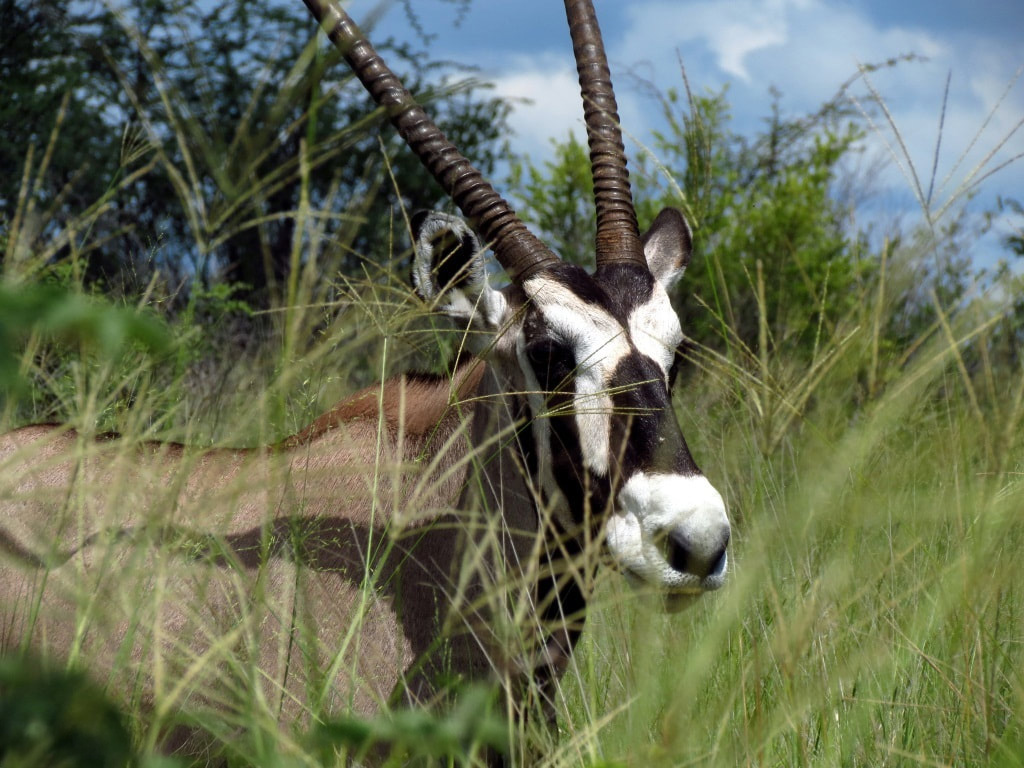
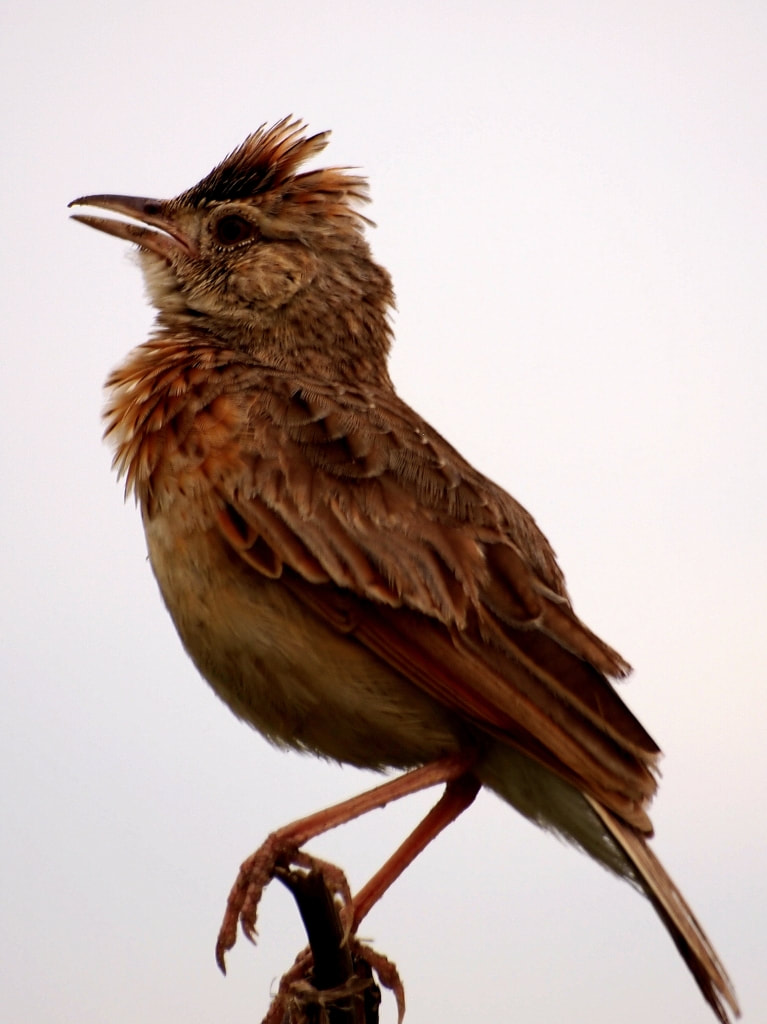
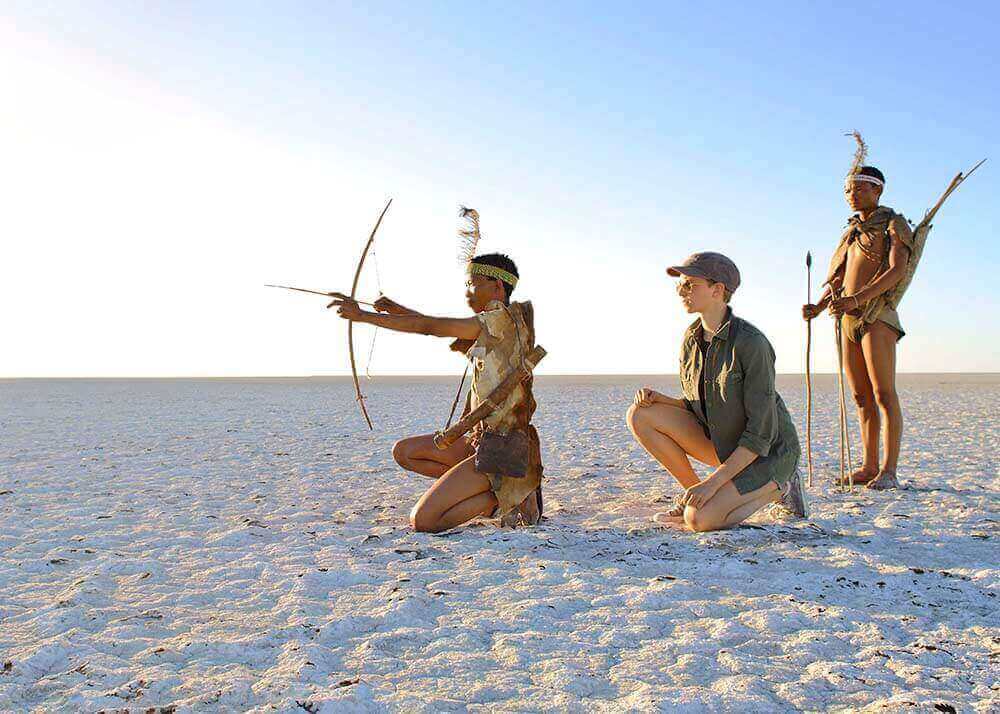
From meerkats at sunrise to zebra herds crossing shimmering plains, Makgadikgadi and Nxai Pans deliver unforgettable safari moments in one of Africa’s most surreal settings. Let Indigo Safaris craft your personalised journey into this desert wonderland.
Read more about Botswana, the Zebra Migration and other destinations and creature features on our blog page.
The Makgadikgadi Zebra Migration: Botswana’s Overlooked Migration