January 18, 2026
Home / All Tours / Africa / South Africa / Greater Kruger /
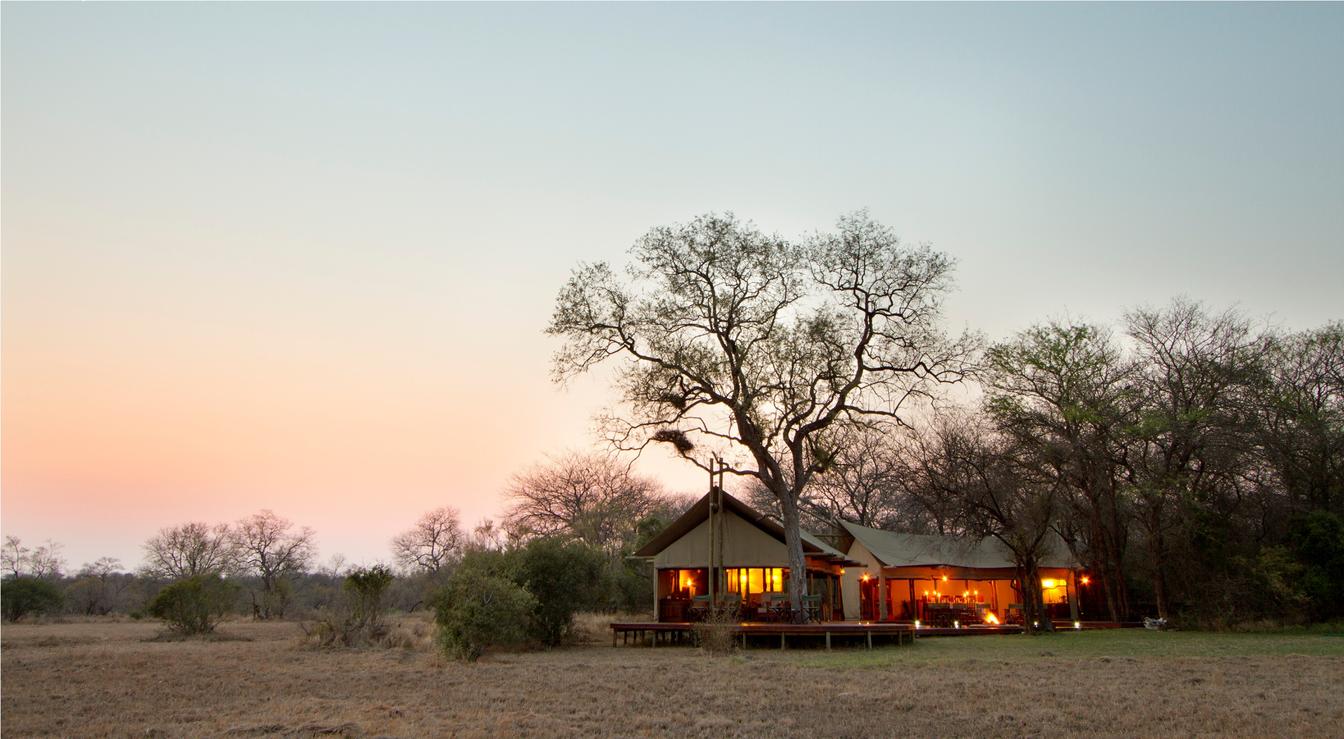
The Kruger National Park is South Africa's biggest and most famous national park, containing more species (145) of large mammals than any other park in Africa. It was originally proclaimed as the Sabi Game Reserve all the way back in 1898 by then president of the South African Republic, Paul Kruger. In 1926, it became South Africa's first national park.
Explore our customized safari tours, crafted to showcase the region's iconic wildlife and breathtaking landscape.
Why Visit Kruger National Park?
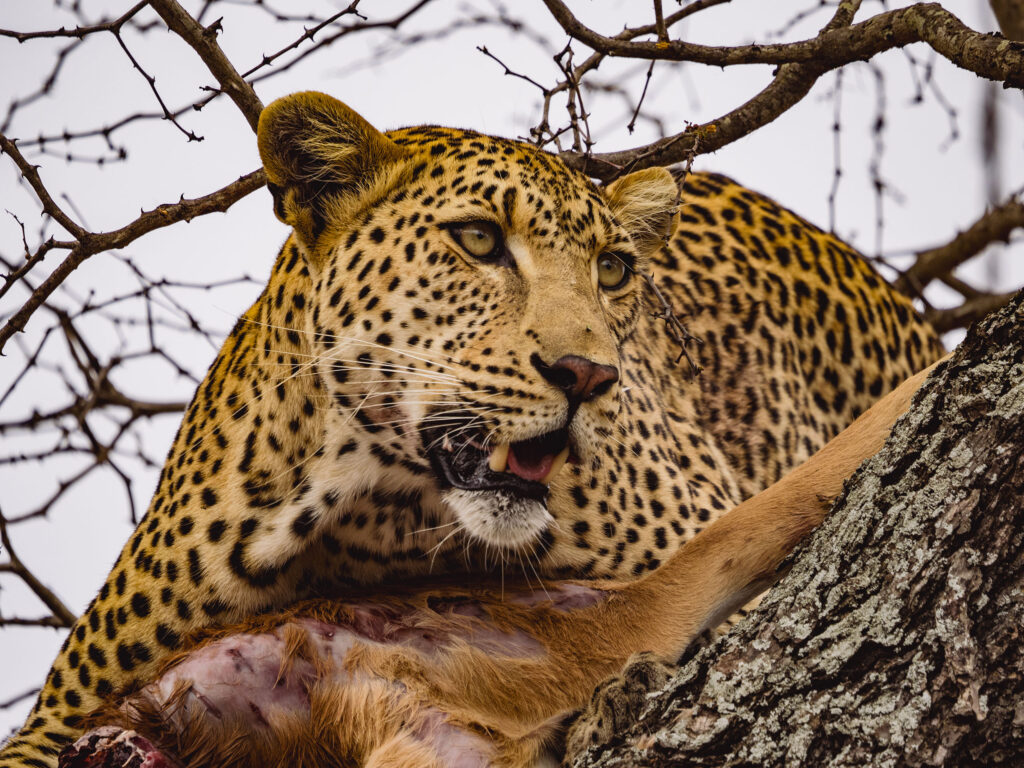
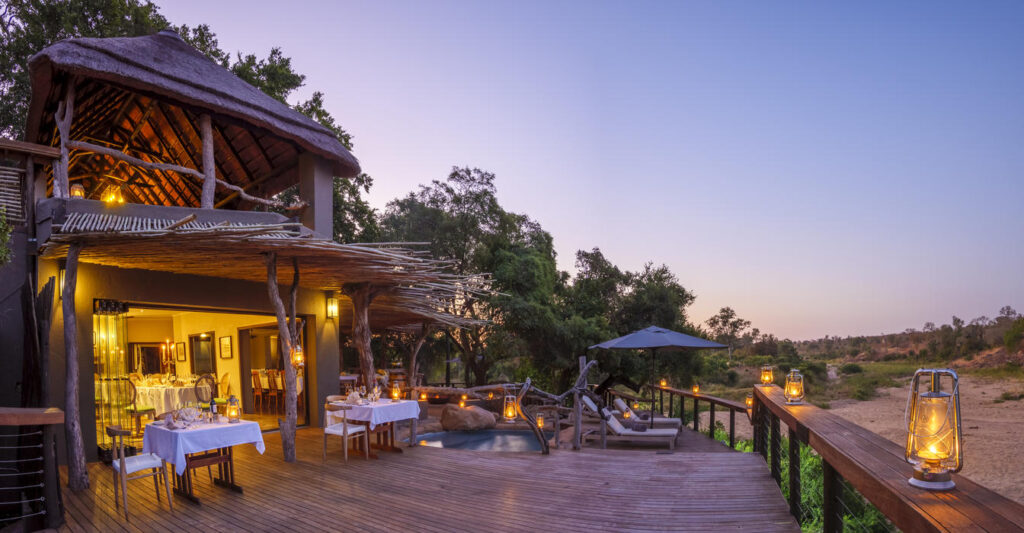
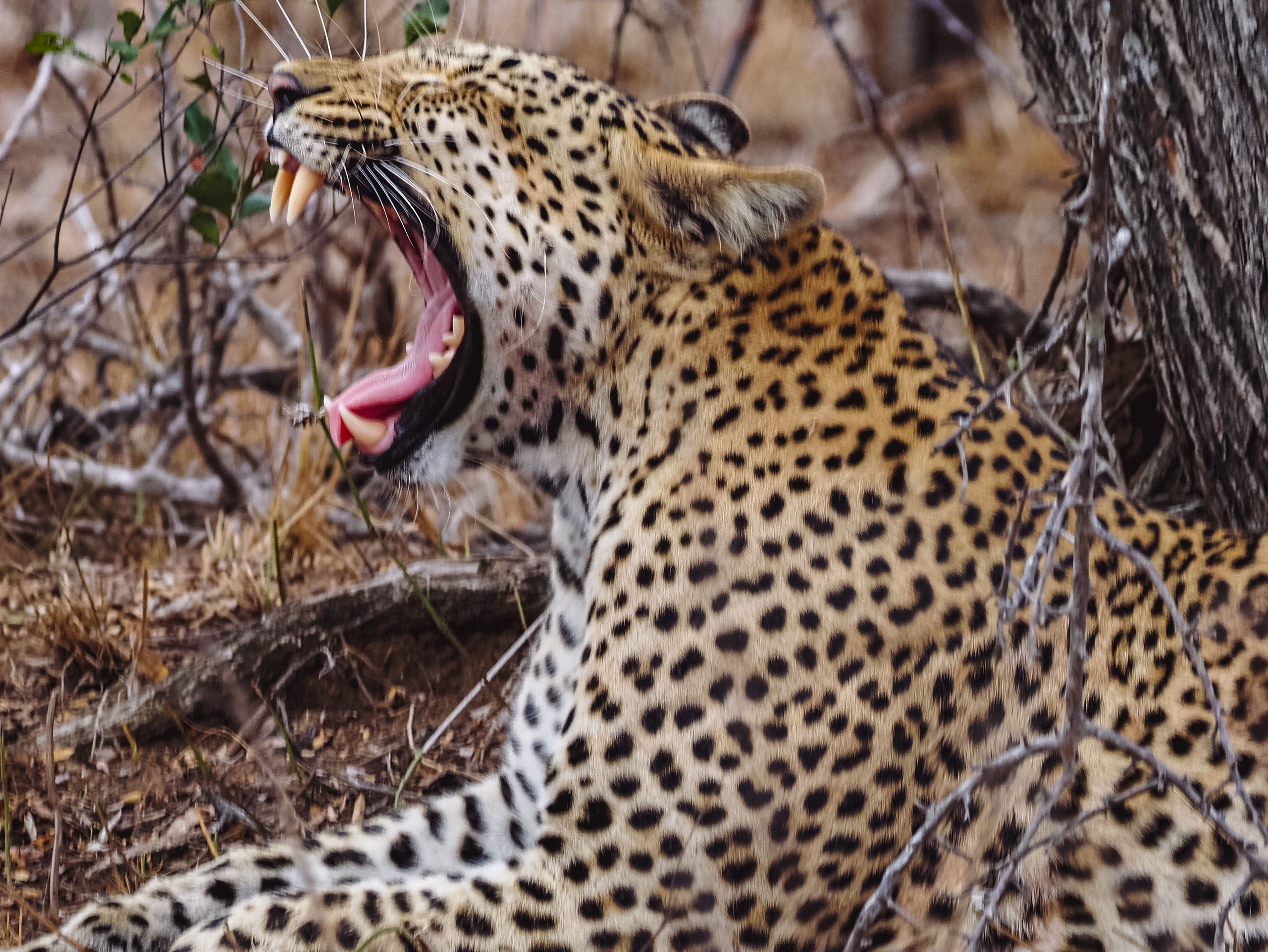
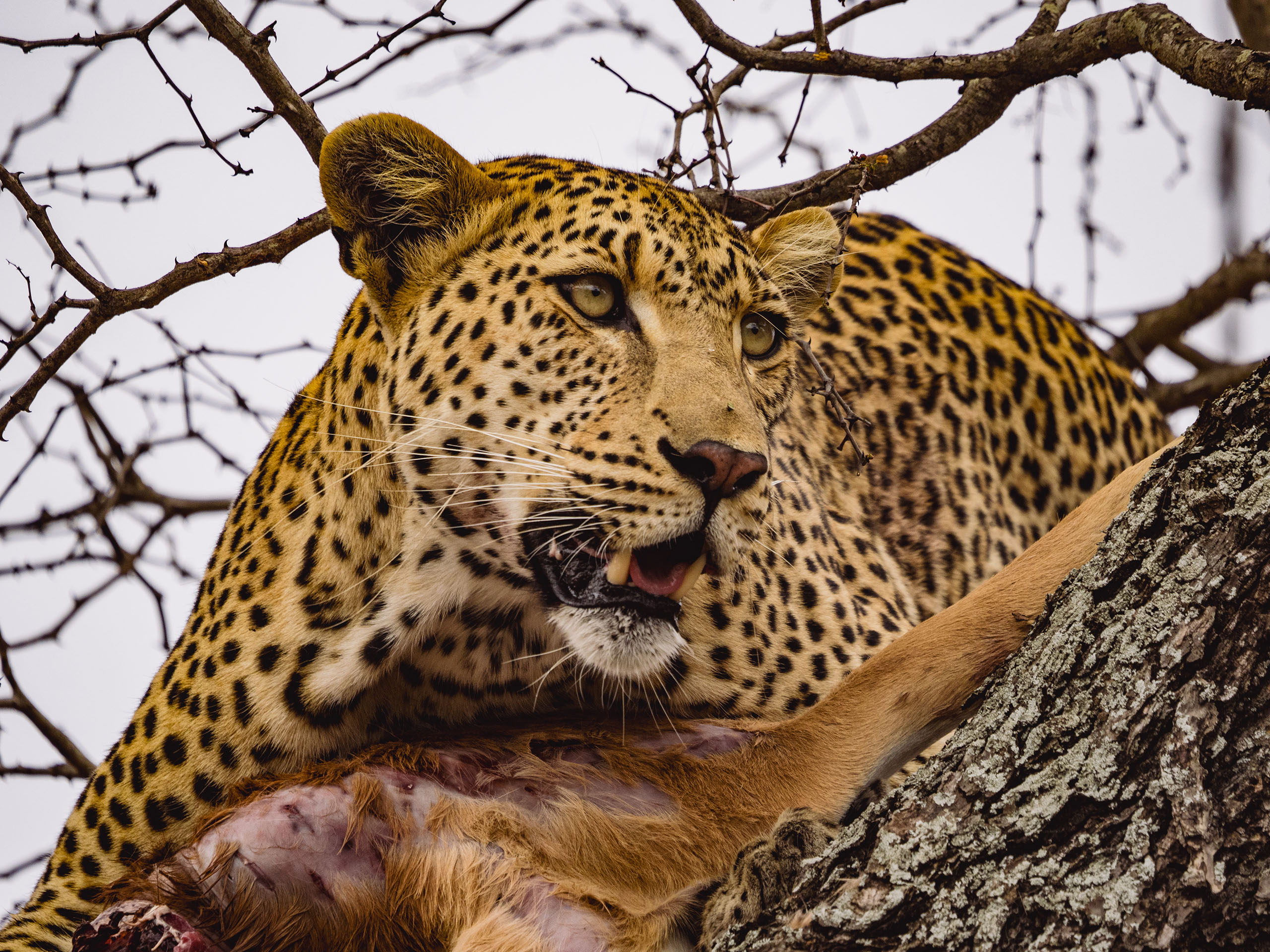
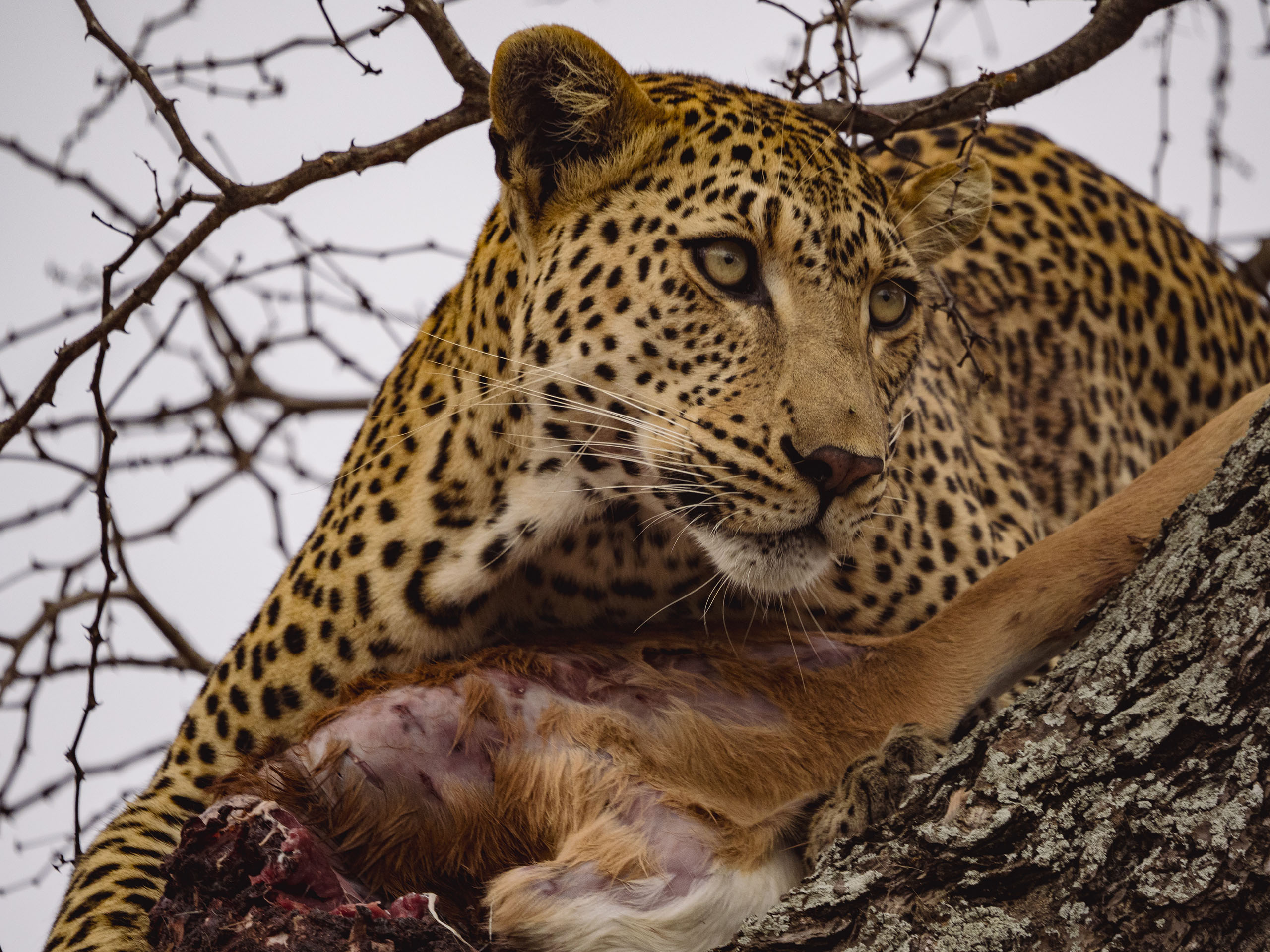
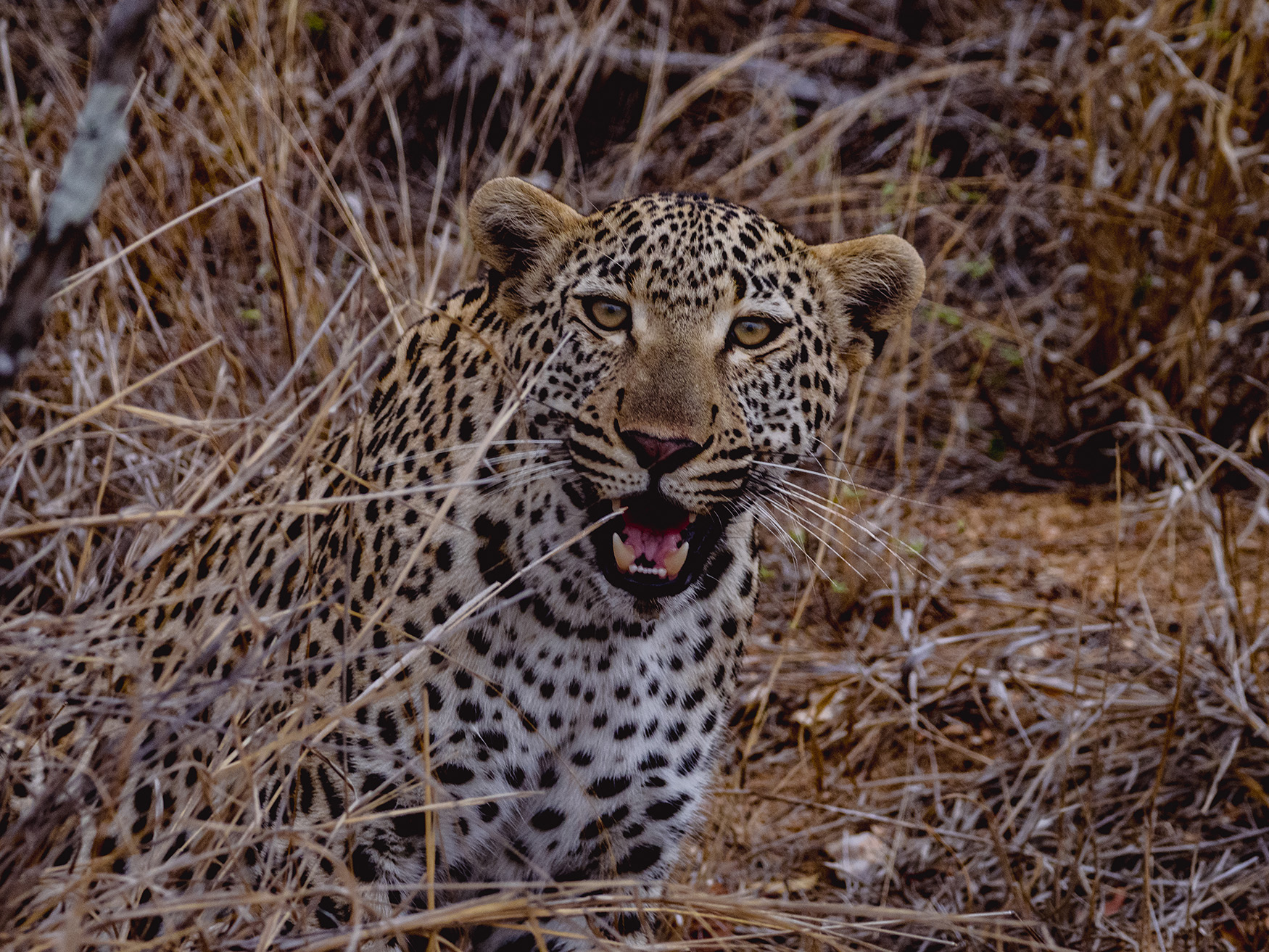
The best areas are the private game reserves directly bordering the park, Sabi Sand and Timbavati at the top of most people in the know's lists. Game viewing in these reserves is prolific, and leopard sightings in Sabi Sand are almost guaranteed on a two-night stay. However, the less-illustrious Klaserie and Balule reserves, also provide excellent game viewing in different landscapes at a lower cost for the same standard of lodge. They are well worth considering and we have many a happy client who visit these reserves, either in combination with Sabi Sand or Timbavati, or on their own. Thornybush, Makalali, Kapama and Manyeleti are good options for reserves not directly bordering Kruger National Park, and Motlala is perfect for those on a tight budget.
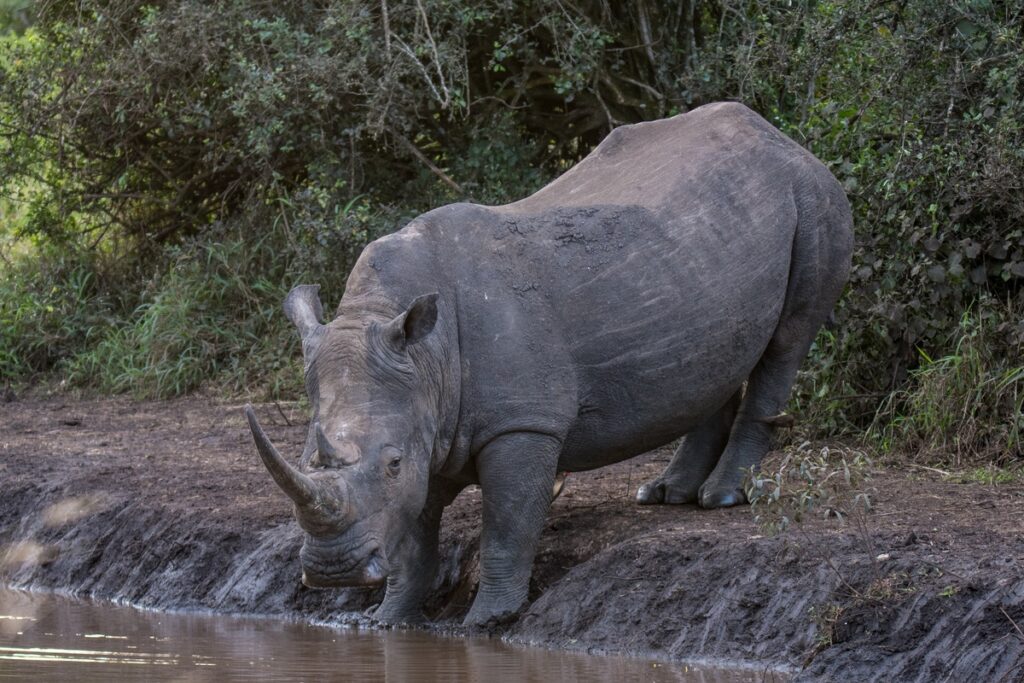
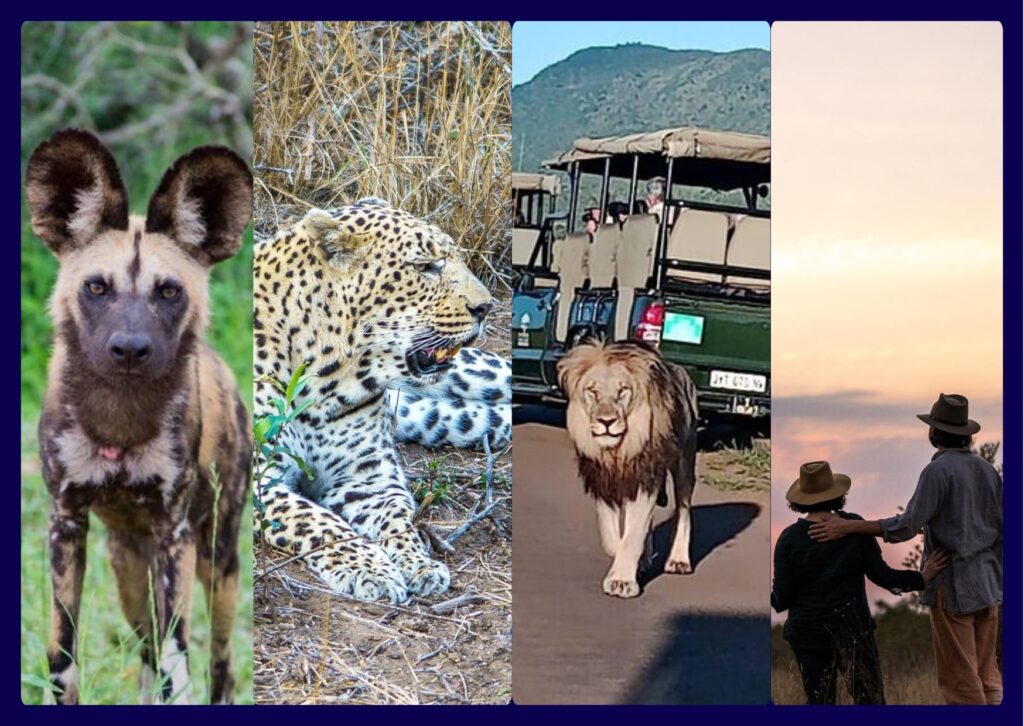
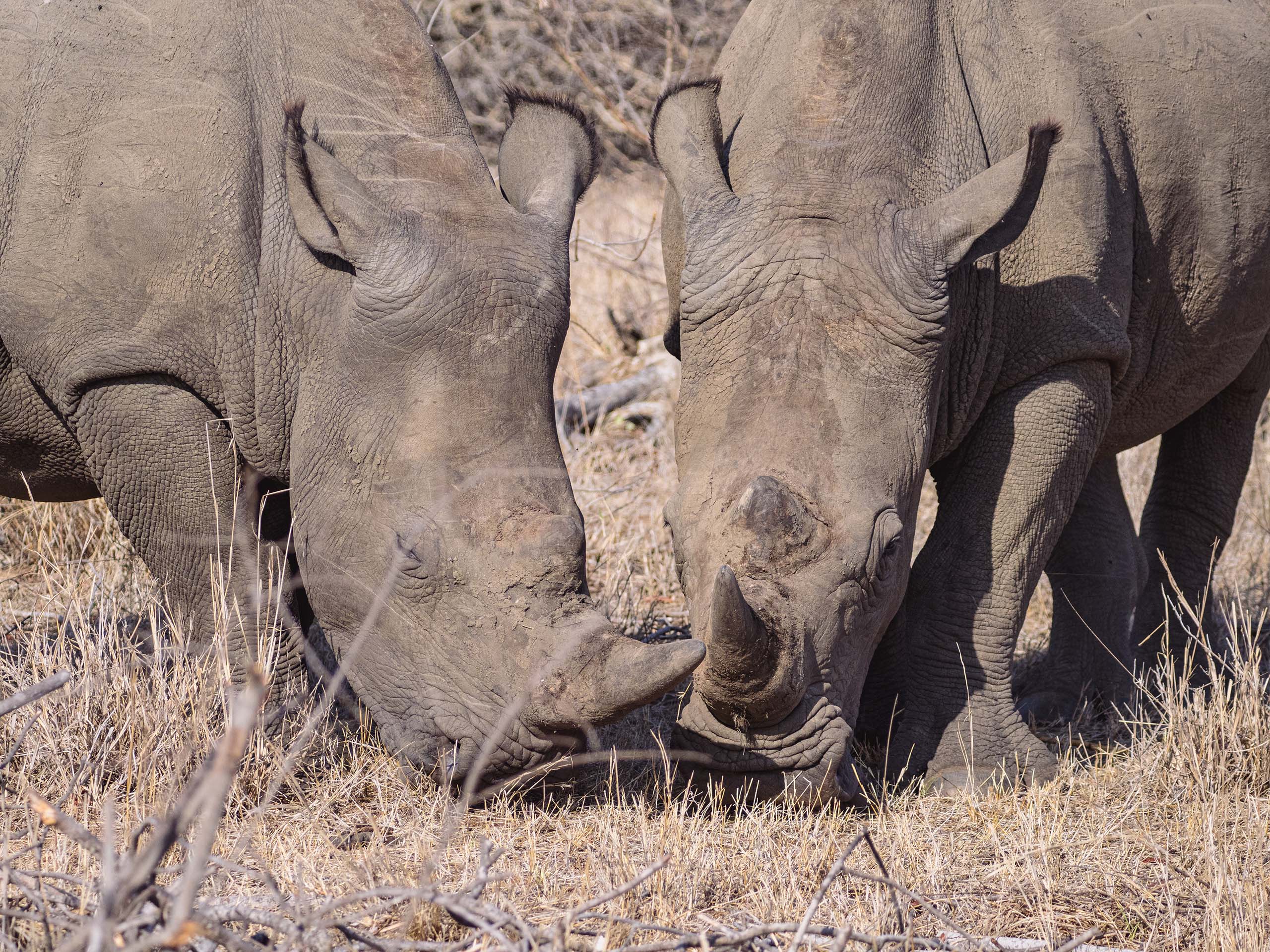
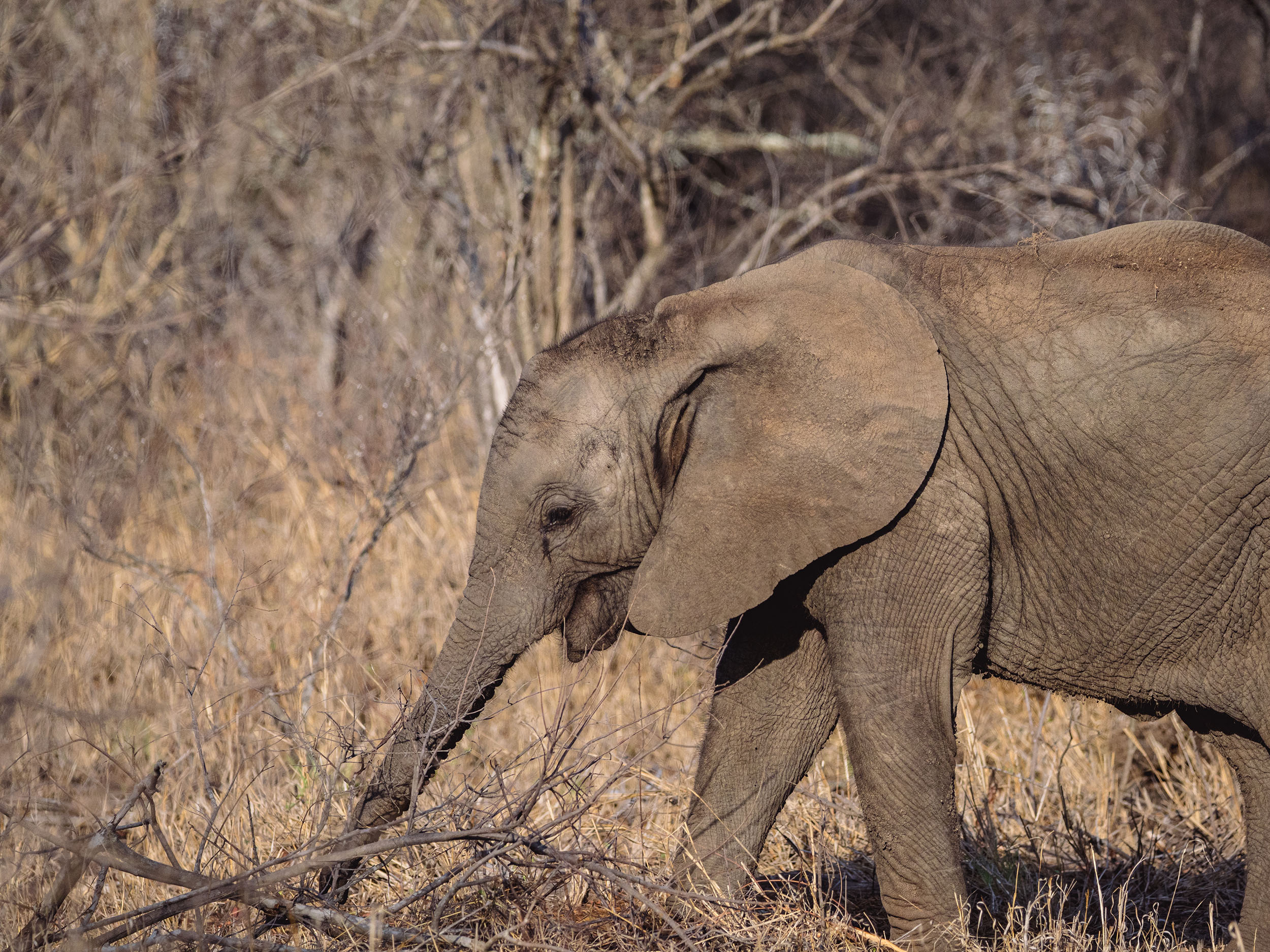
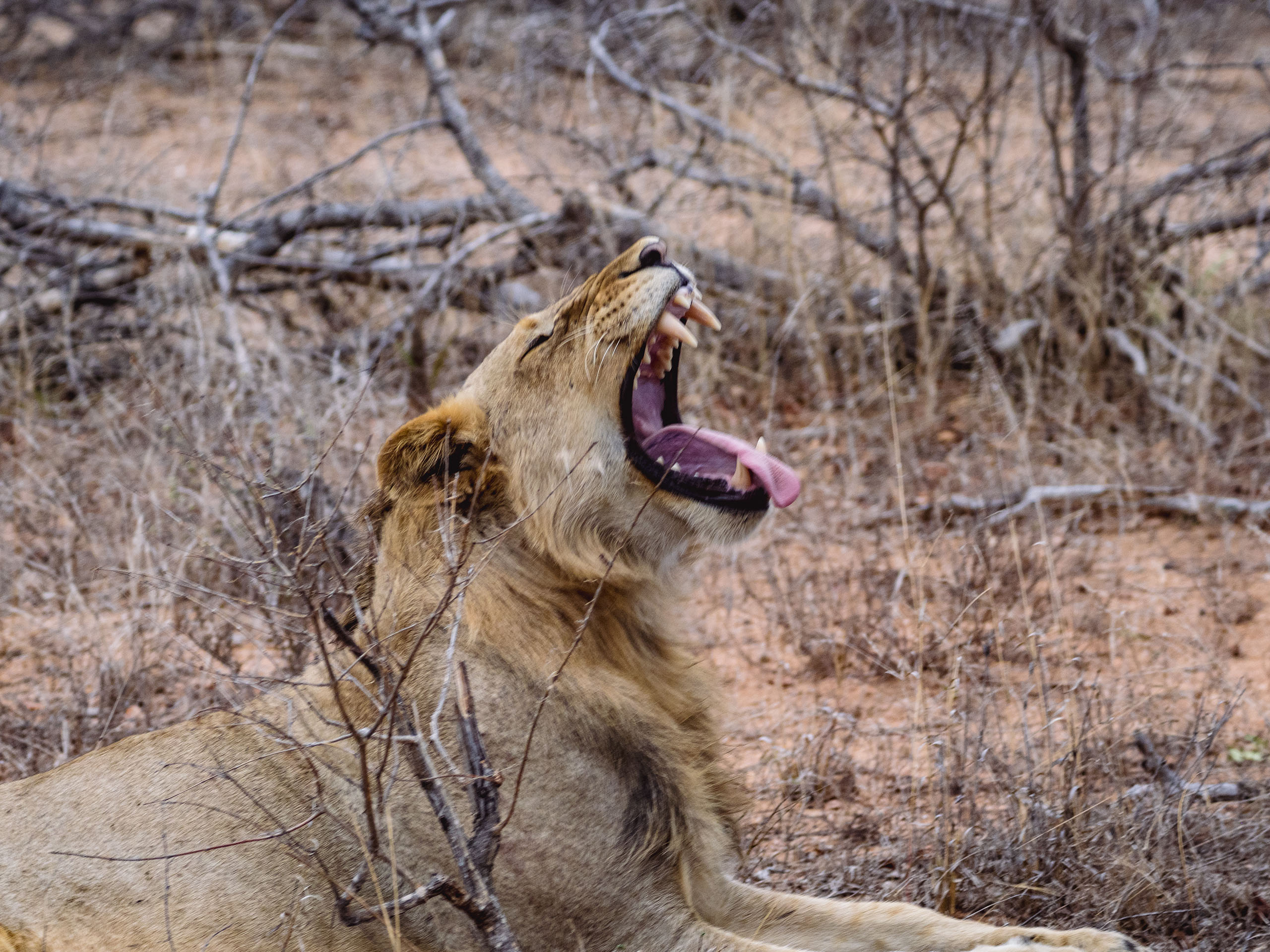
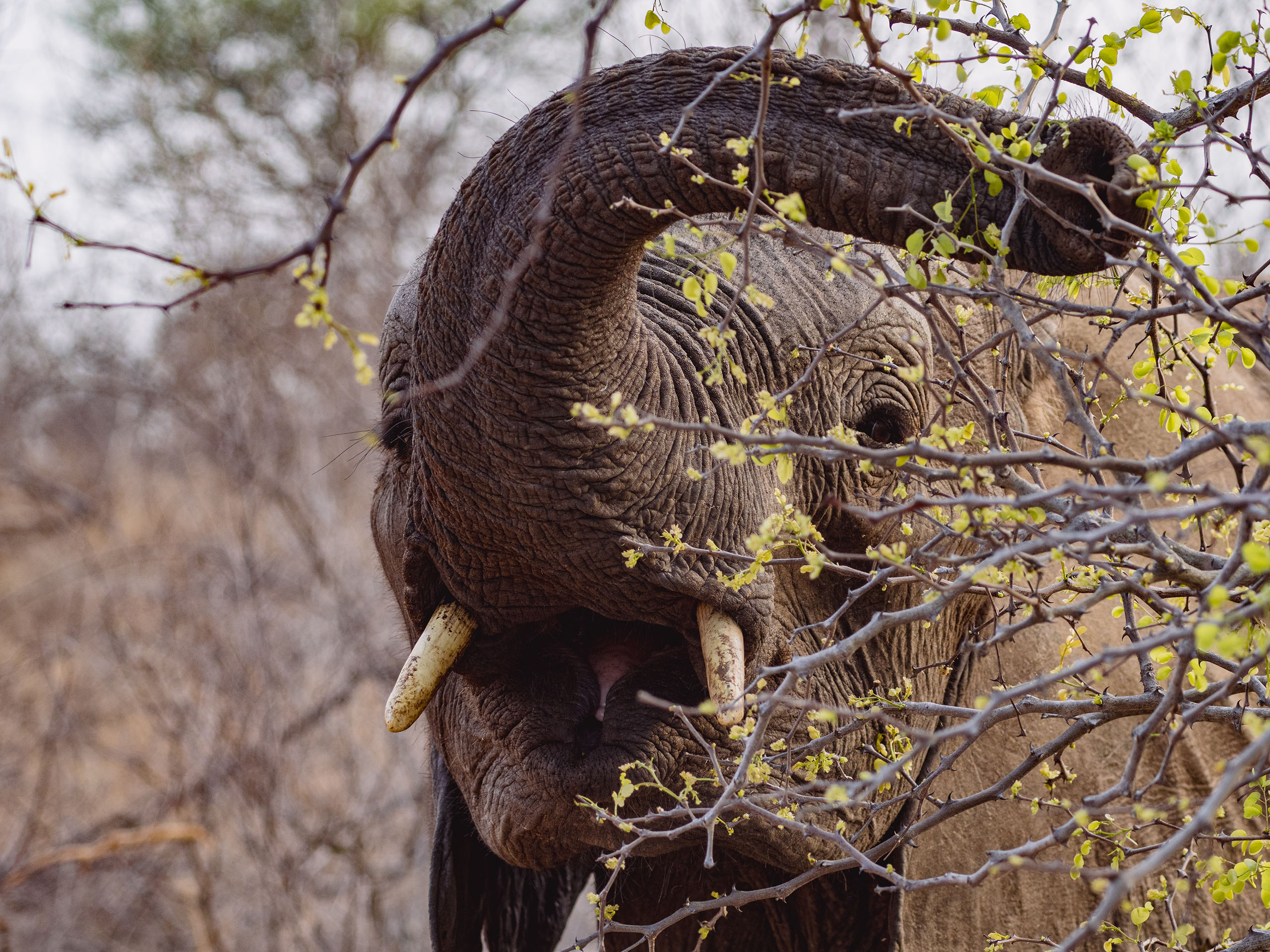
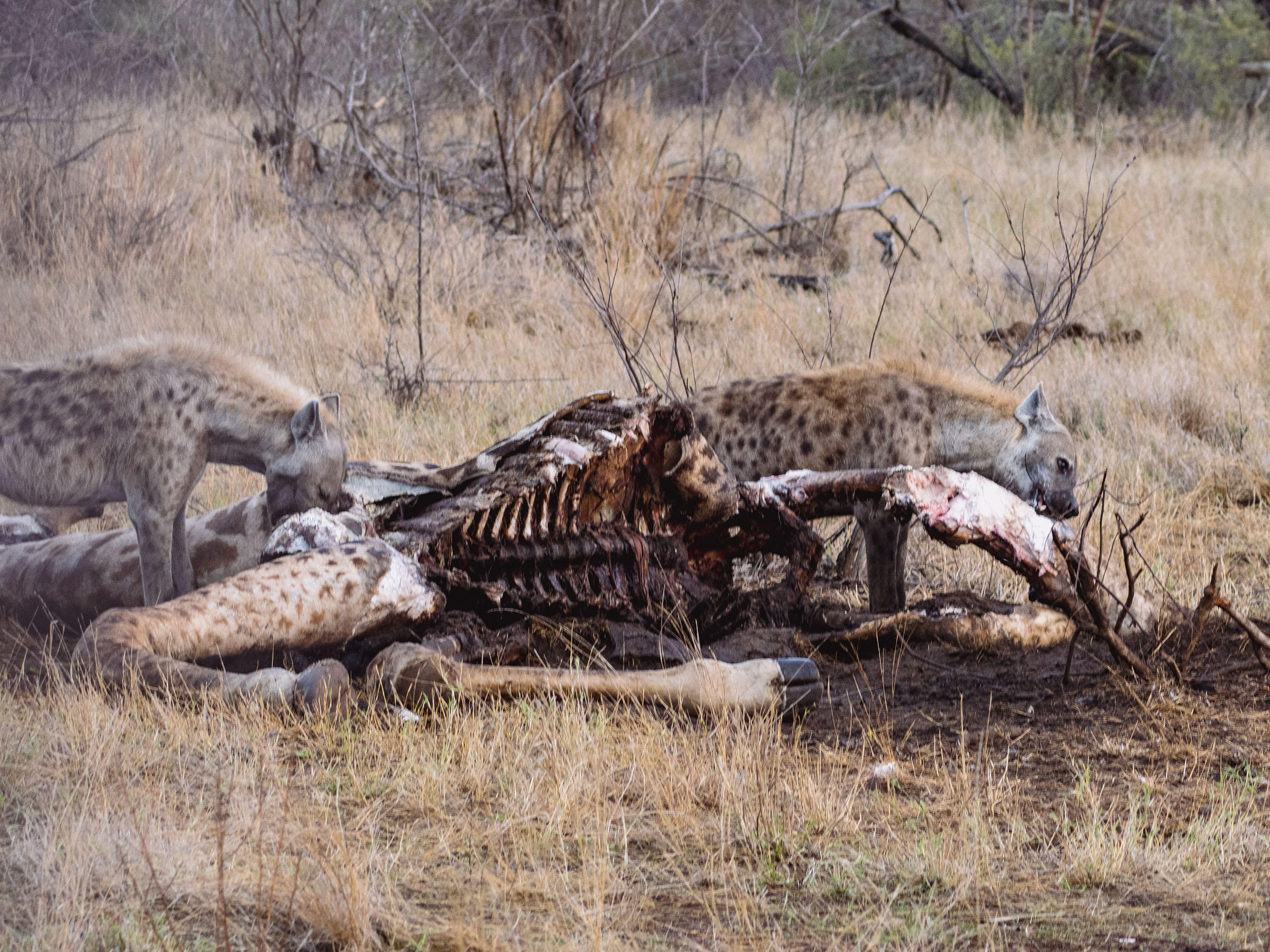
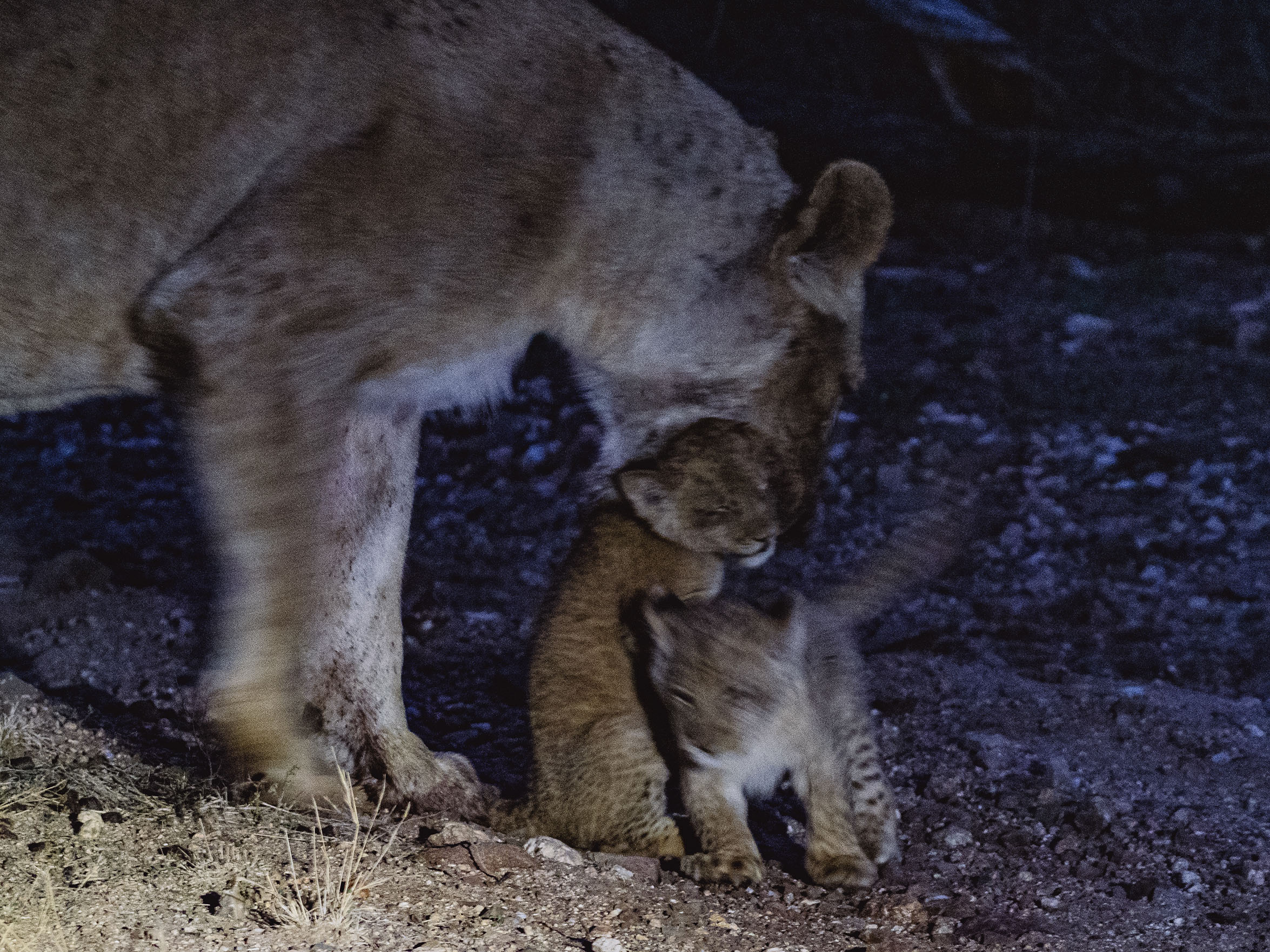
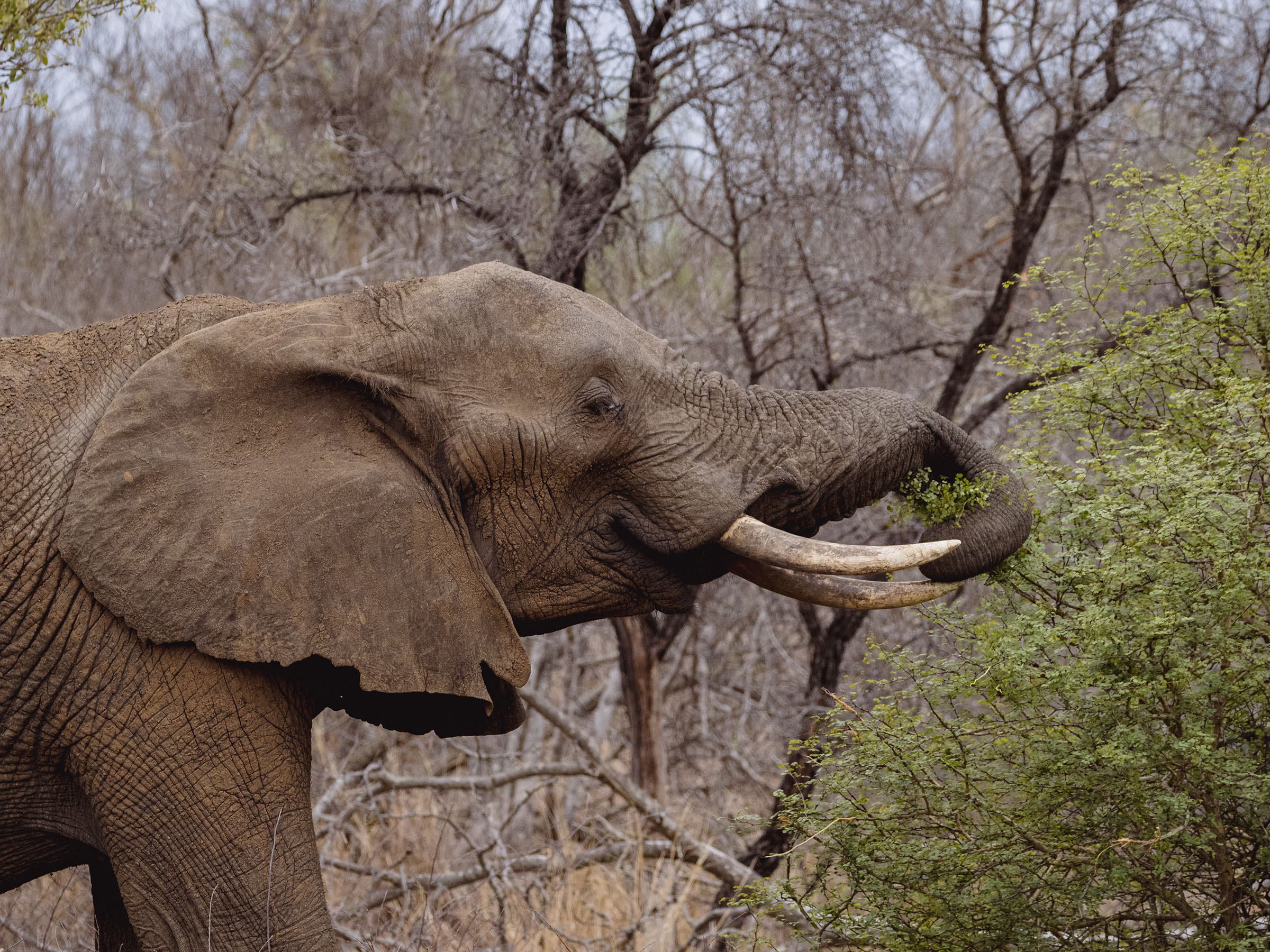
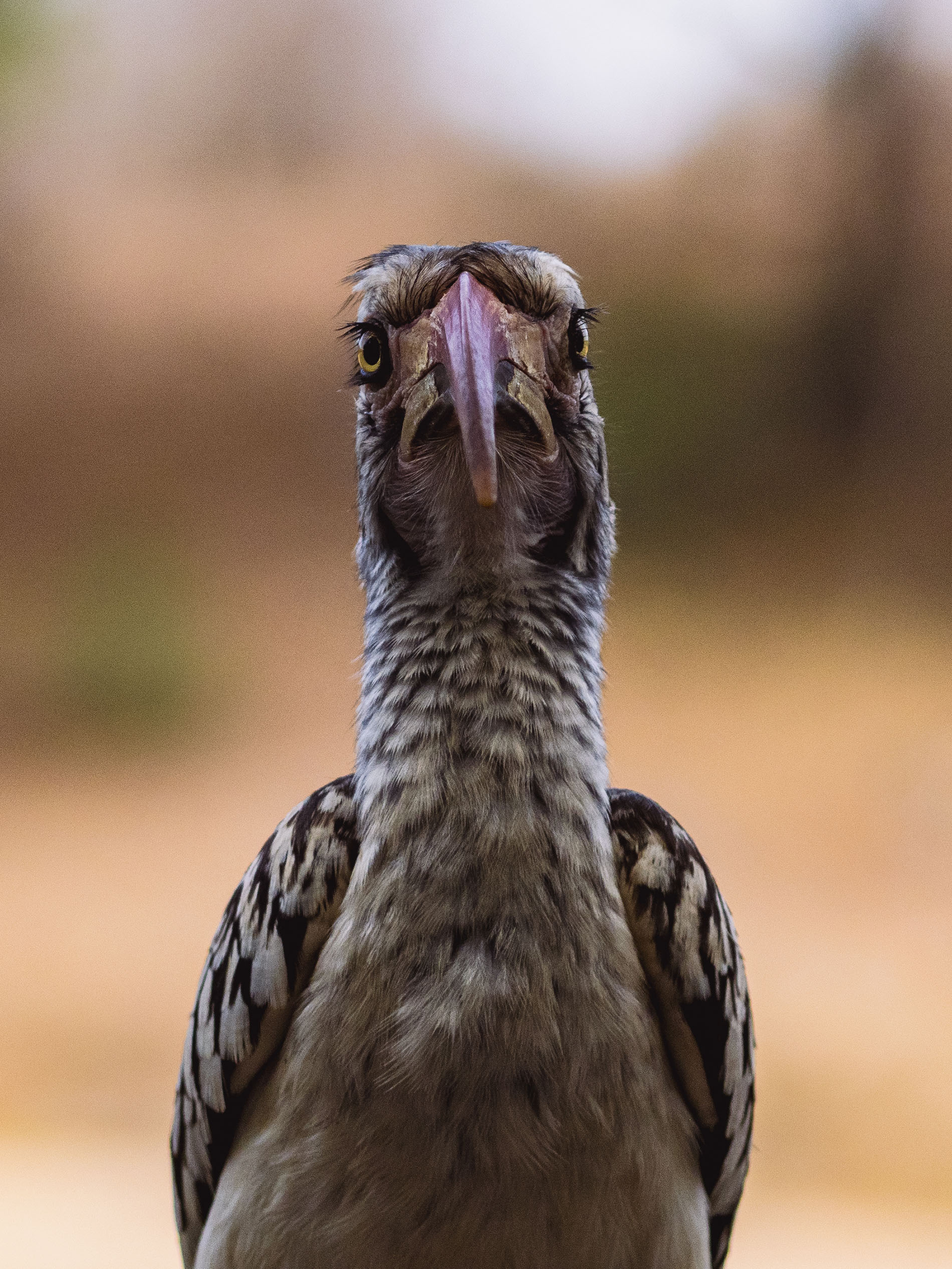
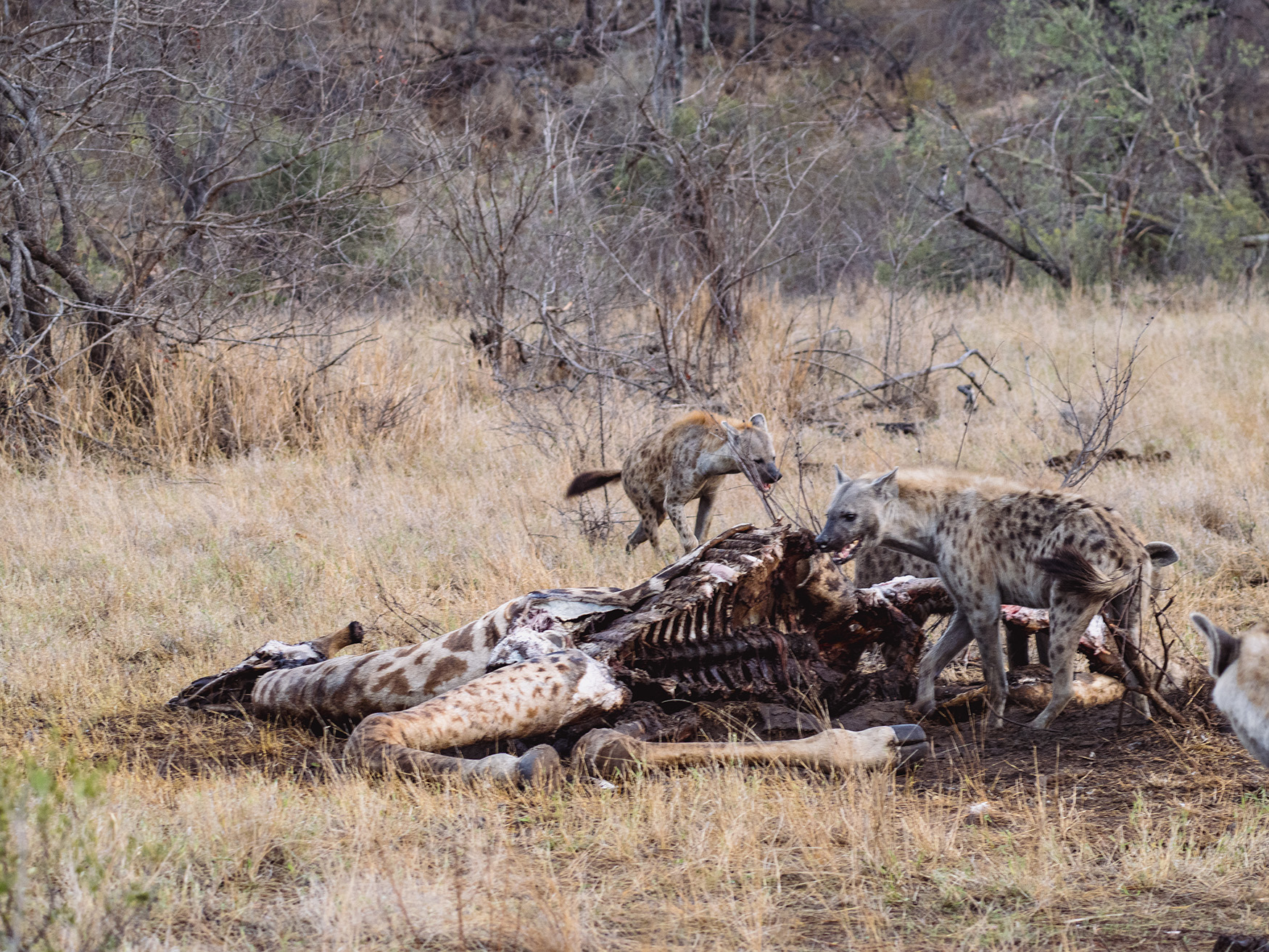
Encounter the Big Five along with cheetahs, wild dogs, and rich birdlife.
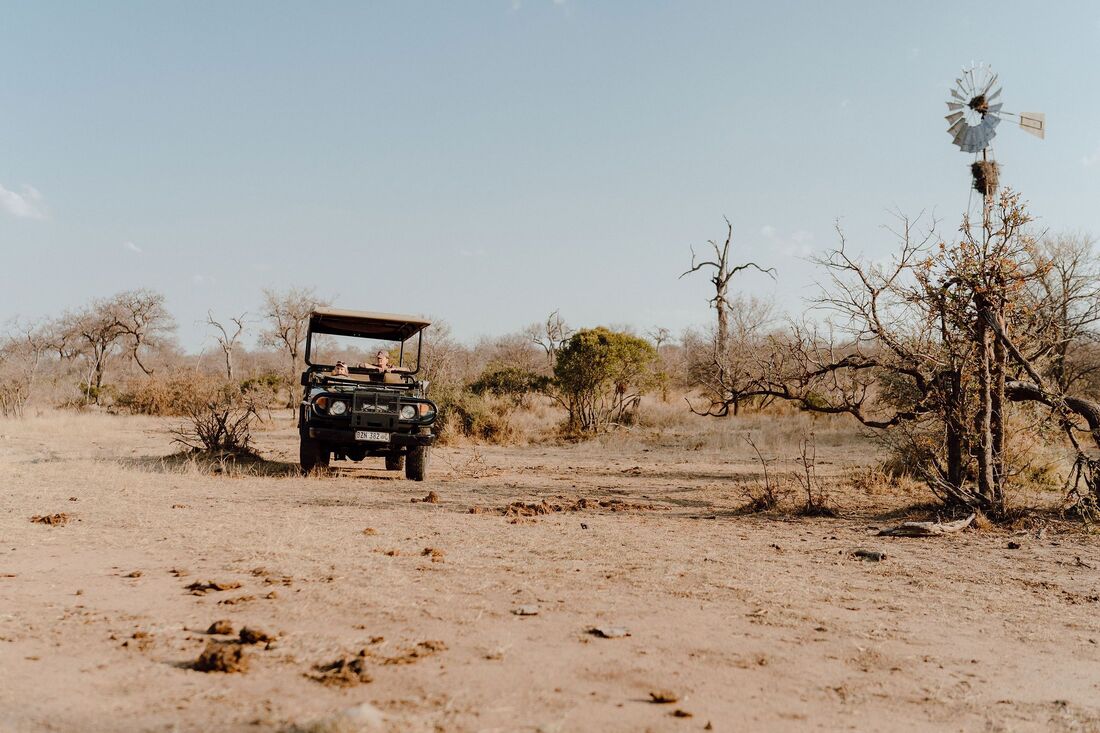
Choose between self-drive exploration or guided game drives with expert rangers
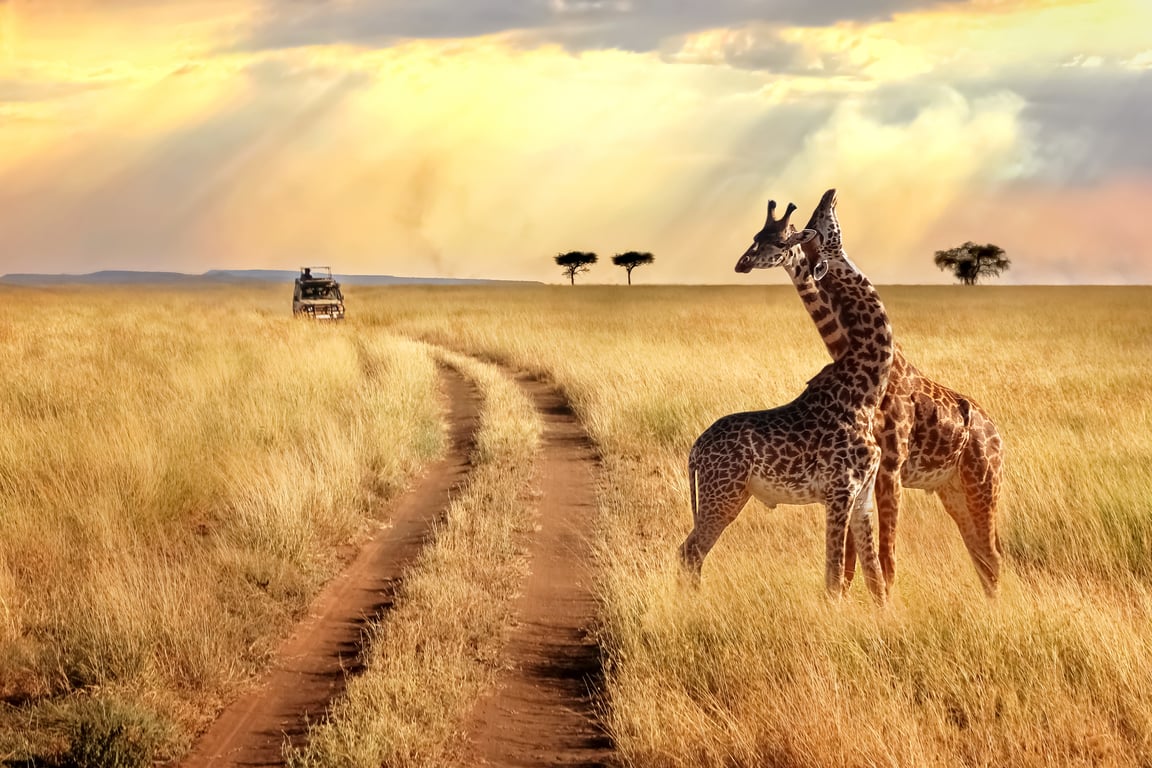
From open savannahs to riverine forests, the park’s scenery is as varied as its wildlife.
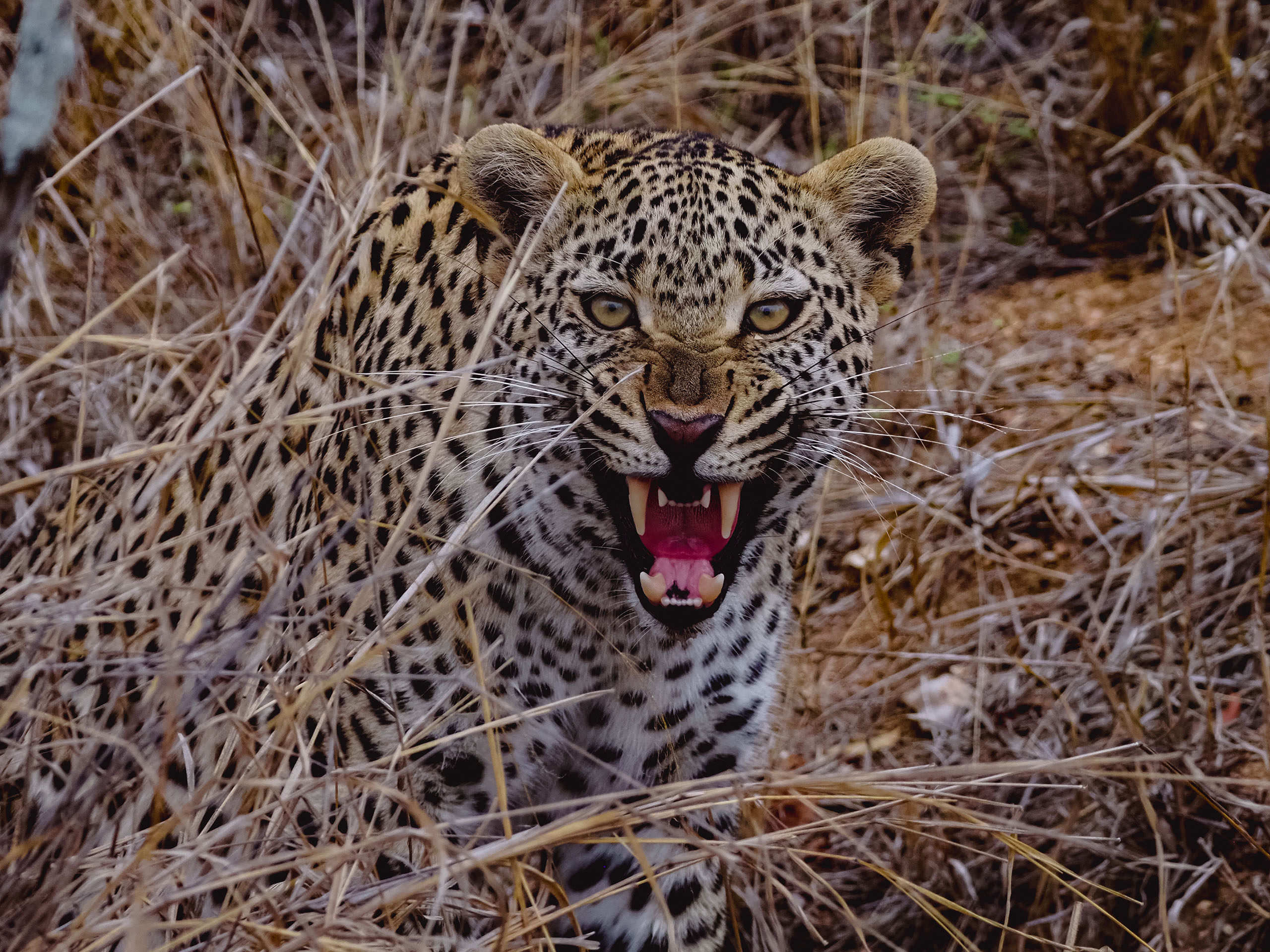
Two Ways to Experience the Same Wild Park
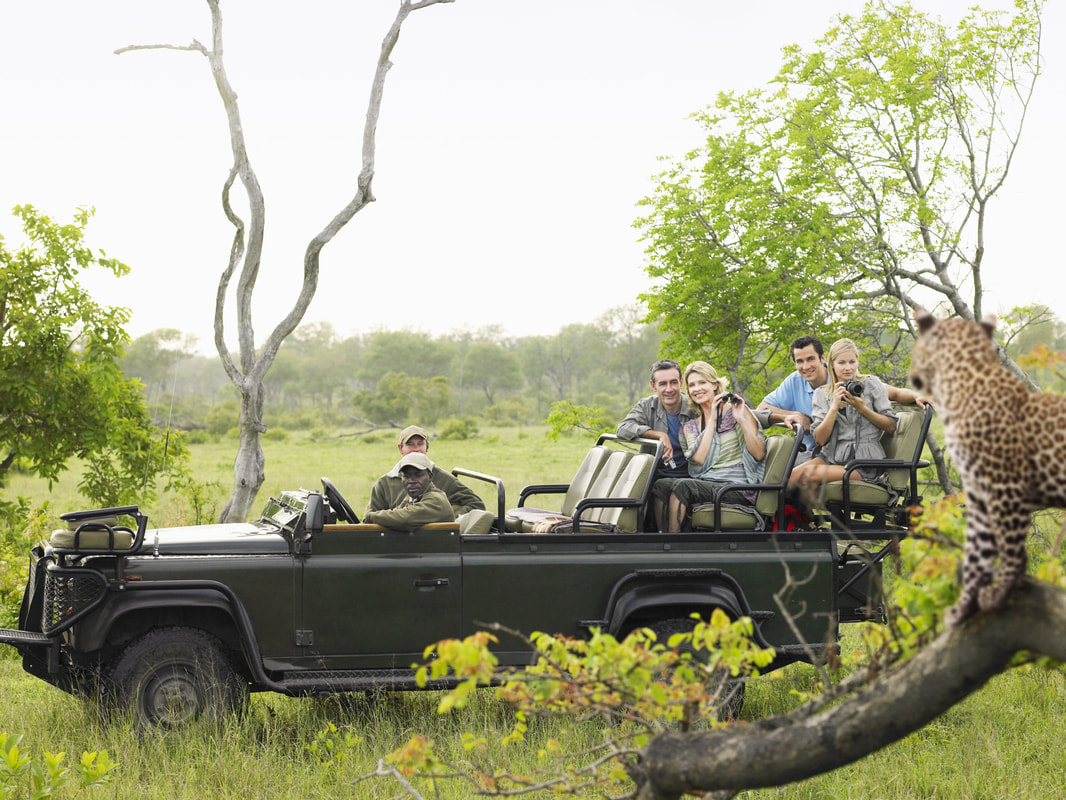
Kruger National Park is one of the only Big Five destinations in southern Africa where visitors can self-drive on tarred and gravel roads between a network of public rest camps, which makes it a genuinely flexible option for travellers who want to set their own pace or manage a tighter budget. Guided game drives are also available from within the park and from lodges on its boundary, giving visitors the choice between independent exploration and a guide’s local knowledge on the same trip.
First proclaimed as the Sabi Game Reserve in 1898 and established as South Africa’s first national park in 1926, Kruger has one of the longest conservation histories on the continent, and its public infrastructure of rest camps, picnic sites and fuel stations reflects over a century of continuous management.
One Open System, Two Different Journeys
Many travellers planning a Greater Kruger trip weigh up Kruger National Park itself against one of the private reserves that share its unfenced boundary, such as Sabi Sand, Timbavati or Klaserie. The wildlife is largely the same across all of them, since the fences between the park and its neighbouring reserves were removed decades ago, so the choice comes down to how a traveller wants to experience it rather than what they will see.
Kruger National Park offers self-drive access, public rest camps and a lower cost per night, which makes it well suited to families on a longer road trip or travellers who prefer to explore independently. The private reserves offer guided-only access with off-road tracking and night drives, smaller and more exclusive lodges, and a higher price point, which suits travellers prioritising a closer, more curated wildlife experience over independence and budget. The table below sets out the main differences.
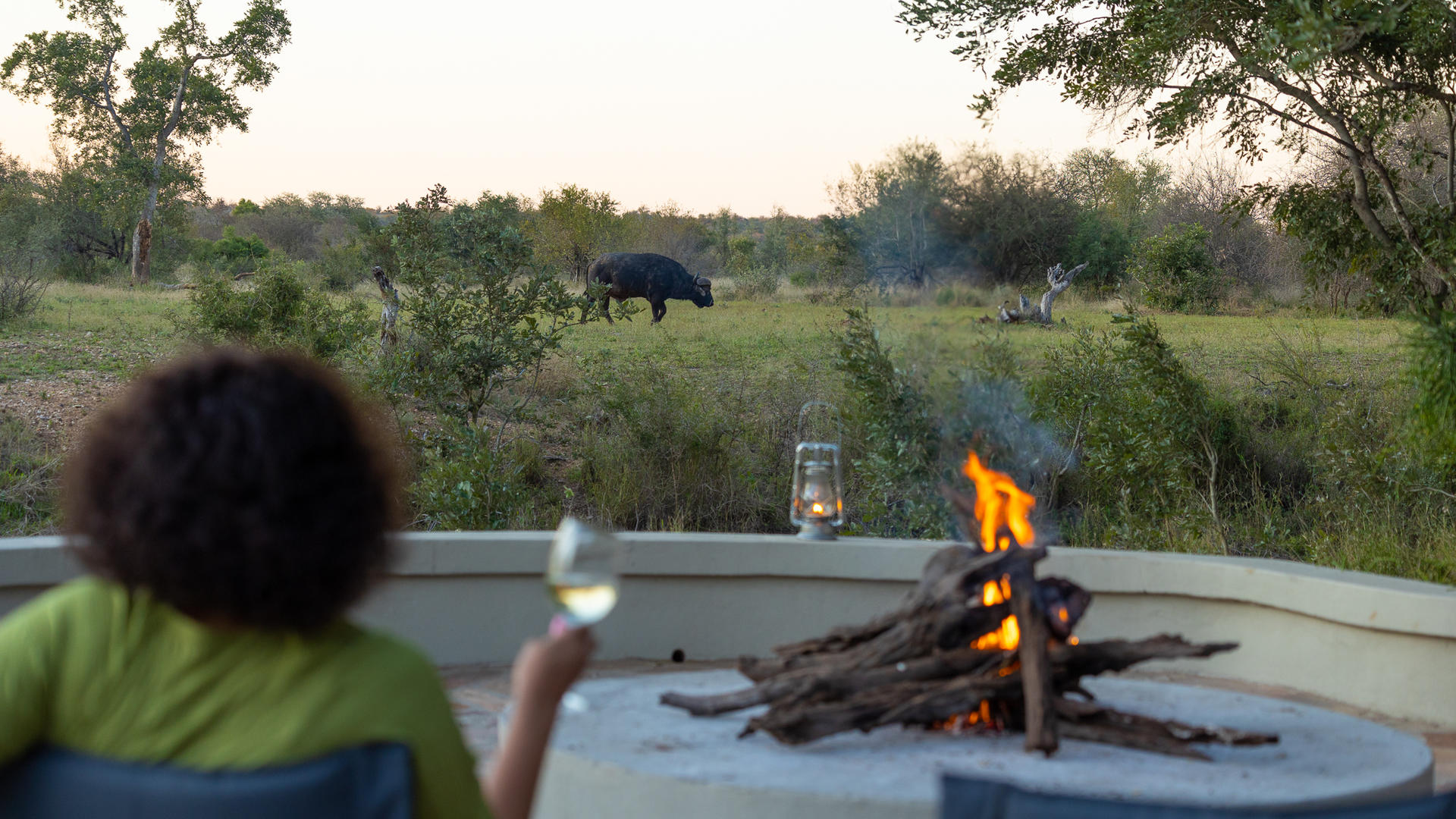
The Differences, Side by Side
| Destination | Access | Vehicle Experience | Standout Wildlife | Best For |
|---|---|---|---|---|
| Kruger National Park | Self-drive or guided, public rest camps | Shared tarred/gravel roads, day and night drives from camps | Big Five, cheetah, wild dog, 145 species of large mammal | Independent travellers, families, longer road trips, budget-conscious safaris |
| Sabi Sand Nature Reserve | Guided only, no public roads | Off-road tracking, night drives, small private lodges | Leopard sightings among the most reliable in Africa | Travellers prioritising close, curated big-cat sightings |
| Timbavati Private Nature Reserve | Guided only, no public roads | Off-road tracking, night drives | Naturally occurring white lions, Big Five | Travellers wanting the Big Five plus a rare genetic trait |
| Klaserie Private Game Reserve | Guided only, no public roads | Off-road tracking, walking safaris available | Low visitor density, African wild dog | Travellers wanting a quieter, walking-safari option |
Best Times To Visit Kruger National Park
Kruger’s wildlife is rewarding throughout the year, though seasonal differences add variety to each visit.
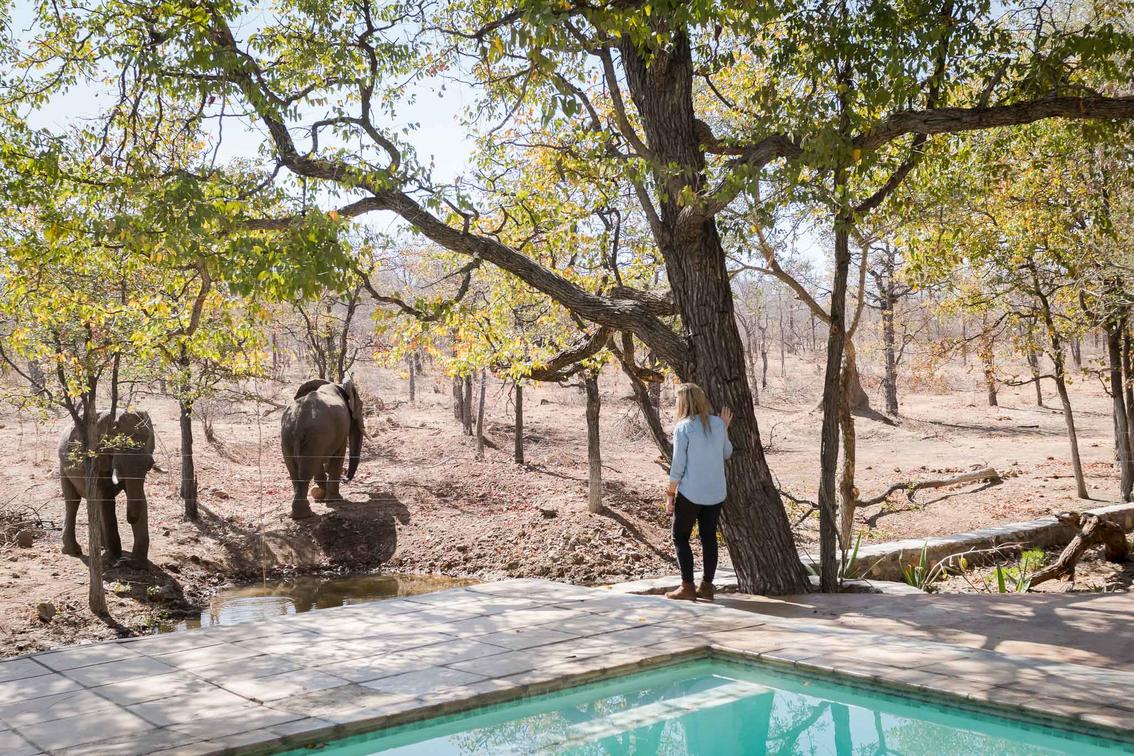
There is virtually no rainfall during the whole of winter, humidity is very low and there is almost no risk of malaria. As water becomes scarce wildlife is attracted to permanent water sources. Temperatures from the evening to mid-morning can be chilly.
It is hot and humid in summer. Temperatures can reach over 40°C/104°F, although average daytime temperature is 32°C/90°F. Mostly rain falls in the afternoon or at night. The rains bring green grasses, seeds, flowers, and as a result, more birds. The rains also mean there is no dust, and, other than Christmas and Easter, fewer tourists.
Kruger National Park allows self-drive access and public rest camps, while reserves such as Sabi Sand, Timbavati and Klaserie are guided-only, with off-road tracking and night drives not permitted inside the national park. Wildlife is largely the same across all of them, since the boundaries are open.
Yes, Kruger National Park has a network of tarred and gravel roads connecting its public rest camps, and self-drive is one of the main ways visitors explore the park independently.
Kruger National Park’s public rest camps are generally lower cost per night than lodges in the private reserves, making it a practical choice for longer trips or families travelling on a set budget, while the private reserves charge more for guided, off-road access and smaller camps.
Kruger was first proclaimed as the Sabi Game Reserve in 1898 and became South Africa’s first national park in 1926, giving it one of the longest continuous conservation histories on the continent.
Kruger supports around 145 species of large mammal, including the Big Five, alongside healthy cheetah and wild dog populations and a wide range of birdlife.
Yes, Kruger’s network of public rest camps includes accommodation, picnic sites and fuel stations, allowing visitors to explore the park independently over several days without leaving the park each night.
The dry season from May to September brings little rainfall and low malaria risk, making game viewing easier around waterholes, while the wet season from October to April brings higher temperatures and afternoon rain but lusher scenery.
Yes, many itineraries combine a few nights of self-drive or guided time in Kruger National Park with a stay in one of the neighbouring private reserves, giving travellers both independent exploration and a more curated guided experience on the same trip.
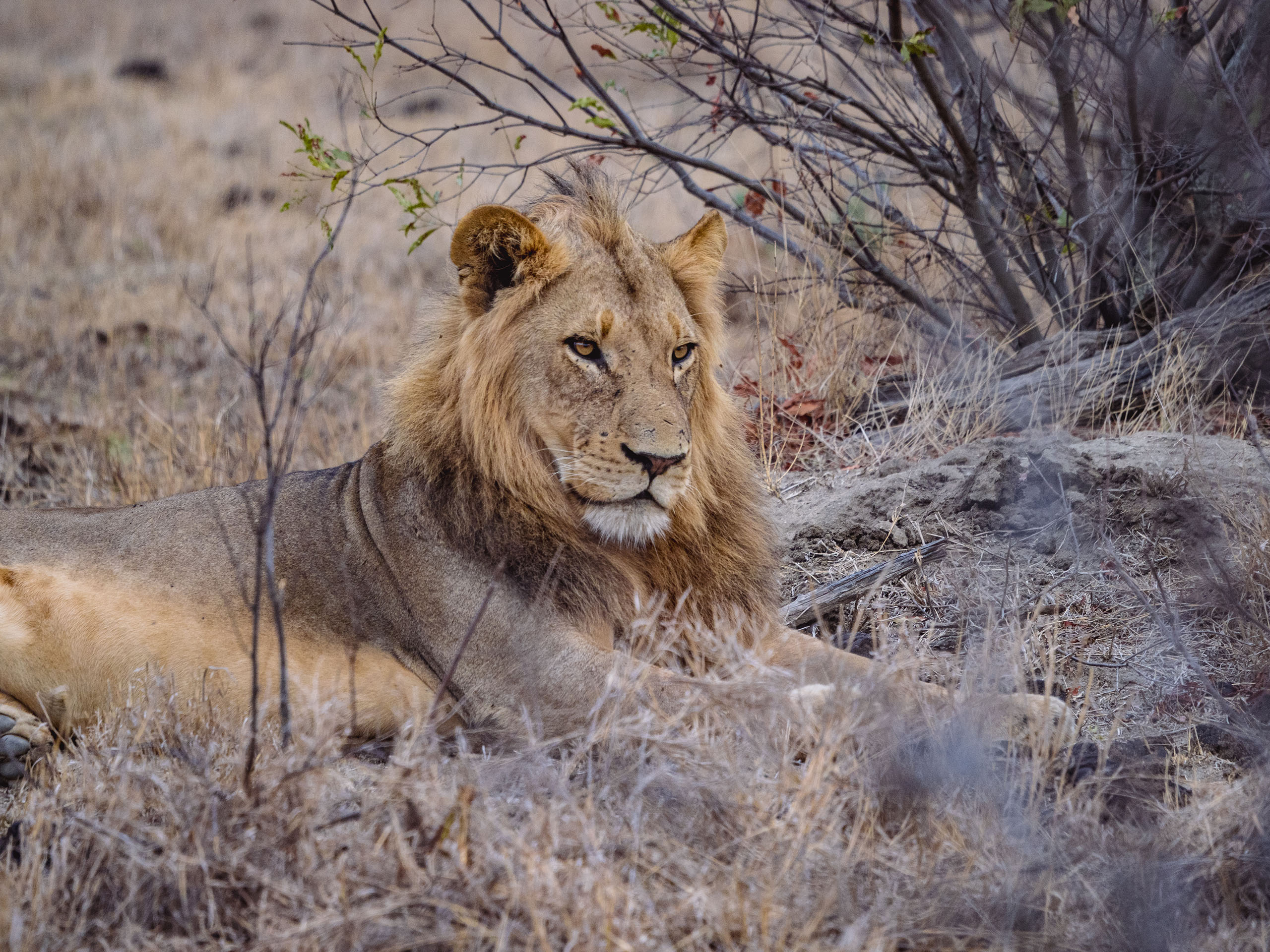
Ready to experience South Africa’s most iconic safari destination? Start planning your personalised Kruger National Park adventure with Indigo Safaris today.
Explore stories that reflect the spirit of Africa—untamed, captivating, and deeply transformative. In this blog section, travellers share reflections on the wonder of wildlife, the beauty of open landscapes, and the sense of connection that only the wild can bring. Each story embodies the soul of travel with Indigo Safaris—authentic, mindful, and filled with moments that stay with you forever.