October 13, 2026
Home / All Tours / Africa / Tanzania / Northern Tanzania /
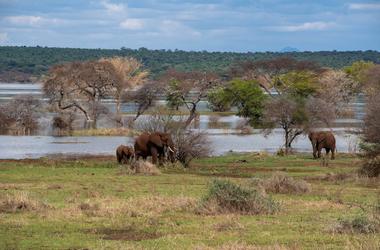
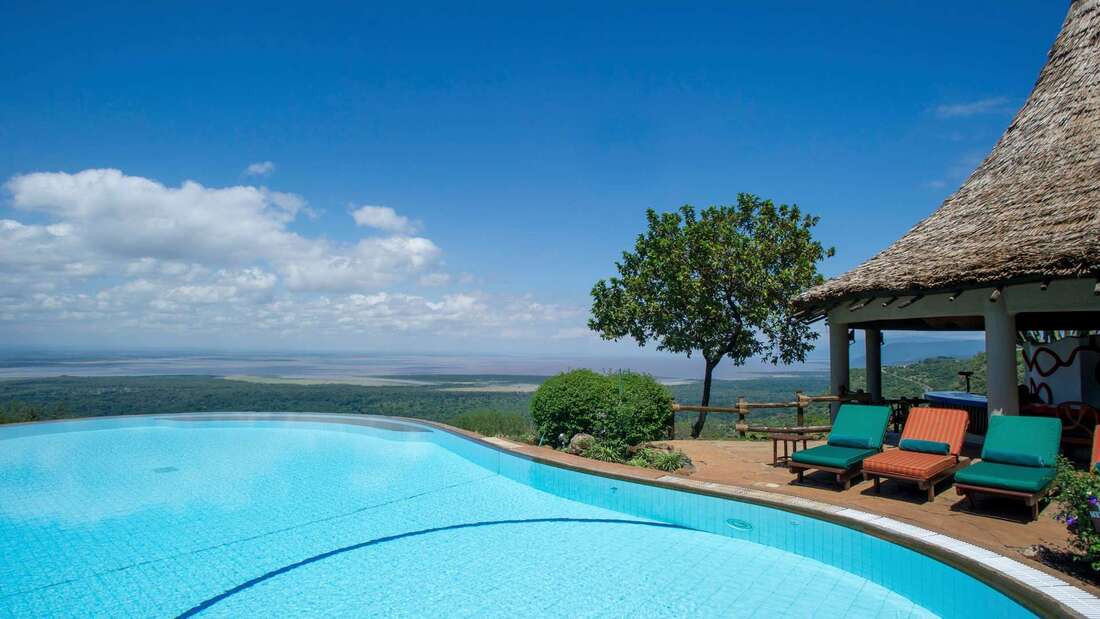
Lake Manyara is situated halfway between Arusha and the Ngorongoro Crater and the smallest of the safari parks in the northern safari circuit. It is scenically very beautiful with Lake Manyara covering about two thirds of it and the escarpment in the background.
Explore our customized tours, crafted to showcase the region's iconic wildlife and breathtaking landscape.


Why Visit Lake Manyara National Park?
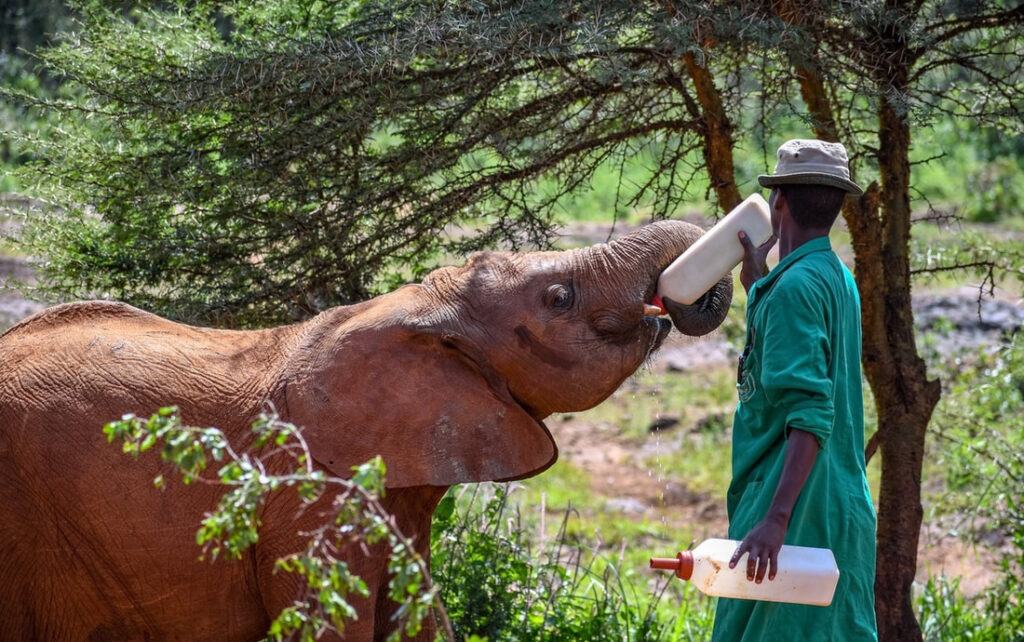
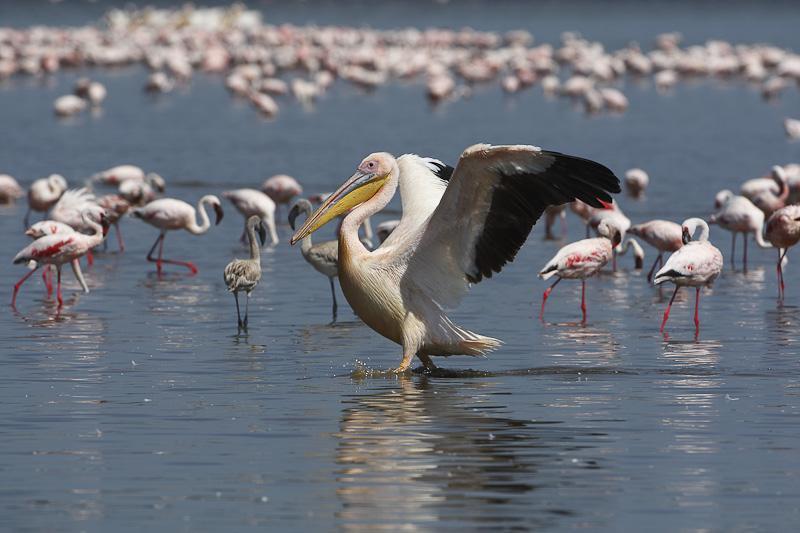
The park is most famous for its tree climbing lions. Lions are not adept tree climbers and it is still up for debate why the lions of Lake Manyara have made this into a habit. The lake is also home to thousands of pink flamingoes, which resemble a pink haze from a distance, and who share the lake with many other water birds, including pelicans. And of course there is a great number of big game like elephants, buffalo, wildebeest, giraffe, zebra and other plains game, plus a very varied bird life.
The downside of this beautiful peace of nature is that it can get very busy, as many safari goers come here for a half day safari drive around the northern part of the park before heading on to the more famous parks like the Ngorongoro Crater and the Serengeti.
Best Times to Visit Lake Manyara National Park
Lake Manyara is a year-round destination, though the changing seasons shape the experience.
Easier wildlife viewing as animals gather at water sources, fewer mosquitoes.
Lush landscapes, dramatic skies, migratory bird species, and the chance to see the lake filled with flamingos.
Green season with fewer visitors, ideal for photographers seeking vibrant backdrops.
Lake Manyara is best experienced as part of a northern Tanzania safari circuit, often combined with Tarangire, Ngorongoro Crater, and Serengeti. Its mix of wildlife, landscapes, and proximity to key routes make it an ideal first or last stop. Speak to one of Indigo Safaris Experts today for your tailor-made package.