October 13, 2026
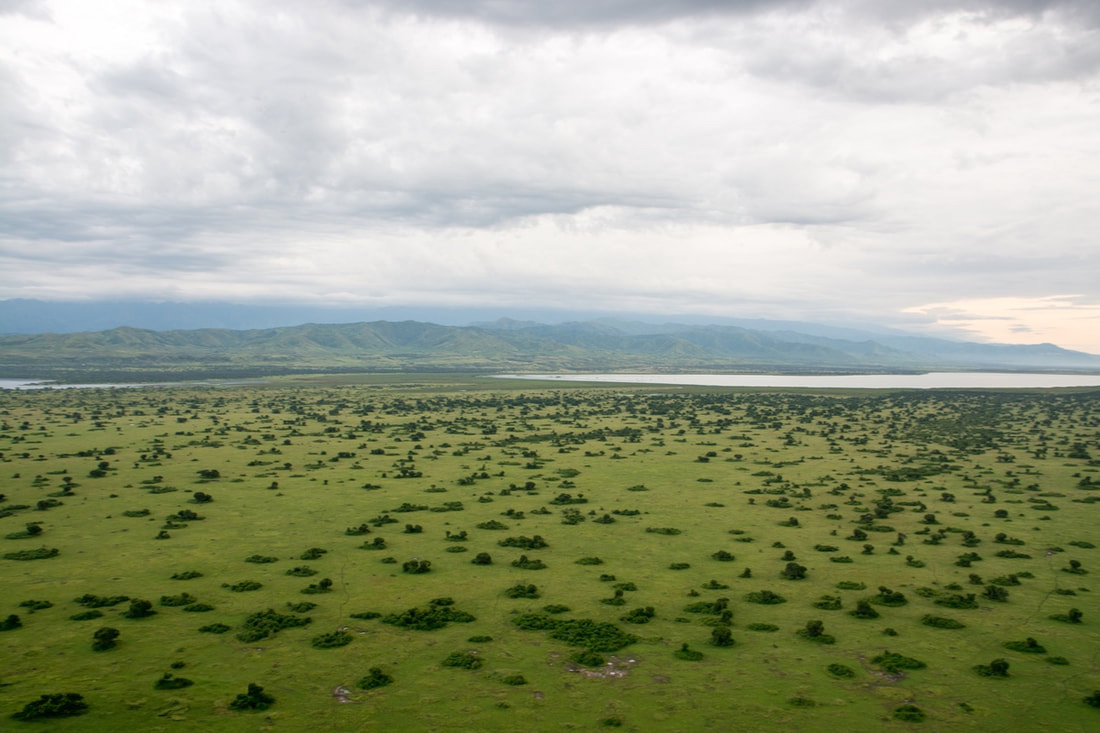
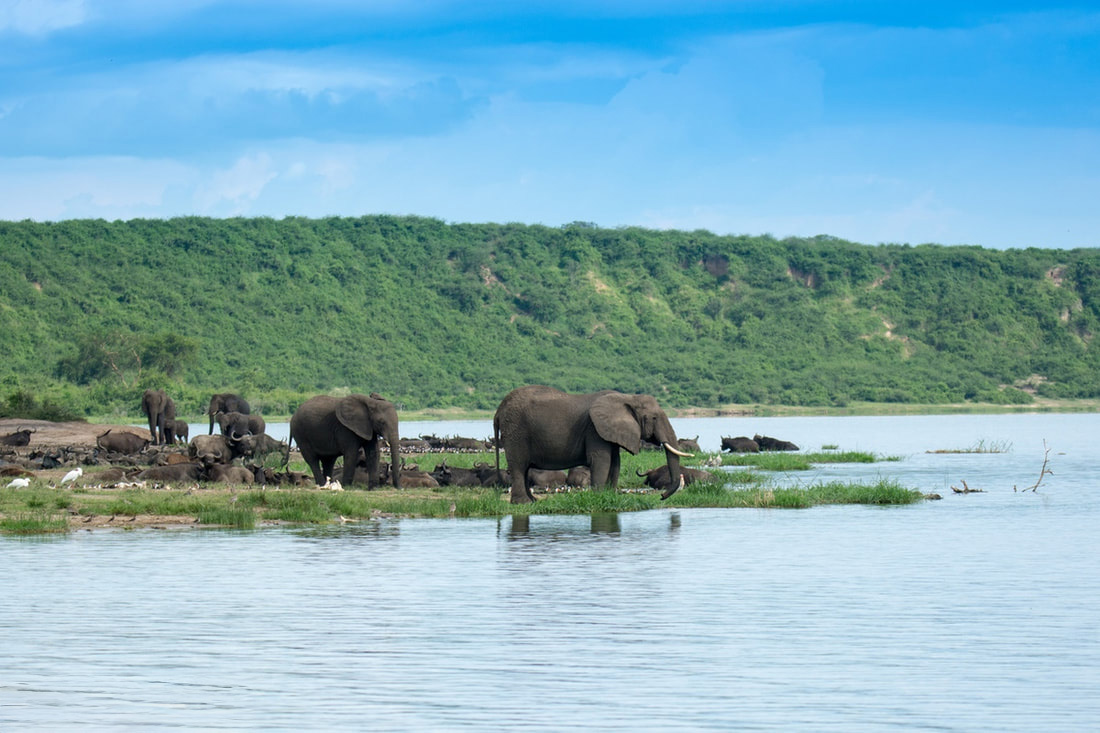
When founded in 1952 the park was known as Kazinga National Park. 2 years later the name was changed following a visit from the UK’s current monarch Queen Elizabeth II. Today the park covers an area of almost 2000 square kilometers offers an incredible variety of landscape, from savanna to forests to an ancient volcanic landscape comprised of cones and craters, with 2 big lakes - Lake Albert and Lake Edward, which are connected by the Kazinga Channel.
Explore our customized tours, crafted to showcase the region's iconic wildlife and breathtaking landscape.

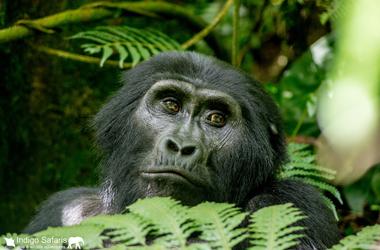
Why Visit Queen Elizabeth National Park?
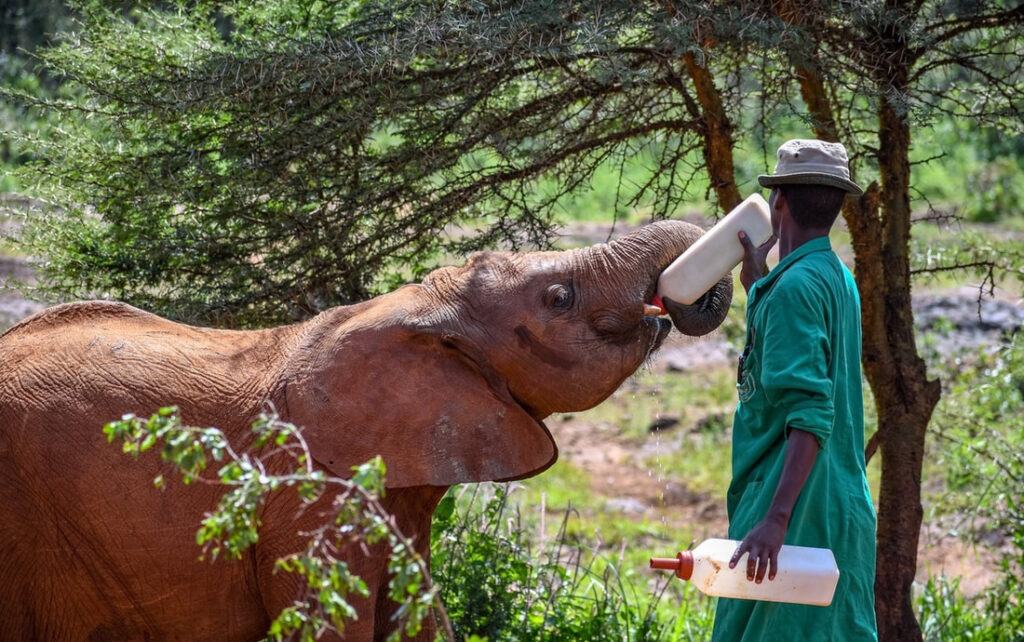
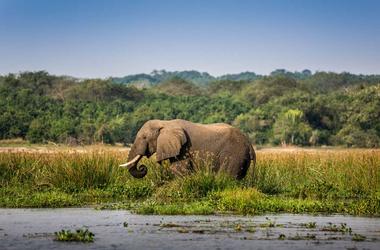
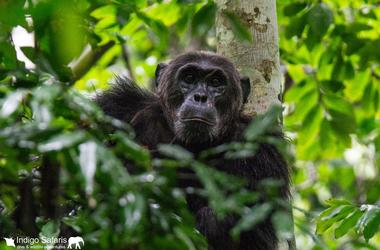
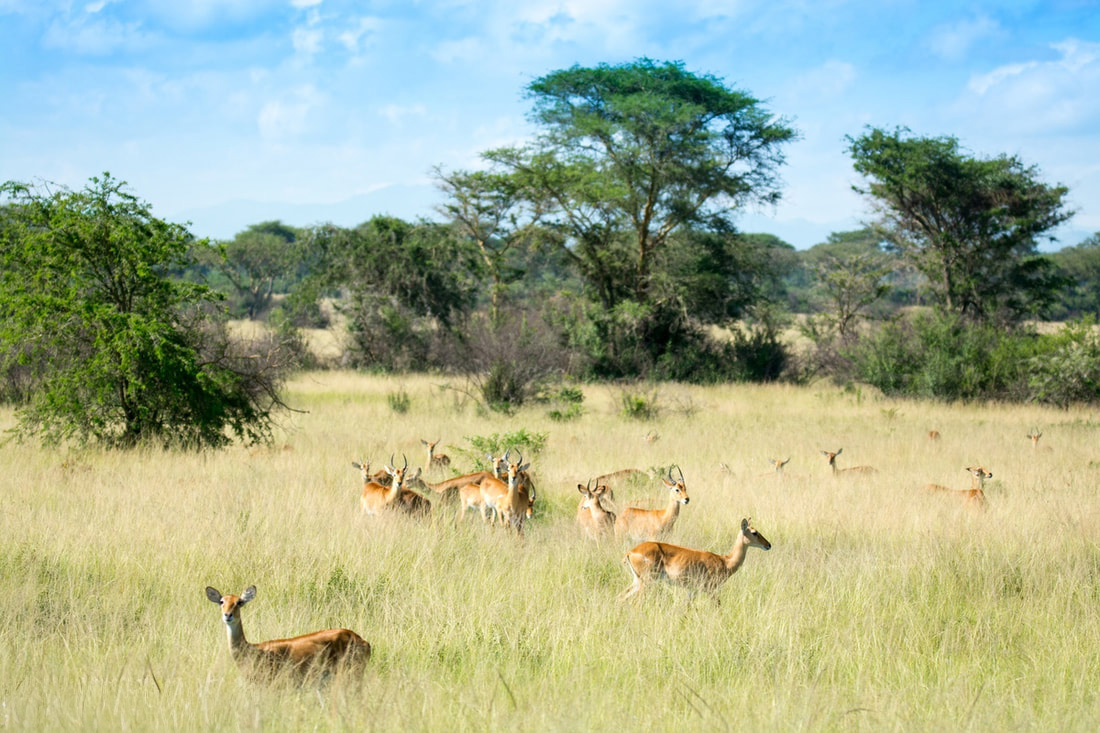
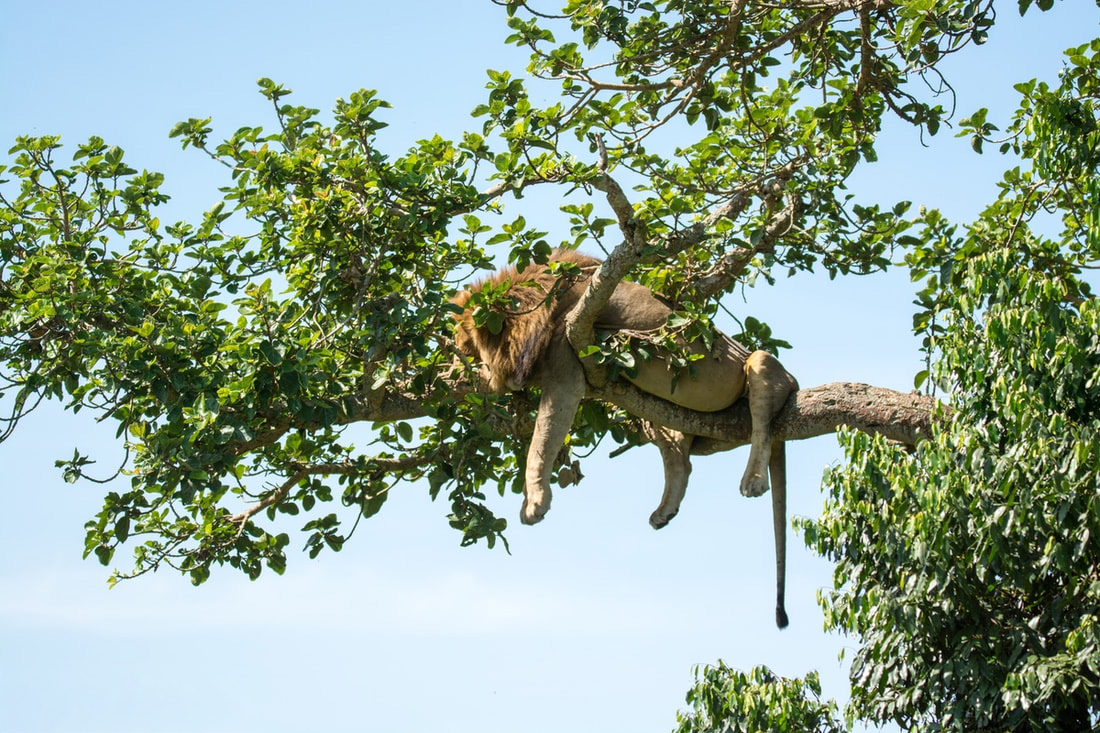
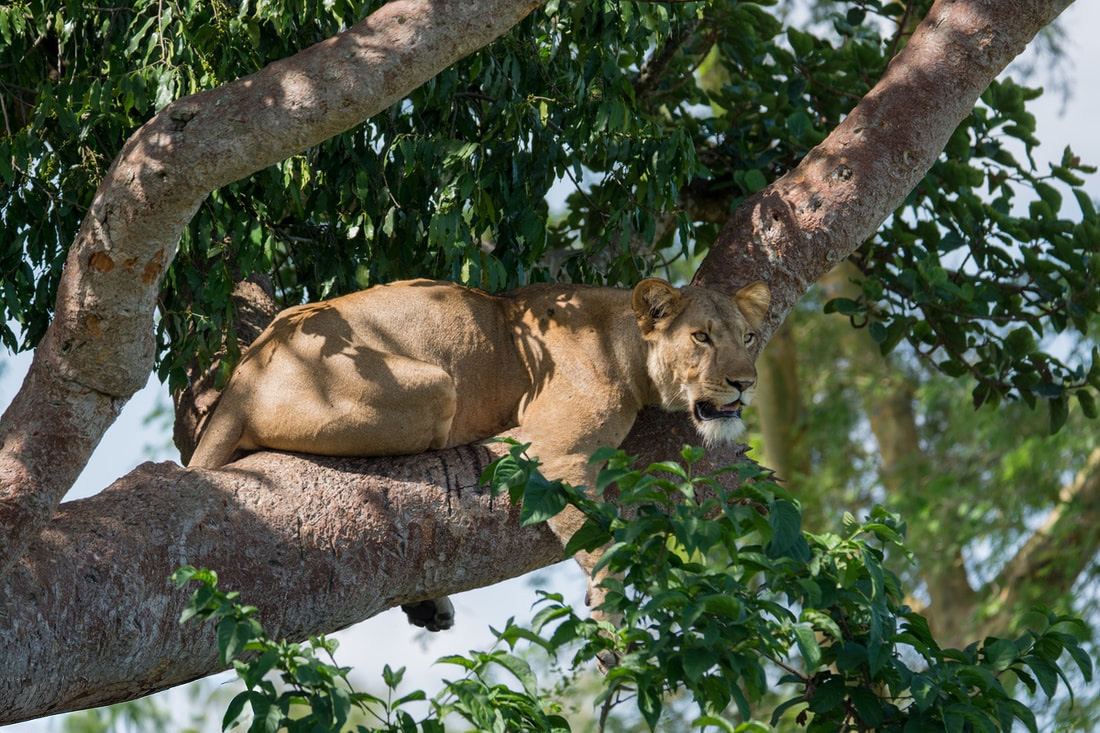
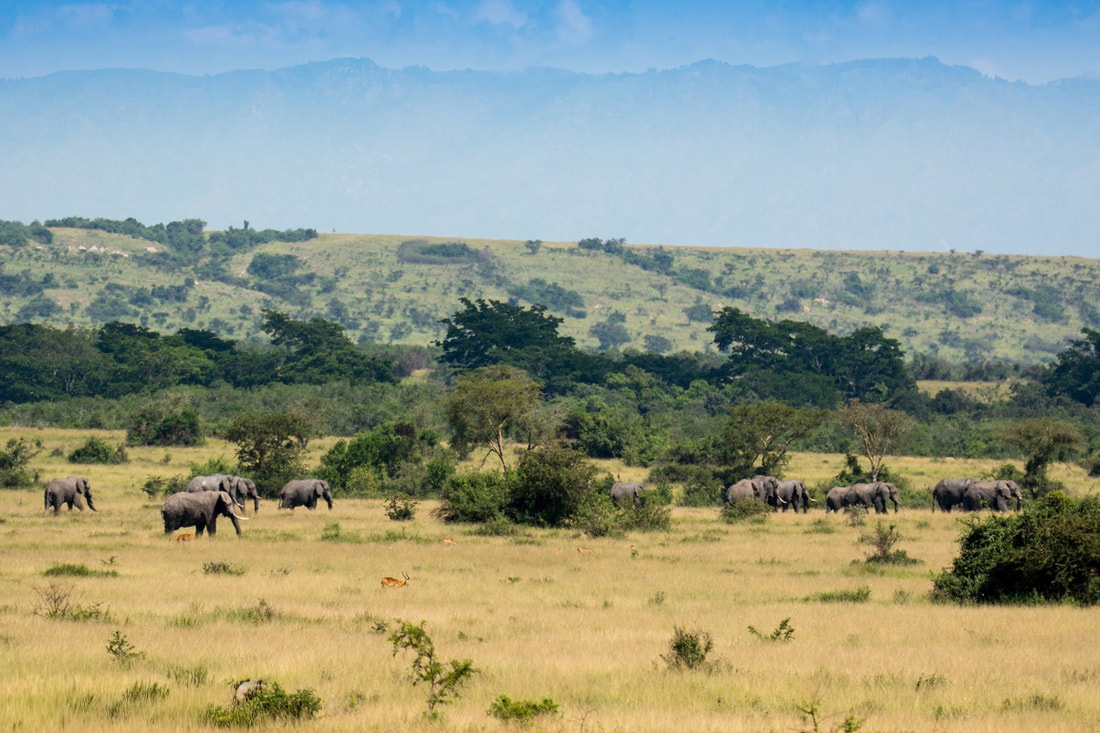
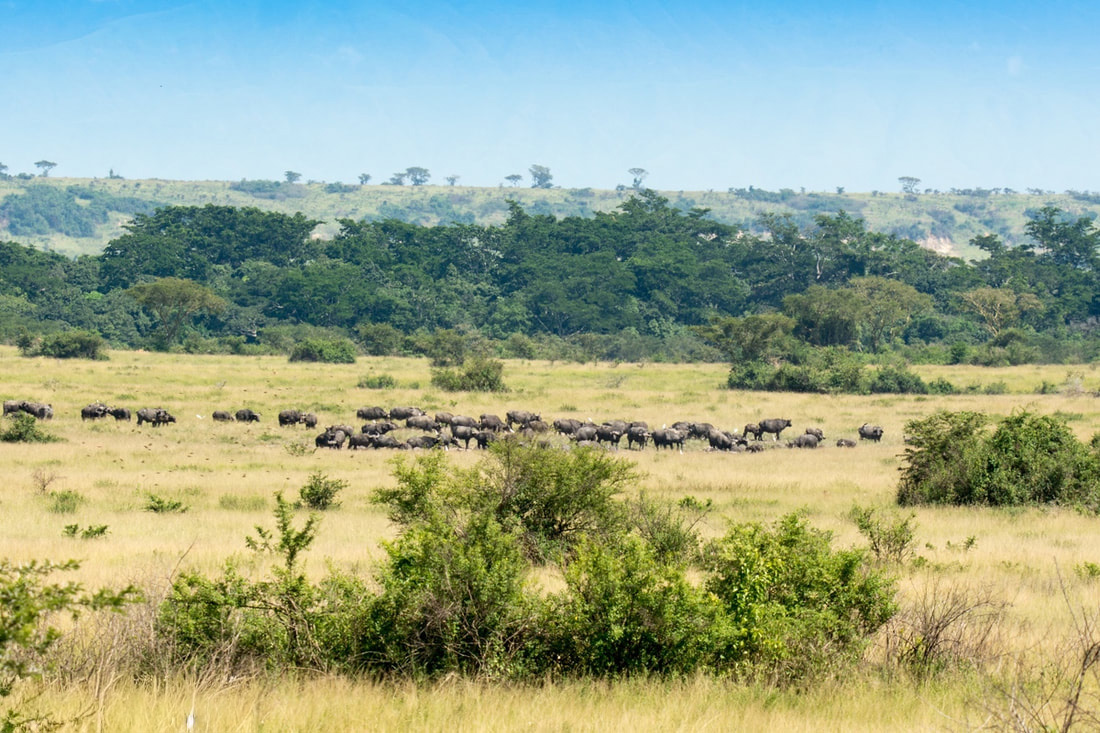
Hidden amongst these landscapes are about 100 different mammal species including leopard, lion, elephant, buffalo, hyena, chimpanzee, black-and-white colobus monkey, hippo, crocodile, waterbuck, topi, warthog, giant forest hog and the Ugandan Kob, a light brown antelope that is endemic to this area. A highlight is the tree-climbing lions within the southern Ishasha sector of the park, which also sport black manes, a genetic anamoly unique to Queen Elizabeth Park.
As the whole of Uganda, Queen Elizabeth national Park is just another birders paradise, with about 600 different bird species to be found. Look out for martial eagle, great flamingo, pink-backed pelican, shoebill stork, African skimmer, Chapin’s flycatcher, black-rumped buttonquail, and papyrus canary.
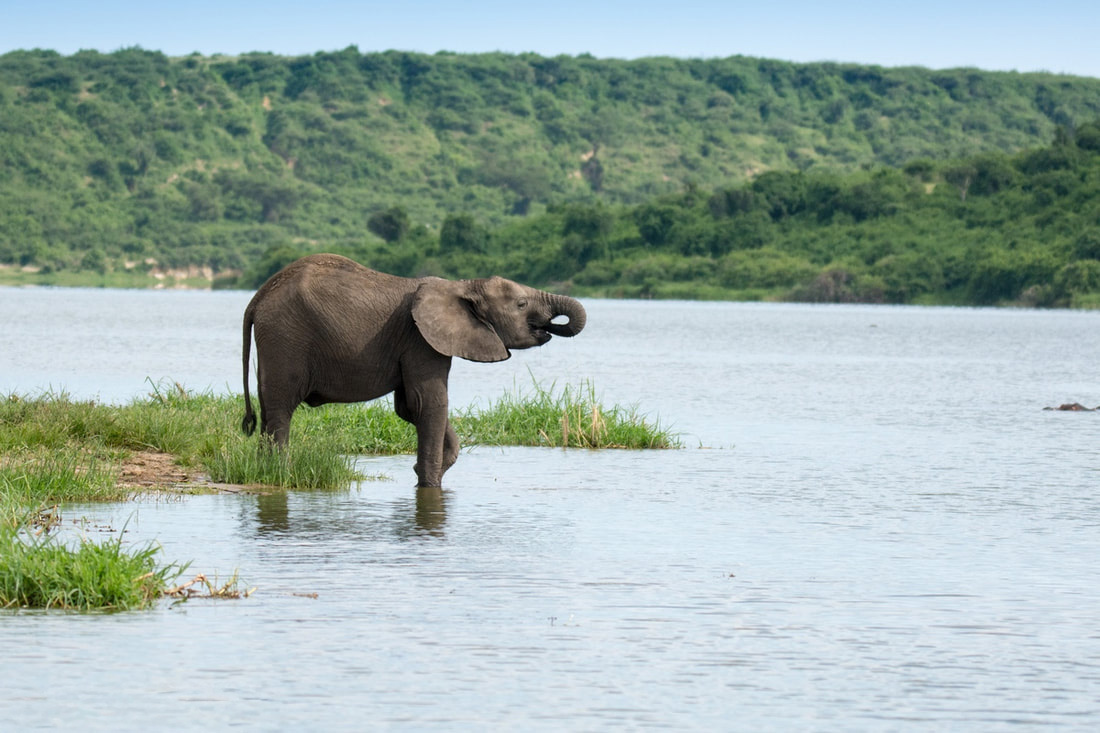
The different landscapes and huge animal variety suggests that there is also a great selection of safari activities - in addition to game drives, you can also do river cruises along the Kazinga Channel, maneuvering between pods of playful hippos and menacing crocodiles, chimpanzee tracking in the Kyambura Gorge and hot air ballooning.
Best Times To Visit Queen Elizabeth National Park
Queen Elizabeth National Park, Uganda’s most visited wildlife reserve, offers breathtaking scenery, rich biodiversity, and unforgettable encounters year-round. From tree-climbing lions to volcanic crater lakes and the shimmering Kazinga Channel, each season reveals a new dimension of this extraordinary landscape.
The dry season is the best time to visit. Roads are in good condition, grasses are low, and animals congregate around the channel and lakes, making game drives and boat safaris exceptional. Clear skies and comfortable temperatures also create ideal photography conditions.
Another dry window offering superb wildlife viewing and birding opportunities. Migratory birds arrive, hippos bask along the Kazinga Channel, and the park’s plains teem with life.
The long rains transform the park into a lush paradise. Though travel may be slower, this is a peaceful time to visit, with dramatic scenery, fewer tourists, and excellent birdwatching.
Light rainfall revives the landscape, creating a painter’s palette of greens and golds. Wildlife remains active, and the softer light enhances the park’s photogenic beauty.

Tell us your preferences and we'll craft a personalized itinerary that includes Queen Elizabeth National Park for an unforgettable travel experience.
Explore stories that reflect the wonder of Africa’s most varied landscapes—where shimmering lakes, volcanic plains, and wildlife-rich savannahs exist in perfect harmony. In this blog section, travellers share reflections on connection, exploration, and the beauty of nature’s contrasts. Each story embodies Indigo Safaris’ ethos: mindful, meaningful travel that deepens appreciation for the natural world.