
May 28, 2020
Namibia’s wildlife heartland.
Proclaimed a game reserve in 1907, it now covers 22,912 sq km of which 23% is covered by a large salt pan. Etosha means ‘great white place’ and it couldn’t be more appropriately named. The saline pan draws in large quantities of game that are attracted by the salt that they are lacking otherwise, and the sight of animals crossing the pan through a heat haze makes for some spectacular photos as prey and predator call a truce as they search for water.
Our Tours In Etosha
Type
Activity
Style
Price
Sort
Namibia – 6-day Etosha, Himba & Skeleton Coast Safari – Group Camping
days
Namibia – 12 day Classic Namibia Safari – Group camping
Africa
12 days
Namibia – 6-day Taste of Namibia – Group camping
Africa
6 days
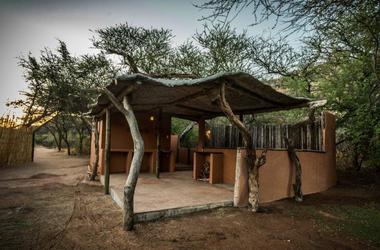
Namibia – 9-day Wildlife, Coast & Dunes Safari – Group camping
Africa
9 days
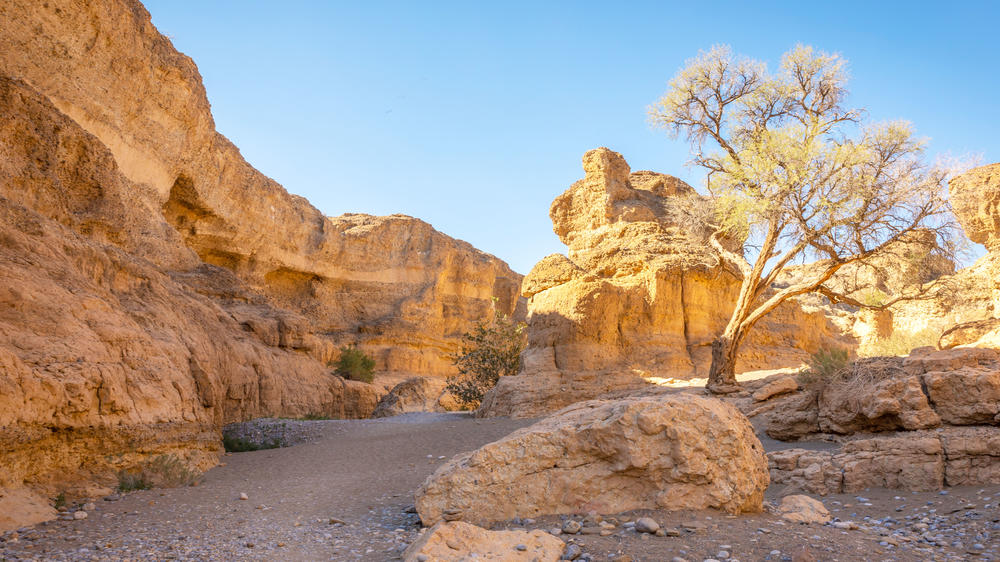
Namibia – 9-day Best of North & South Safari – Group camping
Africa
9 days
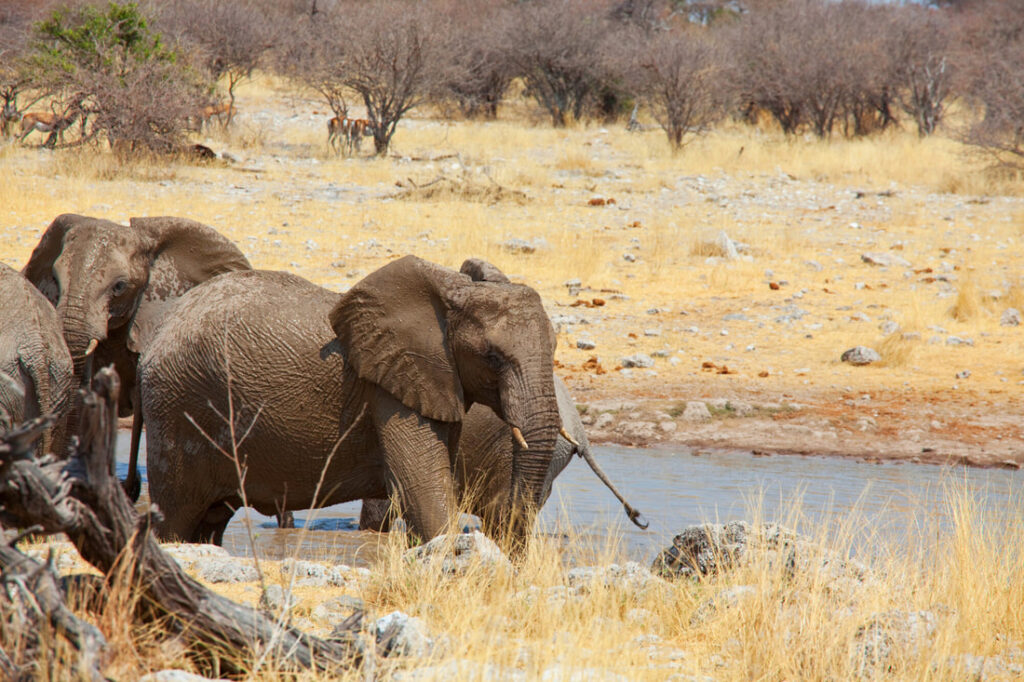
Namibia – 10-day Unguided Wanderer Shuttle Safari – Tailored Driven
Africa
10 days
Namibia – 4-day Swakopmund & Sossusvlei Adventure – Group accommodated
Africa
4 days
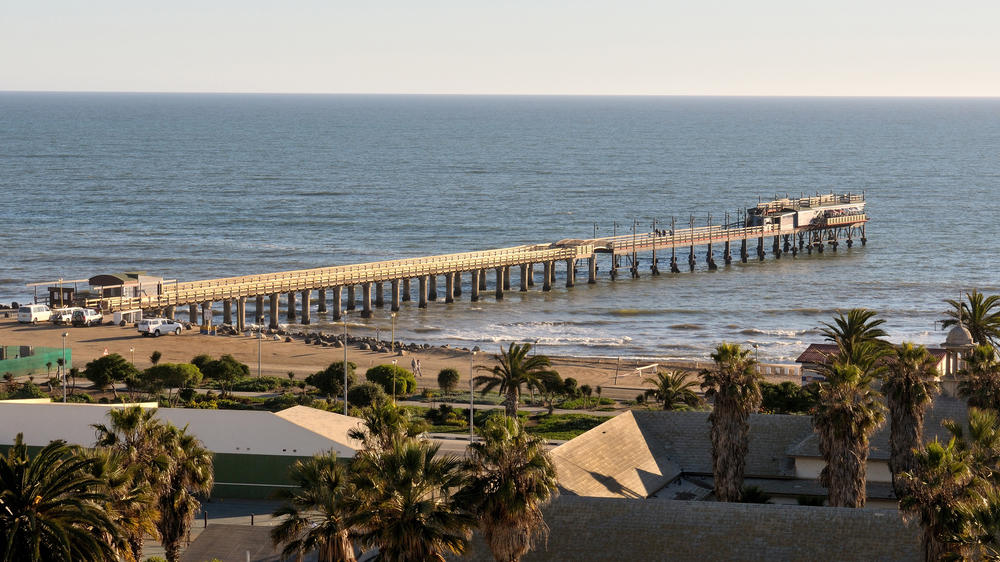
Namibia – 4-day Etosha & Swakopmund Short Trip – Group accommodated
Africa
4 days
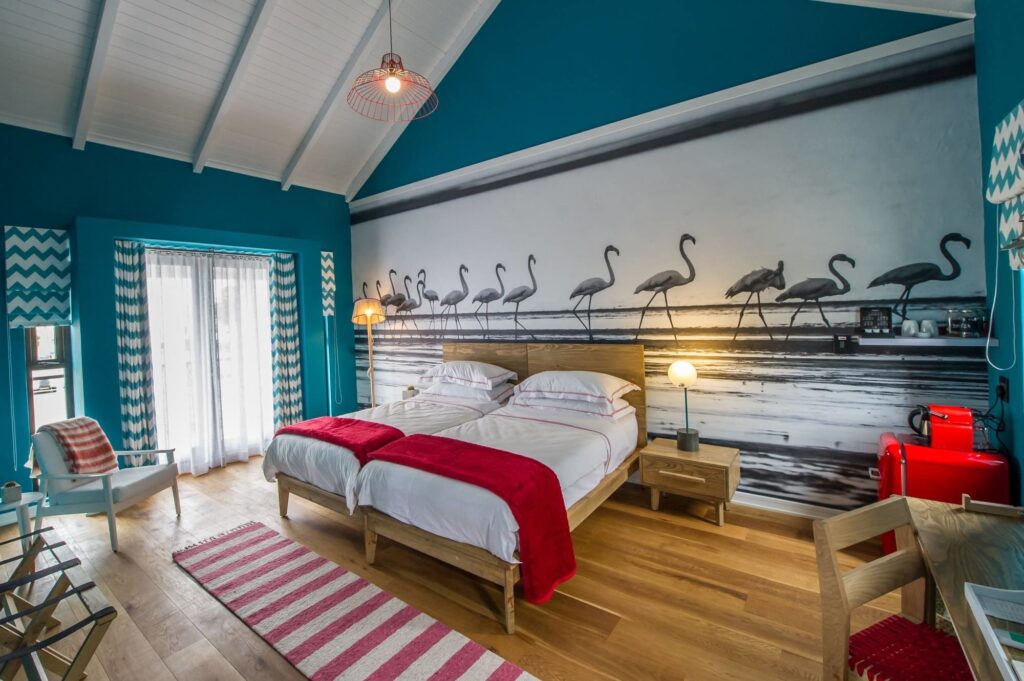
Namibia – 8-day Unguided Escape Shuttle Safari – Tailored Driven
Africa
8 days
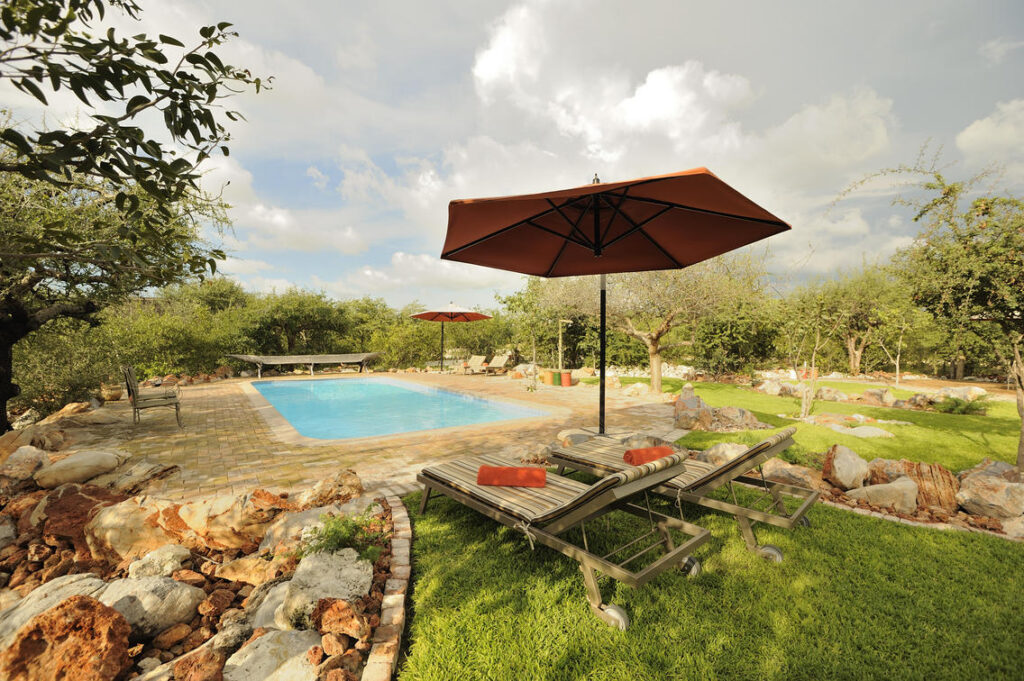
Namibia – 7-day Namibian Highlights – Group accommodated
Africa
7 days
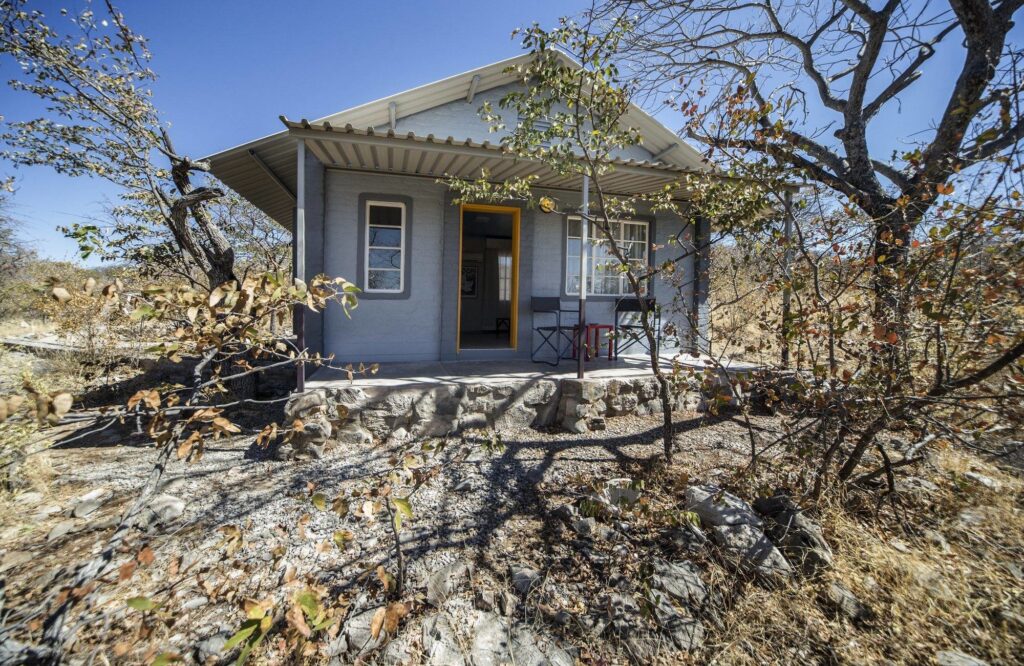
Namibia – 3-day Etosha Unguided Shuttle Safari – Tailored Driven
Africa
3 days
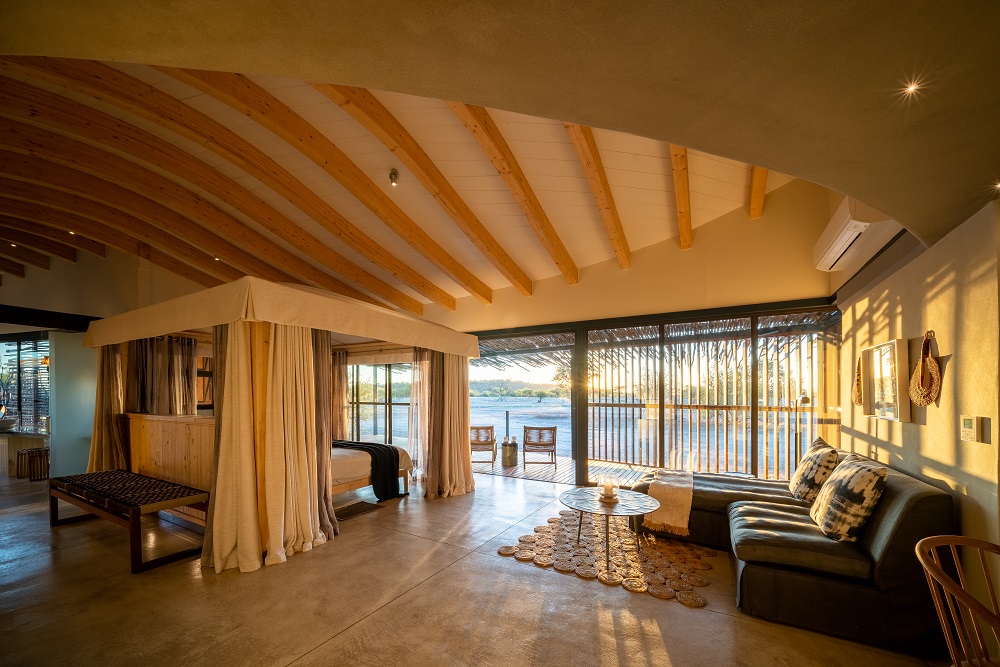
Namibia – 14-day The Ultimate Namibia Fly-in safari – Tailored Fly-in
Africa
14 days
Why Visit Etosha?
Classic game viewing with a desert edge.
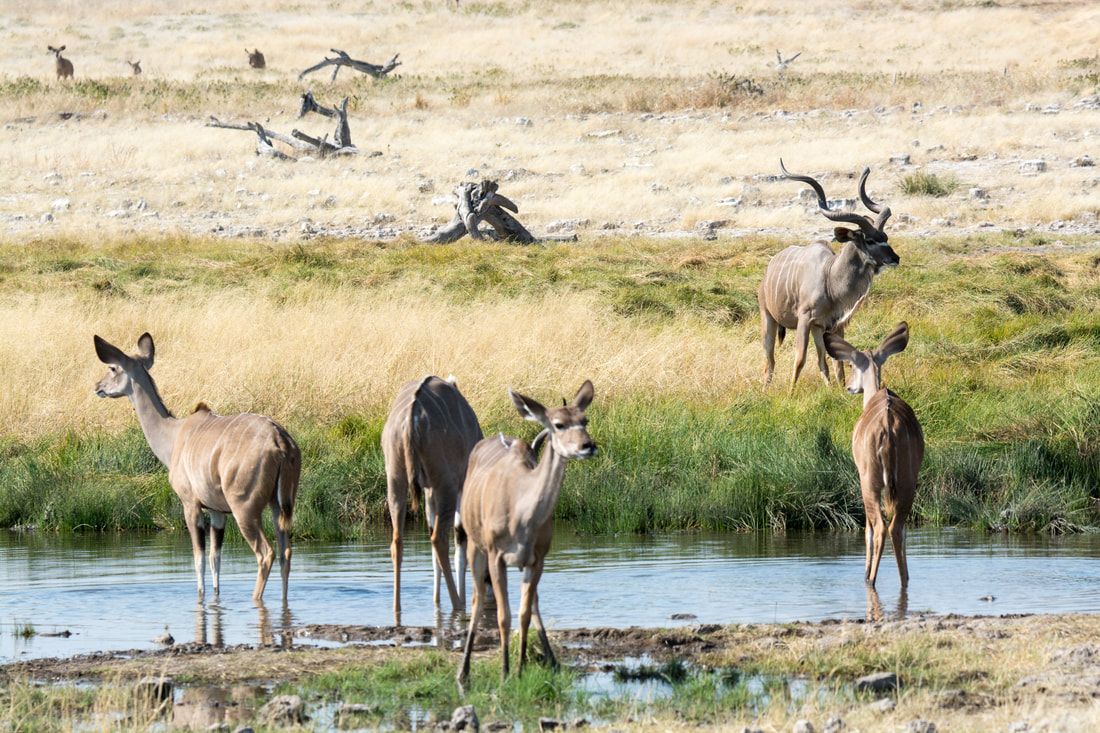
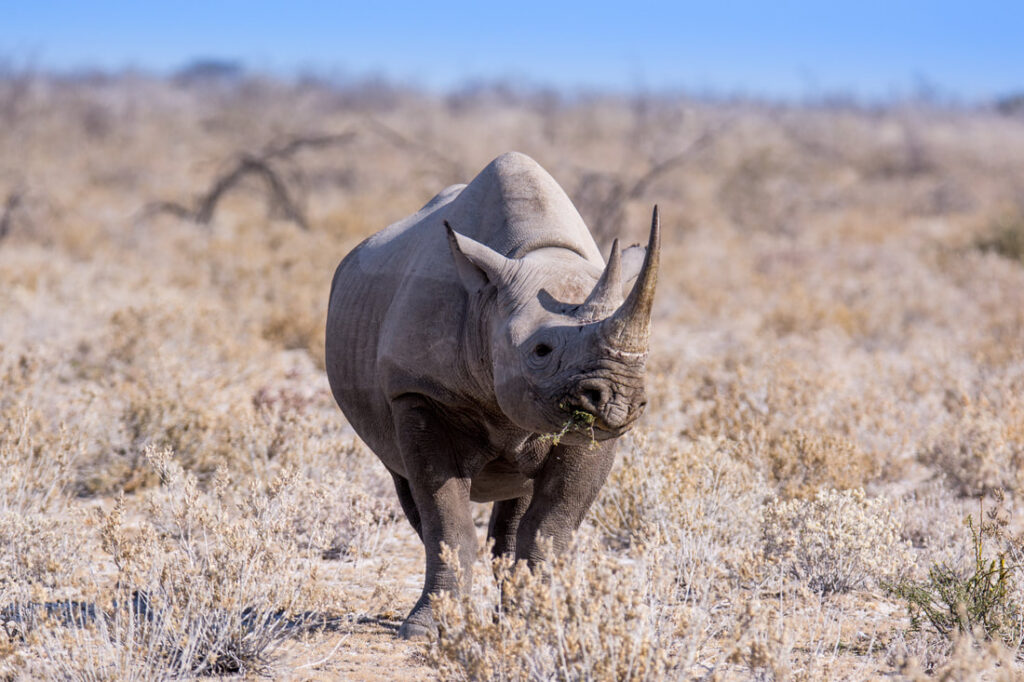
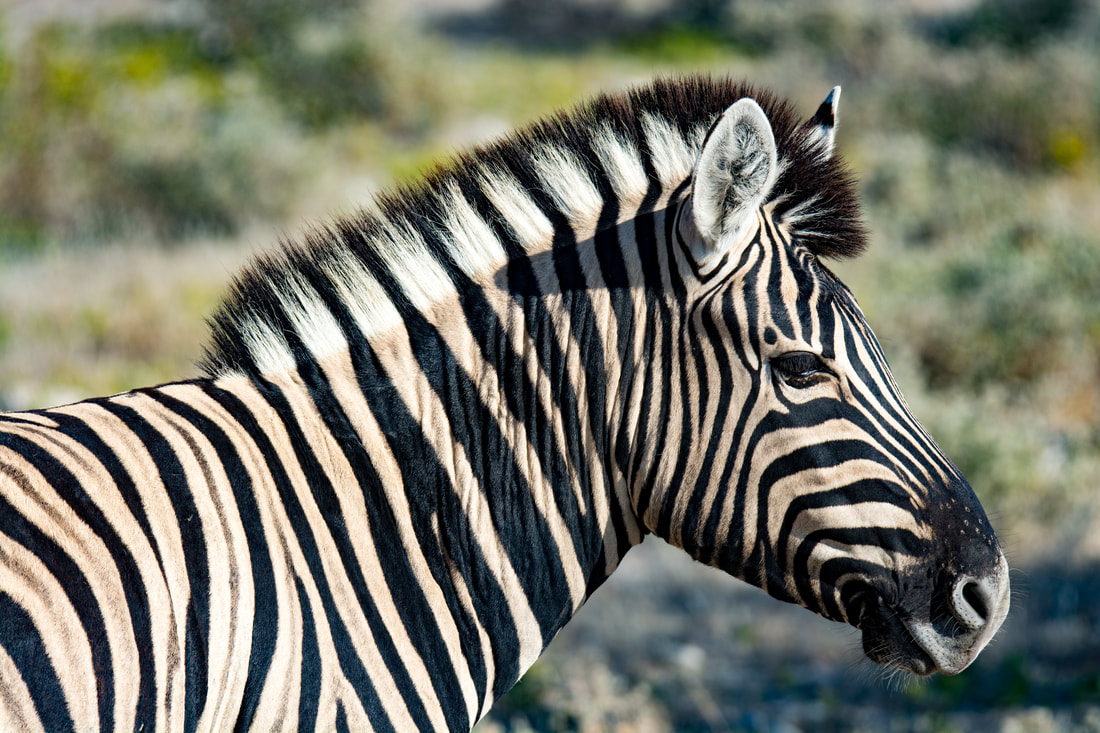
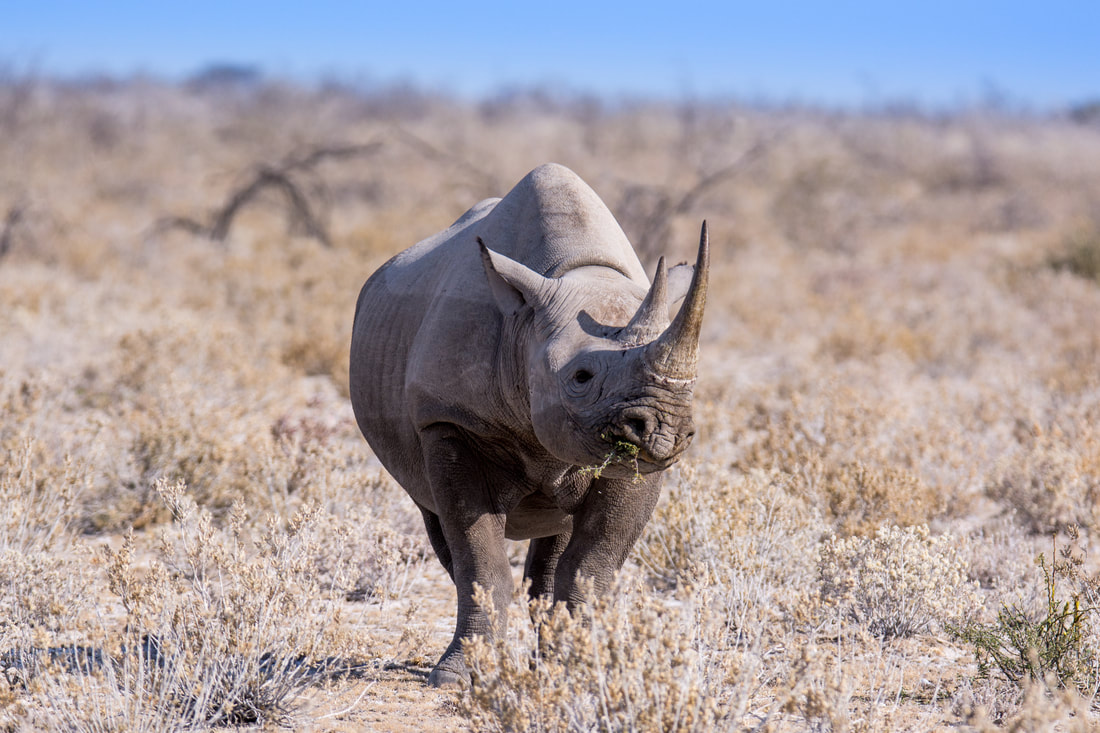
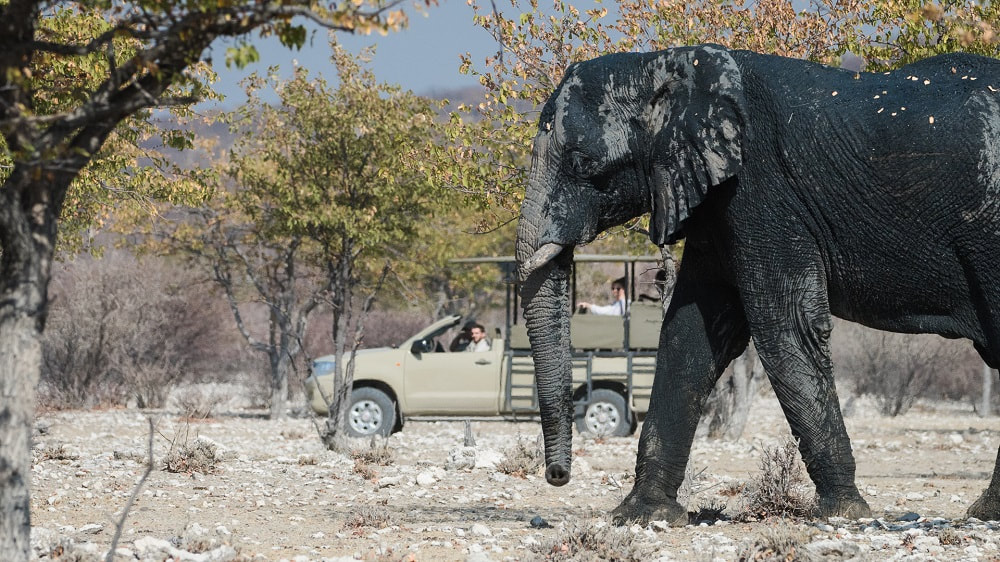
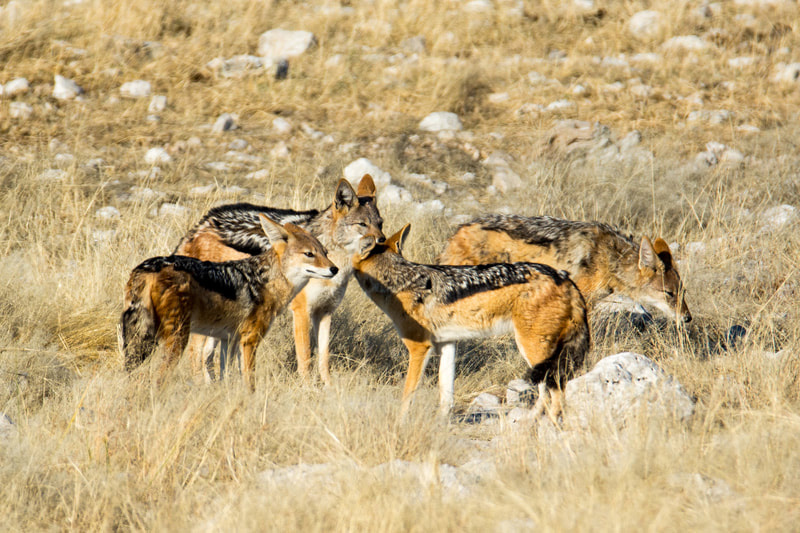
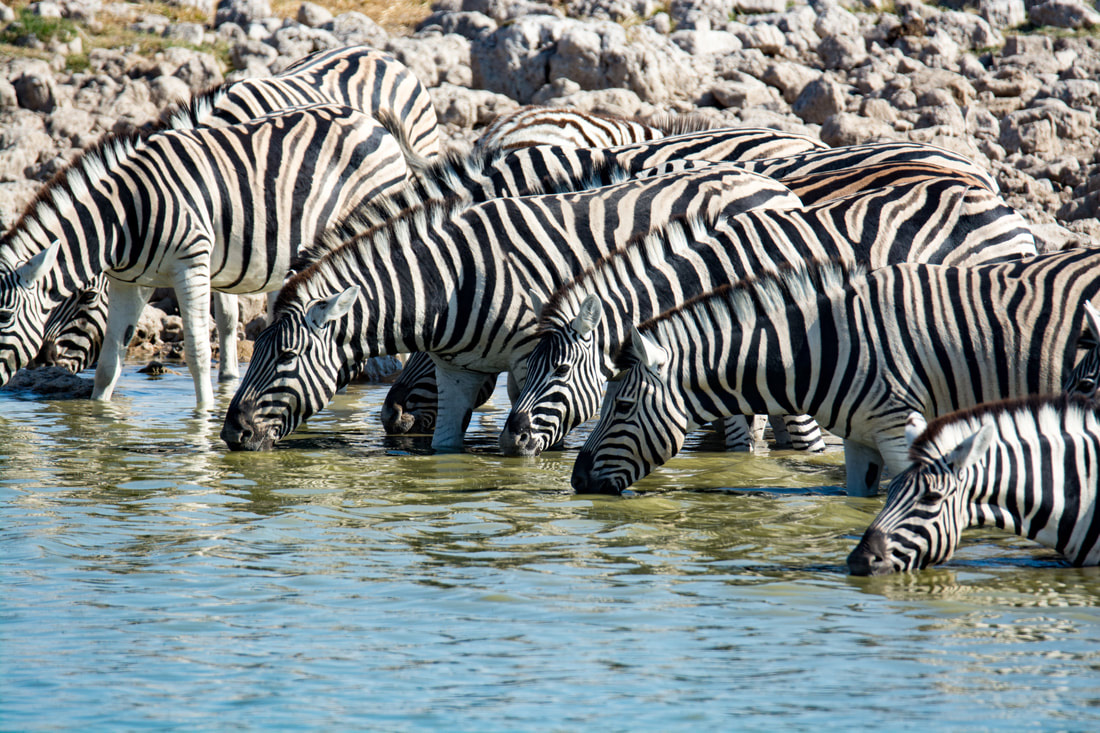
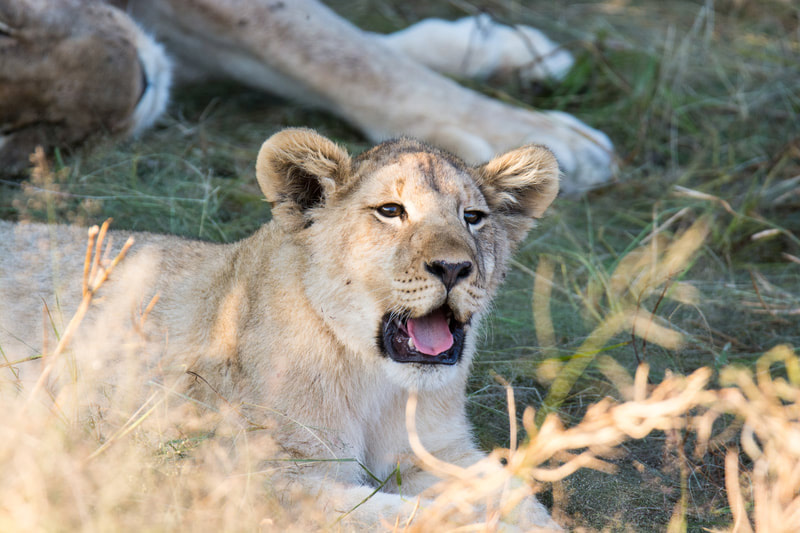
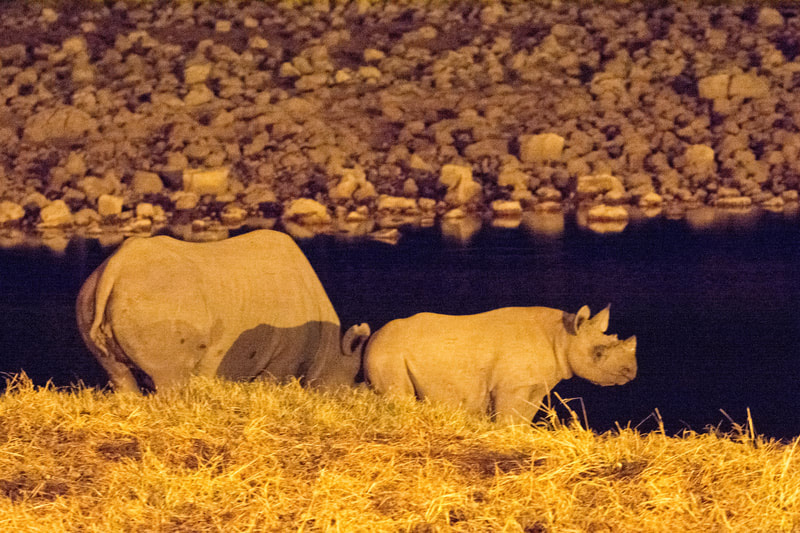
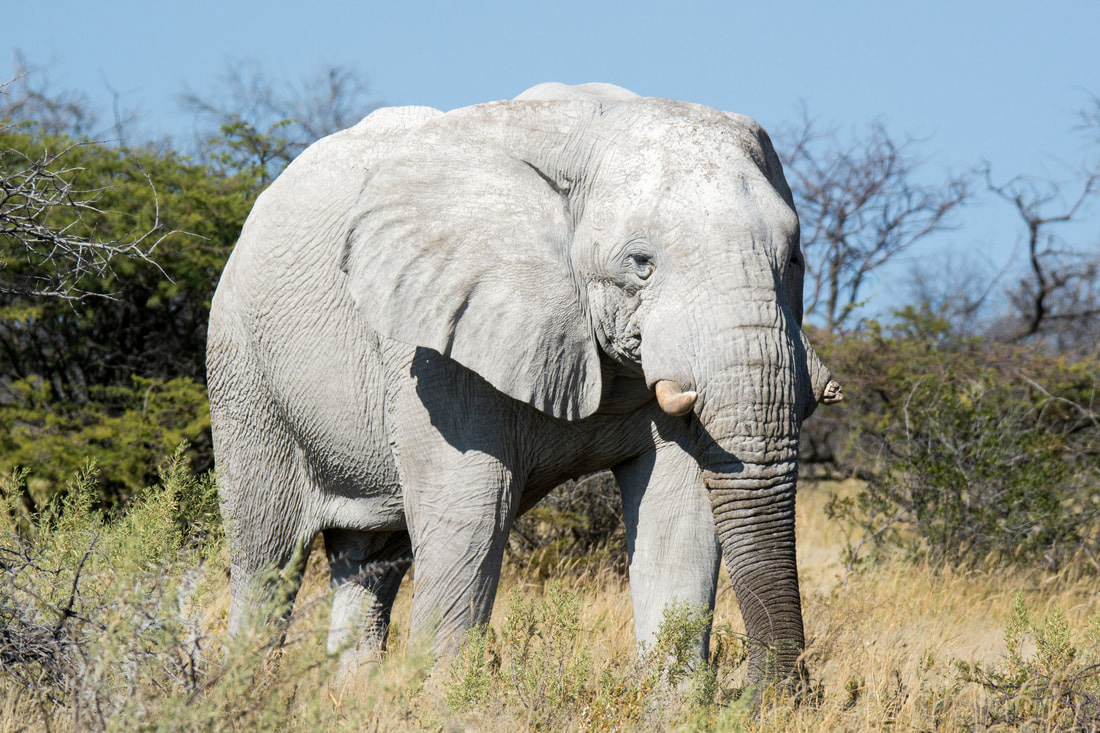
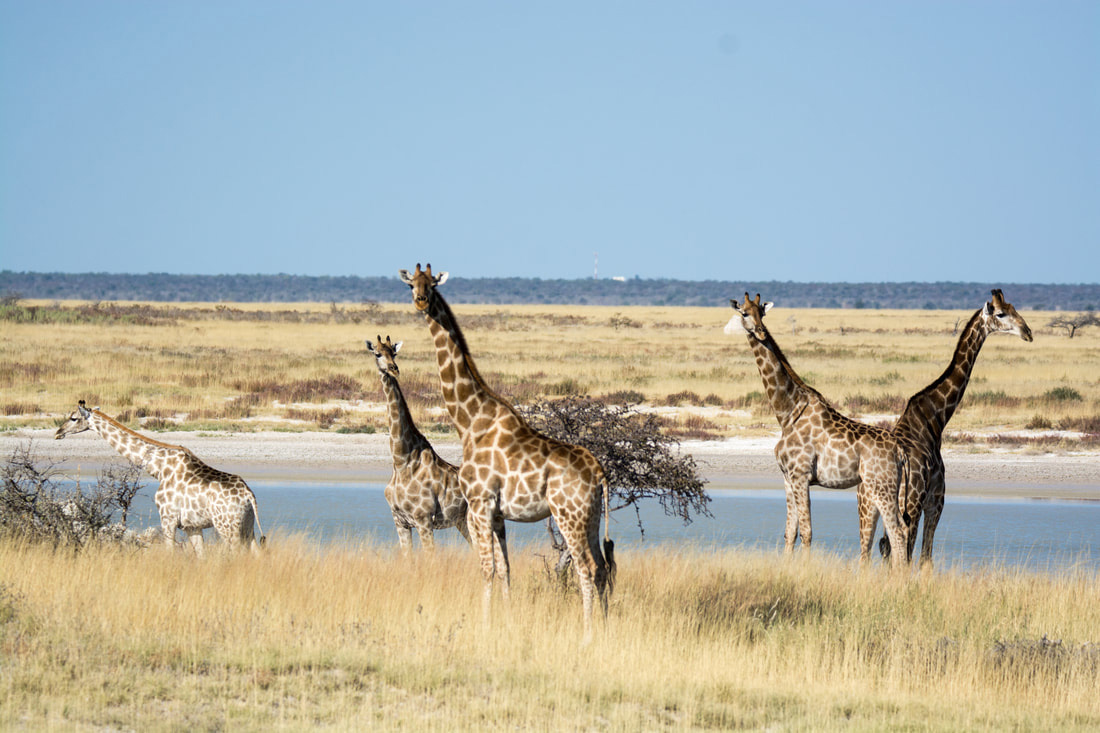
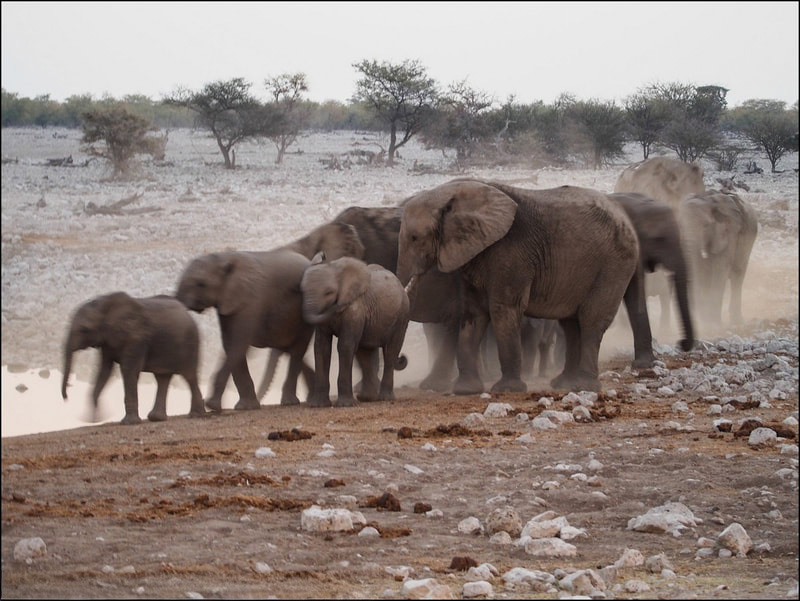
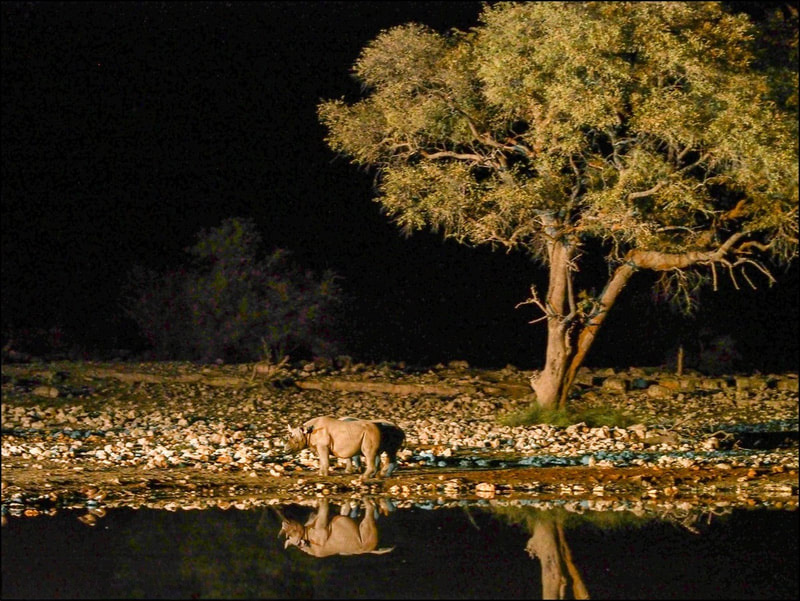
On Etosha’s grassveld it is easy to find grazers, including Burchell’s zebra, blue wildebeest, red hartebeest and black-faced impala. Kudu are found on the margins of the woodland, whilst giraffe nibble the acacias and eland come to drink. Etosha’s cats are thriving with large populations of lion, leopard and cheetah. Elephant occur in hundred-strong herds whilst black and white rhino are found, particularly around Okaukuejo and Andersson's gate.
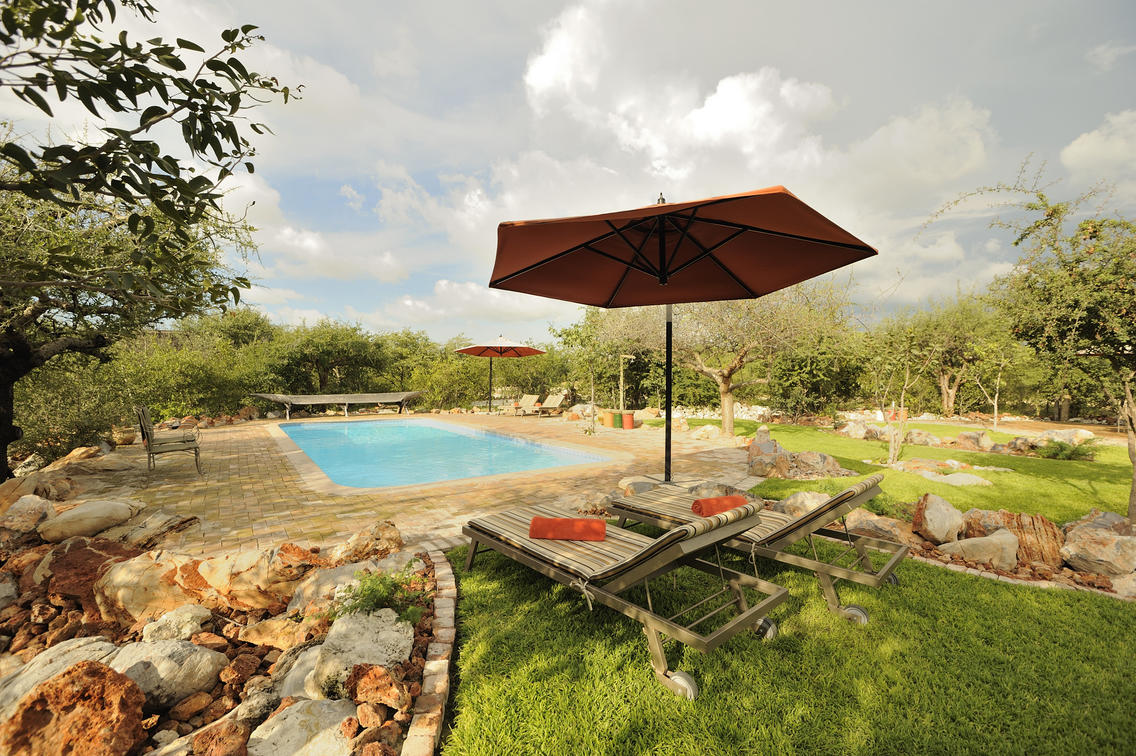
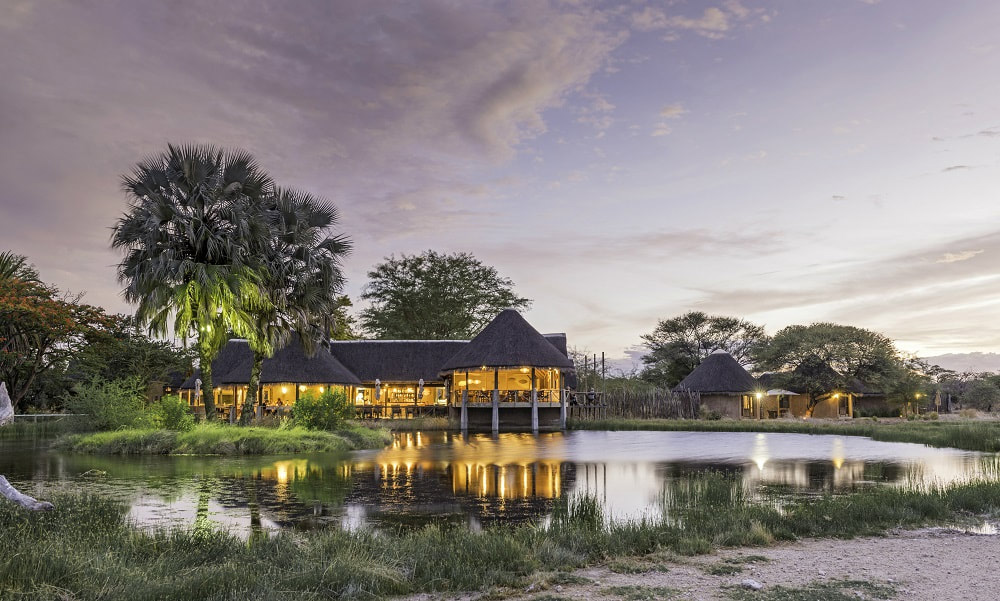
There are a series of reasonable if unspectacular rest camps in the park, managed by the park authority, with a range of chalets and camping. They are linked my a good road, and the waterholes are all easy to find on a network of tracks shown on maps, making self-driving easy.
- ☀ Iconic Salt Pan
-
The enormous Etosha Pan creates surreal landscapes and stunning photography.
- ☀ Reliable Wildlife Viewing
-
Year-round animal gatherings at waterholes ensure excellent sightings.
- ☀ Self-Drive Friendly
-
Superb infrastructure allows easy independent travel as well as guided safaris.
Best Times to Visit Etosha National Park
Wildlife spectacles shaped by the seasons.
Etosha is a year-round destination, but your experience will vary depending on the season. Whether you’re after high-density wildlife sightings or a birder’s paradise, there’s a perfect time to go.
- ➡ May to October (Dry Season)
-
Peak game viewing. Sparse vegetation and limited water sources draw wildlife in large numbers to the waterholes. Expect phenomenal predator-prey interactions and easy photography conditions.
- ➡ July to September
-
Cooler temperatures and prime visibility. These are some of the best months for safari in Etosha, with minimal rain and excellent animal activity.
- ➡ November to March (Green Season)
-
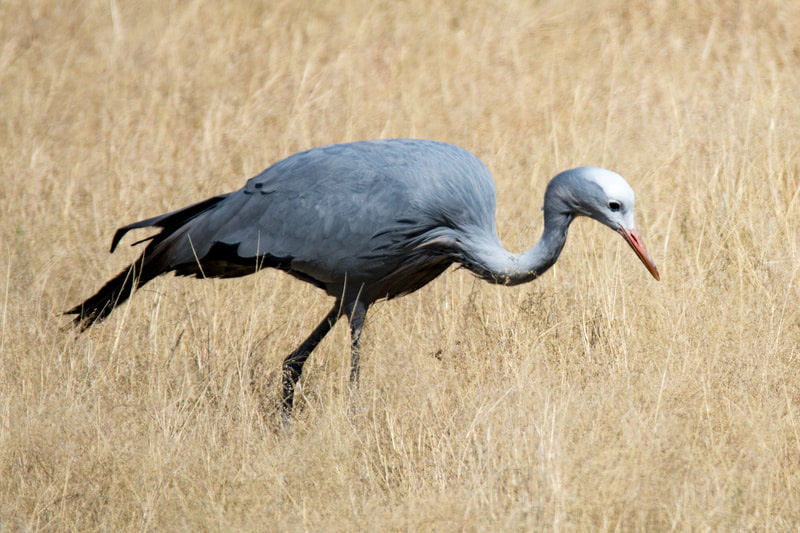
Birder’s paradise. The landscape transforms as rains fill the salt pan and turn it into a breeding ground for flamingos and migratory birds. General wildlife viewing is more challenging but still rewarding.
- ➡ April & November
-
Transitional months. These shoulder seasons offer a quieter experience with fewer visitors and occasional excellent game sightings.
Where the Salt Pan Shimmers with Life.
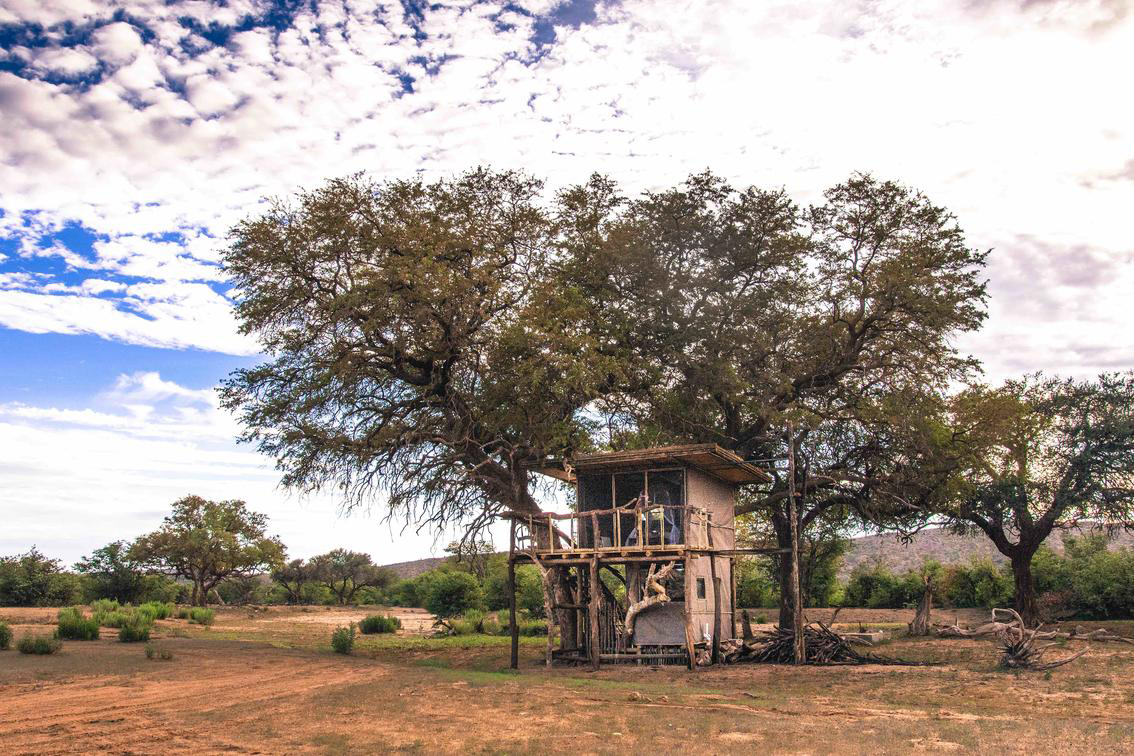
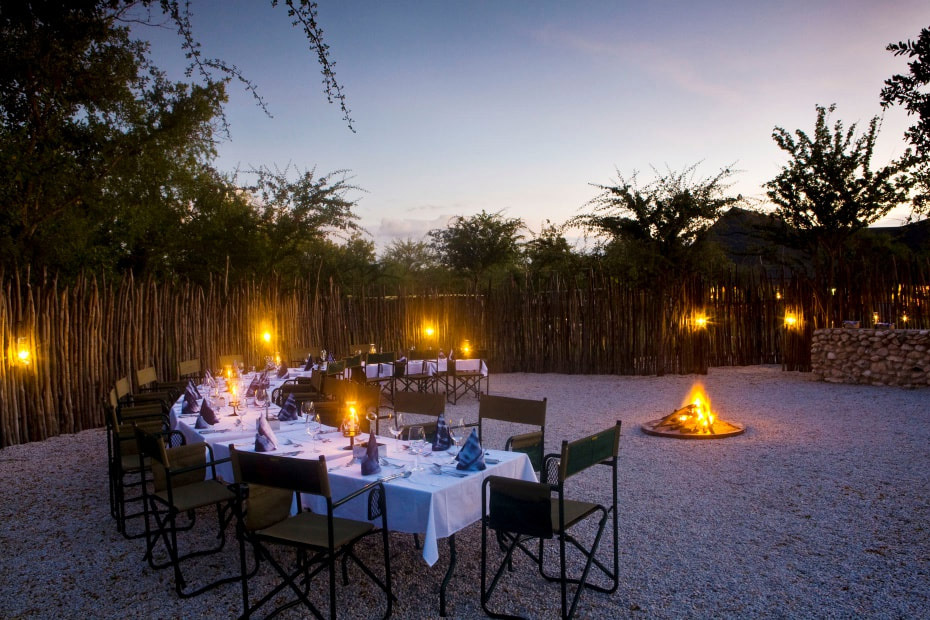
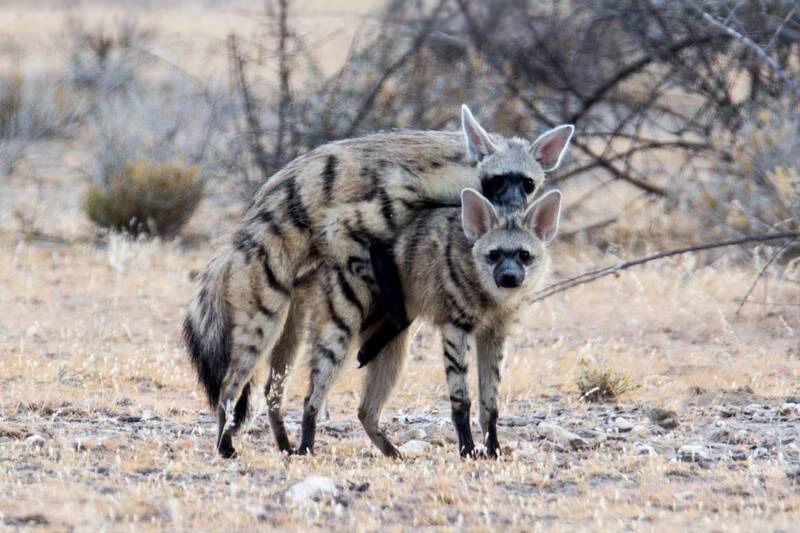
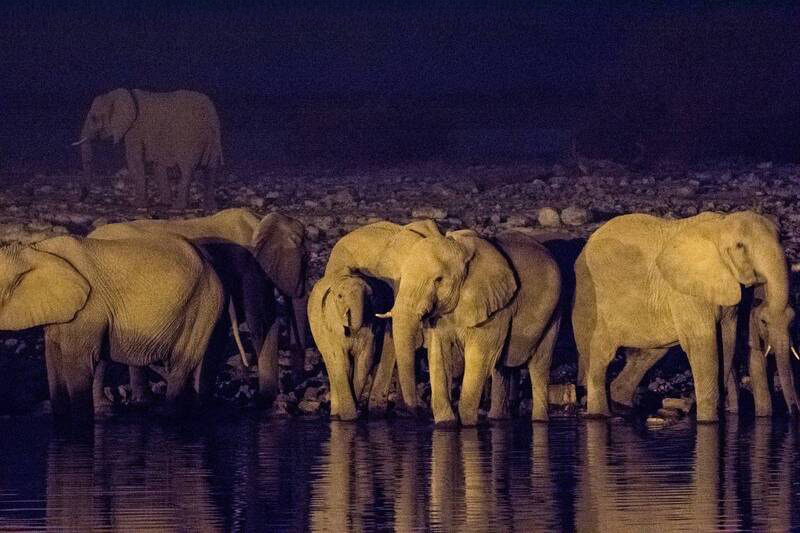
Experience the Essence of Etosha.
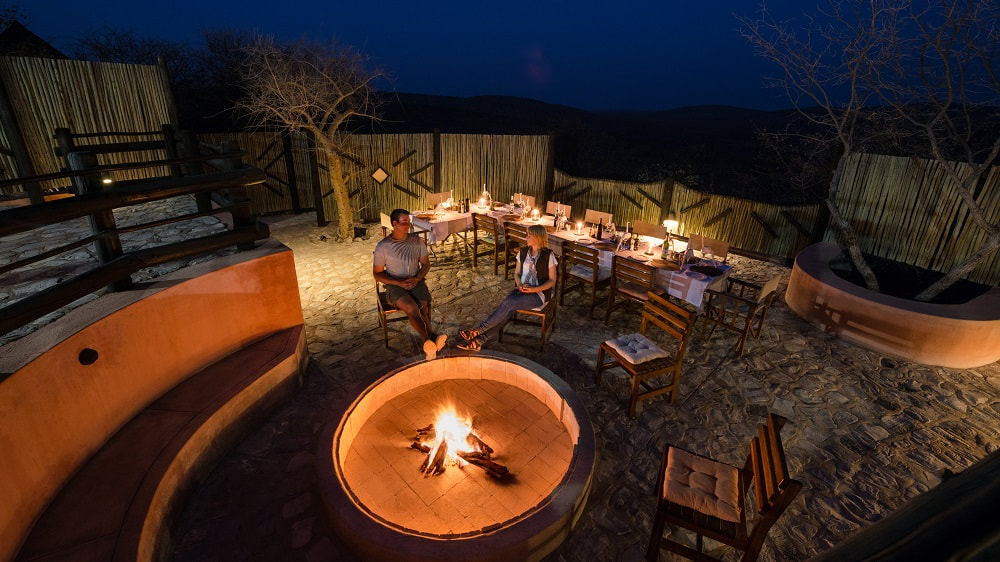
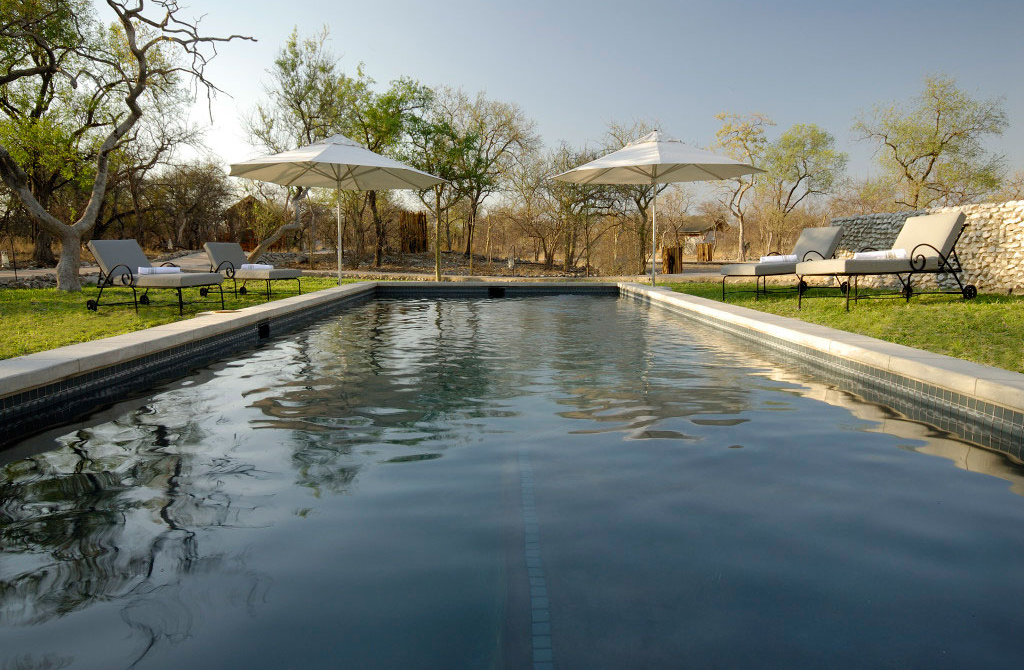
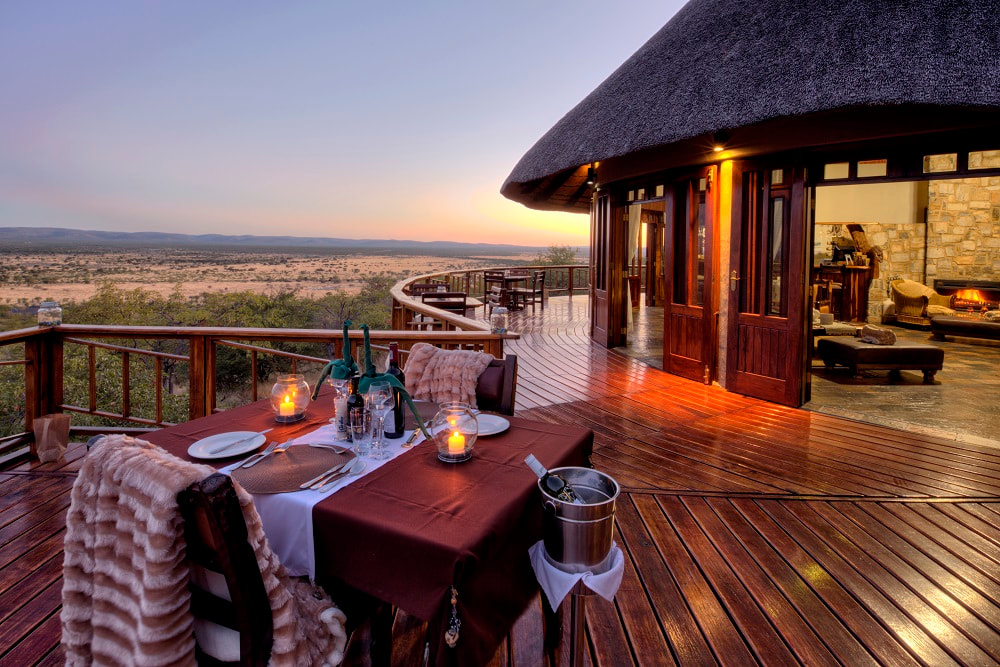
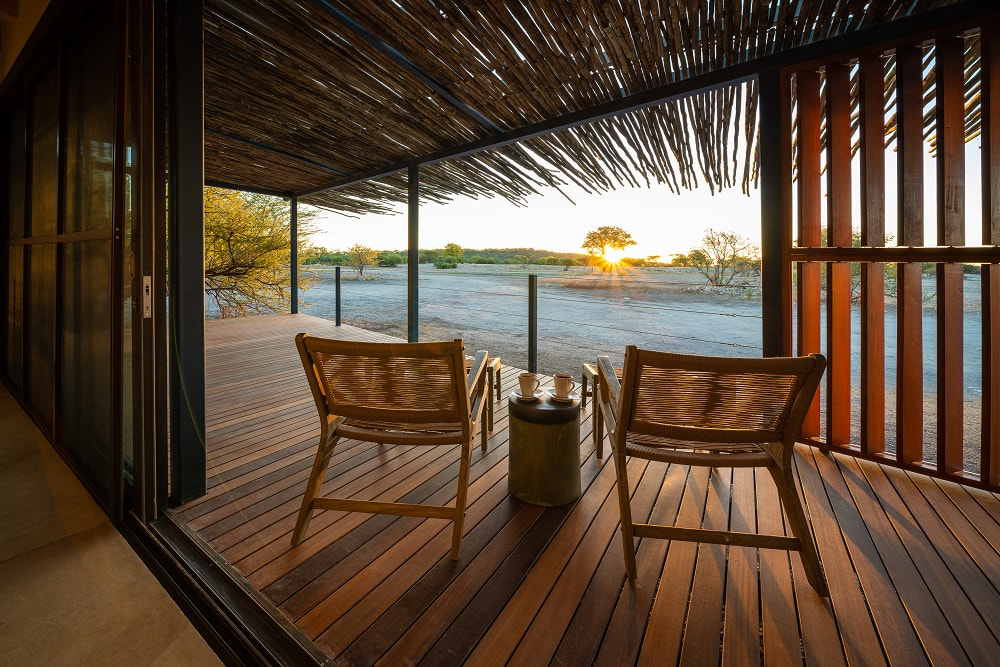
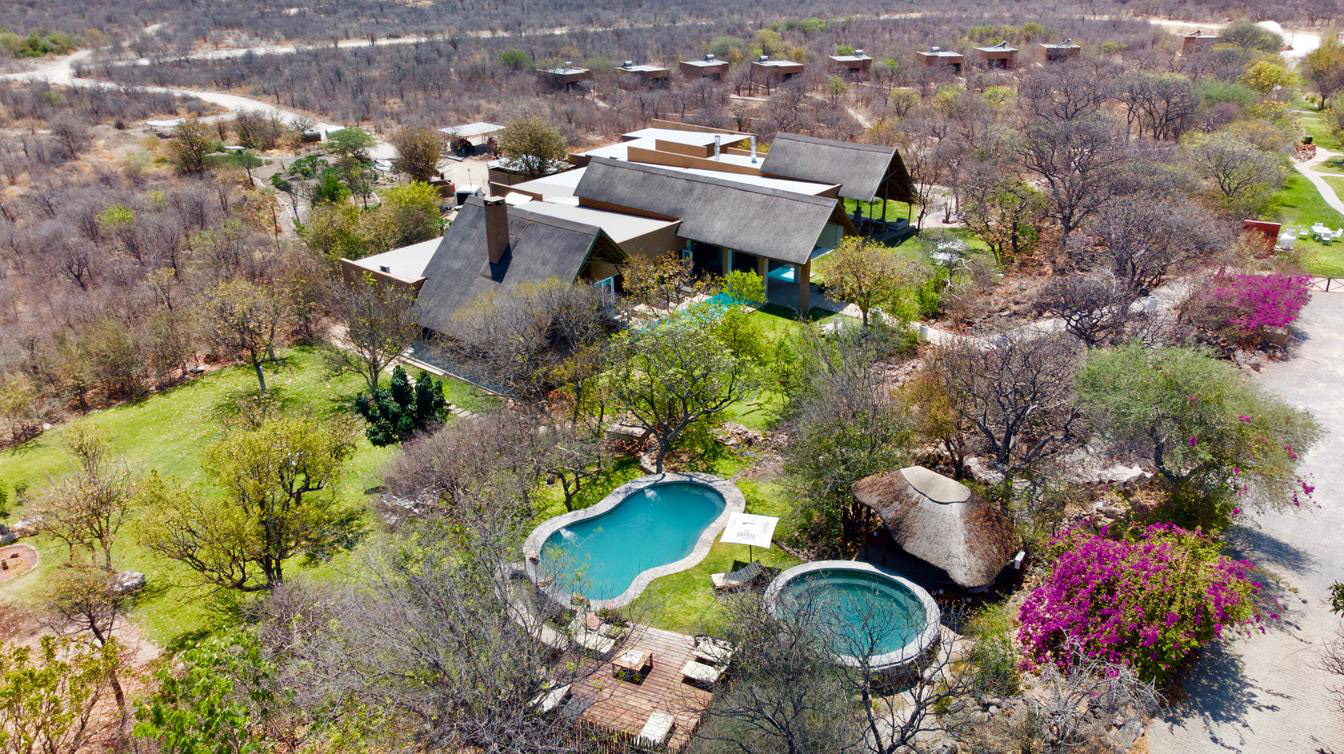
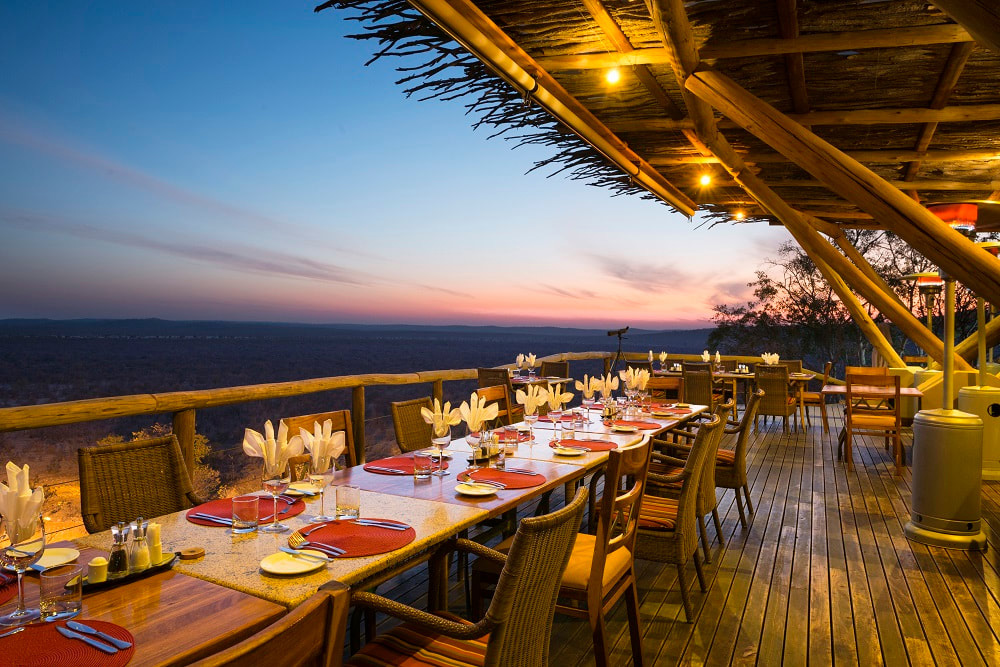
Discover Etosha with Indigo Safaris. From luxury lodges on private reserves to guided drives across the iconic salt pan, we’ll design a safari that brings Namibia’s wildlife wonderland to life. Start planning your Etosha adventure or speak to a safari expert today.
Namibia’s Iconic Safari Heartland.
Step into the stories of Etosha National Park, where vast salt pans and open savannahs create one of Africa’s greatest wildlife spectacles. In this blog section, travellers share unforgettable encounters with elephants, lions, and rhinos gathered around shimmering waterholes beneath endless skies. Each story captures the magic, drama, and timeless rhythm of Etosha—Namibia’s most celebrated safari destination.
August 31, 2023
July 14, 2024