June 12, 2026
The Kunene Region is Namibia at its most untamed. Stretching from the Skeleton Coast to the Angolan border, this vast frontier is a land of striking contrasts: arid deserts broken by life-giving rivers, craggy mountains shadowing ancient valleys, and remote communities living in harmony with their surroundings. Here, desert-adapted wildlife thrives against all odds, and cultural encounters with the Himba people reveal traditions that have endured for centuries. For travellers seeking raw beauty, solitude, and adventure, Kunene offers one of Africa’s most evocative safari experiences.
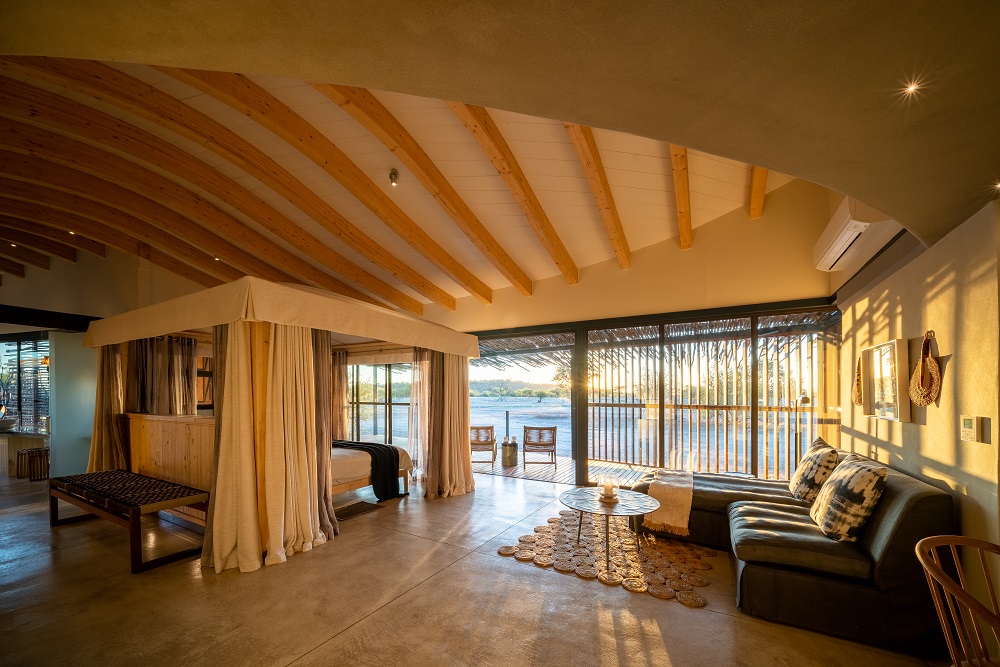
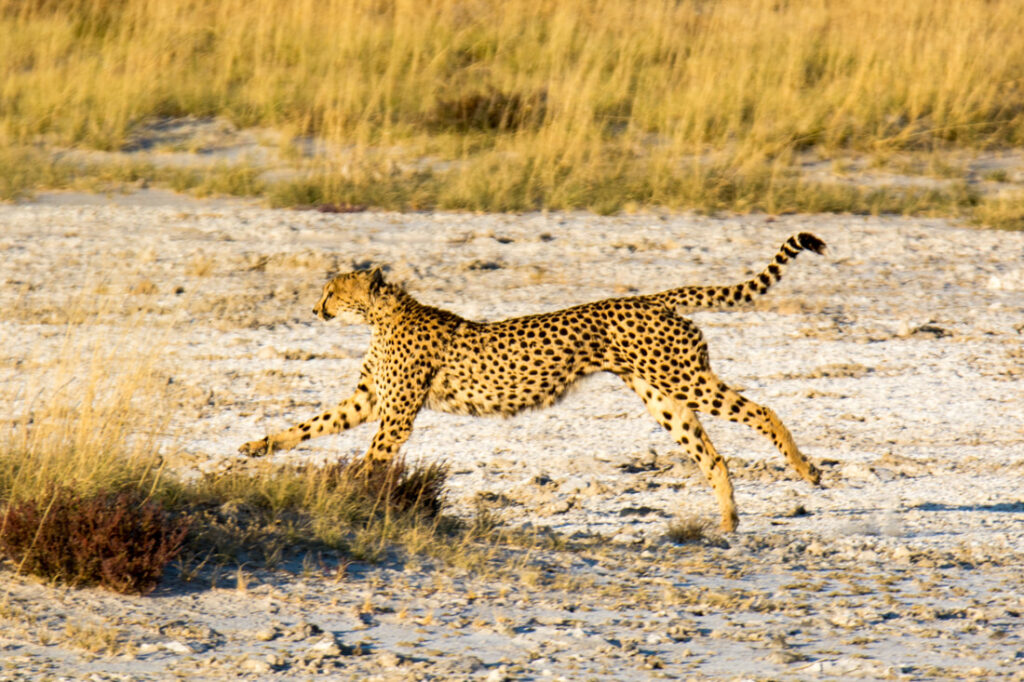

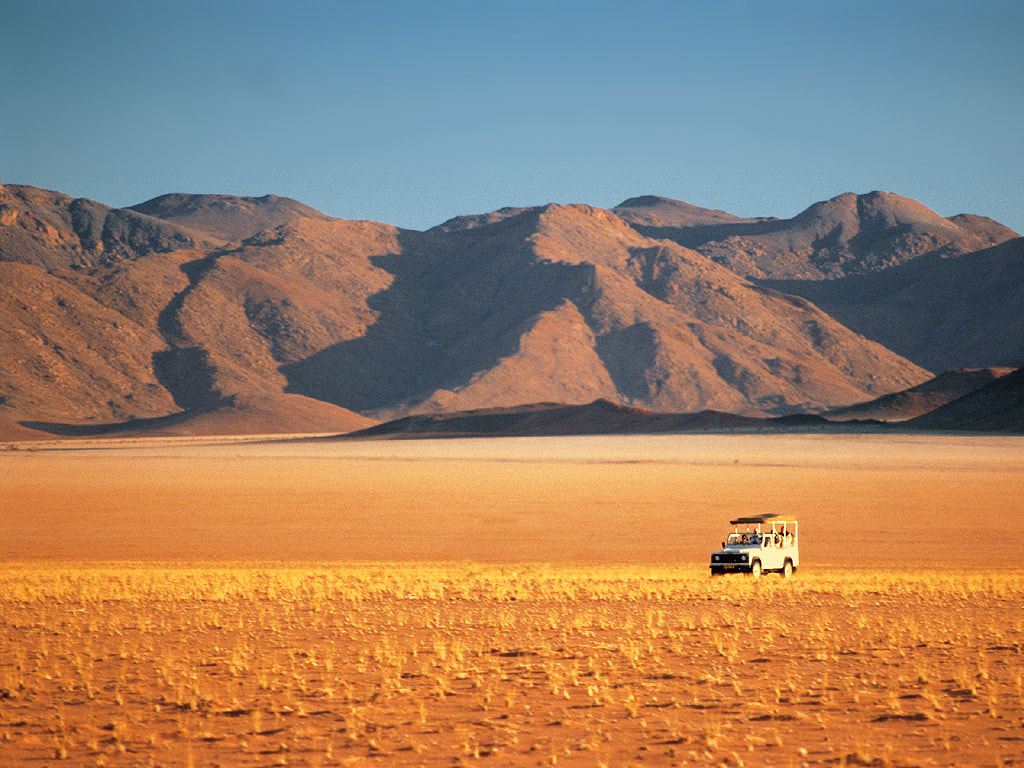
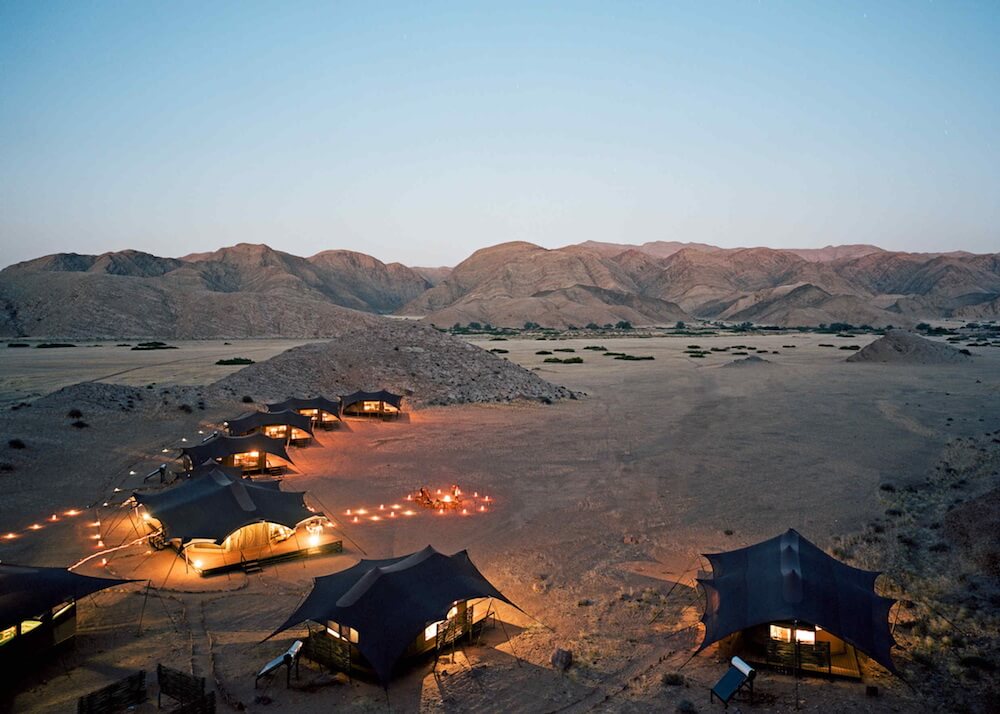
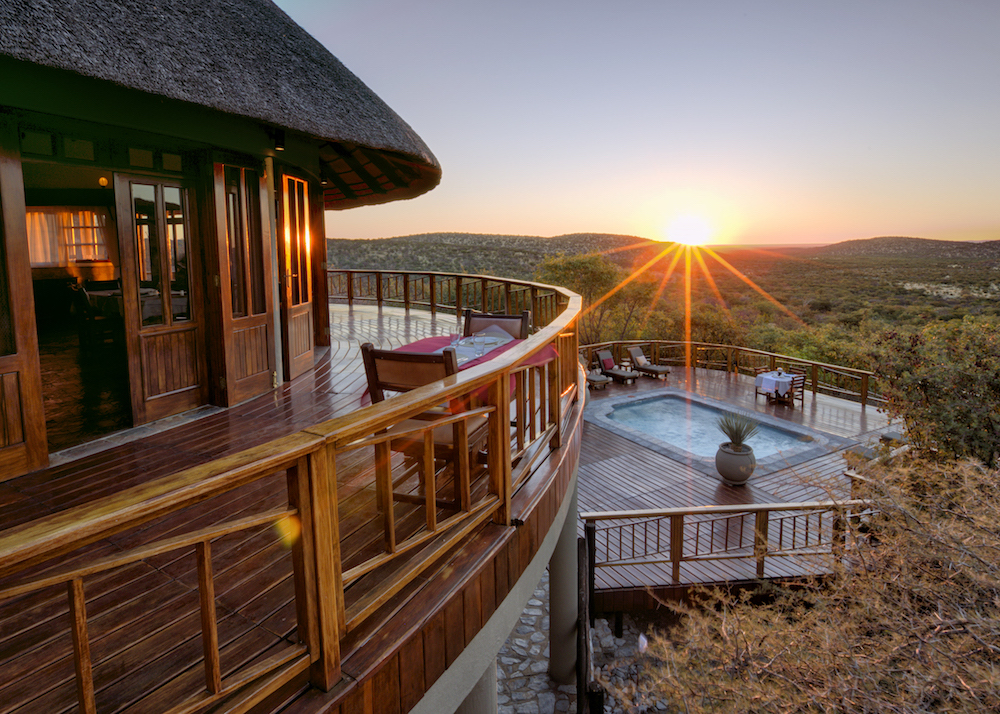
Kunene
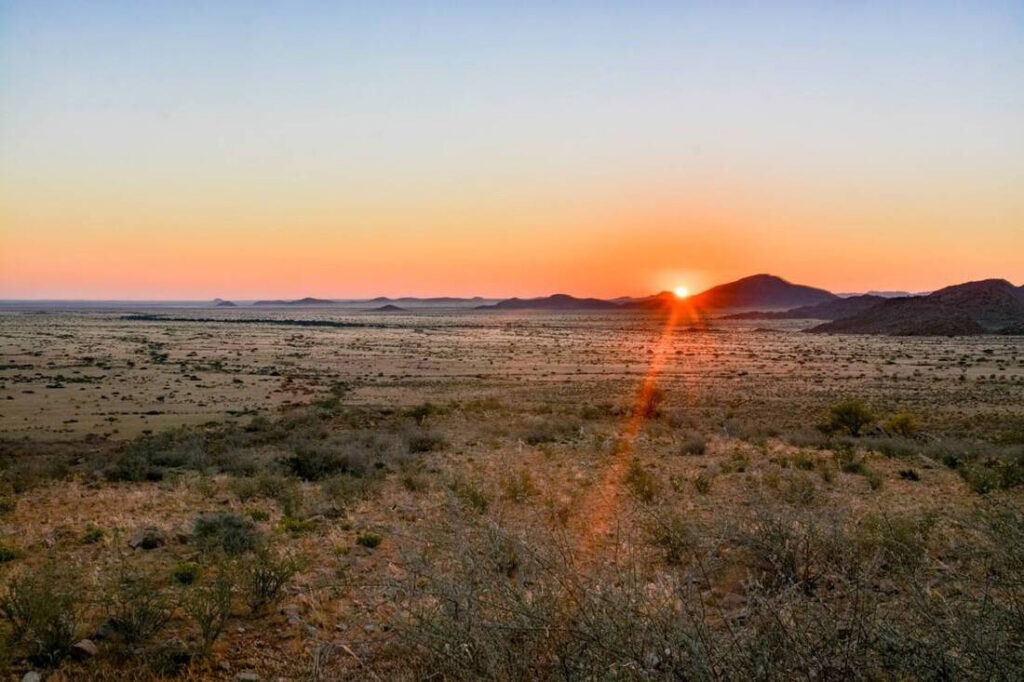
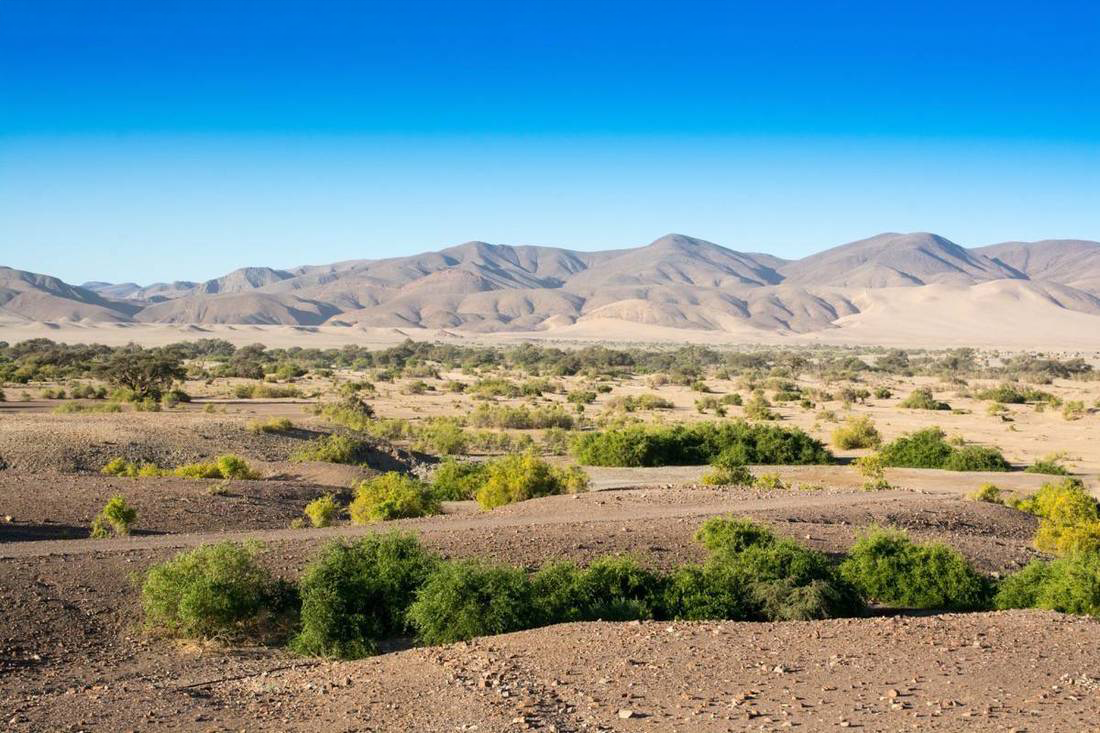
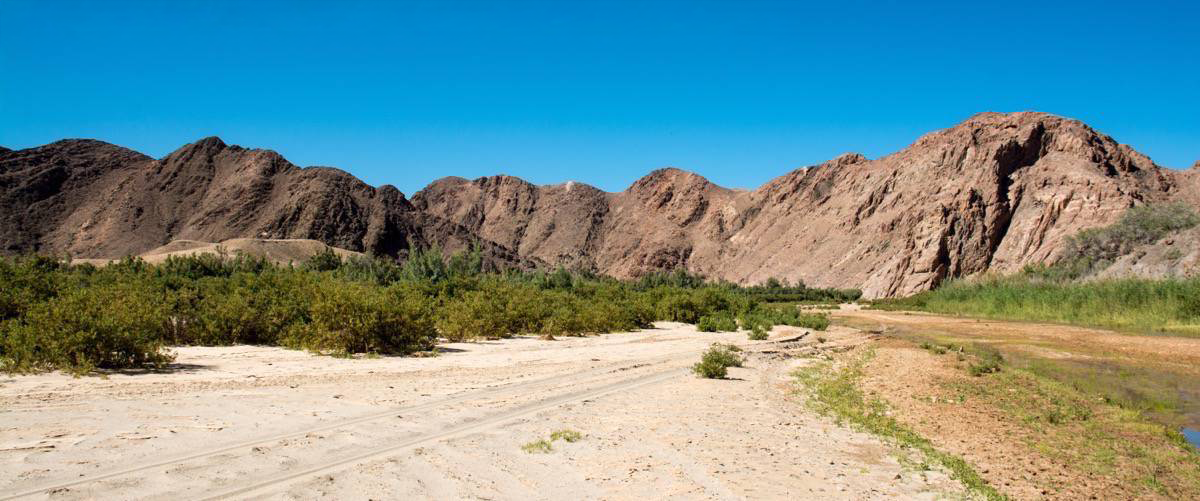
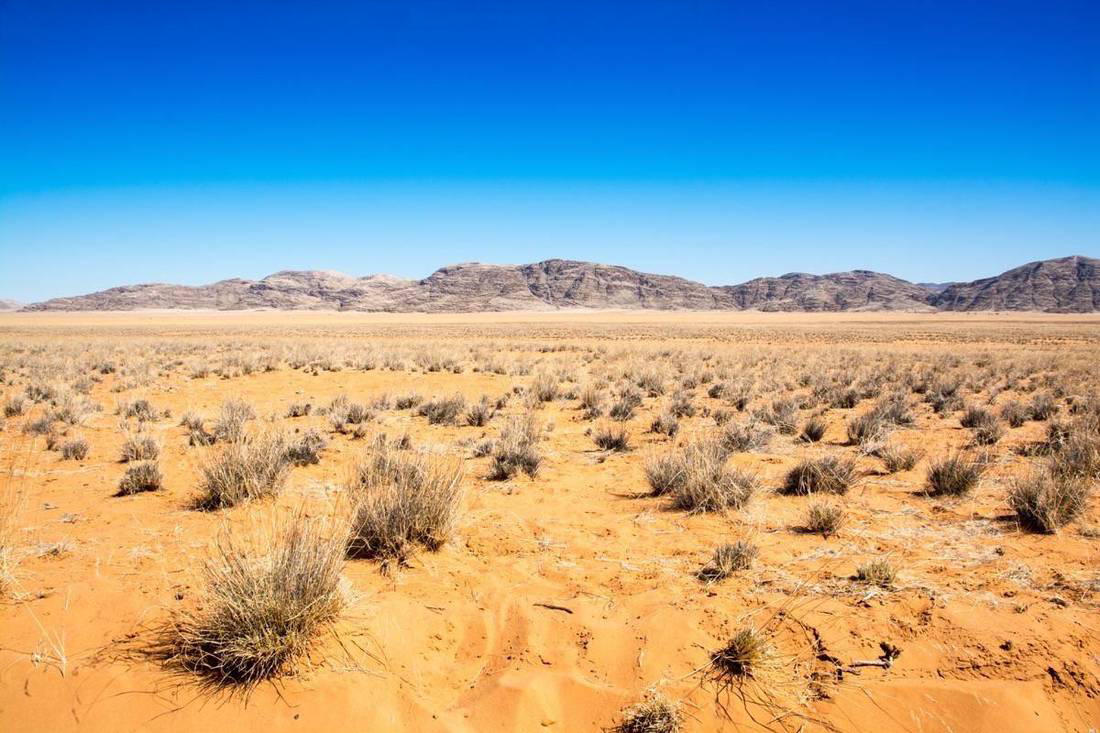
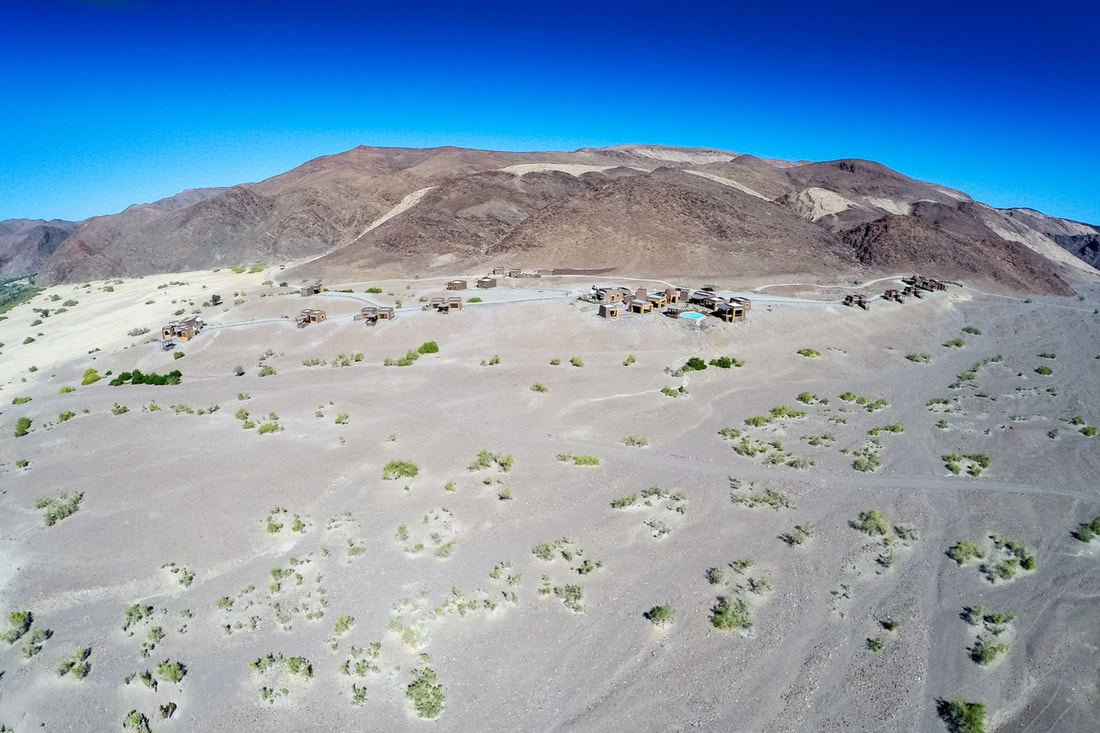
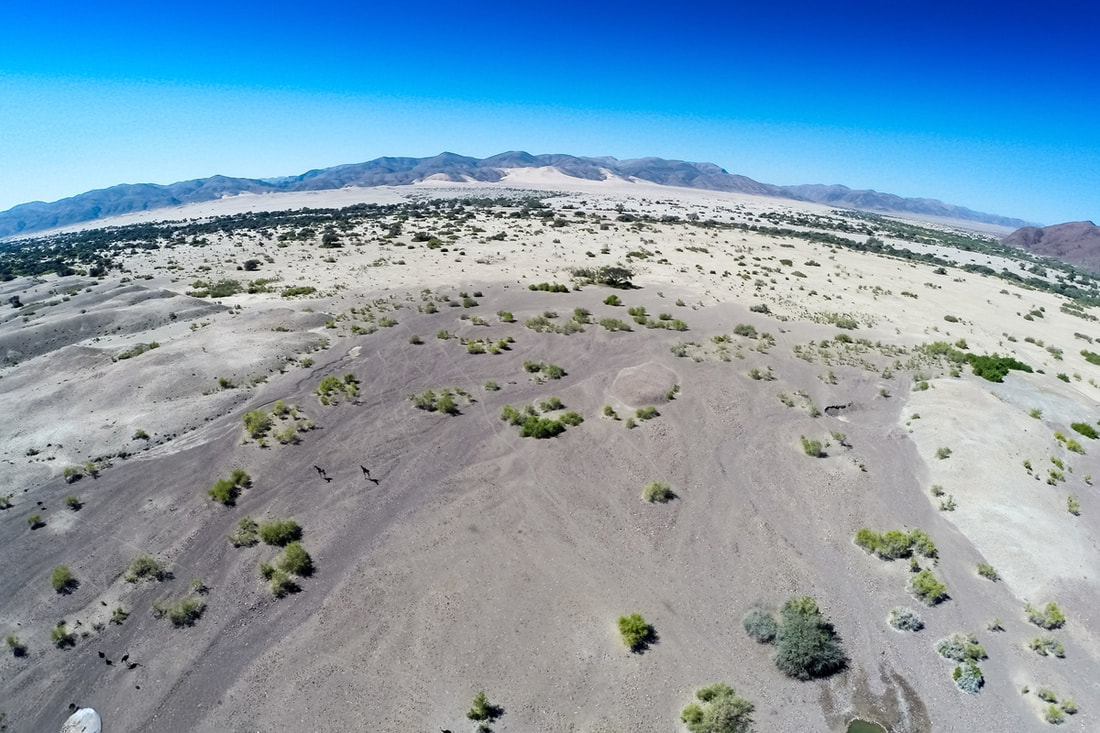
Tucked away in the remote northwest corner of Namibia, Kaokoland is one of the most untouched regions of the country and among our favourite places on earth. Now part of the greater Kunene Region, this landscape is rugged yet breathtakingly beautiful. Here, dramatic craggy mountains meet vast stretches of desert, while dry riverbeds lined with trees carve across the land. The region is also home to Namibia’s only flowing waterfalls at Epupa and Ruacana, a striking contrast to the arid surroundings.
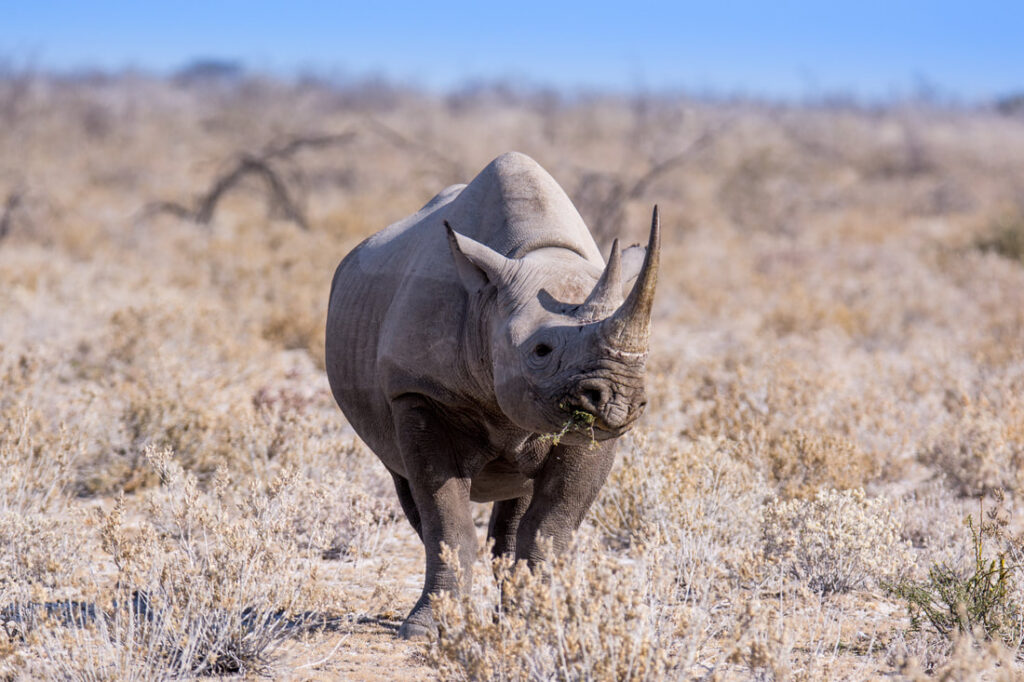
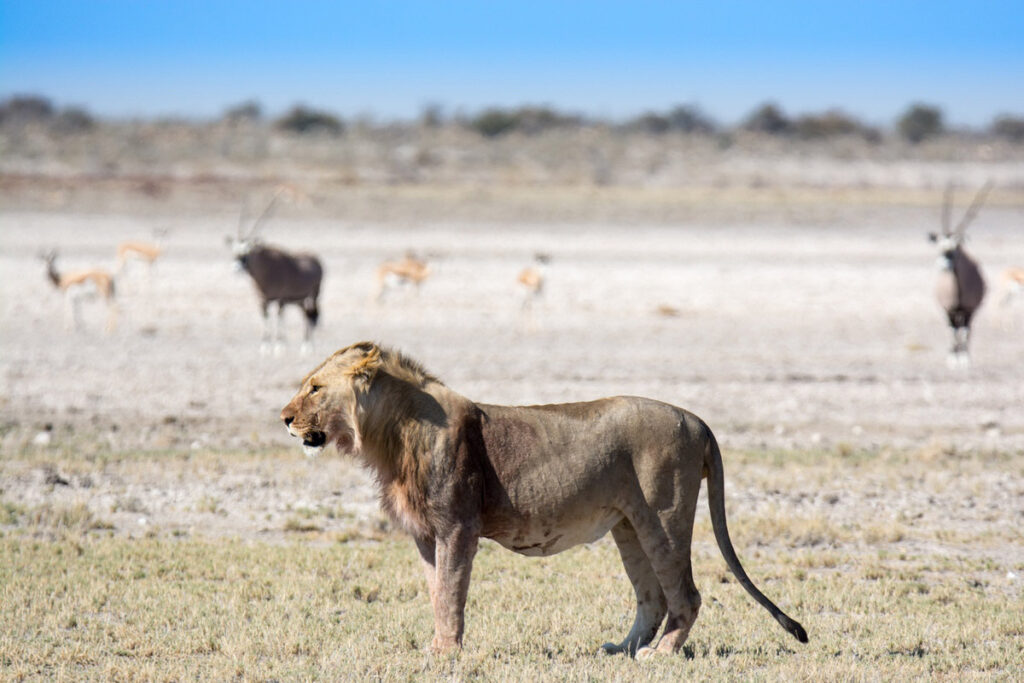
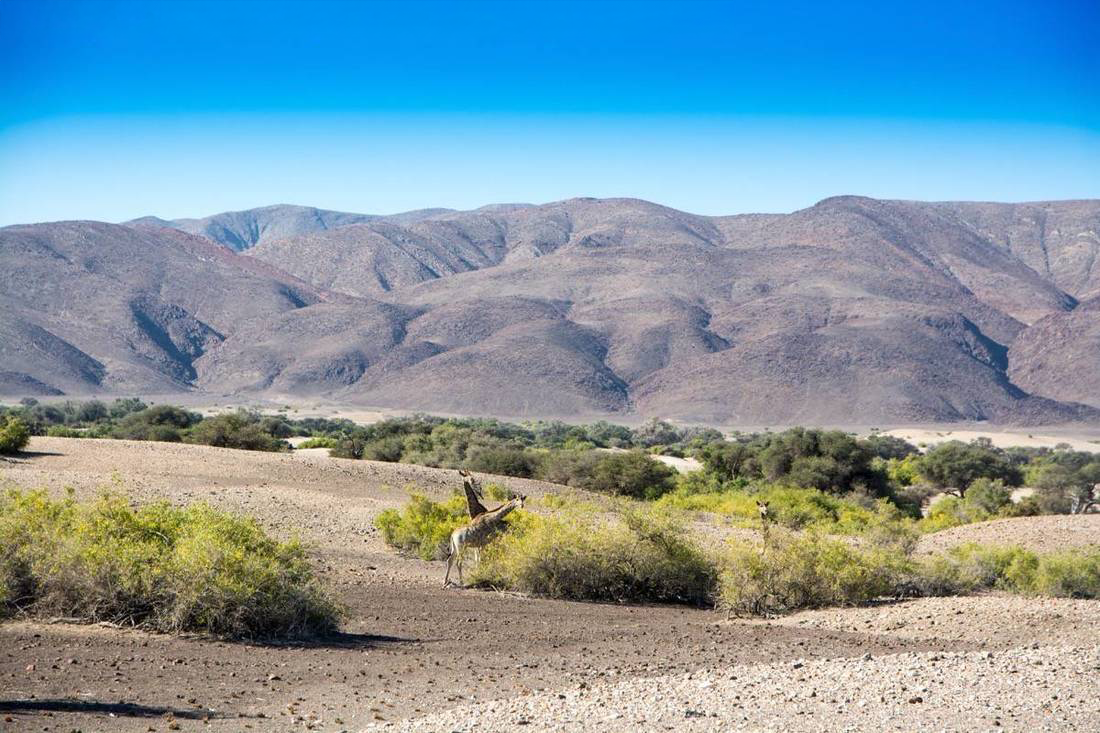
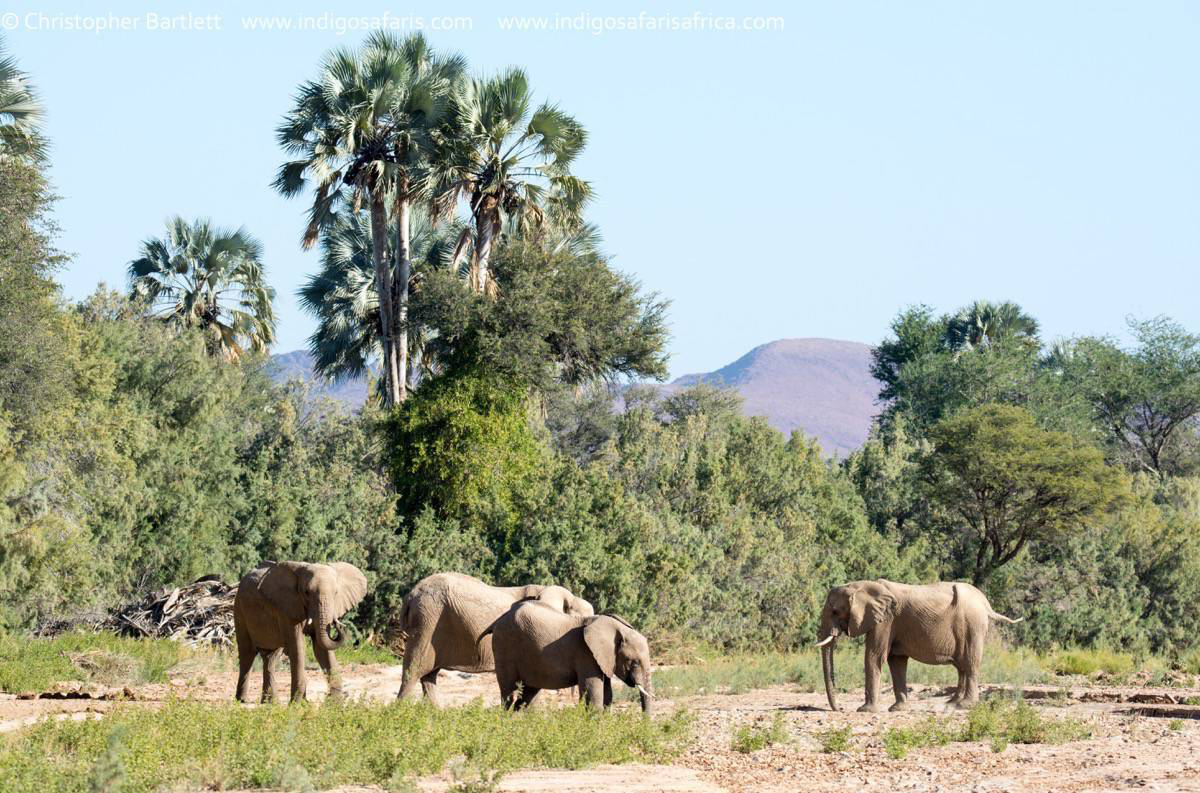
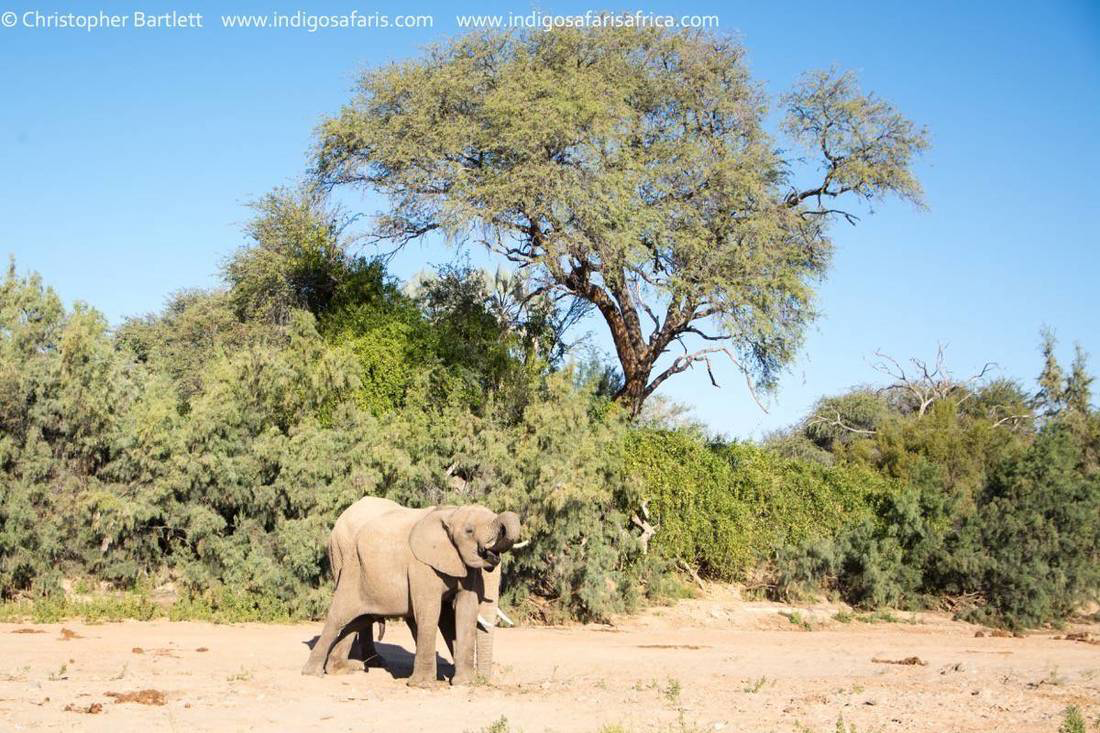
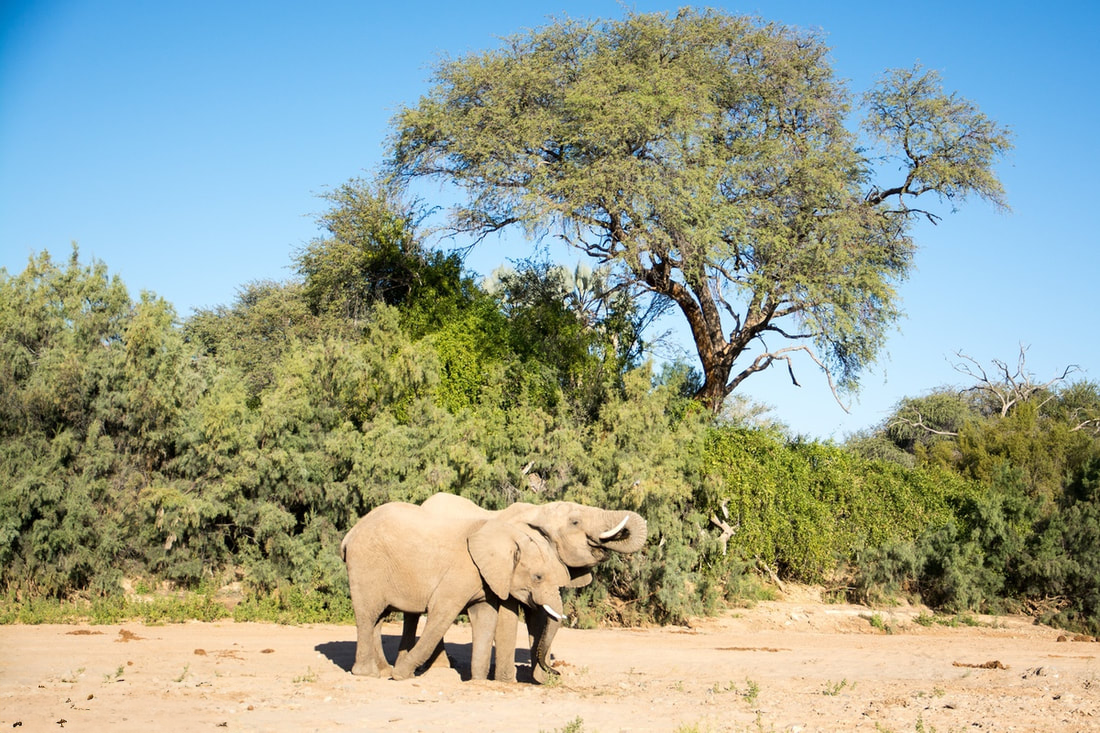
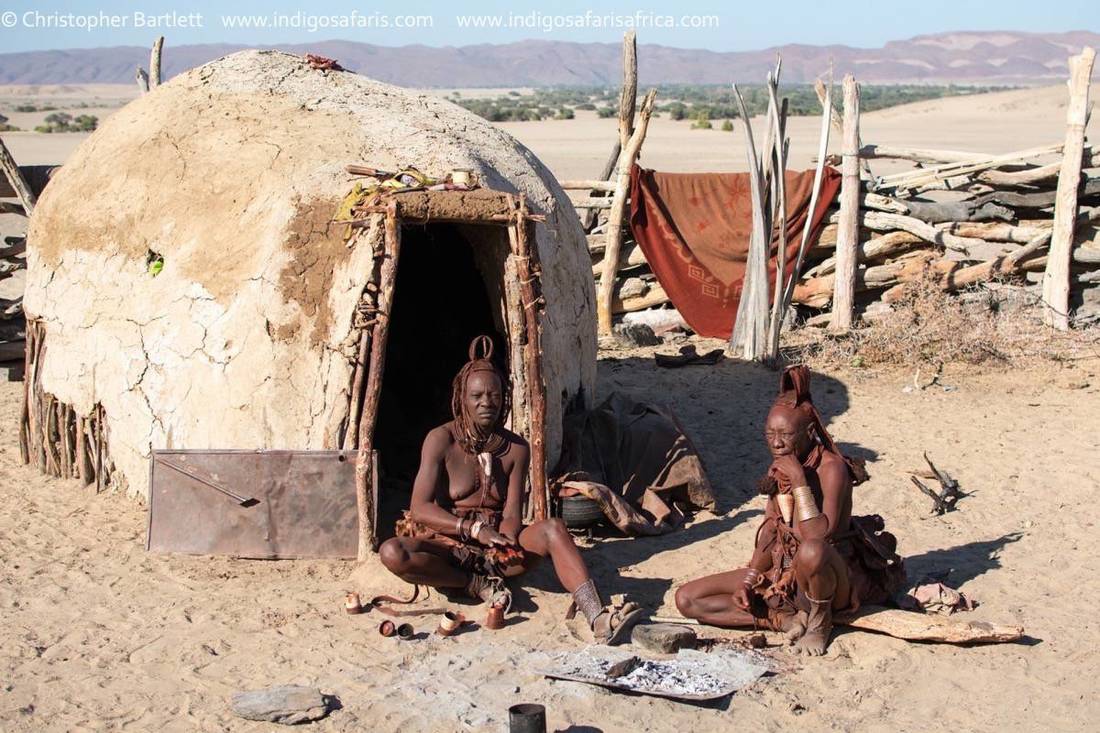
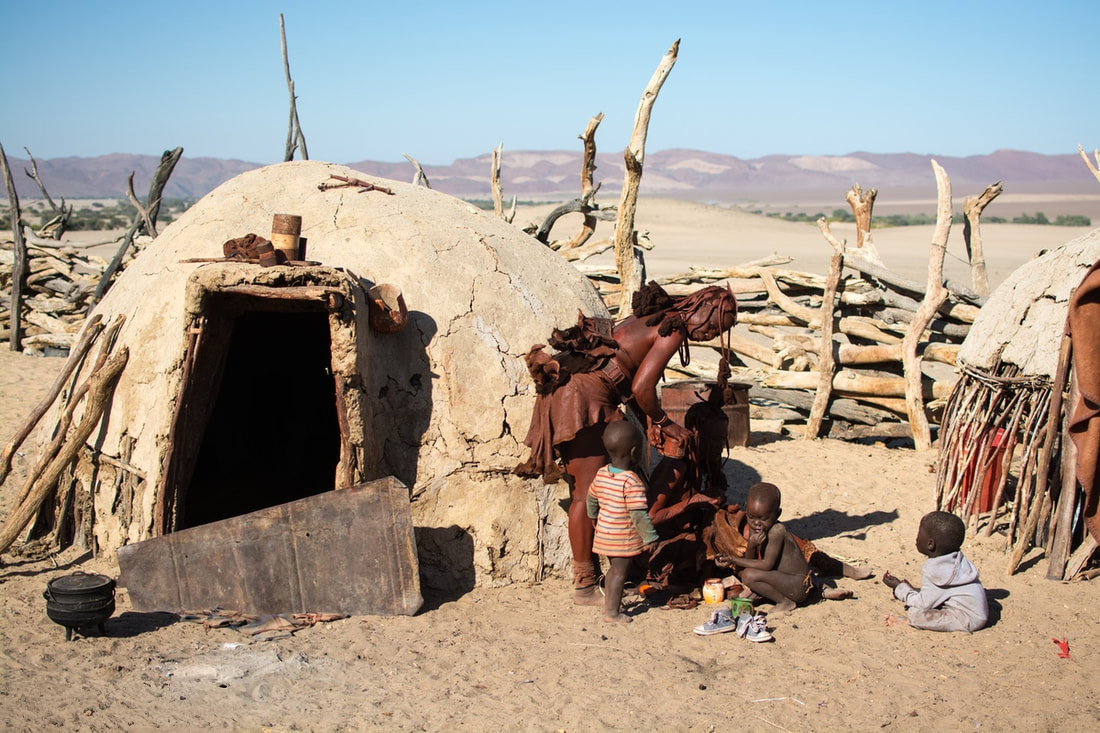
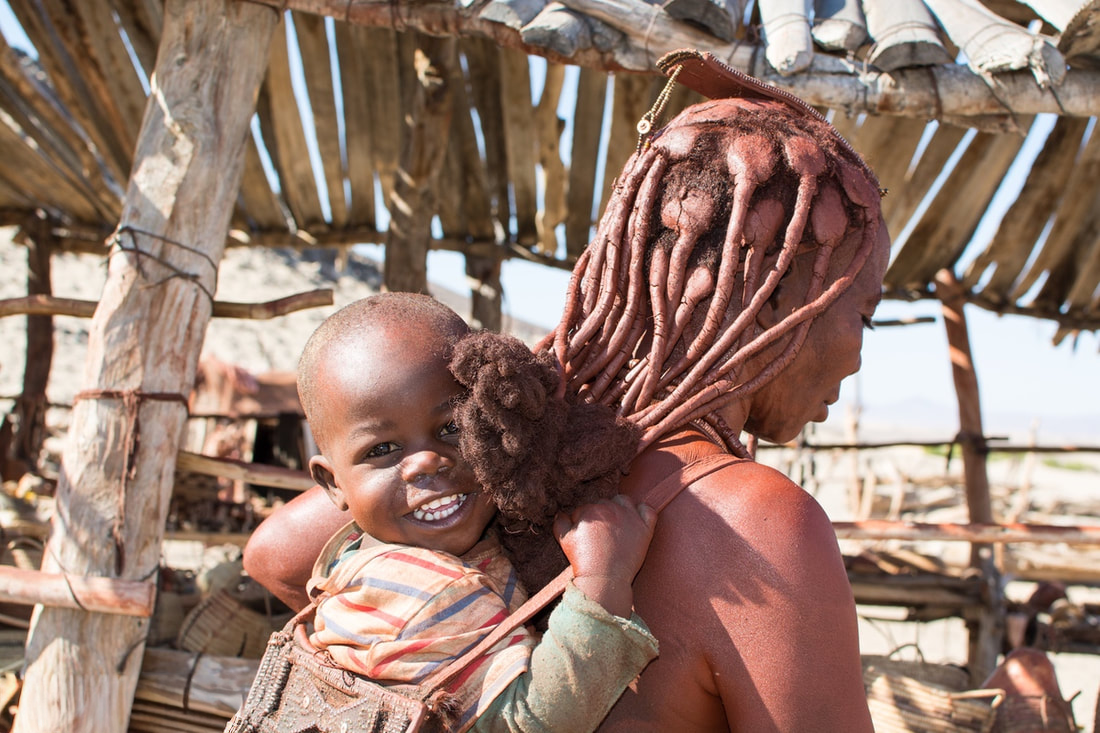
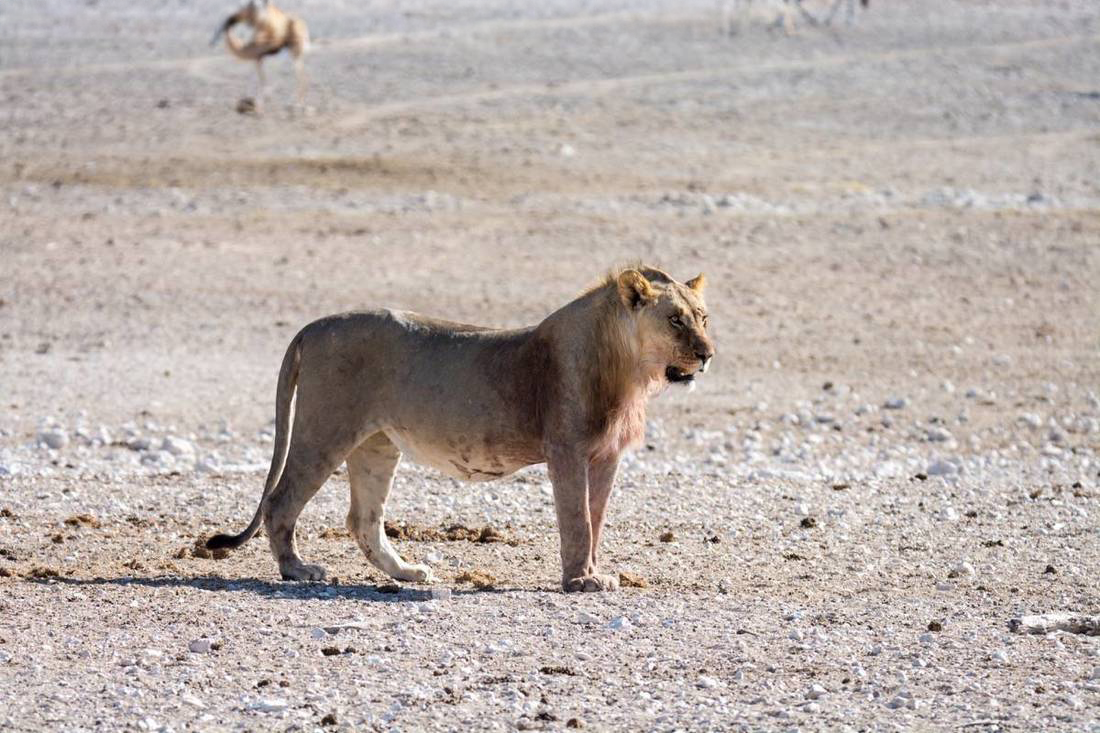
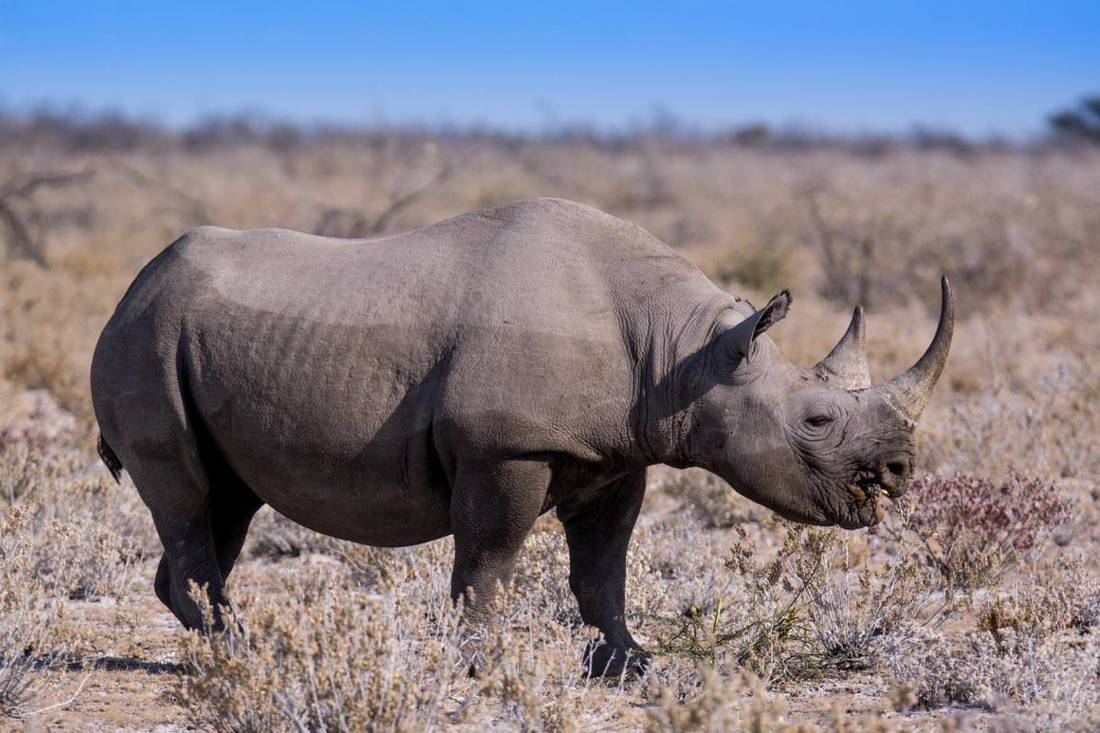
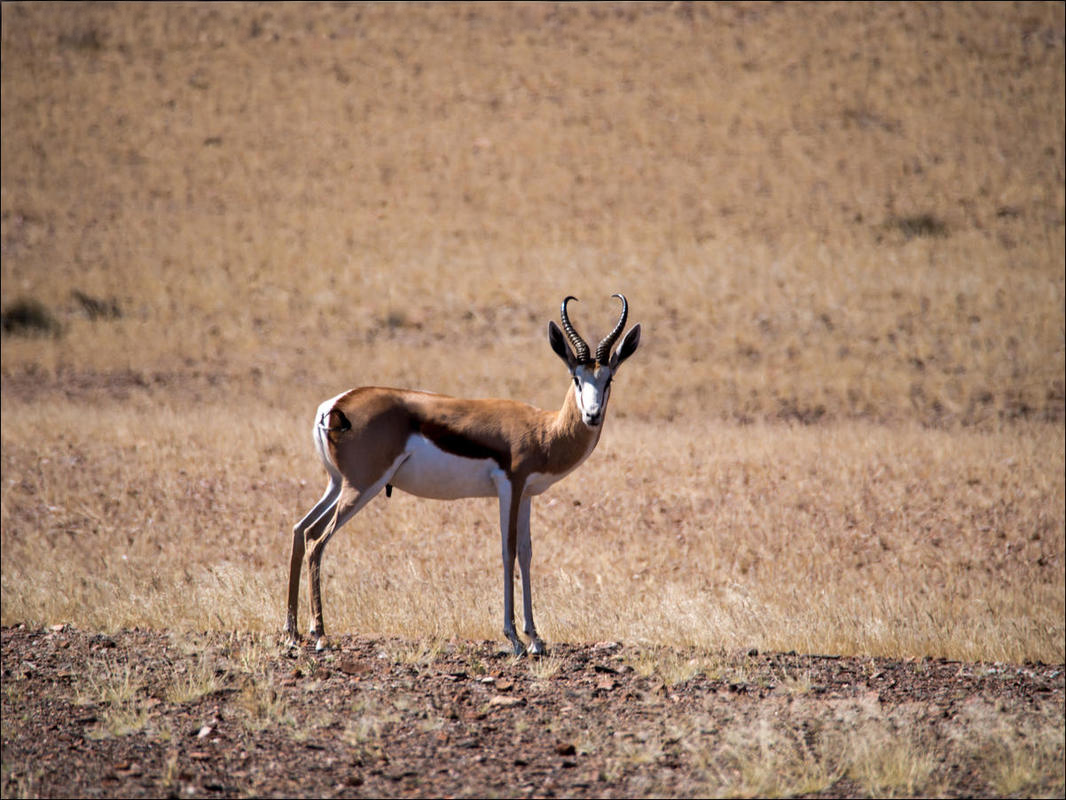
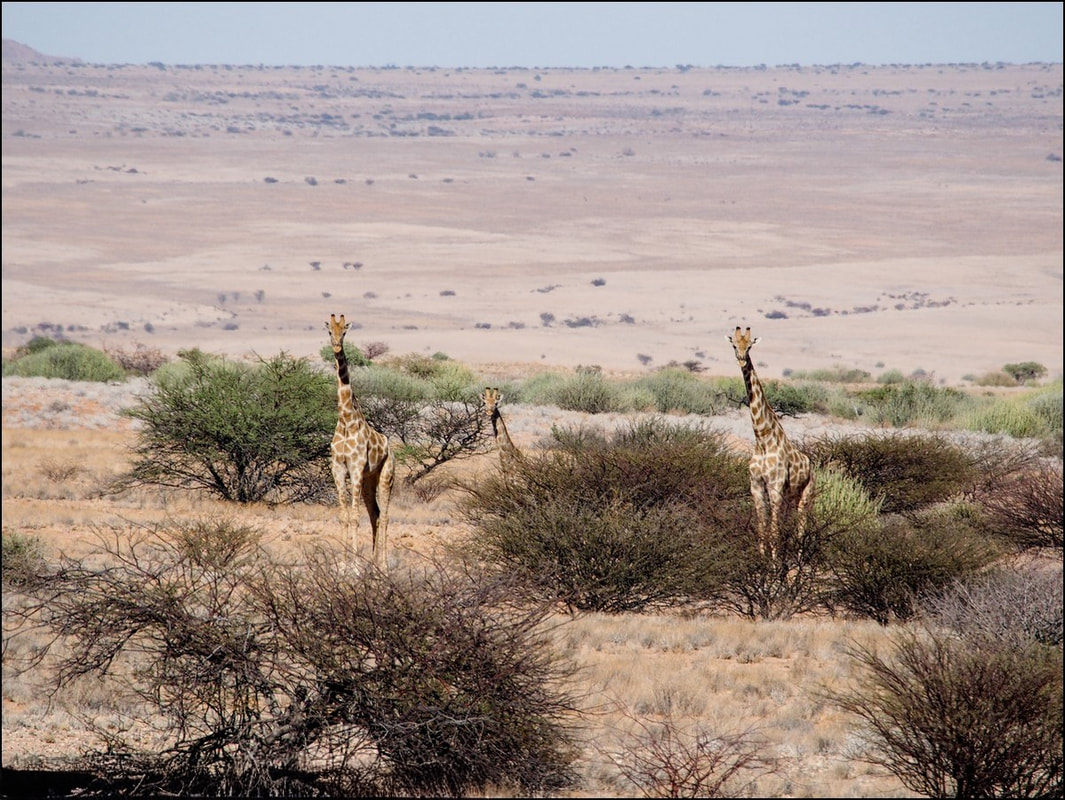
Stretching from the Hoanib River all the way north to the Kunene River and the Angolan border, Kaokoland is a stronghold for desert-adapted wildlife. Elephants, black rhino, lion, giraffe, springbok, and Hartmann’s mountain zebra roam here, sharing the land with around 5,000 semi-nomadic Himba pastoralists. Wildlife densities may be lower than in other regions, but sightings here feel all the more rewarding, with pastel-hued backdrops that glow in the early morning and evening light – perfect for photography.
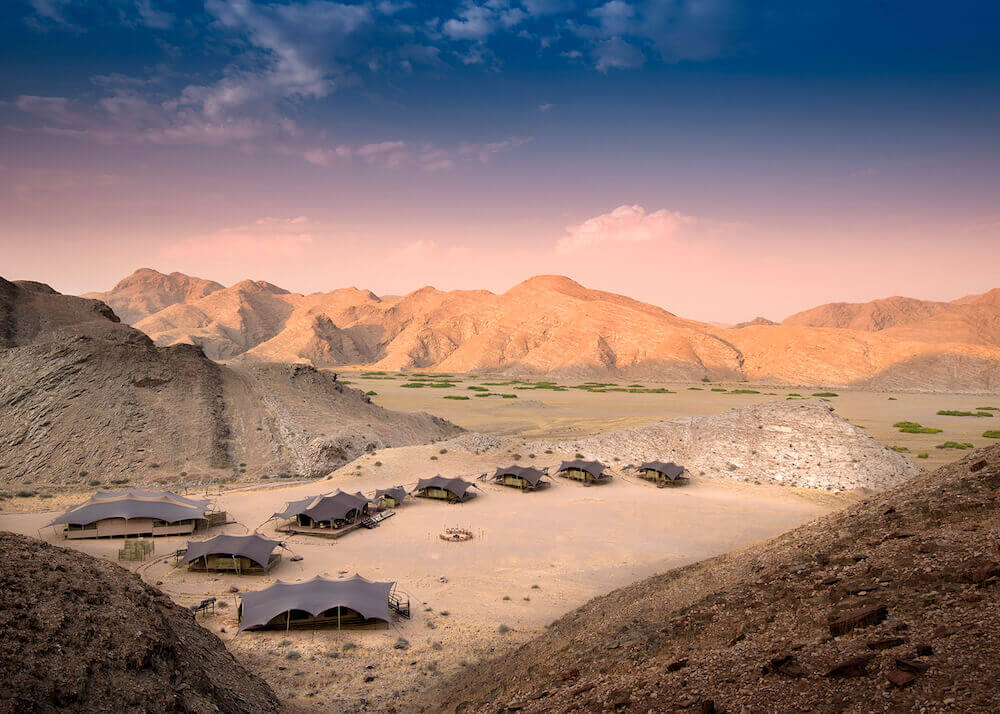
Kaokoland is also a gateway to deeper explorations of the Skeleton Coast, particularly when staying at one of the small and exclusive lodges scattered across the region, where desert-meets-ocean vistas create an unforgettable wilderness experience.
Highlights:
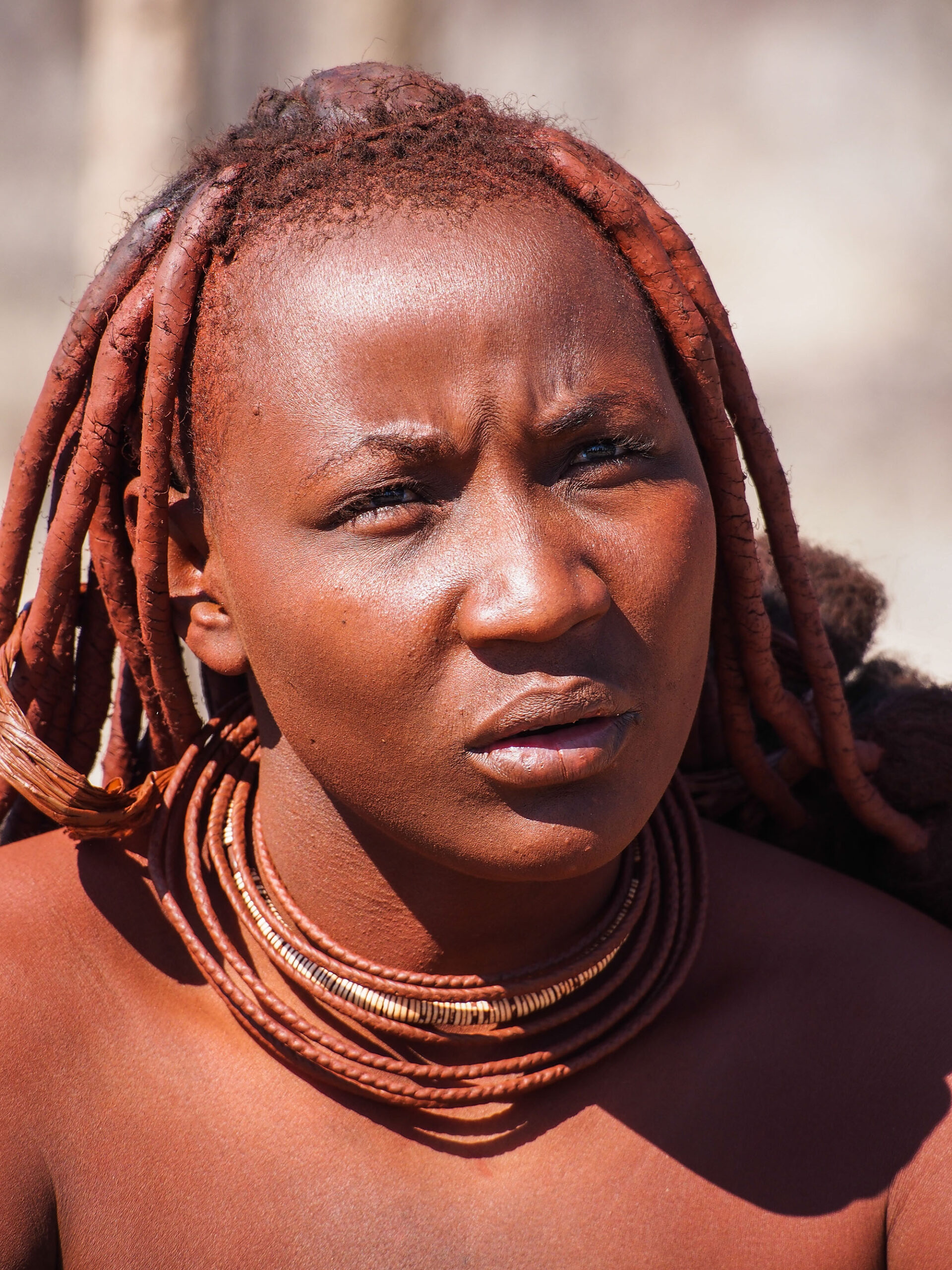
Best Times to Visit Kunene
Kunene (also known as Kaokoland) is one of Namibia’s last true wildernesses, where each season shapes the landscape and wildlife in remarkable ways. From river-fed oases and wildlife-rich dry spells to cultural encounters with the Himba people, the timing of your visit can create a very different experience.
The best time for wildlife viewing. Rivers and scarce waterholes become gathering points for desert-adapted elephant, giraffe, and antelope. Days are warm, nights are cooler, and the skies are crystal clear.
The landscape bursts into life after the rains, transforming arid plains into lush, green scenery. Birdwatching is superb, though wildlife can be more dispersed. Expect hotter days and occasional dramatic thunderstorms.
Mild daytime temperatures and cool nights make for comfortable travel, with prime conditions for photography thanks to clear light and golden landscapes.
Wildlife sightings are at their peak as water becomes scarce, creating dramatic predator-prey interactions and rewarding encounters near the rivers.
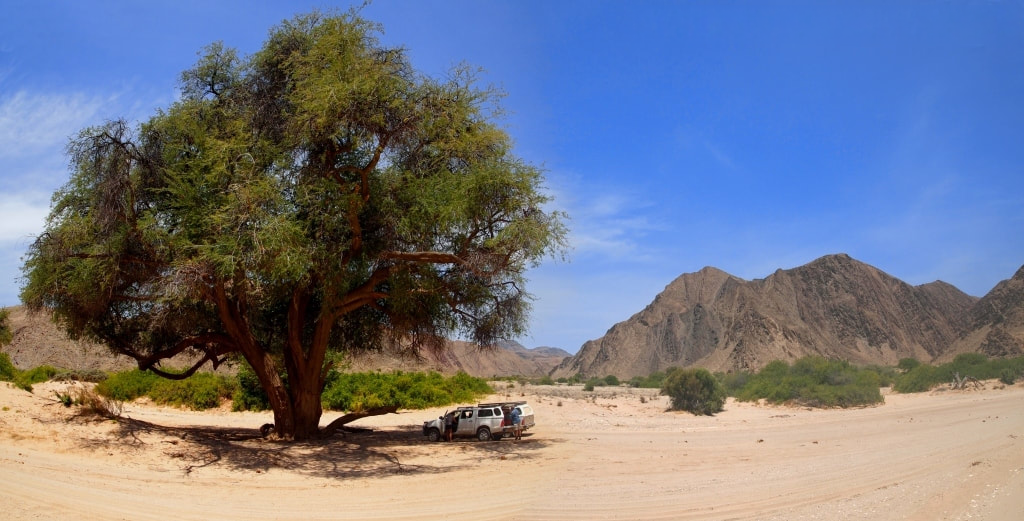
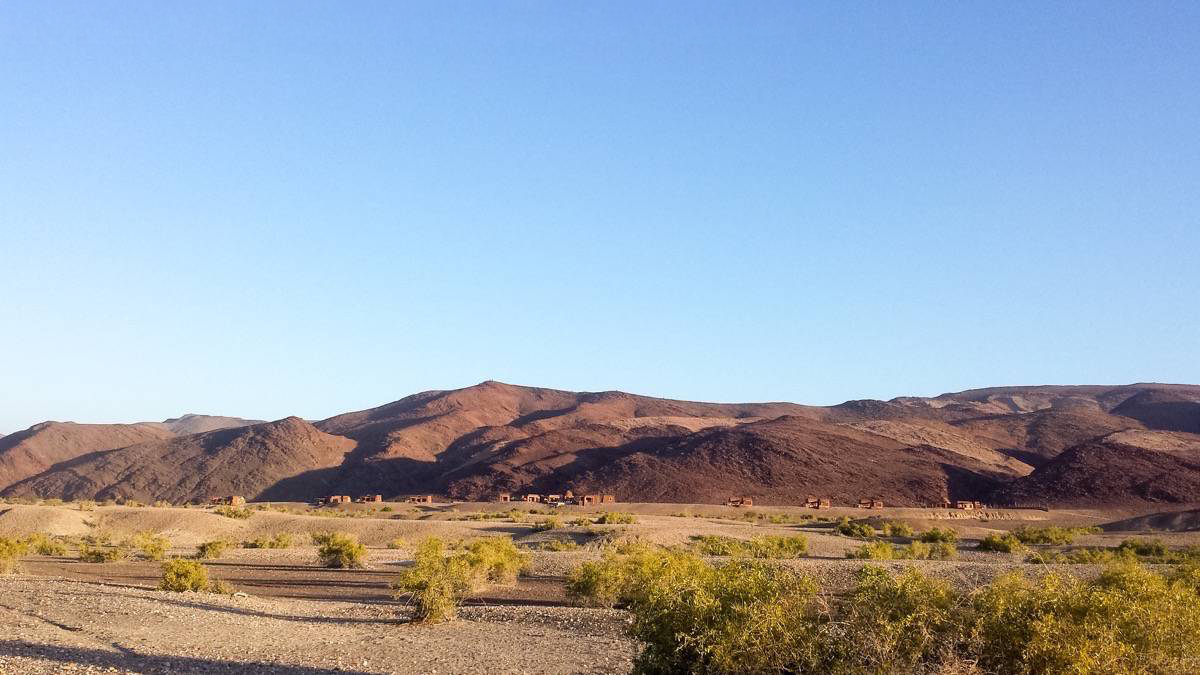
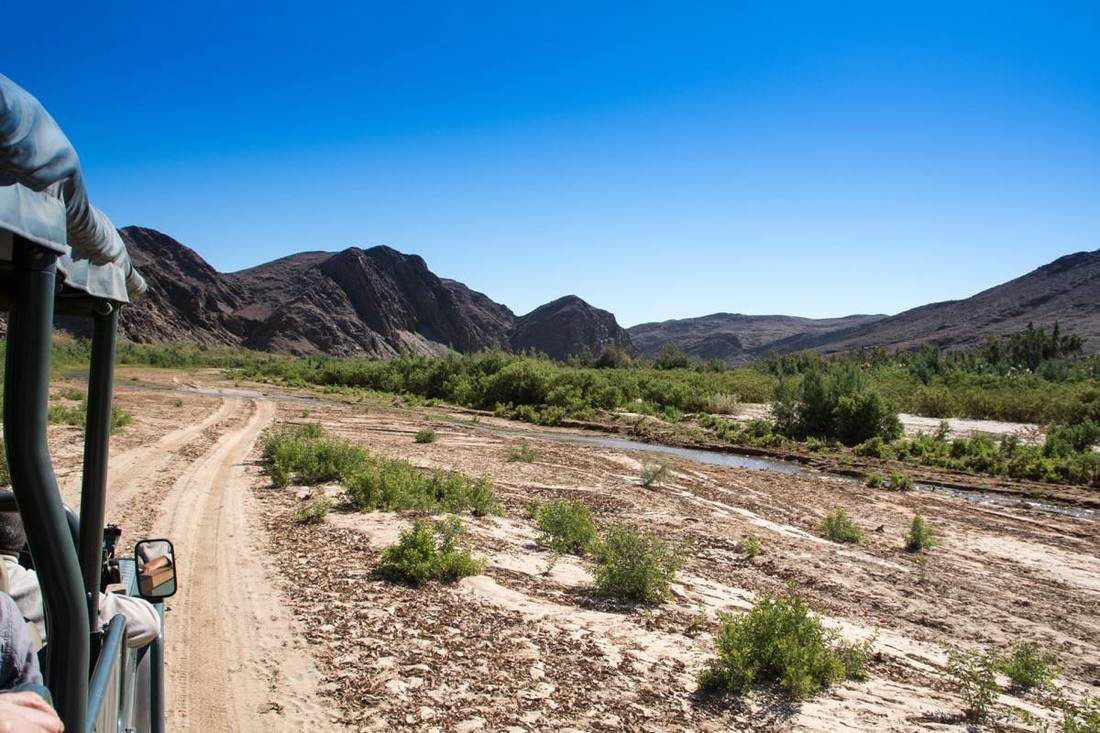
The Hoanib River lies in one of Namibia’s most striking wildernesses, where shifting sands, rocky mountains, and dry riverbeds create a dramatic backdrop for safari. This starkly beautiful corner of Kunene is home to some of Africa’s most remarkable desert-adapted wildlife, including elephants, lions, giraffes, and oryx. With no permanent human settlements, the Hoanib River valley is one of the last truly wild frontiers.
Safaris here are as much about the landscapes as the wildlife. Early morning and late afternoon drives reveal animals against glowing desert light, while guided walks and scenic drives explore the intricate ecology of the area. Despite its remoteness, guests can stay in eco-lodges that blend comfort with sustainability. Here, encounters with desert lions and elephants are paired with immersive cultural experiences and the chance to learn about ongoing conservation efforts.
Discover Namibia’s last great frontier
Ready to explore the raw beauty of Kunene? Start planning your Namibian adventure today or speak to a safari expert and let us design your perfect journey.
Journey into the remote Kunene region, where desert mountains meet the flowing lifeline of the Kunene River. In this blog section, travellers share stories of dramatic landscapes, encounters with desert-adapted elephants, and moments spent with the Himba people—one of Africa’s most traditional communities. Each tale reveals Kunene’s raw beauty, deep cultural heritage, and sense of untouched adventure.