June 18, 2026
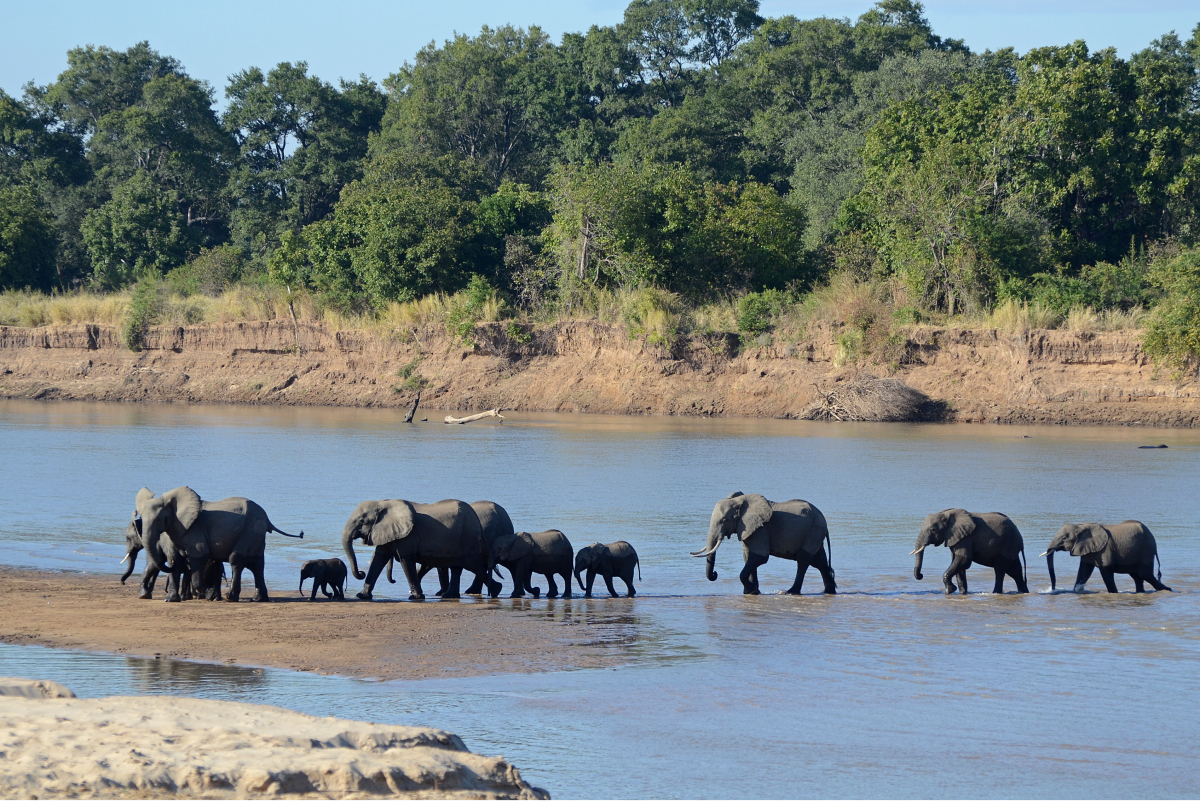
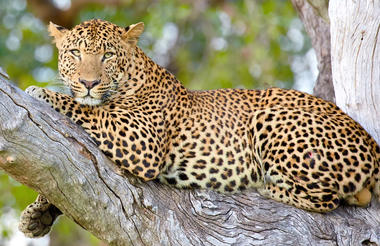
Considered by some as one of the greatest wildlife sanctuaries in the world, South Luangwa is one of Zambia's main draws. This 9,050 sq km park is centred around the Luangwa River and is home to one of Africa's largest concentrations of wildlife. The game viewing and scenery here is superb. If we could only do one more safari, we think this is where we would return. The chances of finding leopard and wild dogs are very high, and the range and abundance of key species, with the exception of rhinos, is incredible.
Immersive safaris built around walking, driving, and expert guiding.
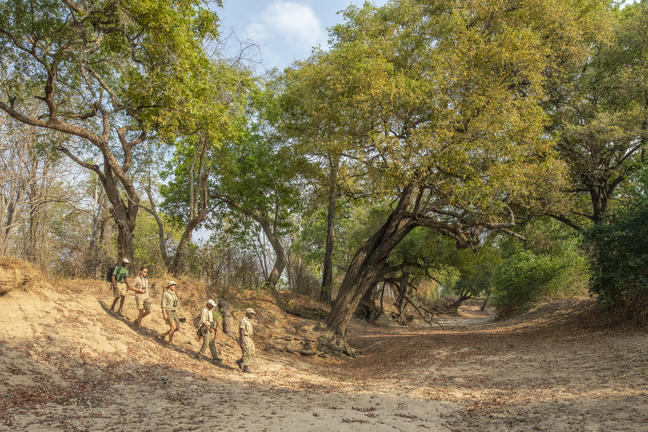
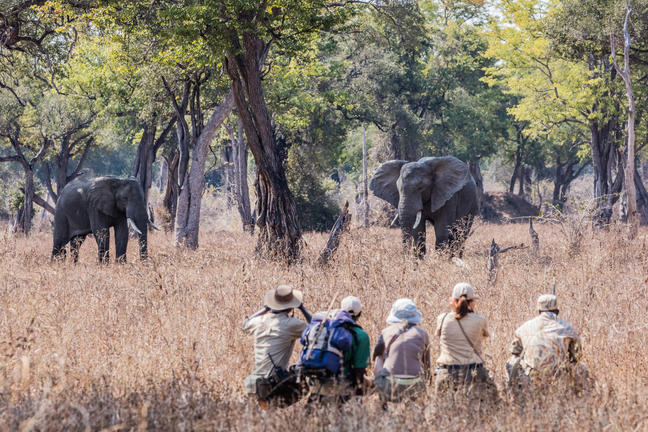
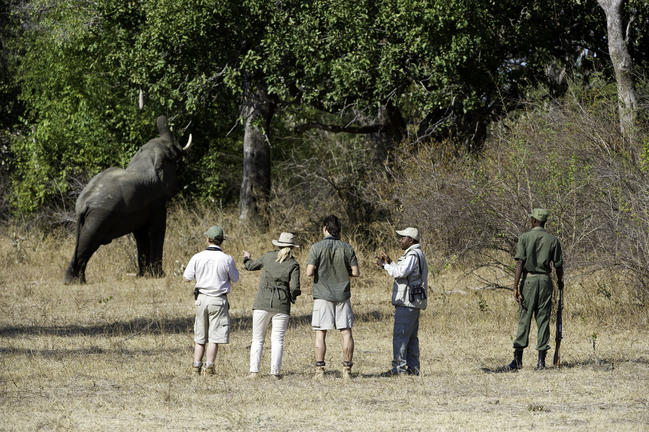
Indigo Safaris’ South Luangwa itineraries focus on unhurried exploration, combining guided walking safaris with classic game drives. The park is often included as part of a wider Zambia journey or paired with Lower Zambezi for contrast.

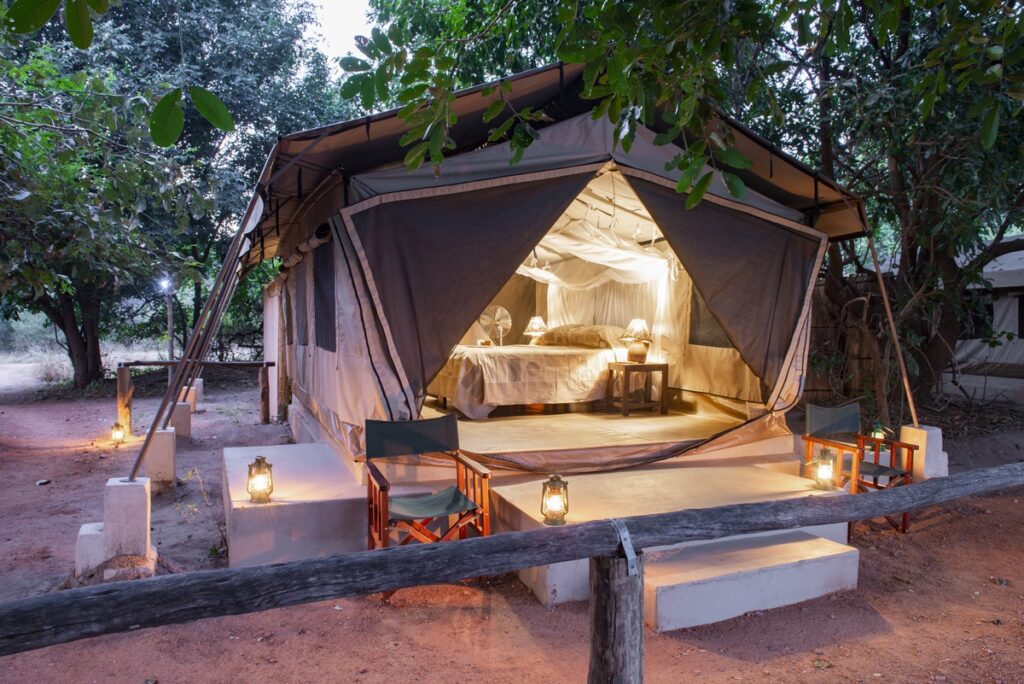
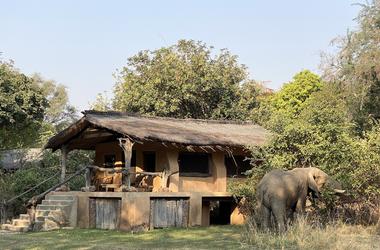
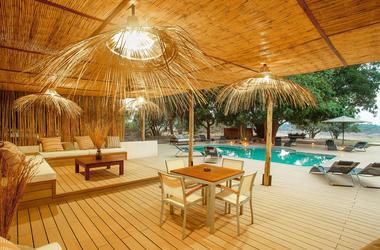
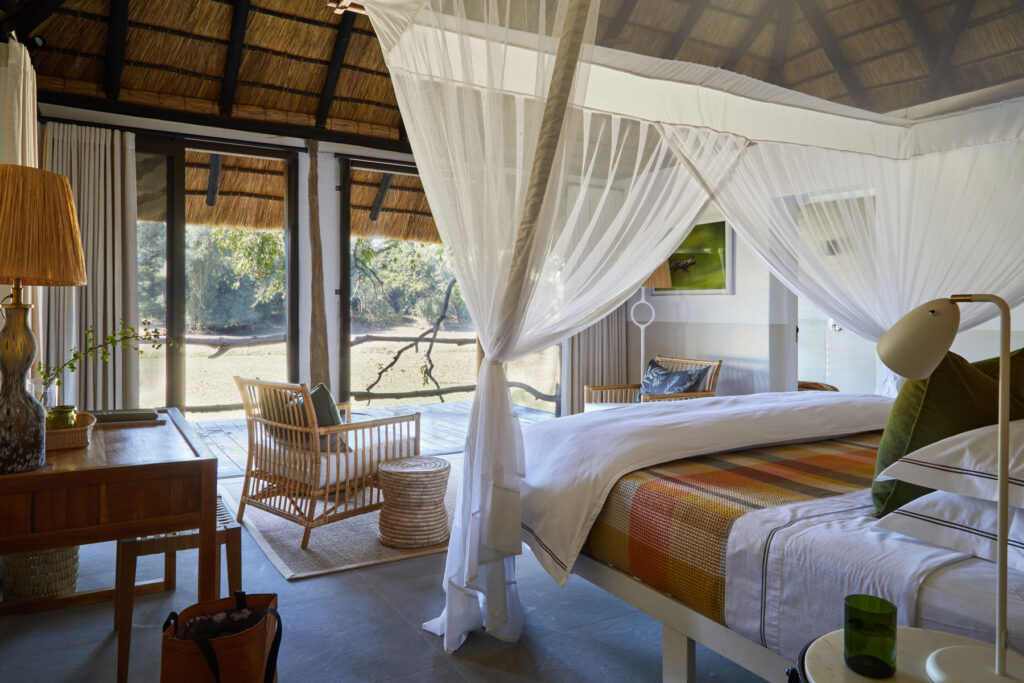
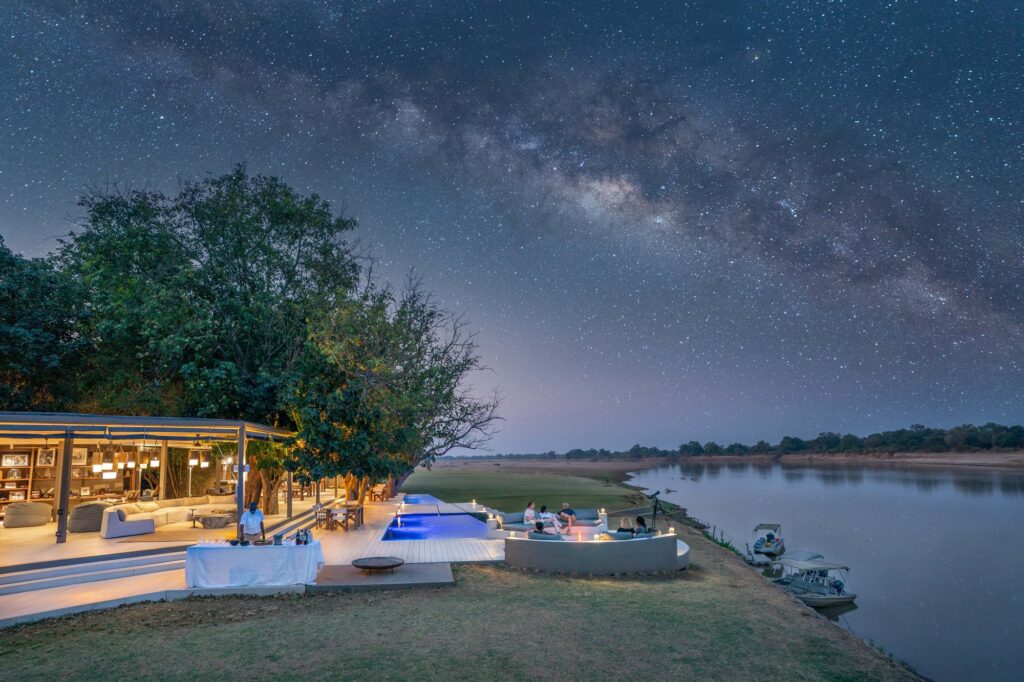
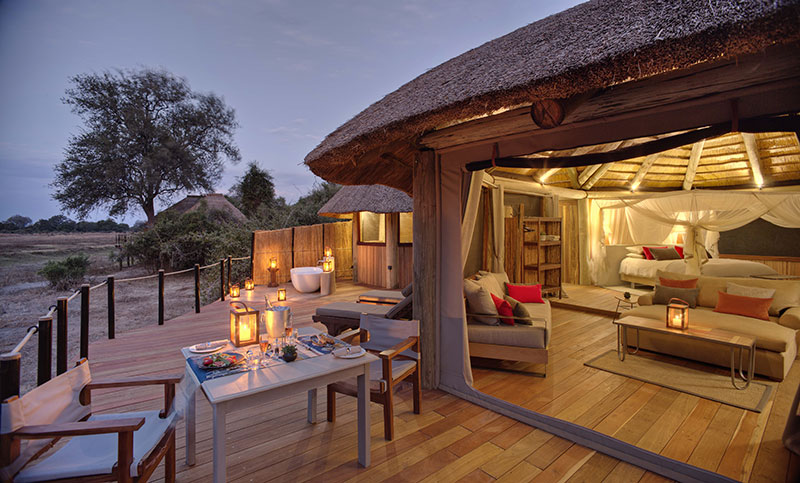
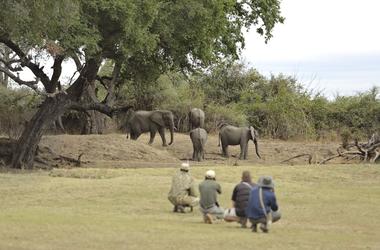
A destination defined by depth, authenticity, and safari heritage.
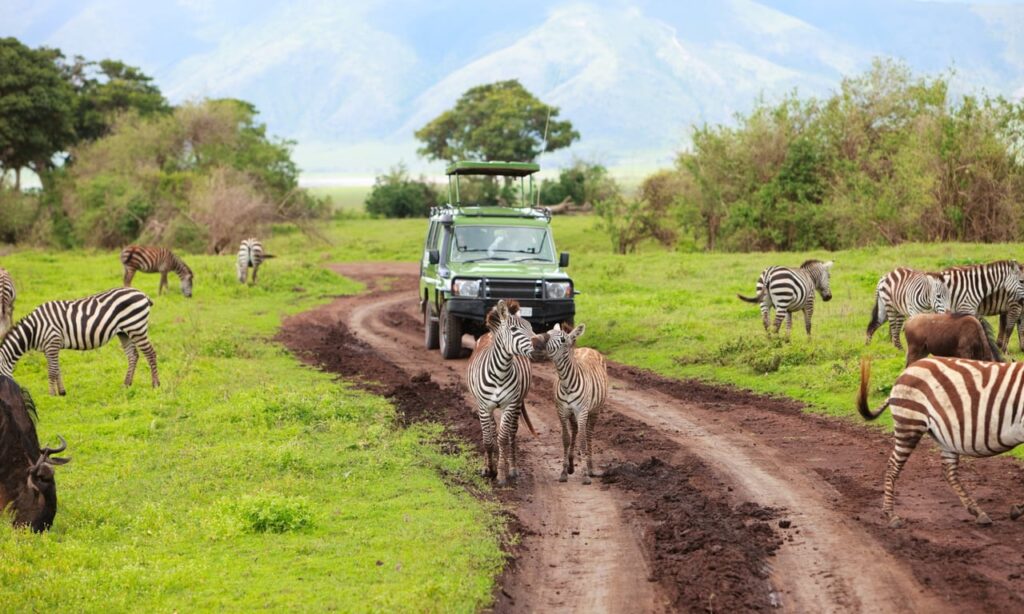
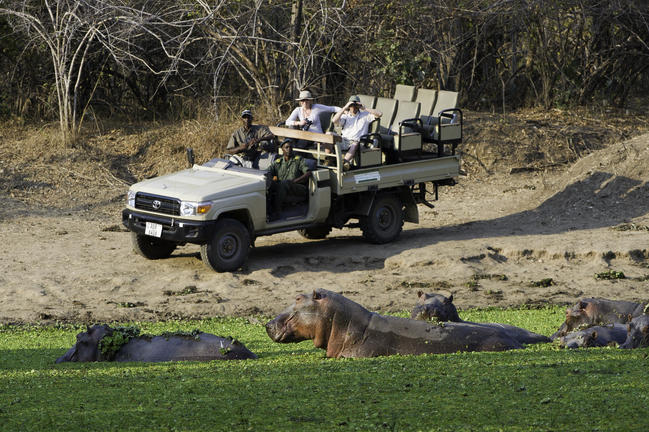
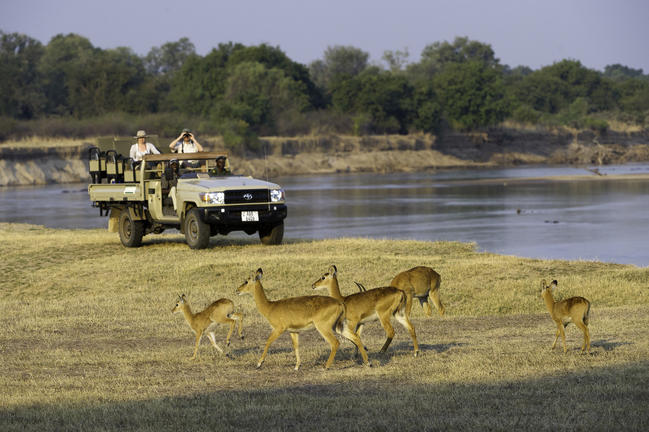
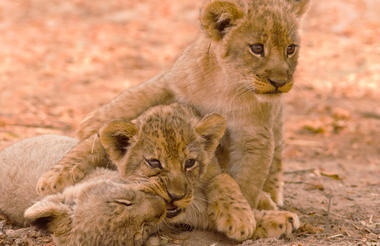
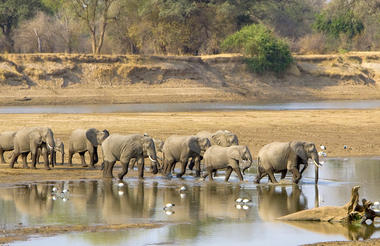
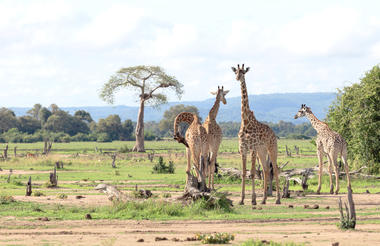
South Luangwa is home to a dazzling array of wildlife. You'll see hippos and crocodiles as soon as you cross the bridge over the Luangwa River, and elephantsare hard to miss along the river's banks. Thornicraft's giraffe, with white legs and faces, and Crawshay's zebra, without the brownish "shadow-stripe" of common (Burchell's) zebra, are both endemic to the park and easily spotted. Herds of buffalo roam the park, along with several prides of lions. The density of leopards is among the highest in the world, although spotting these nocturnal creatures can be tricky. All sorts of antelopes abound: impala are ubiquitous, the Puku — rarely seen outside Zambia — is almost as common and there are plenty of waterbucks and bushbucks too.
Zebra can be seen running in small herds of about a dozen. The difference between Zambia’s zebras and those in the south and east of Africa are in the stripes. Here they are evenly spaced as opposed to broad light stripes with a faint shadow stripe in-between. Thornicroft’s giraffe is a sub-species that is only found in the Luangwa valley. Cookson’s wildebeest is another species unique to the area.
Best Times to Visit South Luangwa National Park
South Luangwa National Park, the birthplace of the walking safari, offers some of Africa’s most rewarding wildlife encounters. The park’s lush floodplains and meandering riverbanks transform dramatically with the seasons, each bringing its own rhythm and beauty.
Rain revives the Luangwa Valley, transforming it into a lush, green wilderness alive with birds and young wildlife. Fewer visitors mean a deeply peaceful, immersive experience.
The rains subside, and the bush emerges fresh and alive. Roads reopen, rivers flow steadily, and the landscape glows under soft, golden light—a perfect start to the new safari season.
Dry conditions draw wildlife to the river, making it the ideal time for walking safaris and game drives. Days are warm, evenings cool, and sightings are exceptional, especially for predators.
Before the rains, the park hums with intensity. Animals cluster around dwindling water sources, and dramatic skies herald the season’s transformation—a paradise for photographers.
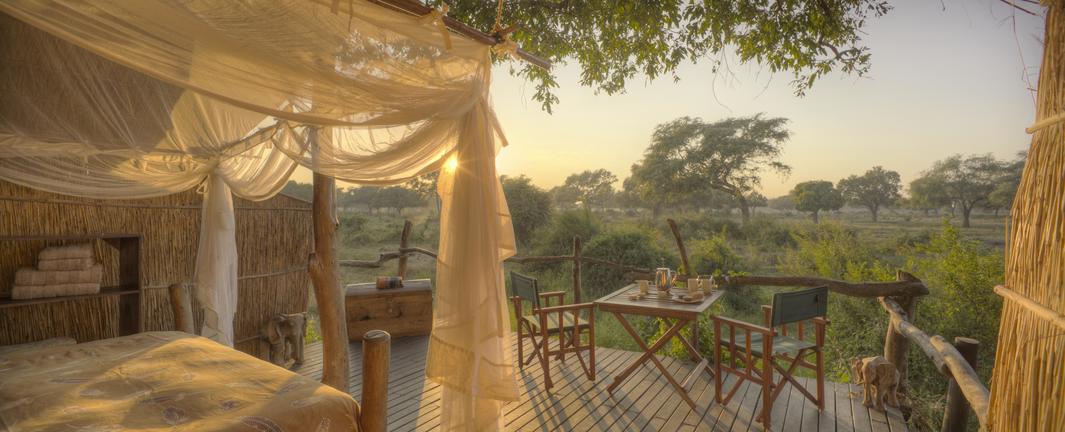
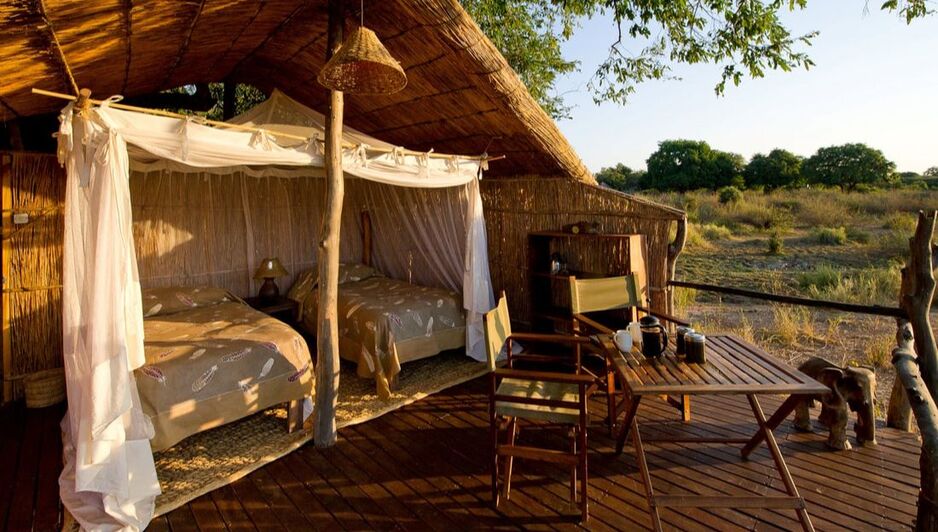
Yes. While renowned for walking safaris, South Luangwa also offers classic game drives and comfortable camps suitable for first-time visitors.
Yes. South Luangwa is considered a malaria area. Medical advice should be sought before travel.
Drinking water provided by camps is treated and safe to consume. Bottled water is also available.
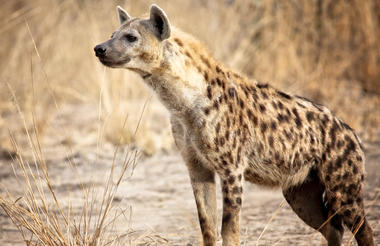
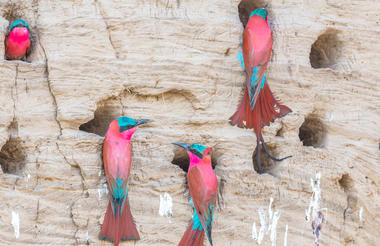
Wildlife includes lion, leopard, elephant, buffalo, wild dog, hippo, and abundant birdlife.
No. Walking safaris are optional and conducted by highly trained guides, with game drives also available.
Some camps welcome families with older children. Age restrictions vary and will be confirmed during planning.
Most travellers fly into Mfuwe Airport, with transfers arranged to camps within the park.
Yes. It is commonly combined with Lower Zambezi National Park, Kafue National Park or Victoria Falls for a multi-region Zambia safari.
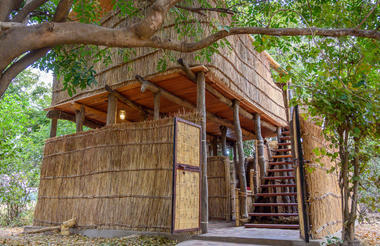
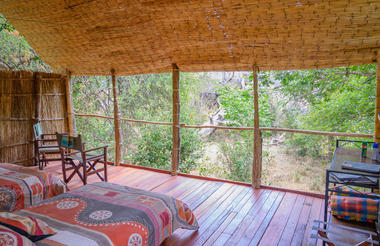
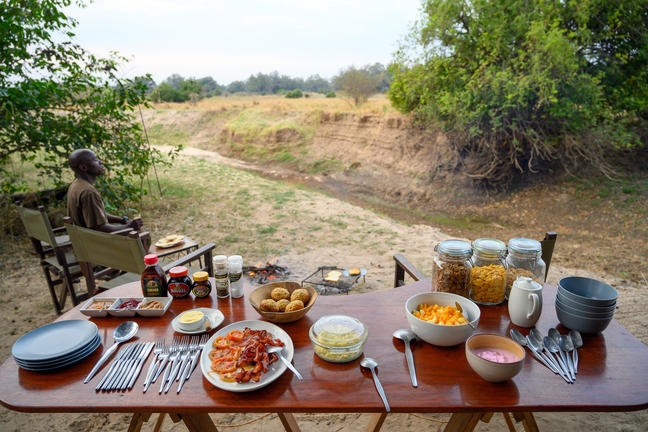
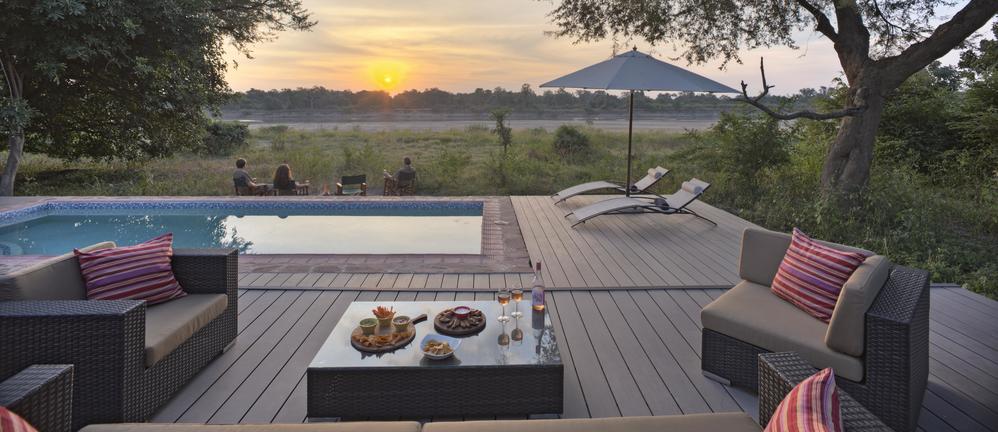
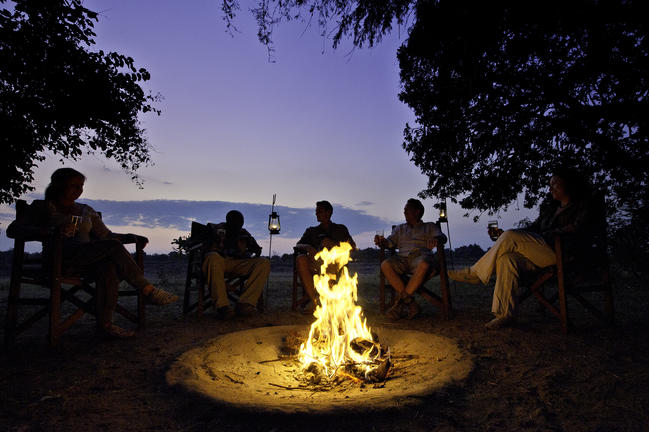
Tell us your preferences and we'll craft a personalized itinerary that includes South Luangwa National Park for an unforgettable travel experience.
Journey through our collection of travel stories, expert insights, and conservation highlights from across Africa. Each blog invites you to step deeper into the wild — to uncover hidden destinations, meet remarkable wildlife, and gain a richer understanding of the places and people that make every Indigo Safaris journey unforgettable.