June 13, 2026
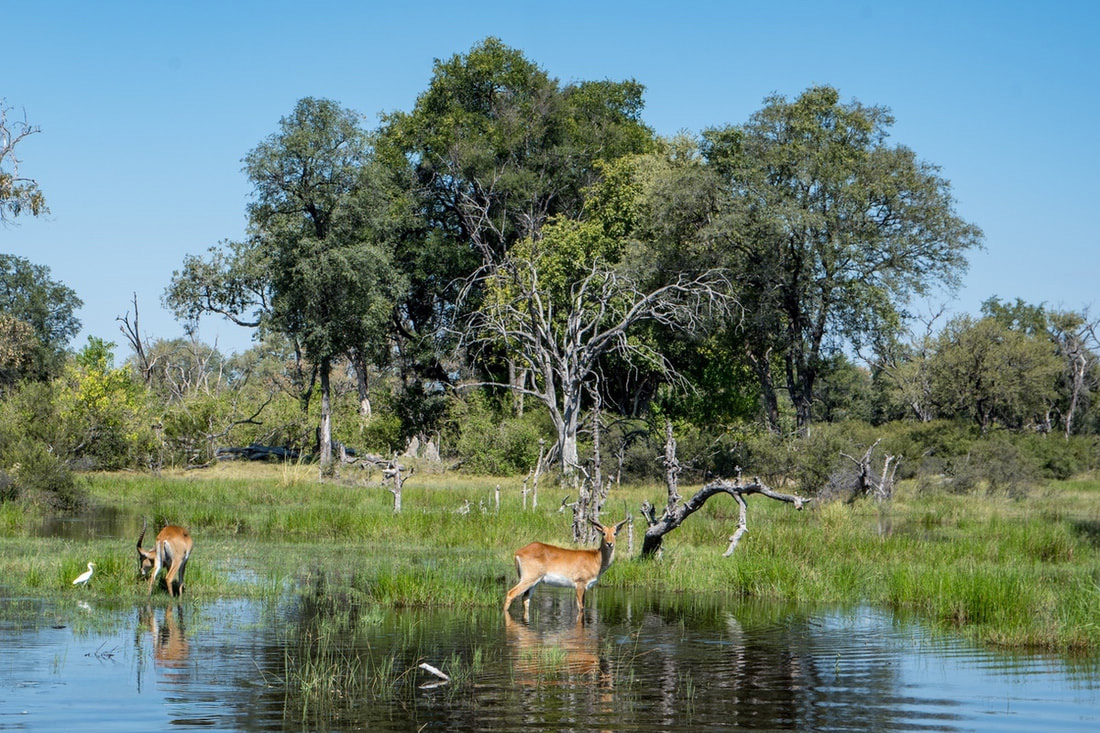
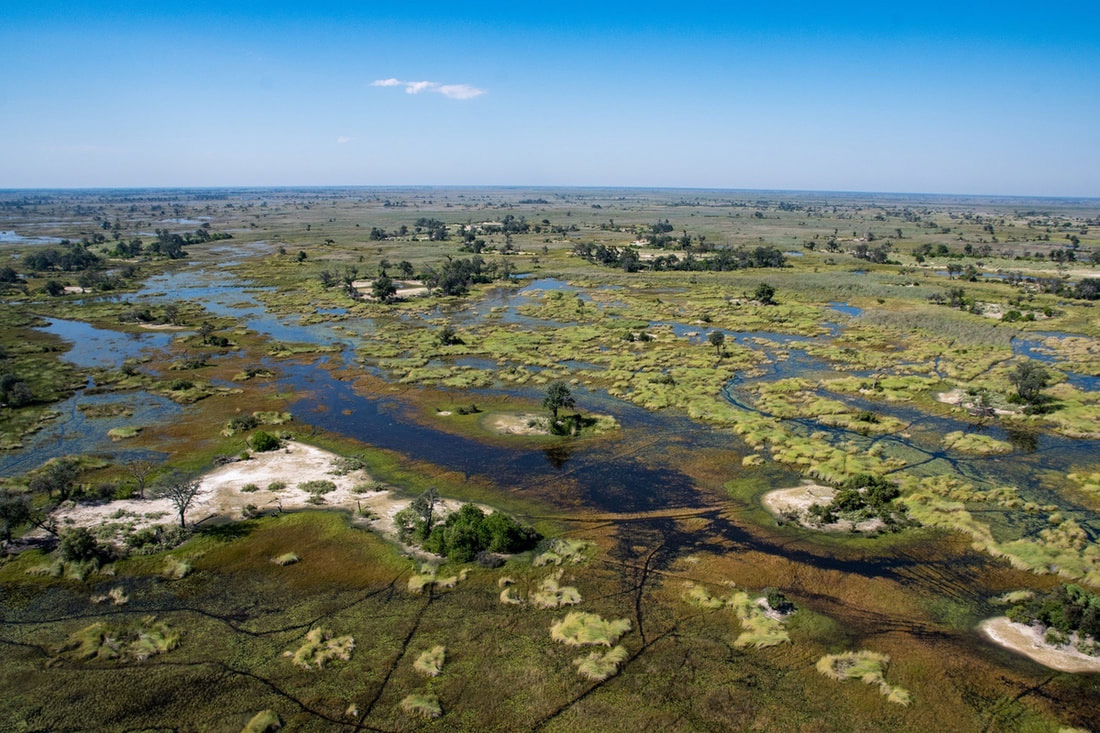
An Okavango Delta safari is not your typical game drive story. Here, water decides the rhythm. Channels appear where there was dry land, islands rise like secrets, and wildlife adapts in ways that feel almost theatrical.
Whether you’re gliding silently in a mokoro, tracking predators on foot, or watching elephants wade, chest-deep, through floodplains, a safari in the Okavango Delta is immersive, varied, and beautifully unpredictable.
For travellers seeking a Botswana Okavango Delta safari, the real magic lies in understanding how the Delta works and choosing the right style of camp to match your expectations.
Explore our customized safari tours, crafted to showcase the region's iconic wildlife and breathtaking landscapes.
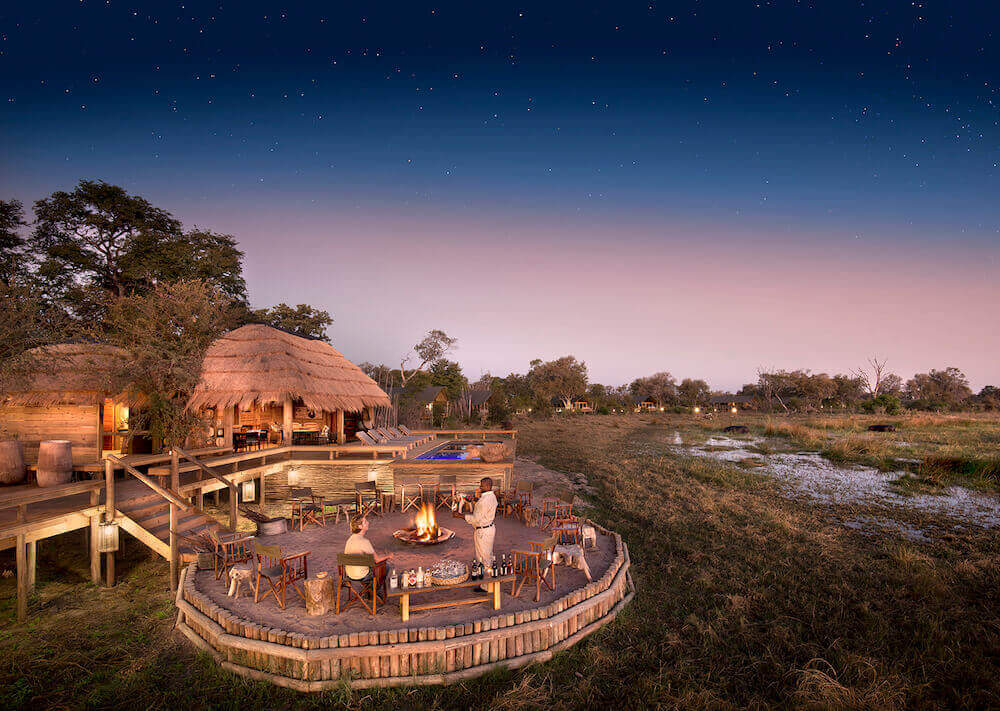
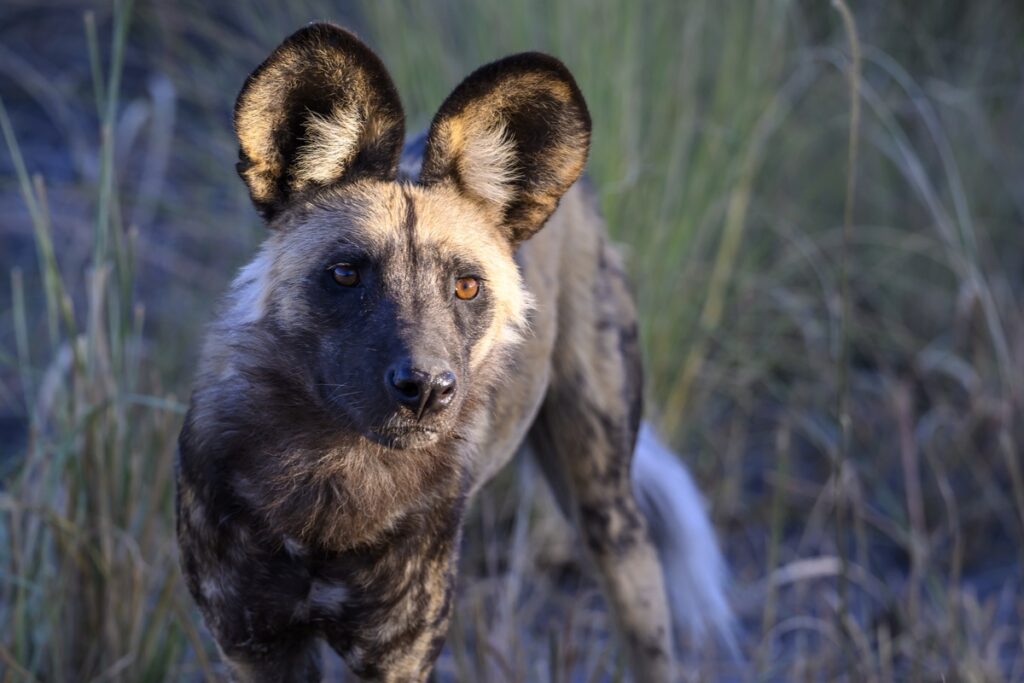
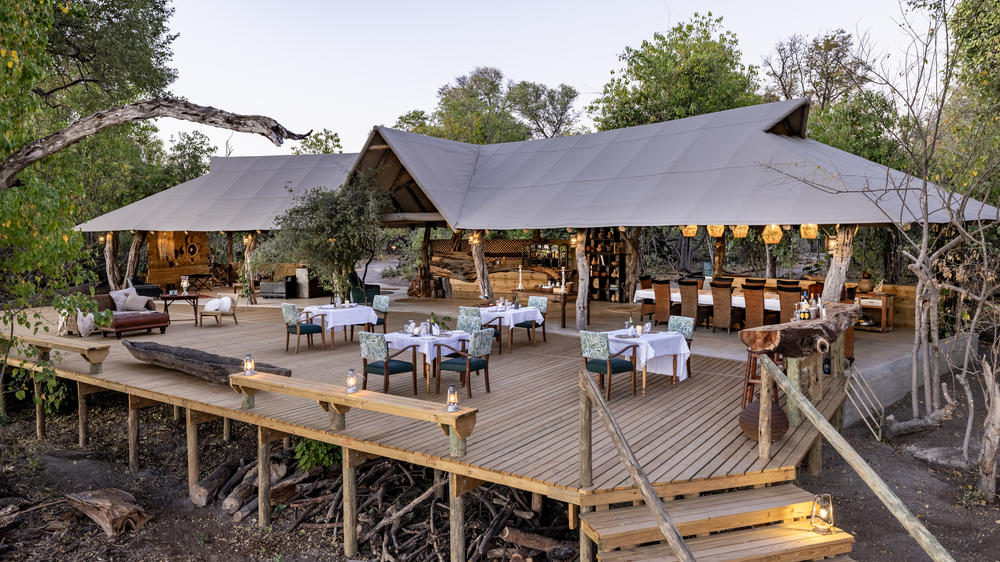
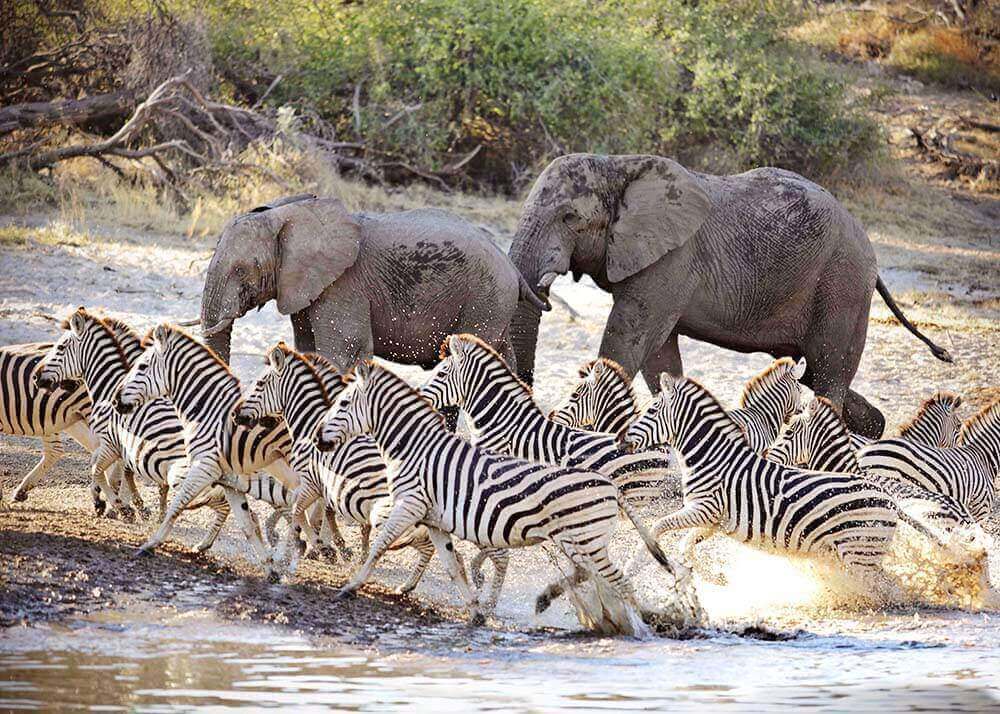
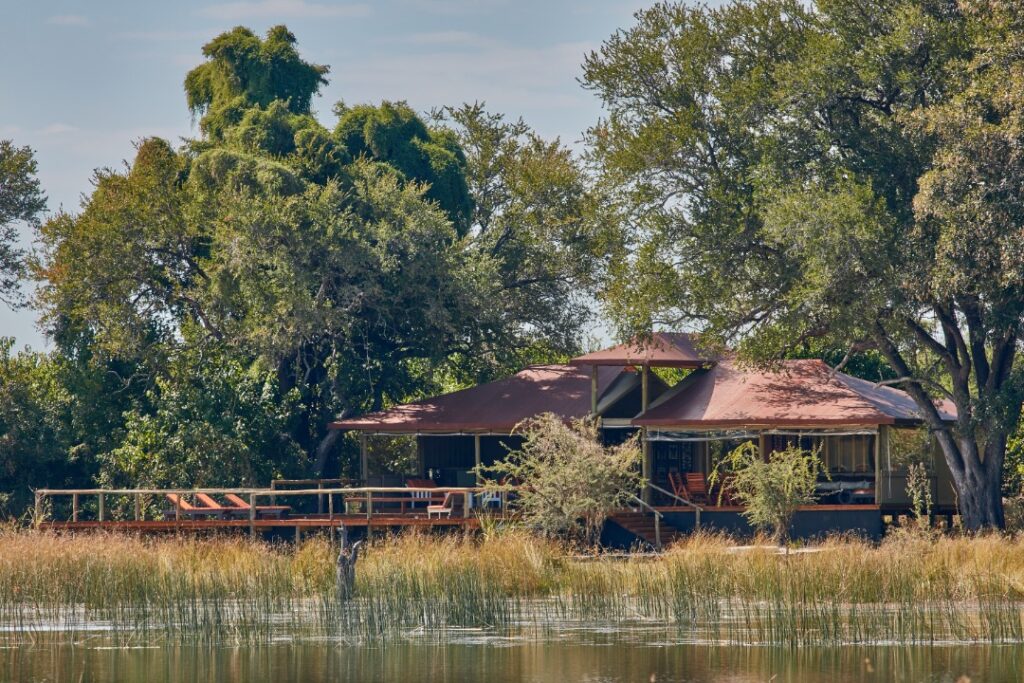
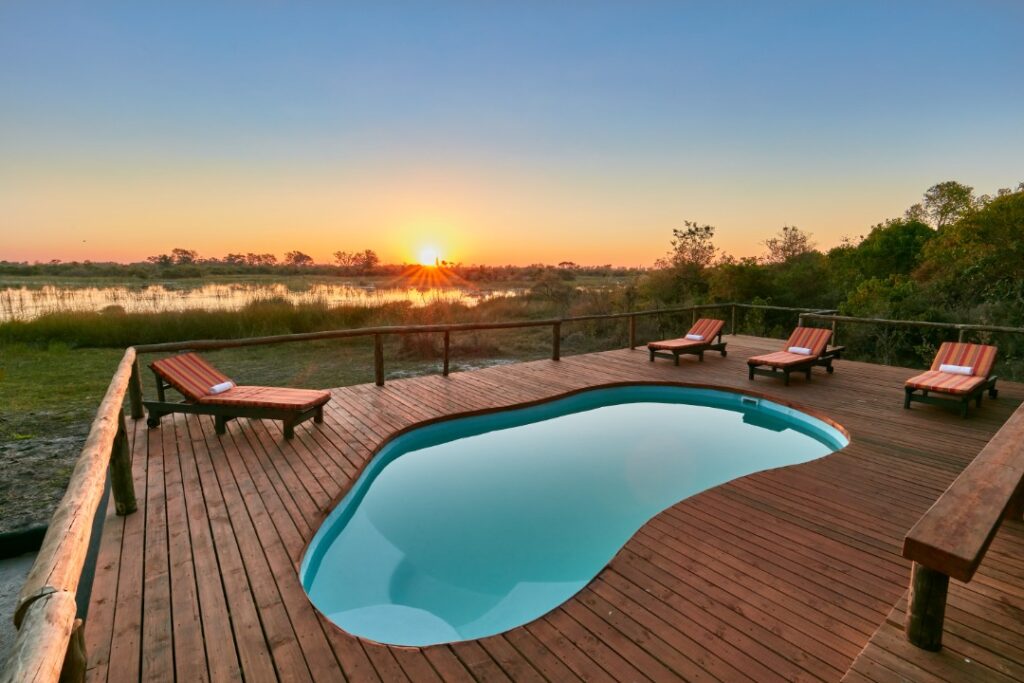
An Ecological Wonder of Abundance
An Okavango safari offers a combination of land- and water-based experiences, making it one of Africa’s top choices for diverse safari environments.
Location, water levels, and camp type shape every Okavango Delta trip. Which brings us to the part many travellers overlook…
Choose wisely, and your safari transforms from great… to unforgettable.
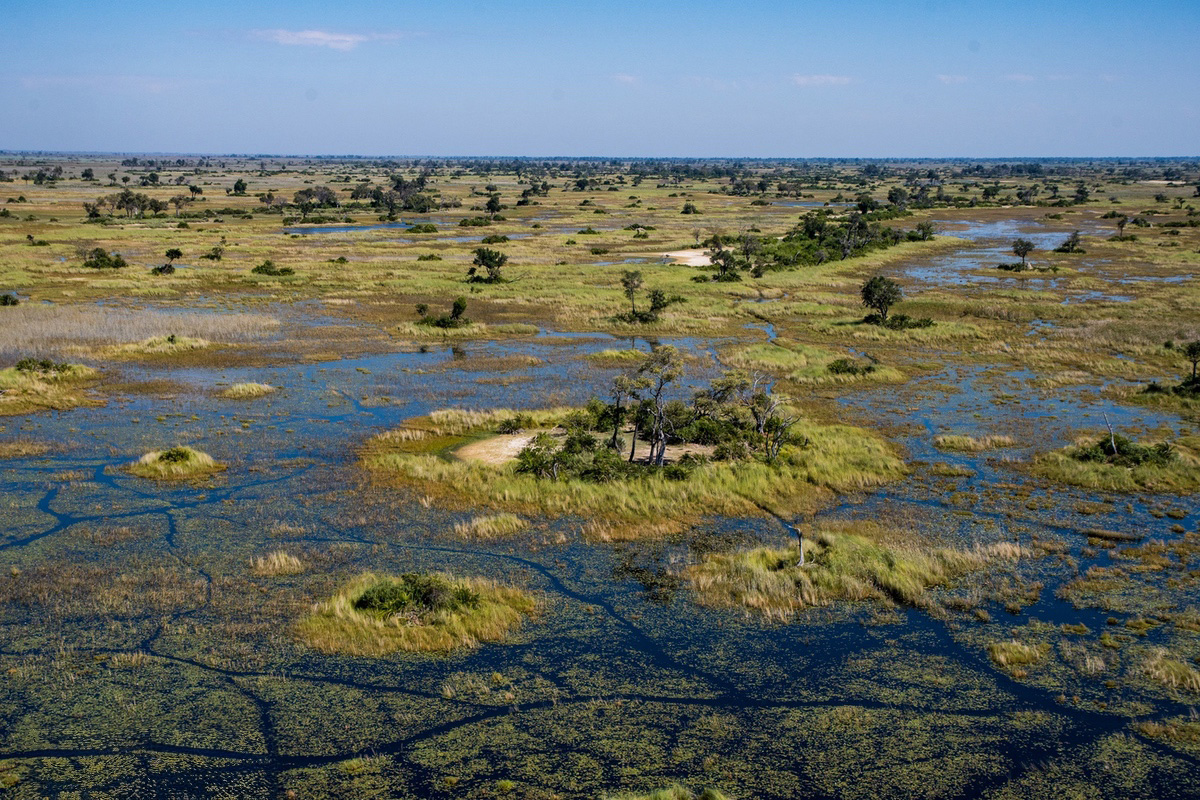
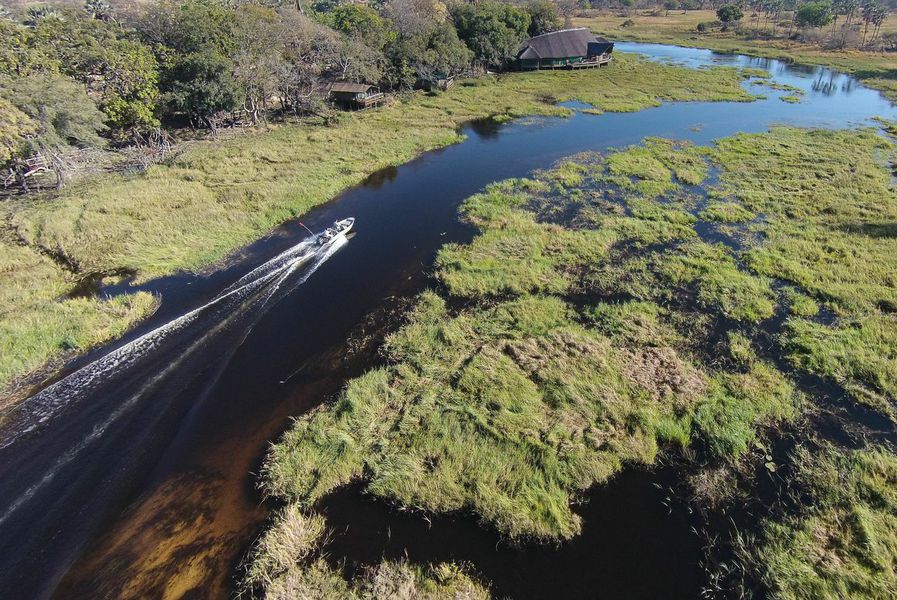
These camps are in areas where water is present year-round, regardless of seasonal flooding.
What to expect:
Activities:
Best for:
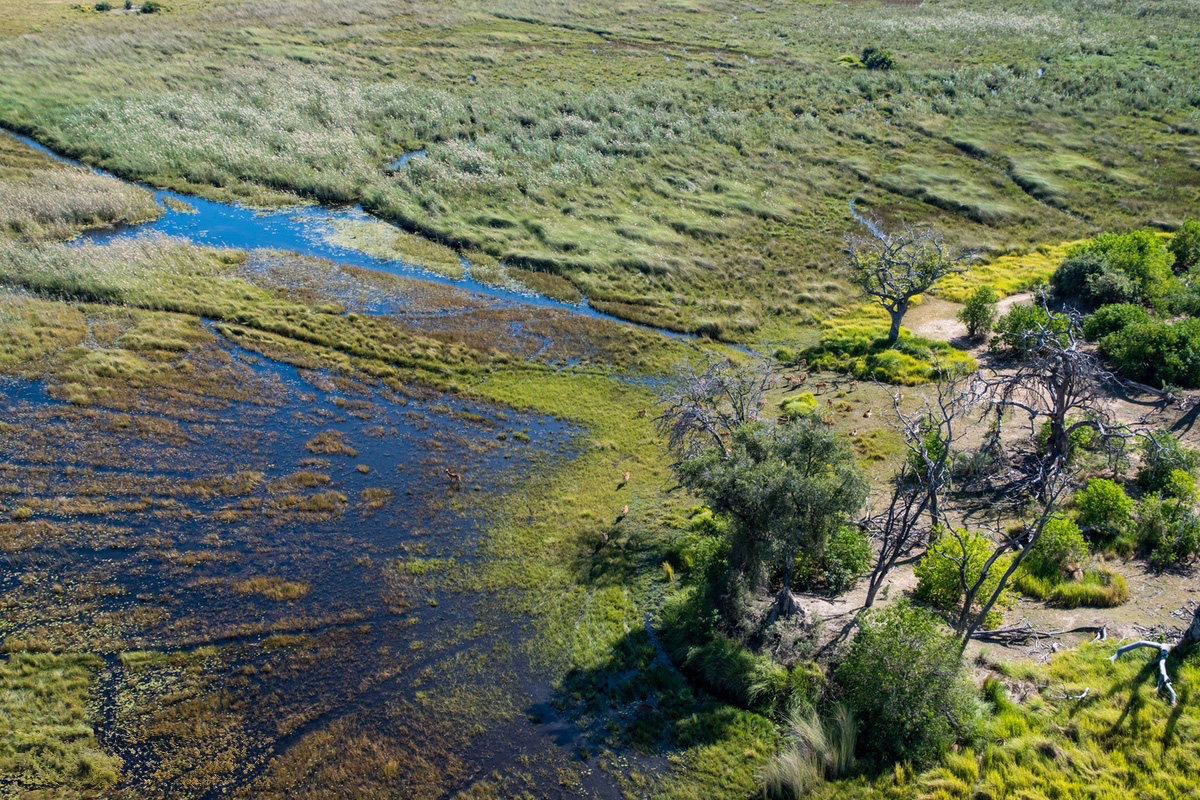
These camps sit in areas that flood during certain times of the year, typically between July and October.
What to expect:
Activities (vary by season):
Best for:
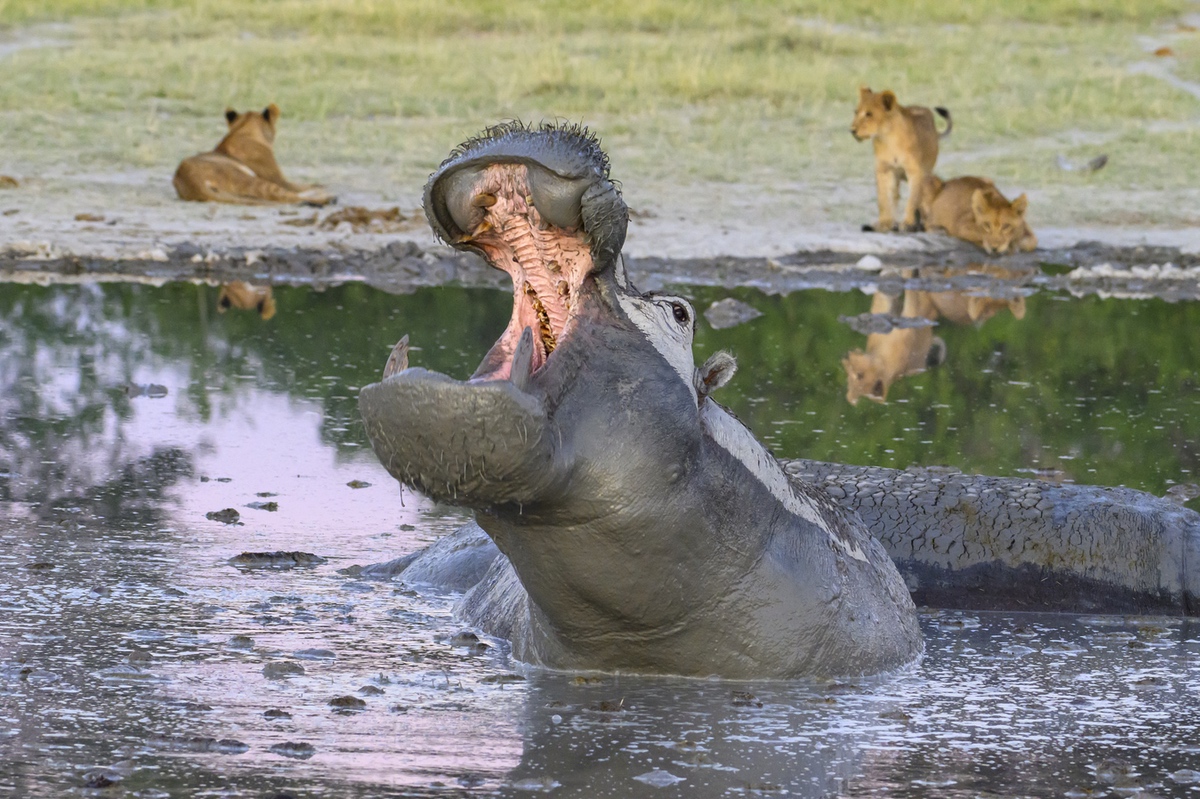
While not always categorised separately, some camps are in regions of the Delta (or its fringes) that are consistently drier.
What to expect:
Activities:
Best for:
Where You Stay Matters
Not all Okavango Delta safaris are created equal. Your experience will vary significantly depending on whether you stay in a private concession or a national park/community area.
This is where a high-end Okavango Delta safari tour truly shines.
| Area | Pros | Cons |
|---|---|---|
| Moremi Concessions |
|
|
| Moremi Game Reserve |
|
|
| Khwai Community Concession |
|
|
| Khwai Private Game Reserve |
|
|
| Private Concessions (General) |
|
|
Safari Highlights Shaped by the Floods
The Okavango Delta can be visited year-round, with each season offering unique perspectives. Timing your Okavango Delta trip is less about “good or bad” and more about what kind of safari you want.
The prime time for wildlife viewing is in the dry season from July to October, when the migratory game can be found in the Okavango Delta, as this is the time when the water levels are high. The high water levels also guarantee your water experiences, which most visitors of the Okavango Delta are after. And, because the bush is less thick in dry season, it makes it easy to spot animals. By the end of the dry season, in October, the temperatures start soaring and the humidity goes up, because the first rains are about to arrive in November, which is important to know, if you want to avoid the hottest months.
December to March is the rainy season, also called the green season. The rainy season in southern Africa is less dramatic than it sounds though, as the rains are usually limited to an hour or two of showers and thunderstorms in the afternoon. This time is when the non-resident game migrates into other areas, like the Nxai and Makgadikgadi Pans. BUT, it is also the time when the lodge prices drop a lot and some of the top lodges become affordable to those who do not usually travel top end.
Depending on your camp type and location, your Okavango Delta safari may include:
At Indigo Safaris, we design Okavango safaris based on your priorities, not a template.
We match you with the right camps, in the right areas, at the right time.
Whether you’re looking for:
An Okavango Delta safari combines both land and water-based activities, offering a more diverse and immersive experience than traditional vehicle-only safaris.
No. Only permanent water camps offer consistent water activities. Seasonal camps depend on flood levels.
Yes, especially when staying in permanent water camps or well-located private concessions.
Yes, although rhino sightings are less common. The Delta is particularly strong for predators and elephants.
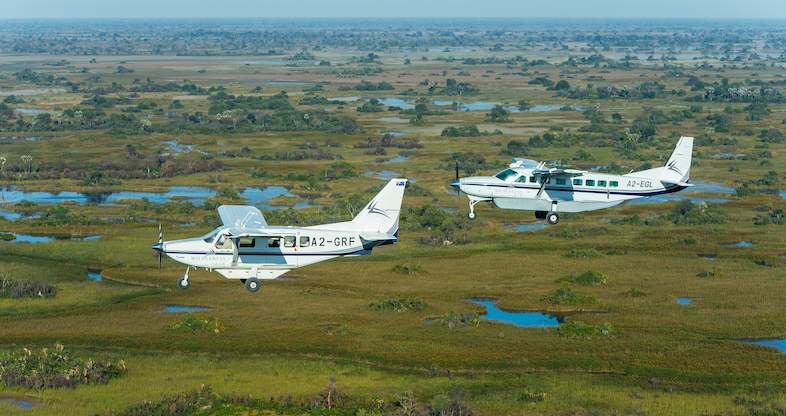
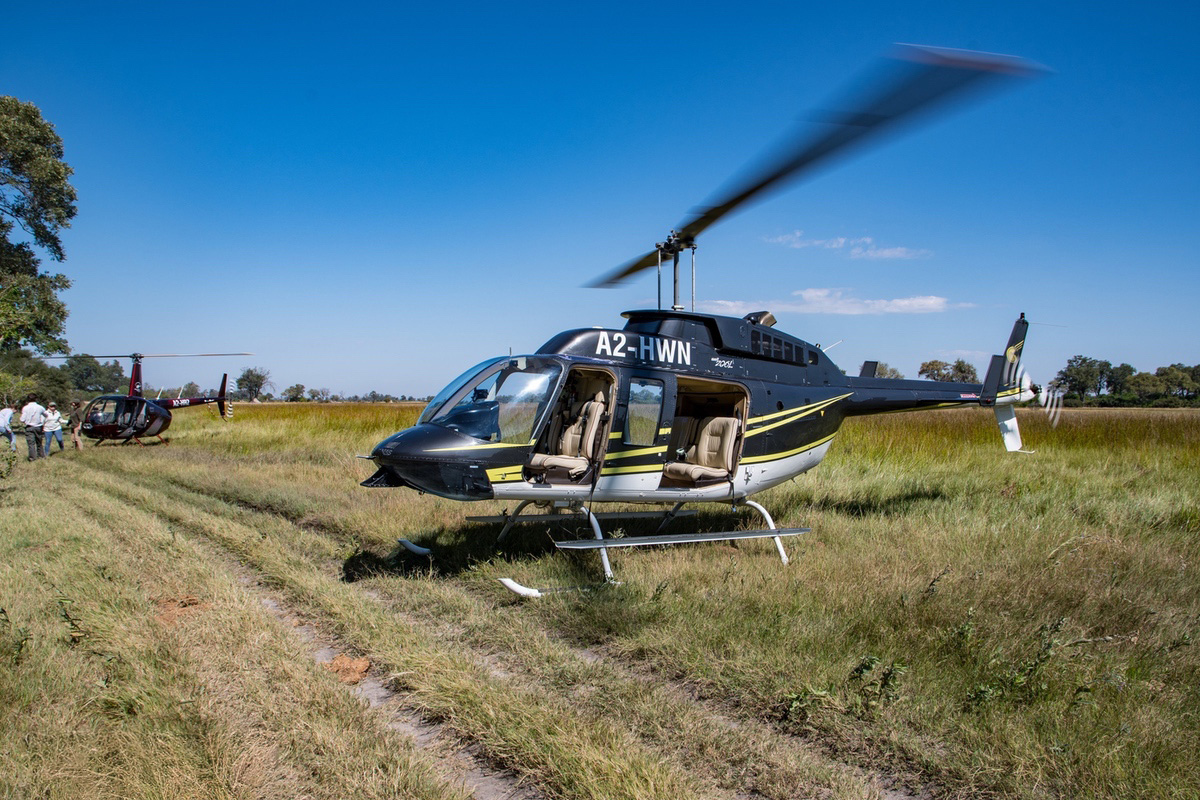
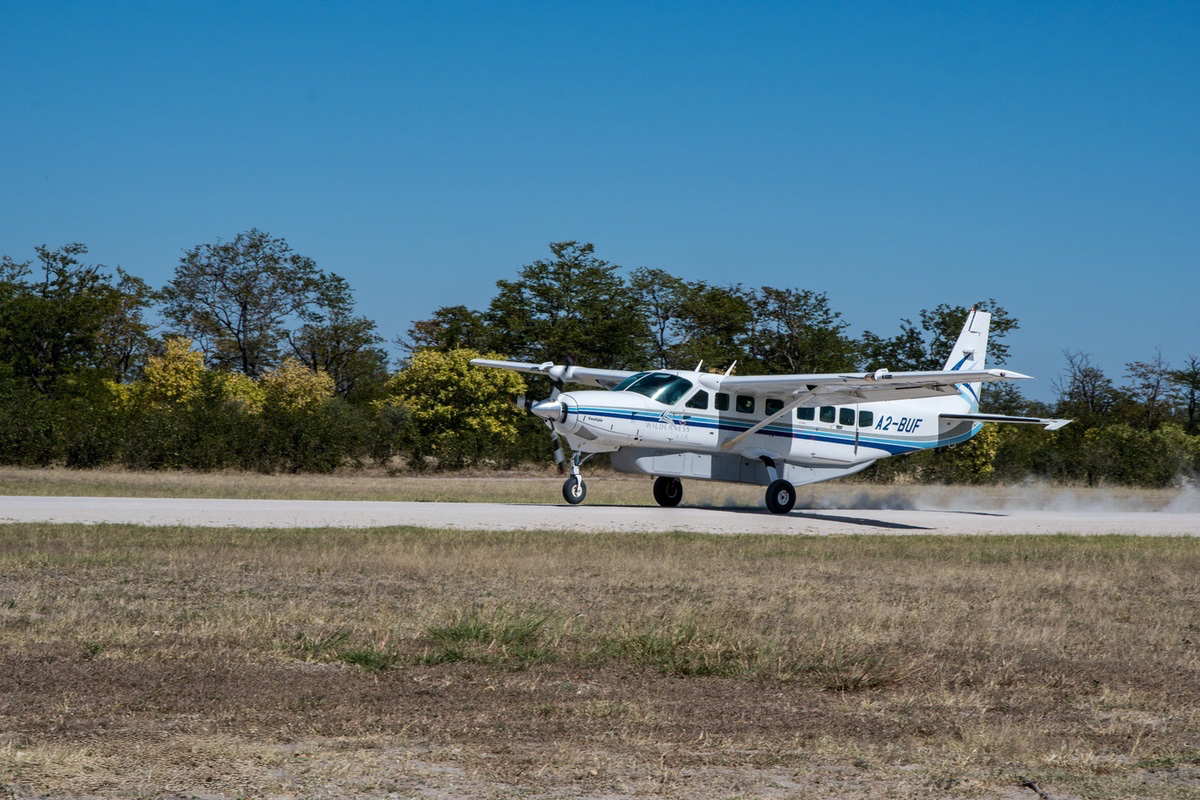
Most Okavango Delta safari tours involve light aircraft transfers due to the region’s remoteness.
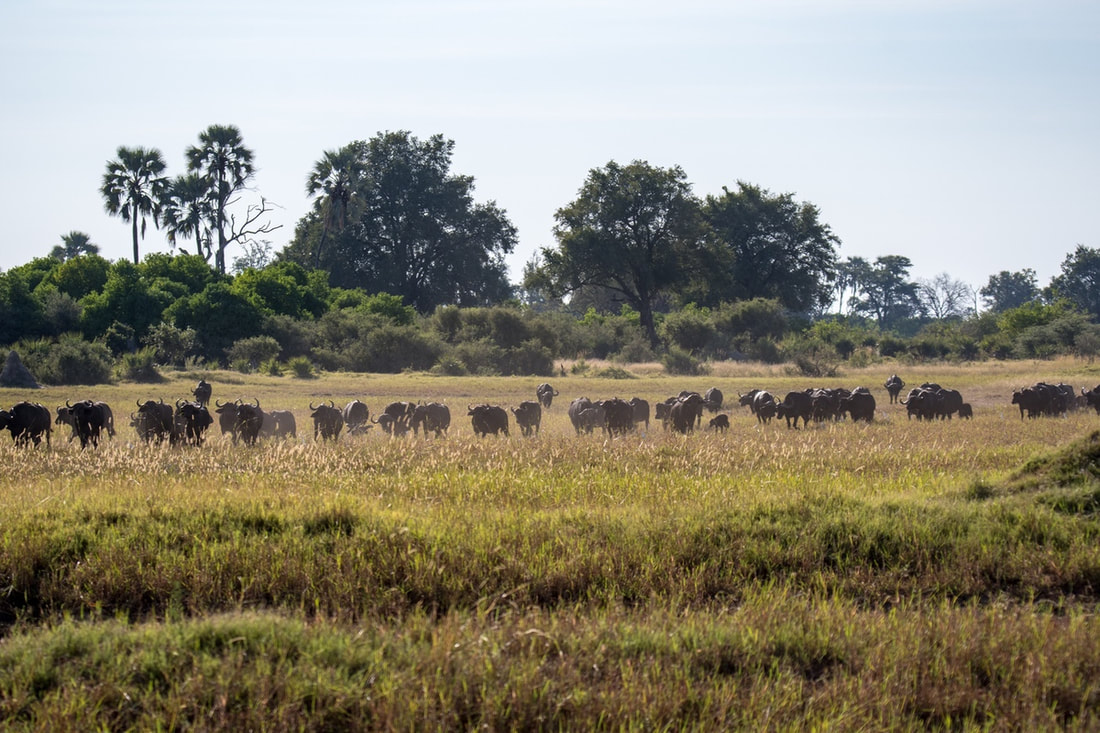
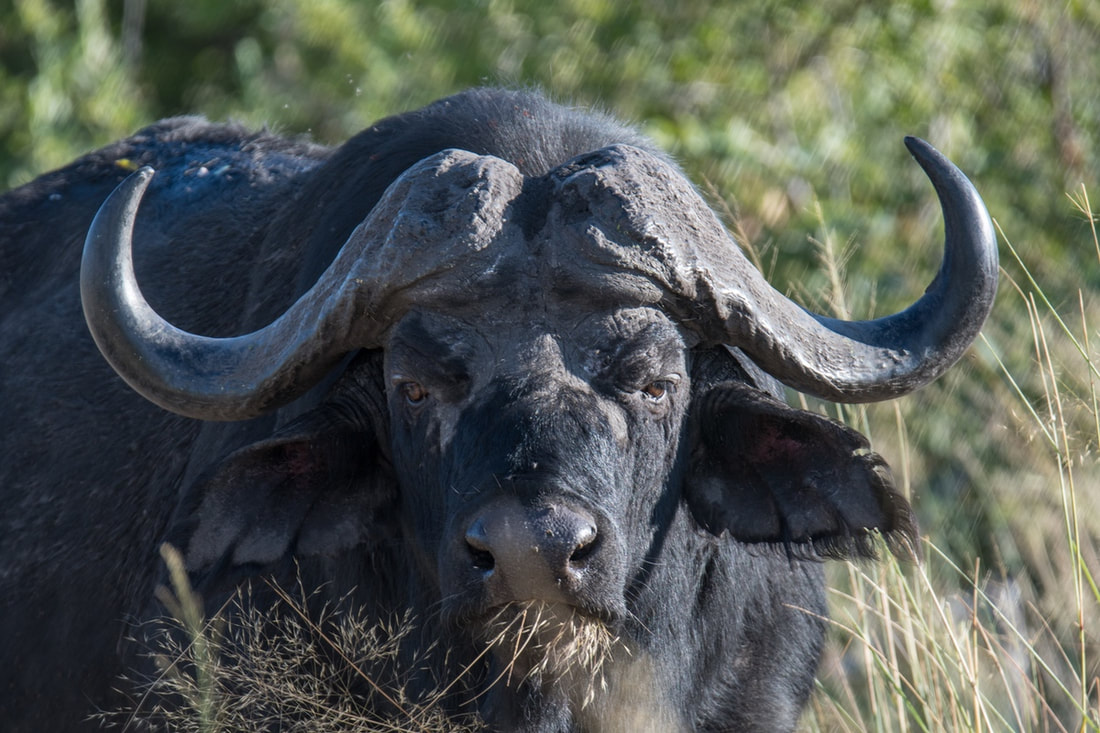
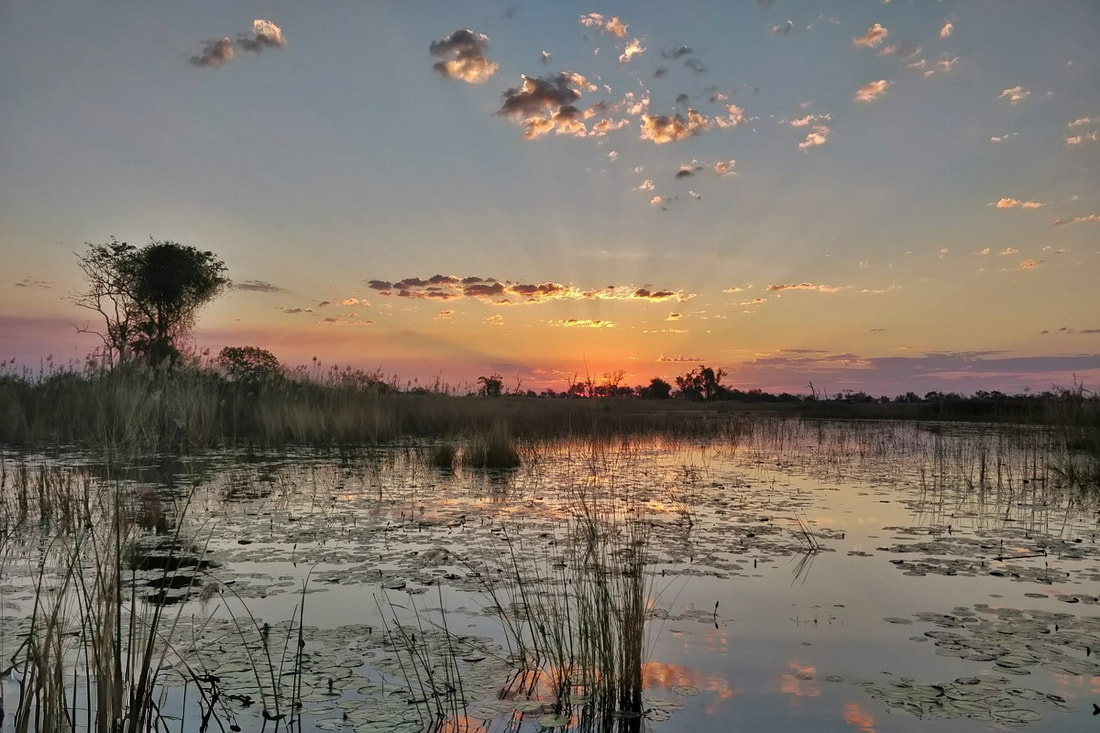
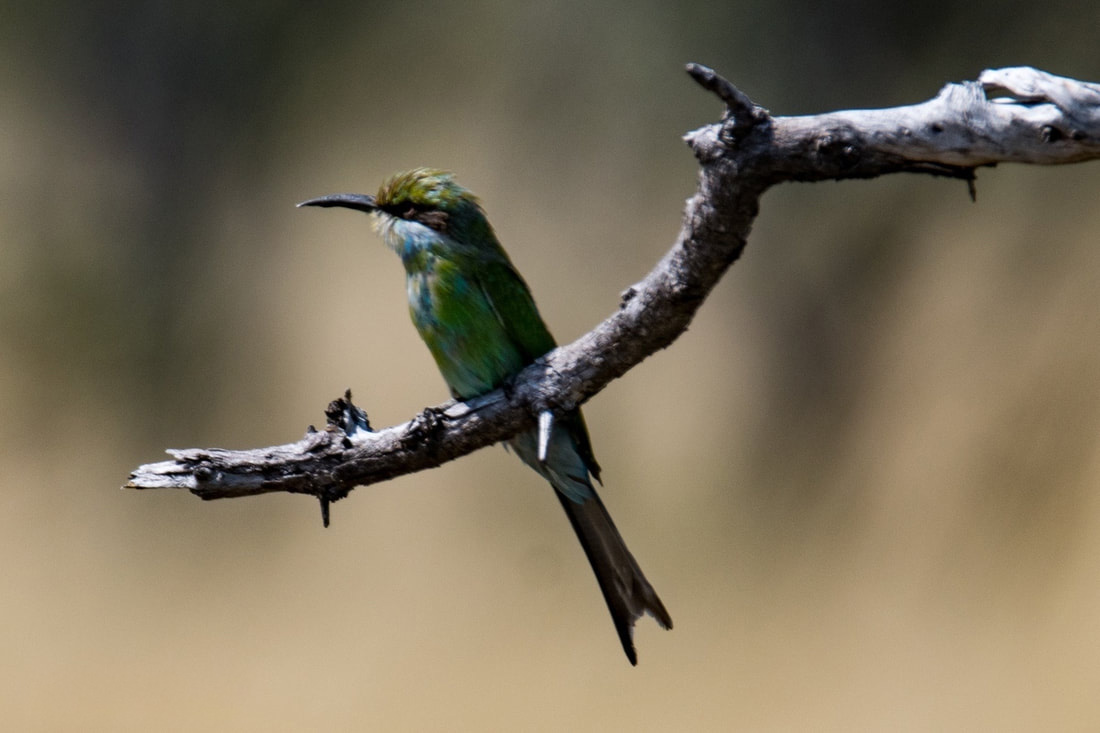
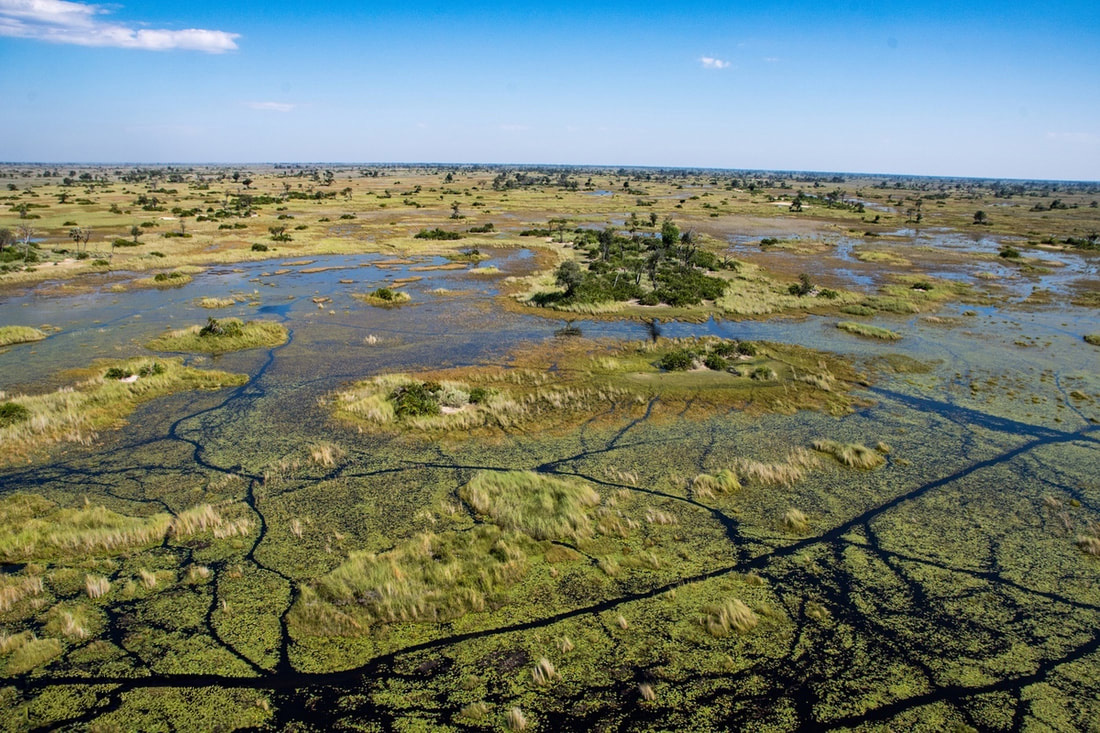
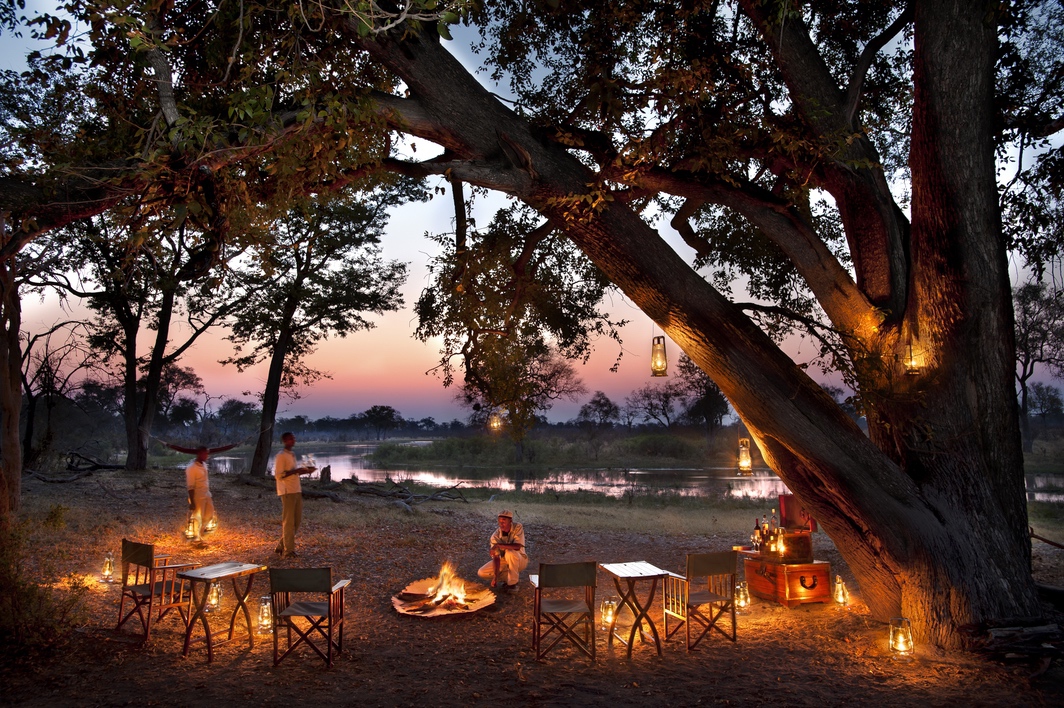
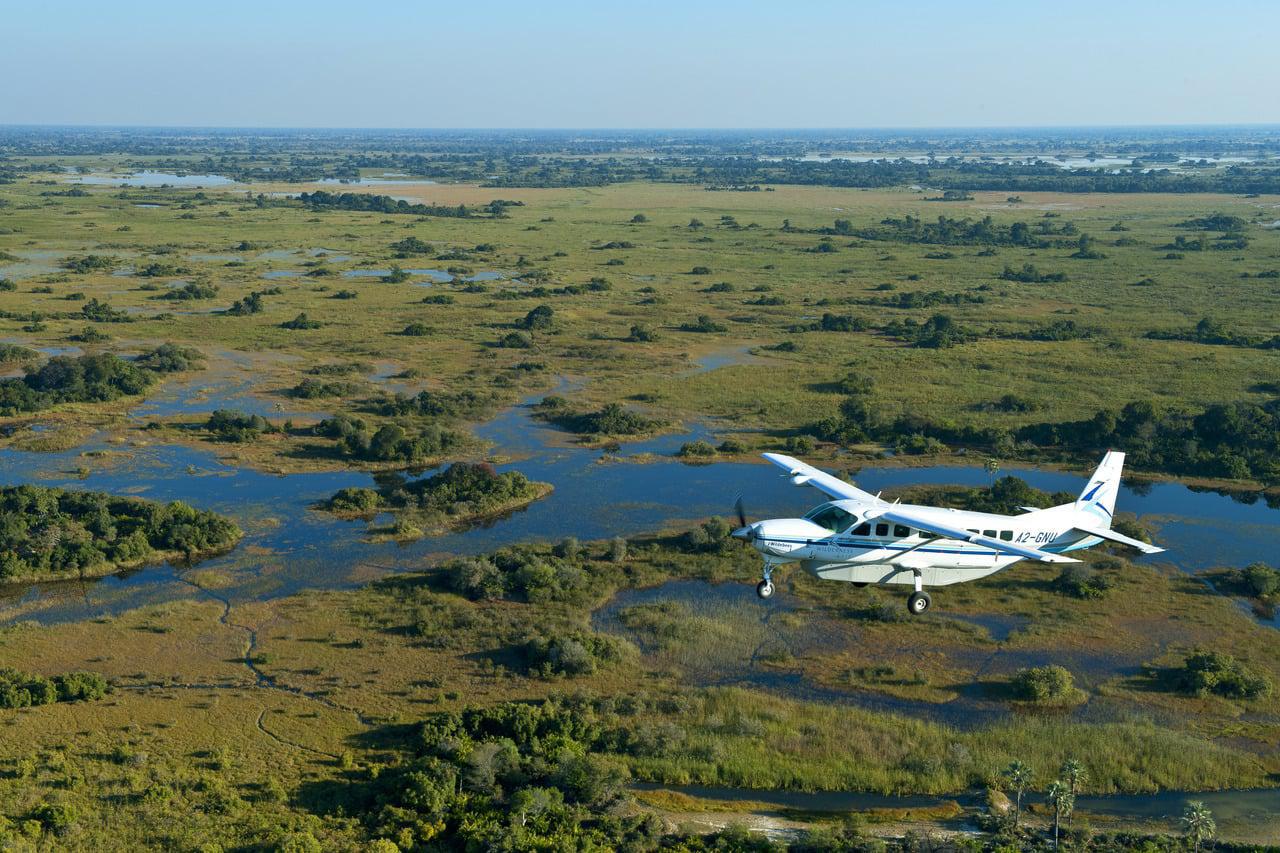
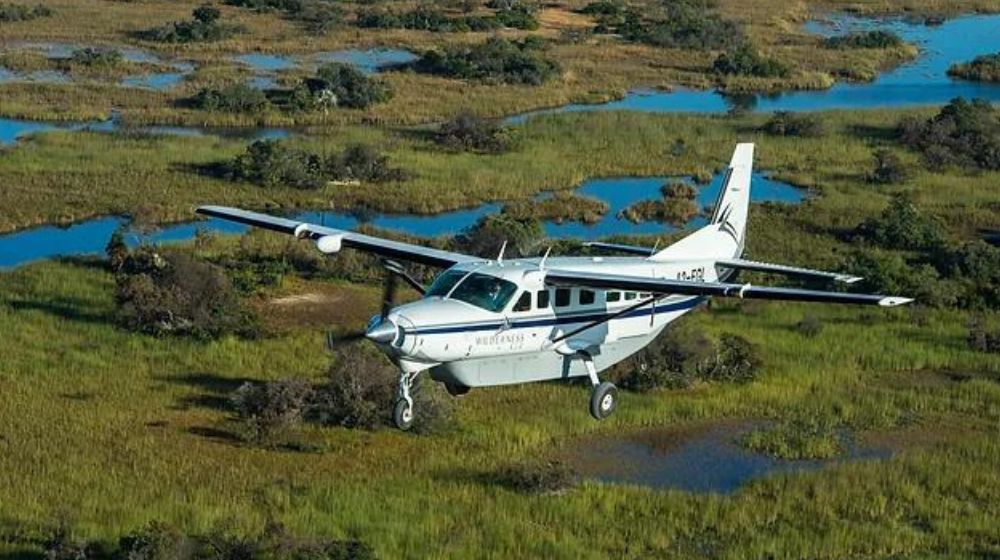
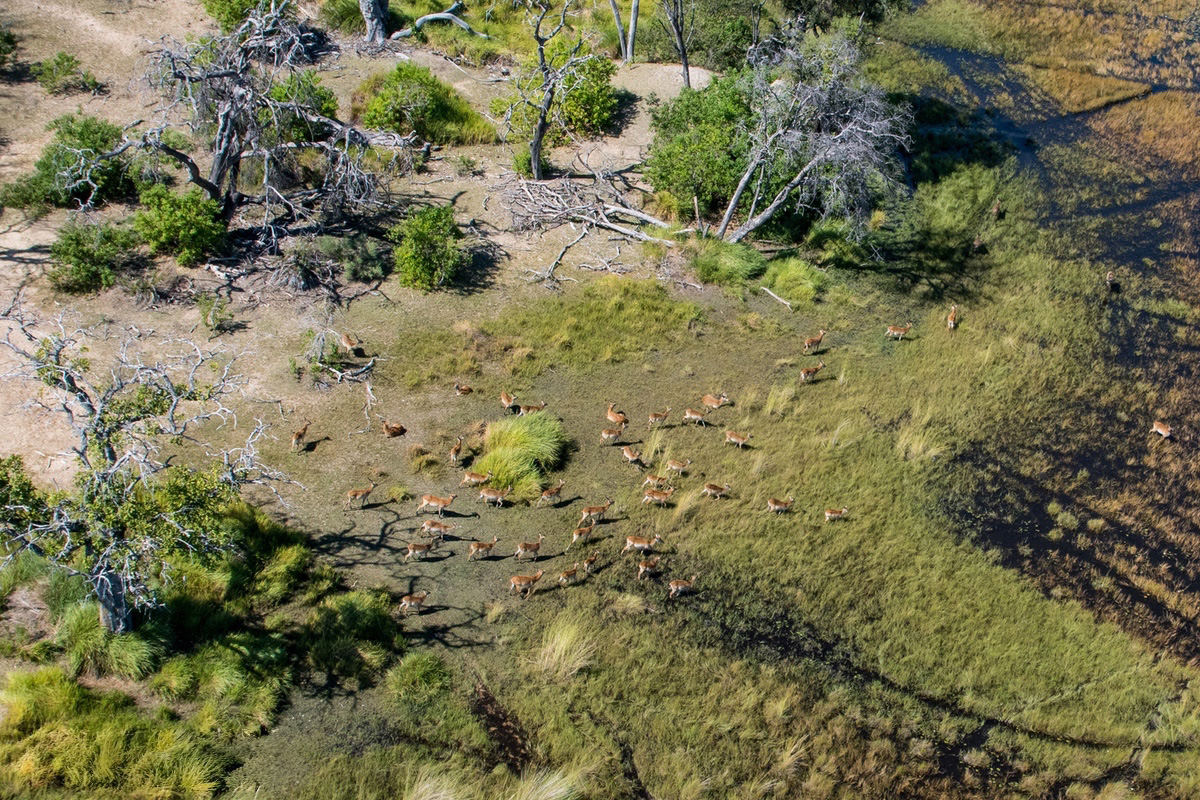
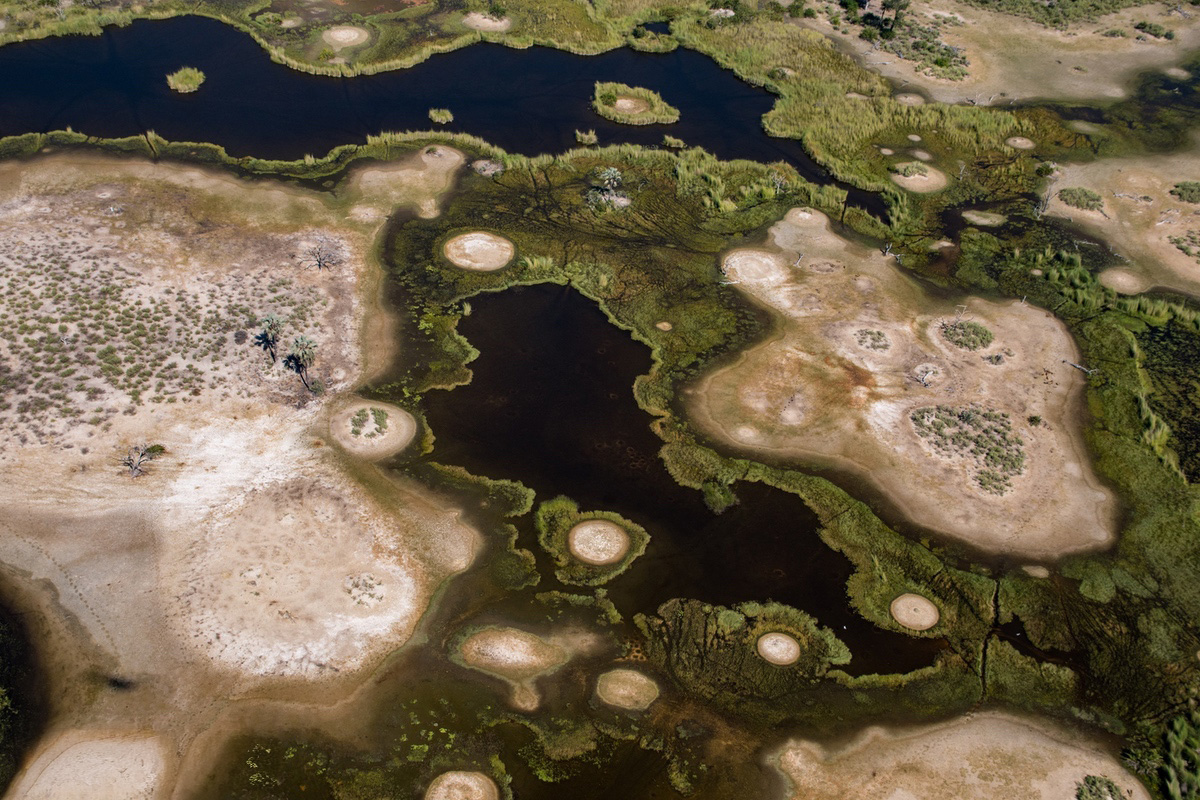
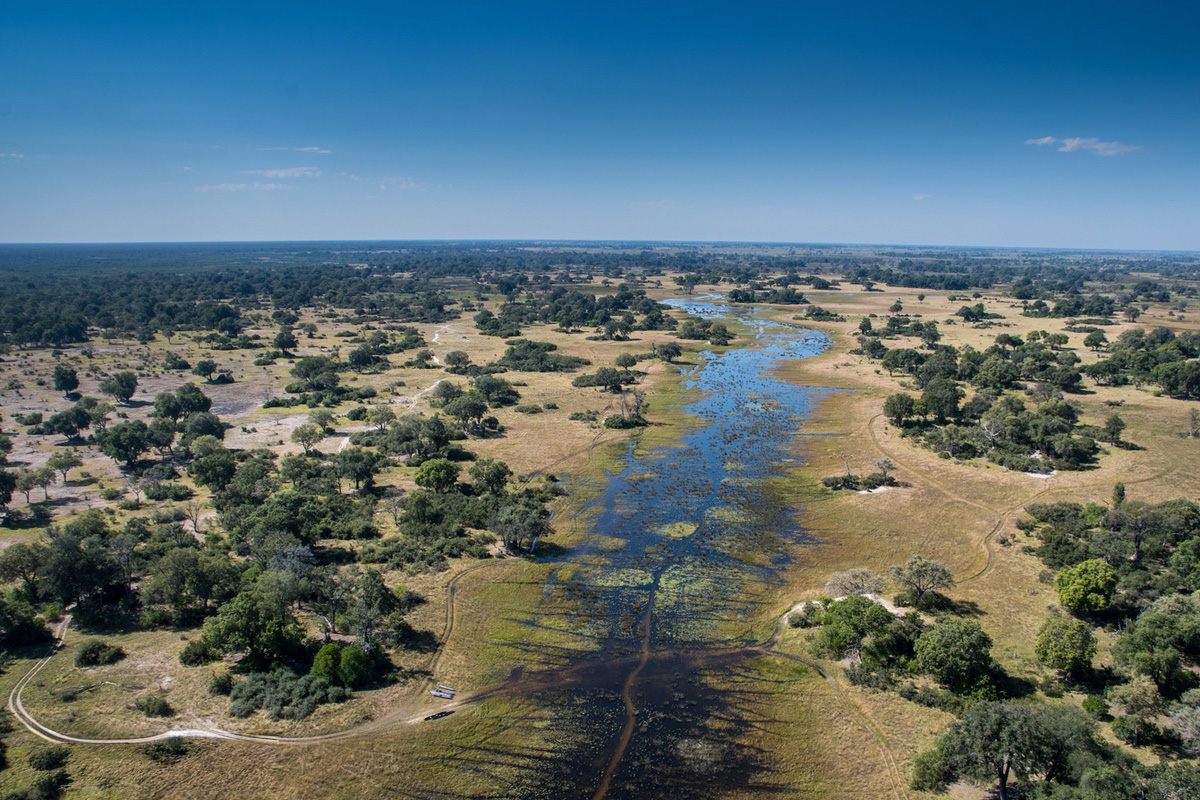
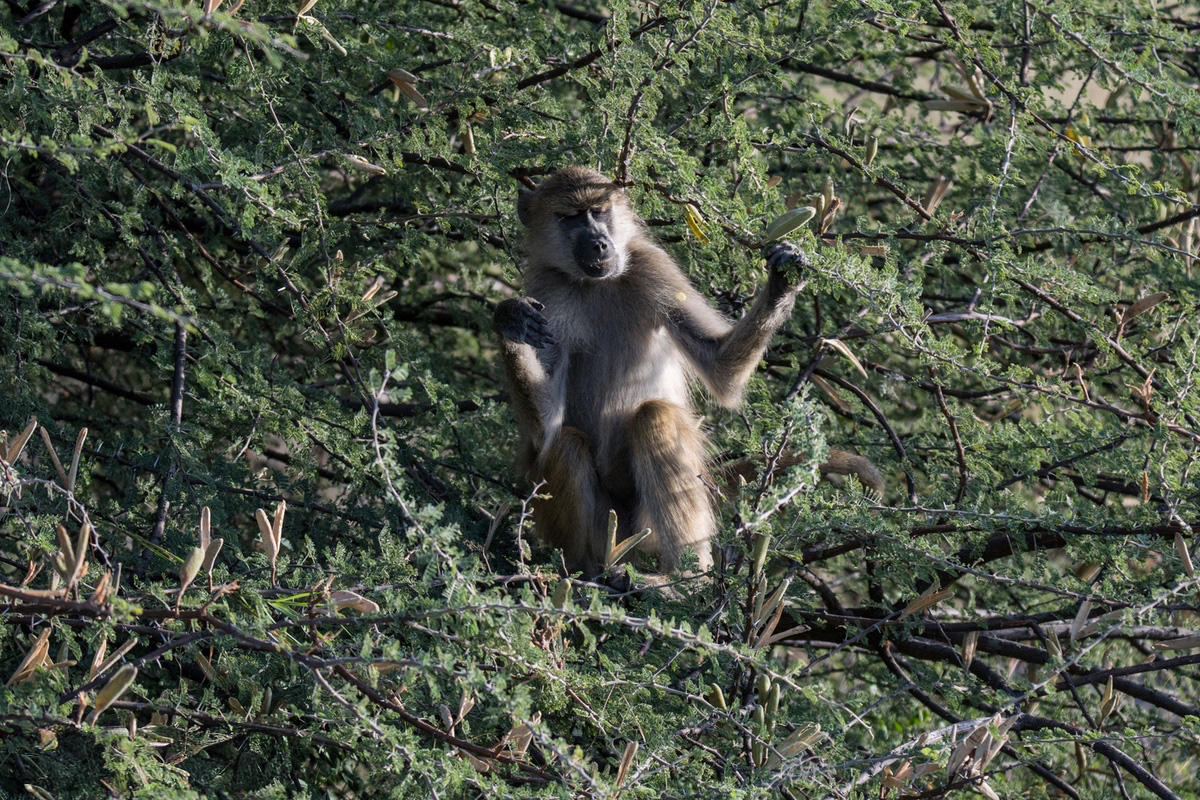
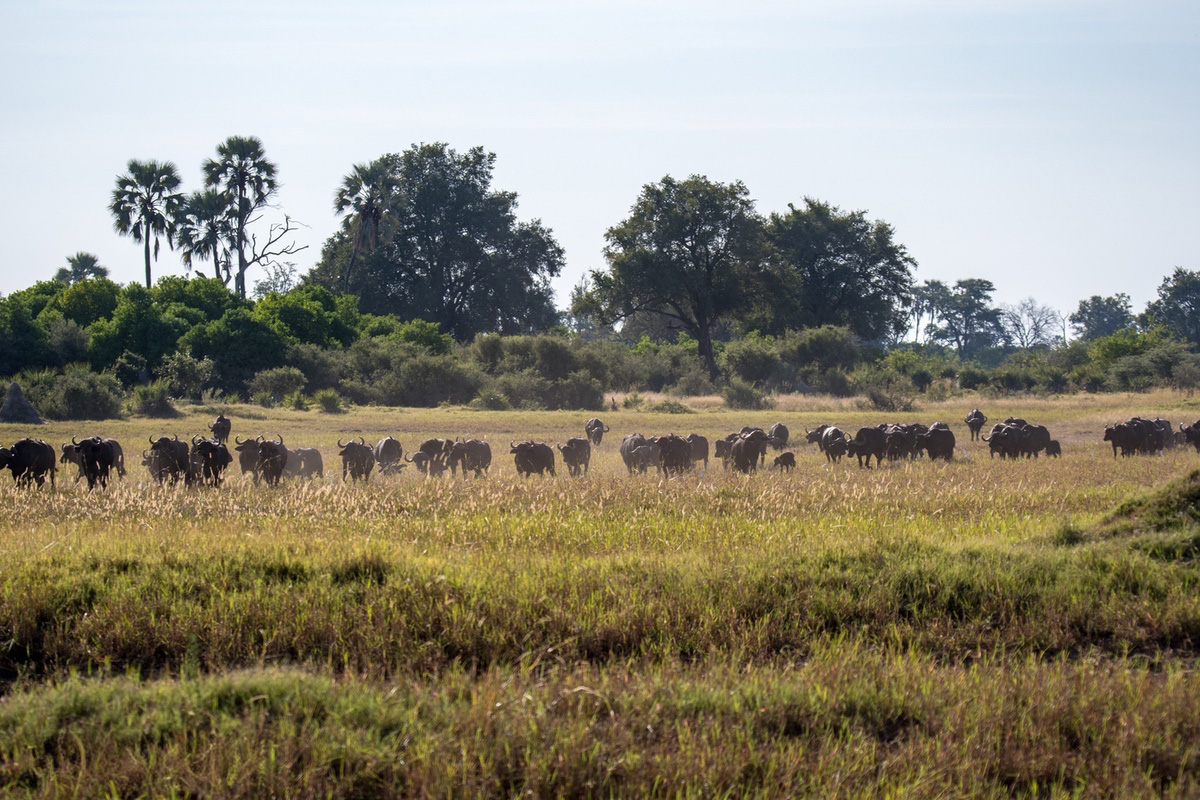
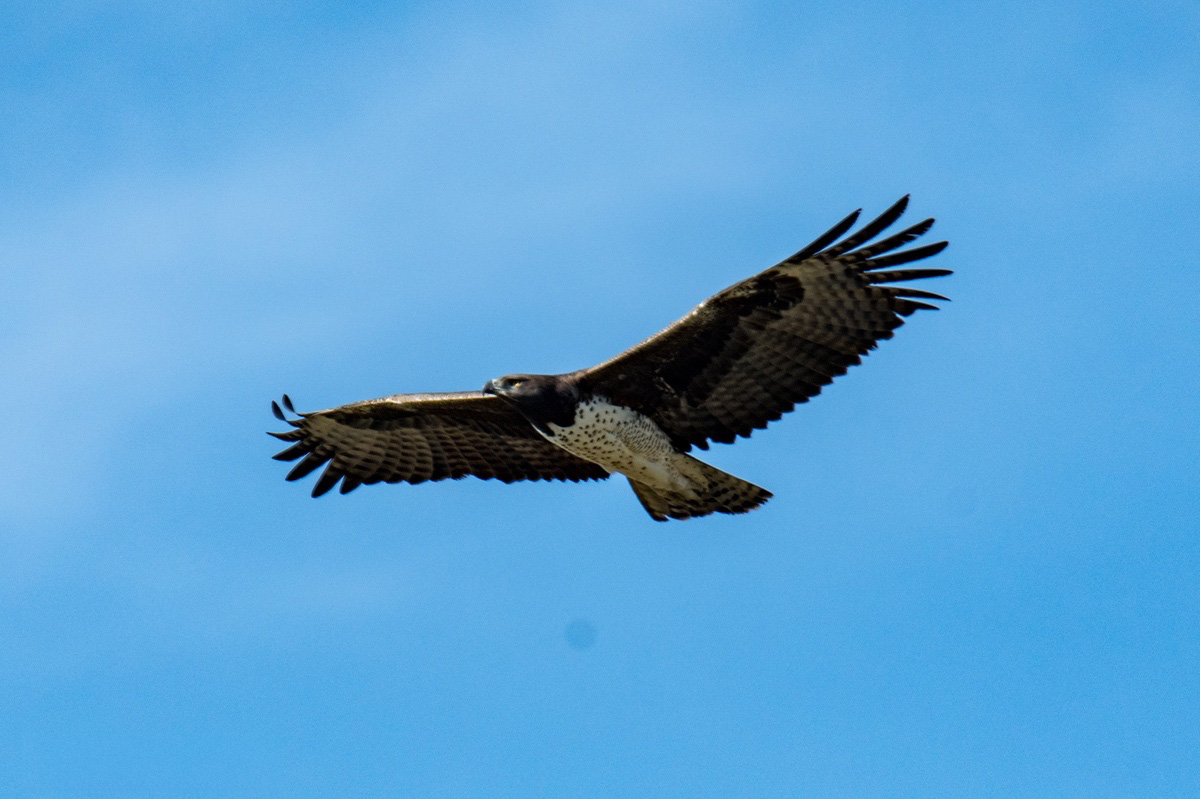
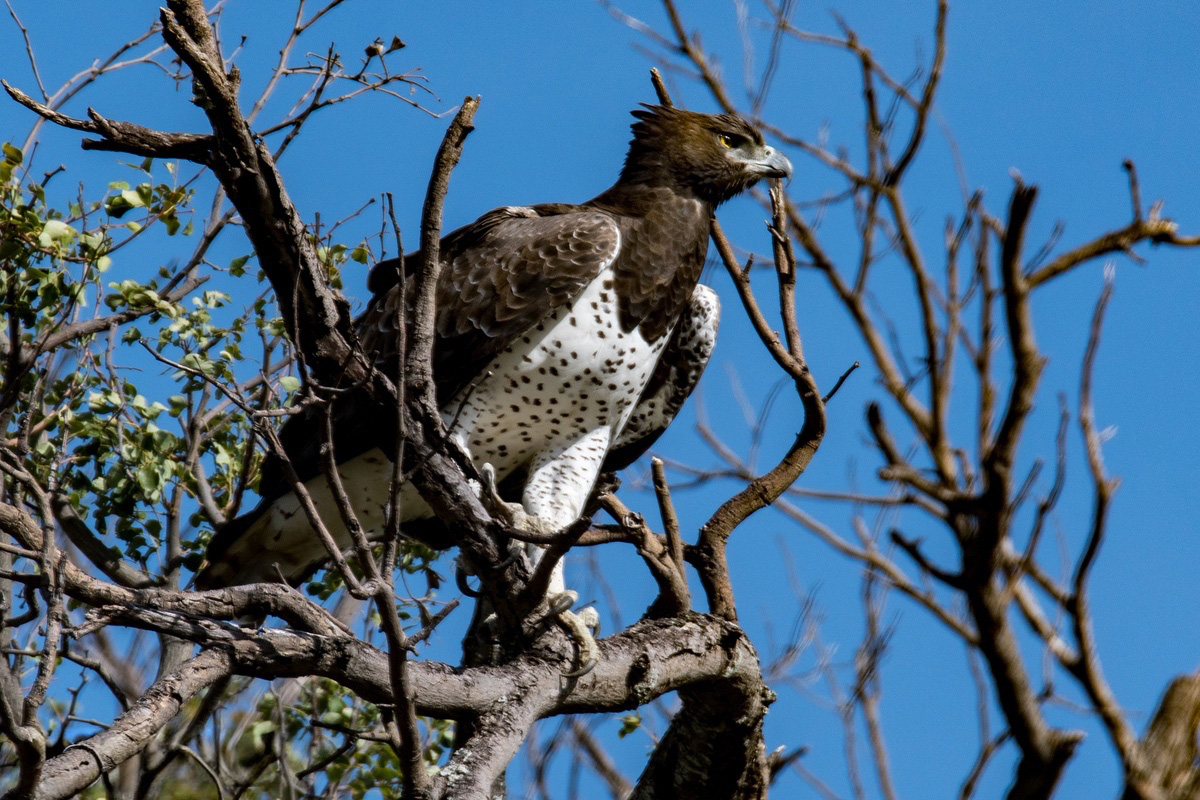
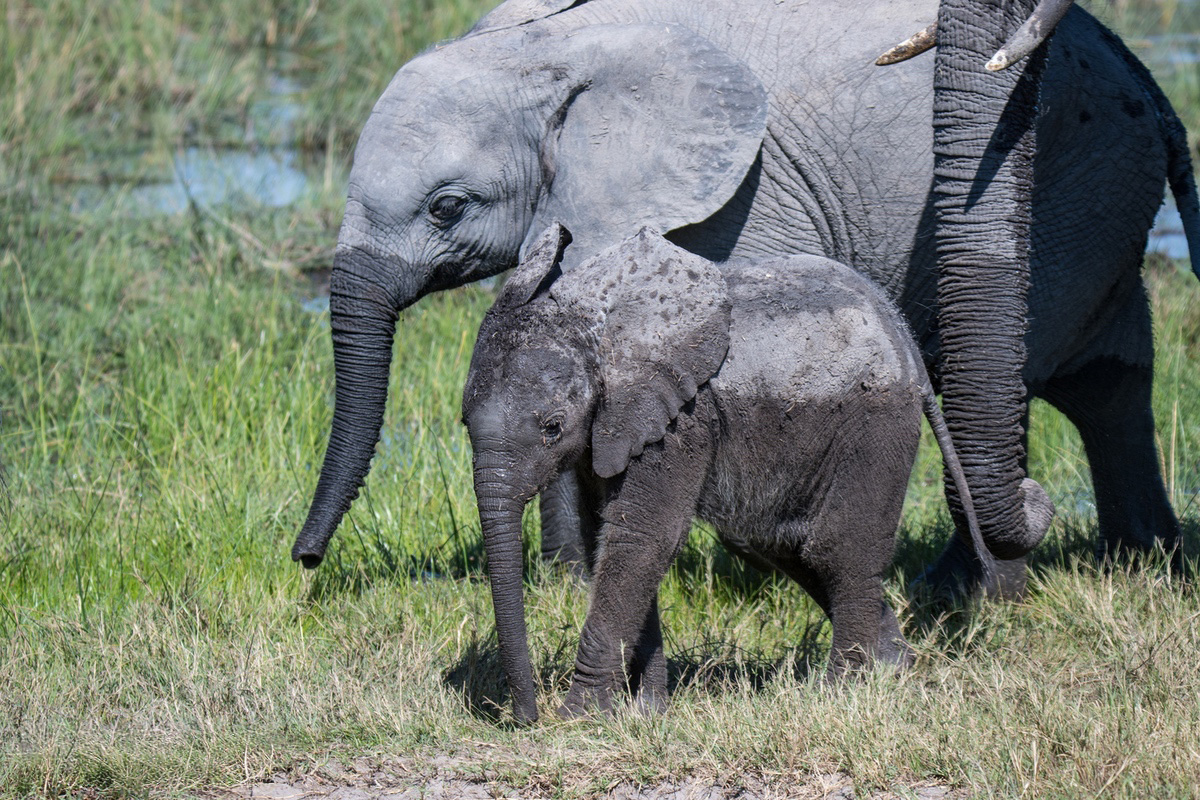
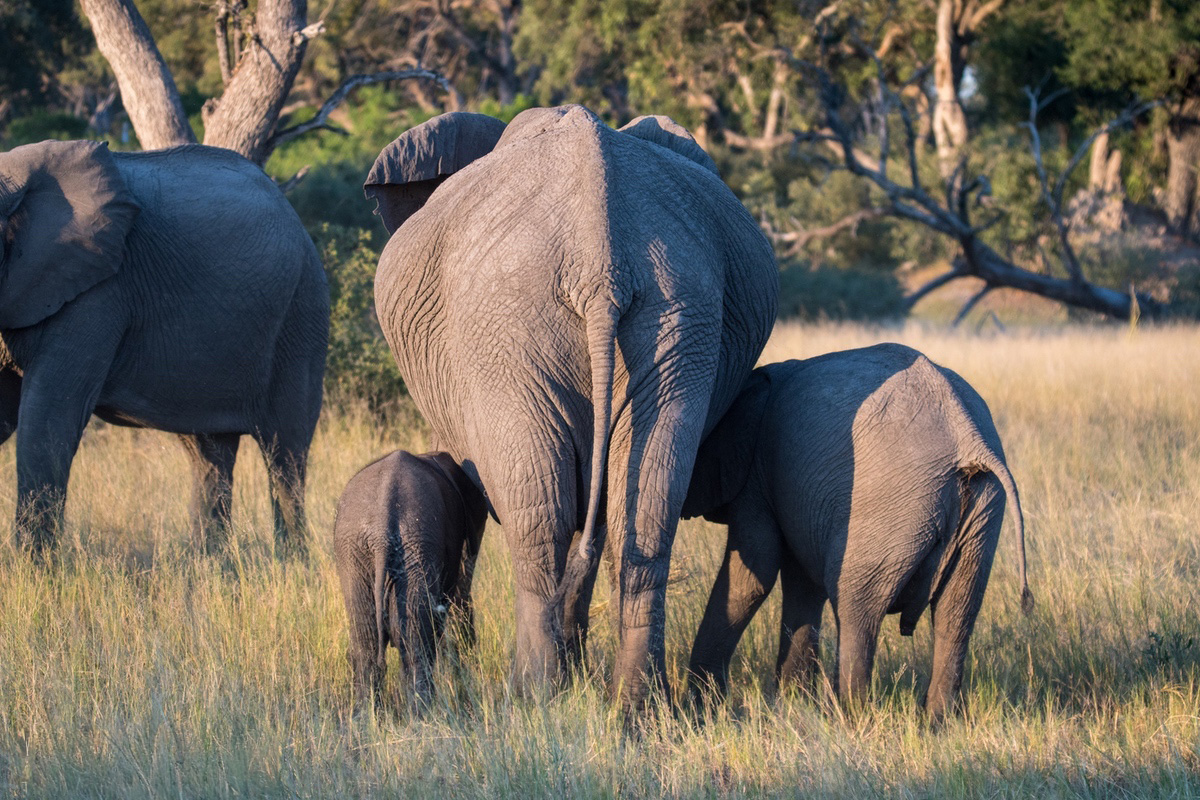
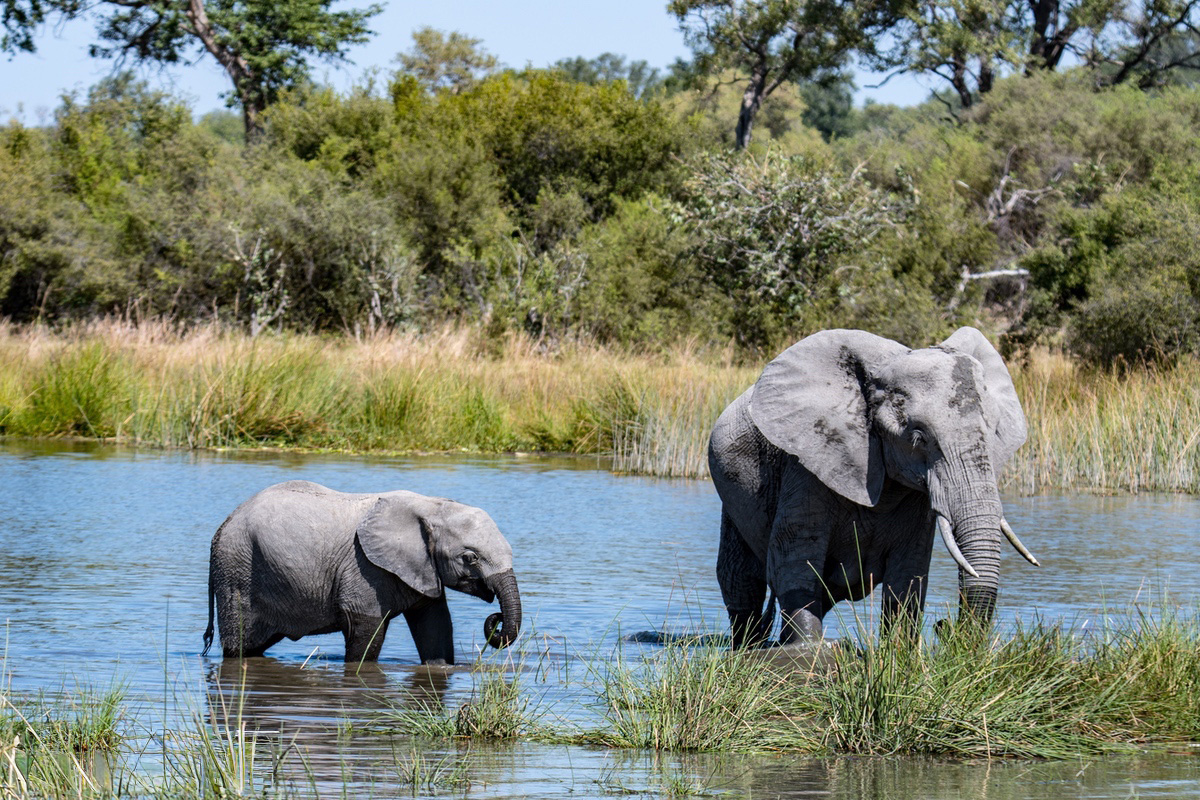
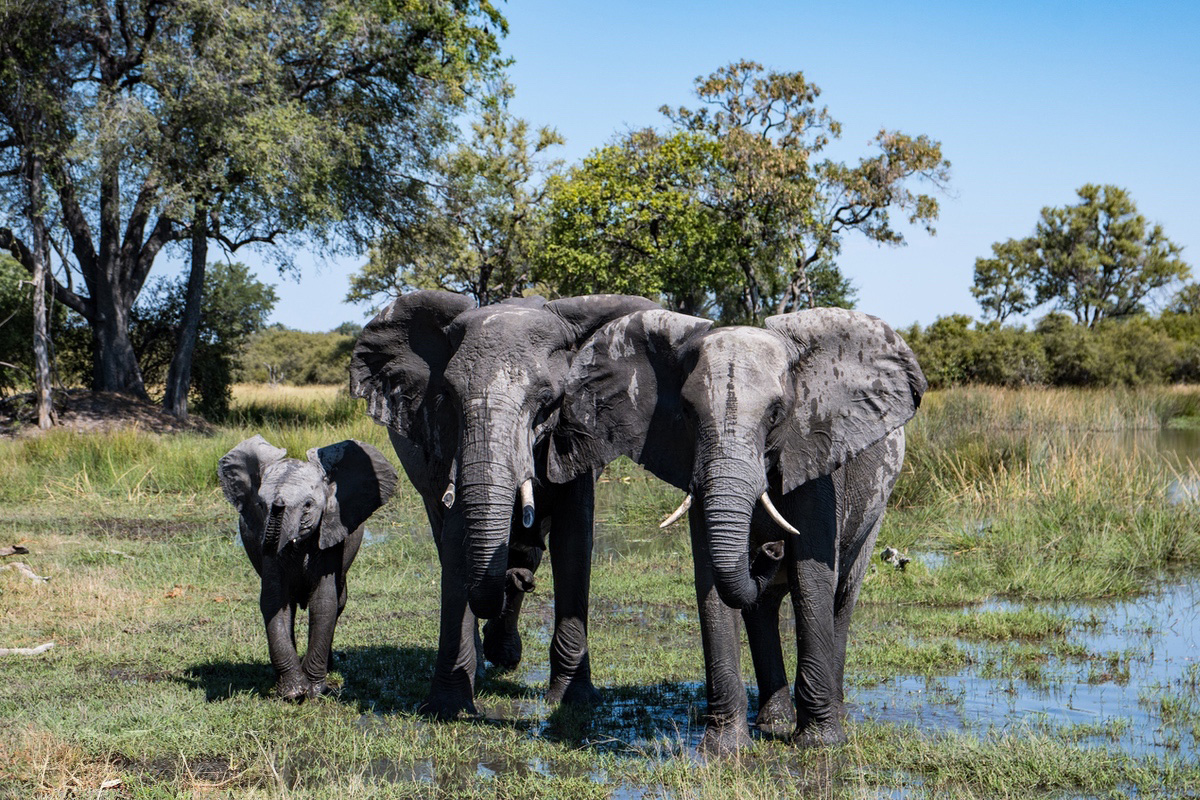
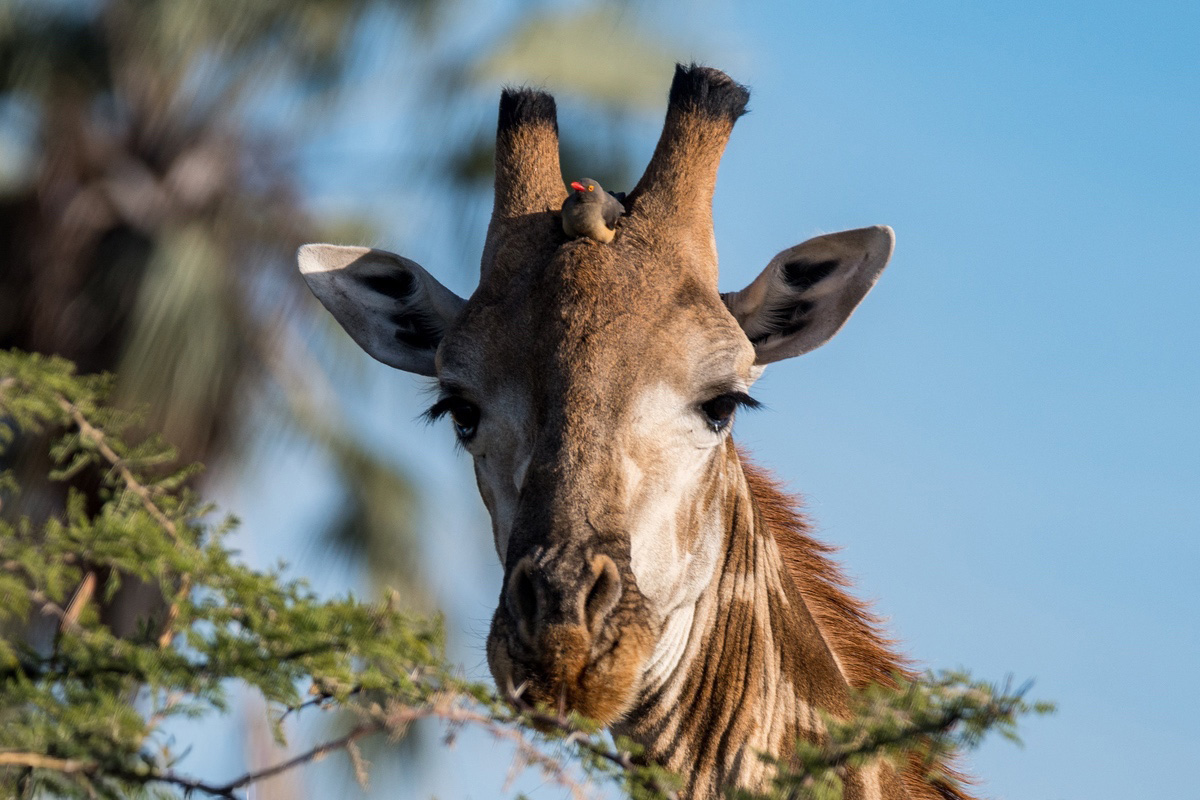
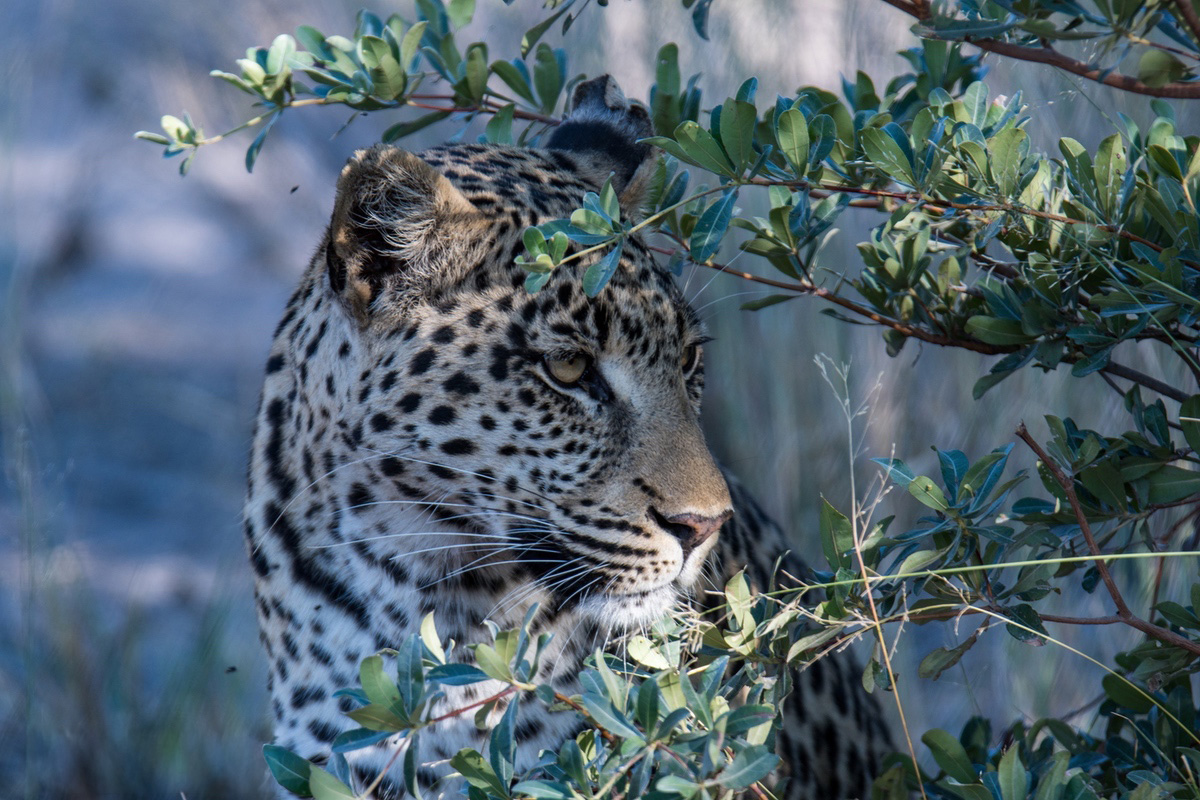
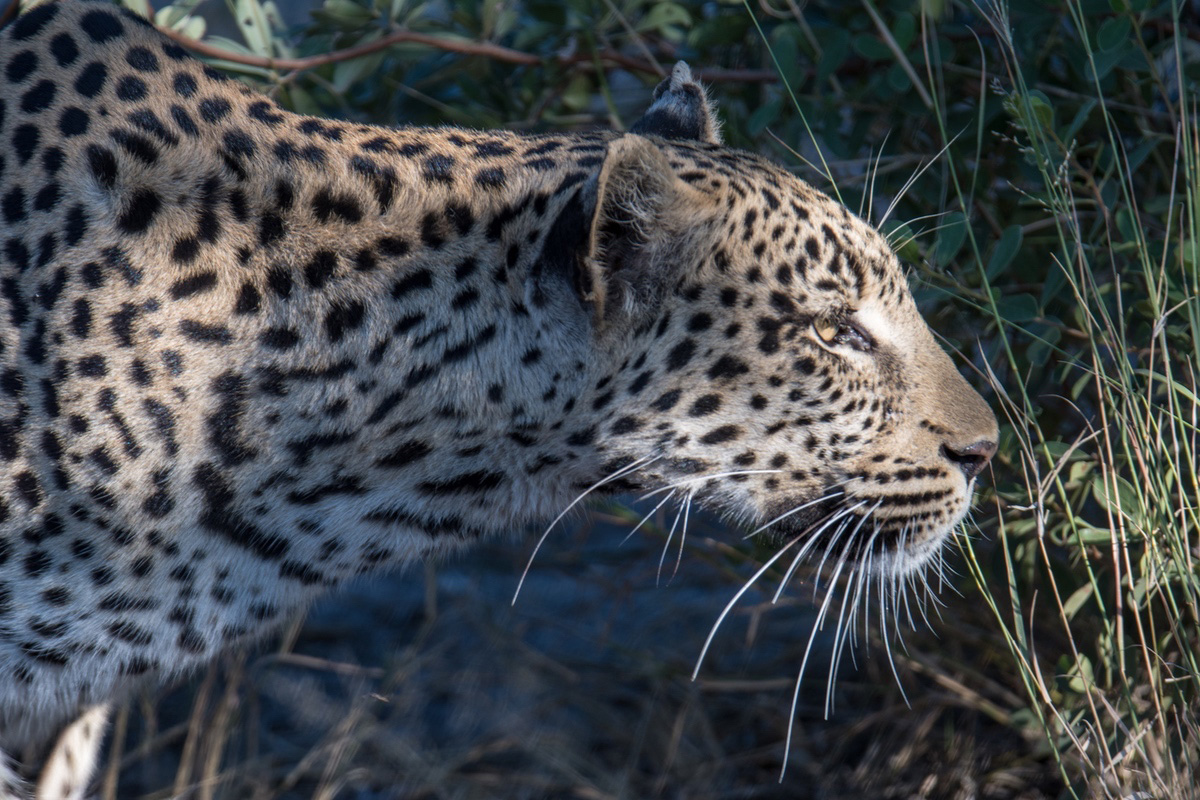
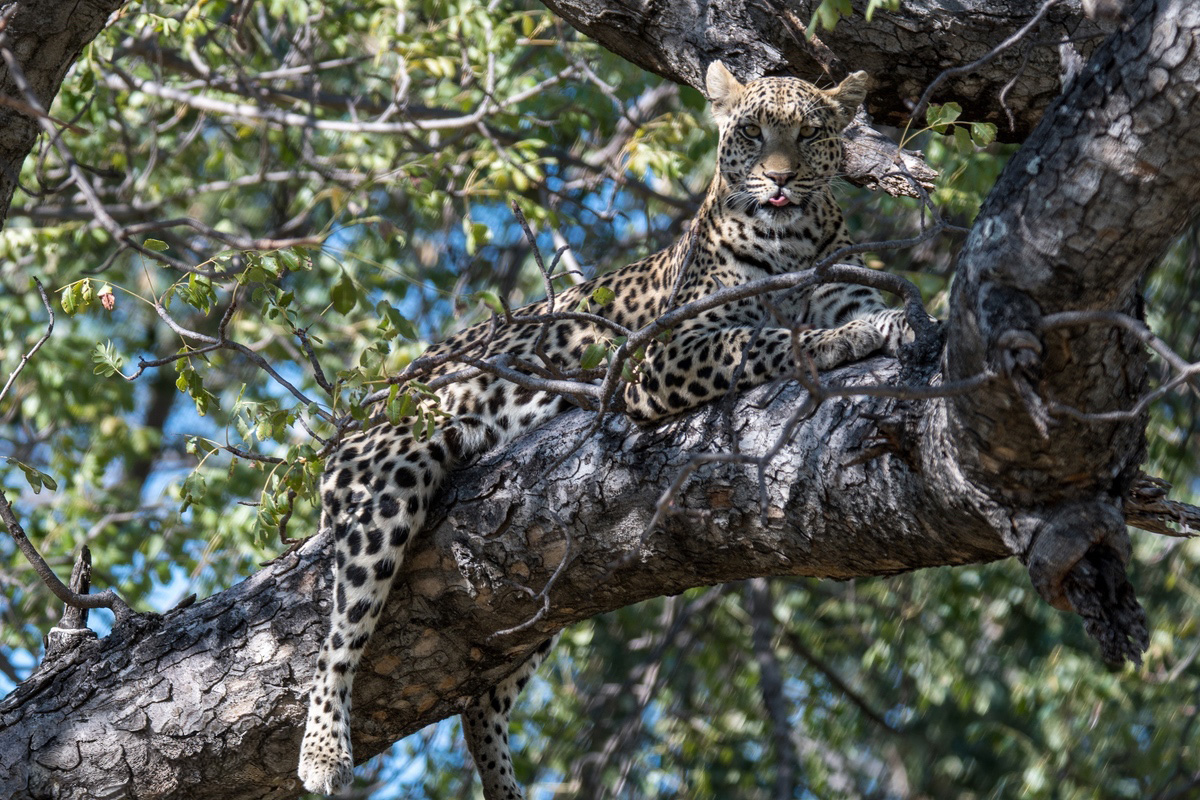
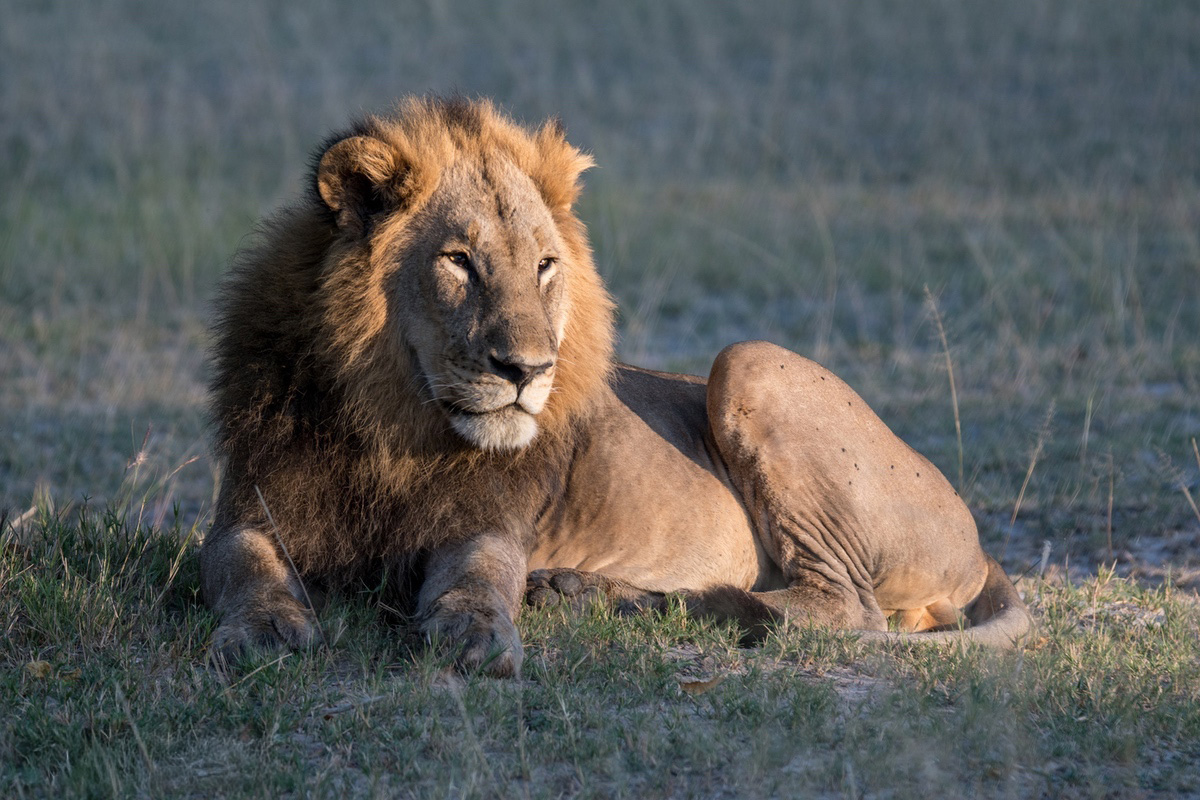
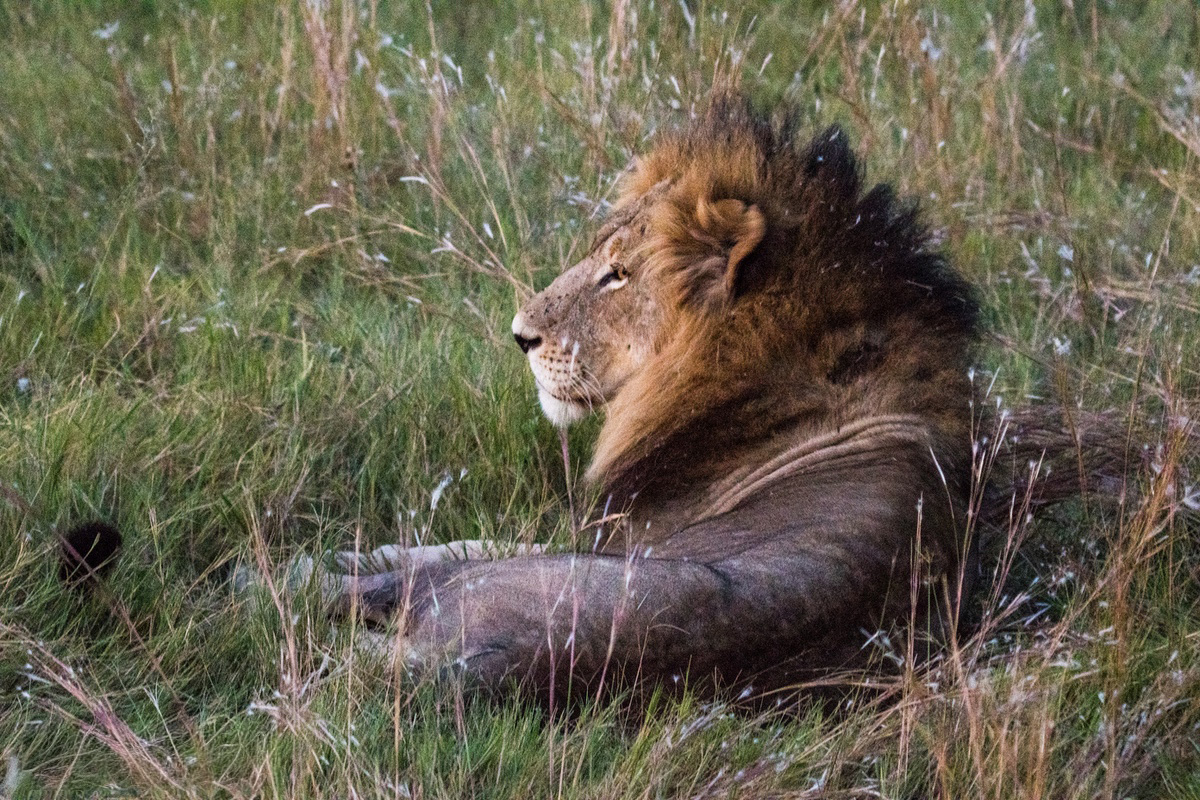
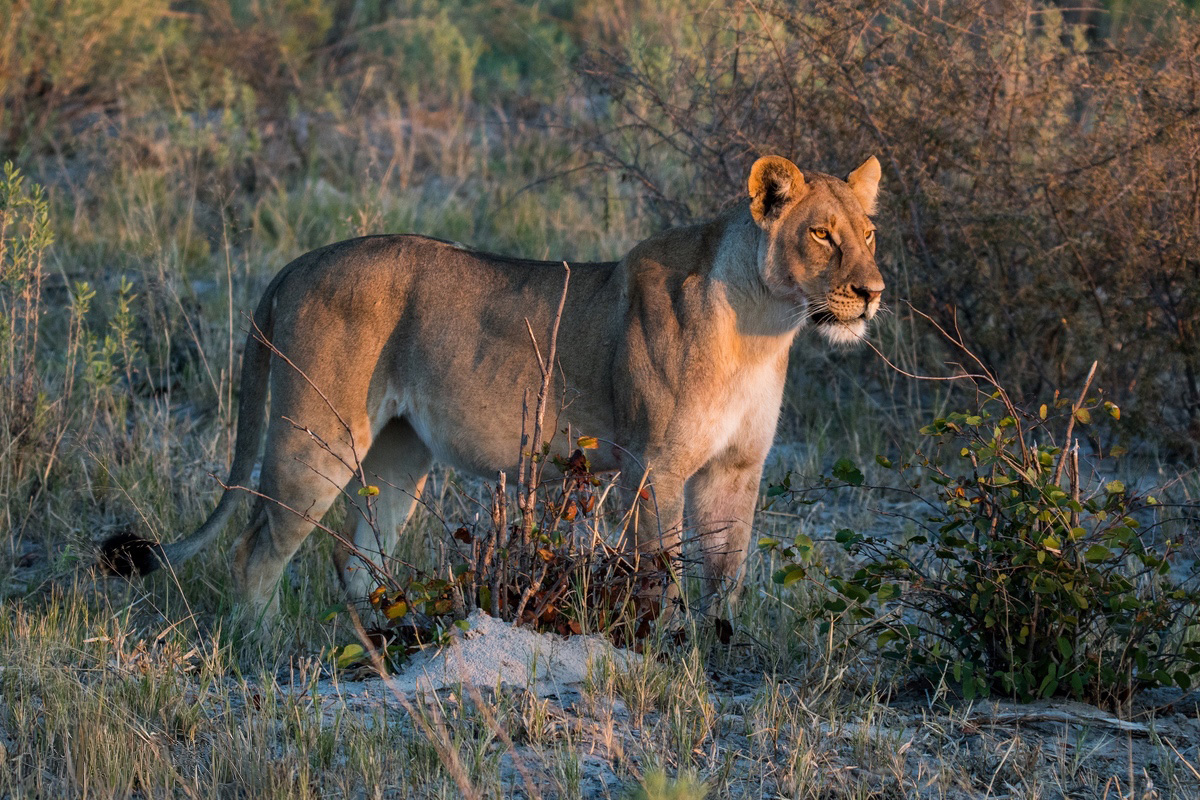
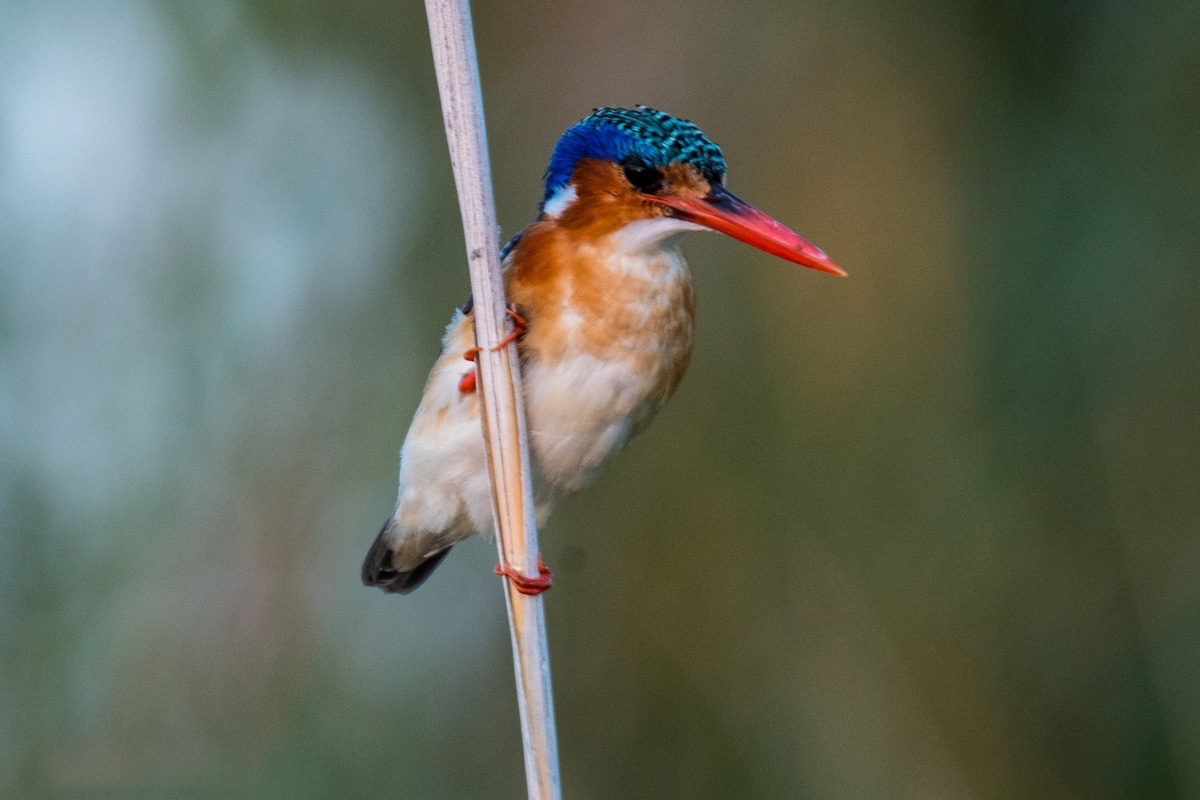
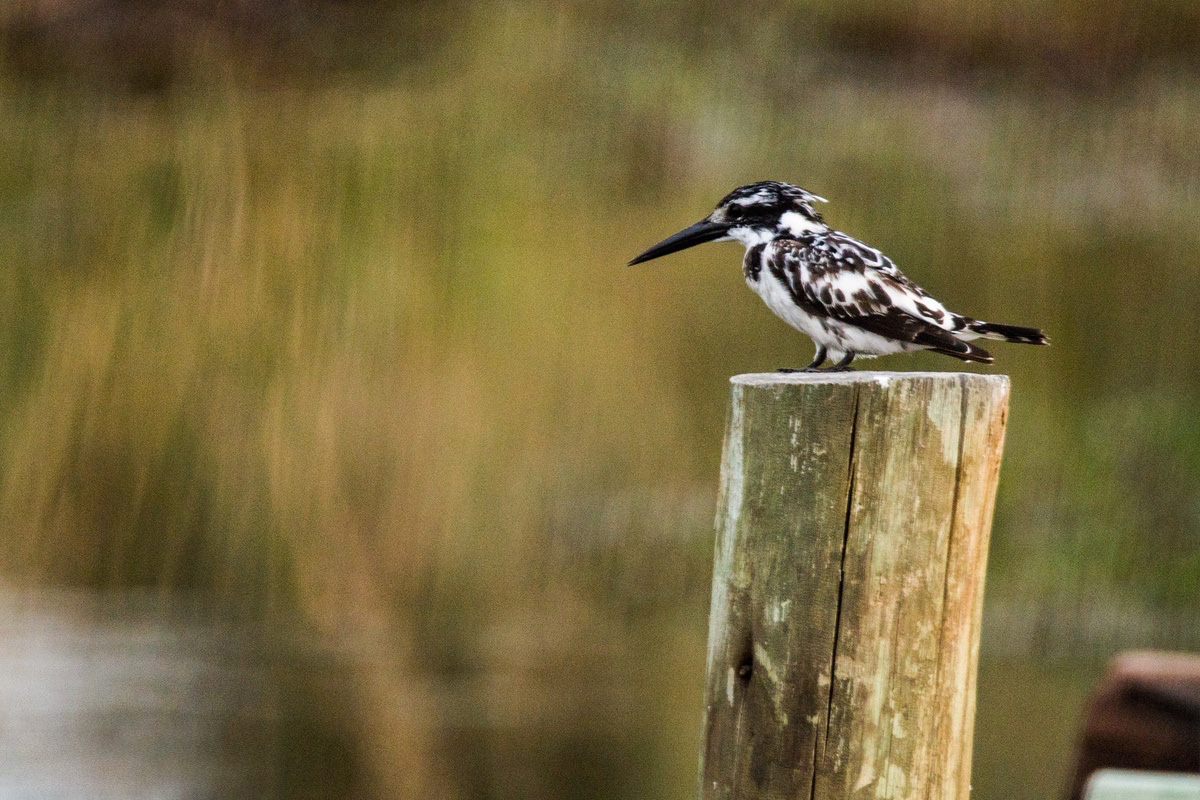
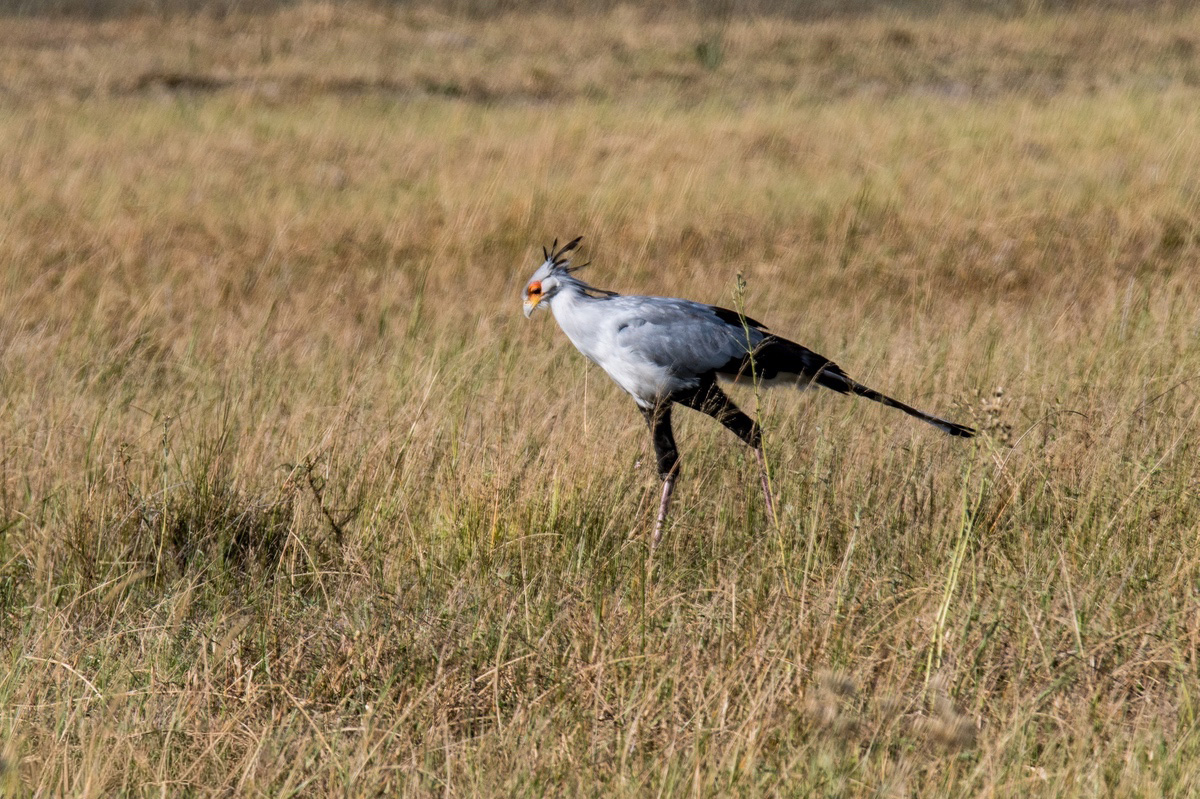
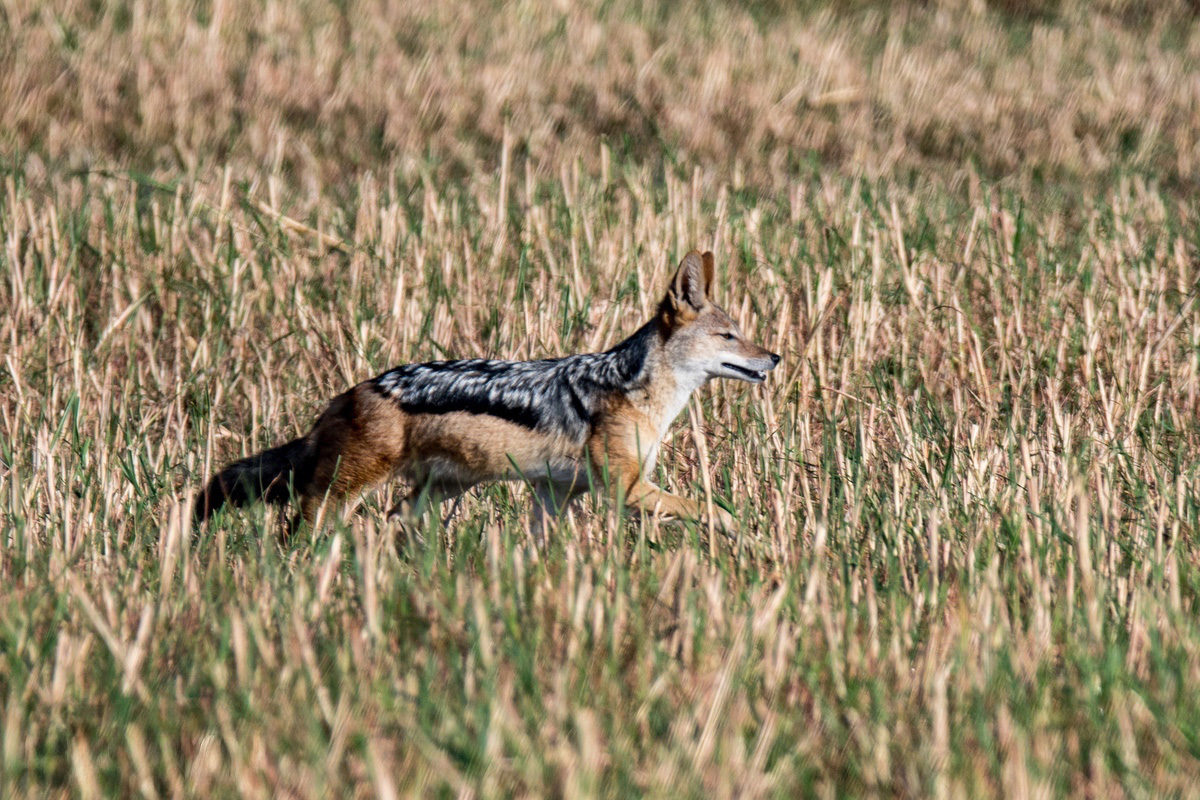
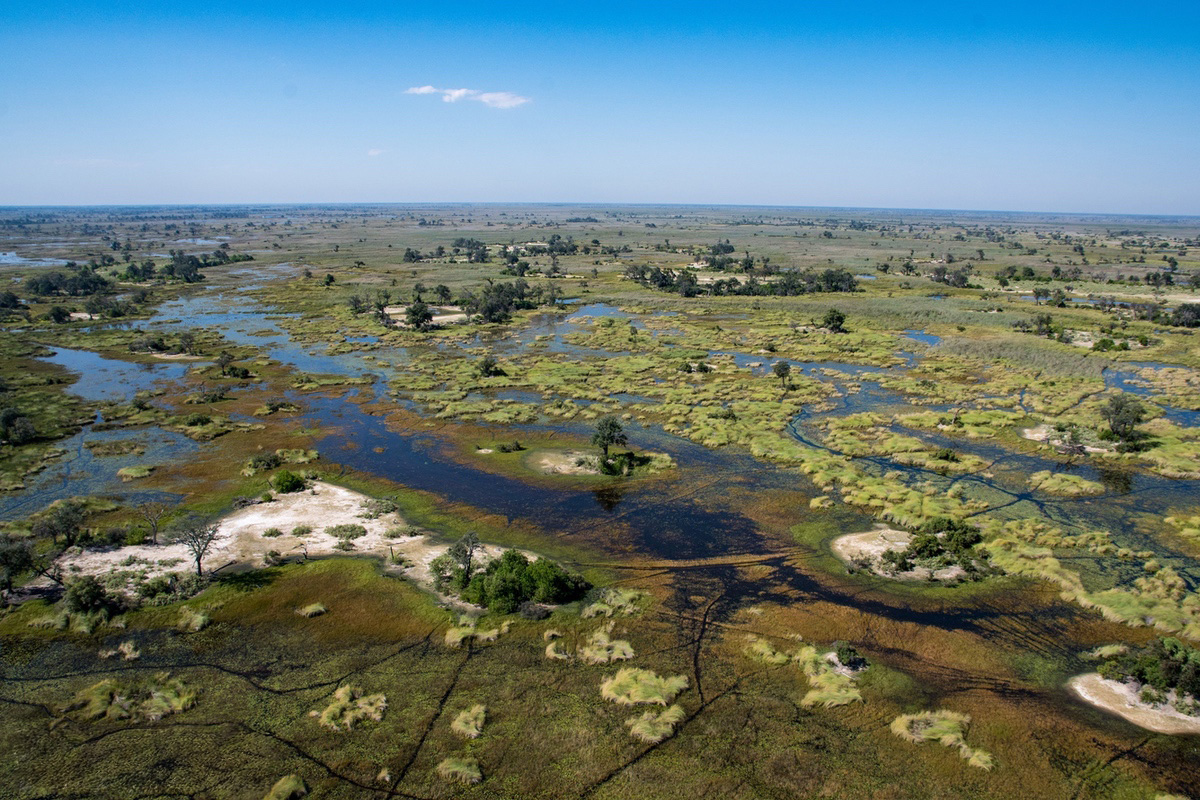
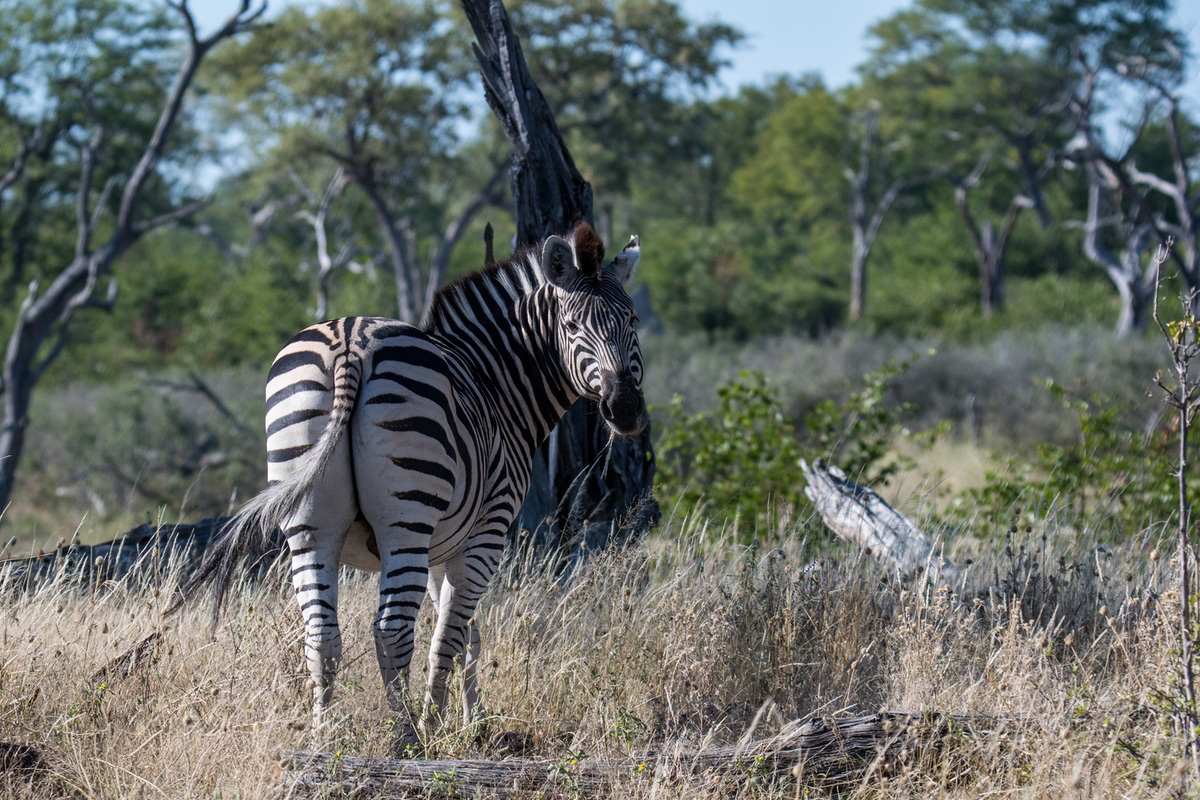
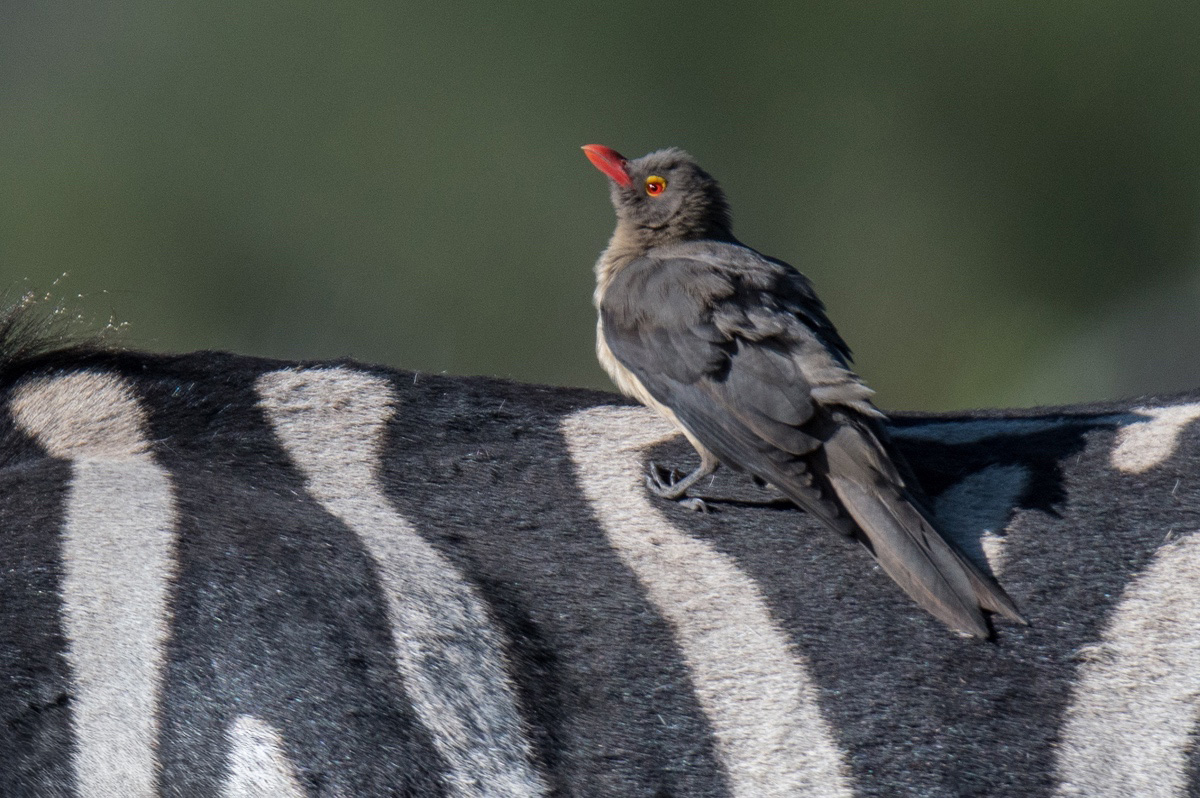
From gliding silently in a mokoro to watching elephants cross shimmering floodplains, the Okavango Delta delivers safari moments found nowhere else. The Delta doesn’t do “one-size-fits-all.” It rewards those who plan it properly. Let’s build you a safari in Botswana’s wild jewel that flows exactly the way it should.
Step into the watery wilderness of the Okavango Delta through our collection of stories and travel insights. Discover when to visit, how to explore its winding channels, and what makes this UNESCO World Heritage Site one of Africa’s most extraordinary safari destinations. From mokoro adventures to walking safaris and fly-in lodges, uncover the secrets of a paradise where land and water meet in perfect harmony.