October 13, 2026
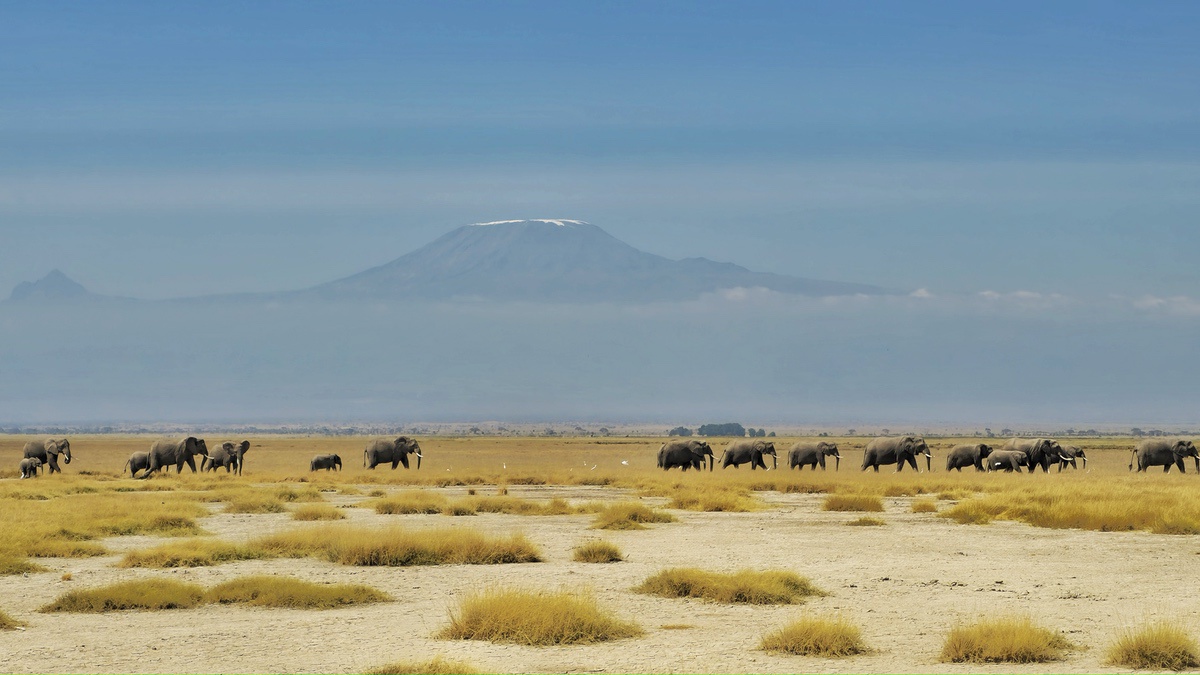
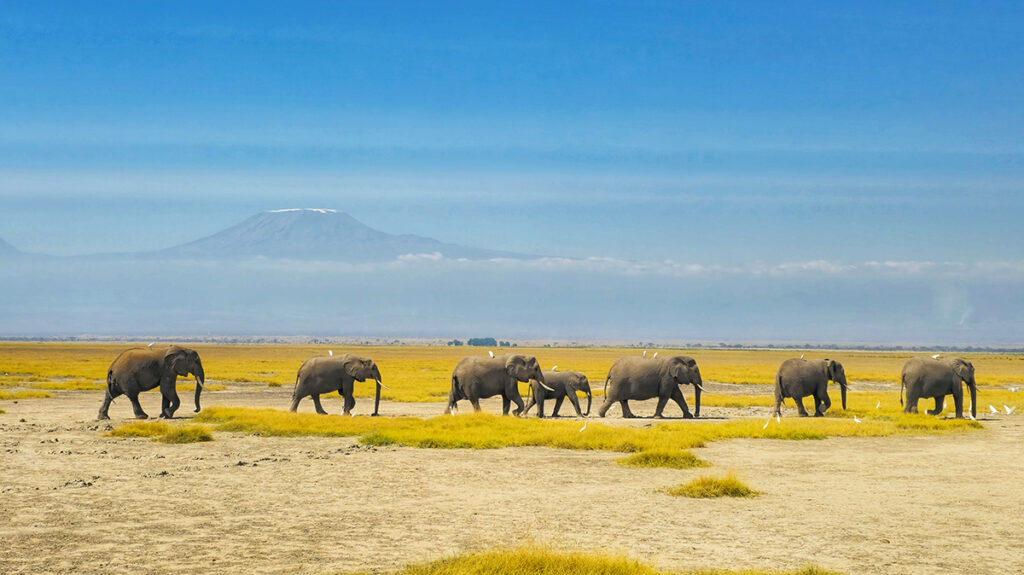
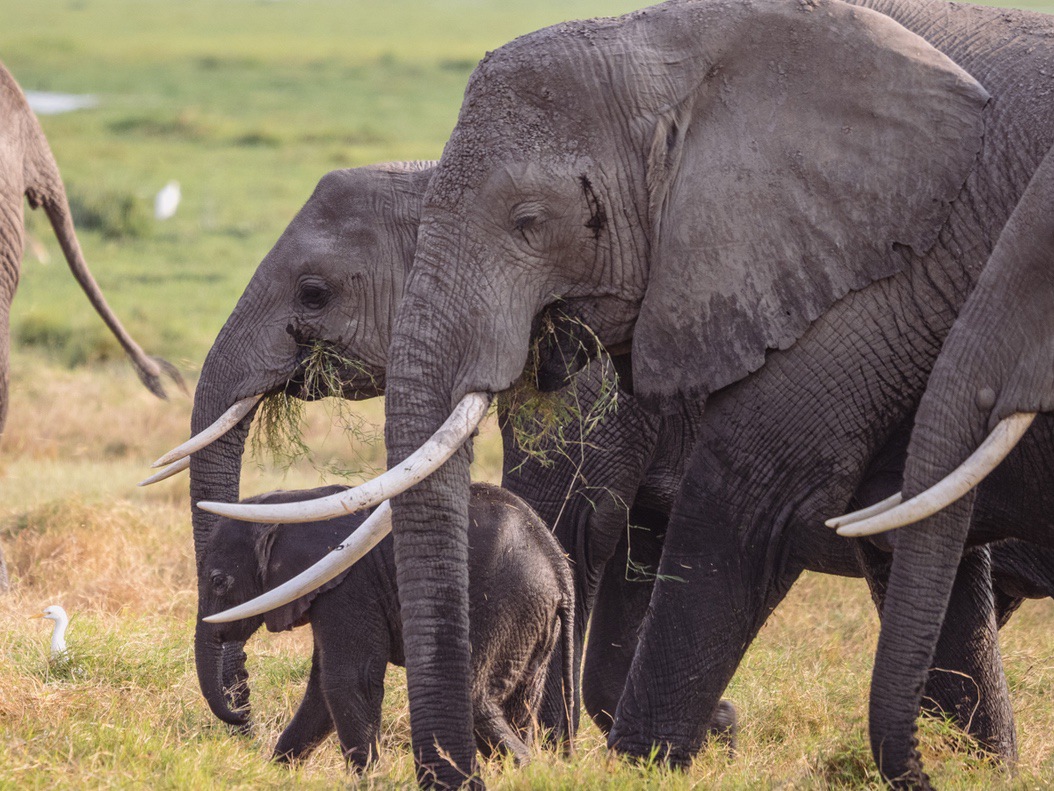
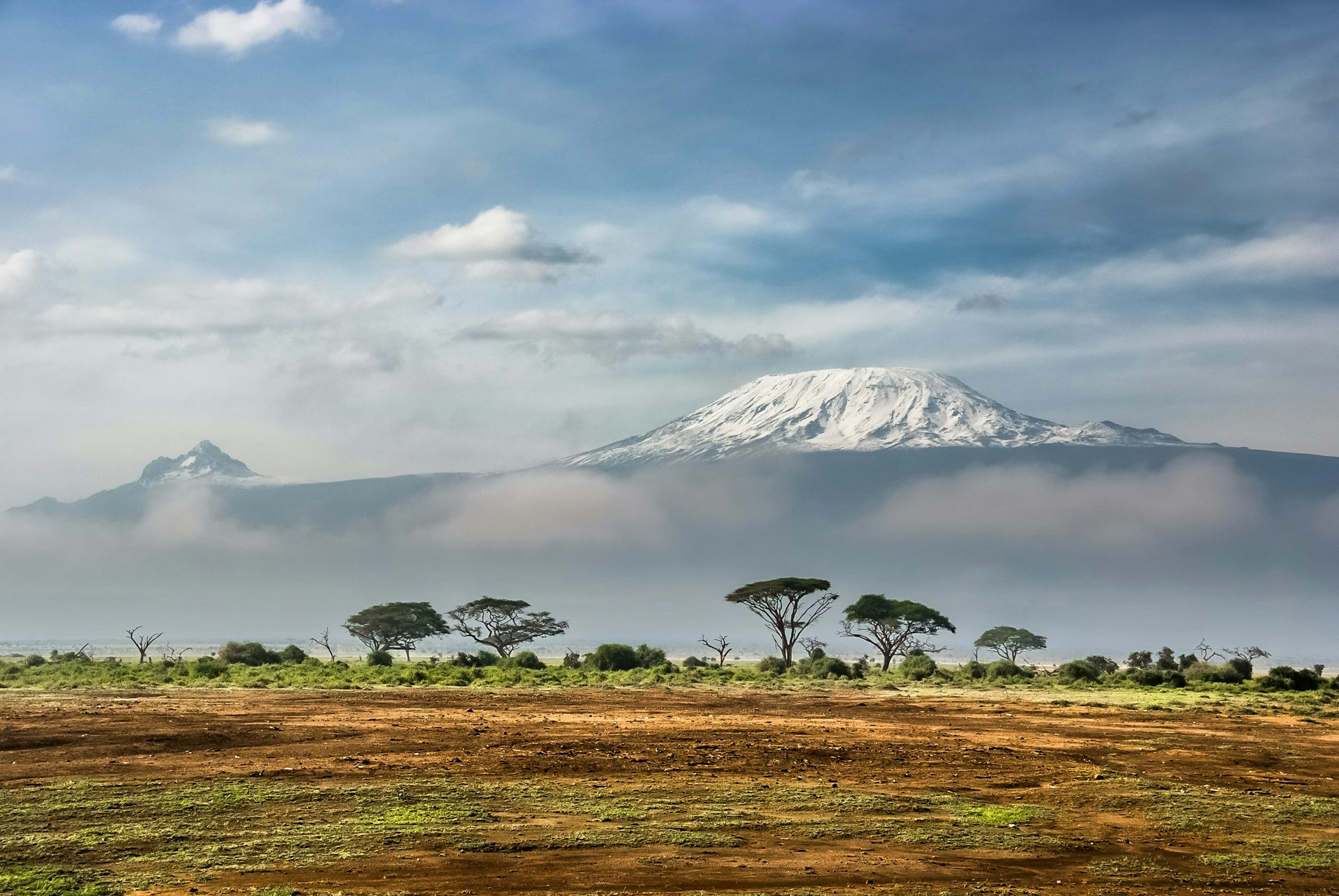
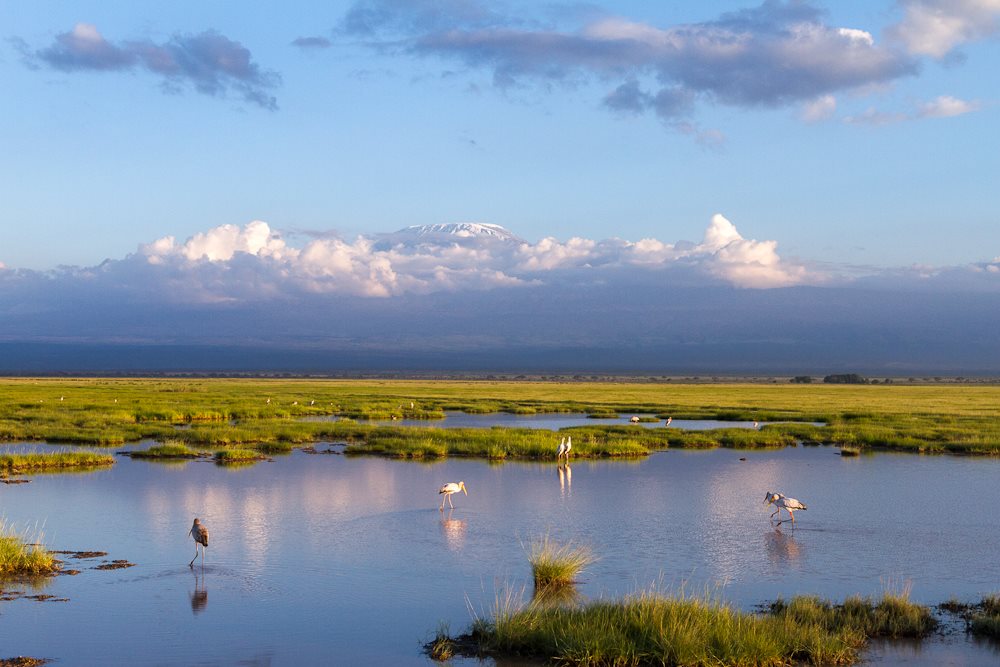
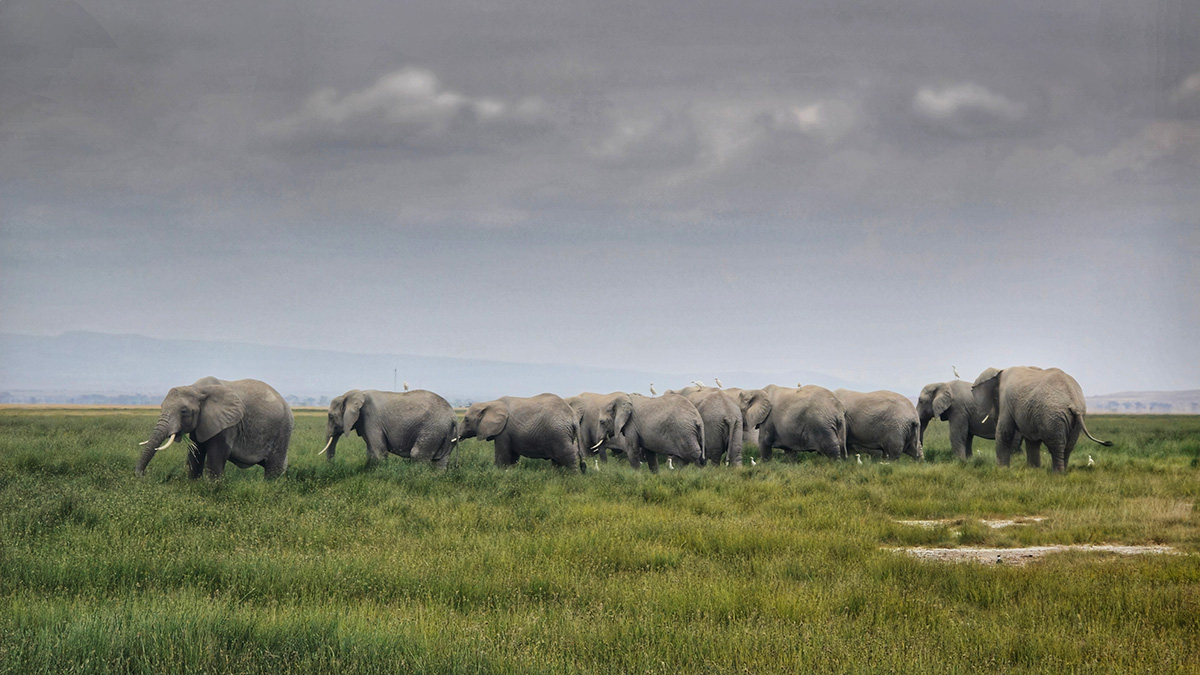
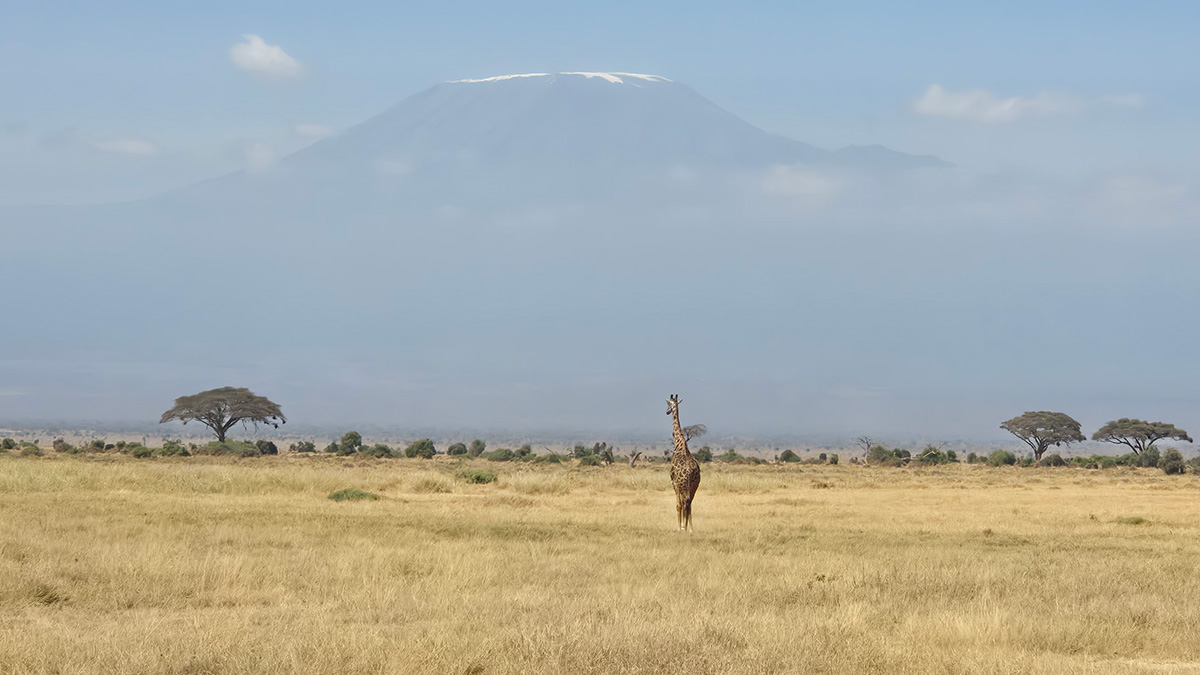
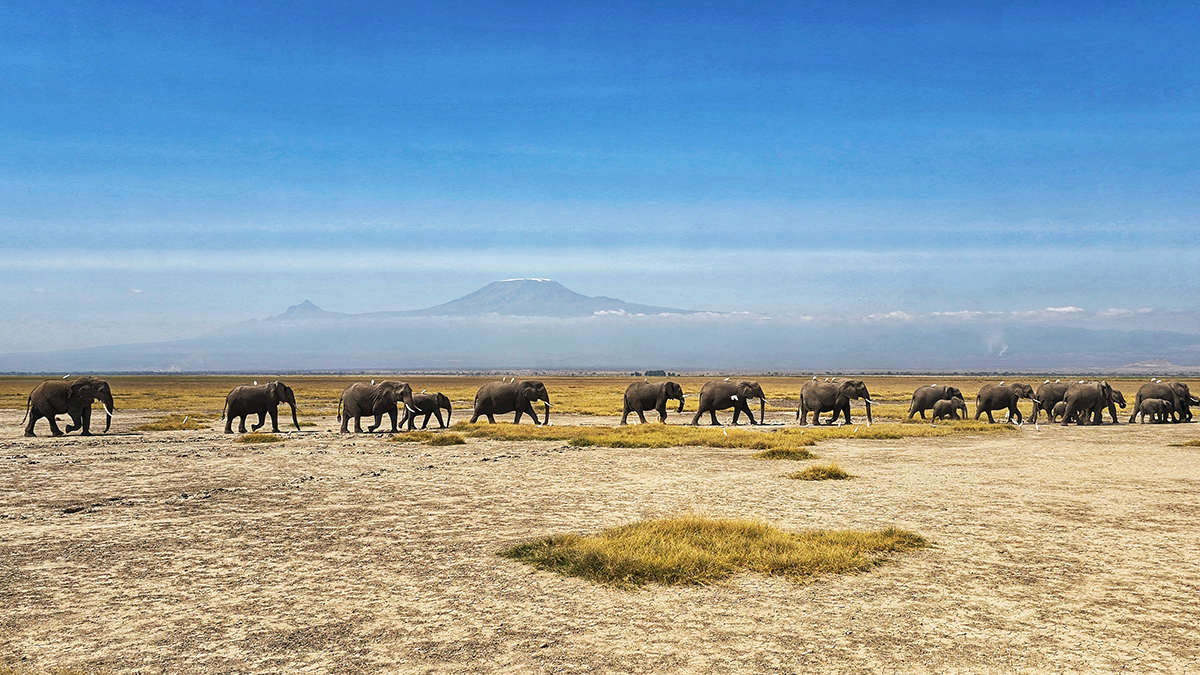
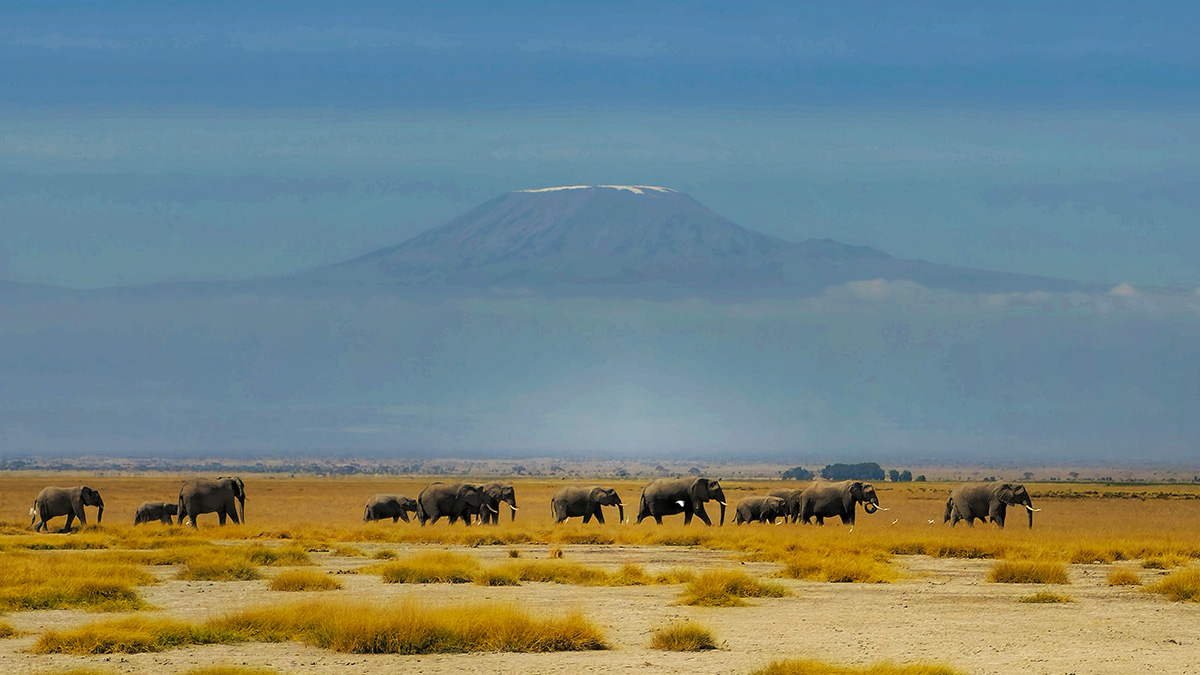
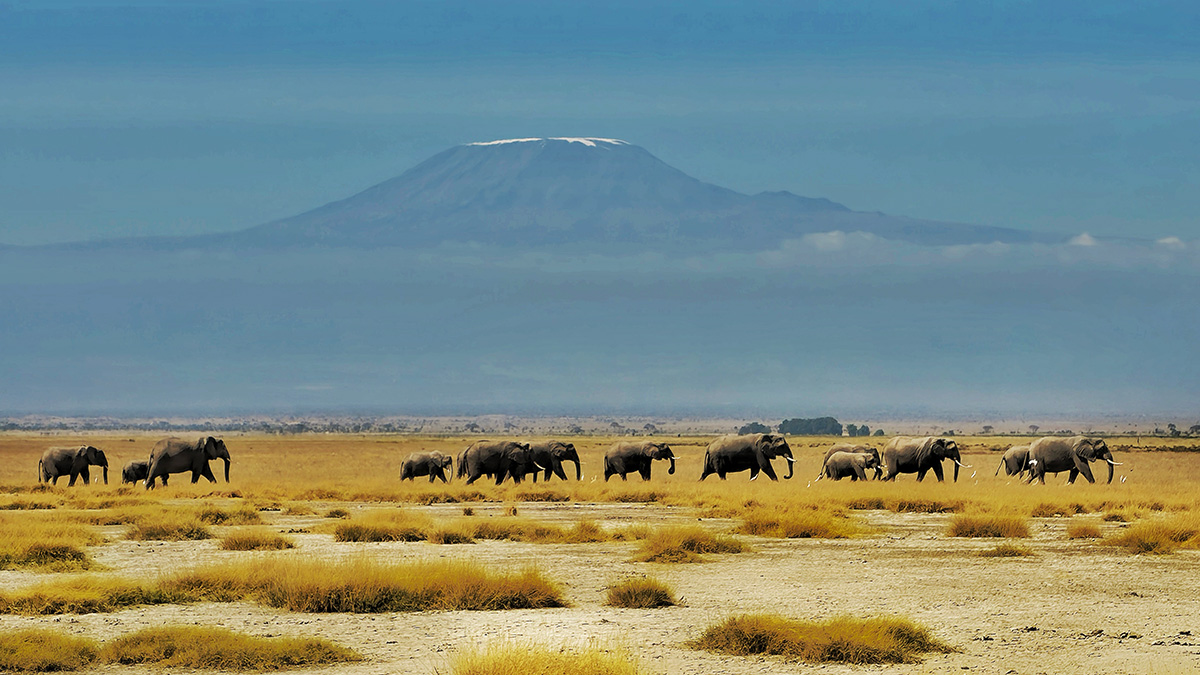
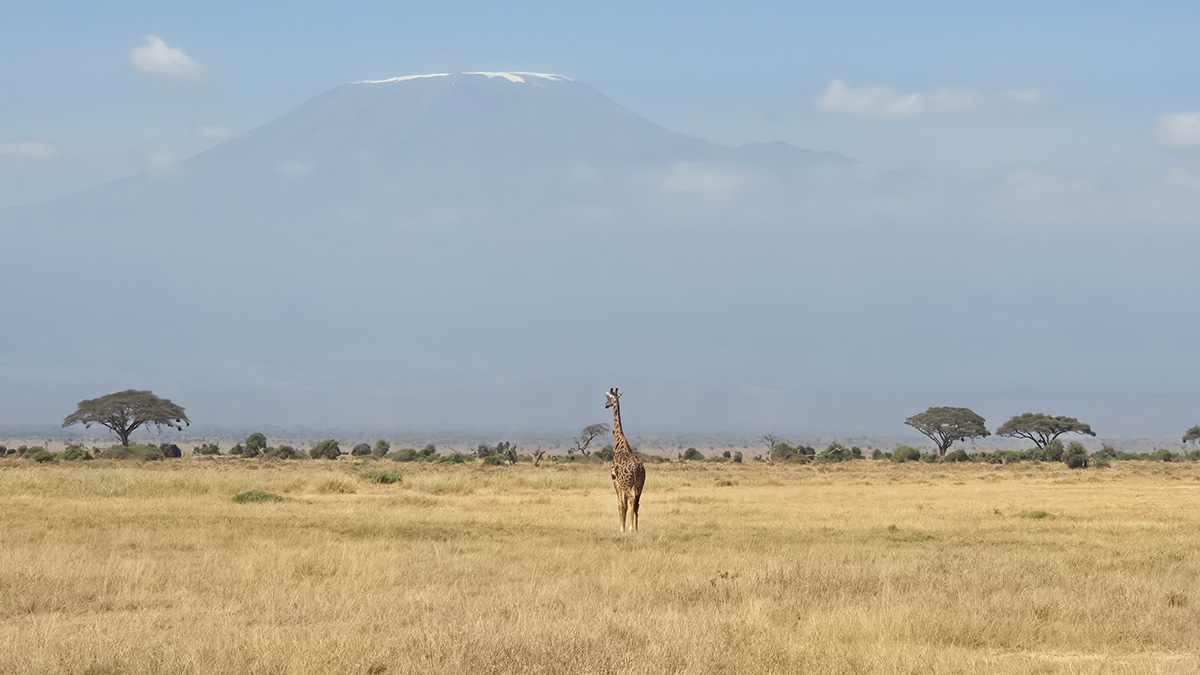
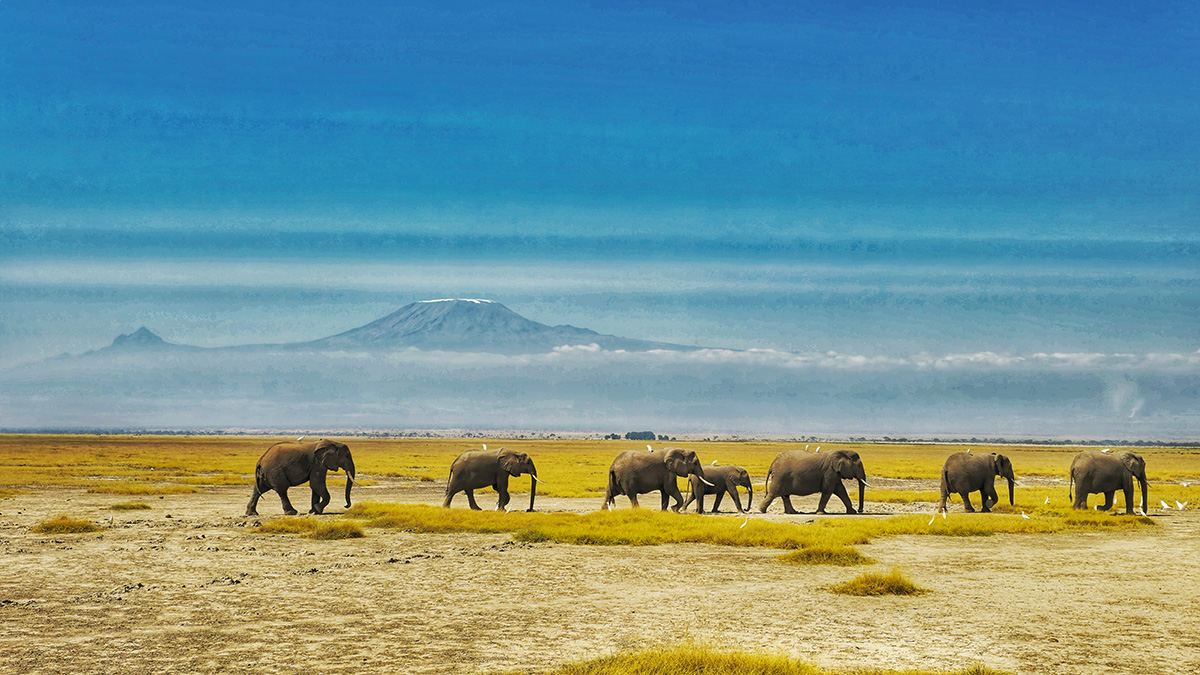
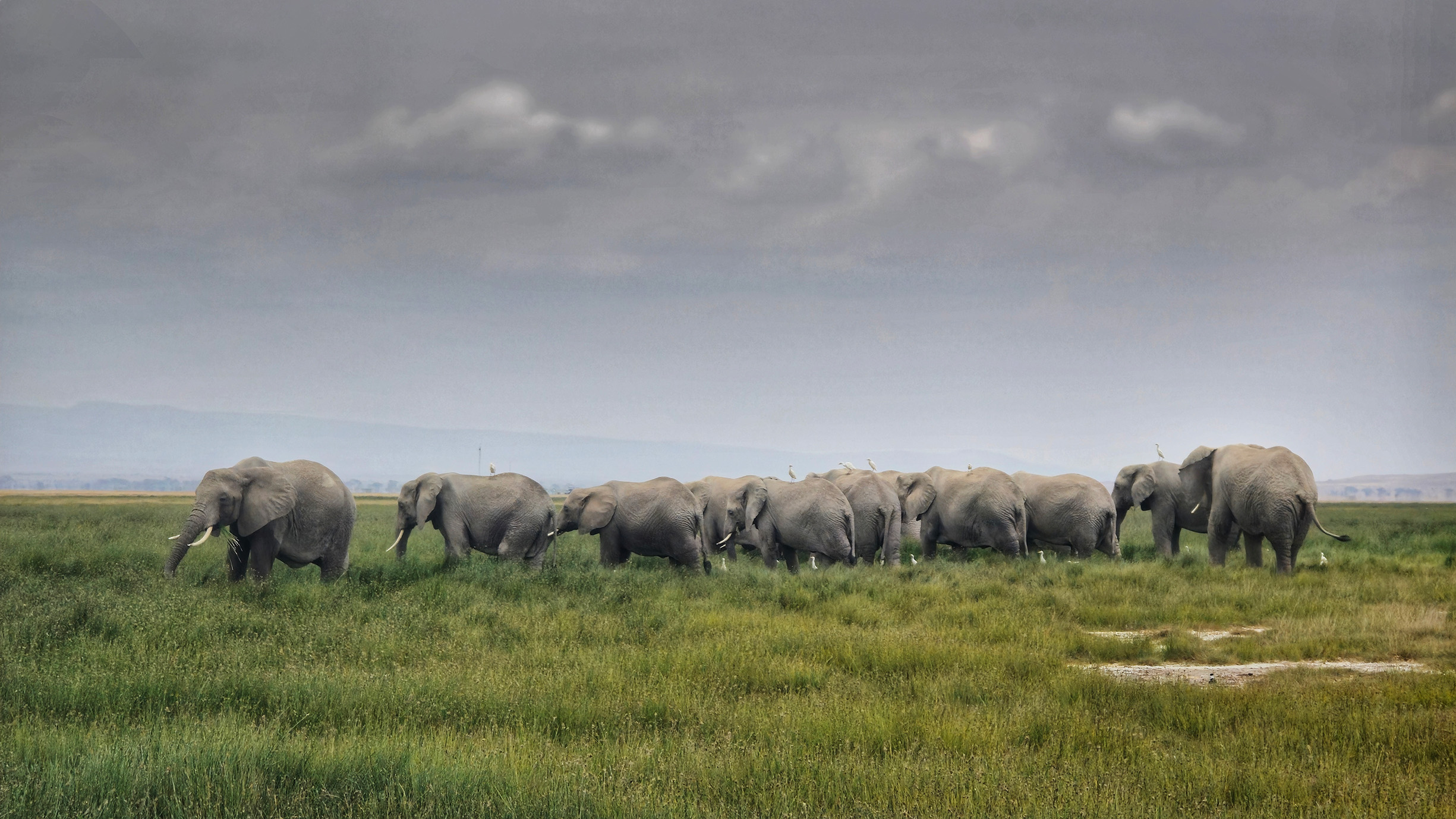
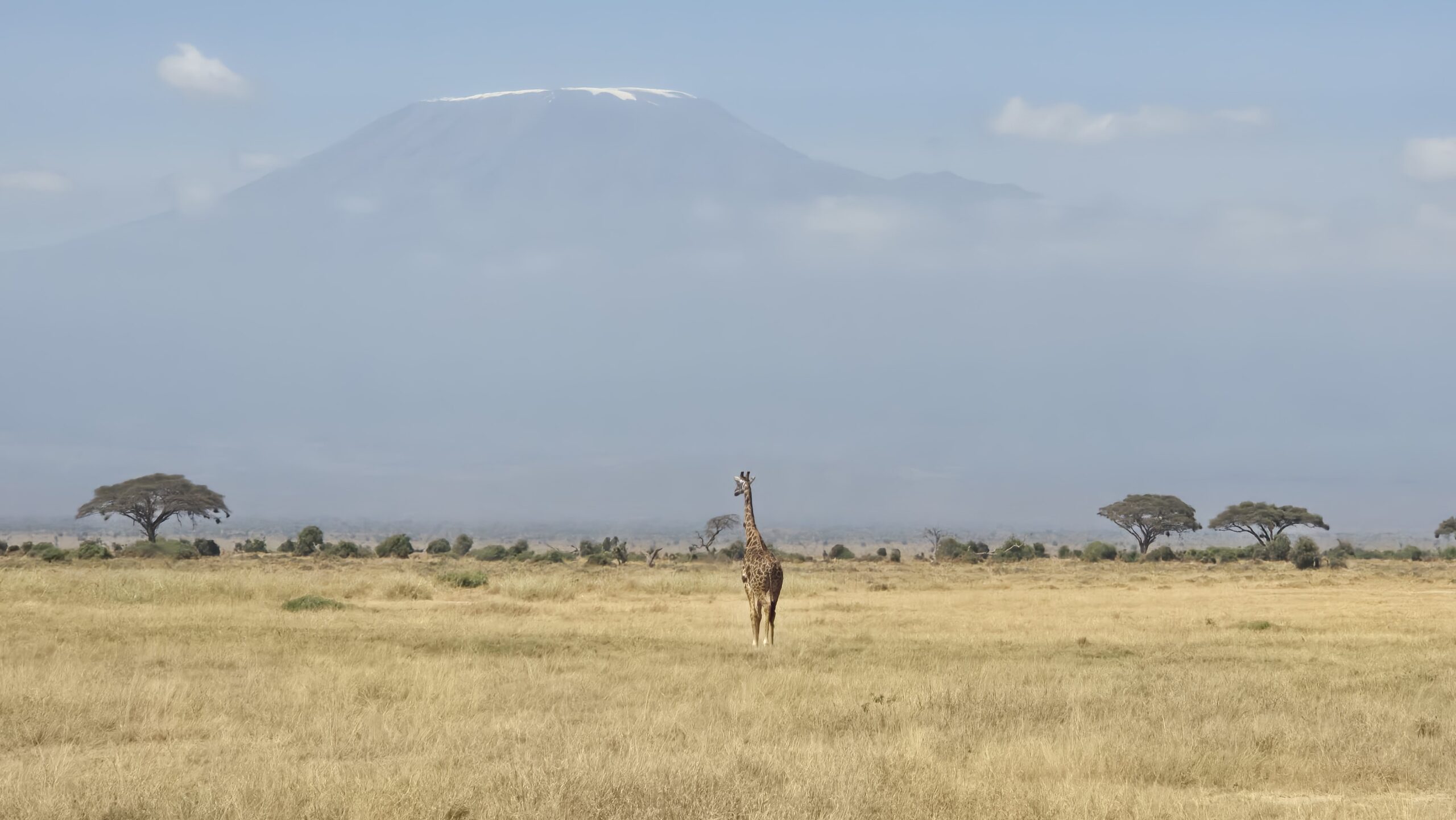
Amboseli National Park is Kenya's second largest national park and probably its most recognisable. It is here that all the postcard pictures of elephants grazing in front of Mount Kilimanjaro are taken. Even though Mount Kilimanjaro is in neighbouring Tanzania, it is no more than 30km from Amboseli and its snow-capped peak forms an ever present backdrop to your safari. No complaints here.
Discover our tailored Amboseli National Park safari tours, designed to highlight the region's iconic wildlife and stunning landscapes.

Why Visit Amboseli National Park?
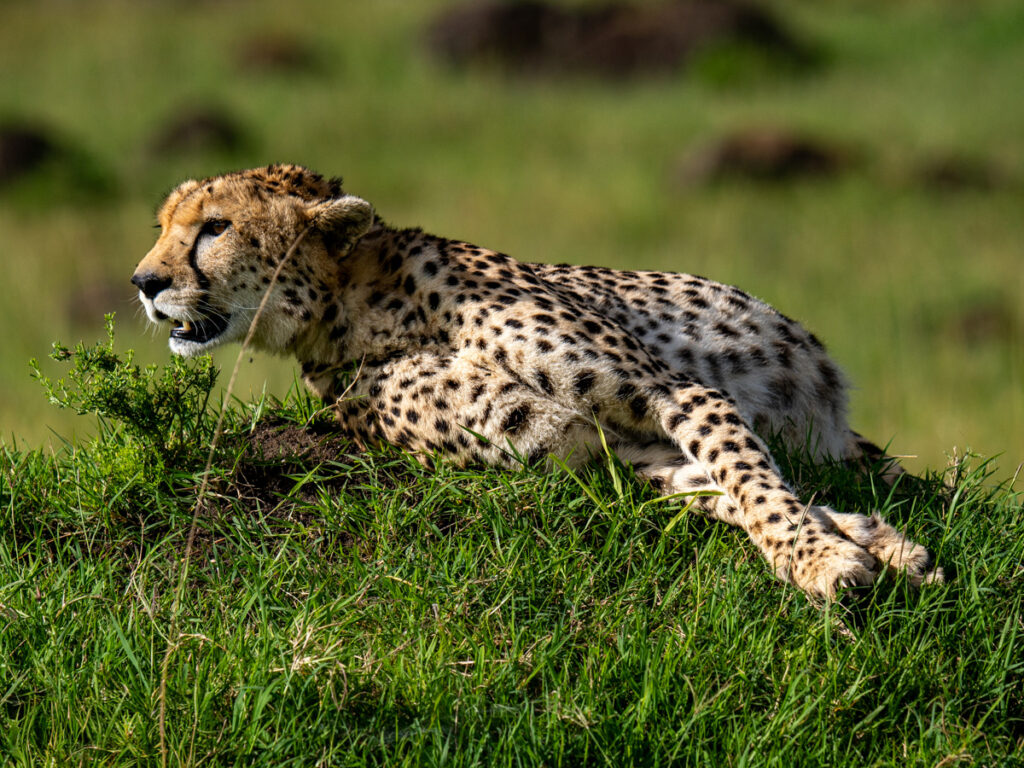
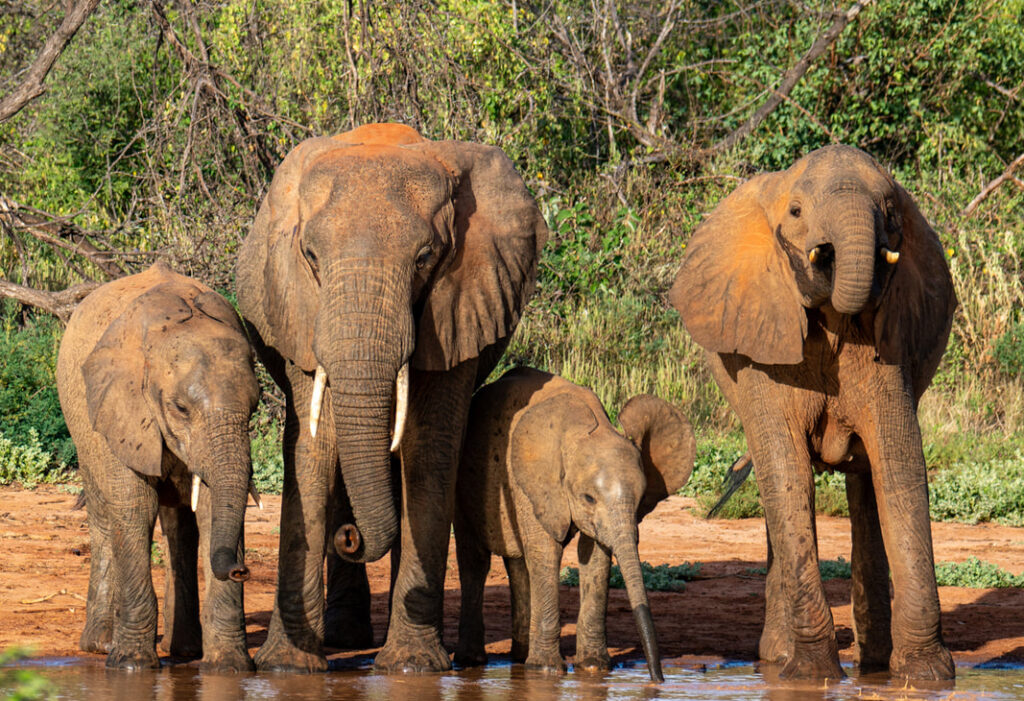
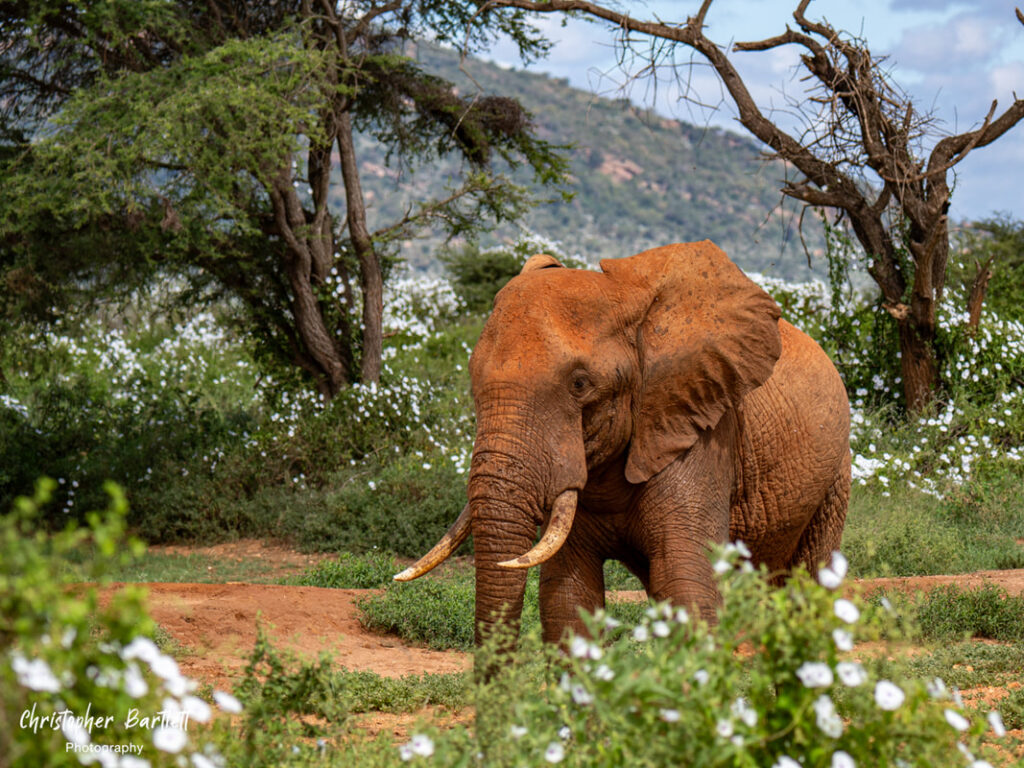
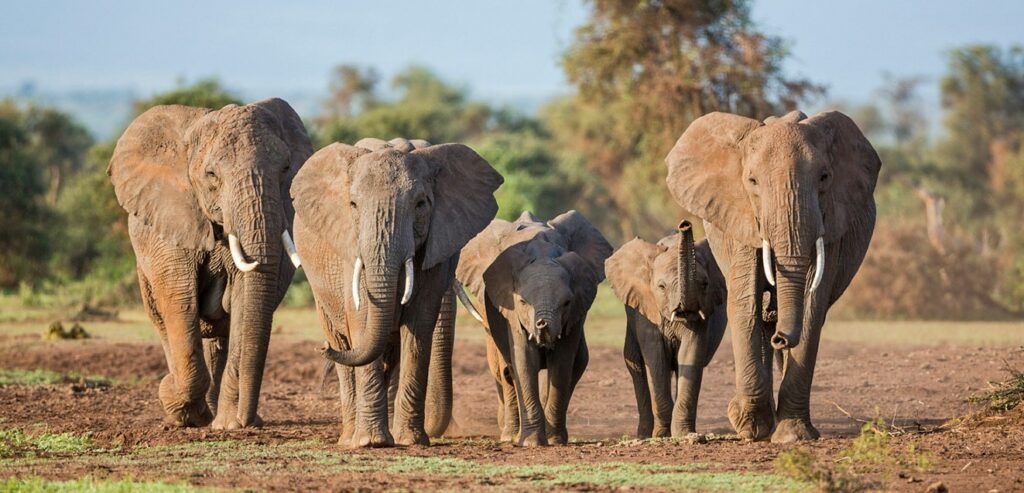
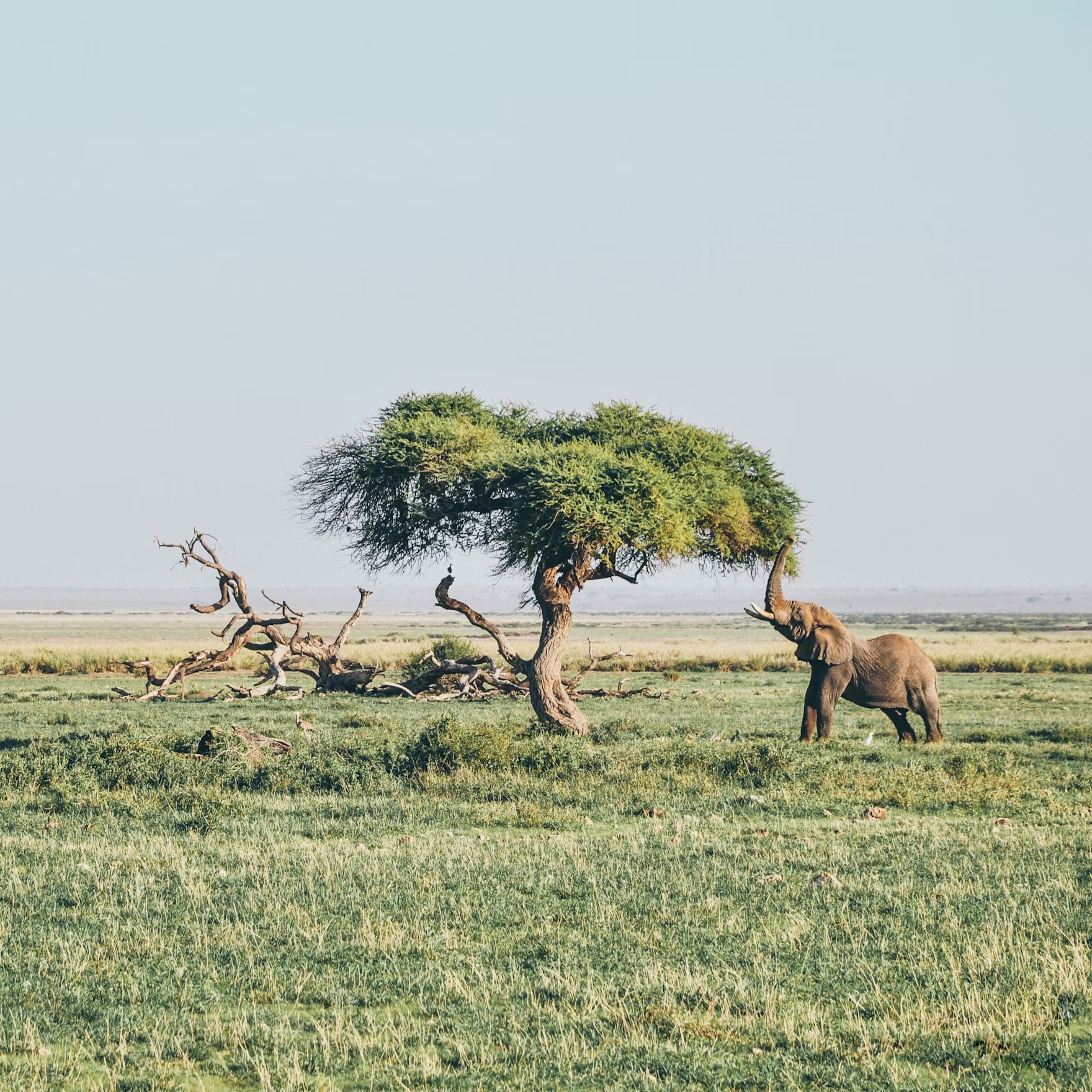
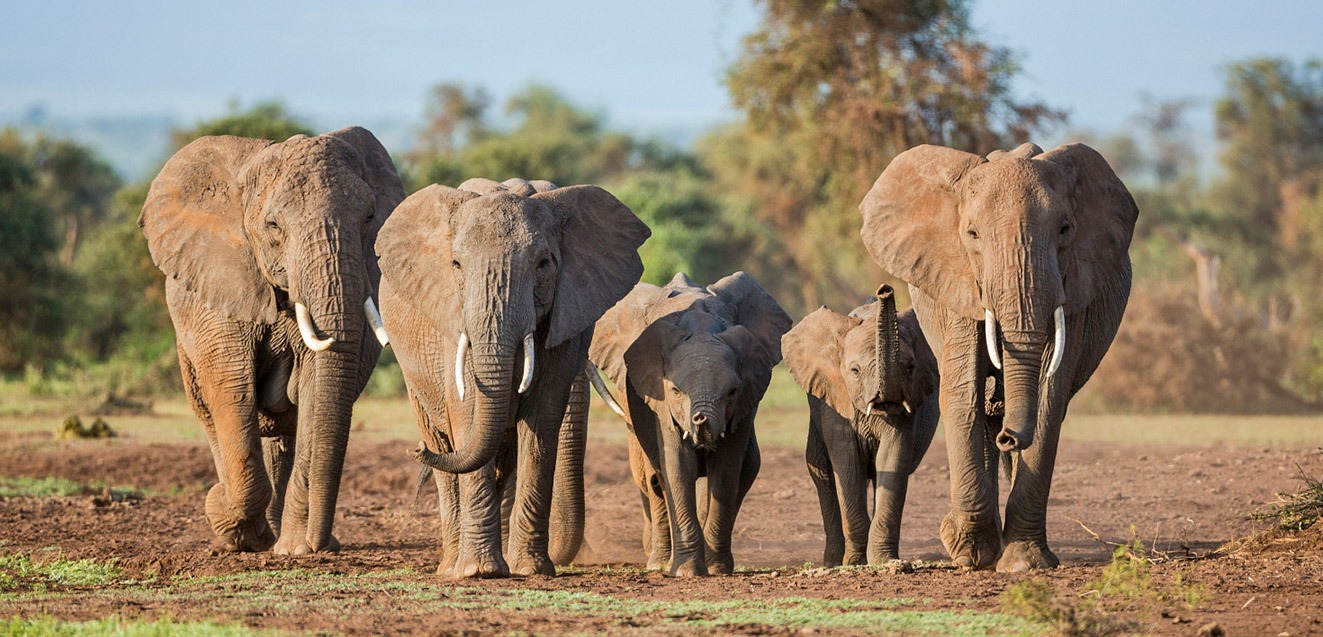
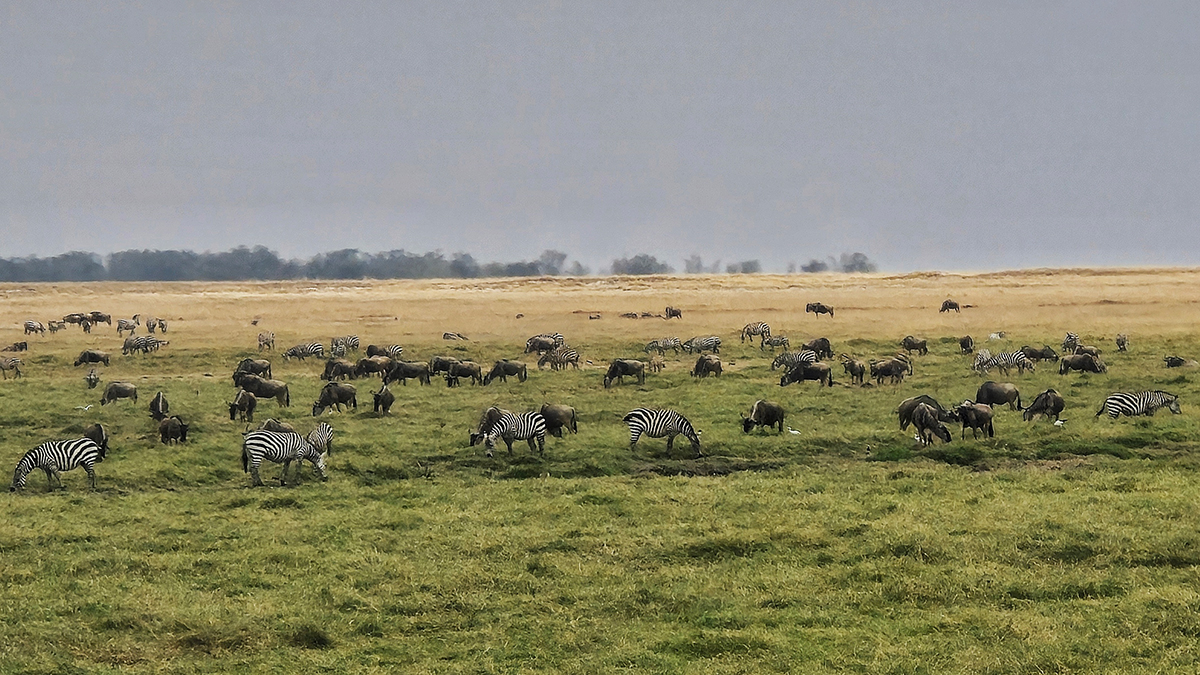
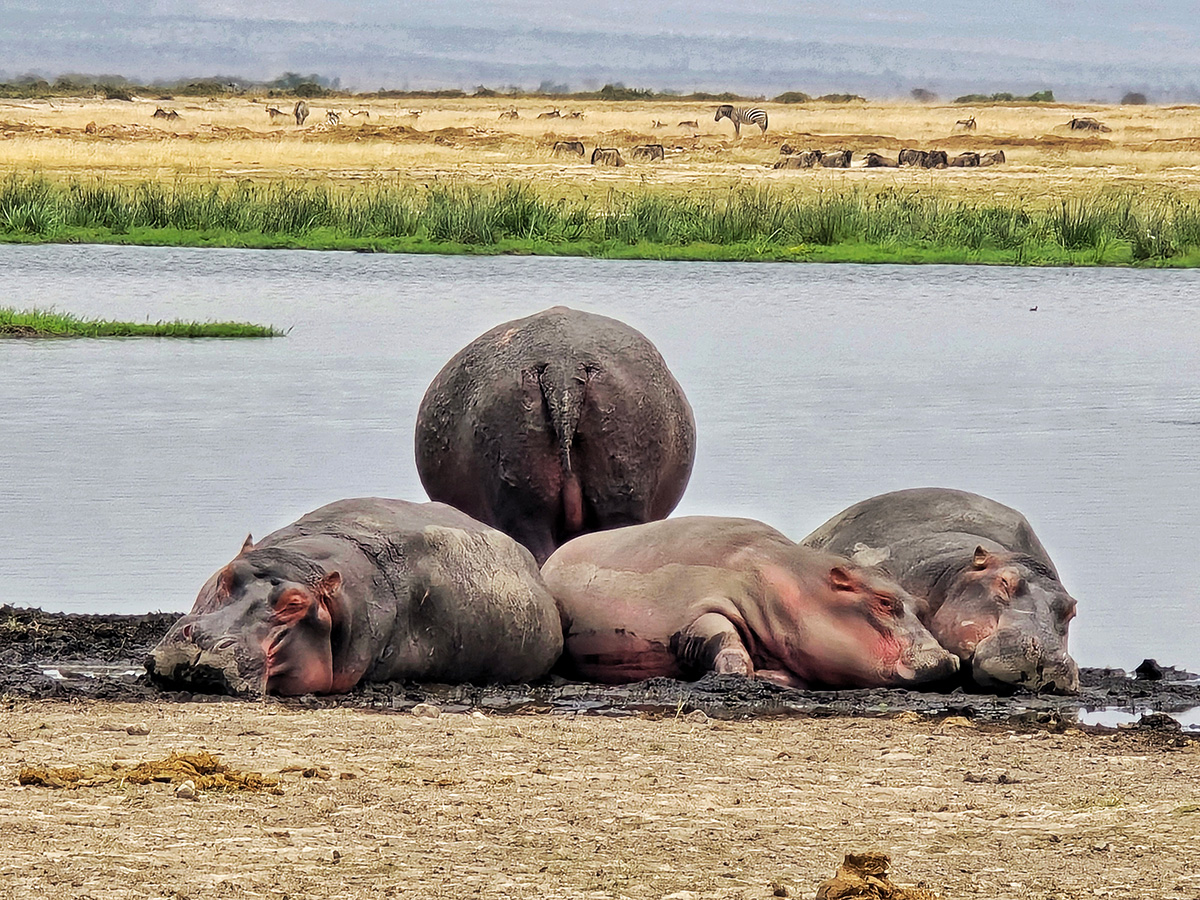
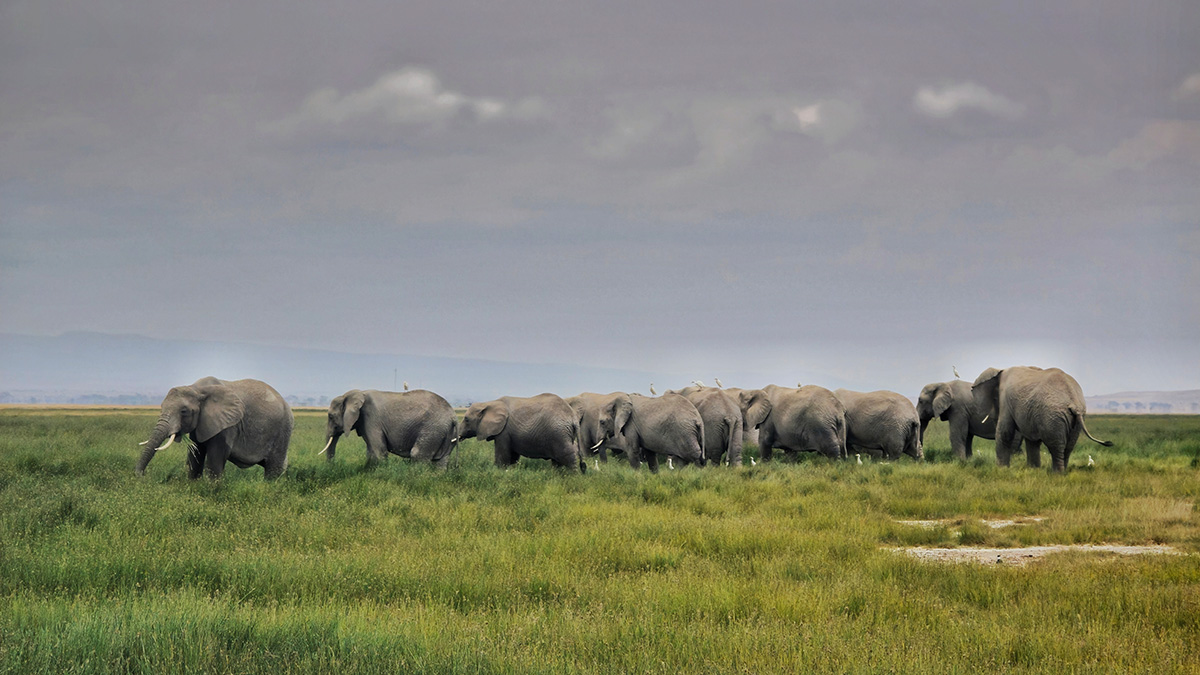
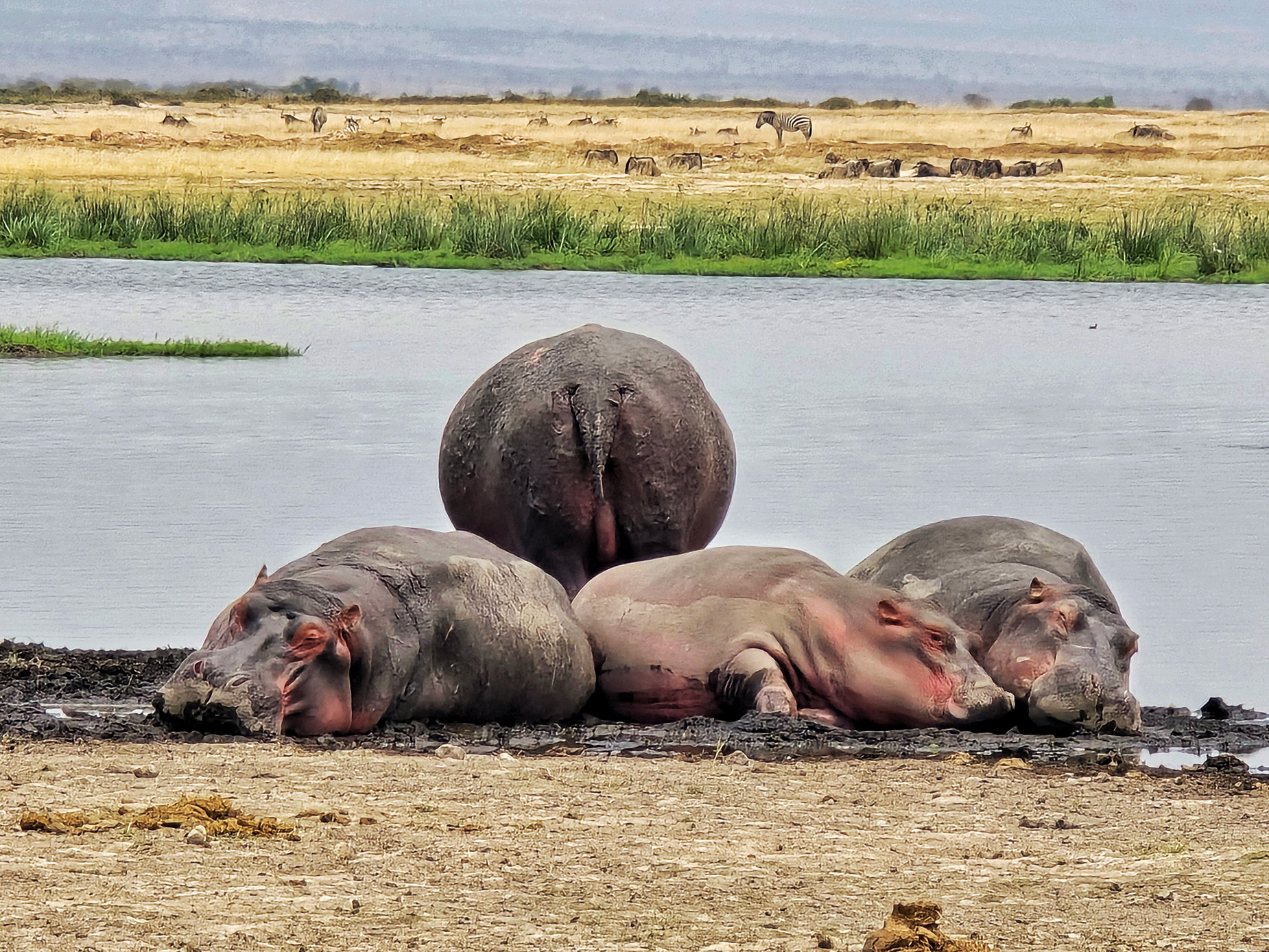
Mount Kilimanjaro plays a large role in defining the landscape and ecosystems of Amboseli. Streams originating on the mountain flow down into the park, creating wetlands and marshes which are frequented by a large number of animals. Amboseli is best known for its big herds of elephants, but of course has a lot more to offer. You will also find giraffes, Burchell's Zebra, Thompson's gazelle, Grant's gazelle, buffalo and black rhino. You will also find the 3 big predators here, namely cheetah, lion and leopard.
Amboseli is home to over 400 species of birds and is an ideal place to to tick off many different species of wading birds, thanks to the presence of Kilimanjaro-fed marshes.
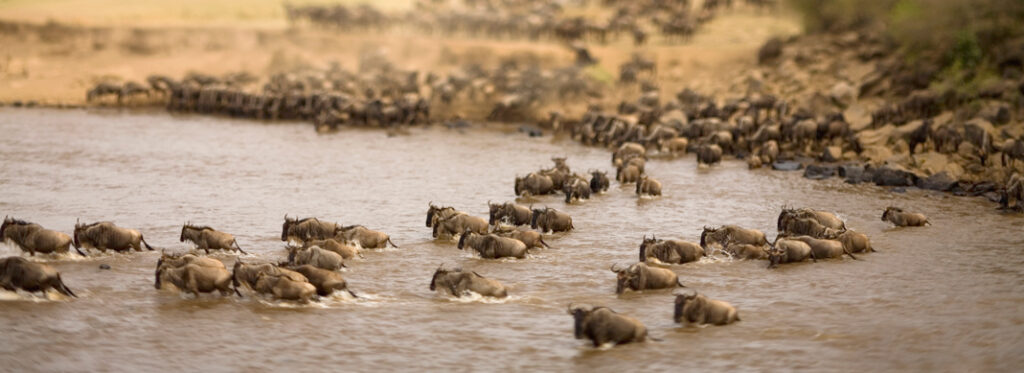
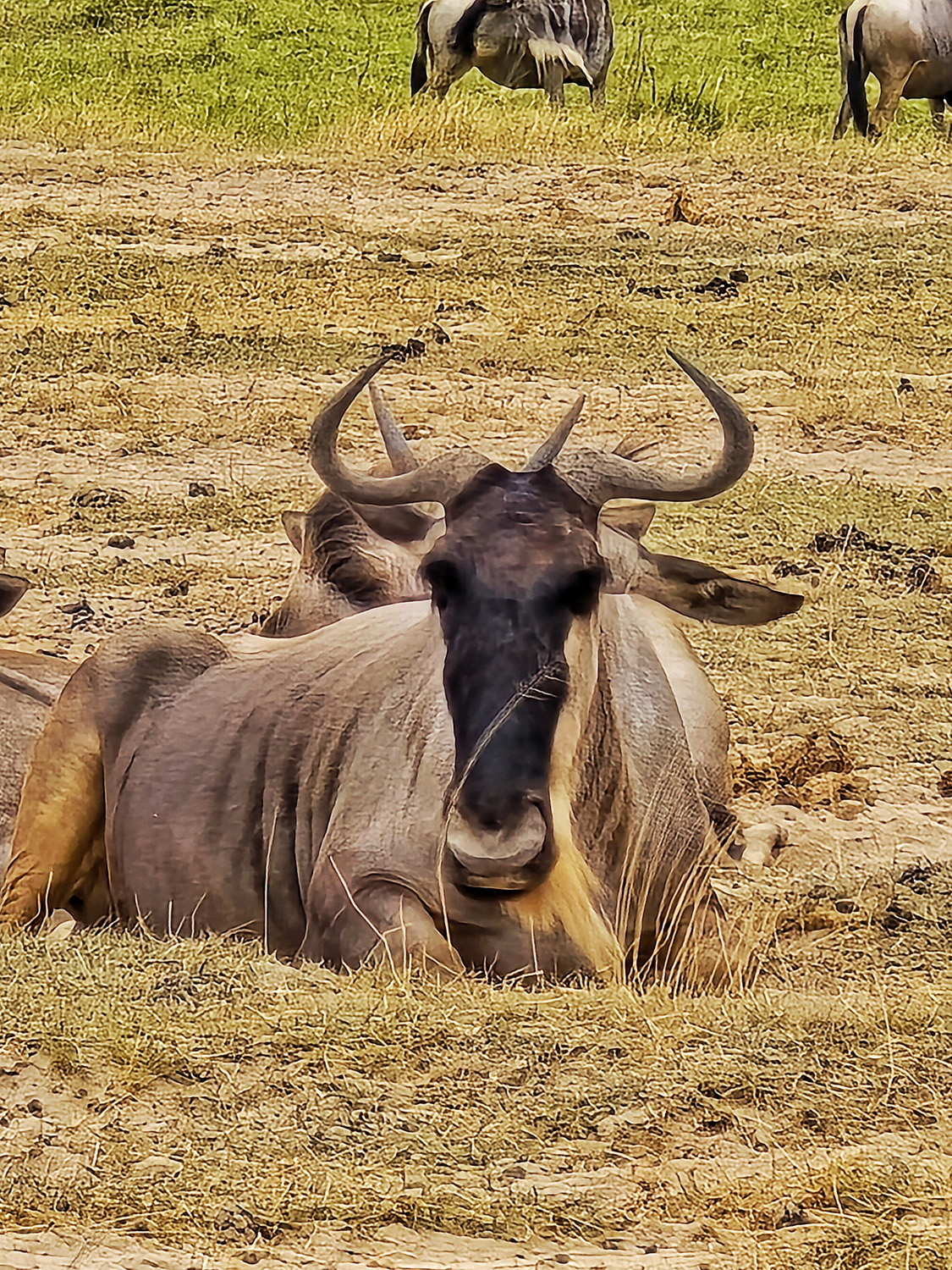
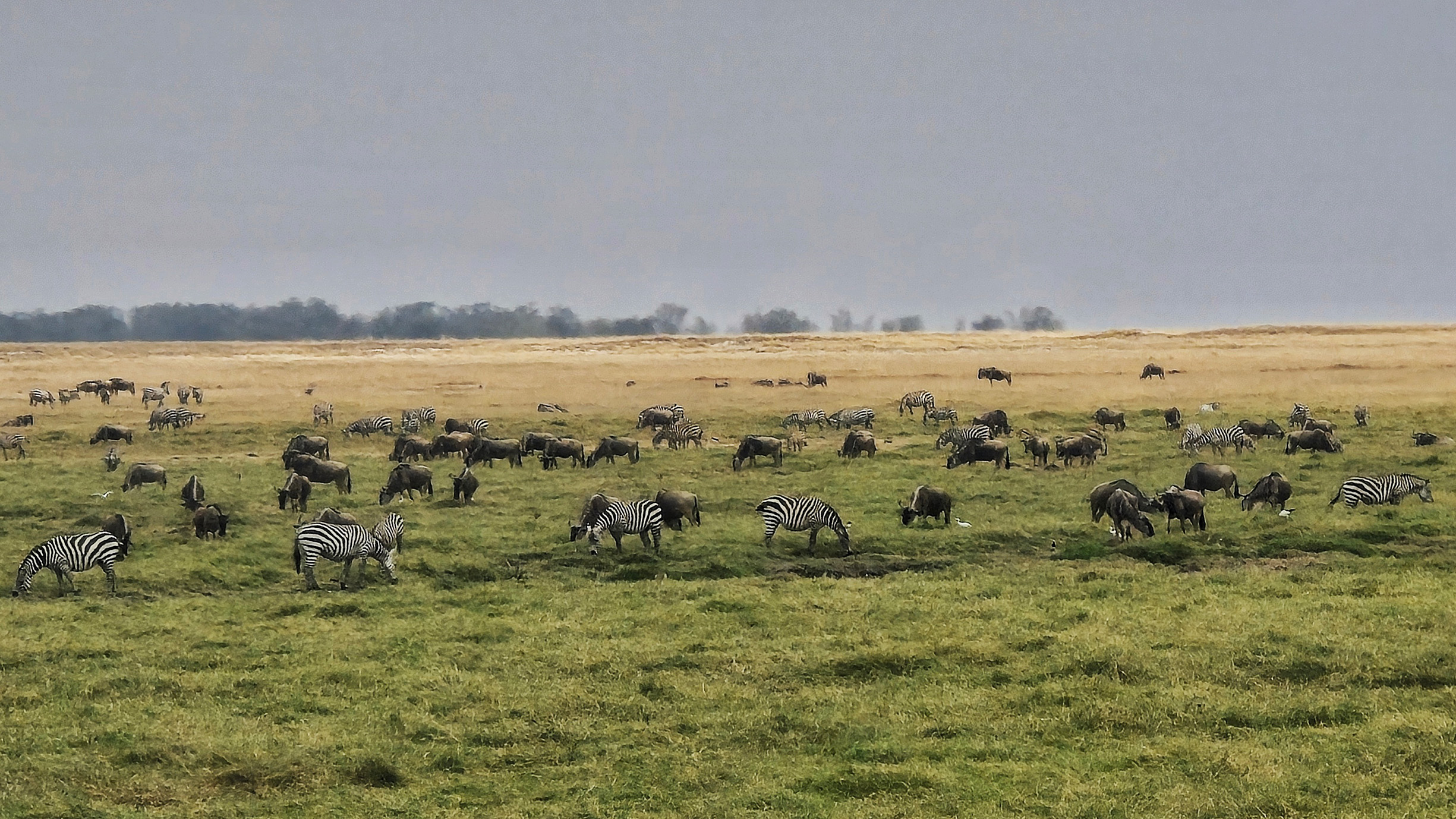
Amboseli also has its own migration of wildebeest and zebra, although not on the same scale as its more famous cousin, the Maasai Mara.
The elephants here are some of the friendliest in the world and like to get very close.
In addition to the wildlife and beautiful landscapes, the park is in an ideal location for those looking to combine Kenya and Tanzania in one trip.
Capture the quintessential image of wildlife roaming beneath the world’s tallest free-standing mountain.
Best Times To Visit Amboseli National Park
Amboseli National Park offers year-round appeal, but the timing of your visit can shape your experience. Whether you’re hoping for wildlife action at waterholes, clear vistas of Mount Kilimanjaro, or lush green landscapes dotted with newborn animals, each season brings its own magic. Here’s what to expect throughout the year:
• Best for Big Game Viewing – Wildlife gathers around permanent waterholes, making sightings easier and more concentrated.
• Sparse Vegetation – Easier to spot predators and prey in the open plains.
• Kilimanjaro Views – The iconic mountain is often shrouded in clouds during the day, but early mornings and late afternoons offer the clearest chances for that postcard-perfect shot.
• Comfortable Safari Conditions – Cooler mornings and warm, dry afternoons make for pleasant game drives.
• Lush Landscapes – The rains rejuvenate the park, creating vibrant green backdrops and clear, dust-free skies.
• Kilimanjaro at its Finest – Excellent chances of uninterrupted views of Mount Kilimanjaro, especially after rain clears the air.
• Newborn Wildlife – February and March are calving seasons when many herbivores give birth, attracting predators and offering fascinating wildlife encounters.
• Fewer Crowds & Lower Rates – Enjoy a quieter safari experience with more affordable prices.
• Rains Mostly at Night – Daytime activities are rarely disrupted, making this an appealing time for photographers and nature lovers.
Embark on an unforgettable safari to Amboseli with Indigo Safaris. From breathtaking views of Africa’s highest peak to intimate wildlife encounters, we’ll craft a journey that brings this legendary landscape to life. Start planning your Amboseli adventure or speak to a safari expert today.
Experience the awe of Amboseli National Park through stories that capture its timeless beauty. In this blog section, travellers share their encounters with vast elephant herds, golden savannahs, and the majestic backdrop of Mount Kilimanjaro. Each tale reveals why Amboseli is one of Kenya’s most iconic and photogenic safari destinations.