October 15, 2026
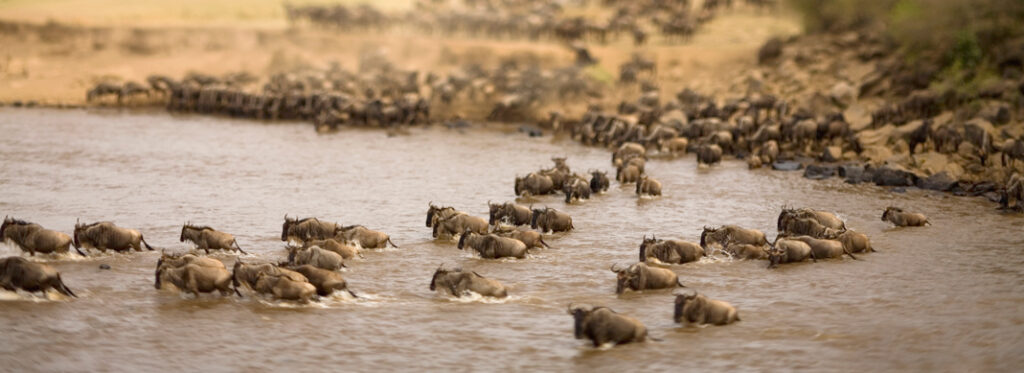
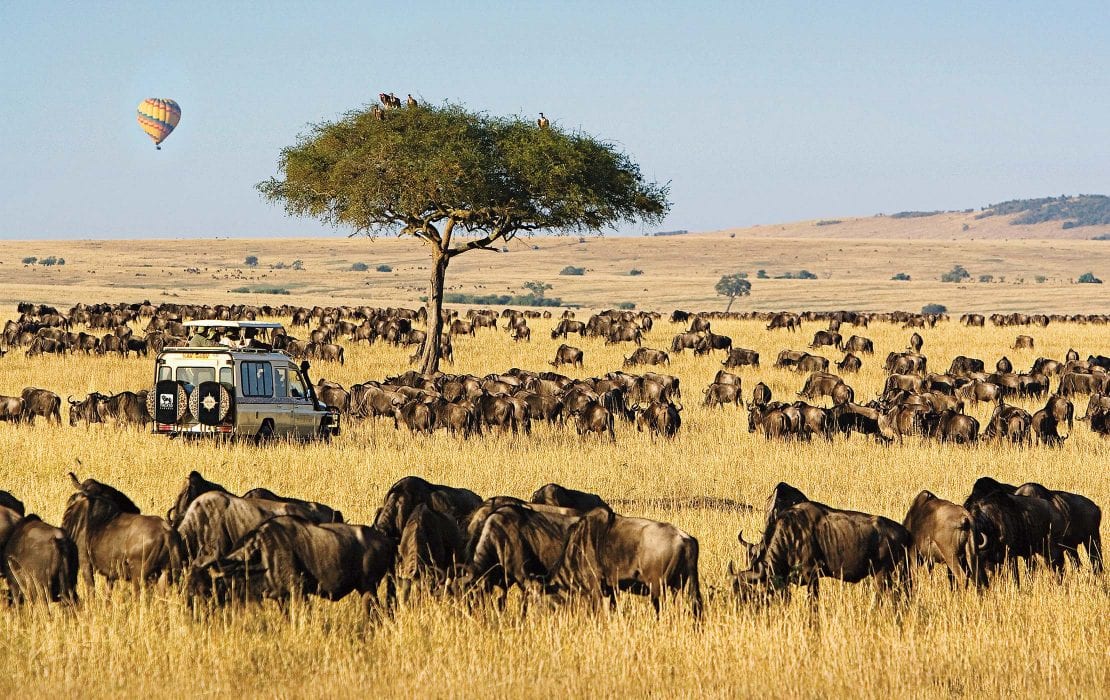
Undoubtedly the best known of all the Kenya Game Reserves, the Maasai Mara lies along Kenya’s South West border where it offers visitors the unique spectacle of the great wildebeest migration, one of nature’s greatest shows. However, during the months of July to October, it is incredibly crowded with hordes of tourists trying to see a river crossing. There can be well over one hundred vehicles at a crossing point, and even general wildlife sightings are overcrowded, with 30+ vehicles around a predator sighting. For the most part, with the exception of a very small selection of small lodges and camps, we avoid sending clients into the Mara National Reserve. Reserve fees are now $200 per person per day from June to December, plus an $80 Narok County Fee on top of that. Rather go to one of the excellent Conservancies in the area.
Discover our tailored Maasai Mara National Reserve safaris, designed to highlight the region's iconic wildlife and stunning landscapes and avoid the crowds as much as possible.
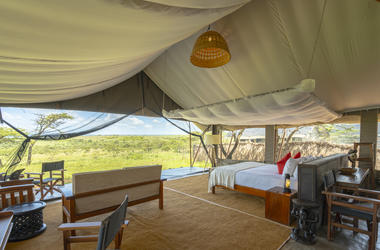
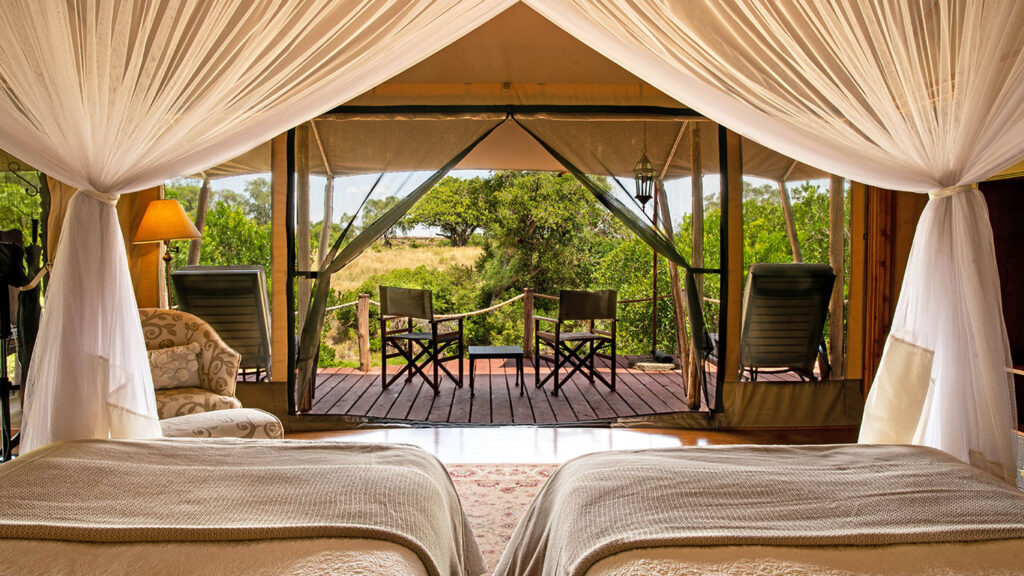
Why Visit Masai Mara National Reserve?
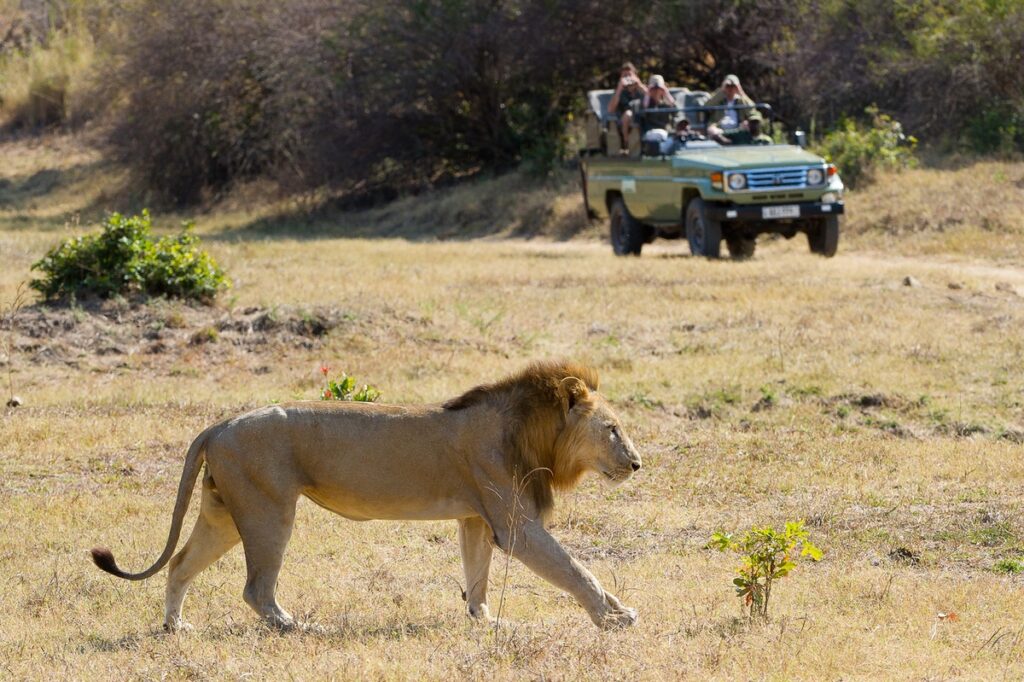
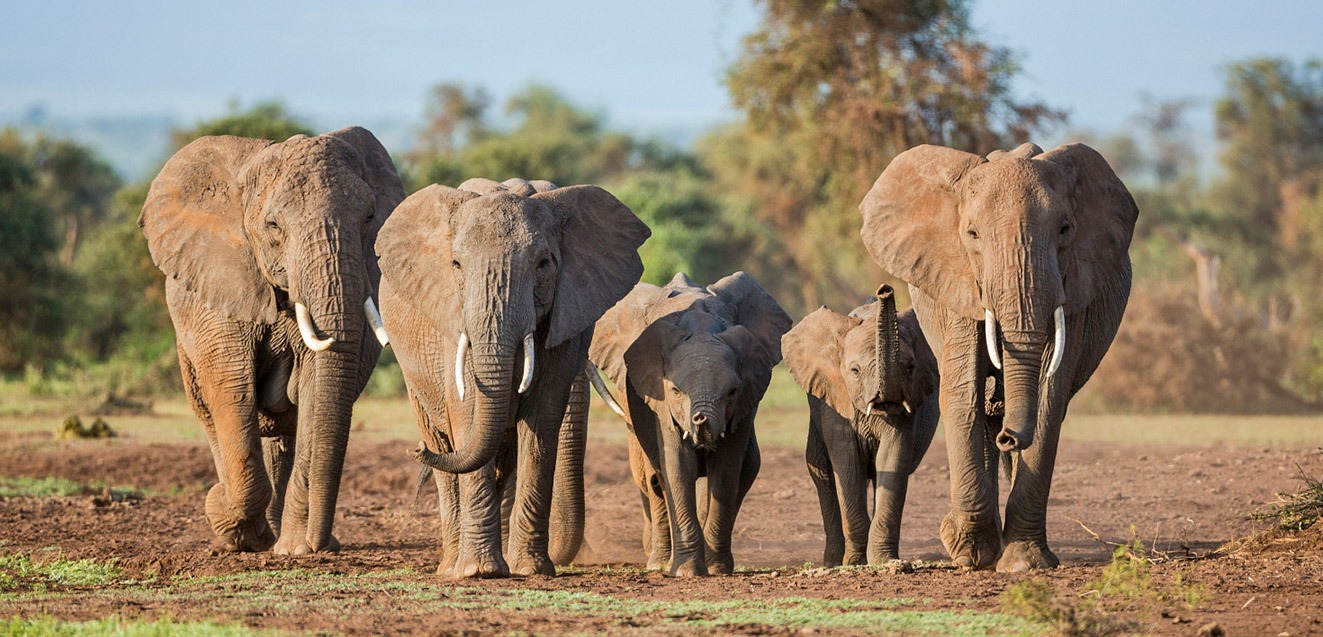
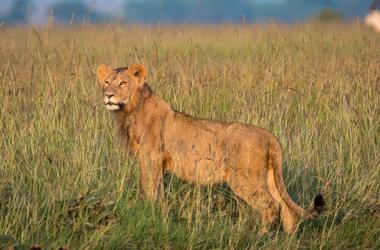
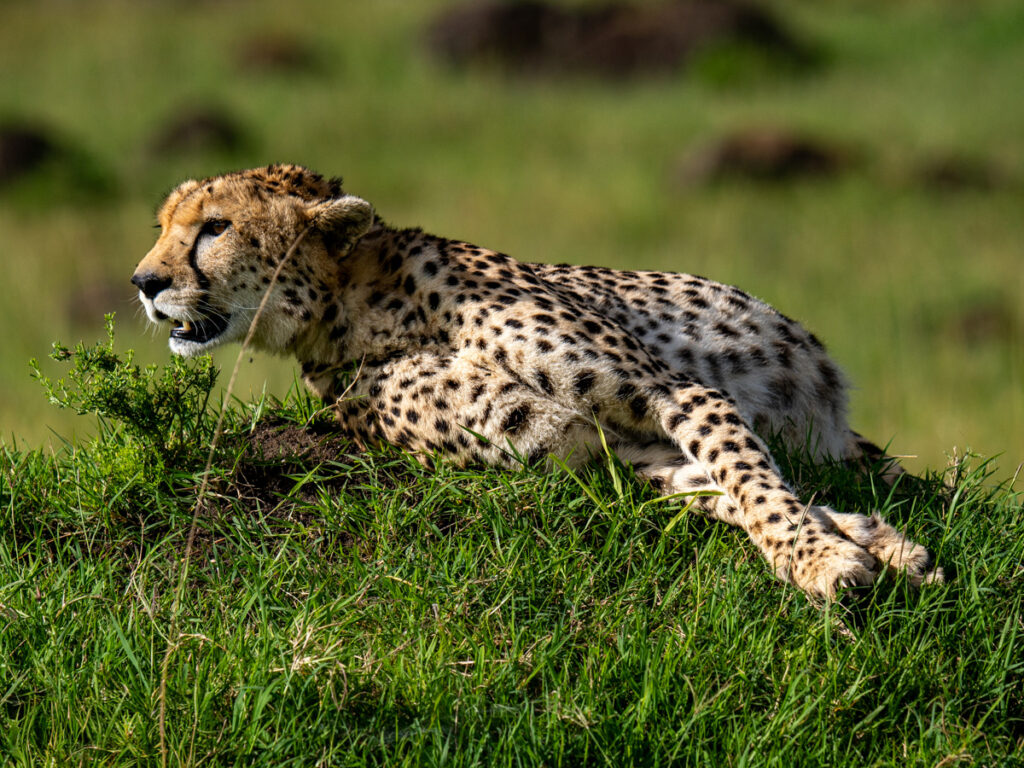
Covering an area of 1500 km2, it and the conservancies bordering the Maasai Mara, is home to large numbers of wildlife. The Mara made a name for itself with consistent and varied predator sightings such as lion, leopard, cheetah, hyena, bat-eared-fox and jackal. The key draw has always been the river crossings of the wildebeest and zebra migration between July and October. However, this popularity, coupled with the desire to milk the cash cow too much, has led to an overabundance of lodges, camps, and hotels, and a horrific visitor footprint in high season. Over a hundred vehicles are seen daily at the limited Mara River crossing points (six), and visitor and guide behaviour has become unethical in many cases, and counter to our values as wildlife lovers and amateur conservationists. The local authorities do nothing on the ground to prevent this. So, for now, we no longer send clients here in high season.
There are a handful of lodges in the southern Mara National Reserve and Olderkesi conservancy that are well placed to see, with some luck, a crossing of the dry Sand River.
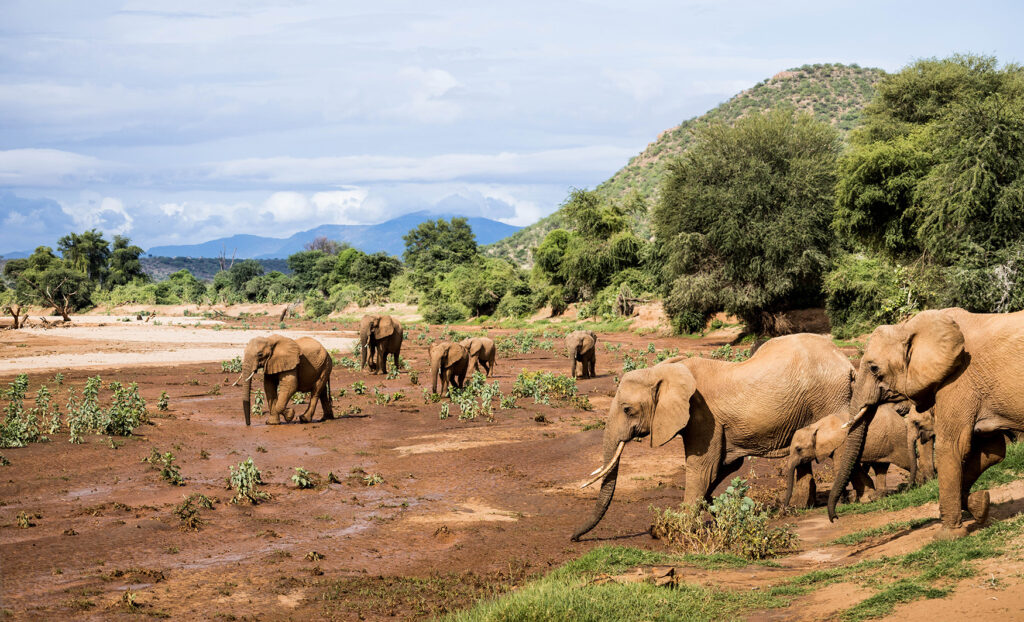
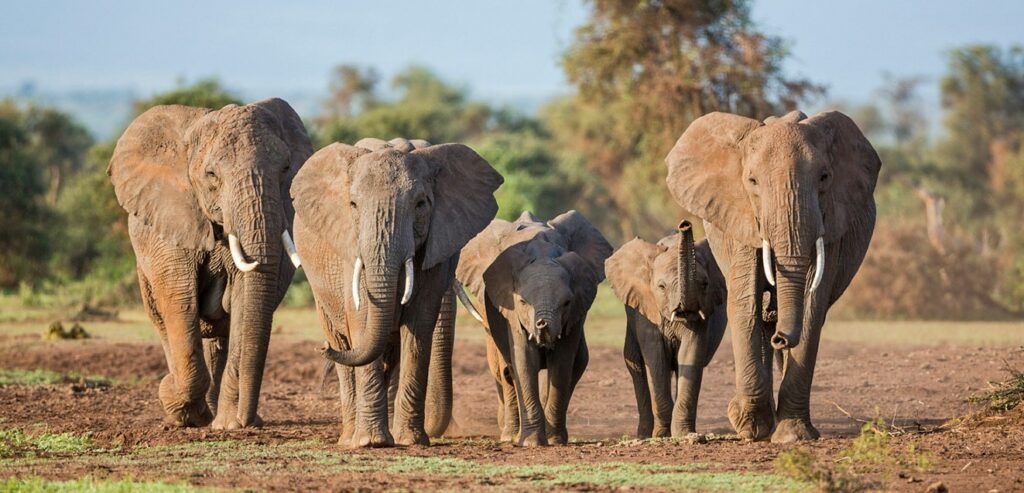
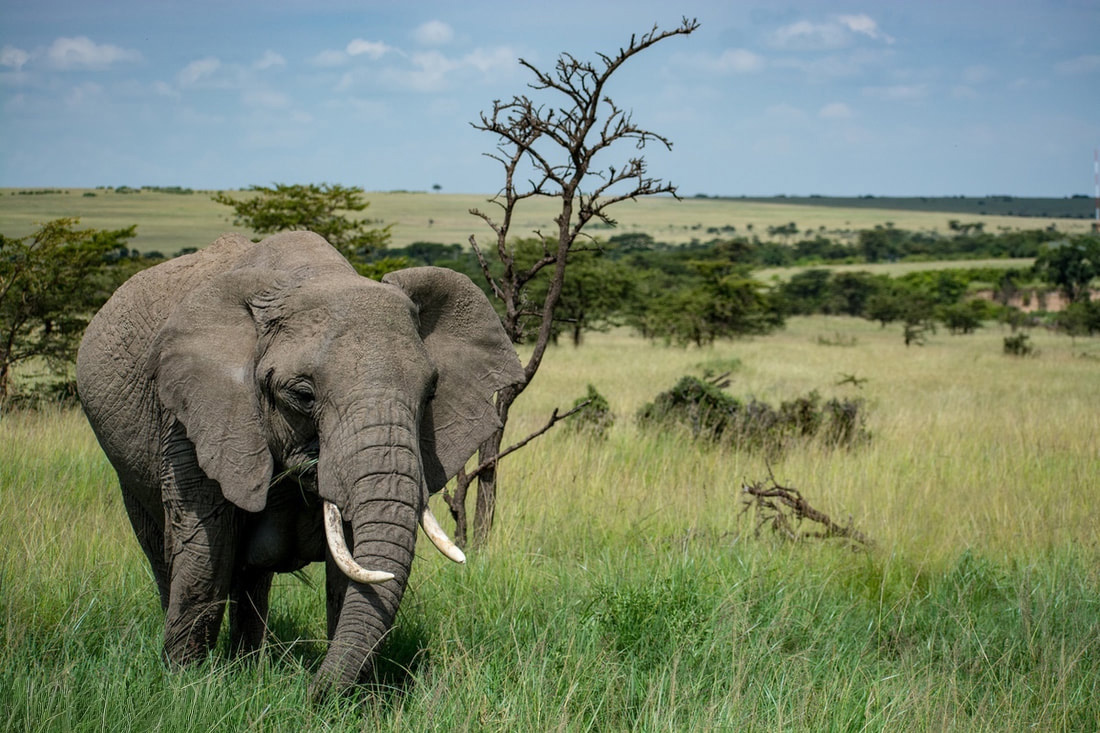
There are excellent predator, elephant, and plains game sightings year-round, from lodges and camps on the Talek and Mara Rivers. However, the adjacent conservancies permit night drives and off-track driving, unlike the MNR.
Renowned for outstanding lion, cheetah, and leopard sightings year-round.
Capture unforgettable images of seeping savannah landscapes in golden light.
Best Times to Visit Masai Mara National Reserve
The Masai Mara offers superb game viewing throughout the year, with each season offering unique highlights.
The pinnacle of Mara safaris, with dramatic river crossings and large predator activity.
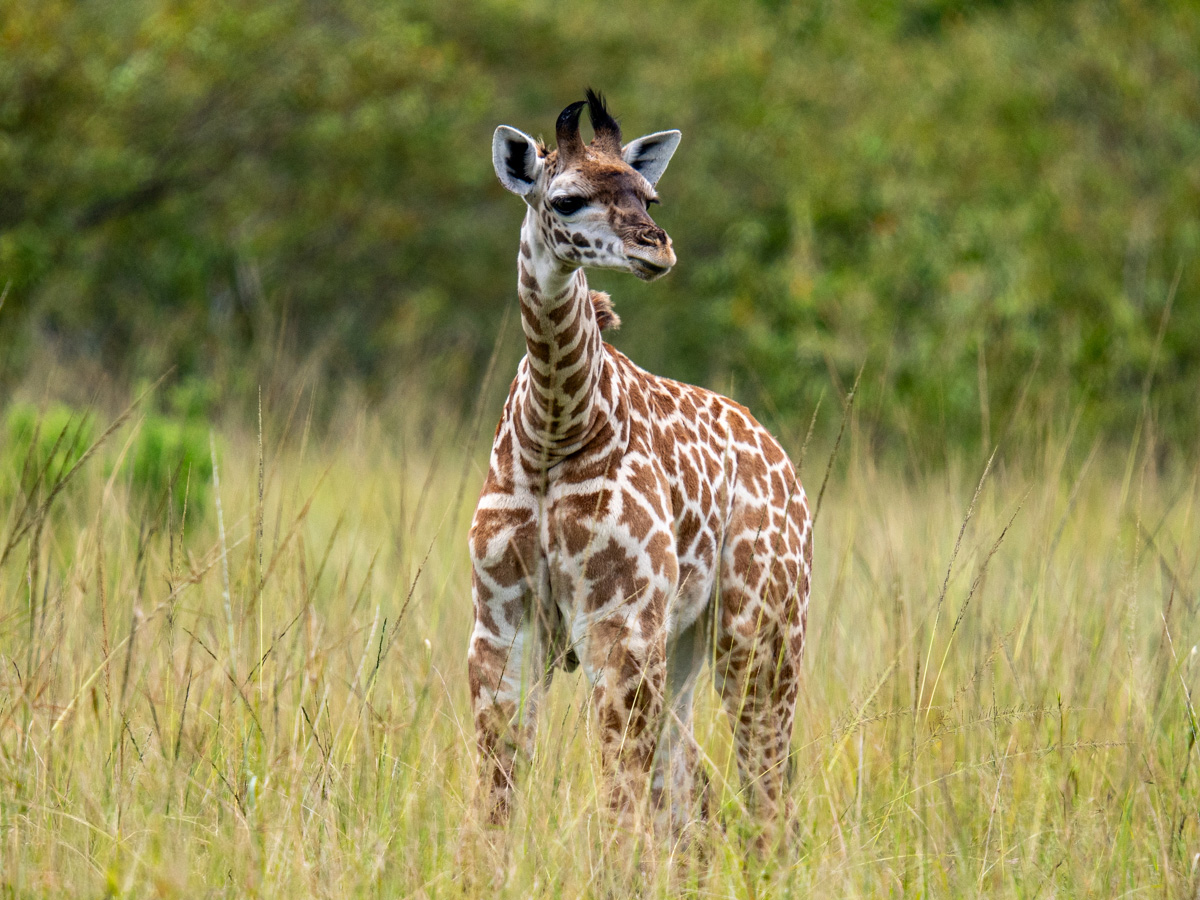
Excellent predator viewing and opportunities to see newborn animals.
Lush landscapes, fewer visitors, and fantastic photographic conditions.
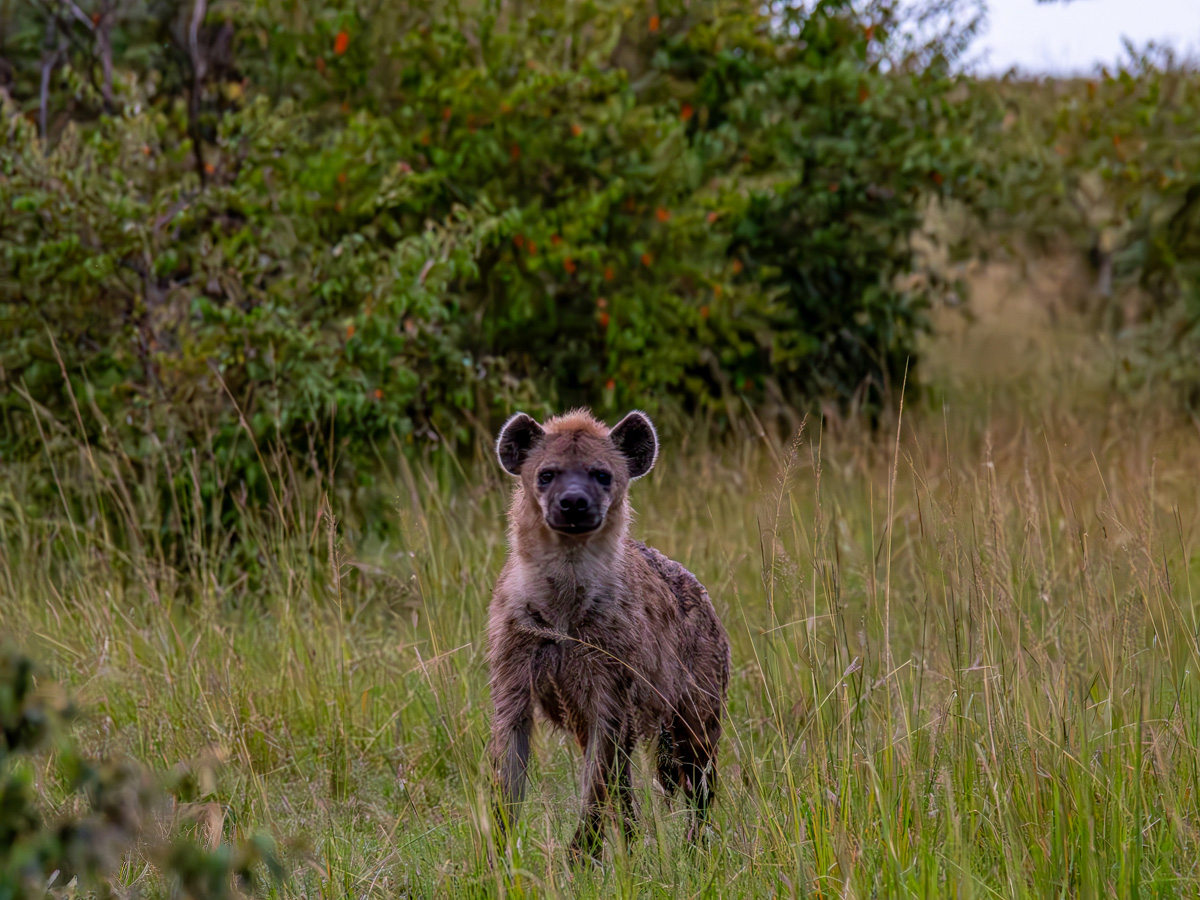
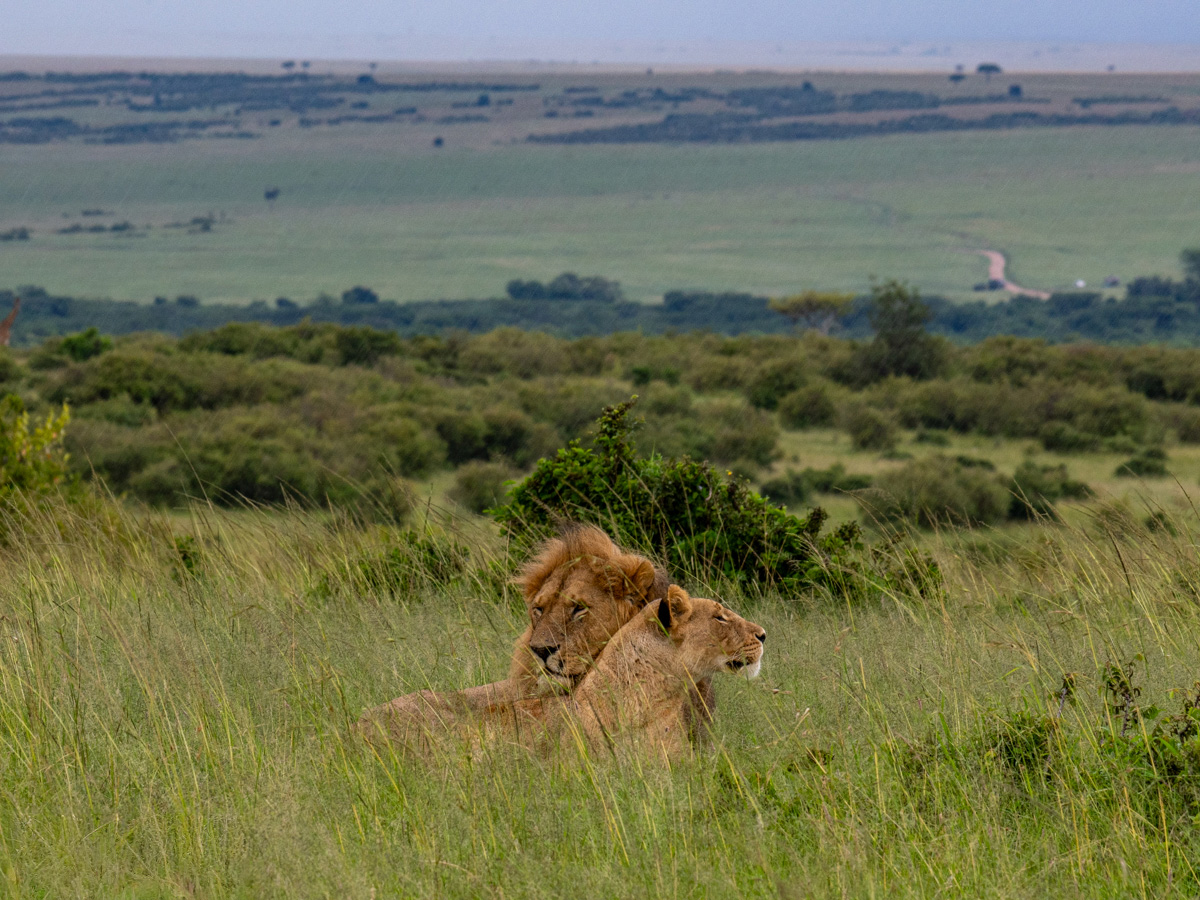
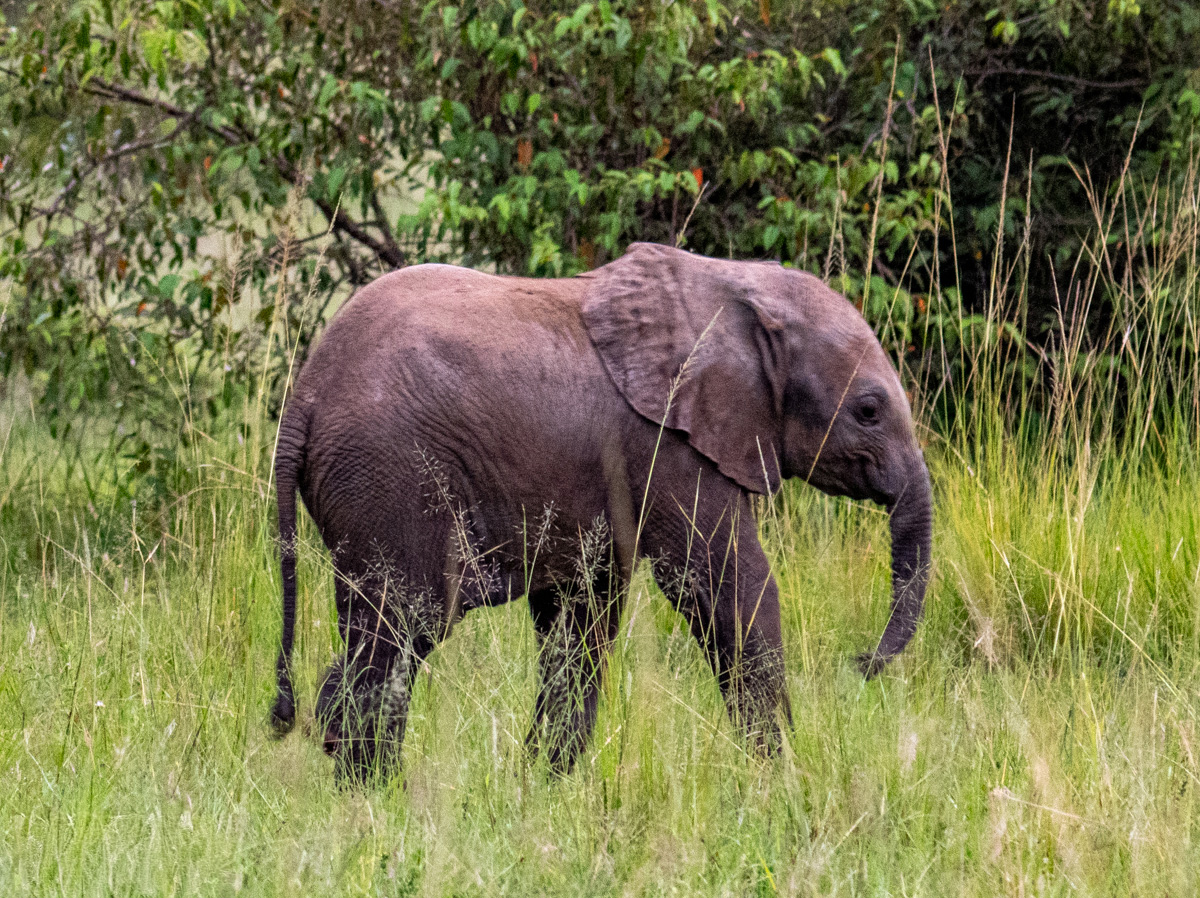
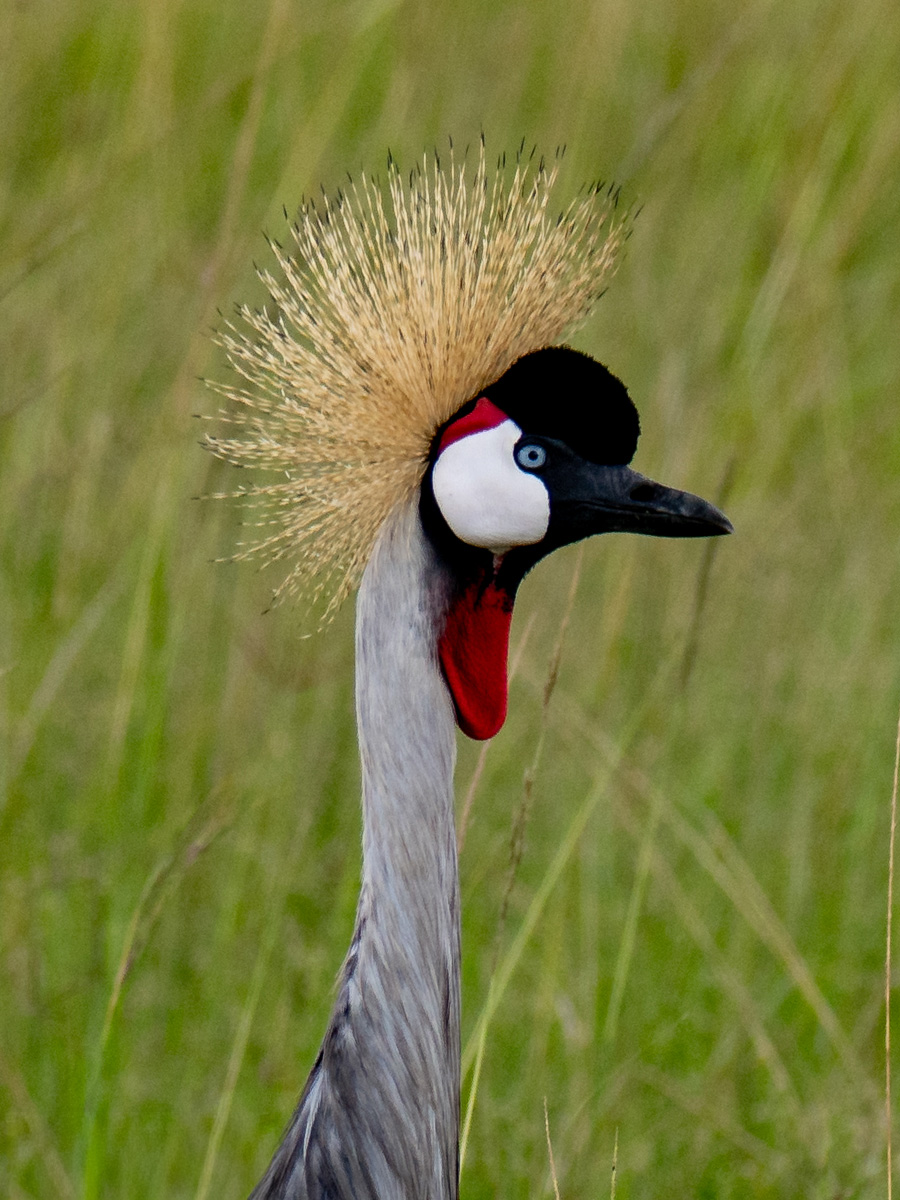
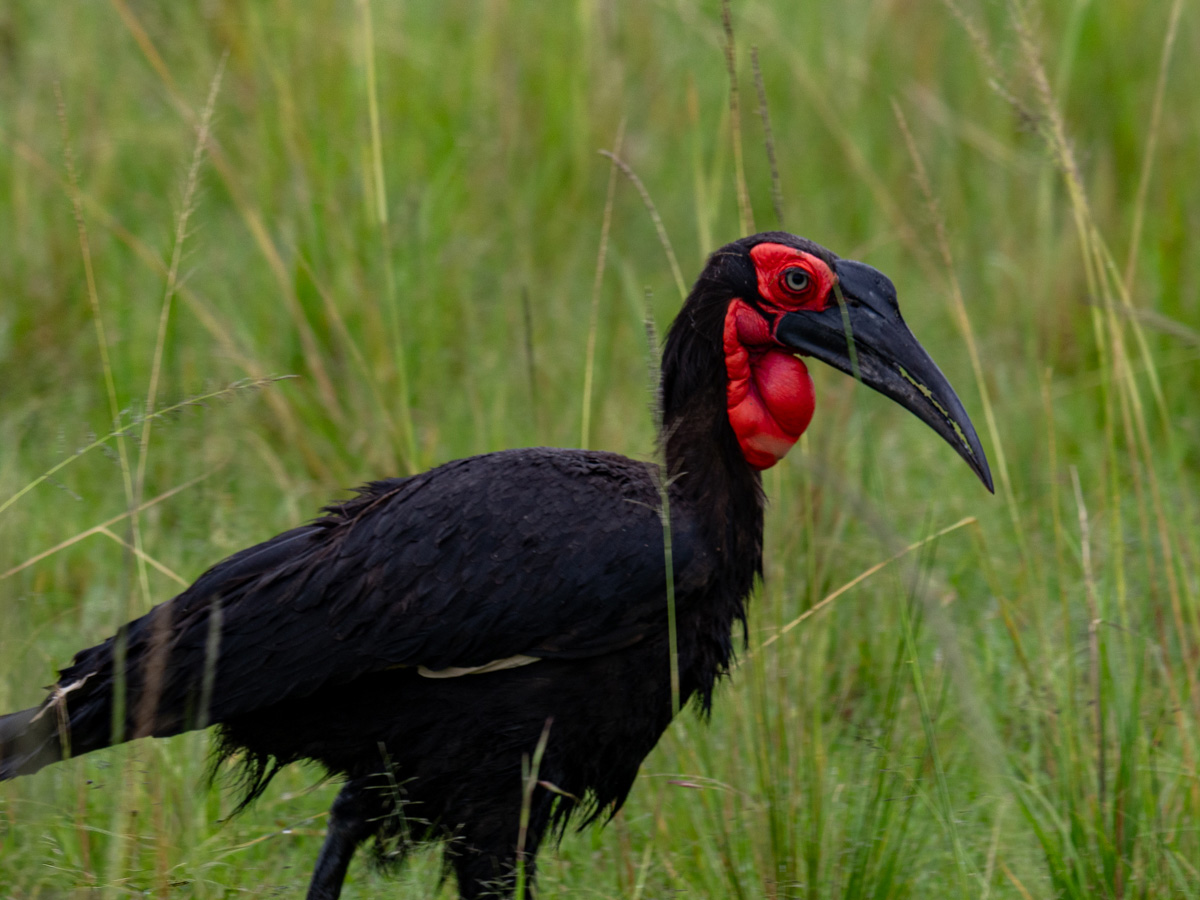
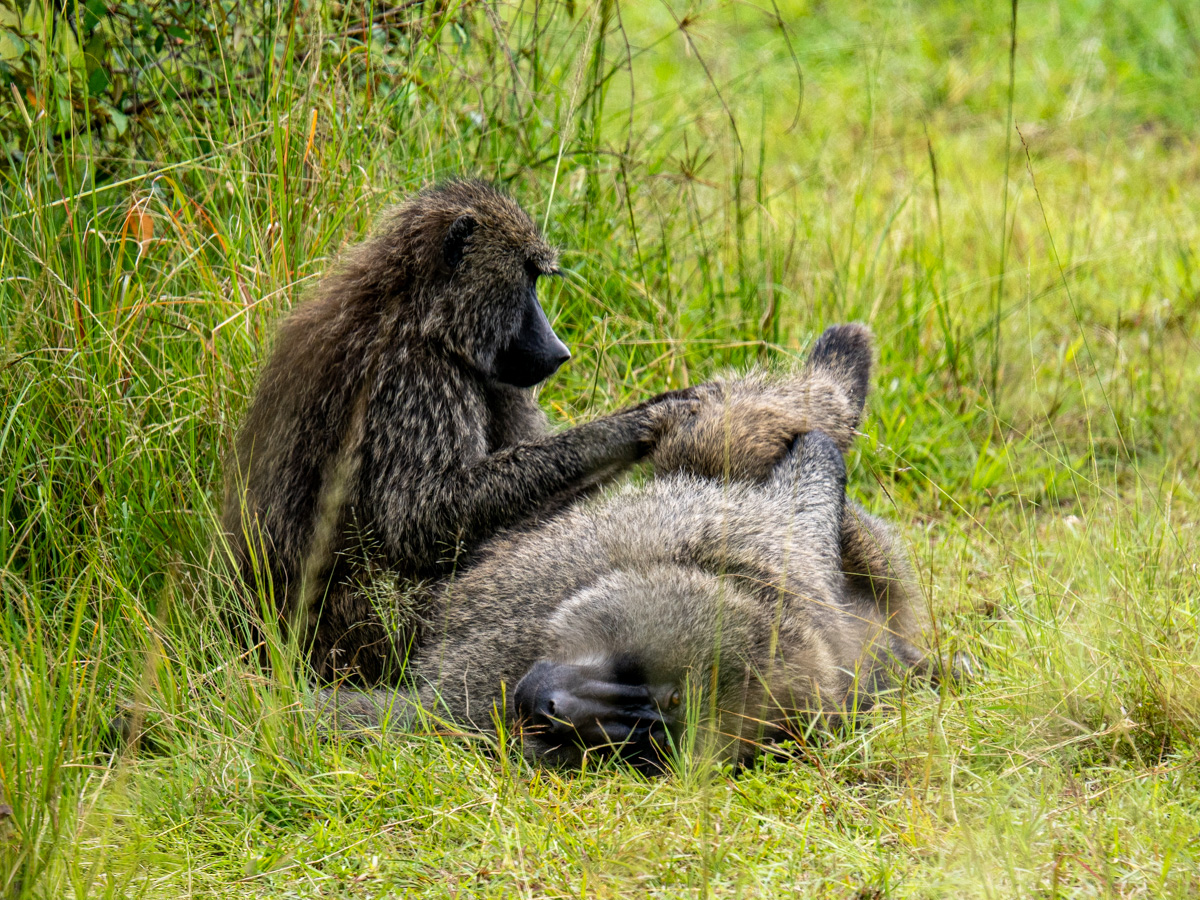
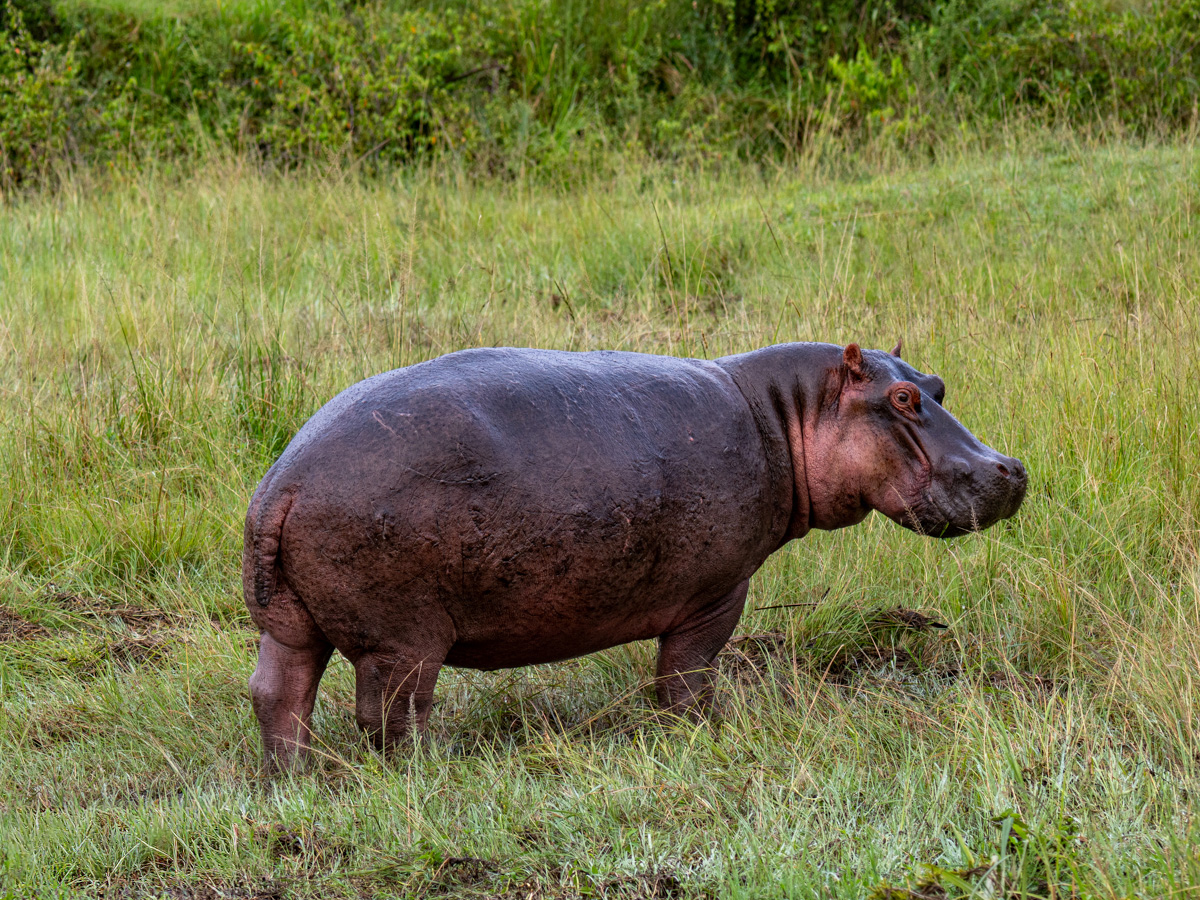
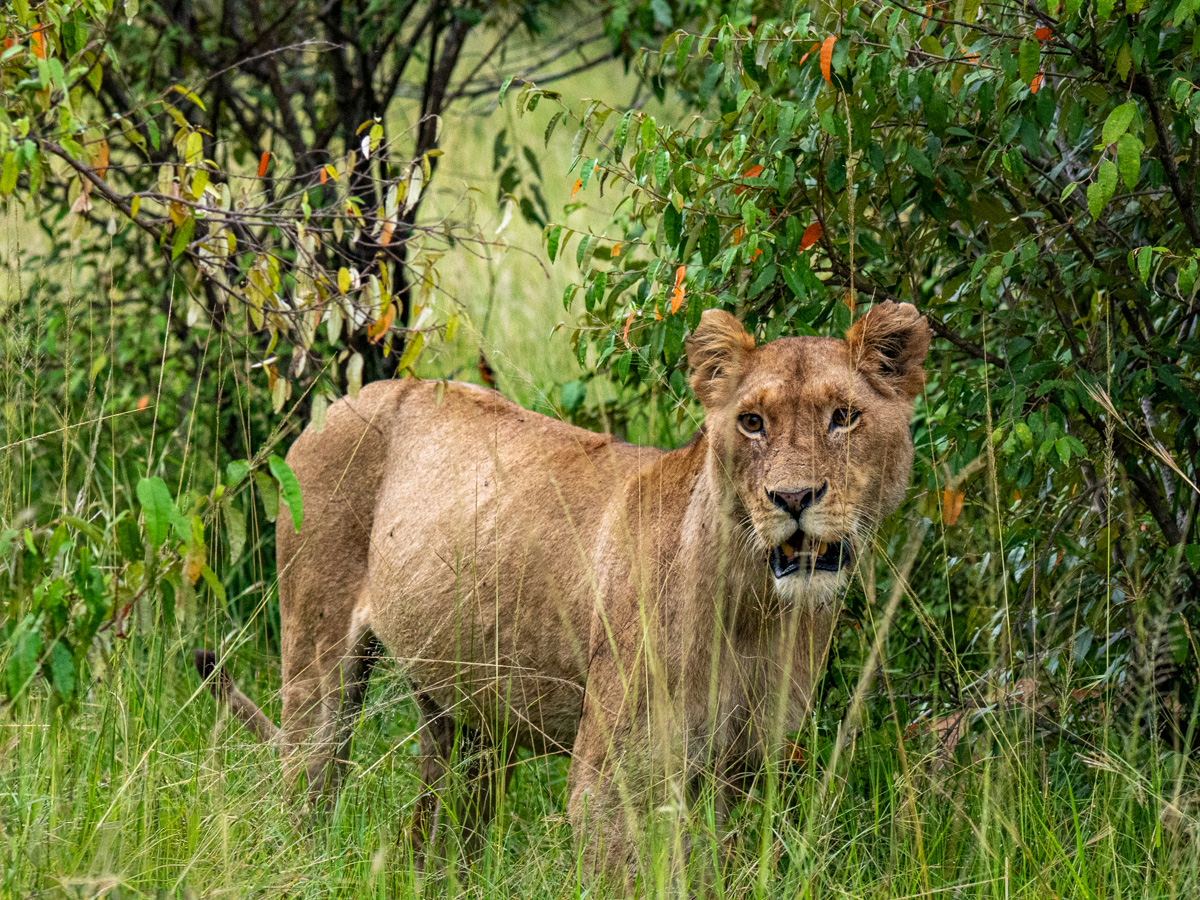
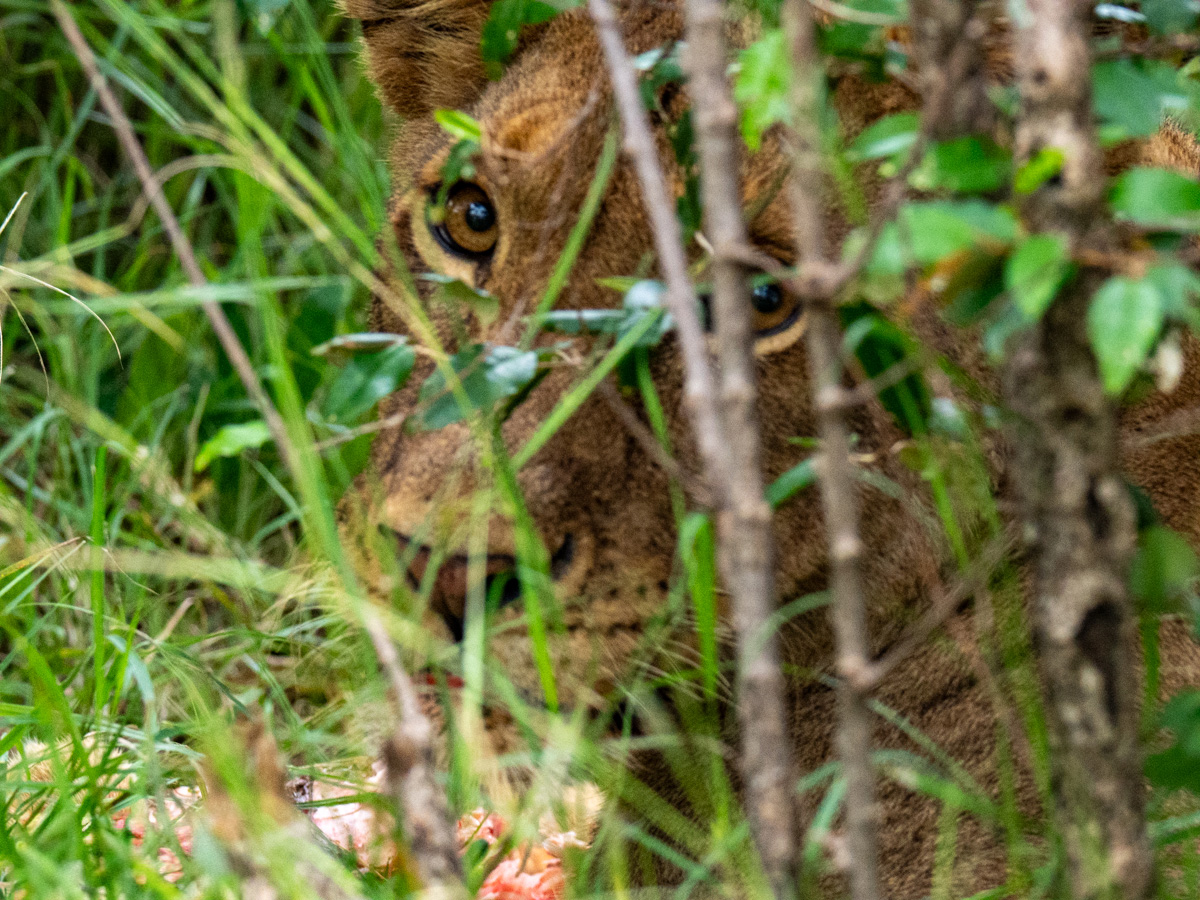
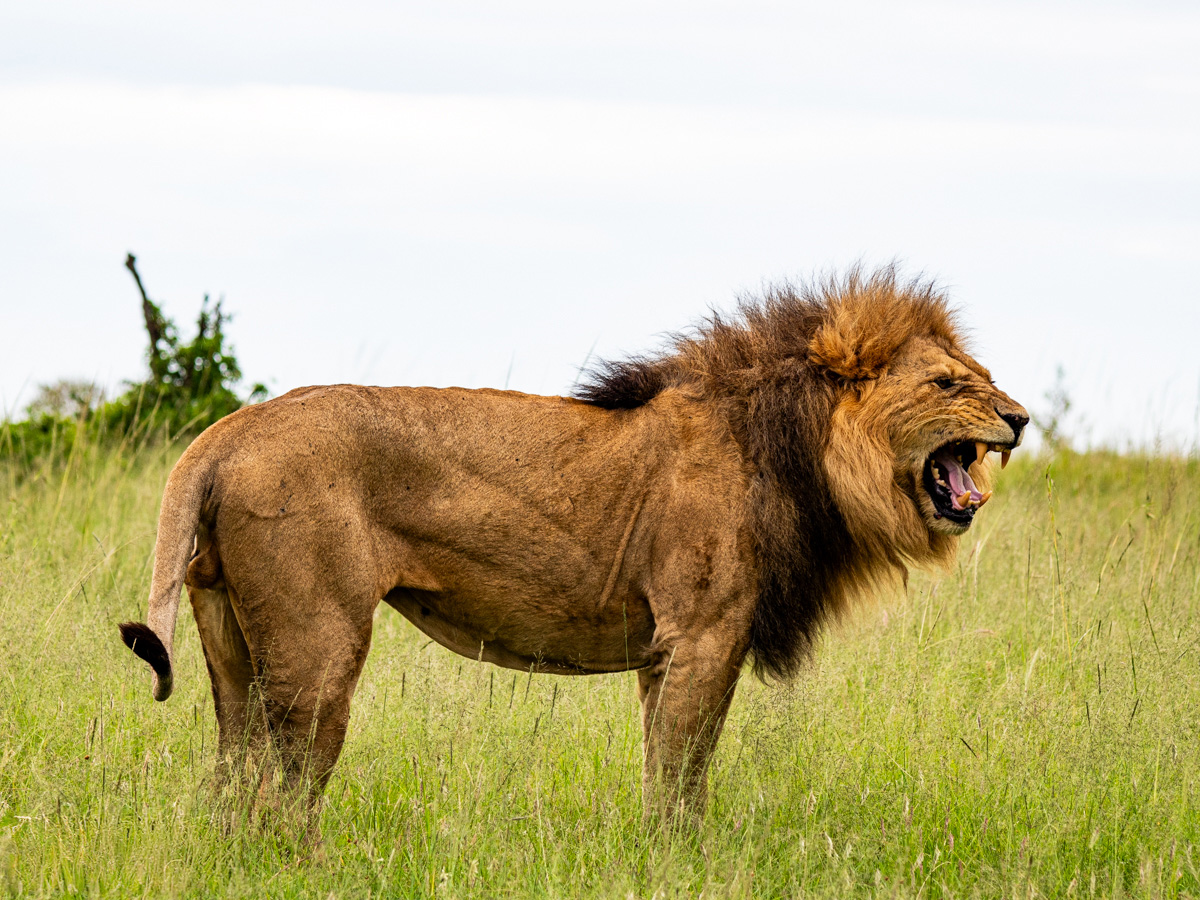
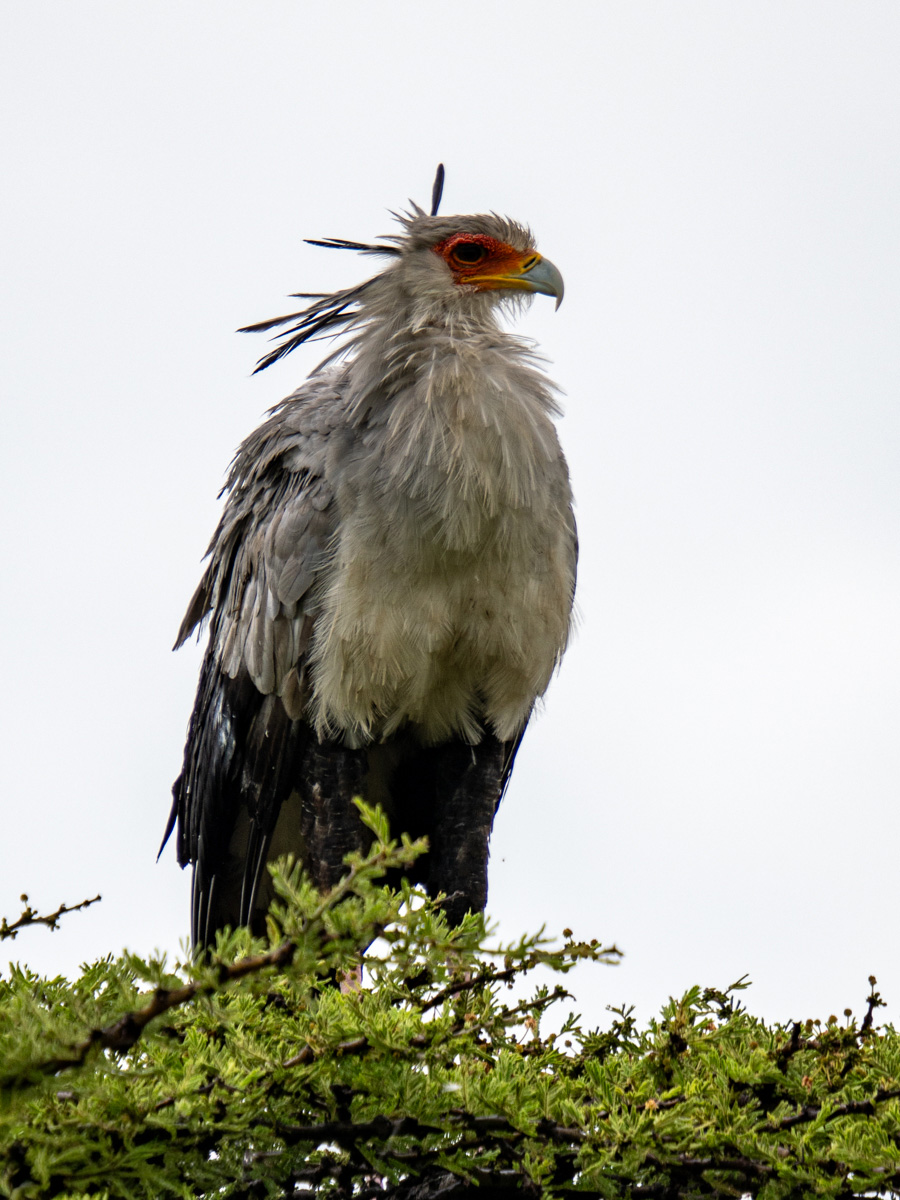
From the drama of the Great Migration to intimate predator encounters, the Masai Mara delivers a safari that is both timeless and exhilarating. Let Indigo Safaris design your perfect Mara experience, tailored to your travel style.
Experience the wonder of the Masai Mara National Reserve through the eyes of those who’ve witnessed its magic. In this blog section, travellers share stories of the Great Migration, golden sunsets over endless plains, and encounters with the Big Five in one of Africa’s most iconic wilderness areas. Each story captures the drama, beauty, and timeless allure of the Mara—the true heart of safari.